
Understanding Big Photography Prints
Big photography prints are enlarged photographic images printed on substantial surfaces, often measuring several feet in dimensions. These impressive visuals serve various purposes, from artistic displays and commercial advertising to personal memorabilia. The size of these prints allows for a more immersive viewing experience, bringing details and nuances to life that smaller formats may not adequately showcase. Such prints typically fall into a range of standard sizes, yet they can also be custom-tailored to suit specific aesthetic or spatial requirements.
Popular formats for large photography prints include dimensions such as 24x36 inches, 30x40 inches, 36x60 inches, and even larger formats like 48x96 inches. These sizes are often chosen for their ability to maximize visual impact while maintaining clarity and color accuracy. Besides rectangular shapes, panoramic formats with aspect ratios tailored to wide landscapes, such as 16:5 or 3:1, are also common, providing a broad view that enhances the subject matter, especially in landscape or architectural photography.
Printing methods for big photography prints typically involve high-resolution digital printing, which caters to detailed, vibrant, and durable outputs. Among popular techniques are inkjet printing using archival quality inks, which ensures longevity and resistance to fading over time. Materials used for these prints vary, including premium photo papers, canvas, and vinyl, each selected based on the desired aesthetic and functional qualities.
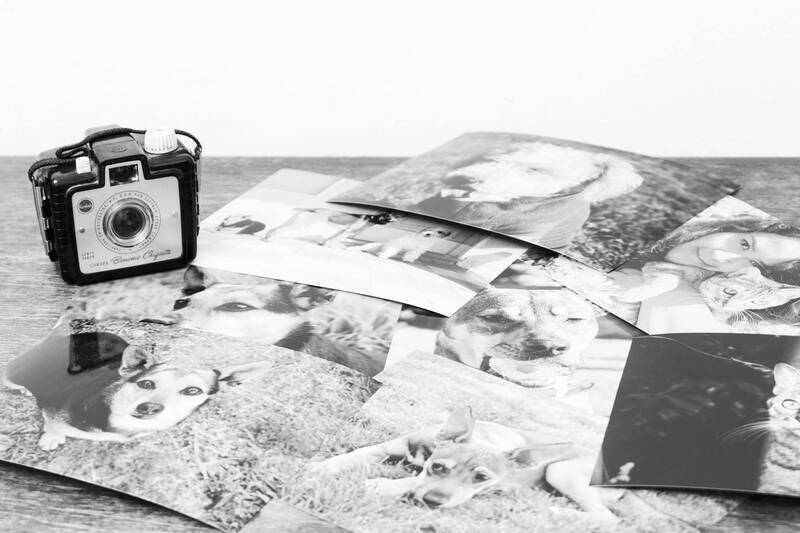
Choosing the right size and format depends on factors such as the intended display environment, viewing distance, and the photographic subject. High-quality digital scanning of original images or files with a high resolution ensures that enlargements retain sharpness and detail. For professionals and enthusiasts alike, understanding these specifications is essential to producing large prints that meet quality standards and aesthetic expectations.
Benefits of Printing Photography in Large Formats
Opting for big photography prints offers several notable advantages:
- Enhanced Visual Impact: The sheer size commands attention and allows viewers to engage more deeply with the image, revealing subtle details and textures.
- Space Transformation: Large prints can redefine interior spaces, creating focal points that elevate the overall ambiance of a room or exhibition area.
- Artistic Expression: Bigger formats provide a canvas for artists and photographers to showcase their work, emphasizing composition, color, and emotional tone.
- Commercial Appeal: For businesses, large-format photography enhances branding efforts, making promotional visuals more compelling and memorable.
- Durability and Longevity: When produced with high-quality materials and inks, large prints maintain their vibrancy for many years, ensuring lasting visual appeal.
Understanding Big Photography Prints
Creating large photography prints involves meticulous attention to detail and technical precision to ensure each image retains its clarity and impact at bigger sizes. This process begins with high-resolution digital files, ideally captured through professional camera equipment or scanned from high-quality original prints. The resolution must be sufficient to prevent pixelation or loss of sharpness when enlarged, typically requiring files of at least 300 dpi at the final print size. The choice of printing material also plays a vital role in the final appearance and durability of big photography prints. Options range from fine art papers, canvas, to vinyl and acrylic, each offering distinct visual textures and physical properties. For example, canvas prints add a textured, artistic feel, while acrylic can produce a sleek and modern aesthetic with vibrant color fidelity. Selecting the right substrate depends on the intended display location, desired style, and budget considerations. Another crucial aspect of producing large photographs is color management. Precise color calibration during the printing process ensures that the final output closely matches the original digital image, capturing the richness of tones and subtle nuances. Professional printers utilize advanced color profiles and calibration tools to achieve this, safeguarding the integrity of the photograph. The process of enlarging images also involves interpolation, where digital software rescales images to fit larger formats. Skilled operators use sophisticated algorithms to minimize artifacts and maintain smooth gradations. When combined with high-quality printing technologies, such as wide-format inkjet printers equipped with archival inks, this ensures the longevity and vibrancy of the finished piece.
Choosing the Right Size and Format for Big Photography Prints
Determining the appropriate dimensions for large photographs depends on the display environment and the viewing distance. Common sizes for impactful wall art include 24x36 inches, 40x60 inches, or even larger formats like 60x90 inches. These sizes allow viewers to appreciate fine details from a close range while creating a significant visual presence from afar.
Format considerations involve aspect ratios and framing options. Standard aspect ratios such as 3:2 or 4:3 are popular, but custom ratios can better suit specific compositions or wall spaces. Frames, borders, and mounting techniques also influence the overall presentation, with options ranging from shadow boxes to sleek, frameless installations.
Methods to Achieve Professional-Quality Large Prints
- Utilize Professional Printing Services: Opt for reputable printing studios that specialize in large-format outputs, ensuring access to the latest printers and materials.
- Provide High-Resolution Files: Ensure digital files are of the highest possible resolution, formatted in lossless formats (such as TIFF or PSD) to preserve image quality.
- Implement Accurate Color Calibration: Use color management tools during file preparation and printing to match your artistic vision precisely.
- Choose Appropriate Materials: Select substrates that complement the photograph’s aesthetic and intended display environment, considering durability and visual texture.
- Consider Finishing Techniques: Matte, gloss, or satin finishes can significantly alter the look and feel of large prints, impacting glare, vibrancy, and touchability.
Proper Handling and Maintenance of Big Photography Prints
- Keep prints away from direct sunlight or harsh lighting to prevent fading of colors over time.
- Use protective framing with UV-filtering glass or acrylic to extend the lifespan of the print.
- Handle large prints with clean, dry hands or gloves to avoid transferring oils and dirt.
- When cleaning, use a soft, damp cloth to gently remove dust or smudges, avoiding harsh chemicals or abrasive materials.
- Store flat or properly mounted in a controlled environment to prevent warping or damage.
