7+
Major Printing Methods Available
40%
Cost Savings with Bulk Print Orders
ISO
9001 Certified Quality Management
Overview of Printing Services

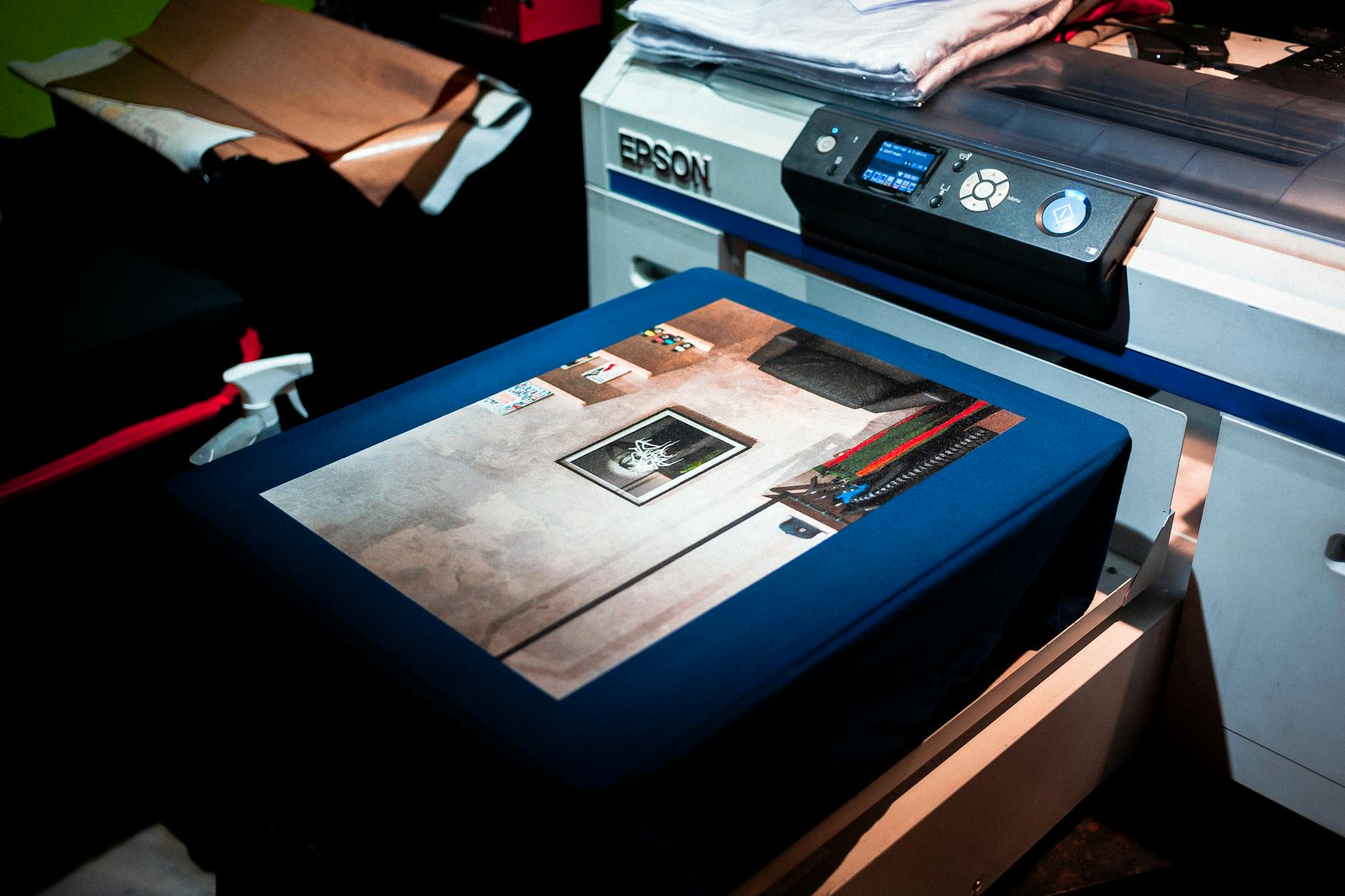
High-quality printing machinery capable of handling diverse client needs at a professional printing facility.
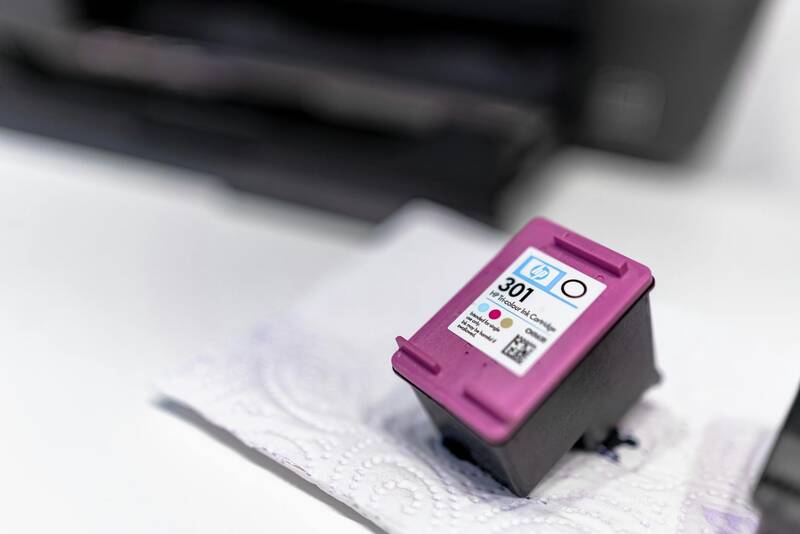
Printing services encompass a broad range of professional solutions designed to produce physical copies of digital content. These services play a vital role in both business and personal settings by transforming digital designs into tangible products. Businesses rely heavily on printing for branding materials, marketing collateral, labels, packaging, and internal documents.
You can rely on professional printing services for both personal and business needs. Whether you need marketing materials for your company or photo prints for your home, expert printing services can help. They use the latest technology to ensure your projects turn out perfectly, no matter the size or complexity. Whether you're looking for small prints for a personal project or large-scale commercial work, printing services offer a range of options to meet your specific requirements.
ℹ
Note
At our printing company, we understand that not all businesses have the same needs, which is why we offer various printing methods and materials. Whether you're looking for small business cards or large banners, we have the perfect solution to fit your application and budget.
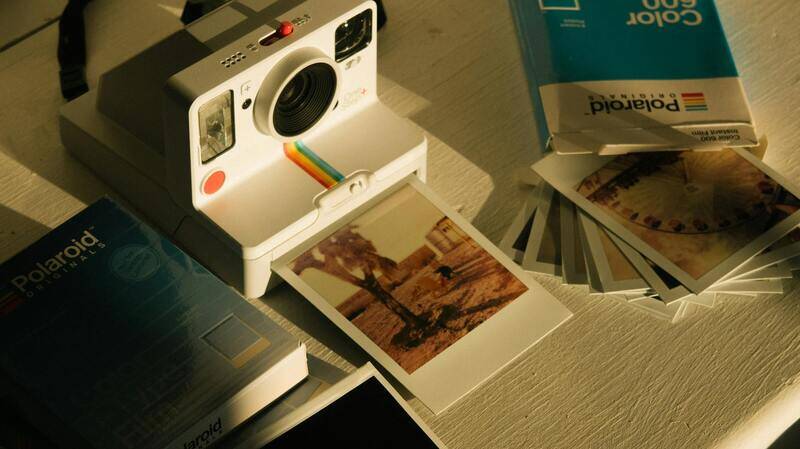
Digital printing is a popular choice for short runs and personalized prints, offering quick turnaround times and minimal setup costs. Offset printing, meanwhile, remains a favorite for high-volume production, providing consistent color fidelity and cost-effectiveness at scale. Both methods are essential in the printing industry, each catering to different needs and requirements.
Large-format printing is indispensable for creating visually impactful marketing materials like banners, posters, and trade show displays. Meanwhile, emerging technologies such as 3D printing are opening new avenues for prototyping, manufacturing, and creative projects. Additionally, specialty services like embossing and foil printing provide textured and metallic effects that enhance the visual appeal of promotional and packaging materials.
Professional printing providers are equipped with state-of-the-art machinery capable of handling various substrate materials, including paper, fabric, plastic, and metal, to ensure each project meets the specific needs of their clients.
The best printing service depends on the project's scope, quality needs, and budget. An experienced provider can assess these factors and recommend the most suitable method, whether it involves color management, fast delivery, or specialized materials.
Types of Printing Services Offered
Printing methods vary based on production volume, material type, and quality standards. Understanding these differences is key to choosing the best approach for your project. You may need high-volume consistency or quick, personalized output.
🖼 Offset Printing
Perfect for high-volume jobs requiring exact color matching and long-lasting results. Often used for newspapers, magazines, and printed packaging. Provides consistent quality throughout large print runs.
💻 Digital Printing
Personalized printing lets you create unique items for short runs, special events, and fast turnarounds. Since no plate-making is required, it's perfect for small quantities and quick turnarounds. Business cards, brochures, and promotional materials are common uses for personalized printing.
👁 Large-Format Printing
We design and build large-format printers for outdoor advertising, event displays, and wall graphics. They print on a range of materials, including vinyl, fabric, and mesh, with brilliant colors. Our printers let you create eye-catching displays that stand out. They work with different types of substrates, giving you flexibility in your designs.
👕 Screen Printing
The perfect choice for textile printing, including apparel and custom merchandise. It delivers vibrant colors and durable overlays, making it ideal for bulk production of T-shirts, tote bags, and promotional items.
🎂 3D Printing
An innovative technology creating three-dimensional objects from digital models. Supports prototyping, manufacturing, and artistic applications across healthcare, automotive, and fashion industries.
✨ Embossing & Foil Printing
Adds texture and metallic accents to printed materials, enhancing brand identity and aesthetic appeal for packaging, stationery, and luxury product branding.
✓
Pro Tip
For high-volume branding projects, offset printing can reduce per-unit costs by up to 40% compared to digital printing. Always request a cost comparison from your provider for orders over 500 units.
Specialty Finishing and Binding
Laminating, UV coating, spot varnishing, and various binding techniques can make books, catalogs, and promotional materials look professional and polished. These finishing touches strengthen and enhance the appearance of standard materials, creating a premium branded experience.

Industrial-scale offset printing facility demonstrating high-volume print production capabilities.
Materials and Finishing Options
When selecting printing services, understanding the variety of materials and finishing techniques available is essential for achieving the desired aesthetic and functional outcomes. The choice of materials ranges from traditional paper stocks to specialty substrates including plastics, fabrics, vinyl, and metal foils.
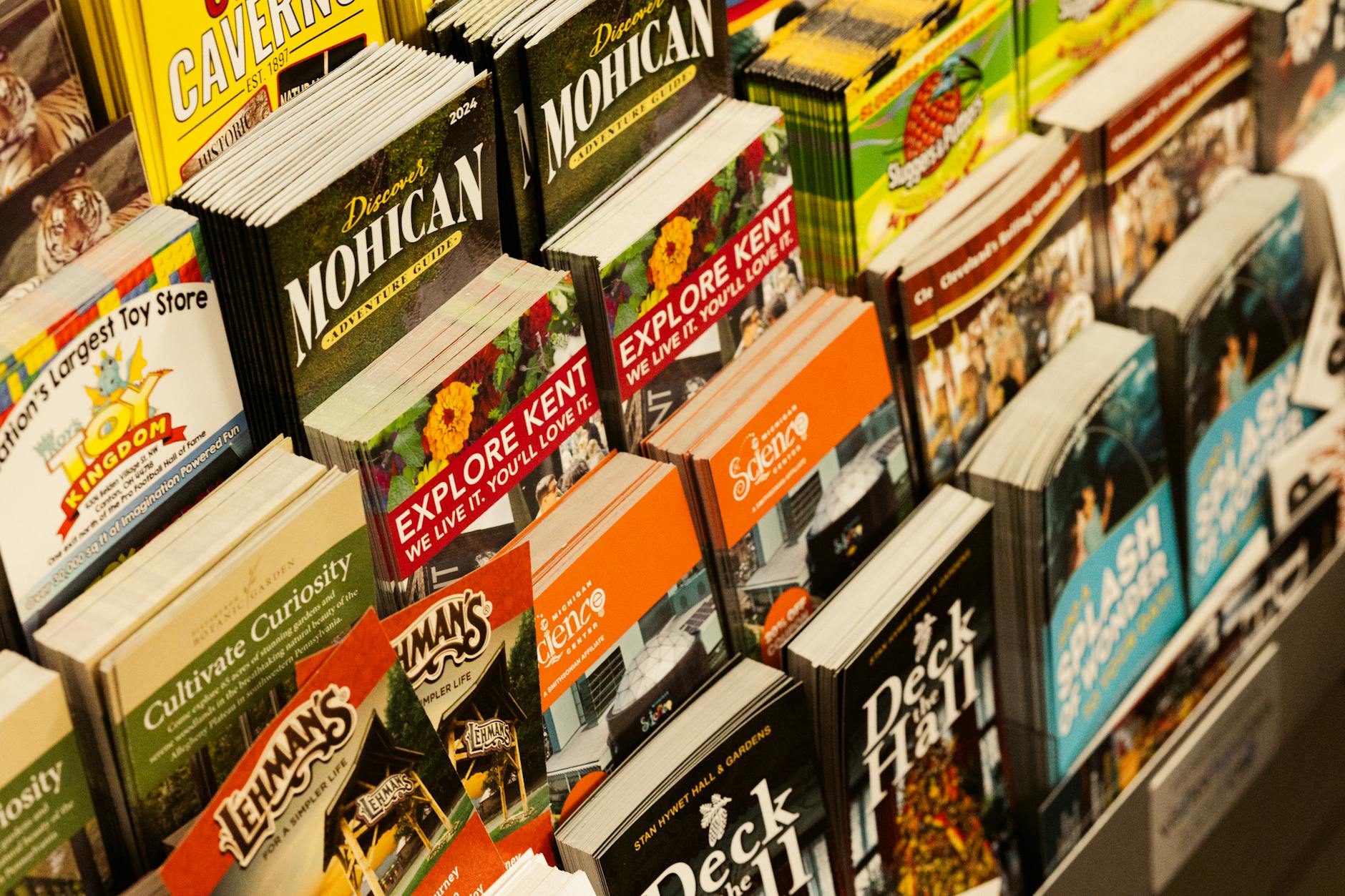
Paper Stocks and Substrates
You have many paper options to choose from when it comes to print jobs. Standard options include coated and uncoated paper, both of which can be used for most printing needs. Coated paper is smooth and provides bright colors, making it great for brochures, flyers, and marketing materials. Uncoated paper has a natural texture that many people prefer for stationery or letterheads.
You can use a variety of specialty substrates to create unique visual effects and reinforce branding elements. Textured papers, recycled materials, and transparent films are some examples of specialty substrates. Each type of substrate has its own unique qualities, such as durability, flexibility, or a premium feel, which makes it suitable for different types of projects.
Finishing Techniques
- Lamination: Adds a protective layer that enhances durability and provides a glossy or matte appearance, ideal for menus, covers, and banners.
- UV Coating: Provides a high-gloss finish that accentuates colors and details, perfect for promotional flyers and business cards.
- Spot Varnishing: Applies selective coating to highlight specific areas, adding depth and visual interest to designs.
- Embossing and Debossing: Creates raised or recessed textures, elevating the tactile quality of stationery, packaging, or luxury branding materials.
- Foil Stamping: Incorporates metallic or pigmented foils to impart an elegant, luxurious finish to packaging and invitations.
- Die-Cutting and Creasing: Allows for custom shapes and folds, giving printed materials a distinctive appearance suited for packaging or artistic projects.
★
Key Point
When you choose materials for business cards and banners, think about the benefits of texture and lamination. Textured paper can give business cards a premium feel, while laminated banners can last up to 5 years when used outside. The materials you choose will affect how long the product lasts and how customers perceive your brand.
Binding and Assembly
Multi-page documents often benefit from binding options like saddle stitching, perfect binding, or spiral binding. Saddle stitching is a popular choice for pamphlets and small booklets. Perfect binding is ideal for larger multi-page documents. It glues the pages together and adds a hard cover. Spiral binding allows pages to be opened flat, a handy feature for some types of documents. Folding techniques like gate folds and bifolds can elevate the design and functionality of brochures and other promotional materials.
Choosing the right materials and finishes is crucial for ensuring that the final product meets both branding and functional needs. Whether it's for displays, packaging, or promotional items, selecting the appropriate combination is essential.
Authenticating Official Printing Services

When seeking legitimate printing services, confirming the authenticity of the provider is crucial to ensure quality, security, and compliance with industry standards. Established companies utilize several consistent and official methods to verify their legitimacy, providing reassurance to clients and safeguarding against unauthorized or subpar solutions.
Official Business Registration and Licensing
It's important to verify that any printing provider you choose is legitimate. You can do this by checking that they are registered with local authorities and have a valid business license. To verify this, you can look up their credentials on official government portals or business directories. This will give you confidence that the company is operating legally and following industry best practices.
Memberships in Industry Associations
You can trust that our company is a reliable printing partner. We have affiliations with trusted industry associations and chambers of commerce. These memberships hold us to high standards for ethical business practices and quality printing. This gives you peace of mind that we will deliver the results you need.
⚠
Warning
Always verify the credentials of a provider before placing large orders. Unverified providers may deliver substandard quality, miss deadlines, or fail to protect confidential design files. Request samples and references first.
Key Authentication Markers
- Certified Quality Management Systems: Certifications such as ISO 9001 demonstrate commitment to maintaining high-quality processes, awarded after rigorous assessments.
- Transparent Business Practices: Authentic providers openly display business credentials, customer reviews, and portfolios with detailed quotations and clear communication.
- Secure Payment and Data Handling: Legitimate companies implement secure payment channels and adhere to data protection standards, providing secure online transactions and confidentiality agreements.
- Official Documentation and Invoices: All transactions should include official invoices bearing the company's registered details — registration number, address, and tax information.
Cost Factors and Pricing Structures
Understanding the cost factors in printing services can help clients optimize both quality and budget. The key factors that influence pricing include quantity, materials, finishing options, and turnaround time. Having a good grasp of these variables can help in making informed decisions to get the best results.

Large-format printing creates visually impactful marketing materials for outdoor advertising and events.
| Printing Method |
Best For |
Min. Volume |
Cost Efficiency |
Turnaround |
| Offset Printing | Magazines, packaging | 500+ units | Excellent at scale | 3–7 days |
| Digital Printing | Business cards, flyers | 1 unit | Good for short runs | 1–3 days |
| Large-Format | Banners, displays | 1 unit | Moderate | 2–5 days |
| Screen Printing | T-shirts, apparel | 12+ units | Good for bulk | 5–10 days |
| 3D Printing | Prototypes, models | 1 unit | High per unit | 1–7 days |
| Embossing/Foil | Luxury packaging | 50+ units | Premium cost | 7–14 days |
Key Cost Factors
Quantity and Scale
Prices for large-volume orders are generally lower than for small runs or bespoke projects. Per-unit costs drop as volumes increase, allowing for economies of scale. However, setup fees and customization requirements for smaller jobs can drive up prices. Pricing structures differ between providers. Some charge flat rates based on specs, while others offer custom quotes.
Material Selection
The cost of creating a book will rise with the use of premium paper stocks, special substrates, and sophisticated finishing techniques. Finding a balance between design wishes and financial constraints is crucial when picking the proper materials. To get a comprehensive, itemized cost breakdown for materials, printing, finishing, and any extra services, clients should request a detailed estimate. Detailed estimates can be requested by contacting our sales team. They will collaborate with you to create a personalized, detailed estimate that meets your specific requirements.
Complexity of Design and Production
The cost of printing intricate designs, meeting color fidelity standards, and employing multiple finishing processes is higher. This is due to the extra time and resources required. Techniques such as embossing or foil stamping are usually billed as separate charges because they are more involved.
Turnaround Time
Planning ahead and coordinating timelines with the printer can help manage expenses without sacrificing quality. Requesting standard turnaround saves 15–30% on rush fees. Expedited services often carry premium charges.
✓
Cost Saving Tip
Sure, going with the standard gloss coating instead of high-end soft-touch finishes, and sticking to plain paper can save you money while still looking polished. Remember to check out your options with your local printer.
Enhanced Techniques and Quality Assurance
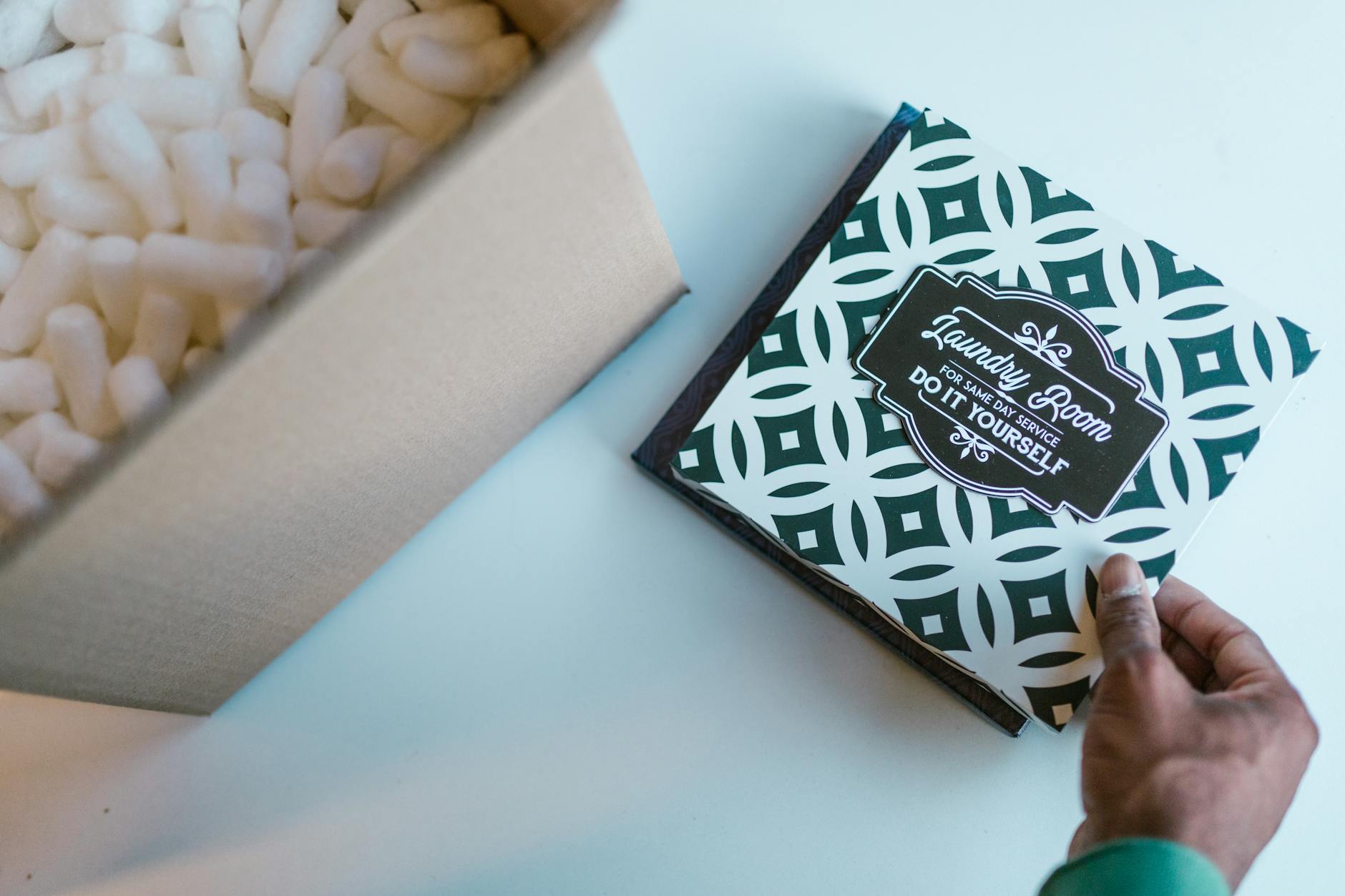
To ensure that printed materials meet high standards of quality and durability, advanced techniques and quality assurance processes are used. These methods enhance the visual appeal of printed products and improve their functionality and longevity.
Advanced Printing Techniques
Modern printing services utilize a variety of innovative techniques designed to achieve precise color matching, vibrant imagery, and detailed designs. Among these are UV printing, which provides high-definition images with a glossy finish that resists scratches and fading; heat-set printing, ideal for producing sharp text and detailed graphics; and digital variable data printing, enabling personalized content at scale without sacrificing quality.
Quality assurance starts with checking the initial design. Digital proofs are examined to check that colors are accurate and the layout is correct. This ensures that the final printed product is exactly the same as the approved design.
Rigorous Quality Control Measures
In production, multiple checkpoints assess ink consistency, registration accuracy, and finishing adherence. Techniques such as spectrophotometric color measurement and real-time monitoring systems allow providers to detect and correct inconsistencies promptly. Post-production evaluations include visual inspections, adherence tests for coatings and laminates, and durability assessments.
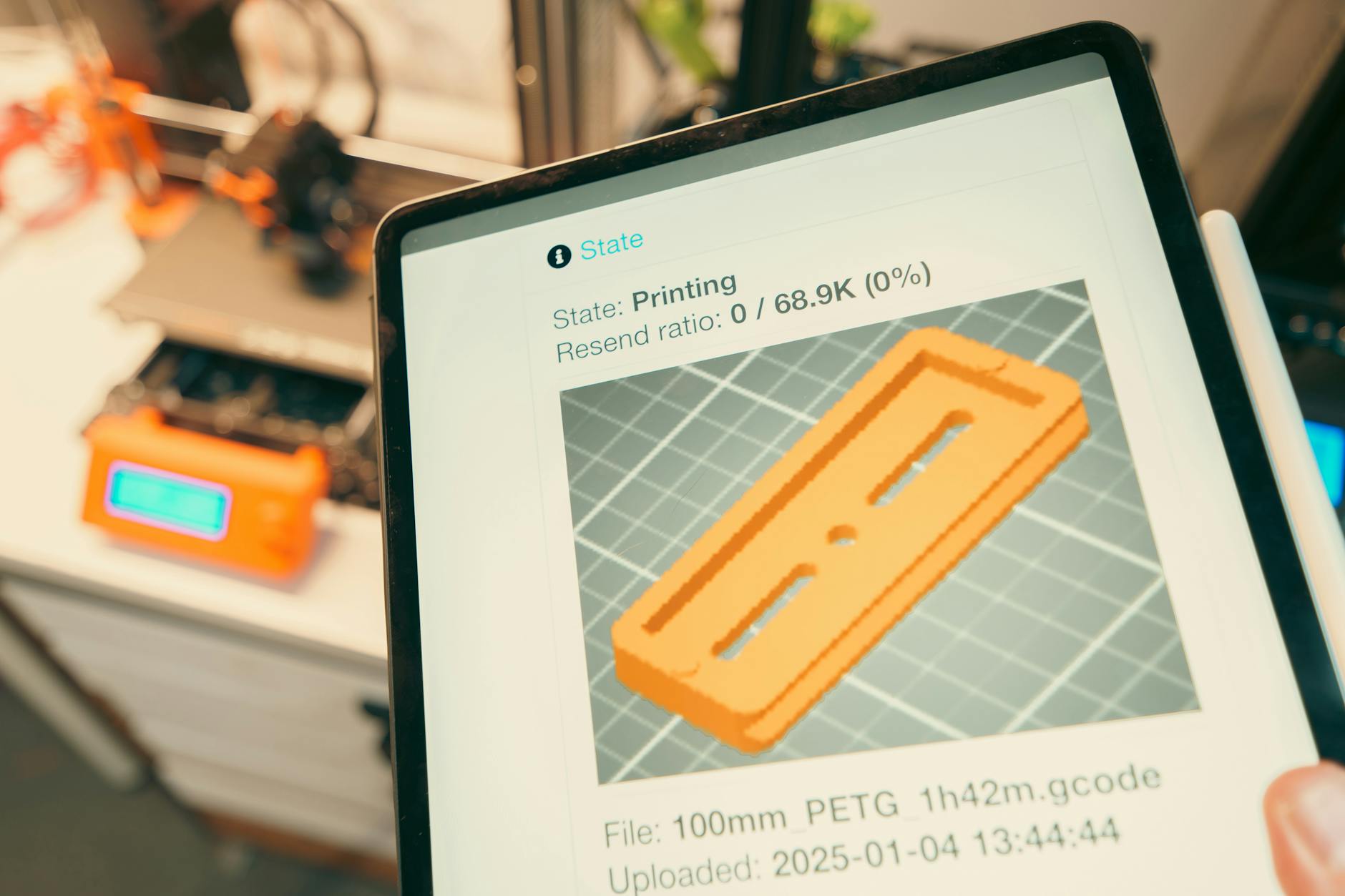
Skilled Personnel and Equipment
Printing services have come a long way in recent decades, thanks to the power of technology and the expertise of experienced operators. The latest machines, from digital presses to high-capacity offset printers, are equipped with automation features that help reduce human error and boost efficiency. Skilled technicians play a crucial role in optimizing printer settings for each project, solving problems quickly, and ensuring color accuracy through regular calibration processes. With their knowledge and the support of cutting-edge machinery, these professionals can deliver high-quality printed materials that meet even the most demanding requirements.
ℹ
Industry Standard
Our printing services prioritize client satisfaction through open communication and tailored quality standards — including detailed samples, clarifying production timelines, and offering options for reprints or adjustments if initial outputs don't meet expectations.
Environmental Sustainability in Printing
The printing industry is embracing eco-friendly practices to lower its environmental footprint. This involves choosing sustainable materials, curbing waste, and adopting energy-efficient processes that align with broader company responsibility goals.
🌿 Eco-friendly Substrates
Using recycled or responsibly sourced paper diminishes ecological footprints. FSC-certified papers guarantee responsible forest management practices throughout the supply chain.
🍏 Vegetable-based Inks
While our inks are biodegradable and emit fewer volatile organic compounds (VOCs), they also create healthier environments for print workers and reduce atmospheric pollution.
♲ Waste Reduction
Implementing precise planning and digital proofing reduces excess prints and material wastage. Lean production workflows cut average material waste by 20–35%.
⚡ Energy-efficient Equipment
Modern printers equipped with advanced technology consume less power and produce less noise and emissions. LED-UV curing systems use 70% less energy than traditional methods.
Companies that prioritize sustainability can opt for certified products and request detailed environmental policies from service providers, strengthening responsible decisions within their branding and operational strategies.
Modern quality assurance also incorporates environmentally responsible practices — selecting eco-friendly inks, reducing waste through efficient production workflows, and promoting recyclable packaging that aligns with global sustainability goals.
Design Considerations for Printing
We work with printing experts during design to ensure materials meet branding and functional needs. This prevents reprints and ensures the final product matches your vision.
Technical Design Requirements
- Color coordination and contrast. Ensure CMYK color profiles are used for print, not RGB. Rich blacks (C60 M40 Y40 K100) avoid flat, dark areas.
- Bleed and margins: Add at least 3mm bleed on all edges. Keep critical content 5mm from trim lines to prevent accidental cutting.
- Resolution requirements — All images must be at least 300 DPI at print size. Images that are lower resolution will print blurry and pixelated.
- Environmentally sustainable materials — We use FSC-certified paper and vegetable-based inks whenever possible, without sacrificing quality.
- Matching finishing to design — Spot UV works best on dark backgrounds; embossing requires thick paper (300gsm+); foil needs clean, simple designs.
⚠
Design Warning
You should always convert your RGB files to CMYK and embed all fonts before sending them to your printing provider. Missing fonts and wrong color profiles are the most common causes of print errors and delays.
Working with Printing Specialists
Printing professionals provide pre-press inspections, digital proofs, and press checks for major jobs. Request a physical proof before approving large runs — digital displays always look different from printed output due to backlit vs. reflective light. A thorough verification process shields projects from potential issues related to unverified providers, ultimately safeguarding brand integrity and project success.
★ Key Takeaways
✓
Choose your printing method based on your needs: volume, timeline, and quality. Offset printing is best for high-volume runs, digital printing is best for shorter, personalized runs, and large-format printing is best for visual impact.
✓
Material selection and finishing techniques significantly impact both cost and perceived quality — invest strategically based on the product's purpose and audience.
✓
Always verify provider credentials — look for business registration, ISO certification, industry association memberships, and client portfolios before committing.
✓
We can help you plan your print campaigns in advance to take advantage of volume pricing and avoid rush fees. Contact us for bulk orders to dramatically reduce per-unit costs.
✓
Submit print-ready files in CMYK at 300 DPI with proper bleed to prevent delays, reprints, and budget overruns.
✓
Sustainable printing options — recycled substrates, vegetable inks, and energy-efficient processes — are widely available without sacrificing quality or dramatically increasing costs.
✓
Get physical proofs on all large orders and stay in touch with your printing pro for flawless results.
SP
Singapore Printing Editorial Team
Printing Industry Specialists
Our team of experienced printing professionals and industry consultants has helped hundreds of businesses in Singapore and Southeast Asia. We offer expert guidance on every aspect of printing services, from choosing materials to ensuring quality and using sustainable production methods.


 1
1
 2
2
 3
3
 4
4