
Understanding Oversize Photo Prints
Oversize photo prints are large-scale images produced on high-quality materials, often exceeding standard frame sizes for photographs. These expansive prints serve multiple purposes, from transforming interior spaces to creating striking visual displays in commercial environments. They are particularly favored for their ability to evoke emotional impact and create a sense of grandeur, making them indispensable in contemporary interior design, advertising, and art installations.
Producing oversize photo prints involves specialized printing techniques and materials that can accommodate large dimensions without compromising clarity or color fidelity. The process begins with selecting the appropriate image resolution, ensuring that even when enlarged, the photograph maintains its sharpness and detail. Commonly, these prints are displayed in homes, offices, galleries, or retail outlets to achieve a dramatic visual impression.
The popularity of oversize photo prints stems from their versatility and ability to make a statement. In interior decoration, they are used to create focal points, such as large mural walls or feature pieces that define a room's aesthetic. In commercial contexts, they serve as powerful promotional tools, capturing customer attention with vivid imagery that conveys branding messages or product features effectively.
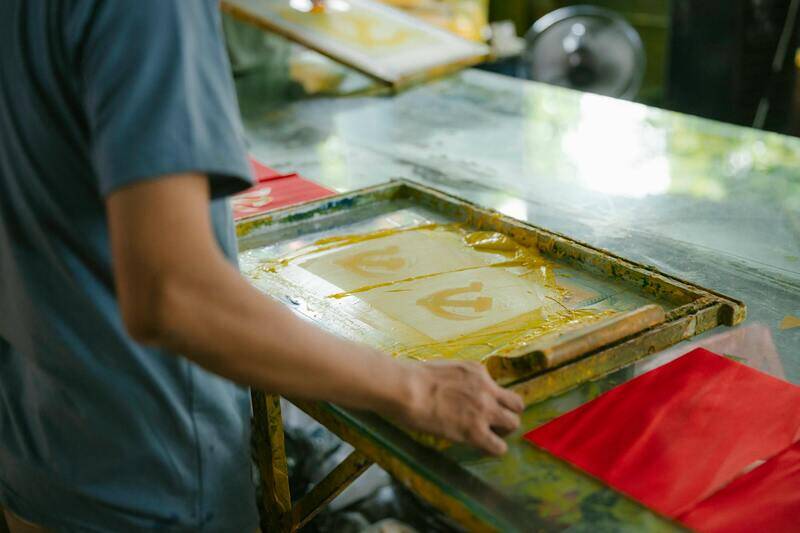
The process of creating oversize photo prints involves careful planning, from choosing the right image to selecting suitable printing materials and techniques. The result is a durable, visually stunning piece that seamlessly integrates into its environment, making oversize photo printing a valued service among photographers, designers, and business owners alike.
Popular Sizes and Dimensions
When selecting oversize photo prints, understanding the range of available sizes is essential for achieving the desired visual impact. Standard dimensions often include formats such as 60x40 inches, 72x48 inches, and 84x56 inches, which are versatile enough to fit a variety of interior and commercial spaces. Custom sizing is also frequently available, allowing for tailored solutions that align precisely with specific design requirements or spatial constraints. The choice of size directly influences the overall aesthetic and effectiveness of the display. Larger dimensions tend to make a more dramatic statement, serving as central focal points in a room or an exhibition space. Conversely, medium-sized oversize prints might be suitable for creating accent walls or highlighting specific features within an environment. It is important to consider not only the visual scale but also the viewing distance and ambient lighting conditions when determining the optimal dimensions. For instance, expansive wall murals in large commercial venues can benefit from expansive sizes that draw attention from afar, while smaller oversize prints might be more appropriate for cozy residential settings. Below are typical considerations for selecting the right dimensions:
- Intended Viewing Distance: Larger prints are ideal for spaces where viewers will be positioned at greater distances, ensuring they remain impactful from afar.
- Space Constraints: Measure wall areas carefully to avoid over- or under-sizing, which can disrupt a room's visual balance.
- Purpose of the Display: Artistic displays may prioritize size for dramatic effect, while commercial environments might focus on brand visibility and message clarity.
- Image Resolution: Higher resolutions are necessary for larger formats to maintain sharpness and detail.
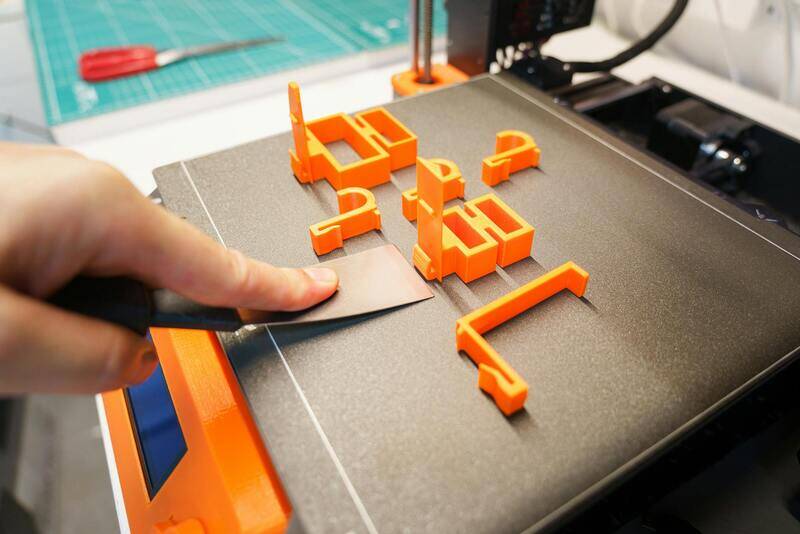
Materials for Oversize Prints
Selecting the appropriate material is crucial to ensure durability, visual quality, and ease of installation. Different substrates are utilized depending on the intended use, environment, and aesthetic preferences. Common materials include:
- Vinyl: Known for its flexibility and weather resistance, vinyl is perfect for both indoor and outdoor applications. It offers a smooth surface quality that enhances color vibrancy.
- Canvas: Ideal for fine art reproductions and interior decoration, canvas provides a textured finish that adds depth and a painterly feel to large images.
- Backlit or Transparent Films: Suitable for illuminated displays, these materials help achieve a luminous effect, making images pop in retail or exhibition contexts.
- PVC or Foam Board: Rigid options that facilitate easy mounting and are suitable for wall displays in commercial and residential spaces.
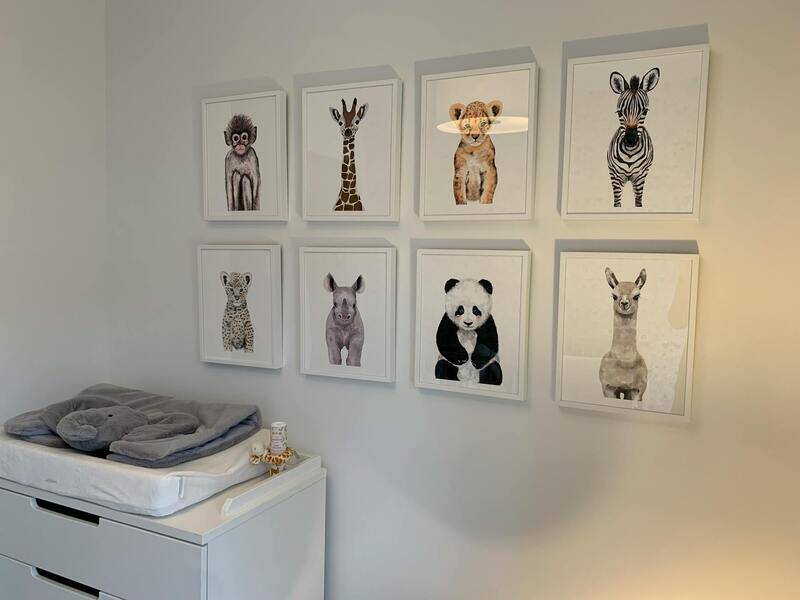
Choosing the Right Material for Your Oversize Photo Prints
When selecting a material for oversize photo prints, it is important to consider the environment where the print will be displayed, the desired visual effect, and the handling requirements. Different substrates offer unique advantages in terms of durability, texture, and aesthetic appeal, ensuring the final presentation aligns with your creative vision and usage needs.
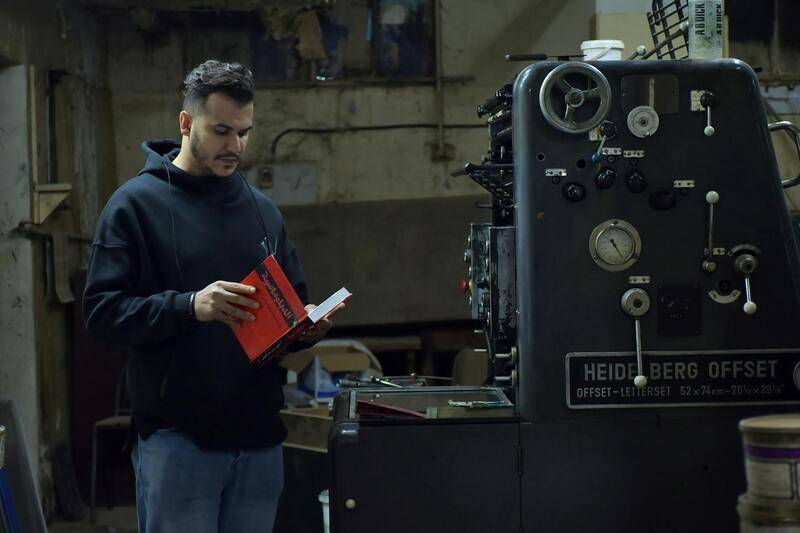
Common Materials Used for Oversize Photo Prints
- Vinyl: One of the most versatile materials, vinyl is favored for its weather resistance, durability, and flexibility. It is suitable for both indoor and outdoor applications, including banners, murals, and large signage. Its smooth surface enhances color vibrancy, making images appear vivid and eye-catching.
- Canvas: Canvas offers a textured finish that mimics traditional art paintings, adding depth and an artistic touch to large prints. It is particularly popular for interior decor and fine art reproductions. Canvas prints are usually stretched on frames, providing a classic gallery feel.
- Backlit or Transparent Films: Designed for illuminated displays, these materials are used in retail or exhibition settings where lighting enhances visual impact. They allow light to pass through, creating luminous effects that make images stand out, especially in dimly lit environments.
- PVC or Foam Board: Rigid substrates that are easy to mount and handle. PVC is resistant to moisture and impact, making it suitable for indoor wall displays or outdoor protection. Foam board, with its lightweight and clean-cut edges, offers a sleek look for posters and informational displays.
Considerations When Choosing Material
Selecting the right substrate involves evaluating several factors:
- Environmental Exposure: For outdoor installations, weather-resistant materials like vinyl and PVC are recommended to withstand elements such as rain, sunlight, and wind.
- Texture and Finish: A textured surface, like canvas, provides a fine art feel, whereas smooth surfaces, such as vinyl or photo paper, support sharp, detailed imagery.
- Weight and Handling: Lightweight materials like foam board are easier to handle and install but may require additional support for larger sizes. Heavier materials may need specialized mounting systems.
- Longevity and Maintenance: Consider how long the print needs to last and the ease of cleaning or upkeep. Weatherproof and UV-coated materials prolong the lifespan of outdoor displays.
Visual Impact and Material Selection
The choice of material directly influences the visual outcome of oversized photo prints. For instance, canvas can add a painterly texture, enhancing artistic images and creating a warm, inviting atmosphere indoors. Vinyl or backlit films are ideal for bold, vibrant advertisements intended for high visibility and durability. Proper material pairing elevates the overall aesthetic and ensures the print performs optimally in its designated setting.
Best Practices for Handling and Installing Oversize Photo Prints
Handling large-format prints requires careful planning to prevent damage and ensure the final presentation looks professional. When transporting oversized prints, use protective coverings such as corner protectors, anti-static wrap, or padded shipping tubes designed specifically for large graphics. This minimizes risks like tears, creases, or surface scratches. During storage before installation, keep prints flat in a temperature-controlled environment, avoiding exposure to excessive humidity or direct sunlight that could cause warping or fading.
For installation, select appropriate mounting hardware based on the material and environment. Heavy-duty framing with reinforcement can provide stability for large prints displayed indoors, especially on expansive walls. Mounting techniques such as wall adhesives, tension cables, or aluminum frames help keep the print taut and aligned. If the print is on a flexible substrate like vinyl or fabric, consider using a tension system to prevent sagging over time. Proper surface preparation is crucial; ensure the wall is clean, dry, and free of dust or grease to achieve a secure attachment.
When positioning large prints, take accurate measurements and plan the layout in advance to avoid errors. Use leveling tools or laser guides to align the artwork properly. For outdoor installations, additional precautions like weatherproof framing or protective coatings help shield the print from environmental damage. Regular maintenance, such as cleaning the surface with non-abrasive materials and inspecting mounting fixtures, extends the lifespan of the display.
- Use protective gloves when handling to avoid fingerprints and smudges.
- Ensure supports are suitable for the weight and size of the print.
- Prioritize safety during installation, especially when working at heights.
- Engage professional installers for large or complex projects to guarantee optimal results and safety compliance.
Through meticulous handling and precise installation, oversized photo prints can transform a space and create a striking visual impact. The right approach not only preserves the quality of the print but also enhances the overall aesthetic presentation, making a memorable impression for viewers and clients alike.
Understanding Oversize Photo Prints
Oversize photo prints serve as impactful visual statements, capable of transforming entire spaces with their bold presence. They are ideal for large-scale advertisements, artistic displays, or personal projects where a grand visual impact is essential. Because of their size, these prints require precise production techniques, high-quality materials, and professional handling to ensure they retain clarity and durability. Critical considerations include selecting the right dimensions, understanding the material options, and ensuring proper mounting to prevent damage over time. Oversize prints are not merely scaled-up versions of standard photographs but demand tailored approaches in every aspect of their creation and installation.
Popular Sizes and Dimensions
When planning for oversize photo prints, knowing the typical dimensions helps in aligning expectations and design layouts. Common sizes include large formats such as 24x36 inches, 40x60 inches, and even larger custom dimensions exceeding 100 inches in width or height. These sizes cater to diverse applications—from gallery displays and murals to promotional banners and signage. The dimensions often depend on the intended viewing distance, space constraints, and the nature of the display. Ensuring the print resolution complements the size is vital; high-resolution images (generally 300 DPI or higher at final size) produce sharp, vibrant results even at large scales. For exceptionally large projects, modular panels that fit together seamlessly can be assembled on-site, creating a uniform large-scale image without risking damage during transport.

Materials for Oversize Prints
The material selection significantly influences the aesthetics, durability, and installation process of oversized photo prints. Common choices include:
- Vinyl: Durable, weather-resistant, and flexible, ideal for both indoor and outdoor applications. Often used for banners, murals, and vehicle wraps.
- Canvas: Offers a textured finish resembling art paintings, suitable for gallery-quality displays. Heavy and requires sturdy mounting.
- Backlit Films: Used for illuminated displays, allowing the print to glow when backlit, ideal for signs and advertisements.
- Rigid Materials: Such as foam board, acrylic, or aluminum composite panels, providing a sturdy, crack-resistant surface that’s easy to install.
High-quality inks and printing techniques are essential regardless of the chosen material. UV-resistant and weatherproof inks extend the lifespan of outdoor displays, maintaining color vibrancy and preventing fading caused by sunlight exposure. The selection of materials aligns with the installation environment, budget, and the visual effect desired.
Printing Techniques and Technologies
Modern printing technology has made it possible to produce oversize photo prints with exceptional detail and color accuracy. Wide-format inkjet printers equipped with advanced printheads enable high-resolution outputs across large surfaces. These printers utilize solvent, latex, or UV-curable inks, each optimized for specific materials and outdoor or indoor use.
- Giclée Printing: Known for its fine details and color depth, suitable for artistic reproductions and gallery displays.
- Solvent and Eco-Solvent Printing: Offer durability in outdoor environments, with vibrant color reproduction.
- UV Printing: Applicable on rigid surfaces with immediate curing, ideal for durable, hard-wearing installations.
Additional finishing options such as lamination or gloss coating can provide extra protection, enhance visual appeal, and prolong the lifespan of the print. These techniques help resist scratches, moisture, and UV degradation, ensuring the oversized photo print remains pristine over time.
Installation and Handling Tips
Proper installation and maintenance are essential for ensuring that your oversize photo prints retain their visual impact and structural integrity over time. The process involves careful planning, appropriate hardware, and techniques suited to the specific material and environment.
Preparation Before Installation
- Assessment of the Site: Examine the location for environmental factors such as exposure to sunlight, wind, rain, and potential physical contact. This helps in choosing suitable mounting hardware and protective coatings.
- Surface Preparation: Ensure the mounting surface is clean, smooth, and free of debris. For outdoor installations, verify that the surface can withstand the weight and support the chosen mounting method.
- Measurement and Planning: Precise measurements are crucial. Use detailed plans and templates to position the print correctly, avoiding distortions or misalignments during installation.
Installation Techniques
The method of installation varies depending on the material and size of the print, as well as the environment. For rigid materials like acrylic or aluminum, mounting frames, standoff mounts, or adhesive adhesives designed for large surfaces are common. Flexible prints such as vinyl banners may require robust grommets, tensioning systems, or pole pockets to prevent sagging and ensure tautness.
When installing large-scale prints, it’s advisable to use multiple points of attachment to distribute weight evenly and prevent warping. Employing professional equipment like scaffolding, lifts, or cranes may be necessary for very large or high-placement displays.
Handling and Maintenance
- Handling: Always lift oversized prints with care to avoid creasing, tearing, or bending. Use protective gloves and collars or padding to minimize contact with oils or dirt that could degrade the material.
- Cleaning: Regularly inspect the print for signs of dirt, dust, or damage. Clean using soft, non-abrasive cloths and mild cleaning solutions compatible with the material. Avoid harsh chemicals which may cause discoloration or surface damage.
- Protection: To prolong the lifespan and maintain visual quality, consider applying protective overlays such as lamination, UV coatings, or weatherproof films, especially for outdoor displays. These coatings provide resistance against UV rays, moisture, and physical abrasions.
- Storage: When not in use, store oversize prints properly in a controlled environment to prevent warping, fading, or physical damage. Roll flexible prints on core tubes or keep rigid prints in custom crates with cushioning.
Transporting Oversize Prints
Transporting large photo prints requires careful planning to avoid damage. Use padded and reinforced containers, and secure the items firmly during transit. For fragile or highly detailed prints, employing specialized courier services with experience in handling large-format items is recommended.

Understanding Oversize Photo Prints
Oversize photo prints serve as impactful visual statements in both commercial and personal contexts. These large-format images are crafted to captivate audiences with their size and clarity, requiring specialized materials, techniques, and equipment to produce high-quality results. Their applications range from transforming architectural spaces to capturing the grandeur of nature scenes, making them a versatile choice for ambitious visual displays.
Popular Sizes and Dimensions
When selecting a size for oversize photo prints, it is essential to consider the environment where the print will be displayed. Common dimensions include:
- Extended banner sizes, such as 8 feet by 12 feet or larger, ideal for storefront advertising or event backdrops.
- Wall murals ranging from 10 feet by 15 feet, suitable for interior decoration in commercial or modern residential settings.
- Custom dimensions that match specific project requirements, allowing for maximum creative flexibility and spatial integration.
These dimensions are adaptable based on the client’s needs, with high-resolution digital files ensuring sharp, detailed images at even the largest scales. Before ordering, consider factors such as viewing distance, lighting conditions, and placement environment to optimize visual impact.

Materials for Oversize Prints
The choice of material profoundly impacts the durability, visual quality, and application of oversize photo prints. Some of the prevalent materials include:
- Vinyl banners: Weather-resistant and flexible, suitable for outdoor advertising and temporary displays.
- Canvas: Offers a textured, gallery-like appearance, ideal for interior decor.
- PVC or rigid foam boards: Provide rigidity and are often used for murals or framed displays.
- Backlit films: Designed for illuminated signage that enhances colors and details through backlighting.
The selection depends on environmental conditions, longevity requirements, and aesthetic preferences. It is crucial to work with experienced printers who understand how each material interprets digital images to ensure the final product meets expectations.
Printing Techniques and Technologies
Achieving high-quality oversize photo prints involves utilizing advanced printing methods tailored for large-format production. The most widely used techniques include:
- UV Printing: Utilizes ultraviolet light to immediately cure ink, resulting in vibrant colors and durable surfaces suitable for outdoor use.
- Solvent and Eco-Solvent Printing: Employs solvent-based inks that deliver rich color saturation and weather resistance, ideal for large banners and outdoor murals.
- Latex Printing: Offers eco-friendly operation with flexible ink that adheres well to diverse materials, producing sharp images suitable for indoor and outdoor applications.
- Lamination and Coatings: Post-print treatments, such as protective lamination, UV coatings, or weatherproof overlays, extend the lifespan of the print and enhance its resistance to environmental factors.
Investing in the latest technology ensures the production of vivid, precise images that hold up to physical and environmental stresses. It also minimizes issues like color bleeding, misregistration, or fading over time.
Installation and Handling Tips
Proper handling and installation are critical to preserve the integrity and appearance of oversize photo prints. To ensure safe and effective setup:
- Use professional equipment: For very large or high-placed prints, employing scaffolding, lifts, or cranes may be necessary.
- Handle with care: Always lift and move the prints with padding or gloves, avoiding folding or bending that can cause damage.
- Secure mounting: Utilize appropriate fixing systems compatible with the material and weight of the print. Reinforced frames and specialized hardware ensure stability.
- Environmental considerations: Install in areas with controlled humidity and temperature to prevent warping and degradation.
- Routine maintenance: Regularly inspect for dirt or damage. Use soft cloths and gentle cleaning agents for surface upkeep, and protect outdoor prints with weatherproof coatings.
Optimizing Oversize Photo Prints for Durability and Visual Impact
When it comes to securing high-quality oversize photo prints that will stand the test of time while maintaining their vibrant appearance, selecting the appropriate printing methods is essential. Professional printing services employ advanced techniques and robust materials to ensure that large-format images do not compromise on resolution, color fidelity, or structural integrity. These services utilize state-of-the-art printing technologies, such as large-format inkjet printers equipped with high-capacity, pigment-based inks that produce rich, fade-resistant colors suitable for long-term display. This combination enhances the vividness of images and ensures they remain striking even after prolonged exposure to environmental factors.
Furthermore, the choice of materials plays a crucial role in the longevity and appearance of oversize photos. Premium substrates such as vinyl, Canvas, or weather-resistant banners are often selected for outdoor applications, while fine art papers or acrylic panels are preferred for indoor use where display elegance is prioritized. These materials are designed to withstand UV exposure, moisture, and physical wear. Proper surface preparation, including lamination or coating, adds an extra layer of protection, significantly extending the lifespan of the print and safeguarding against fading, scratches, and environmental damage.
Environmental and Handling Considerations for Long-lasting Oversize Prints
Effective handling from production to installation ensures the print retains its visual quality and physical integrity. Professionals recommend using appropriate tools and techniques to move large prints safely, such as padded protective gear, lifting aids, and secure transport containers. During installation, reinforced mounting systems, including heavy-duty frames and specialized hardware like wall anchors designed for large formats, are crucial for stability. It is also vital to consider environmental conditions around the display area. Installing in spaces with controlled humidity and temperature minimizes risks such as warping or material degradation.
Proper maintenance routines extend the lifespan of oversize photo prints. Regular cleaning should be performed using soft cloths and non-abrasive, pH-neutral cleaning agents to prevent surface damage. For outdoor displays, additional weatherproofing measures like UV protective coatings or lamination are beneficial. This not only preserves the print's vivid colors but also shields it from physical elements like rain, dust, and debris, ensuring the visual impact remains uncompromised over time.

Cost Considerations and Budgeting for Oversize Photo Projects
Pricing models for oversize photo prints depend on various factors, including dimensions, material choices, printing technology, and post-processing treatments. Larger prints require more material and longer production times, which naturally influences costs. High-end materials and custom finishing options such as UV coatings or special framing also contribute to overall expenses. Professional services that guarantee quality assurance, quick turnaround, and extensive customization tend to offer comprehensive packages that align with budget expectations while ensuring premium results. Transparent cost estimates based on precise specifications are integral in making informed decisions that balance quality with financial planning.
Maximizing the Impact of Oversize Photo Prints in Different Settings
Large-format photos command attention and can significantly enhance visual storytelling in various environments, from corporate lobbies and trade show booths to outdoor landmarks and public art installations. When planning for such displays, considerations like lighting, viewing distance, and contextual relevance are crucial. Strategic placement ensures the image’s impact is maximized, with proper lighting amplifying details and colors. Employing creative framing, backlighting, or integrated display solutions can further elevate the presentation. Ultimately, choosing professional printing and installation services guarantees that oversize photo prints become focal points that draw viewers’ interest while preserving their aesthetic appeal over time.
