
Understanding Large Photo Printing
Large photo printing encompasses the process of creating high-quality visual displays on sizable formats, often used for artistic, commercial, or personal purposes. This service involves translating digital images into tangible prints that preserve detail, color accuracy, and clarity, regardless of their enlarged dimensions. Typically, large photo prints are utilized in environments such as galleries, exhibitions, marketing displays, and home decor, where visual impact is paramount.
Common formats for large photo printing range from standard formats such as 24x36 inches to expansive sizes like 40x60 inches or even larger dimensions tailored to specific needs. The choice of size depends on the intended display area and the viewing distance, influencing the resolution and material selection required to maintain image integrity.
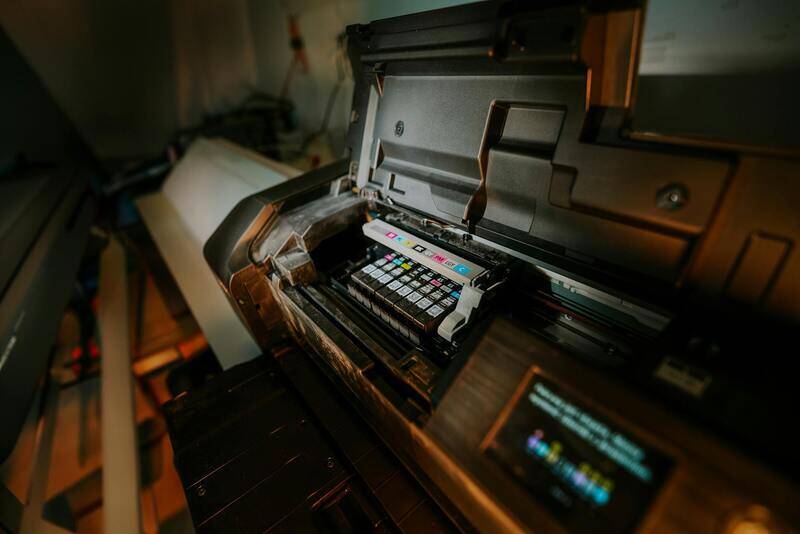
Image resolution plays a vital role in the quality of large photo prints. A high-resolution image, typically at least 300 dots per inch (DPI), ensures that enlargements do not suffer from pixelation or blurriness. In many cases, files are prepared with even higher resolutions to accommodate large formats, guaranteeing that details remain crisp and colors stay vibrant when scaled up.
Understanding the importance of image resolution is essential for both creators and clients to achieve optimum results. When working with large photo printing services, providing high-quality digital files with adequate resolution, minimal compression, and accurate color profiles will significantly contribute to the final product's visual impact and durability.
Moreover, the choice of format—such as TIFF, RAW, or high-quality JPEG—affects the ability to produce superior prints. These formats retain more image data, offering better color depth and detail preservation during the printing process.
In summary, large photo printing is a process that hinges on meticulous image preparation, proper resolution settings, and suitable formats. These elements collectively determine the fidelity and vibrancy of the finished print, making the selection of professional printing services with advanced equipment and expertise critical for success.
Accurate assessment of image quality and proper preparation are key to achieving impressive large-format prints that meet or exceed expectations.
Understanding Large Photo Printing
Types of Printing Techniques for Large Photos
Choosing the right printing technique is fundamental to achieving high-quality large photo prints that accurately reflect the original image's vibrancy and detail. Among the most commonly employed methods, inkjet printing stands out for its ability to produce sharp, vivid images with a wide color gamut. Inkjet printers utilize microscopic nozzles to deposit tiny droplets of ink directly onto various substrates, making them ideal for high-resolution photographic reproductions. The technology allows for detailed color gradations, crucial when working with large-scale images where fine nuances are essential.
Dye-sublimation printing, on the other hand, is renowned for its smooth color transitions and durable finishes. This process involves transferring dye-based inks onto substrates such as fabrics or specially coated materials using heat. The result is striking images with vibrant hues that are resistant to fading, making it suitable for display environments that require longevity.
Another noteworthy method is direct-to-substrate (DTS) printing, which enables printing directly onto rigid surfaces like acrylic, wood, or metal. This technique simplifies the workflow and eliminates the need for additional mounting or framing, producing a seamless, modern aesthetic suitable for contemporary decor or commercial displays.

Materials and Substrates for Large Photo Prints
Material selection plays a pivotal role in the final appearance and durability of large photo prints. Photographers and clients should consider factors like the environment where the print will be displayed and the desired texture. Common substrates include glossy and matte photographic papers, vinyl banners, canvas fabrics, acrylic sheets, and metal panels.
Photo papers, especially those with coated surfaces, offer rich color reproduction and fine detail, making them ideal for high-end photographic works. Matte papers provide a glare-free finish suitable for viewing from multiple angles, while glossy options enhance vibrancy but may require careful handling to avoid fingerprints and reflections.
Adhesive-backed vinyl is versatile and weather-resistant, suitable for outdoor signage or large banners. Canvas offers a textured aesthetic that mimics fine art paintings, perfect for gallery displays or home decoration. Acrylic and metal substrates add a modern touch, with high-gloss finishes that heighten color depth and contrast, often used for premium displays and corporate branding.
Color Management and Image Preparation
Accurate color reproduction begins with meticulous image preparation. Standardized color profiles, such as Adobe RGB or sRGB, should be embedded within digital files to ensure consistent results across different devices and printing platforms. Calibration of monitors is essential, enabling creators to see the true colors and contrast during the editing process.
When preparing images for large-format printing, it is advisable to use high-resolution files, typically at least 300 DPI, to prevent pixelation. Adjustments to contrast, brightness, and color saturation should be made with care, considering how these elements will translate during printing. Software like Adobe Photoshop or Lightroom allows precise control over these parameters, facilitating the creation of prints that match the original vision.
Soft proofing within editing software simulates how the final print will look, allowing corrections before the printing process begins. Ensuring that the digital file maintains minimal compression and contains accurate color data will yield sharper, more vibrant results in the final large photo print.
Choosing the Right Printing Method to Achieve Your Vision
When selecting a method for large photo printing, it is crucial to consider the desired visual effect, material compatibility, and longevity of the final piece. Digital printing techniques are predominantly used for achieving high-resolution, vivid images on a variety of substrates. Among these, inkjet printing stands out as the most versatile and widely employed for large format visuals. This method allows for excellent color accuracy, fine details, and a broad spectrum of printable materials.
Moreover, dye sublimation is particularly effective when printing on polyester-coated surfaces, delivering vibrant colors and durable results suitable for indoor displays. For projects requiring metallic or textured finishes, UV printing can produce sharp, durable images on rigid substrates like acrylic or aluminum panels. Such methods optimize for durability and visual impact, making them ideal for commercial displays, exhibitions, or bespoke art installations.
Choosing an appropriate printing technique often depends on the specific requirements of the project, including surface texture, environmental exposure, and budget constraints. Professional large photo printing services often utilize a combination of these technologies to match client requirements perfectly and to maximize the aesthetic appeal of the final product.
Workflows Ensuring Precision and Quality
Achieving consistently high-quality results in large photo printing involves a comprehensive workflow that includes meticulous image preparation, color management, and process calibration. Starting with high-resolution files—preferably 300 DPI or higher—helps to maintain image clarity at large scales. Embedding proper color profiles such as Adobe RGB or sRGB ensures color fidelity throughout the print process.
Monitor calibration is essential; it guarantees that what is seen on the screen closely resembles the printer’s output. Soft proofing within editing software enables visualizing how colors and contrast will look once printed, allowing adjustments before printing begins. This step helps to prevent surprises and reduces the need for costly reprints.
Using professional-grade ink and substrates, along with maintaining optimal printer conditions, contributes to color accuracy, sharp details, and longevity of the print. Working with experienced technicians allows for fine-tuning the printing parameters and ensures that the final product aligns with the client’s expectations.

Overall, precision in each step of the workflow—from image editing to final calibration—plays a vital role in delivering large photo prints that meet high standards of quality and visual impact.
Choosing the Right Printing Material for Your Large Photo
Selecting an appropriate material is crucial to ensure your large photo print retains its vibrancy, durability, and visual appeal. Different materials offer various aesthetics and functional benefits, and understanding these options helps optimize both the appearance and longevity of your print.

Common Materials for Large Photo Printing
- Glossy Photo Paper: Known for its high shine and vibrant colors, glossy paper amplifies image details, making it suitable for images with fine details and vivid color palettes. However, it may be prone to fingerprints and glare, requiring careful handling and display considerations.
- Matte Photo Paper: Offers a non-reflective surface that minimizes glare, making it ideal for large displays in well-lit environments. Its muted finish lends a sophisticated, subtle aesthetic, and it generally masks fingerprints more effectively.
- Canvas: Provides a textured surface that mimics artwork, adding a classic, artistic feel. Canvas prints are often stretched over frames, making them suitable for gallery displays or wall art installations. They tend to be more resistant to scratches and fading when properly treated.
- Metallic and Aluminum Prints: Deliver a modern, sleek appearance with vibrant, luminous qualities. These materials are highly durable and resistant to environmental factors, making them suitable for long-term outdoor or indoor display environments.
- Vinyl and Adhesive Films: Used mainly for large murals or wallpapers, these materials allow for expansive, seamless displays on walls, ideal for commercial or decorative purposes.
Factors Influencing Material Choice
- Intended Display Environment: Consider whether the print will be indoors or outdoors, in areas with high humidity, or exposed to sunlight, as this influences material durability and fade resistance.
- Desired Aesthetic: The finish—glossy, matte, or textured—affects how the image is perceived and integrates with the surrounding decor.
- Longevity and Maintenance: Some materials require specific handling or protective coatings to maintain their appearance over time.
- Budget Constraints: Material costs vary significantly; high-end options like metal or canvas tend to be more costly but offer superior visual impact and durability.
Professional Guidance on Material Selection
Working with experienced large photo printing services can provide valuable insights into the optimal material choice for your project. Experts will assess factors like image resolution, intended display location, and desired aesthetic to recommend the most suitable substrate. Additionally, they can advise on protective finishes or coatings that enhance the durability and visual quality of your print.

Ensuring Proper Handling and Preservation of Large Photo Prints
After printing, proper handling and maintenance are essential to preserve the quality of large photo prints. This includes avoiding contact with harsh chemicals or abrasive materials, employing suitable framing or mounting techniques, and keeping the prints away from direct sunlight or extreme environmental conditions. Regular cleaning with appropriate materials helps maintain clarity and vibrancy, ensuring the print remains a stunning focal point for years to come.
Understanding Large Photo Printing
Large photo printing encompasses a variety of methods designed to produce high-resolution, sizeable images suitable for decorative or professional purposes. Selecting the appropriate process hinges on factors such as image quality, material compatibility, durability, and the desired visual effect. Skilled printing techniques include inkjet printing, dye-sublimation, and UV printing, each offering distinct advantages tailored to specific media and display environments.
For optimal results, professionals ensure that the original digital image is prepared to meet the technical demands of large-format output. This involves checking resolution, color fidelity, and aspect ratio, which all contribute to maintaining clarity and vibrancy at expansive sizes. Proper image preparation guarantees that enlargements do not appear pixelated or distorted, preserving the original's integrity and visual impact.
Types of Printing Techniques for Large Photos
- Inkjet Printing: This widely used method employs microscopic droplets of ink deposited onto various substrates. It excels in color accuracy and detail, making it suitable for photographic reproductions on paper, canvas, or specialty materials.
- Dye-Sublimation: Primarily effective on polyester fabric and coated substrates, dye-sublimation infuses dyes directly into the material. The result is vivid colors with a smooth finish and excellent durability, ideal for decorative wall art.
- UV Printing: Utilizing ultraviolet light to cure inks instantly, UV printing supports a broad range of rigid and flexible surfaces such as acrylic, glass, and metal. It allows for vibrant images with a glossy or matte finish while providing resistance to environmental factors.
Materials and Substrates for Large Photo Prints
Choosing the right material significantly influences the final appearance and lifespan of large photo prints. Options include:
- Canvas: Offers a textured, artistic look with excellent durability. Suitable for indoor decor, canvas prints can be stretched over frames or mounted.
- Metal: Aluminum or stainless steel surfaces produce sleek, modern finishes, resistant to moisture and time. Ideal for contemporary decor and outdoor use.
- Acrylic: Known for transparency and vibrancy, acrylic substrates provide sharp image clarity and a glossy finish. They are often used for premium displays.
- Poster Paper: Cost-effective and versatile, suitable for temporary displays or indoor environments where budget is a concern.

Color Management and Image Preparation
Accurate color reproduction begins with meticulous image preparation. Utilizing calibrated monitors and color profiles ensures that the digital file accurately reflects the desired output. Adjustments such as contrast, brightness, and saturation should be made with consideration for how colors will appear on large formats and different materials.
Additionally, a professional printing service can perform test prints or provide proofs to verify color fidelity before proceeding with the full production. This step minimizes discrepancies and guarantees that the final large photo meets expectations in terms of clarity, color accuracy, and detail.
High-resolution images with a minimum of 300 dpi are recommended for enlargements to maintain sharpness. When preparing files, consider the aspect ratio to prevent unwanted cropping, and save files in formats that preserve color and detail, such as TIFF or high-quality JPEG. These practices collectively result in a polished, visually appealing large photo that stands the test of time and space.
Legal and Ethical Methods for Large Photo Printing in Singapore
When seeking large photo printing services, it is essential to adhere to methods that respect intellectual property rights and follow official procedures. This ensures that your prints are not only of high quality but also produced through authorized channels that guarantee the integrity of your images.
One of the most reliable ways to obtain large photo prints legally is by partnering with established printing companies that operate in compliance with local regulations and industry standards. These providers typically possess the necessary licenses and certifications, allowing them to handle copyrighted materials responsibly.
To ensure your project complies with all proper protocols, consider the following official methods:
- Use Original Digital Files: Submit high-resolution, original digital images directly from your camera or scanner. This minimizes the risk of copyright infringement and ensures superior print quality.
- Obtain Proper Permissions: Acquire necessary rights or permissions if you plan to reproduce copyrighted images. This might involve licensing agreements or written consent from the owner.
- Work with Reputable Print Shops: Select licensed and recognized printing services that have a transparent process for image handling and proofing. Confirm their adherence to industry standards and their ability to produce large-format prints legally and ethically.
- Maintain Documentation: Keep records of licensing agreements, permissions, and original image files. This documentation can support your print requests and ensure compliance with usage rights.
- Verify Material and Printing Standards: Ensure the print provider uses official, approved substrates and inks suited for large photo prints. Proper materials contribute to durability, color accuracy, and overall quality.
Engaging with certified, professional print services that operate transparently and follow official procedures is the best way to achieve impressive large-format photos. These providers typically offer consultation services, proofing, and quality assurance processes designed to safeguard your project and ensure all materials and methods used are legitimate and trustworthy.
By adhering to these methods, you can confidently produce large photo prints that not only look stunning but also respect the legal frameworks surrounding image reproduction. Always prioritize working with well-established, licensed providers who follow industry standards for large photo printing.
Understanding Large Photo Printing
Large photo printing involves transforming digital images into impressive, sizable physical displays that can enhance both personal and commercial spaces. To achieve optimal results, it’s critical to understand the nuances of large-format printing, including image resolution, material choices, and color accuracy. High-resolution images—typically with a minimum of 150 DPI at the final print size—ensure that details remain sharp and vibrant, even when viewed from close distances. When planning a large photo print, consider the intended display environment, lighting conditions, and the viewing distance, as these factors influence the suitable medium and resolution needed.
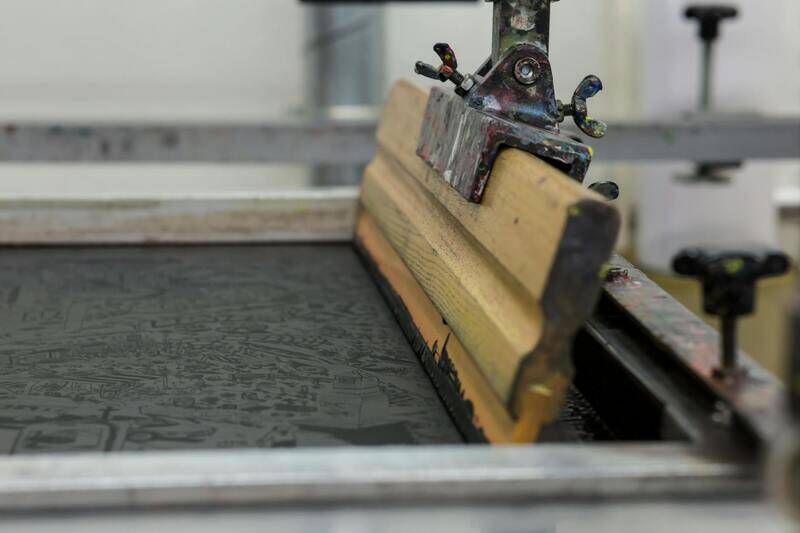
Attention to these foundational aspects allows the creation of impactful visual pieces that maintain clarity and color integrity throughout the printing process and beyond. Additionally, understanding the technical standards and working with established printing service providers ensures that the final output meets professional benchmarks for quality and durability.
Types of Printing Techniques for Large Photos
Various printing methods are suitable for producing large photographs, each offering specific advantages based on image quality, cost, and substrate compatibility. The most common techniques include:
- Inkjet Printing: Recognized for its precision, inkjet technology can produce vivid, detailed images on a wide range of materials. High-quality inkjet printers use archival inks that resist fading, making them ideal for both indoor and outdoor displays.
- Solvent and Eco-Solvent Printing: These methods deliver durable prints with vibrant color output, suitable for outdoor banners or signage where exposure to elements is a concern.
- Latex Printing: Offering eco-friendly ink options and a quick-drying process, latex printing supports flexible materials and provides excellent weather resistance.
- Dye Sublimation: Typically used on fabric substrates, dye sublimation creates seamless, vibrant images suitable for banners, backdrops, and fabric wall art.
Choosing the right technique depends on the desired durability, finish, and material compatibility of the final product. Collaborating with experienced printing professionals ensures your chosen method aligns with your project needs and offers consistent quality.
Materials and Substrates for Large Photo Prints
The selection of substrates significantly impacts the aesthetics and longevity of large photos. Common options include:
- Vinyl: Known for its durability and weather resistance, vinyl is ideal for outdoor large photo displays and banners.
- Canvas: Offering a classic, textured appearance, canvas is popular for gallery-style prints that convey a fine art aesthetic.
- Photo Paper: Heavyweight, glossy or matte options are suited for indoor displays where image vibrancy and detail are prioritized.
- Acrylic and Polycarbonate: These materials provide a sleek, modern look with excellent transparency, ideal for high-end commercial displays and decorative pieces.

The durability and appearance of your large photos hinge on selecting appropriate materials. Professional printers can advise on the optimal substrates based on your specific project, environmental conditions, and budget constraints.
Color Management and Image Preparation
Achieving true-to-life colors in large photo prints requires meticulous color management processes. This involves calibrating monitors, utilizing color profiles, and soft-proofing images before printing. Accurate color representation begins with editing images in a color-managed workflow, ensuring consistency between digital files and physical prints.
Image preparation also involves ensuring files are properly formatted and of sufficient resolution. Loss of detail or color shifts can occur if images are upscaled beyond their native resolution. Exporting final files in high-quality formats such as TIFF or PDF with embedded color profiles guarantees that the printing process accurately reproduces the intended visual effect.
Design Considerations for Large Photo Prints
Designing for large-format reproduction involves considerations such as:
- Aspect Ratio: Maintaining the correct aspect ratio prevents distortion and cropping issues.
- Image Composition: Simplifying complex scenes or increasing focal points can optimize visual impact at larger sizes.
- Border and Mounting Details: Incorporating borders or mounting options can influence aesthetic presentation and ease installation.
- File Format and Resolution: Ensuring the final digital file is at least 300 DPI at the intended print size for detailed, sharp results.
By paying close attention to these design elements, you ensure that the printed large photo faithfully represents your original vision and maintains its visual integrity over time.
Care and Maintenance of Large Photo Prints
Ensuring the longevity and visual appeal of large photo prints requires proper care and maintenance practices. These impressive displays, often meant for exhibitions, corporate environments, or prominent residential spaces, are susceptible to environmental factors and handling mistakes that can compromise their quality over time.
Environmental Control
Placement in a stable environment is crucial. Avoid areas with direct sunlight, high humidity, or drastic temperature fluctuations, as these conditions can cause fading, warping, or deterioration of the print materials. UV-protective coatings or glass coverings can shield large prints from ultraviolet light, significantly extending their lifespan.
Handling and Installation
- Use clean, dry hands or gloves when handling large photo prints to prevent smudges, oils, or dirt transfer.
- Employ proper equipment and techniques to mount or frame large photos, minimizing stress on the material and preventing tears or distortions.
- Secure hanging systems should be robust enough to support the weight of the print, with anchors that distribute stress evenly.
Cleaning and Maintenance
Regular dusting with a soft, lint-free cloth or gentle vacuuming using a brush attachment keeps surfaces free from dust and pollutants. When deeper cleaning is necessary, dampen a clean cloth with distilled water or a mild, pH-neutral cleaner recommended by the print manufacturer. Avoid using harsh chemicals, abrasive cleaners, or excessive moisture, which can damage the print or the mounting surface.
Storage Tips
If a large photo print needs to be stored temporarily, keep it flat and acid-free materials. Store in a climate-controlled environment, away from sunlight, and avoid stacking heavy objects on top of it. Rolling the print onto a core and placing it in a protective tube can be a good option for long-term storage or transportation.
Professional Restoration and Repair
Over time, accidental damages such as scratches, tears, or fading may occur. Professional restoration services that specialize in large-format prints can perform delicate repairs to restore the image quality and structural integrity. Consult with experts to explore suitable solutions tailored to the specific materials and printing techniques used.
