
Definition and Scope of Large Print Photography
Large print photography encompasses the creation of high-resolution photographic images that are reproduced at significantly enlarged sizes, often exceeding standard print dimensions. This specialized branch of printing service focuses on maintaining the integrity of detailed visuals while scaling up images to sizes suitable for display in public spaces, galleries, or corporate environments. The process involves capturing or selecting high-quality digital images, which are then prepared meticulously to ensure clarity and sharpness when printed at large formats. By doing so, large print photography serves multiple industries, including interior decoration, advertising, art exhibitions, and architectural design, where visual impact at sizeable scales is paramount.

Within the printing service industry, large print photography requires a blend of advanced photographic techniques and specialized printing processes. It often involves working with high-resolution digital files, such as RAW or TIFF formats, which can retain maximum image detail. The scope extends beyond mere enlargement to include considerations for color fidelity, material compatibility, and viewing distances. Accurate image reproduction at large scales demands a proficient understanding of DPI (dots per inch), image sharpening, and color correction to ensure the final product appears vibrant and detailed from various viewing distances. The scope also includes installation considerations, where the size and environment influence how the final piece is displayed and appreciated.
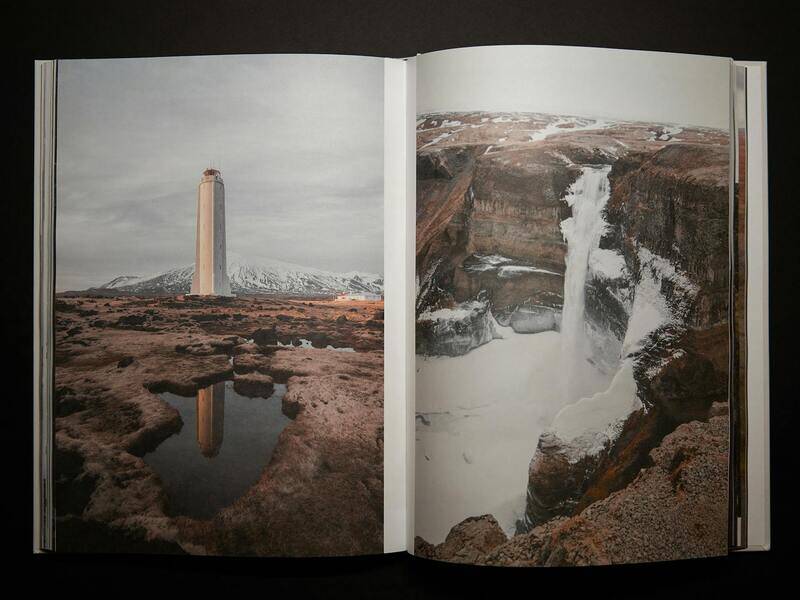
Adopting proper methods within large print photography stands as crucial for achieving high-quality results. These methods involve calibrated color management systems, the use of durable printing substrates, and advanced printing techniques such as dye-sublimation, solvent printing, or UV-curable printing. Each application demands specific approaches based on factors like the intended display environment, durability requirements, and desired aesthetic. As a result, professionals in the printing industry continuously refine their techniques and tools to meet the growing demand for vibrant, detail-rich large-scale photographic prints that captivate viewers and enhance visual spaces.
Understanding the Range of Large Print Photography
Large print photography encompasses various techniques and approaches that serve diverse visual and commercial objectives. It is not merely about enlarging an image; rather, it involves a meticulous process to ensure that the final print retains its clarity, color accuracy, and overall aesthetic appeal at significantly larger sizes. The scope extends to selecting appropriate image data formats, such as high-resolution TIFF or RAW files, which preserve intricate details essential for large-scale reproduction. These high-quality images undergo precise calibration in color management systems to match the original scene as closely as possible, accounting for viewing distance and environment considerations.
Practitioners must also account for technical factors such as DPI (dots per inch), which influences sharpness, and image sharpening techniques that enhance detail at large sizes. It involves a comprehensive understanding of material compatibility—choosing the right printing substrates like vinyl, fabric, or canvas that align with the intended display environment. The depth of knowledge in these areas ensures that the expanded images are vivid, distortion-free, and informative, whether used in advertising billboards, gallery exhibitions, or large-scale interior décor.
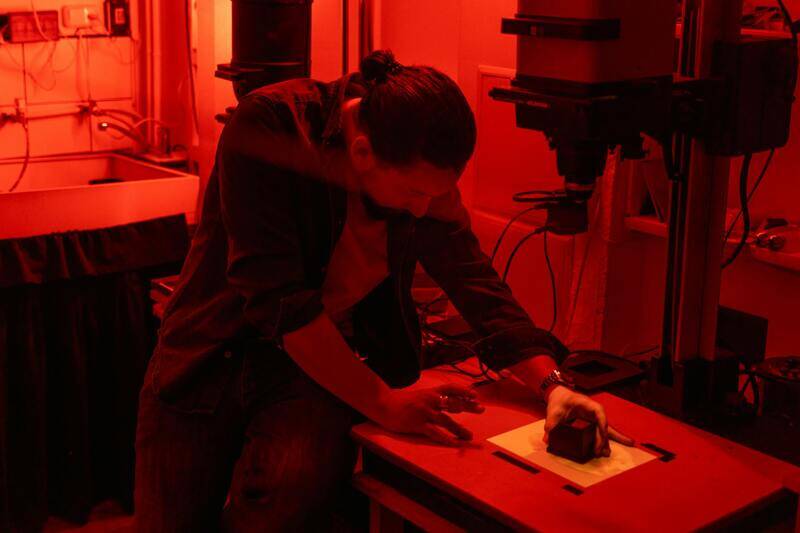
Installation considerations are equally vital. The physical environment, lighting conditions, and viewing angles influence the choice of mounting and framing options. Proper installation not only enhances the visual impact but also ensures the longevity and safety of the artwork. Professionals often employ specialized tools and methods to align and secure large prints, preventing issues like warping or damage over time.
Applications and Influence of Large Print Photography
Large print photography finds its expression across multiple sectors, including interior decoration, where it brings vibrant landscapes or abstract compositions into expansive spaces, and advertising, where bold visuals attract attention from afar. The ability to produce high-resolution, detailed images at larger scales transforms ordinary spaces into immersive environments, effectively engaging viewers and communicating messages powerfully. The growth of digital technology has facilitated a wider adoption of such practices, with advances in printing equipment enabling detailed reproductions with remarkable fidelity.
Every application relies heavily on the choice of print mediums and techniques, which in turn depend on the desired durability, display conditions, and aesthetic qualities. Whether mounted on walls as feature pieces or used as backdrop displays, large print photography demands precise technical execution from the selection of imagery to the final installation. This holistic approach ensures the resulting work is both impactful and durable.
Choosing the Right Photography for Large Prints
When selecting imagery suitable for large print photography, it is essential to prioritize high-resolution images that retain their clarity and detail upon enlargement. Photographers should aim for images captured with a minimum of 300 dots per inch (DPI) at the final print size to ensure sharpness and visual impact. Images shot with professional cameras or high-quality devices generally provide the necessary detail, minimizing pixelation and blurriness when scaled up. Composition plays a pivotal role in large print photography. Visual elements should be arranged to draw the viewer’s eye towards focal points, with an emphasis on clear lines, balanced framing, and sufficient negative space to prevent overcrowding. Simplified backgrounds or uncluttered scenes tend to translate better into large formats, maintaining their visual integrity without losing detail or creating confusion. Color vibrancy and tonal range are equally important. Bright, saturated colors can create striking visuals, but they require meticulous color management during post-processing to prevent oversaturation. Black-and-white images or those with subdued tones can also be powerful, emphasizing contrast and texture, which are more perceptible at larger scales. A comprehensive assessment of the image’s original quality, combined with proper adjustments and edits, will ensure that the final large print maintains its intended impact. This process includes sharpening, noise reduction, and ensuring consistent color profiles, all of which contribute to a polished, professional appearance when printed at an expanded size.
Printing Techniques and Materials for Large Prints
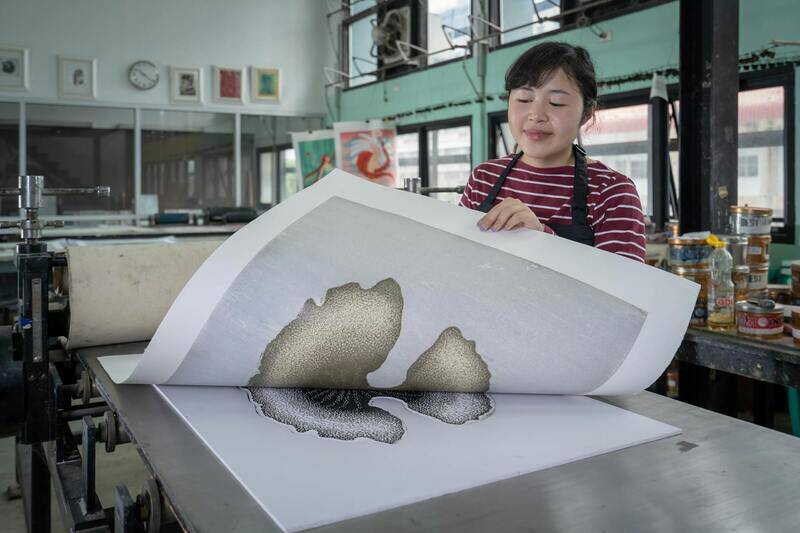
Choosing the appropriate printing technique and materials is vital to achieving high-quality large print photography. Inkjet printing remains the most prevalent method, utilizing wide-format printers capable of producing detailed, vibrant images on various substrates. These printers often employ aqueous, solvent, or UV-curable inks, each with specific advantages regarding durability, color gamut, and suitability for indoor or outdoor display. For wall-mounted applications, materials such as vinyl, canvas, aluminum, or acrylic are popular choices. Canvas prints lend a textured, artistic aesthetic, ideal for high-end interiors, while acrylic surfaces provide a sleek, modern appearance with reflective qualities that enhance color vibrancy. Aluminum panels are durable and lightweight, suitable for both indoor and outdoor settings, especially in environments prone to moisture or other elements. Attention should also be paid to print coatings and finishing options. Protective lamination or UV coatings can bolster resistance to scratches, fading, and environmental factors. Additionally, options like matte, gloss, or satin finishes allow customization based on the desired visual effect and lighting conditions. Proper selection of materials and finishing techniques ensures that large prints maintain their aesthetic appeal over an extended period, regardless of display setting.
Color Management and Image Optimization
Precise color management is critical in large print photography to ensure that colors are accurately reproduced and consistent across different prints and display environments. This process begins with embedding color profiles, such as Adobe RGB or sRGB, into digital files to standardize color output during printing. Calibration of monitors and printers is essential for achieving true-to-life colors. Using specialized calibration devices helps maintain consistent color accuracy, reducing discrepancies between digital previews and physical prints. Soft proofing techniques enable previewing how the digital image will appear once printed, allowing for necessary adjustments before production. Image optimization involves performing strategic edits to enhance details, contrast, and tonal range. Sharpening images specifically for large-scale viewing accentuates fine textures without introducing noise or halos. Noise reduction algorithms can clean up grainy areas, especially in images taken in low-light conditions. Ultimately, effective color management and image optimization ensure that large prints reflect the photographer’s vision faithfully and deliver vibrant, detailed visuals that captivate viewers, whether displayed in galleries, corporate offices, or private homes.
Definition and Scope of Large Print Photography
Large print photography involves the creation of photographic images at significantly expanded dimensions, often exceeding 24 inches in width or height. This approach transforms standard photographs into striking visual statements suitable for public display, gallery exhibitions, or prominent interior decoration. The scope of large print photography extends beyond mere enlargement; it encompasses careful consideration of resolution, detail retention, color accuracy, and material selection to ensure the final product maintains visual integrity at a larger scale. Such prints serve as impactful focal points in varied environments, demanding precise execution to prevent loss of image quality or clarity due to magnification.

Technical Aspects of Large Print Photography
Creating large prints requires high-resolution digital files with sufficient pixel density to sustain enlargement without pixelation or blurriness. Ideally, images intended for large-format printing should have a resolution of at least 300 dots per inch (DPI), but the actual requirement might vary based on viewing distance and material choice. Higher resolution images ensure finer details are preserved during scaling, resulting in crisp, vibrant prints. The aspect ratio and composition should be meticulously planned to match the dimensions of the final print, avoiding unnecessary cropping or image distortion that can detract from visual impact.
Material and Format Considerations
The choice of substrate plays an instrumental role in defining the aesthetics and durability of large prints. Common materials include canvas, acrylic panels, aluminum (aluminyte), and high-quality paper stocks. Each offers unique qualities: canvas provides a textured appearance suitable for artistic displays; acrylic offers sleek, modern clarity; aluminum offers durability with a metallic sheen. When selecting a material, considerations such as environmental factors, intended display location, and desired finish influence the decision-making process. Proper formatting and file preparation, including color profiles and bleed margins, ensure the final output aligns with the artistic vision while maximizing print efficiency.
Color Management and Image Optimization
Achieving impeccable color reproduction is fundamental when producing large print photography. Accurate color management begins with proper calibration of monitors and devices used for image editing, ensuring the colors you see on your screen match the final printed piece. Professionals often utilize color calibration tools to maintain consistency across different devices, which becomes increasingly critical as print size enlarges and viewer perception plays a more significant role.
Beyond calibration, image optimization techniques are essential. This involves adjusting brightness, contrast, and saturation levels to enhance visual appeal while preserving the integrity of the original capture. Non-destructive editing methods allow for fine-tuning without degrading image quality. Attention to sharpness and detail preservation becomes paramount, especially since enlarged prints can reveal imperfections or pixelation more readily.
Furthermore, selecting the appropriate color profile, such as Adobe RGB or sRGB, aligns the digital file with the capabilities of the printing device and material used. Embedding the correct profile ensures consistent, vibrant colors and minimizes deviations during the printing process. Preparing images with adequate resolution, correct aspect ratios, and necessary bleed margins prevents unwanted cropping and ensures that every element of the composition is accurately represented in the final large print.
Color Management and Image Optimization
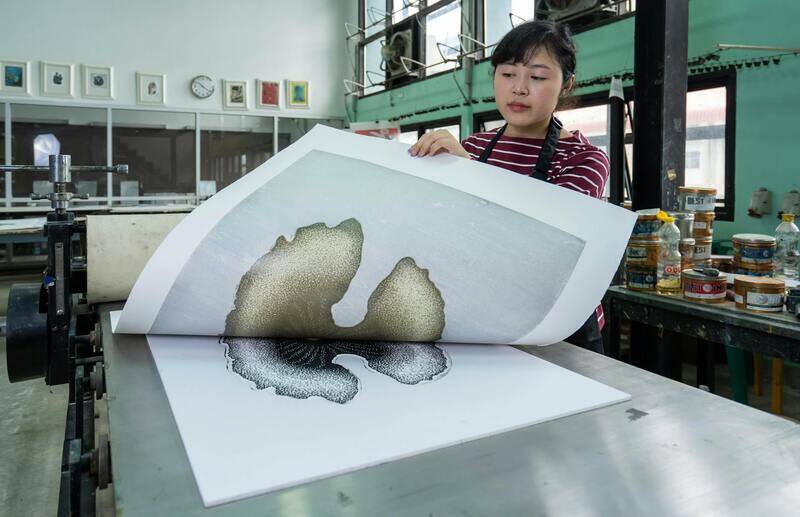
When preparing digital images for large print photography, meticulous attention to color management and image optimization is essential to achieve professional quality results. Digital files should undergo calibration processes to ensure that colors displayed on monitors mirror those in the final printed piece. Utilizing tools such as spectrophotometers and color calibration software helps technicians maintain consistency across different devices, which becomes increasingly critical as image sizes grow larger.
Beyond hardware calibration, the way images are adjusted digitally impacts the final output significantly. Adjustments include refining brightness, contrast, and saturation levels to enhance visual appeal without compromising original tones. Non-destructive editing techniques allow for iterative modifications, preserving image integrity while fine-tuning details. This is especially vital for large prints where minute imperfections, pixelations, or color shifts can become more conspicuous.
Proper color profiles are fundamental in this process. Embedding profiles such as Adobe RGB or sRGB within image files ensures that colors remain consistent from digital workspace to physical print. Selecting the right profile depends on the specific printing process and media used; Adobe RGB typically offers a wider color gamut suitable for high-quality output. Additionally, preparing images with adequate resolution—usually 300 DPI or higher—and correct aspect ratios prevents unwanted cropping or distortion. Including bleed margins ensures that the entire composition is captured without cropping vital elements during trimming.
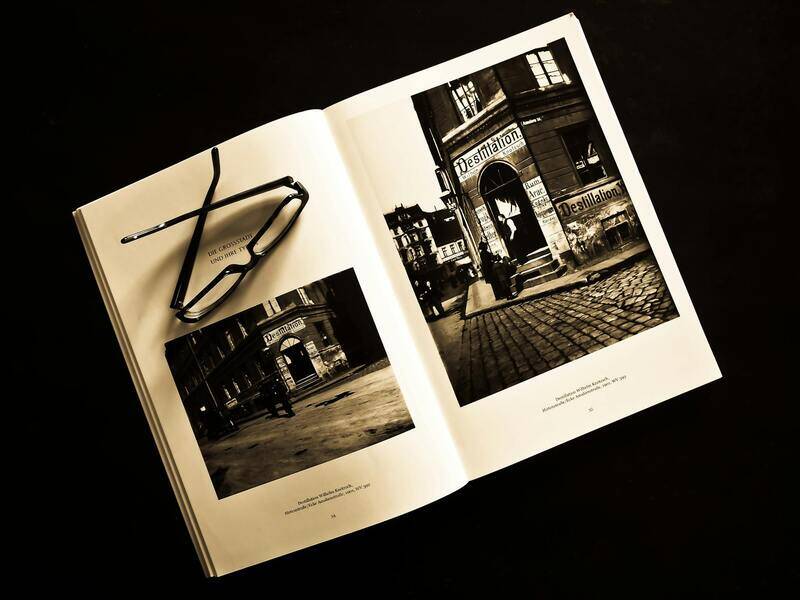
Implementing strict image optimization protocols helps in realizing sharp, detailed large prints that faithfully represent the original scene or artwork. It also minimizes the need for reprints due to color discrepancies or pixelation issues, saving costs and time in the long run. As a result, professionals and enthusiasts can produce large-scale photographs that captivate viewers with clarity and vibrant color accuracy, ensuring the print's visual impact remains intact in diverse display environments.
Understanding the Proper Methods for Large Print Photography
Utilizing Legitimate Printing Techniques and Materials
Achieving high-quality large print photography that meets professional standards relies heavily on the selection of appropriate printing methods and materials. It is essential to work with reputable printing services that employ established techniques designed for large-scale outputs. These techniques often include digital large-format printing, which uses advanced inkjet or laser printers capable of handling expansive media without sacrificing image resolution or color fidelity.
Materials play a crucial role in the durability and aesthetic appeal of large prints. Commonly used media encompass high-quality photo papers, canvas, vinyl, or fabric-based substrates, each offering unique textures and finish options. Printing professionals carefully select materials that complement the image content and intended display environment, ensuring longevity and visual impact.
Appropriate Ink Technologies
Inks used in large print photography must provide vivid, accurate color reproduction while being resistant to fading over time. Solvent, UV-curable, and aqueous inks are prominent options, each suited to specific media and display conditions. Solvent inks excel in outdoor durability, UV-curable inks offer quick drying and scratch resistance, while aqueous inks are favored for indoor applications due to their vibrant color gamut and environmentally friendly profiles.
Ensuring Color Fidelity Through Professional Calibration
Consistent color output requires meticulous calibration of printers, monitors, and workflows. Professionals employ color management systems that align display screens with the printing process, ensuring the digital file’s colors translate accurately to the physical print. This approach helps prevent discrepancies such as color shifts or dull hues, particularly important when scaling images to large formats.
Quality Control and Finishing Touches
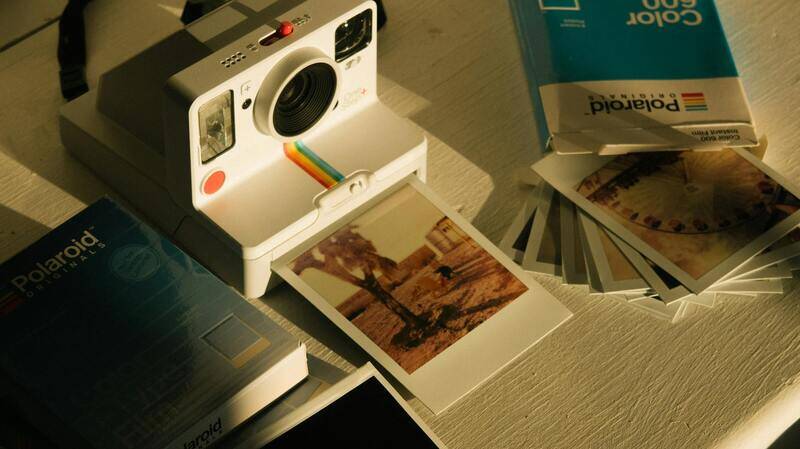
Prior to final production, proofing plays a vital role in assessing print quality and color accuracy. Sample prints allow adjustments to be made in color profiles or material choices, optimizing the final outcome. Once approved, finishing touches such as lamination, mounting, or framing are applied to enhance durability and presentation. These steps also contribute to the overall visual harmony, ensuring the large print maintains its appeal over time without damage or deformation.
Proper Display and Maintenance for Large Prints
Proper installation minimizes potential damage and ensures optimal viewing. Secure mounting on appropriate backing materials prevents warping or sagging. UV-protective glass or acrylic can shield prints from harmful light exposure, while climate control helps preserve color integrity and material quality. Regular cleaning with gentle, non-abrasive products maintains surface clarity without compromising the print's integrity.
Choosing a Printing Service Provider
Selecting a reputable printing service provider for large print photography is essential to achieve outstanding results that honor the original artwork. When evaluating potential partners, consider their level of specialization in large format printing, as this expertise directly impacts the quality, accuracy, and durability of the final product. Providers who focus specifically on large-scale projects typically have state-of-the-art equipment, skilled technicians, and extensive experience in handling diverse materials and formats.
It is also important to assess the range of services offered. A reliable provider should offer comprehensive solutions, including consultation on material selection, color calibration, finishing options such as lamination or framing, and installation techniques. This holistic approach ensures that every aspect of the large print is optimized for the intended display environment, whether it’s a gallery exhibition, corporate setting, or personal collection.
Customer reviews and testimonials can serve as valuable indicators of service quality and consistency. Look for feedback that highlights professionalism, adherence to deadlines, and the quality of finished prints. Portfolio samples or a gallery of previous projects provide insight into their craftsmanship, diversity of styles, and ability to handle different types of images, from detailed landscapes to vibrant abstract compositions.
Clear communication is crucial during the pre-press stage. A reputable provider should offer guidance on optimal image resolution, color profiles, and material options, ensuring that the digital file aligns with the final output. Transparent pricing structures, detailed quotations, and turnaround timelines further demonstrate professionalism and reliability. It is recommended to request sample prints or proofs prior to the final run, allowing for adjustments to achieve the desired quality.
Additional Considerations in Selecting a Service
- Calibration and Quality Assurance: The provider's facilities should routinely calibrate printers and monitors, ensuring color consistency and accuracy across large batches.
- Material and Finish Options: Availability of various materials such as canvas, vinyl, acrylic, or photographic paper, as well as finish options like matte or gloss, influences the presentation and longevity of the print.
- Environmental Conditions: Consider whether the provider employs environmental controls, such as humidity and dust regulation, which are vital for maintaining print integrity during production.
- Post-Production Support: Services such as framing, mounting, transportation, and professional installation are integral to the final display quality and long-term preservation.
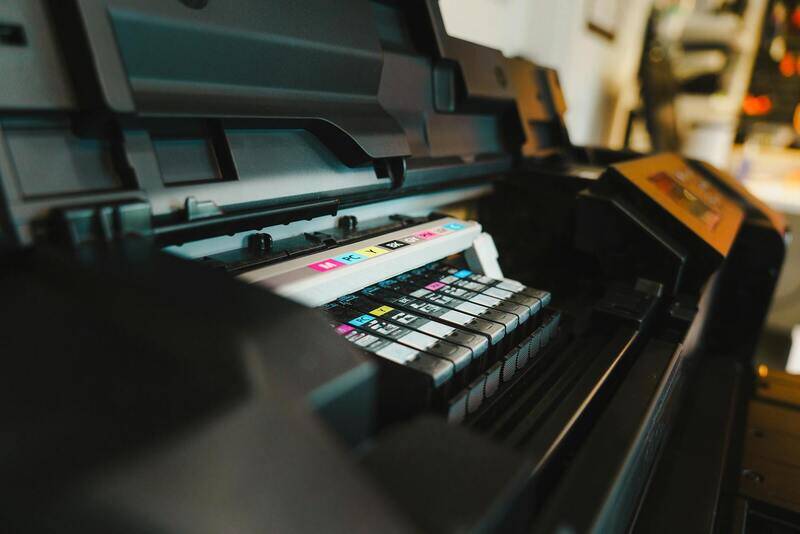
Choosing the right printing partner involves a blend of technical expertise, quality assurance processes, and comprehensive service offerings. By thoroughly evaluating these factors, clients can ensure their large print photography projects are executed with precision, leading to visually striking results that command attention and preserve artistic integrity over time.
