
Design Elements of Effective Business Cards
Creating a compelling visiting card demands more than just selecting a template and printing. It involves a meticulous balance of various design elements that work together to communicate professionalism, brand identity, and a memorable impression. The primary components to consider include layout, typography, color schemes, and branding elements, each playing a vital role in the overall effectiveness of the card.
Layout and Composition
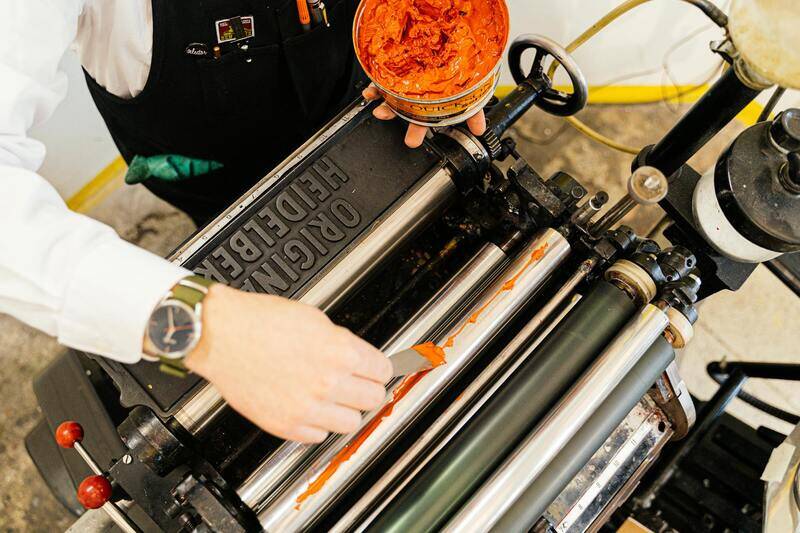
A well-structured layout ensures that the key information is easily accessible and visually appealing. The placement of contact details, company logo, name, and designation should follow a logical flow, often aligned with the card's vertical or horizontal orientation. Ample whitespace is crucial to prevent clutter, highlighting the essential elements and making the card comfortable to read and handle.
Typography
Choosing the right fonts enhances readability and reinforces brand personality. Clear, professional typefaces such as sans-serif fonts are often preferred for modern, sleek designs. Font size, line spacing, and contrast against background colors are important to ensure clarity, especially for contact details. Consistent font usage across the card maintains uniformity and neatness.
Colors and Branding
The color palette should align with the company’s branding guidelines, using primary colors that evoke the desired emotion and recognition. Contrasting colors help emphasize critical information, while subtle backgrounds can add to the visual complexity without overwhelming the overall design. Colors must also be chosen with tactile printing options in mind, as certain shades may appear differently depending on the finish or material used.
Additional Design Considerations
- Incorporating brand logos and taglines effectively
- Using high-quality images or icons that complement the overall theme
- Ensuring scalability and legibility across various sizes and print formats
- Maintaining consistency with other marketing collateral to establish brand cohesion
Quality and Professionalism
The effectiveness of a business card lies not only in its visual design but also in its physical construction. High-resolution graphics, precision in color matching, and the use of durable materials ensure the card leaves a lasting impression. A professionally designed business card serves as a tangible extension of your corporate identity, making meticulous attention to these design elements essential for impactful visiting card printing.
Material and Finish Options
Choosing the appropriate material and finish for visiting cards is crucial to achieving a professional appearance and ensuring durability. Commonly used materials include high-quality paper, plastic, and specialty substrates designed for specific tactile effects. Paper options range from standard cardstock to premium, textured, and recycled papers, each providing distinctive visual and tactile qualities. Plastic cards, on the other hand, offer enhanced durability and a modern feel, suitable for tech companies or brands seeking a contemporary image.
Finish options significantly influence the final look and longevity of business cards. Matte finishes are popular for their non-reflective surface, which minimizes fingerprints and adds a sophisticated touch. Glossy finishes, however, enhance colors and details, making logos and images more vibrant. Satin or semi-matte finishes strike a balance, offering a smooth look without excessive glare. Special finishes, such as soft-touch coatings or velvet lamination, can further elevate the tactile experience, making cards stand out in a stack.

Choosing the Right Printing Techniques
The selection of printing techniques directly impacts the quality, appearance, and effectiveness of business cards. Conventional offset printing remains popular for high-volume runs due to its cost-effectiveness and consistent quality. Digital printing, however, offers flexibility for short runs, quick turnaround times, and the ability to incorporate variable data such as personalized names or contact details.
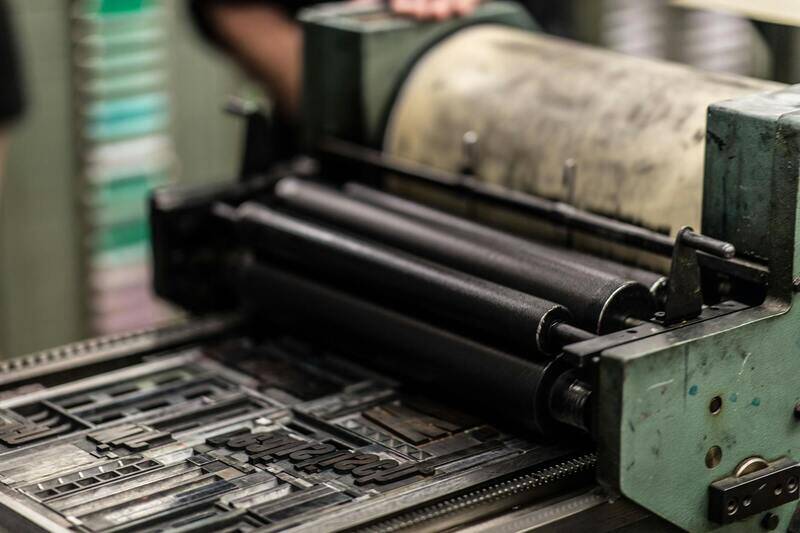
For special effects, techniques like letterpress or foil stamping add tactile depth and visual sparkle to designs. Embossing and debossing create a three-dimensional effect that emphasizes logos or key elements. UV coating can be used selectively on specific areas for a glossy finish that draws attention. Hot-stamp foiling is often employed to add metallic accents, elevating the card’s premium feel.
Factors Affecting Cost and Turnaround Time
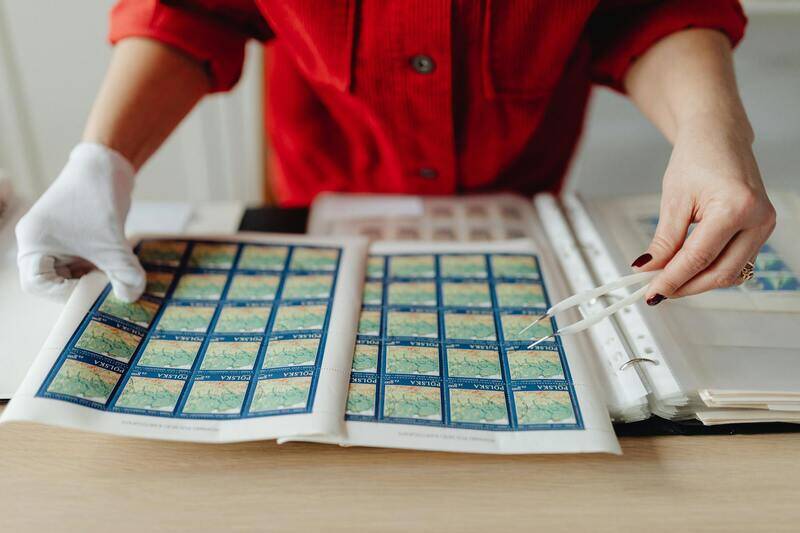
Several elements influence the overall cost and speed of visiting card production. The choice of material and finish is a primary factor; premium substrates and special finishes tend to increase costs. The complexity of the design, especially when incorporating special techniques like embossing or foil stamping, also adds to the expense.
Order volume plays a crucial role—larger quantities typically reduce per-unit costs, while smaller batches may incur higher prices. Additionally, the selected printing method impacts turnaround time. Digital options enable quicker delivery, often within a few days, whereas offset printing and special effects may require additional setup time.
Custom Features and Enhancements
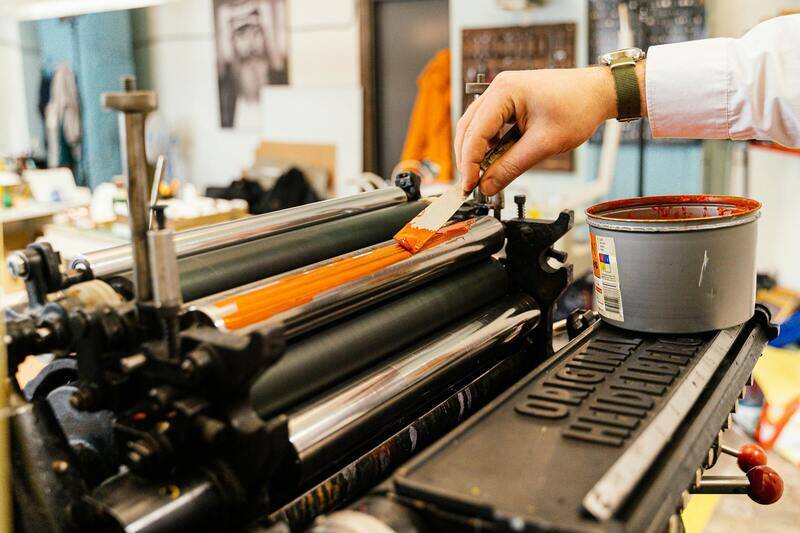
Modern visiting cards often include customizable features that reinforce brand identity and leave a memorable impression. These can range from textured surfaces, laser-cut shapes, to unique finishes that align with brand aesthetics. Rounded corners, embossed logos, or raised ink effects add tactile elements, making the card more engaging.
Other enhancements include QR codes, augmented reality markers, or social media icons that integrate digital interaction with physical design. Spot UV coating can highlight specific design elements or contact details, creating a contrast that draws attention. Such customizations require specialized printing techniques but can significantly enhance the perceived value of the card.
Design Elements of Effective Business Cards
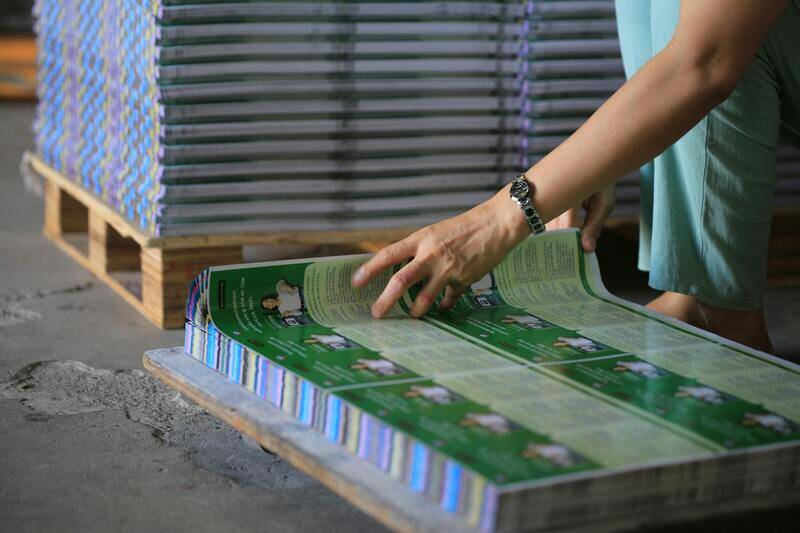
Crafting a compelling visiting card involves more than just selecting attractive visuals; it requires a balanced approach to layout, typography, and imagery. The placement of logos, contact information, and other essential details must create harmony while ensuring legibility. Using contrasting fonts and colors enhances readability, especially when printing on different material types. Incorporating whitespace strategically prevents the design from appearing overcrowded, allowing key elements to stand out clearly. The hierarchy of information can be emphasized through size variations, bold fonts, or color contrasts, guiding recipients swiftly to the most critical details.
Choosing the right font styles is equally vital; sleek, professional fonts convey sophistication, while more creative typefaces can reflect a brand's personality. Consistency in font usage across the card reinforces brand recognition. Color schemes should align with the corporate branding, with complementary colors helping to highlight specific areas like contact details or call-to-action symbols. The overall aesthetic should encapsulate the company's ethos, whether formal, innovative, or friendly. Incorporating visual cues such as icons or subtle background patterns can further enhance the card’s appeal without overcrowding the design.
Material and Finish Options
The choice of materials significantly influences the impression a visiting card makes. Standard options like paper and cardboard are common, but premium substrates such as thick cardstock, textured papers, or even transparent plastics elevate the tactile experience. Quality materials tend to convey trust and quality, making the card more memorable. Finishes such as matte, gloss, or satin can alter the feel and aesthetics of the card, with matte finishes providing a subdued, elegant look and gloss finishes adding vibrancy and shine that catch the light.

Special finishes like soft-touch coatings offer a luxurious feel, while metallic foils introduce a shimmering effect that draws attention. Spot UV coating is another popular finish that selectively highlights certain elements—such as logos or contact info—adding a layer of sophistication and depth. Embossing and debossing techniques can create tactile textures, providing a physical impression that reinforces branding. Combining various finishes thoughtfully can produce a unique, high-quality business card that stands out in a stack.
Choosing the Right Printing Techniques
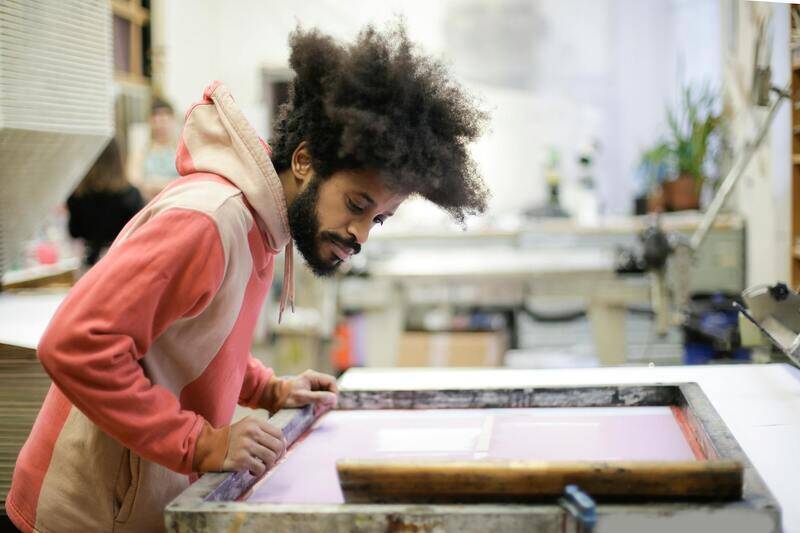
Selecting an appropriate printing method is essential to achieve the desired quality and detail. Digital printing is ideal for quick turnaround times and smaller batches, offering high-resolution results with vibrant colors. Offset printing, on the other hand, is often preferred for larger quantities due to cost efficiency and consistent quality. Hybrid techniques such as screen printing can deliver bold, opaque colors and are often used for special effects.
Advanced methods like letterpress printing provide an artisanal touch through deep impression, adding both visual and tactile elements. Flexography, gravure, and digital UV printing are also utilized depending on the desired finish and complexity of the design. Each technique has specific advantages concerning detail, durability, and cost, which should align with the overall branding and budget requirements.
Customization Options and Special Finishes
Enhanced customization options enable brands to create truly distinctive visiting cards. Die-cut shapes allow for unconventional designs, such as rounded edges or intricate cutouts that mirror brand motifs. Textured surfaces, including linen or embossed patterns, create tactile interest while reinforcing brand identity. Foil stamping can add metallic accents that sparkle under light and lend a sense of luxury to the overall presentation.
Additional features like QR codes facilitate digital interactions, allowing recipients to quickly access online portfolios, contact details, or promotional content. Augmented reality markers can turn a simple card into an interactive experience. Spot UV coatings selectively highlight crucial contact details or logos, adding a glossy contrast to matte backgrounds. These enhancements, when integrated appropriately, significantly increase the perceived value and memorability of the visiting card.
Material and Finish Options
When selecting materials for visiting card printing, the choice significantly influences both the durability and the visual appeal of the final product. Standard cardstock options include matte, gloss, and uncoated finishes, each offering unique aesthetic qualities. Matte finishes give a subdued, sophisticated appearance with reduced glare, making text easier to read and providing a luxurious feel. Gloss finishes, on the other hand, produce a vibrant, eye-catching look with shiny surfaces that enhance color richness and detail.
In addition to these common options, textured papers such as linen, felt, or canvas add tactile interest, creating a more engaging experience for recipients. Special textured finishes, like linen or embossed patterns, can reinforce brand identity by adding depth and dimension to the card’s surface. For added uniqueness, specialty papers with metallic or iridescent sheens can be utilized to make cards stand out, especially for brands aiming to convey elegance and innovation.
The choice of coating techniques also impacts longevity and protection against wear. UV coating provides a high-gloss, durable finish that resists scratches and fingerprints. Matte coatings help reduce glare and hide fingerprints, maintaining a clean appearance over time. Soft-touch coatings create a velvety surface that enhances tactile sensation and project a premium feel. Combining these finishes with high-quality materials ensures the card withstands frequent handling while maintaining its aesthetic integrity.
Selecting the right material and finish should align with the overall branding and the message you wish to convey. For instance, a legal consultancy might prefer classic, matte cardstock to exude professionalism, whereas a luxury fashion brand might opt for metallic or textured papers that reflect exclusivity. Carefully considering how materials perform in different environments and handling conditions can ensure the card remains pristine while effectively communicating your brand values.
Design Elements of Effective Business Cards
Creating a memorable and professional visiting card requires careful consideration of key design elements that align with your brand identity. Essential components such as typography, color schemes, logo placement, and white space contribute to readability and visual appeal. A clean, balanced layout ensures that contact details are easily accessible while maintaining an aesthetic that reflects your business ethos.
Typography choices should be legible and consistent with your brand style. Bold fonts for headings and clear, sans-serif fonts for contact details enhance clarity. Color schemes should complement your corporate colors and evoke the desired emotional response from recipients. Incorporating your logo strategically can reinforce brand recognition, ideally positioned to draw attention without overwhelming the design.
Viable Layouts for Business Cards
- Classic Horizontal Layout: A traditional design with elements aligned horizontally, emphasizing clarity and professionalism.
- Vertical Layout: Adds a modern touch and can maximize space for creative positioning of elements.
- Split Design: Divides the card into sections, such as contact info on one side and branding on the other, for a structured appearance.
Incorporating Branding Elements
Consistency in visuals is crucial. This includes aligning your visiting card design with your company's branding guidelines by using specific fonts, colors, and logo versions. Such coherence reinforces your brand perception and fosters trust with potential clients or partners.
Types of Visiting Cards and Materials
In the competitive landscape of professional networking, choosing the appropriate type of visiting card and material can assert your brand's personality. Options range from standard cardstock to premium materials that offer distinctive textures and finishes.
Standard Business Cards
Constructed from durable cardstock, these are ideal for most industries due to their affordability and versatility. They provide a solid base for various printing techniques and finishes.
Luxury and Premium Options
Materials such as thicker, textured, or specialty papers like linen, metallic, or translucent plastics impart a sense of exclusivity. These are suitable for luxury brands, legal firms, or any business seeking to project prestige.
Specialty Materials
- Translucent plastic
- Metallic foil
- Fabric-textured papers
- Embossed or debossed surfaces

Material and Finish Options
The tactile aspect of your visiting card can enhance impression and memorability. Matte finishes reduce glare and fingerprints, ideal for a refined look. Glossy finishes give a shiny, vibrant appearance, perfect for showcasing logos and images. Soft-touch coatings provide a velvety feel, adding a layer of sophistication. Specialty finishes like embossed patterns or foil stamping introduce depth and visual interest, making your card stand out in a sea of standard designs.
Finish Selection Considerations
- Matte: Elegant and understated, suitable for professional fields.
- Glossy: Eye-catching, enhances colors and images.
- Soft-touch: Luxurious tactile experience, ideal for high-end branding.
- Embossing/Debossing: Adds texture and dimension to logos or design elements.
Additional Customization Options and Finishing Touches
Beyond standard design and material choices, exploring advanced customization options can significantly enhance the visual appeal and functionality of your visiting cards. Foil stamping, for instance, introduces metallic accents that catch light and draw attention, making your logo or key information stand out. Spot UV coating adds a high-gloss, shiny finish to specific areas, highlighting critical design elements such as logos or contact details and creating a tactile contrast with matte backgrounds.
Die-cut shapes expand the traditional rectangular format of business cards, allowing for unique silhouettes that reflect your brand’s personality or industry. For example, a rounded corner, circle, or custom outline can make a card memorable and distinguishable from conventional designs. UV varnishes, applied selectively, enhance certain sections with a smooth, glossy texture without overwhelming the overall appearance.
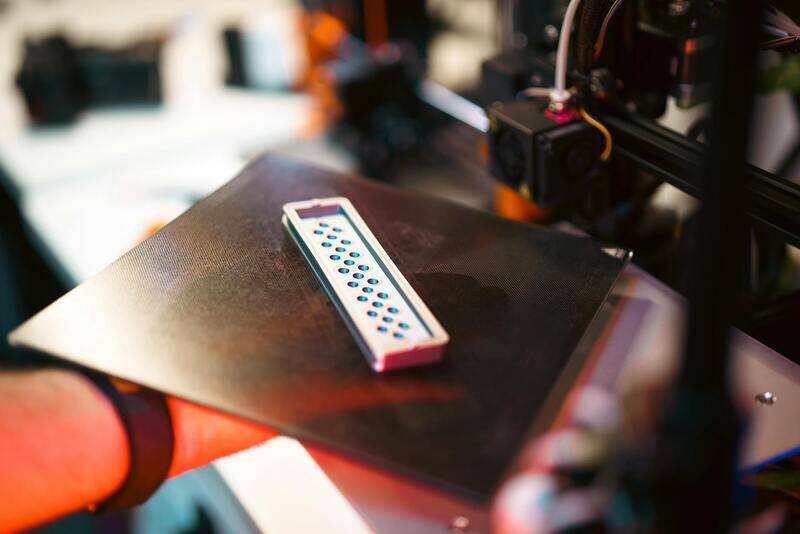
These enhancements not only improve aesthetic appeal but also contribute to a tactile experience that leaves a lasting impression, fostering greater engagement and recognition. When combined thoughtfully, these features can reinforce your brand identity and communicate your business’s uniqueness.
Advanced Printing Techniques and Methods
Choosing the right printing technique is essential for achieving desired visual effects, durability, and cost-efficiency. Offset printing remains a popular choice for large quantities due to its high quality and cost-effectiveness over bulk runs. Digital printing offers quick turnaround times and flexibility for smaller batches or iterative designs, making it suitable for startups or short-term projects.
Letterpress printing provides a tactile, embossed effect that conveys craftsmanship and sophistication, ideal for luxury brands. Screen printing can be employed for special surface textures or unique printing on unconventional materials. Thermal transfer printing is another technique best suited for producing vibrant, long-lasting images on specialized surfaces.
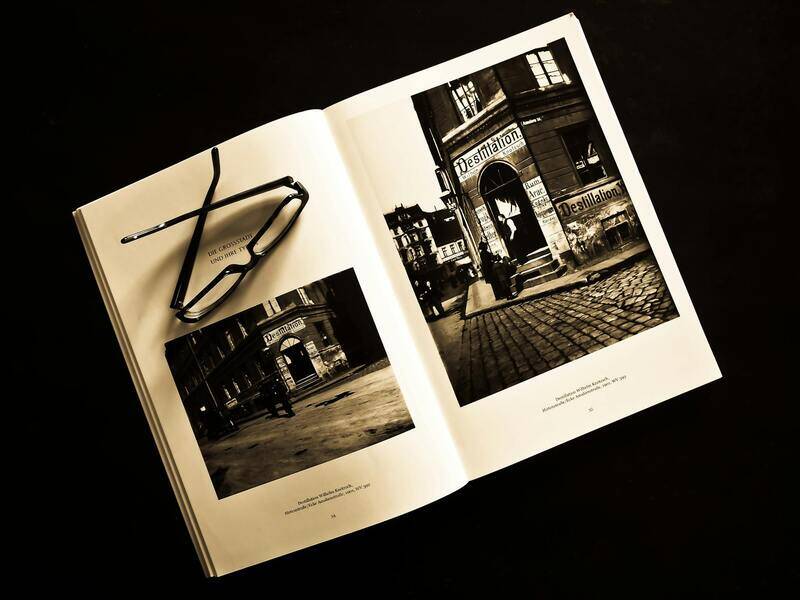
The selection of method depends on various factors including the volume of cards needed, design complexity, and budget constraints. An informed choice ensures that your business card maintains its aesthetic integrity over time while matching your brand’s professional standards.
Cost Factors and Turnaround Timeline
Several elements influence the overall costs associated with visiting card printing. Design complexity, choice of materials, and finishing features such as foil or embossing will impact the final price. The volume of order also plays a significant role; larger quantities typically offer economies of scale, reducing per-unit costs.
Production time varies with the printing method, material availability, and the intricacy of finishing options. Standard orders with basic designs and materials may be completed within a few days, whereas customized, high-end finishes could require additional time for processing and drying. It is prudent to plan well in advance, especially for business launches or events, to ensure timely delivery without compromising quality or design standards.

Consulting with your chosen printing service about expected timelines and additional costs upfront minimizes surprises and ensures your business cards are prepared according to schedule and budget.
Design Elements of Effective Business Cards
Understanding Key Visual Components
Crafting a compelling business card requires meticulous attention to each design element. The use of color, typography, logo placement, and imagery plays a crucial role in establishing brand recognition and creating a memorable impression. Select colors that align with your brand identity and evoke the desired emotional response. Typography should be clear, professional, and easy to read. The logo must be prominently placed without overcrowding the layout, ensuring it acts as the visual anchor. Incorporating relevant imagery or icons may enhance the message but should not detract from essential contact details.

Layout and Composition
The layout involves arranging information in a manner that ensures readability and aesthetic harmony. Utilize grid systems and hierarchical structures to differentiate between primary and secondary information. Contact details such as name, phone number, email, and business address should be prioritized for quick access. Ample spacing prevents clutter and enhances visual appeal. Consistency in margins and alignment fosters a polished look, reinforcing professionalism.
Typography Best Practices
- Choose fonts that reflect your brand personality, be it modern, classic, or creative.
- Maintain font sizes that are legible across different devices and printed sizes.
- Avoid overusing multiple font styles; stick to two or three at most.
- Use bold or italics sparingly to highlight important details.
Incorporating White Space
Strategic use of white space allows the design to breathe, enhancing clarity and focus. It helps to isolate key information and prevents over-crowding, which can overwhelm the recipient. Well-placed white space guides the viewer’s eye through the card, creating a natural flow that emphasizes essential elements.
Visual Consistency and Brand Identity
All visual components should align seamlessly with your overall branding strategy. Maintain consistency in color schemes, font choices, and imagery to reinforce recognition. A cohesive design approach fosters trust and credibility, making your visiting card an effective extension of your corporate image.
Printing Techniques and Methods
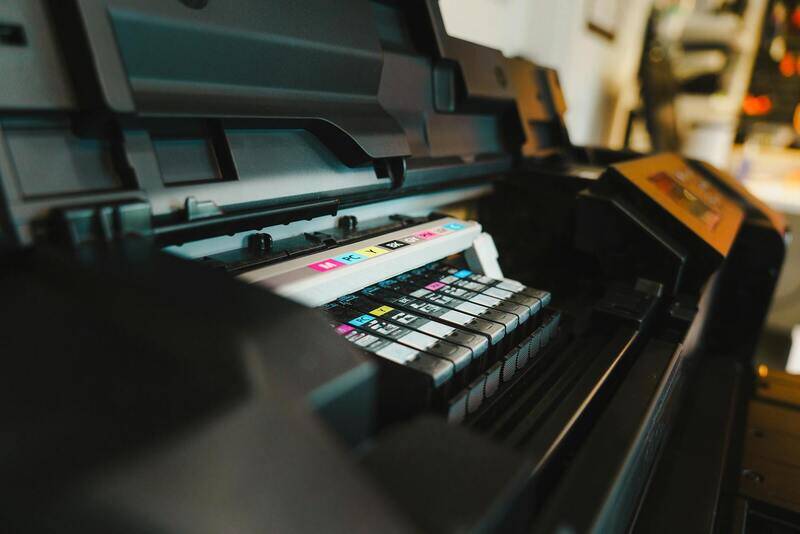
When selecting the appropriate printing method for your visiting cards, understanding the distinct advantages of each option is crucial. Traditional offset printing remains a popular choice for bulk orders due to its cost-effectiveness and consistent high quality. It facilitates vibrant color reproduction and sharp details, making it ideal for designs with extensive color use or complex graphics. Digital printing, on the other hand, offers flexibility for small batches or customized designs, with faster turnaround times and lower setup costs. This method is suitable for businesses requiring quick reevaluation of design or frequent updates.
Specialized Printing Techniques for Enhancing Business Cards
- Letterpress: Creates a tactile impression on the card surface, lending a classic and high-quality feel. This method emphasizes key text or logos through debossing, adding a sense of depth and sophistication.
- Embossing and Debossing: These techniques add three-dimensional effects that make specific elements stand out. Embossing raises the design, while debossing presses it into the paper, both delivering a tactile experience that enhances visual appeal.
- Foil Stamping: Involves applying metallic or pigmented foil to specific areas of the card, such as logos, borders, or text. The result is a luxurious, eye-catching finish that exudes elegance and professionalism.
- Spot UV Coating: Applies a glossy, transparent coating to selected areas, creating contrast and a tactile difference between matte and glossy surfaces. This technique effectively highlights important information or branding elements.
- Eco-Friendly Printing: Emphasizes sustainable practices, such as using recycled materials, soy-based inks, or waterless printing technologies, aligning your brand with environmental responsibility.
Factors to Consider When Choosing a Printing Technique
Choosing the right printing method and finishes should align with your brand identity, budget, and the message you want to convey. For instance, if you aim to project luxury and exclusivity, embossing combined with foil stamping could be appropriate. Conversely, for streamlined and cost-effective designs, digital printing with minimal embellishments might suffice. Collaborate with your printing service provider to explore options that balance aesthetic desires with practical considerations, such as durability and cost.
Design Elements of Effective Business Cards
Creating a memorable and impactful visiting card hinges on selecting the right design elements. These components not only reflect the brand's personality but also ensure that essential contact information is presented clearly and attractively. The choice of fonts, color schemes, layout style, and graphic elements plays a critical role in conveying professionalism and enhancing brand recognition.
Typography and Font Selection
Typography should be clean, legible, and consistent with the brand identity. Sans-serif fonts often lend a modern look, while serif fonts can evoke tradition and reliability. It’s advisable to use a maximum of two font styles to maintain visual harmony, with the hierarchy clearly established to differentiate between the business name, contact details, and other information.
Color Schemes and Branding
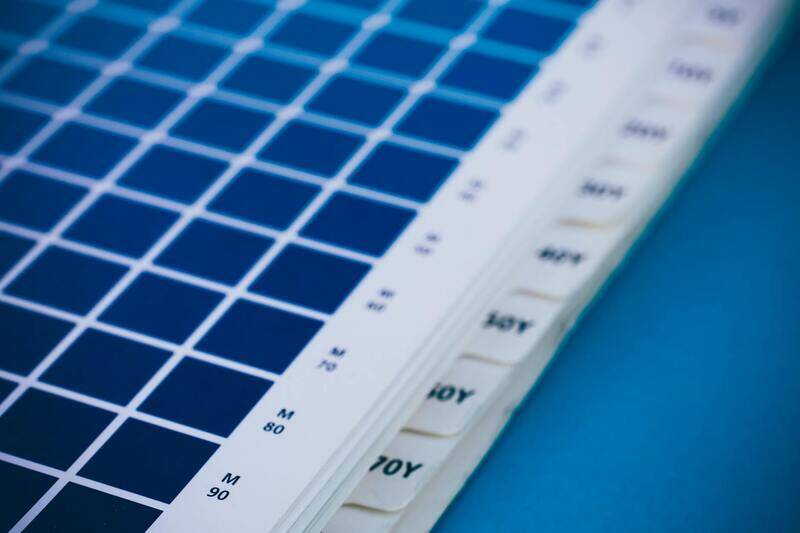
Color choices should align with your corporate colors to reinforce brand identity. Use contrasting colors for text and background to ensure readability. Subtle color accents can add visual interest without overwhelming the overall design. Always consider the psychological impact of colors; for instance, blue conveys trust, while red signifies energy and urgency.
White Space and Balance
Effective use of white space prevents clutter and directs attention to key information. Proper spacing between text and images creates a balanced look that is pleasing to the eye and enhances readability. Symmetry and alignment contribute to a professional presentation, emphasizing attention to detail.
Graphics and Logo Placement
High-quality graphics, especially logos, should be prominently yet tastefully displayed. They serve as visual anchors that reinforce brand recognition. Simplified iconography or subtle patterns can add texture without detracting from essential contact details. Consistent branding across all elements ensures a cohesive look.
Hierarchy and Readability
Prioritize important information such as your name, position, and contact details by size and placement. Use bold fonts or distinct colors for key elements to guide the viewer’s eye naturally across the card. This hierarchical approach ensures that even in a quick glance, viewers can identify pertinent information effortlessly.
Design Elements of Effective Business Cards
Creating a compelling business card requires more than just choosing a layout; it involves a thoughtful integration of design elements that communicate professionalism and brand identity. When considering your visiting card, focus on incorporating a clear hierarchy of information, balanced use of imagery and white space, and consistent branding. Effective typography plays a critical role, with fonts that are easy to read yet visually appealing. A well-chosen font style not only enhances readability but also reflects the personality of your business, whether it's modern, traditional, or innovative.
Color Palette and Visual Hierarchy
The color scheme should complement your branding while ensuring strong contrast for legibility. Utilizing your corporate colors consistently across the card reinforces brand recognition. In addition, strategic use of contrasting colors for text and background enhances readability and visual interest. Hierarchy is maintained by emphasizing key information such as your name and contact details through size, boldness, or color differences. This ensures your business card communicates essential information at a glance.
Logo Placement and Graphics
A high-quality logo positioned thoughtfully serves as a visual anchor, helping to establish brand recognition. Simplified graphic elements can add texture or support the overall aesthetic without overwhelming the primary information. It's vital to maintain consistency in logo placement across all your business cards to foster a cohesive brand image.
Types of Visiting Cards and Materials
Various types of visiting cards and materials are available to suit different professional needs and budgets. Choices range from classic paper cards to more durable options like plastic, metal, or eco-friendly materials. Each material offers distinct advantages in terms of durability, appearance, and tactile experience.
Standard Paper Cards
Most commonly used, these cards are affordable and versatile. They come in different finishes, such as matte, gloss, or textured, each imparting a different visual or tactile quality. Standard paper cards are suitable for everyday professional exchange and can be customized with a variety of printing options.
Plastic and PVC Cards
These provide a sturdy and durable alternative, resistant to wear and tear. Plastic cards often have a premium feel and can incorporate transparent or semi-transparent effects, making them stand out.
Metal and Specialty Materials
For a high-end impression, metallic or specialty materials like wood or glass can be used. These materials can be engraved or printed with intricate designs, offering a unique representation of your brand.
Design Elements and Layout
The layout of your visiting card should be designed to highlight key information while maintaining aesthetic harmony. Elements such as spacing, alignment, and the strategic placement of text and images contribute to a professional appearance.
White Space and Balance
Utilizing white space effectively prevents clutter and guides the viewer’s attention to core details. Proper balance creates a clean, organized look that bolsters readability and visual appeal.
Graphics and Logo Placement
High-quality graphics, especially your logo, should be located where they command attention without overpowering the core contact information. Consider placing your logo prominently on one corner or centrally, depending on the overall design concept.
Material and Finish Options
Material choice significantly influences the perception of your visiting card. The finish also contributes to durability and tactile quality, affecting the overall impact of the card.
Common Materials
- Matte finish — reduces glare, adds sophistication
- Glossy finish — enhances colors and details
- Textured finishes — create tactile interest and uniqueness
Special Finishes
- Spot UV coatings for highlighting specific areas
- Embossing or debossing to add dimension
- Foil stamping for metallic accents

Factors Affecting Cost and Turnaround Time
When planning your visiting card printing project, understanding the various factors that influence both cost and turnaround time is essential for making informed decisions. Several elements come into play, including the choice of materials, design complexity, customization features, and the printing method employed. Being aware of these aspects helps in aligning your expectations with your budget and schedule.
Design Complexity and Customization
The intricacy of your card's design directly impacts printing costs and production duration. Simple designs with straightforward layouts and standard fonts tend to be more cost-effective and quicker to produce. Conversely, intricate artwork, custom illustrations, or elaborate finishes such as embossing, debossing, or foil stamping require additional labor and specialized equipment, which can extend lead times and increase expenses.
Material Selection and Finishes
The choice of material plays a significant role in the overall cost. Premium options like thick cardstock, textured finishes, or specialty materials such as metal, wood, or plastic tend to be more costly than standard matte or gloss paper. Additionally, applying unique finishes, including spot UV, matte lamination, or metallic foils, adds both to the price and production time, as they require extra processing steps.
Quantity and Order Size
Order volume is another critical factor. Bulk printing generally offers economies of scale, reducing the cost per piece. However, small runs or prototypes may incur higher per-unit costs, and detailed or complex designs might require additional setup time, slightly prolonging the process.
Printing Method and Equipment
The chosen printing technique influences both cost and speed. Digital printing is ideal for smaller orders and offers faster turnaround with competitive pricing for limited quantities. Offset printing, suited for larger batches, provides consistent high-quality output but involves longer lead times due to plate creation and setup. Specialty techniques like letterpress or screen printing can add a luxurious touch but often demand more time and investment.
Vendor’s Production Capacity and Workflow
The operational efficiency of the printing service provider also impacts turnaround times. Established vendors with advanced equipment and streamlined workflow are capable of delivering quality products within shorter timeframes. Conversely, smaller or less equipped facilities might experience delays, especially during peak periods or for complex projects.
Shipping and Delivery Timeline
Delivery time depends not only on the production schedule but also on the shipping method selected. Utilizing expedited delivery options increases costs but ensures faster receipt of your visiting cards. It’s advisable to plan and order well in advance, accounting for potential delays and ensuring sufficient lead time for revisions and approvals.

Design Elements of Effective Business Cards
Crafting a compelling business card requires a keen eye for design elements that communicate professionalism while capturing the brand's identity. When considering visiting card printing, focus on ensuring that key information is immediately clear and visually balanced. Elements such as font choice, color scheme, logo placement, and whitespace play significant roles in enhancing readability and aesthetic appeal.
Innovative use of typography can set a business card apart, but it must remain legible at small sizes. Logos should be scaled appropriately, ensuring they are prominent yet harmonious with the overall layout. Color choices should align with brand identity and evoke desired emotions, such as trust or creativity, while maintaining contrast for clarity. Including essential contact details—name, role, phone number, email, and website—must be done thoughtfully to avoid clutter.
Types of Visiting Cards and Materials
Business cards come in a variety of types and materials, each offering a different tactile experience and presentation style. Standard cardstock remains the most common, offering durability and ease of printing. For a premium feel, options like linen, textured, or metallic finishes can elevate the perception of your brand.

- Standard cardstock: Economical and versatile, suitable for most professional needs.
- Linen or textured paper: Adds tactile interest and elegance.
- Metallic or foil-stamped cards: Ideal for luxury brands seeking a distinctive look.
- Eco-friendly materials: Recycled or sustainable options appealing to environmentally conscious audiences.
Design Elements and Layout
The layout of a visiting card should prioritize clarity and balance. Positioning key information so that it’s instantly visible without overcrowding is vital. Use grid systems or alignment tools to ensure design consistency. Incorporate visual hierarchy through font sizes and weights to guide viewers' attention naturally across the card's content.
In terms of spacing, generous margins and strategic whitespace prevent the design from feeling cramped. This not only enhances readability but also imparts a sense of sophistication.
Material and Finish Options
Choosing the right material and finish directly impacts the tactile quality and durability of the card. Matte finishes reduce glare and lend a refined appearance, while glossy coatings enhance color vibrancy and depth. Soft-touch finishes add a luxurious feel, often preferred for high-end branding. Specialty finishes like embossed text, spot UV coating, or raised elements can create memorable tactile experiences.

Choosing the Right Printing Techniques
Selecting suitable printing methods depends on design complexity, quantity, and desired finish. Digital printing allows for quick turnarounds and is cost-effective for small batches, maintaining sharp image reproduction and color accuracy. Offset printing offers high-volume production with consistent quality but requires longer setup times. For intricate designs or special effects, techniques like letterpress, thermography, or screen printing provide unique textures and visual effects that elevate the card’s appeal.
Customization Options and Special Finishes
Beyond standard designs, customization options enable businesses to add personalized touches to their cards. Die-cut shapes, rounded corners, or fold-over designs introduce distinctive visual elements. Metallic foils, holographic finishes, and spot UV coatings can spotlight specific areas, while embossed or debossed text adds a tangible dimension. These enhancements create a memorable impression and reinforce brand identity.
Innovative finishes and custom features require appropriate printing techniques and often involve additional costs, but they significantly enhance the perceived value of the cards.
Printing Techniques and Methods
Proper selection of printing techniques aligns with the intended design, budget, and timeline. Digital printing is suitable for quick, small-scale runs and enables easy customization. Offset printing excels in large quantities, providing crisp, consistent images and text. Specialized methods such as letterpress can add elegance with traditional craftsmanship, while foil stamping imparts metallic accents for a luxurious touch.
Factors Affecting Cost and Turnaround Time
The overall cost of visiting card printing is influenced by factors including material choice, design complexity, quantity, and selected finishing techniques. Premium materials and intricate finishes generally incur higher costs. Additionally, more elaborate designs or special effects may extend production times due to setup requirements. To ensure timely delivery, it's prudent to plan ahead and allow buffer periods for revisions and approvals.
Order volume also plays a role; bulk printing typically reduces per-unit costs but may require a longer lead time. Clear communication with the printing provider helps synchronize expectations and streamline the process.
Custom Features and Enhancements
Adding custom features to visiting cards can create a distinctive corporate image. Features like magnetic strips, QR codes, or augmented reality markers integrate modern technology, making cards interactive and functional. Textured surfaces, unique die-cuts, or transparent elements further differentiate the product. When executed properly, these features elevate the professionalism and memorability of your business cards, fostering better client engagement.
Delivery, Packaging, and Preservation
Effective delivery and proper packaging are crucial to ensuring that your visiting cards arrive in pristine condition, maintaining their professional appearance. When selecting a printing provider, inquire about their packaging standards to prevent damage during transit. Standard protective measures include placing cards in individual sleeves or stacking them with interleaving sheets that prevent scratching or bending. Heavy-duty mailing envelopes with cushioning are recommended for long-distance deliveries to safeguard against impacts.
Post-printing handling also plays a significant role in maintaining the quality of your cards. Store them in a clean, dry environment away from direct sunlight to prevent fading or warping over time. When distributing or sorting, handle with care to avoid fingerprints, smudges, or bends that could compromise their professional look. Investing in high-quality storage solutions, such as organizer boxes or racks, can facilitate easy management and quick access to your inventory.
Best Practices for Printing and Handling
To ensure optimal results, always adhere to the printing specifications provided by your chosen service provider. Perform test prints or samples, especially when opting for custom finishes or special features, to verify color accuracy and material compatibility. During handling, use clean hands or gloves to prevent oils and dirt from transferring onto the surface. When distributing business cards, keep them in a manner that avoids stacking too tightly, which can cause surface scratches or smudges.
Trends and Innovations in Visiting Card Printing
The industry continues to evolve with innovations such as sustainable materials, eco-friendly inks, and digital enhancements that boost functionality and engagement. Custom embossed designs, holographic effects, and embedded NFC chips are becoming increasingly popular for those seeking to stand out. Augmented reality-enabled cards provide interactive experiences, blending traditional craftsmanship with modern technology. These advances not only elevate the aesthetic appeal but also demonstrate a commitment to innovation and sustainability, resonating well with today's discerning clients.
Moreover, digital printing technologies enable rapid production of personalized cards with variable data, facilitating targeted marketing and personalized branding efforts. As trendsetters push the boundaries of traditional visiting card design, working with a printing provider that stays abreast of these developments is essential for maintaining a competitive edge.
Design Elements of Effective Business Cards
Creating a compelling visiting card involves carefully selecting design components that resonate with the brand’s identity and communicate professionalism. Key design elements include typography, color schemes, logo integration, and balance. The choice of fonts should be legible yet distinctive, aligning with the brand’s personality—be it modern, traditional, or innovative. Colors should be consistent with brand guidelines, ensuring visual harmony and appeal.

In addition, the placement of information—such as name, title, contact details, and social media handles—should follow a logical hierarchy for easy readability. White space is equally important to prevent clutter, giving the card a clean and professional look. Incorporating subtle graphic elements or patterns can also add uniqueness without overwhelming the overall design.
Types of Visiting Cards and Materials
Visiting cards come in various formats, from standard rectangular cards to specialty shapes that reflect the brand’s personality. Material choice significantly influences the card’s perception and durability. Common materials include standard cardstock, matte, gloss, and uncoated papers, each offering distinct tactile experiences. Premium options like thick cardstock or textured papers convey a sense of sophistication.
For environmentally conscious brands, recycled paper or sustainable materials are increasingly popular, aligning corporate values with eco-friendly practices. Some designs incorporate transparent or translucent materials, further adding uniqueness and visibility.
Design Elements and Layout
The layout should aim for clarity and visual flow, guiding the viewer’s eye naturally across the card. Consistent alignment, balanced margins, and strategic placement of key information contribute to an effective design. Leveraging grids helps maintain symmetry and structure. The use of visual anchors, such as logos or profile photos, can enhance brand recognition.
Color blocking or contrasting backgrounds may be employed to emphasize contact details or calls-to-action. Ultimately, a well-thought-out layout balances aesthetic appeal with functional readability.
Material and Finish Options
Beyond basic paper types, finishing options play a crucial role in the tactile and visual appeal. Matte finishes provide a muted, elegant look and hide fingerprints; gloss finishes add vibrancy and shine, highlighting colors and images. Soft-touch coatings deliver a luxurious feel, while textured finishes such as linen or embossed patterns add tactile interest.
Choosing the Right Printing Techniques
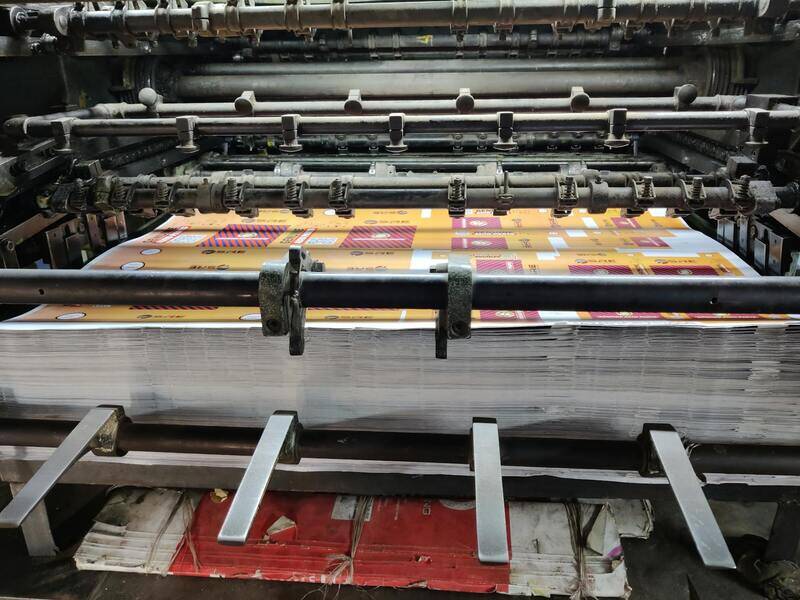
Selection of printing techniques directly impacts the card’s quality and uniqueness. Offset printing offers high precision and consistency, suitable for bulk orders. Digital printing enables quick turnaround and cost-effective options for small quantities or personalized cards. Letterpress or foil stamping adds a handcrafted, elegant touch, elevating the overall presentation.
Customization Options and Special Finishes
Customization extends to incorporating special features such as embossed logos, foil stamping, spot UV coating, or metallic inks. These enhancements create visual contrast and tactile differentiation, making cards memorable. Die-cut shapes and rounded edges further distinguish a business card from standard rectangular formats. Embedding QR codes or NFC chips can link to online portfolios or contact information, blending traditional design with digital functionality.
Printing Techniques and Methods
Advanced techniques such as thermography, screen printing, or digital embellishments allow for intricate designs and special effects. Thermography, for example, creates raised ink effects for a textured appearance, suitable for stamping logos or key messages. Screen printing is ideal for bold, vibrant colors and specialty inks, often used for limited editions or premium cards. Combining different techniques can result in a highly distinctive business card that reflects innovation and attention to detail.
Factors Affecting Cost and Turnaround Time
The overall expense and production speed depend on multiple factors: material choice, printing method, quantity, and custom finishes. Advanced embellishments or specialty papers typically increase costs. Larger quantities benefit from economies of scale, reducing per-unit expense. Turnaround time varies based on complexity; standard options may take a few days, while custom finishes or rush orders could extend timelines. Planning well in advance ensures alignment with business schedules and marketing campaigns.
Custom Features and Enhancements
Adding custom features such as rounded corners, special die cuts, or layered effects can heighten the card’s visual interest. Magnetic layers or acrylic overlays foster durability and a premium appearance. Incorporating scent-infused finishes or textured tactile elements can engage recipients and deepen brand impressions. These enhancements should align with overall branding strategies to ensure consistency and impact.
Cost Considerations and Budgeting
Budgeting for visiting card printing requires balancing design aspirations with financial constraints. Prioritize key features—such as high-quality materials and unique finishes—based on target audience and purpose. Volume discounts often apply for larger runs, while opting for simpler designs minimizes expenditure. Investing in quality printing elevates brand perception; however, creative yet cost-effective solutions are available through strategic material and technique selection.
Tips for Choosing a Printing Service
Choosing the right provider involves evaluating their experience, portfolio, and technological capabilities. Reliable companies should offer comprehensive consultations, sample approvals, and transparent pricing. It’s vital to review their adherence to specifications and quality standards, ensuring consistent results. Reading client testimonials and seeking recommendations can provide insights into their professionalism and attention to detail.
Selecting a Printing Service Provider
Opt for providers with a proven track record in business card printing, particularly those who keep pace with industry advancements. Ensuring they use state-of-the-art equipment and premium materials guarantees a high-quality outcome. Their flexibility in custom requests and ability to handle different design complexities will ensure the final product meets expectations. Clear communication and timely delivery are crucial considerations when making a selection.
Delivery, Packaging, and Preservation
Proper handling upon delivery preserves the integrity of printed cards. Packaging should protect from bending and scratches, especially for fragile or specialty finishes. Dispensing cards in stacks or containers designed for ease of distribution minimizes surface damage. Advise recipients on proper storage—keeping cards in protective sleeves or boxes prevents surface wear over time. Well-packaged deliveries also reflect professionalism and attention to detail, enhancing the overall customer experience.
Trends and Innovations in Visiting Card Printing
In today’s competitive business environment, staying ahead with innovative design and printing techniques can significantly enhance brand recognition and networking effectiveness. The latest advancements in visiting card printing focus on sustainability, minimalism, and technological integration, allowing businesses to create memorable impressions that reflect their values and modernity.
Eco-Friendly Materials and Sustainable Practices
Eco-conscious printing options have gained prominence, with many providers offering recycled paper, biodegradable materials, and soy-based inks. Using environmentally friendly materials not only aligns with the growing consumer demand for sustainability but also demonstrates a company’s commitment to social responsibility. These options often come with creative designs that emphasize simplicity and natural textures, appealing to audiences that value authenticity and ecological awareness.

Minimalist and Clean Design Trends
The minimalist approach emphasizes clean lines, ample whitespace, and understated typography, leaving a sophisticated and uncluttered visual impression. Minimalist cards focus on essential information, ensuring clarity and ease of reading, which resonates well with modern audiences. This trend often incorporates subtle color schemes, elegant fonts, and sparse graphic elements, making the contact details stand out prominently.
Digital Integration and Smart Cards
Technology has opened new avenues for connecting traditional prints with digital functionalities. Smart cards embedded with NFC (Near Field Communication) chips enable recipients to access contact information, portfolio links, or promotional media instantly through their smartphones. These digital features help bridge the gap between physical and online interactions, making it easier for contacts to save and utilize your details efficiently.

Interactive and Customizable Elements
Interactive elements such as textured finishes, embossing, and spot UV coating add tactile appeal and visual interest. Custom die-cut shapes and unique foldable designs can transform a simple visiting card into a memorable branding tool. These features enhance the sensory experience, encouraging recipients to retain and revisit the card. Additionally, personalization options like QR codes, personalized images, or custom illustrations make each card uniquely representative of the individual or brand.
High-Quality Finishes for a Premium Look
Choosing premium finishes such as matte, gloss, or soft-touch coatings can elevate the perceived value of your business card. Special finishes not only add a luxurious feel but also improve durability against wear and tear. Combining different finishes, like matte backgrounds with gloss accents, can create striking visual contrasts that draw attention and leave a lasting impression.
Emphasis on Sustainability and Cutting-Edge Design
As the printing industry evolves, combining eco-friendly practices with innovative design strategies allows businesses to project a forward-thinking image. Utilizing digital printing technologies ensures quick turnarounds, precise color matching, and the flexibility to experiment with complex designs without incurring significant costs. This synergy of sustainability and innovation defines the future of visiting card printing, enabling brands to communicate their message with sophistication and responsibility.
