
Importance of a Professional Name Card
In today’s competitive business environment, a professional name card serves as a tangible reflection of an individual’s personal brand and company identity. It functions not merely as a contact listing but as a strategic tool to foster meaningful connections, reinforce brand recognition, and leave a memorable impression on potential clients, partners, and colleagues. When thoughtfully designed and accurately produced, a name card encapsulates professionalism, attention to detail, and a commitment to quality that can significantly influence how others perceive your business or expertise.
Beyond simple contact information, a well-crafted name card acts as a compact representation of your corporate story. It enhances first impressions during networking events, business meetings, or casual encounters, making it easier for contacts to remember and reach out to you. In an era dominated by digital communication, the physical presence of a refined name card still holds undeniable value, providing a tangible reminder of your brand and reinforcing relationships established through initial conversations.
Moreover, a professional name card can serve as a unique marketing asset. By incorporating distinctive design elements, logos, and strategic branding, it acts as a mini billboard that exemplifies your business ethos. Effective name cards establish credibility and trust, convey your industry expertise, and distinguish you from competitors. Whether in formal corporate settings or creative industries, the consistent use of high-quality, professional name cards builds a cohesive image that aligns with your overall brand strategy.

Investing in a custom-designed and meticulously printed name card is more than an expense; it’s a strategic move to elevate your professional stature. When approached with attention to design, material, and print quality, a name card becomes a powerful tool for opening doors and fostering ongoing business relationships. Every element, from font choice to finish type, plays a role in communicating your message clearly and effectively. As such, a professional name card is an indispensable asset in any business toolkit, capable of making lasting impressions that translate into future opportunities and collaborations.
Material and Finish Options in Printing
Choosing the right materials and finishes for your professional name card significantly impacts its durability, visual appeal, and tactile experience. The selection of materials should align with your industry standards and the message you wish to convey. Options range from traditional cardstock to premium materials like linen, kraft, or plastic, each offering unique textures and perceived value.
For a classic, elegant look, thick matte cardstock with a soft touch finish can project sophistication and subtlety. For industries such as creative arts or technology, acrylic or transparent plastic cards add a modern and innovative touch. Special finishes, such as embossing, debossing, foil stamping, or spot UV coating, further enhance the visual impact and tactile richness of the card. These treatments can highlight key elements like your logo or contact details, creating a memorable impression.
Investing in high-quality finishes not only elevates the card’s perceived value but also ensures longevity. Matte finishes help reduce fingerprints and scratches, maintaining a clean appearance over time. Glossy finishes amplify colors and details, making your design pop. For outdoor or high-traffic environments, waterproof and stain-resistant coatings can preserve the look and integrity of your name card, ensuring it remains pristine after handling.
Ultimately, the decision on material and finish should reflect your brand image and practical needs. Collaborating with a reliable printing partner familiar with these options enables you to select the ideal combination that balances aesthetics, functionality, and cost.
Material and Finish Options in Printing
Choosing the appropriate material and finish is crucial in crafting a professional name card that resonates with your target audience and aligns with your brand identity. Traditional cardstock remains popular due to its affordability and versatility; however, advancements in printing technologies have expanded options to include high-end materials like linen, kraft paper, or plastic. These materials not only elevate the tactile experience but also convey a sense of durability and quality.
- Matte Finish: Provides a sophisticated, non-reflective surface that minimizes fingerprints and scratches. Ideal for minimalist designs and industries that favor understated elegance.
- Glossy Finish: Enhances colors and sharp details, making visuals stand out. Suitable for vibrant branding and creative sectors where visual impact is essential.
- Acrylic and Plastic: Offer a modern, sleek appearance with options for transparency or color. These materials are highly durable and are often used in tech or innovative fields.
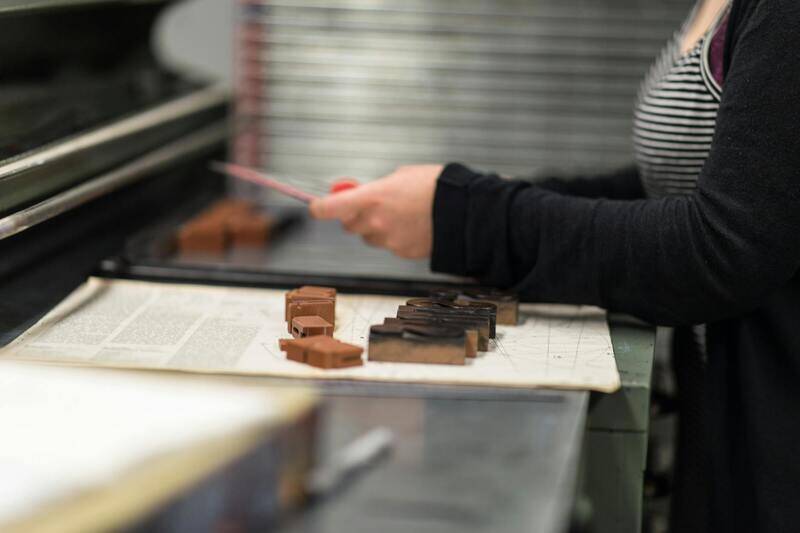
- Specialty Finishes: Techniques such as embossing, debossing, foil stamping, or spot UV coating can add a tactile dimension and focus attention on key elements like logo or contact information. These finishes create an engaging sensory experience and memorable impressions.
Incorporating durable coatings such as waterproof, stain-resistant, or scratch-proof layers extends the lifespan of your name card, especially in outdoor or high-traffic settings. Selecting the ideal combination should reflect both your brand’s aesthetic and practical requirements. A trusted printing partner can advise on materials and finishes that balance cost, visual appeal, and functionality, ensuring your name card leaves a lasting impression.
Material and Finish Options in Printing
Choosing the right material and finish for a professional name card is crucial in creating a tactile and visual impression that aligns with your brand identity. Different materials convey unique qualities and can elevate the perception of your business. Standard cardstock remains popular due to its affordability and versatility, but for a more distinguished appearance, consider specialty options such as linen, kraft paper, or plastic. Linen provides a textured surface that imparts a tactile elegance, while kraft paper offers an eco-friendly, rustic vibe that appeals to environmentally conscious brands.
When it comes to finishes, the choice significantly impacts the final look. A matte finish imparts a refined, understated elegance, reducing glare and fingerprints—ideal for minimalist designs or sectors that prioritize professionalism over flashiness. Conversely, a glossy finish enhances colors and details, making vibrant visuals captivating and suitable for creative industries or brands that rely heavily on visual storytelling. For a modern, sleek aesthetic, acrylic and plastic materials can deliver transparency or bold colors, especially effective for tech or innovative fields that emphasize cutting-edge identity.
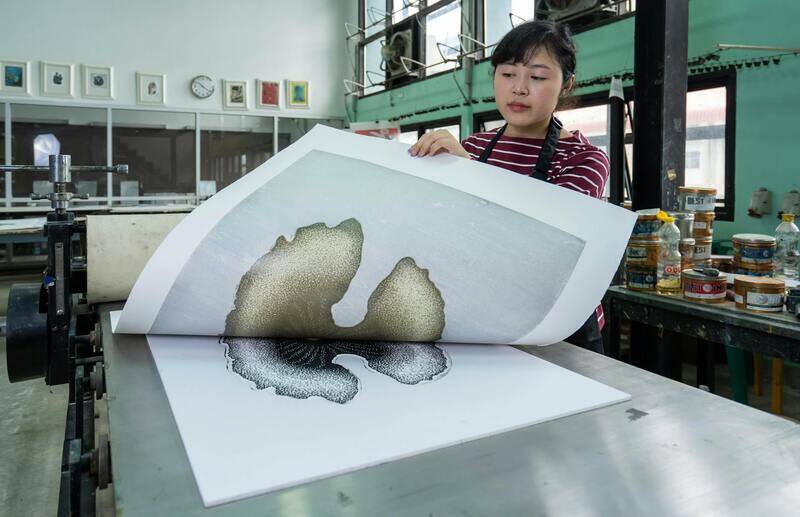
Specialty finishes such as embossing, debossing, foil stamping, or spot UV coating can provide a distinctive tactile experience that draws attention to key design elements like logos or contact details. These techniques add texture and dimension, creating a multi-sensory impression that can make your name card memorable. Incorporating durable coatings, including waterproof, stain-resistant, or scratch-proof layers, extends the lifespan of your name card, especially in environments where exposure to elements or rough handling is common.
Engaging with a professional printing partner ensures the optimal blend of materials and finishes to match your brand’s aesthetic and functional demands. They can provide recommendations that balance cost, durability, and visual impact, resulting in a name card that not only looks impressive but also withstands everyday use. Considering practical aspects such as thickness, weight, and ease of storage can further refine your choice, ensuring your name card remains pristine over time and leaves a lasting impression on recipients.

Material and Finish Options in Printing
When selecting materials for your professional name card, considering the tactile and visual qualities they impart is essential. High-quality cardstock remains the most popular choice due to its durability and ability to support various finishes. Thicker options, such as 32pt or even 48pt cardstock, provide a substantial feel that communicates quality and stability. For a more modern or innovative look, alternative materials like plastic, acrylic, or metal can be utilized, each offering distinctive aesthetics. Clear acrylic cards, for example, lend a sleek, contemporary vibe suitable for technology or design sectors, whereas metallic finishes evoke a sense of luxury and exclusivity.

Popular Finish Techniques
- Matte Finish: Provides a non-reflective, sophisticated look that minimizes fingerprints and smudges.
- Glossy Finish: Enhances colors and details, giving the card a vibrant, eye-catching appearance.
- Soft Touch Finish: Adds a velvety feel that can create a premium perception.
- Specialty Coatings: Waterproof, stain-resistant, or scratch-proof layers ensure longevity and resistance to damage, especially important in environments with frequent handling.
Embossing, Foil, and Spot UV
Adding textured elements through embossing or debossing elevates the tactile experience, highlighting key features like logos or contact information. Foil stamping introduces metallic accents for a luxurious appearance, often used by high-end brands to make their cards stand out. Spot UV coating selectively highlights parts of the design, such as logos or borders, creating contrast through a glossy overlay against matte backgrounds. These techniques not only boost visual interest but also build a memorable impression that reflects your brand’s identity.

Choosing the Appropriate Finish
The decision on finishes should align with your brand image and industry standards. For example, a law firm may favor matte or soft touch finishes to evoke professionalism and trust, while a design or advertising agency might opt for glossy or embossed effects to demonstrate creativity. Consulting with experienced printing professionals can provide insights into how different finishes will perform across various materials, ensuring your name card remains resilient without compromising aesthetic qualities. Proper handling and storage guides from your printer can also help maintain the integrity of intricate finishes over time, preserving the impact of your professional presentation.
Choosing the Right Printing Method for Your Professional Name Card
When it comes to producing a high-quality professional name card, the choice of printing method plays a crucial role in achieving the desired aesthetic and durability. Several printing techniques are available, each offering distinct advantages that can be aligned with your brand image and budget.
Common Printing Techniques
- Digital Printing: Ideal for small runs and quick turnaround times, digital printing offers crisp details and vibrant colors. It is particularly suitable for personalized cards or when rapid production is necessary without compromising quality.
- Offset Printing: Best suited for large quantities, offset printing delivers consistent color accuracy and sharp image reproduction. The process involves creating printing plates, which makes it a cost-effective choice for bulk orders, ensuring each card maintains premium quality.
- Letterpress Printing: Known for its embossed text and tactile feel, letterpress creates a distinct impression on the paper surface. This technique exudes elegance and is frequently preferred for luxury professional name cards.
- Foil Stamping and Spot UV: These decorative techniques add metallic accents or glossy highlights to specific areas of the card, enhancing visual interest and reflecting sophistication.
Quality Control Measures
To guarantee the best results, working with a reputable printing service provider is essential. Reliable providers employ rigorous quality control steps, including color calibration, press checks, and proof reviews before the final run. Requesting samples or conducting test prints helps verify that the finished product aligns with expectations, particularly regarding color fidelity and the handling of special finishes.
Ensuring Long-Term Durability
In addition to choosing the appropriate printing method, selecting durable materials and finishes safeguards your professional name card from wear and tear. Protective coatings such as matte or gloss varnishes, UV coatings, or laminations can significantly extend the lifespan of your cards, maintaining their pristine appearance over time.

Printing Process and Quality Assurance
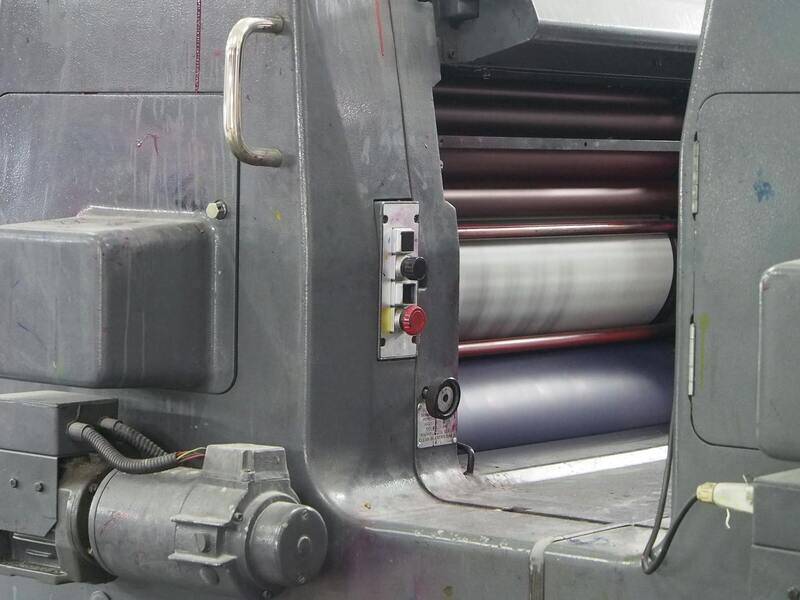
To deliver professional name cards that meet high standards, selecting the right printing process is crucial. Offset printing remains a preferred method for large-volume orders due to its ability to produce sharp, consistent images with color accuracy. This process involves transferring ink from a metal plate to a rubber blanket before applying it to the paper, ensuring uniformity across the entire batch of cards. It’s ideal for replication of intricate graphics and precise color matching, making it suitable for companies aiming for a polished and cohesive brand image.
For designs that demand a tactile or embossed finish, letterpress printing offers a distinctive look. This technique presses the design into the paper, creating a subtle yet impactful impression that exudes craftsmanship and elegance. Letterpress is often favored for industries where tradition and quality are paramount, such as luxury real estate or high-end consultancy services.

Specialty finishes like foil stamping and spot UV coating further elevate the visual appeal of your professional name card. Foil stamping introduces metallic accents that catch the light, adding a premium touch to logo or brand text. Spot UV, on the other hand, creates glossy highlights on selected areas, offering a contrasting texture that draws attention. These embellishments are applied after the primary printing process and require precise registration to ensure alignment and quality.
Quality Control Measures
Engaging with reputable printing providers ensures consistent quality. Rigorous quality control involves calibration of colors, maintenance of printing machines, and thorough review of proofs before the full run. Many printers provide sample cards or test prints to verify that the final product will meet expectations, particularly for color accuracy and special finishes. Regular checks during the printing process help identify potential issues early and allow for adjustments, minimizing errors or inconsistencies.
Ensuring Long-Term Durability
Beyond the printing method, the choice of materials and protective coatings significantly impacts a card’s lifespan and appearance. Selecting thicker cardstock with a smooth finish lends a sturdy and professional feel. Applying protective coatings such as matte or gloss varnishes, UV coatings, or lamination helps guard against scratches, moisture, and general wear. These treatments preserve the integrity of the design and colors, maintaining a fresh and polished look over time.
Methods to Legally Obtain and Distribute Professional Name Cards
In the realm of professional networking, the proper acquisition and distribution of name cards are essential practices that uphold standards of credibility and professionalism. To ensure your name card remains a trusted reflection of your personal or corporate brand, it is vital to adhere to recognized channels for procurement and distribution.
Official Printing Services
The most reliable approach is to engage with established printing companies that specialize in business stationery. These providers offer a broad range of customization options, including high-quality paper selections, finishes, and design templates. Selecting a reputable printing service guarantees that the final product aligns with industry standards for quality and durability. It is recommended to request samples, review proofs diligently, and confirm specifications before finalizing an order.
Design Certification and Quality Assurance
When creating a professional name card through official channels, ensure the design adheres to best practices and industry conventions. Certified designers or approved templates provided by printing firms help maintain consistency and compliance. Quality assurance measures, such as color calibration and calibration of printing machinery, further assure the integrity of the final product. Receiving a sample or proof before mass production allows for verification of design accuracy and presentation before committing to a large print run.
Distribution via Legitimate Channels
Distribution of professional name cards should follow ethical and proper avenues to foster trust and professionalism. Personal exchanges, company events, conferences, and networking meetings are primary settings for distribution. When handing out cards, ensure the recipient is receptive and that the card is presented respectfully. Avoid unauthorized duplication or distribution of printed materials, as this can undermine your reputation and the trust established with contacts.
Protecting Your Name Card Intellectual Property
Legitimacy also encompasses safeguarding the uniqueness of your design. Registering trademarks or copyrights for your logo and specific design elements can provide legal clarity and prevent unauthorized reproduction. Working with official design and printing partners ensures that your intellectual property is managed within the proper legal framework, creating a solid foundation for your professional image.
Storage and Handling of Name Cards
Proper storage is an often overlooked aspect of maintaining a professional appearance. Use high-quality cardholders or containers that prevent physical damage, such as bending, tearing, or smudging. When distributing, handle the cards with care to avoid any surface damage that could diminish their appearance or readability. Regularly reviewing and updating your stock helps ensure that outdated or worn cards are replaced promptly, maintaining a consistent and professional presence in all interactions.
