Understanding Folded Brochures
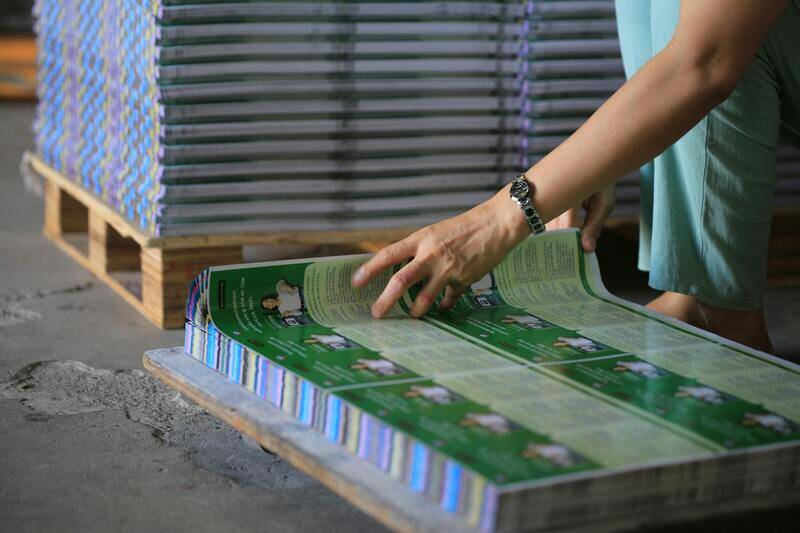
Folded brochures are versatile printed marketing materials that utilize various folding techniques to present information in an organized and visually appealing manner. They serve as effective tools for businesses and organizations seeking to communicate detailed messages, showcase products, or promote services through a compact yet comprehensive format. The core concept of a folded brochure involves dividing a larger sheet of paper into multiple panels, which can be folded in different ways to create a professional layout.
Typically, folded brochures are constructed using paper or cardstock materials that can withstand handling while maintaining an elegant appearance. Common structures include bi-fold, tri-fold, z-fold, and gate fold, each offering distinct presentation styles suitable for different purposes. For example, tri-fold brochures are widely used for marketing campaigns and event programs due to their convenient size and ample space for visuals and text.
Industries ranging from real estate and hospitality to healthcare and retail utilize folded brochures extensively. Their ability to organize complex information into digestible sections makes them ideal for product catalogs, service menus, event invitations, and corporate profiles. Whether handed out at trade shows or placed in mailing campaigns, well-designed folded brochures enhance brand visibility and effectively communicate key messages.
Common Uses of Folded Brochures
- Product and service promotion
- Event invitations and programs
- Company profiles and overviews
- Real estate property listings
- Healthcare information leaflets
- Educational materials
In summary, folded brochures are a strategic marketing asset that combine practicality with aesthetic appeal. Their adaptable structure allows for creative and functional designs, making them suitable for a wide range of business objectives and promotional needs.
Materials and Paper Selection
Choosing the right material for folded brochure printing is fundamental to achieving both durability and visual appeal. The selection process involves considering factors such as thickness, finish, and weight, all of which influence the final presentation and tactile experience of the brochure. Common materials include coated and uncoated papers, each suited to different design intentions and handling conditions.
Coated papers, such as gloss, matte, or satin finishes, are favored for their smooth surfaces that enhance vibrant colors and sharp images. These are ideal for marketing materials that rely heavily on visual impact. Conversely, uncoated papers provide a more textured, natural feel, making them suitable for informational leaflets or brochures designed for a more sophisticated or understated look.
Weight and thickness are also critical considerations. Thicker paper stocks, typically ranging from 170 gsm (grams per square meter) to 350 gsm, contribute to a premium feel and increased durability, especially for brochures that will be handled frequently or require folding without creasing. Lighter papers, around 115 gsm to 150 gsm, are more economical and suitable for bulk distributions but may require careful handling to prevent damage or unwanted creases.
Special finishes such as embossing, lamination, or UV coating can further elevate the quality of folded brochures. Embossing adds a tactile element, while lamination offers protection against wear and environmental factors. UV coatings enhance glossiness and color vibrancy, making certain design elements stand out more prominently.

Overall, selecting appropriate materials in conjunction with an understanding of the end-use and target audience ensures that the folded brochure not only looks compelling but also withstands the demands of distribution and handling.
Materials and Paper Selection
Choosing the right materials and paper is fundamental to producing high-quality folded brochures that align with your branding and functional requirements. The type of paper, its weight, finish, and texture influence not only the visual appeal but also the durability and tactile experience of the brochure.
Popular paper options include coated papers like gloss, matte, or satin finishes. These surfaces are excellent for brochures that feature vibrant imagery and sharp graphics, as they amplify color richness and clarity. For a subtler, textured appearance, uncoated papers provide a more natural sensory experience. They are often preferred for informational or premium brochures aimed at conveying sophistication or eco-friendliness.
Understanding paper weight is equally important. Heavier papers, ranging from 170 gsm to 350 gsm, lend a luxurious feel and greater robustness, making them ideal for brochures intended to leave a lasting impression. Thicker stocks help prevent unwanted creasing during folding and handling. Conversely, lighter papers, around 115 gsm to 150 gsm, are more economical for bulk printing, but they necessitate careful handling to maintain their integrity during distribution.
Incorporating special finishes can further enhance the brochure’s durability and aesthetics. Embossing introduces a tactile dimension, drawing attention to specific areas or logos. Laminations provide a protective layer against scratches, moisture, and ultraviolet rays, extending the lifespan of your marketing material. UV coatings boost gloss and color vibrancy, making design elements like images and text pop more vividly.
Design Best Practices for Folded Brochures
When designing folded brochures, attention to layout and visual hierarchy ensures the message is communicated effectively. Proper alignment, ample white space, and strategic color use help guide the reader through the content seamlessly. Utilizing consistent fonts and clear typography enhances readability across different sections. Incorporating compelling imagery and concise copy maximizes engagement while maintaining a professional appearance.
Printing Techniques and Quality Factors
The choice of printing technique impacts the sharpness, color accuracy, and overall finish of the brochure. Offset printing remains a popular choice for large quantities due to its high quality and cost-effectiveness, especially with detailed designs and color gradients. Digital printing offers benefits for short runs or quick turnarounds, with excellent image reproduction and minimal setup costs. Ensuring the correct color calibration and high-resolution images is vital for achieving crisp, vibrant results.
Cost Considerations and Turnaround Time
Pricing for folded brochure printing varies based on factors such as paper type, finish, quantity, and complexity of design. Bulk orders often benefit from volume discounts, while intricate finishes or special folding mechanisms can increase costs. Turnaround time depends on the print provider’s capacity and production scheduling, with expedited options available for urgent needs. Planning ahead enables the balancing of quality, cost, and timing to meet campaign deadlines effectively.
Selecting a Printing Service in Singapore
Partnering with a reputable printing service ensures that your folded brochures meet high standards of quality and consistency. Look for providers with extensive experience in brochure printing, a comprehensive range of paper and finishing options, and a proven track record of delivering on time. Local printers in Singapore often offer personalized consultations, allowing you to choose materials and finishes tailored to your specific campaign objectives. Transparent pricing, samples, and the ability to handle various project sizes are additional factors to consider.
Uses and Applications of Folded Brochures
Folded brochures serve diverse purposes across industries. They are effective tools for promoting products, services, and events in sectors such as retail, hospitality, healthcare, and real estate. Their compact form allows for detailed information delivery while maintaining a visually attractive presentation. They can be distributed at trade shows, mailed as promotional materials, or placed strategically in high-traffic areas to attract walk-in customers. Innovative folding styles and high-quality prints make folded brochures a versatile and impactful marketing asset.
Choosing the Right Printing Method for Folded Brochures
When it comes to producing folded brochures, selecting the appropriate printing technique is essential to achieve optimal quality, durability, and visual impact. The two primary methods used in high-quality brochure printing are offset printing and digital printing. Each offers distinct advantages depending on the project specifications, quantity, and timeline.
Offset Printing
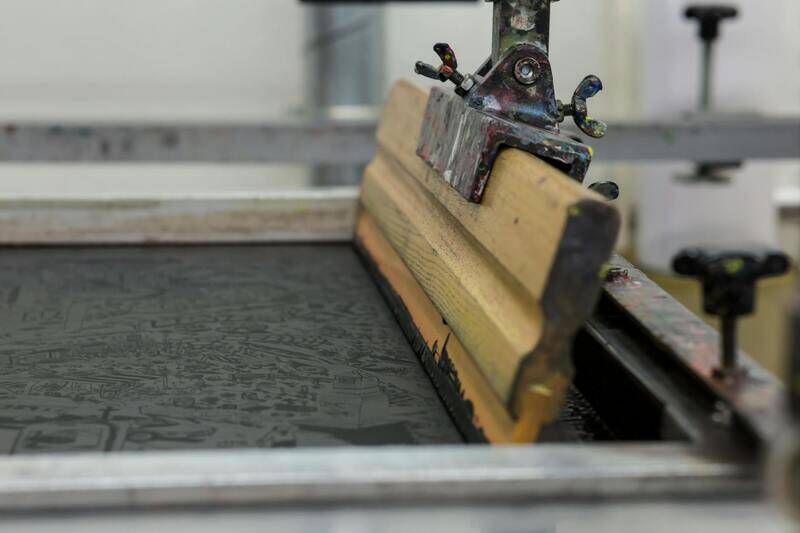
Offset printing is widely recognized for its ability to produce sharp, vibrant images with consistent color reproduction, especially suited for large volume batches. This method involves transferring ink from a plate onto a rubber blanket and then onto the printing surface. It allows for the use of a broad range of paper stocks and finishes, making it ideal for premium brochures that require high-fidelity color matching.
One of the key benefits of offset printing is cost-effectiveness at scale. Once the initial setup is complete, the cost per unit decreases significantly, making it a preferred choice for bulk orders. Additionally, offset printing offers exceptional color accuracy, which is crucial for maintaining brand consistency and showcasing detailed graphics.
Digital Printing
Digital printing, on the other hand, provides a flexible and quicker alternative for smaller print runs. This technique bypasses the need for plates, directly printing digital files onto the chosen paper stock. It enables rapid turnaround times and facilitates on-demand printing, which is highly beneficial for campaigns with tight deadlines or customized content.
While digital printing may have a higher cost per piece compared to offset for large quantities, advancements in ink technology have narrowed the quality gap. It excels in producing short-run prints with variable data options, such as personalized messages or individual QR codes, which can enhance the effectiveness of direct marketing efforts.

Factors Affecting Printing Quality for Folded Brochures
Ensuring top-tier quality in folded brochure printing involves several critical factors beyond selecting the printing technique. The quality of output depends on the paper type, ink quality, and finishing processes. Opting for heavyweight or textured paper can add a premium feel, but it also requires proper handling during printing to avoid smudging or misalignment.
Color fidelity and sharpness are directly influenced by the printer's calibration and the resolution of the digital files submitted. High-resolution images (at least 300 dpi) are recommended for crisp visuals. Finishing details like lamination, UV coating, and embossing contribute to the brochure’s durability and tactile appeal, making it stand out among competitors.
Importance of Professional Print Consultation
Engaging with experienced printing providers in Singapore can significantly enhance the final output. They can advise on optimal paper choices, folding styles, and finishes to align with your branding and campaign goals. Moreover, their expertise ensures that the technical aspects, such as color matching and bleed specifications, are meticulously handled, reducing the risk of errors and reprints.
Before proceeding with a large order, requesting samples or prototypes allows you to assess the quality firsthand. This step is essential to verify that the colors are accurate, the folds are precise, and the overall presentation meets expectations.

Printing Techniques and Quality Factors
High-Resolution Digital Printing
Digital printing is a popular choice for folded brochures due to its ability to produce vibrant colors and sharp images with a quick turnaround. The resolution of digital printers typically exceeds 300 dpi, ensuring that fine details in the design remain crisp and clear. This method is ideal for small to medium-sized batches, as it allows for cost-effective printing without sacrificing quality. For businesses requiring frequent updates or personalized content, digital printing offers a flexible solution that accommodates quick adjustments and revisions.
Offset Printing for Precision and Consistency
Offset printing remains the preferred method for producing large quantities of folded brochures with consistent high quality. It employs a printing plate and inked rollers to transfer images onto paper, resulting in superb color fidelity and sharpness. The initial setup process involves creating plates tailored to each design, which makes offset printing more economical for bulk orders. Its ability to handle diverse paper stocks and achieve fine color gradations makes it suitable for premium brochures aiming to make a lasting impression.
Factors Affecting Print Quality
- Resolution: The digital files submitted must be at a minimum of 300 dpi to ensure clarity and prevent pixelation. Images with low resolution can result in fuzzy visuals, reducing the professional appeal of the brochure.
- Color Accuracy: Proper color management and calibration of printing equipment are essential. Color mismatches can diminish brand consistency, making it vital to communicate exact color requirements and review proofs before final printing.
- Paper Compatibility: The choice of paper influences how inks are absorbed and how colors appear. Thinner papers may bleed or show less vibrancy, while heavier, coated stocks can highlight details and texture.
- Finishing Techniques: Applying coatings such as gloss or matte lamination enhances durability and tactile experience. UV coating can add a protective layer, preventing smudges and water damage.
Impact of Print Resolution and Material Choice on Folded Brochure Quality
Choosing the appropriate print resolution and substrate materials is crucial to achieving a polished, professional finish on folded brochures. High-resolution images, ideally at 300 dpi or higher, ensure crisp details and sharp visuals, which are essential for conveying brand integrity and message clarity. Low-resolution files can result in blurry or pixelated images, undermining the overall aesthetic and potentially diminishing audience engagement.
Material selection also significantly influences the tactile and visual appeal of your brochures. Thinner paper stocks, such as 90 gsm or below, might be more economical but tend to absorb ink more fully, possibly resulting in less vibrant colors and increased susceptibility to creasing or tearing during handling. Conversely, heavier stocks, around 130 to 170 gsm, provide sturdiness and a premium feel, enhancing the perceived value of the brochure. Coated papers, whether gloss or matte, improve image fidelity by reducing glare or fingerprint marks, making them ideal for detailed illustrations and vibrant imagery. Additionally, specialty finishes like UV coatings can add extra durability and visual impact, particularly for high-end marketing materials.
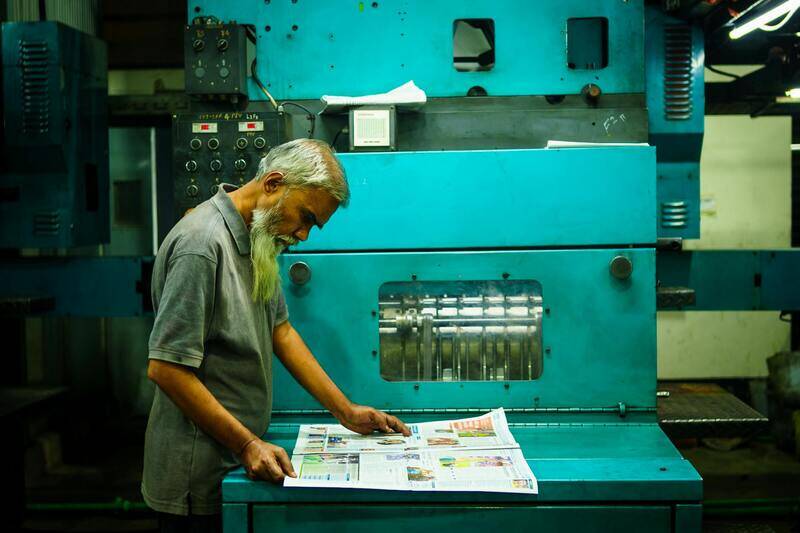
The integration of suitable materials with high-resolution digital or offset printing techniques can elevate the effectiveness of folded brochures. When carefully matched, they facilitate accurate color reproduction, sharp text, and durability, ensuring the final product commands attention and withstands handling over time. For campaigns requiring longevity and frequent distribution, investing in premium materials and professional printing processes delivers not only aesthetic excellence but also functional resilience, maximizing return on investment.
Understanding Folded Brochures
Folded brochures serve as versatile marketing and informational tools, combining aesthetic appeal with functional design. They typically consist of a sheet of paper that has been folded into multiple panels, creating segments that organize content systematically. This format allows businesses to present complex information in a clear, segmented manner, making it easier for readers to digest key messages. The structure of folded brochures not only enhances visual interest but also facilitates a logical flow of information, guiding potential clients through product features, service details, or corporate narratives.
Key Benefits of Using Folded Brochures
- Efficient use of space to deliver comprehensive information without overwhelming the reader.
- Enhances brand perception through professional presentation and high-quality finishes.
- Portable and easy to distribute at events, mailings, or in-store displays.
- Customizable formats to suit various marketing needs, from simple bi-folds to intricate multi-panel designs.
Types of Folded Brochure Designs
Designing an effective folded brochure begins with selecting the appropriate fold pattern. Common types include bi-fold, tri-fold, z-fold, gate-fold, and roll-fold, each serving different purposes and aesthetic preferences. Bi-fold brochures are the simplest, providing two panels that open like a book, suitable for minimal content or visual-heavy layouts. Tri-folds, subdivided into three panels, are among the most popular for their balanced space and versatility, ideal for catalogs, event programs, or menus. Z-fold designs unfold into three sections and are often used for step-by-step guides or sequential narratives.
Gate-folds introduce a premium feel with two end panels that open to reveal an interior, spacious section, common in high-end product promotions. Roll-folds, with multiple narrow panels that roll inward, provide extended messaging space suitable for detailed instructions or multi-section brochures. Each fold type influences the overall aesthetic and usability of the brochure, so choosing the right design depends on the amount of content, visual layout, and target audience.
Materials and Paper Selection
Material choices significantly impact both the visual appeal and durability of folded brochures. Paper stock varies in weight, finish, and coating, each contributing to the tactile experience and presentation quality. Standard options include uncoated and coated papers, with finishes ranging from matte to glossy. Thinner papers, around 90 gsm, are cost-effective but less durable and may absorb ink more readily, affecting color vibrancy. Thicker stocks, between 130 and 170 gsm, offer durability and a premium feel, suitable for high-quality marketing materials. Coated papers enhance image clarity and reduce glare, making visuals pop and text easy to read. Specialized finishes, such as UV coating or soft-touch matte, can further enhance durability and visual impact, especially for luxury branding or high-stakes marketing campaigns.
Considering paper texture, weight, and finish in relation to design intent and budget ensures your folded brochure not only looks professional but withstands handling over time. The right material selection maximizes visual impact and preserves the integrity of intricate details, ensuring your message remains impactful from distribution to reception.
Effective Distribution and Handling of Folded Brochures
After printing, the manner in which folded brochures are distributed and handled plays a crucial role in maximizing their impact and ensuring that your message reaches your intended audience effectively. Proper distribution methods can significantly influence the perception of your brand and the success of your marketing campaign.
Strategic Distribution Channels
- Event Tie-Ins: Distributing brochures at trade shows, conferences, and promotional events ensures direct engagement with a targeted audience. Positioning your brochures at high-traffic zones within these venues increases visibility and interaction.
- Point of Sale (POS): Including folded brochures at checkout counters or sales desks allows customers to take away detailed product or service information spontaneously, enhancing brand recall.
- Mail Campaigns: Integrating brochures into direct mailers effectively reaches specific demographics, especially when tailored with personalized messaging and offers.
- Public Spaces: Distributing brochures in strategic locations such as malls, airports, or community centers can broaden exposure, drawing interest from diverse audiences.
Handling and Storage Best Practices
To preserve the quality and appearance of folded brochures, proper handling and storage are essential. When stored correctly, brochures maintain their integrity during transit and distribution, preventing damages like creases, tears, or smudges.
- Protective Packaging: Use envelopes or shrink wraps, especially when distributing large quantities, to prevent physical damage during transit.
- Flat Storage: Store brochures flat in a cool, dry environment away from direct sunlight to prevent warping, fading, or sticking together.
- Handling with Care: Train personnel involved in distribution to handle brochures gently, avoiding unnecessary bending or compression that could damage fold integrity.
Maximizing Impact Through Presentation
The presentation of folded brochures upon distribution influences recipient perception. Well-maintained brochures appear more professional and credible. Customized packaging or thematic wrappers aligned with your branding can enhance visual appeal, encouraging recipients to engage with your content actively. Additionally, pairing brochures with complementary materials, such as business cards or promotional items, can reinforce your message and foster a memorable impression.
Leveraging Digital and Physical Synergies
While printed folded brochures remain effective, integrating them with digital strategies can amplify their reach. QR codes embedded within the brochure allow recipients to access online content, videos, or special offers instantly. Encouraging recipients to share the printed material through social media or email further extends the campaign’s footprint, bridging traditional print marketing with digital engagement strategies.