
Overview of Full Color Brochure Printing
Full color brochure printing is a professional printing process that utilizes a wide spectrum of vibrant inks to produce visually compelling marketing materials. This printing method is integral to creating brochures that effectively communicate brand messages, showcase products, and engage potential customers through vivid imagery and detailed information. The use of full color printing ensures that every aspect of the brochure, from logos and headlines to images and background patterns, appears strikingly clear and captivating.
In today's competitive market landscape, the significance of high-quality, full color brochures cannot be overstated. They serve as a tangible reflection of a company's professionalism and attention to detail. A well-printed brochure amplifies brand recognition and conveys a message with clarity, making it a vital tool for branding, sales promotion, and customer engagement. Whether used at trade shows, corporate events, or in direct mail campaigns, full color brochures capture attention and leave a lasting impression.
Choosing the right full color brochure printing service involves understanding various factors such as print quality, color accuracy, and print durability. The process encompasses the precise application of CMYK color inks to produce detailed images and text that appeal visually. It also offers opportunities to incorporate custom finishes, such as gloss or matte coatings, to enhance the tactile experience and overall aesthetics.
In terms of marketing impact, these brochures serve multiple purposes. They act as a portable showcase of products and services, an informative guide for potential clients, and a promotional keepsake that reinforces brand identity. Their versatility and visual appeal make full color brochure printing an essential element of a comprehensive marketing strategy.
Ultimately, investing in high-quality full color brochure printing ensures that a business can effectively communicate its message while standing out in crowded marketplaces. It combines strategic design with advanced printing technology to deliver professional results that resonate with target audiences and foster positive brand associations.
Types of Paper and Finishing Options
Choosing the appropriate paper stock and finishing options is critical in full color brochure printing, as they directly influence the durability, visual appeal, and tactile experience of the final product. When selecting paper, consider factors such as weight, texture, and coating types to match the brochure’s purpose and target audience.
Standard paper options range from 80gsm for lightweight brochures to 170gsm or higher for premium, stiff-feel products. Glossy finishes are popular for vibrant color reproduction, as they enhance the brightness and sharpness of images. Matte finishes, on the other hand, offer a sophisticated, non-reflective surface that reduces glare, making text easier to read. Soft-touch finishes provide a luxurious feel, elevating the perceived value of your branding materials.

In addition to standard coatings, specialty finishes like UV coating add a high-gloss layer that not only enhances visuals but also provides extra protection against smudges and scratches. Spot UV coating can be selectively applied to specific areas, creating contrast and highlighting key messages. Embossing and debossing are advanced finishing techniques that add texture and dimension, making certain design elements stand out physically.
Consider the overall theme and branding strategy when choosing your paper and finishes. For instance, a luxury brand might opt for a thick, textured matte paper with spot UV accents to evoke sophistication. Meanwhile, an event-focused brochure might benefit from a glossy, lightweight paper that emphasizes vivid visuals and quick handling. Additionally, relevant environmental considerations are increasingly important, with options for recycled or FSC-certified papers available to support sustainability initiatives.
Working closely with your printer to explore these options ensures that the final product aligns with your marketing goals and appeals to your target demographic. Proper selection of paper and finishes not only enhances aesthetic appeal but also extends the lifespan of your brochures, allowing your message to resonate longer with recipients.
Types of Paper and Finishing Options
When it comes to full color brochure printing, the choice of paper stock plays a pivotal role in conveying your message effectively and ensuring durability. Premium options include coated papers, which provide a smooth surface ideal for vibrant images and sharp text. Glossy paper enhances color saturation and provides high reflectivity, making visuals more striking. Matte finishes, on the other hand, offer a subdued, elegant look with reduced glare, suitable for sophisticated branding. Uncoated papers lend a natural, tactile quality, perfect for brochures aimed at conveying authenticity and approachability.
Beyond paper type, finishing techniques significantly influence the final appearance and feel of your brochures. Coatings like UV coating add a glossy, protective layer that enhances color depth and resists smudges. Spot UV allows selective application of high-gloss finish on specific areas, creating contrast with matte or uncoated sections for emphasis. Embossing and debossing introduce textures that create a tactile experience, highlighting key design elements such as logos or headings.
Incorporating environmentally friendly options is increasingly popular. Recycled papers and papers certified by organizations like FSC meet sustainability standards, aligning your marketing collateral with eco-conscious values. Such choices often come with an added cost but bolster your brand’s commitment to environmental responsibility, resonating well with eco-aware audiences.
Printing Techniques and Technologies
Modern full color brochure printing leverages advanced printing technologies to deliver consistent, high-quality results. Digital printing offers flexibility and quick turnaround times, suitable for short runs or personalized brochures. Offset printing, however, remains the preferred choice for large quantities due to its consistency, color vibrancy, and cost-efficiency at scale.
High-definition presses utilize multiple color stations, ensuring precise color matching and sharper images. The use of heat-set inks and sophisticated registration systems minimizes misalignments, resulting in immaculate visual reproduction. Sequential printing processes, combined with quality control measures like color calibration and proofing, guarantee that each brochure meets exact specifications.
Specialized techniques like hybrid printing combine digital and offset methods to optimize quality and efficiency. Additionally, advances in drying technologies, such as UV curing, allow for rapid handling of printed sheets, minimizing delays and ensuring prompt delivery for urgent marketing campaigns.
Types of Paper and Finishing Options
Choosing the right paper stock and finishing techniques is crucial to creating a memorable full color brochure that aligns with your brand’s identity and marketing objectives. The paper's weight, texture, and finish can dramatically influence the overall look and feel of the final product, as well as its durability and tactile appeal.
Standard paper weights for brochures typically range from 130gsm to 300gsm. Heavier papers such as 200gsm or 250gsm convey a sense of quality and luxury, making them ideal for corporate presentations or high-end marketing campaigns. Lighter weights are suitable for more informal or cost-effective distributions, such as event handouts or quick promotional materials.
Finishing options further enhance the visual impact and durability of your brochure. Matte finishes diffuse light and reduce glare, providing a subdued, elegant aesthetic that is excellent for detailed images and fine text. Glossy finishes, on the other hand, amplify color vibrancy, making photos and graphics pop vividly, ideal for product showcases and eye-catching advertisements.
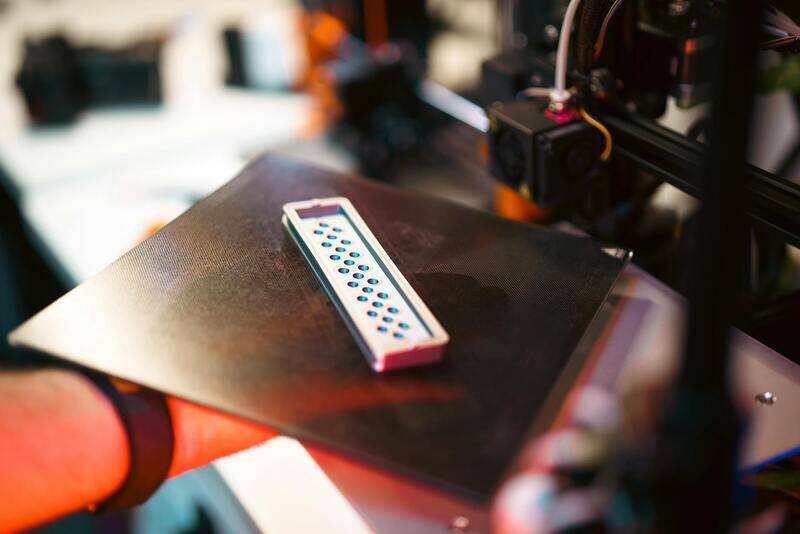
- Spot UV Coating: Adds a glossy, shiny element to specific parts of the brochure, creating visual contrast and highlighting key information.
- Embossing or Debossing: Creates a tactile relief or recessed effect on selected design elements, adding depth and sophistication.
- Foil Stamping: Applies metallic or pigmented foil to certain areas, delivering a luxurious accent that reflects light.
- Soft-touch Coating: Offers a velvety feel, enhancing tactile quality and perceived value.
The combination of paper quality and finishing techniques should align with your brand message and the intended audience. For instance, a tech company seeking a modern look might opt for gloss finish with sleek design elements, while a luxury brand might prefer soft-touch coating paired with embossed details.
Types of Paper and Finishing Options
Choosing the right paper type and finish is essential to maximize the visual appeal and durability of your full color brochure. The selection process depends on your brand identity, target audience, and the message you wish to convey. Common paper options include gloss, matte, satin, and uncoated stocks, each offering distinct visual and tactile qualities.
- Glossy Paper: Known for its high reflectivity, glossy paper enhances vibrant colors and sharp images. It is ideal for product photography, eye-catching advertisements, and luxury branding materials where visual impact is paramount.
- Matte Paper: Offers a subdued, elegant appearance with diffused light reflection, reducing glare. Perfect for detailed text, sophisticated branding, and materials that require a refined look without overwhelming visual elements.
- Satin or Silk Finish: Combines the smoothness of satin with a slight sheen, delivering a balanced look that is both professional and understated. Suitable for corporate brochures and upscale promotional materials.
- Uncoated Paper: Features a natural, tactile feel with a more rustic appearance. Preferred for a more casual or eco-friendly image, often used in creative or artisanal branding.
Finishing techniques further elevate your brochure's quality, offering protection and aesthetic enhancements:
- Matte Finish: Diffuses light for a subtle, elegant presentation, ideal for detailed illustrations and text-heavy designs.
- Glossy Finish: Amplifies the vibrancy and depth of colors, making visuals pop and grabbing attention quickly.
- Spot UV Coating: Adds a glossy highlight to specific design elements, creating a striking contrast against matte backgrounds and emphasizing key messages.
- Embossing and Debossing: Creates tactile textures that add depth and sophistication, making certain areas of the brochure stand out physically and visually.
- Foil Stamping: Applies metallic or pigmented foil accents to instantiate luxury, often used in high-end branding.
- Soft-touch Coating: Provides a velvety feel, enhancing tactile luxury and perceived value for premium brochures.
These choices should align with your branding approach and target audience. For example, a high-end jewelry brand might opt for soft-touch coating with embossed metallic accents to exude luxury, while a technology firm might prefer a sleek gloss finish paired with minimalist design elements.
Overview of Full Color Brochure Printing
Full color brochure printing is a strategic method employed by businesses and organizations to showcase their products, services, or brand story through vibrant, eye-catching visuals and compelling content. This process involves the application of high-quality printing techniques to produce brochures that are rich in color detail, ensuring that images, logos, and graphics are rendered with precision and clarity. With advancements in printing technology, it is now possible to achieve a wide spectrum of colors, intricate gradients, and fine details, making full color brochures an effective tool for marketing and communication.
Choosing professional full color brochure printing services guarantees consistency and quality, which are critical in conveying a strong brand image. Whether for corporate presentations, product launches, event invitations, or promotional campaigns, full color brochures can be customized in a variety of formats, sizes, and finishes to meet specific objectives. More than just a marketing collateral, a well-printed brochure can leave a lasting impression, build credibility, and enhance customer engagement.
Design Considerations for Full Color Brochures
Effective design is fundamental in maximizing the impact of full color brochures. Designers should prioritize a harmonious layout that balances visuals and text, ensuring that messages are clear and captivating. Key considerations include choosing an appropriate color palette that aligns with branding, utilizing high-resolution images to prevent pixelation, and selecting fonts that are legible and professional. Additionally, the use of white space can improve readability and draw attention to core messages.
Incorporating brand elements consistently across the brochure fosters recognition and trust. Calls to action should be strategically placed to guide recipients towards desired responses. For brochures intended for print, designing with bleed margins and safe zones ensures that no critical content is trimmed during finishing. Digital mockups and prototypes can help visualize how the final product will appear, allowing for adjustments before production begins.
Types of Paper and Finishing Options
The choice of paper stock significantly influences the tactile experience and visual appeal of a full color brochure. Common options include:
- Glossy Paper: Enhances vibrancy and makes colors pop, ideal for visuals and high-impact designs.
- Matte Paper: Offers a sophisticated, subdued look with reduced glare, suitable for detailed text and understated elegance.
- Uncoated Paper: Provides a natural, textured feel that exudes a more casual or artisanal vibe.
Finishing techniques further elevate the quality of the brochure:
- Matte Finish: Creates a soft, elegant surface that diffuses light and reduces fingerprints.
- Glossy Finish: Boosts color intensity and adds a shiny protective layer.
- Spot UV Coating: Highlights specific areas or elements for visual emphasis.
- Embossing and Debossing: Add tactile texture to logos or key messages.
- Foil Stamping: Introduces metallic effects that evoke luxury and exclusivity.
- Soft-touch Coating: Offers a velvety surface that enhances tactile appeal, suitable for high-end branding.

Printing Techniques and Technologies
Modern full color brochure printing leverages advanced printing techniques to achieve superior quality. Digital printing allows for quick turnaround times and cost-effective production of short runs, making it ideal for personalized or event-specific brochures. Offset printing, on the other hand, provides exceptional color accuracy and consistency, especially for large-volume orders. It employs intaglio or lithographic processes that transfer ink through direct or indirect methods to produce vibrant, detailed images.
Specialty techniques like UV coating or aqueous coatings can provide additional durability and aesthetic effects. Some providers also utilize dry toner or liquid toner-based presses, each offering specific advantages depending on the project requirements. The choice of technology should align with the desired quality, volume, and budget constraints.
Cost Factors and Budgeting for Full Color Brochures
Pricing for full color brochure printing varies based on numerous factors, including size, paper quality, printing volume, and finishing options. Larger sizes or heavier stock materials generally incur higher costs due to increased material and handling expenses. Finishing techniques such as spot UV or foil stamping add to the overall price, but can significantly enhance perceived value. Quantity discounts are common for bulk orders, making large campaigns more budget-friendly.
To optimize investments, it is important to request detailed quotes from multiple printing service providers and compare offerings based on quality, turnaround time, and included services. Planning ahead allows for better budget management and ensures that the final product aligns with brand standards and campaign goals.
Effective Distribution Strategies for Full Color Brochures
Maximizing the reach and impact of full color brochures requires strategic distribution planning. Businesses need to identify their target audience and select channels that resonate with their demographic. Common distribution methods include direct mail campaigns, where brochures are sent to specific mailing lists, ensuring targeted engagement. This method allows for personalized messaging aligned with the recipient's interests or location.
Placement in high-traffic areas such as malls, train stations, and business centers enhances visibility. Collaborating with retail outlets, hospitality venues, or conference organizers can facilitate placement in locations frequented by potential customers. Additionally, integrating brochures into events such as trade shows or corporate seminars helps reach a concentrated audience interested in your offerings.
Digital complementarity plays an essential role. Incorporating QR codes or augmented reality elements on printed brochures can direct recipients to online content, providing a seamless offline-to-online experience. This strategy amplifies engagement by enabling immediate access to detailed product information, videos, or booking platforms.
For ongoing campaigns, establishing a systematic distribution schedule ensures consistent outreach. Combining traditional methods with digital strategies results in broader coverage and maximizes the return on investment. Evaluating distribution metrics and feedback data allows refinement of methods, ensuring future campaigns are more targeted and effective.

Legal and Ethical Use of Brochures in Marketing
Adhering to official guidelines and industry standards in the use of marketing materials like brochures is crucial for maintaining credibility and fostering trust. When producing full color brochures, it is important to ensure all content, images, and claims are accurate and verifiable. This not only safeguards your reputation but also prevents potential disputes or misunderstandings with consumers.
Respect for intellectual property rights is fundamental. Only use authorized images, logos, and trademarks, ensuring all visual assets are procured through legitimate channels or created internally. Proper attribution or licensing must accompany copyrighted materials to uphold ethical standards.
Transparency in messaging is essential. Clearly specify product features, pricing, and terms of service without exaggeration or misleading claims. This honesty reinforces ethical marketing practices and builds long-term customer loyalty.
Furthermore, compliance with local regulations, such as data protection laws when collecting contact details via brochures, is necessary. Always obtain appropriate permissions before including individuals' information in mailing lists or promotional campaigns. By following these professional and responsible practices, your brochure marketing efforts will not only be effective but also reputable and trustworthy.
Complying with Industry Standards and Ethical Practices in Full Color Brochure Printing
Ensuring that your full color brochures meet established standards involves a careful selection of printing methods and providers that uphold quality, accuracy, and transparency. When engaging with a printing service for your brochures, it is essential to verify that they operate within recognized industry guidelines and adhere to rigorous quality control procedures.
One primary aspect involves confirming that the provider uses environmentally responsible practices, such as the utilization of sustainable paper stocks and eco-friendly inks. This commitment not only boosts your brand image but also aligns your marketing efforts with broader corporate social responsibility initiatives.

Before finalizing your partnership, request documentation detailing the quality assurance processes involved. This can include certifications from reputable third-party organizations that validate the provider's compliance with industry benchmarks, such as ISO standards or environmentally responsible manufacturing credentials. Such measures ensure the final product accurately reflects your branding intentions and maintains consistency in color accuracy, finishing, and overall presentation.
Transparency in communication is equally critical. A dependable printing company will provide clear and detailed quotations that specify costs associated with various options, such as paper types, finishing techniques, and binding methods. This clarity prevents hidden fees and facilitates smoother budgeting processes.
Moreover, reputable providers will supply samples prior to bulk production. Reviewing these samples enables you to assess print quality, color fidelity, and material suitability, ultimately securing a final product that aligns with your expectations.
Customer support and after-sales service also contribute to successful print projects. Reliable providers are responsive to inquiries, offer guidance on design and material choices, and are receptive to feedback or adjustments during production. This collaborative approach helps ensure your marketing collateral effectively reflects your brand identity and messaging goals.

By thoroughly vetting potential printing partners and insisting on adherence to established quality and ethical standards, you can secure a final product that is both impactful and ethically produced. Maintaining these professional practices secures your brand's reputation and ensures your marketing efforts resonate confidently with your target audience, fostering trust and long-term engagement.
