
Overview of Folded Brochure Printing
Folded brochure printing is a strategic approach to creating visually compelling marketing materials that effectively communicate your brand message to your target audience. These printed materials are designed with multiple panels that are folded in various configurations, allowing businesses to showcase detailed information, images, and calls-to-action in an organized manner. The versatility of folded brochures makes them an ideal choice for a wide range of promotional activities, from product launches and event invitations to corporate presentations and service overviews.
Typically, folded brochures serve as a dynamic alternative to traditional flyers and leaflets, offering more space and structure for content arrangement. Their professional appearance enhances brand credibility and leaves a lasting impression on potential clients and partners. The process of producing folded brochures involves precise folding techniques that ensure each panel aligns perfectly, resulting in a polished finished product. Properly designed and printed folded brochures can elevate your marketing strategy by delivering detailed information in a compact, eye-catching format, making them indispensable tools in competitive marketplaces.
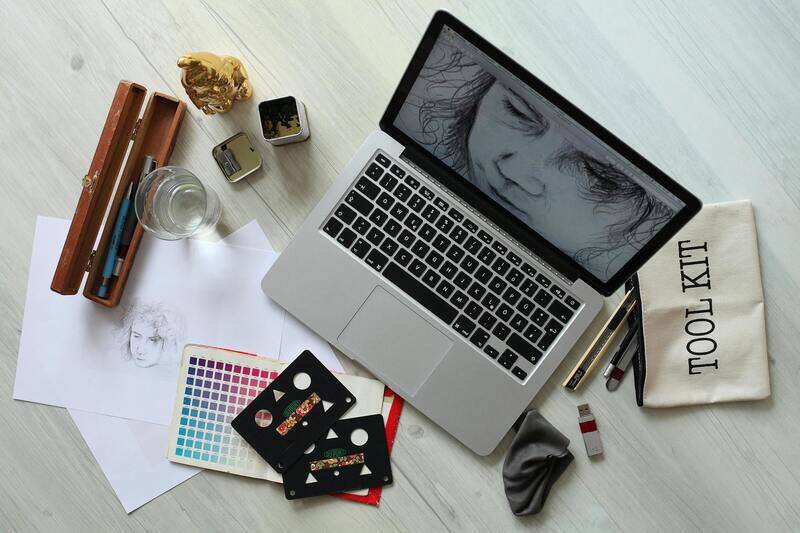
Common uses for folded brochures include introducing new products or services, providing detailed event information, offering company overviews, and supporting sales presentations. Their adaptability allows for customization to suit various business needs, making them a favored choice among marketers seeking to balance aesthetics and functionality. By choosing high-quality materials and expert printing services, organizations can ensure their folded brochures effectively communicate their message while maintaining an elegant and professional appearance.
Types of Folded Brochure Formats
Bi-Fold Brochures
The bi-fold brochure, also known as a half fold, divides the paper into two equal parts, creating four panels—two on the front and two on the back. This format offers a clean, straightforward presentation ideal for company profiles, event invitations, and basic product listings. Its simplicity allows for easy customization and is cost-effective for bulk printing. The bi-fold layout provides ample space for visual elements and concise text, making it an excellent choice for clear, impactful messaging.
Tri-Fold Brochures
The tri-fold is one of the most popular formats due to its versatility and compact design. It involves folding the sheet into three panels, creating six distinct sections for arranging information logically. Commonly used in brochures, menus, and informational leaflets, tri-folds provide a balance between content and aesthetics. They are exceptional for organizing complex information into digestible segments and are suitable for distributing detailed service overviews or product catalogs.
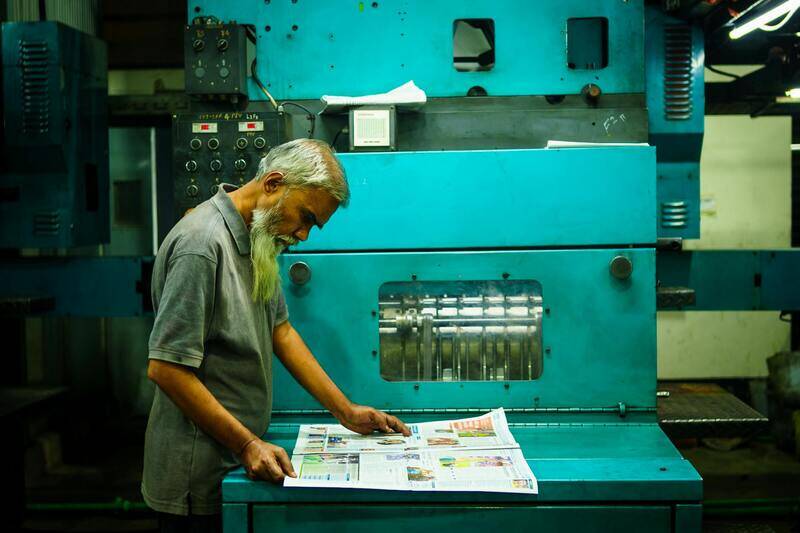
Z-Fold Brochures
The Z-fold, also called a zig-zag fold, features panels that fold into a Z-shaped pattern. This design allows for a smooth unfolding experience that guides readers through a structured narrative or step-by-step process. Z-folds are often used in instructional materials, technical guides, or sequential storytelling, leveraging the unique fold to create a dynamic presentation that draws attention and enhances engagement.

Gate Fold
Gate fold brochures feature two end panels that open outward to reveal a central panel, resembling gates. This format provides an element of surprise and exclusivity, making it highly suitable for showcasing premium products or important announcements. When closed, the brochure maintains a compact shape, but upon opening, it offers a large internal space for vivid images and detailed descriptions. The gate fold is particularly effective for luxurious branding and high-end marketing campaigns.
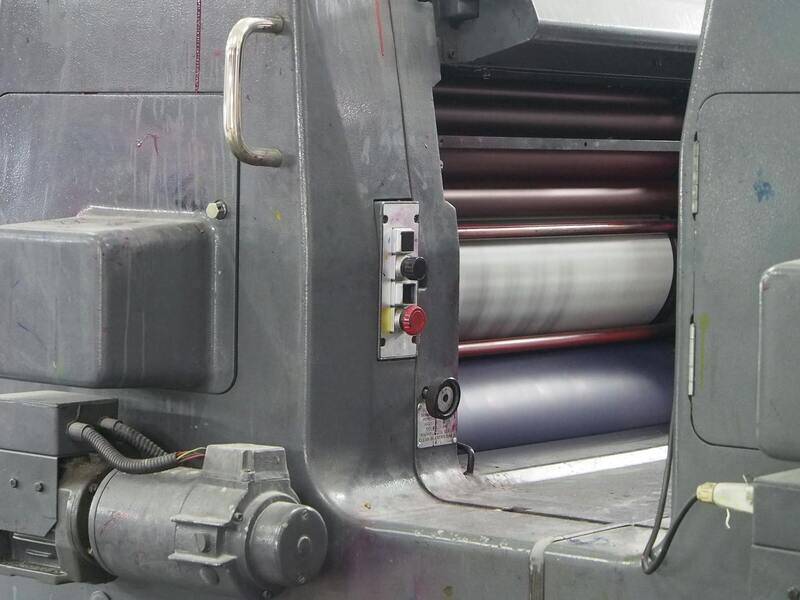
Each format serves distinct marketing goals and audience engagement strategies. When selecting the appropriate folded brochure style, consider the nature of your message, the amount of content you need to include, and the desired visual impact. For businesses aiming to create a memorable tactile experience, combining unique folding styles with high-quality paper and finishing options can significantly enhance the overall perception of your brand and ensure your promotional materials stand out among competitors.
Choosing the Right Size and Paper Material
Deciding on the appropriate size and paper material is crucial to ensuring your folded brochure effectively communicates your message and aligns with your brand’s image. The size of your brochure impacts its portability, visual impact, and how much content can be included without overwhelming the reader. Standard sizes such as A4 (210mm x 297mm) folded into half or thirds are common choices, offering a balanced space for visuals and text. Custom sizes, however, allow for more unique presentations tailored to specific marketing campaigns or brand aesthetics.
When considering paper material, durability and tactile quality come into focus. Heavier paper stocks, like 170gsm or 250gsm, create a premium feel that enhances your brand image and withstands handling, making them ideal for high-end brochures. Lighter options, around 130gsm, are more cost-effective and suitable for distributing in large quantities or mailing campaigns. The texture of the paper—glossy, matte, satin, or textured—also influences visual appeal and readability. Glossy finishes tend to make colors pop, ideal for vibrant imagery, while matte surfaces reduce glare and facilitate easy reading of textual content.
Additional considerations include the compatibility of paper with your chosen printing technique and finishing options. For example, coated papers are compatible with high-resolution lithography to produce sharp images, whereas uncoated papers may be preferable for artistic, textured effects. It is advisable to select a paper type that not only complements your design but also withstands the handling conditions specific to your distribution method.

Design Considerations for Folded Brochures
Effective design is central to creating an impactful folded brochure. The layout must consider the fold lines to prevent critical information from being segmented or obscured. Use of negative space, strategic placement of visuals, and clear hierarchy of information enhance readability and engagement. For instance, the cover should feature a compelling image or headline that draws attention, while internal panels contain informative content arranged logically to guide the reader through your message.
Consistency in branding elements such as color schemes, typography, and logos reinforces brand recognition. When designing for specific folding formats, account for how images and text will align across panels, especially in complex folds like the Z-fold or gate fold. Incorporating interactive elements such as visual cues, call-to-action buttons, or perforations can elevate the functionality of your brochure.
Attention to bleed areas and margins is essential to avoid unintended cropping during trimming. Digital mockups and fold simulations can assist in visualizing how the final product will appear, ensuring that your design aligns seamlessly with the physical structure of the brochure.
Choosing the Right Size and Paper Material
When embarking on folded brochure printing, selecting the appropriate size and paper material is crucial to achieving the desired visual appeal and durability. Standard sizes such as 8.5 x 11 inches, when folded, can produce elegant tri-fold or bi-fold brochures suitable for a variety of business needs. However, custom dimensions may be employed to better align with your brand aesthetics or specific distribution channels, enhancing the brochure’s effectiveness. The choice of paper stock significantly influences the tactile experience and overall impression of your brochure. Glossy finishes are preferred for vibrant imagery and premium look, making them ideal for product showcase brochures or high-end services. Matte finishes offer a subdued luxury and are resistant to fingerprints and glare, suitable for more informational content or artistic designs. Textured papers, including linen or canvas finishes, lend a unique feel that can differentiate your brochure from standard options. Weight considerations also play a vital role. Thicker paper stocks, such as 170gsm or higher, convey quality and durability, especially if the brochures are to be handled frequently or distributed physically in busy environments. Lighter papers, around 105gsm, are cost-effective and suitable for mass distribution where weight and cost are a concern. Environmental sustainability is increasingly influencing choices. Recycled paper options with certification labels such as FSC or PEFC demonstrate your commitment to eco-friendly practices, appealing to environmentally conscious consumers and partners. In choosing the right material, consider how the brochure will be handled, the nature of the content, and your brand positioning. Consulting with a professional printing service can provide valuable insights into the optimal combination of size and paper type to meet your objectives effectively.
Legal and Official Methods of Printing Folded Brochures
When it comes to producing high-quality folded brochures, utilizing established printing methods is essential to ensure the materials meet professional standards and align with industry best practices. The primary, legally recognized avenues for printing include digital printing and offset printing, each suitable for different production scales and quality requirements.
Digital Printing
Digital printing has become increasingly prevalent due to its efficiency and flexibility. It's ideal for short runs, personalized content, or projects with tight deadlines. This method involves directly transferring digital files onto the printing substrate, eliminating the need for costly plates. The process supports full-color printing, offering vibrant images and sharp text. It also allows for quick adjustments and iterations, enabling businesses to tailor brochures for specific target audiences or campaigns without significant cost increments.
Offset Printing
Offset printing is the traditional choice for producing large quantities of brochures with consistent quality. It involves creating plates for each color used, which transfer ink onto the paper via a series of rollers. This method is known for its high resolution and color fidelity, making it suitable for detailed designs and images. Offset printing can deliver cost efficiencies for bulk orders, ensuring that large quantities maintain uniformity and professional appearance.
Finishing Touches and Special Effects
To enhance the durability and aesthetic appeal of folded brochures, several legitimate finishing techniques can be employed. These methods not only protect the printed material but also add a tactile dimension that can influence recipient perception.
- Coatings: Gloss or matte coatings are applied post-printing to protect the surface and enhance visual qualities. Gloss coatings enhance vibrancy, making colors pop, while matte finishes offer a subdued, elegant appearance.
- Lamination: Adds a clear film over the entire brochure, providing extra protection against moisture, tearing, and fingerprints. It is especially useful for brochures expected to endure frequent handling or outdoor use.
- Embossing and Debossing: Creates raised or recessed areas in specific design elements, adding a tactile dimension that can highlight key features or logos.
- Spot UV Coating: Applies a high-gloss coating selectively on certain parts of the brochure, drawing attention to specific images or text.
Adherence to Printing Standards
Utilizing recognized standards and guidelines throughout the printing process is vital to ensure the final product aligns with professional expectations. This involves employing color management protocols, precise die-cutting techniques for folds, and quality assurance checks at various production stages. Moreover, choosing reputable printing facilities that follow industry-recognized practices ensures consistency, accuracy, and compliance with quality benchmarks, thereby safeguarding the integrity and effectiveness of your marketing collateral.
Methods for Authentic Folded Brochure Printing
When it comes to producing folded brochures, selecting the appropriate printing method is crucial to achieving your desired quality, durability, and aesthetic appeal. There are several legitimate, well-established printing techniques widely used by professional printers to ensure precision and consistency in the final product.
Offset Printing
Offset printing remains a popular choice for folded brochures, especially when producing large quantities. This method involves transferring ink from a metal plate to a rubber blanket, then onto the printing surface. Offset printing offers high color fidelity, sharp details, and cost-efficiency for bulk orders. Its ability to reproduce complex color gradients and intricate designs makes it suitable for professional marketing materials that demand consistency across large runs.
Digital Printing
Digital printing has gained prominence because of its flexibility and quick turnaround times. Utilizing digital files directly from computers, this method eliminates the need for plates, reducing setup costs. Digital printing is ideal for short runs or when customization and quick changes are required. With advancements, digital presses now produce output with excellent color accuracy and high resolution, suitable for high-quality folded brochures that require detailed images and crisp text.
Flexographic Printing
Flexographic printing employs flexible relief plates and is often used for larger commercial projects. Its capabilities include printing on a variety of paper stocks, including textured and recycled materials. Flexography is cost-effective for medium to large runs and can incorporate special inks or finishes, enhancing the tactile and visual appeal of folded brochures.

Finishing Methods for Enhanced Durability and Aesthetics
Post-printing finishes further elevate folded brochure quality, adding both protection and visual impact. Options such as UV coating, laminates, embossing, and foil stamping can be applied in legitimate facilities following industry standards, ensuring professional results that resonate with recipients.
- UV Coatings: Apply a clear, glossy layer for a vibrant look or matte for subdued elegance, providing scratch and moisture resistance.
- Laminates: Add a protective film, which enhances durability, especially for outdoor or handheld brochures.
- Embossing or Debossing: Indent or raise certain design features, creating tactile interest that engages the recipient’s sense of touch.
- Spot UV Coating: Apply a glossy overlay on specific areas to emphasize images or text, guiding viewer focus effectively.
Quality Assurance and Industry Standards
Adherence to proven industry protocols is essential for professional folded brochure production. This includes using standardized color management systems (such as Pantone matching), precise die-cutting to achieve consistent folds, and strict quality checks at each stage of manufacturing. Partnering with reputable printing providers committed to recognized practices guarantees that the final product will meet high standards for clarity, color accuracy, and overall presentation.
Overview of Folded Brochure Printing
Folded brochures serve as versatile marketing tools that combine compelling design with practical functionality. They are crafted by precisely folding sheets of paper into various configurations, creating compartments for engaging content and eye-catching visuals. The primary goal of professional folded brochure printing is to produce high-quality, durable promotional materials that effectively convey a brand's message, showcase products, or inform audiences about services. To ensure a polished appearance and reliability, it is crucial that the printing process adheres to industry-standard practices, which involve the use of legitimate printing facilities equipped with advanced machinery and certified processes. This guarantees consistent quality, accurate color reproduction, and precise folding, minimizing errors or misalignments that could diminish the brochure’s impact.

Types of Folded Brochure Formats
Among the most common folded brochure formats, each offers distinct advantages suited to various marketing objectives. These include:
- Tri-Fold Brochures: The most popular configuration, dividing the sheet into three panels, enabling a clear, logical flow of information. Ideal for menus, event programs, and product catalogs.
- Z-Fold Brochures: Similar to tri-folds but with a zigzag fold that creates a dynamic visual and easy unfolding. Suitable for interactive presentations or detailed product features.
- Gate Fold Brochures: Features two end panels that open outward to reveal a larger central panel, perfect for dramatic reveals or highlighting key offers.
- Double Parallel Folds: Consists of two parallel folds creating multiple panels, providing ample space for comprehensive information in a compact format.
- Roll Folds: Multiple sequential folds that form a compact package, often used for technical or detailed brochures requiring segmented content presentation.

Choosing the Right Size and Paper Material
Selecting an appropriate size and paper type is fundamental to maximizing the effectiveness of folded brochures. Standard sizes such as 8.5 x 11 inches or 11 x 17 inches are commonly used, facilitating ease of handling and printing. However, custom dimensions can enhance brand distinction when aligned with specific campaign goals.
When selecting paper materials, consider factors such as durability, weight, and finish. Options include:
- Glossy Coated Paper: Enhances vibrant colors and sharp images, ideal for visual-heavy brochures.
- Matte Paper: Offers a sophisticated, non-reflective surface for elegant presentations.
- Uncoated Paper: Provides a natural feel suitable for tactile engagement and easy writing surfaces.
- Heavyweight Stocks: Improve durability and give a premium feel, often preferred for high-end marketing collateral.
Design Considerations for Folded Brochures
Effective creative design plays a pivotal role in the success of folded brochures. When planning layouts, maintain a focus on clarity, consistency, and visual harmony. Ensure that the content flows logically from one panel to the next, guiding the reader seamlessly through the message.
Key design elements include:
- Consistent Branding: Use brand colors, logos, and fonts to reinforce identity.
- Strategic Visuals: Incorporate high-resolution images and graphics that complement the text.
- Clear Calls to Action: Highlight contact details, website URLs, or promotional offers prominently.
- Whitespace Utilization: Balance text and visuals to avoid clutter and enhance readability.

Printing Techniques and Finishes
To produce professional-grade folded brochures, legitimate printing facilities utilize advanced techniques that ensure precision and aesthetic appeal. Offset printing is favored for large runs due to its consistent quality, while digital printing offers cost-effectiveness for shorter quantities and rapid turnaround.
Finishing options further elevate the presentation:
- UV Coatings: Provide a glossy or matte coating for durability and visual enhancement, applied in certified environments following standard procedures.
- Laminations: Add protective layers that resist moisture, scratches, and fading.
- Embossing and Debossing: Create tactile effects that draw attention and add tactile interest.
- Spot UV: Focus gloss effects on specific areas like logos or images for emphasis.

Cost Factors and Price Estimation
The cost of folded brochure printing is influenced by multifaceted parameters, including the complexity of design, choice of paper, printing volume, and finishing techniques. Agencies and legitimate printing providers often offer transparent pricing structures based on these variables. Bulk orders typically benefit from economies of scale, significantly reducing per-unit costs.
To obtain an accurate estimate, it is advisable to work with experienced printers who adhere to recognized industry standards. They can advise on options that balance budget constraints with quality requirements, ensuring that the final product effectively supports your marketing objectives.

Understanding the Official Methods of Folded Brochure Printing in Singapore
Utilizing Certified Printing Technologies
When opting for professional folded brochure printing, it is essential to select providers that employ approved and certified printing technologies. These methods ensure the final product maintains high standards of quality, durability, and visual clarity. Popular printing techniques include offset printing and digital printing, both of which adhere to industry best practices and are widely recognized for their reliability. Offset printing is particularly suited for large-volume runs due to its consistency and cost-efficiency, providing sharp color reproduction and precise layouts. Digital printing, on the other hand, offers rapid turnaround times and customization options, making it ideal for smaller batches or quick projects.

Adherence to Industry Standards and Quality Assurance
Licensed printing establishments in Singapore follow strict industry standards that govern color accuracy, material handling, and finishing techniques. These standards, often mandated by national or international quality assurance bodies, help guarantee the integrity of the completed brochures. Facilities with proper accreditation perform regular maintenance and calibration of their printing machinery, ensuring that each run matches the specifications agreed upon with clients. Quality control procedures include inspections at various stages—from pre-press to final output—to detect and resolve any issues promptly, thereby reducing waste and enhancing overall product quality.
Official Finishing Techniques Validating Brochure Longevity & Aesthetics
In addition to printing methods, legitimate service providers implement approved finishing processes that add value and durability to folded brochures. UV coatings, laminations, embossing, and spot UV treatments are applied following standardized protocols to achieve consistent results. These techniques not only improve visual appeal but also protect the printed material from environmental damage such as moisture, scratches, and fading. Opting for finishes conducted under certified conditions ensures they meet safety and environmental regulations, contributing to a professional final product.
Ensuring Ethical and Transparent Pricing Structures
Reputable printing companies offer transparent pricing that clearly outlines costs associated with design complexity, paper selection, finishing options, and order volume. These providers produce official quotations based on detailed assessments, allowing clients to understand exactly what they are paying for. Working with licensed entities helps prevent hidden charges and ensures your investment is aligned with industry standards, resulting in a professional-folded brochure that effectively communicates your message without any compromise on quality.
Verification and Certification for Printing Service Providers
To identify legitimate printing services, clients should verify certifications and industry memberships held by the provider. Recognitions from reputed organizations signal adherence to best practices, environmental sustainability, and personnel competence. Recommendations from previous clients, clear business licenses, and official documentation further bolster confidence in the company's capabilities. Engaging with a qualified provider ensures the printed folded brochures meet both aesthetic and functional expectations, supporting your marketing or informational campaigns effectively.
