
Overview of Large Scale Image Printing
Large scale image printing, often referred to as large format printing, involves producing high-quality images on sizable substrates that surpass standard printing dimensions. This specialized printing method plays a crucial role across numerous industries, including advertising, interior design, event promotion, and retail display solutions. Its ability to produce vivid, detailed visuals on expansive surfaces makes it invaluable for creating impactful visual communications that attract attention and deliver messages effectively.
Fundamentally, large scale image printing encompasses various techniques tailored to different applications and material types. The process involves translating digital images into tangible displays capable of withstanding environmental conditions, handling, and long-term usage. As the demand for larger, more vibrant visuals grows, so does the importance of understanding the key terminologies used in this industry, such as resolution, color gamut, and substrate compatibility. These terms are essential for ensuring the final output aligns with client expectations and industry standards, emphasizing the importance of precision and expertise in every step of the process.

Moreover, the significance of large scale printing extends beyond aesthetics; it also involves considerations related to durability, environmental resistance, and ease of installation. As the technology continues to evolve, the scope of applications broadens, allowing for more innovative uses that enhance brand visibility, cultural expression, and functional design. Understanding the foundational aspects of this process equips businesses and professionals to choose appropriate methods and materials, ensuring optimal outcomes for every project.
Materials and Substrates Used in Large Scale Image Printing
Choosing the right materials and substrates is crucial for ensuring the durability, vibrancy, and overall quality of large scale images. The selection process heavily depends on the intended application, environmental exposure, and budget considerations. Typically, materials used in large format printing fall into several broad categories, each suited for specific uses and conditions.
One of the most common substrates is vinyl, especially calendared or cast vinyl, which is favored for its weather resistance and flexibility. Vinyl wraps are often used for vehicle graphics, outdoor advertising, and architectural detailing. For indoor applications, materials such as canvas and fabric are popular choices, providing a more refined aesthetic suitable for interior decor, art displays, or exhibitions.
Beyond vinyl and fabric, rigid substrates like aluminum composite panels, acrylic sheets, and foam boards are extensively utilized for creating murals, signage, and displays demanding structural stability. These materials endure handling and installation stresses while maintaining image sharpness and color fidelity over time.
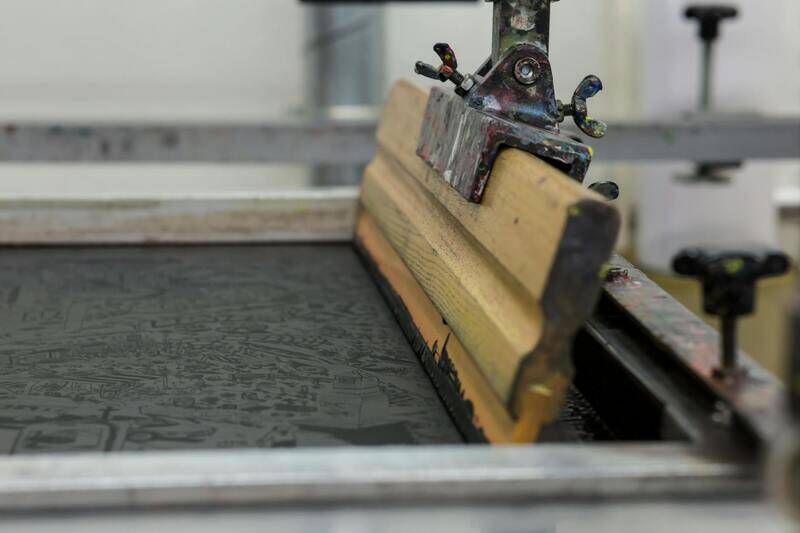
Specialized materials such as mesh fabrics are ideal for outdoor banners, allowing wind to pass through without damage. For high-end applications like gallery prints or fine art reproductions, canvas stretched on frames or textured vinyls can enhance the visual appeal, providing depth and a tactile quality that elevates the artwork.
Environmental considerations also influence material choices. For instance, eco-friendly options like recyclable PVC or biodegradable films are increasingly sought after for sustainability goals. Additionally, advancements in coating technologies have improved the UV-resistance, graffiti-proofing, and weatherproofing of substrates, extending the lifespan of printed images and maintaining their vibrancy under varying conditions.
Proper substrate selection is fundamental during the pre-press process, involving compatibility checks with chosen printing technologies and inks. Careful consideration of thickness, adhesion properties, and surface finish ensures optimal print quality, ease of installation, and long-term performance of the final product.
Official Methods for Large Scale Image Printing
Large scale image printing is a sophisticated process that necessitates adherence to precise standards and techniques to ensure the final output meets professional expectations. To achieve high-quality, durable, and vibrant large format prints, practitioners rely exclusively on approved and transparent methods, which include specialized digital printing technologies, quality-assured substrates, and verified inks.
Digital large format printing stands at the core of legitimate production techniques. This method employs advanced inkjet printers capable of handling extensive media widths, often exceeding 60 inches, to produce seamless, high-resolution images. These printers use UV-curable, solvent, eco-solvent, dye sublimation, or latex-based inks, each selected based on the application requirements, substrate compatibility, and environmental considerations. The use of certified inks ensures color accuracy, longevity, and safety, providing consumers with assurance of product integrity.
Preparation of digital files is a critical step in legitimate large format printing. Files should be created or converted into a high-resolution format, with a recommended minimum of 150-300 DPI at the final print size, to preserve image clarity and detail. Ensuring proper color profiles and using professional-level software for layout and proofing further enhances the authenticity of the process. Standardized color management workflows, including the use of ICC profiles and color calibration tools, play a vital role in maintaining color fidelity throughout the printing process.
Adherence to Professional Standards and Documented Processes
Legitimate large scale image printing providers strictly follow documented procedures, which include:
- Pre-press validation and proofing with calibrated monitors and print samples
- Material sourcing from reputable suppliers with transparent certifications
- Detailed documentation of printer calibration, ink lot tracking, and maintenance logs
- Testing and verification phases before large batch production
These practices help ensure reproducibility, color accuracy, and overall print durability, aligning with industry standards for large format printing. Regular quality audits and adherence to manufacturer guidelines for equipment operation sustain the integrity of production processes.
Installation and Quality Assurance
Ensuring correct installation methods is equally important and involves using appropriate hardware, supports, and mounting techniques to prevent damage and ensure longevity. Professionals employ verified tools such as tensioning systems, weatherproof sealants, and professional-grade adhesives, which are selected based on the substrate and location of display. Inspection procedures, including humidity control, surface preparation, and handling protocols, further reinforce the legitimacy of the finished product, providing assurance of both aesthetic excellence and structural stability.
In maintaining quality and authenticity, providers routinely validate the integrity of the print, check for color consistency, and verify structural stability during and after installation. Transparent reporting and adherence to industry-established guidelines demonstrate commitment to excellence and professional responsibility throughout the entire large image printing process.
Design Preparation and Resolution Considerations
Effective large scale image printing begins with meticulous design preparation. Ensuring the image is optimized for size and clarity involves understanding the relationship between resolution, viewing distance, and print quality. High-resolution files, typically at least 150-300 DPI, are essential to maintain image sharpness when enlarged. Files should be saved in formats that preserve quality, such as TIFF or PDF, to avoid compression artifacts that could compromise visual fidelity.
Color management plays a vital role in ensuring consistency between the digital file and the final print. Utilizing color profiles calibrated for specific printing devices guarantees accurate color reproduction. It is imperative to embed ICC profiles within the artwork to facilitate predictable color outputs across different devices and media.
When scaling images, professionals employ vector graphics where possible, as they can be resized without loss of quality. For raster images, enlargements should be handled with care, often requiring interpolation techniques that minimize pixelation or blurriness. Proper image preparation involves checking for resolution limitations, adjusting contrast, and fine-tuning brightness to achieve the desired visual impact.

Attention to these preparatory aspects ensures that the final output meets the intended visual standards and maintains its integrity in display environments continually assessed for quality assurance.
Color Management and Quality Control
Achieving consistent, accurate color reproduction in large scale image printing necessitates a comprehensive color management system. This begins with regular calibration of printers, monitors, and other crucial equipment to ensure that color output aligns with industry standards. Calibration involves adjusting hardware settings to eliminate color discrepancies, which can develop over time due to environmental conditions and equipment aging.
Profiling is an essential component, wherein color profiles—specifically ICC profiles—are created for each device and media combination. These profiles serve as digital maps that ensure colors are correctly interpreted and rendered from digital files to physical prints. Embedding these profiles within design files guarantees that colors remain faithful across different stages of production and various devices.
Furthermore, testing is a vital step in the quality control process. Print samples are examined against color standards and verified for consistency before proceeding with full production runs. This process often includes visual assessments and instrumental measurements using spectrophotometers or colorimeters. Any deviations identified are corrected by adjusting printer settings, color profiles, or media choices, ensuring that each output adheres to the desired color specifications.
Regular maintenance of print equipment and strict adherence to process protocols safeguard against unwanted color shifts or quality degradation. Incorporating standardized workflows and documentation also supports ongoing quality assurance, allowing operators to identify issues promptly and maintain production excellence.

Adopting rigorous color management practices is fundamental for professional large scale image printing, as it directly influences the visual impact, marketing effectiveness, and overall aesthetic value of the final product. Whether for advertising murals, gallery displays, or corporate branding, meticulous attention to color accuracy builds trust and elevates the perceived quality of the printed images.
Installation and Handling of Large Prints
Proper installation and handling are critical to maintaining the integrity and visual impact of large-scale printed images. Given their size and often delicate materials, meticulous planning and execution are necessary to prevent damage and ensure precise placement. Selecting appropriate handling procedures not only safeguards the printed material but also enhances the overall aesthetic appeal when displayed.
Handling and Transportation
Handling large printed images requires specialized equipment and techniques to avoid creases, tears, or surface damage. Using padded carts, stretch wrap, or protective covers during transportation helps preserve the print's quality and prevents abrasions or stains. Technicians should wear gloves to avoid transferring oils or dirt onto the surface. When moving the print, it’s advisable to use a team of trained staff to evenly distribute weight and avoid undue stress, which could lead to warping or other structural issues.

Preparation for Installation
Before installation, ensure the designated space is prepared with suitable mounting surfaces, tools, and environmental conditions. The surface should be clean, flat, and free of dust or debris to ensure secure adhesion. Measures such as leveling and checking for moisture or temperature fluctuations help prevent dimensional changes or curling post-installation.
It’s also important to verify the physical dimensions of the print against the installation site to guarantee a perfect fit. Templates or markings can assist technicians in aligning the print correctly, avoiding misplacements that could diminish the visual impact or necessitate rework.
Installation Techniques
Depending on the substrate and size, different mounting methods are employed. Common options include:
- Hardware mounting with brackets or rails for rigid surfaces like metal or wood panels.
- Adhesive methods such as high-quality tapes, adhesives, or thermal welding for seamless surfaces like glass or acrylic.
- Framework or tensioning systems for banners or fabric displays, which ensure smooth surfaces without sagging.
Use of professional-grade tools, such as spirit levels, laser alignment devices, and tensioning systems, ensures precise placement. Securing the edges uniformly and avoiding stress points prevents future warping or peeling. In high-traffic or outdoor environments, additional weatherproofing or protective coatings can enhance durability and longevity.
Post-Installation Care
After installation, inspecting the mounted print for any irregularities or damage is essential. Regular maintenance, such as cleaning with appropriate materials and checking structural supports, prolongs the visual quality and safety of the display. For outdoor installations, periodic inspections for environmental wear, such as UV damage or wind stress, are necessary to retain the aesthetic appeal and structural integrity.
Implementing rigorous handling and installation procedures helps maintain the high quality and visual impact of large-scale printed images, ensuring they serve their intended purpose effectively and attractively over time.
Optimizing Final Output for Large Scale Image Printing
Once the design has been meticulously prepared and the printing process is initiated, attention shifts to optimizing the final output to achieve high-quality, visually striking results. Critical factors include selecting appropriate printing methods, managing color fidelity, and ensuring precise calibration of equipment to produce consistent and accurate reproductions of the original artwork or design.
Final Color Calibration and Proofing
Prior to executing the full-scale print, it is essential to perform color calibration and proofing. This involves creating test prints that simulate the final output, allowing for adjustments to color profiles and ink settings. Professional-wide color management systems, such as ICC profiles, help standardize colors across different devices and substrates, ensuring the printed image aligns with the intended visual appearance.
Proofing also enables identification of potential issues like color bleed, banding, or mottling, which can be addressed beforehand, thereby reducing waste and cost. High-quality digital proofing tools integrate with print workflows to simulate how colors will appear when printed on the chosen material, facilitating fine-tuning for color accuracy and vibrancy.
Print Quality Assurance and Inspection
Following calibration, the actual printing process undergoes a series of quality assurance checks. These include inspecting ink density, registration accuracy, and resolution consistency across large areas. Advanced inspection systems utilize optical sensors and automated algorithms to detect defects such as streaks, spots, or misalignments, enabling immediate corrections where necessary.
Post-print evaluation involves detailed examination of color fidelity, sharpness, and surface uniformity to confirm adherence to specifications. Employing multiple inspection points throughout the process minimizes errors, ensuring the end product matches the high standards expected for large-scale images.
Handling and Storage of Finished Prints
After completion, careful handling and appropriate storage are indispensable to maintain the print's integrity. Large format prints should be transported with protective coverings or frames to prevent physical damage, such as tears, creases, or abrasions. When not immediately displayed, optimal storage conditions include controlled temperature, humidity, and minimal exposure to UV light to prevent fading and material degradation.
Implementing appropriate handling protocols—using gloves, support structures, and secure packaging—further safeguards against accidental damage. For outdoor or high-traffic installations, weatherproof coatings and sturdy mounting solutions prolong the lifespan of the printed images, ensuring sustained visual impact over time.

Comprehensive Approaches to Ensuring Quality in Large Scale Image Printing
Achieving impeccable results in large scale image printing requires meticulous attention to the selection of printing methods, materials, and post-processing practices that uphold the integrity of the original design. A disciplined adherence to established protocols for color fidelity, detail accuracy, and surface uniformity plays a pivotal role in delivering outstanding visual impressions, especially for prominent displays and advertising projects.
Maintaining Consistent Color Balance Through Precise Calibration
Color management is fundamental in large format printing to ensure that the printed output accurately reflects the intended palette. This involves calibrating printers regularly with specialized color targets and employing standardized color profiles that align with the chosen substrates. Advanced color management systems facilitate the translation of digital colors into physical prints with minimal deviation, thereby maintaining brand consistency and visual appeal in large-scale displays.
Implementing Rigorous Quality Control Protocols
Quality assurance must be integrated at every stage of production, from digital file preparation to final inspection. High-resolution digital checks for pixel accuracy help identify potential issues prior to printing. During the printing process, real-time monitoring systems can detect variances in ink density and color registration, allowing immediate adjustments for uniform output. Post-print inspections focus on surface smoothness, color accuracy, and absence of defects such as smudges or streaks, ensuring that each print meets strict quality benchmarks.
Tools and Techniques for Inspection and Validation
- Use of spectrophotometers to verify color consistency across different sections of the print.
- Automated optical inspection devices that scan large prints for defects, ensuring comprehensive coverage.
- Standardized visual assessments conducted under controlled lighting conditions to gauge surface quality and color accuracy.
Strategies for Handling and Protecting Large Prints Post-Production
Proper handling is critical to preserve the integrity of large printed images, which are often susceptible to physical damage. When transporting or storing, utilizing supportive frameworks, protective films, or custom packaging minimizes the risk of tears, creases, or dirt accumulation. For outdoor applications, weatherproof coatings and UV-resistant laminates extend the lifespan of the print, safeguarding against environmental factors.

Advanced Mounting Solutions
Correct installation techniques include precise alignment procedures and the use of specialized mounting hardware designed to distribute weight evenly and prevent warping or detachment. These practices are crucial to ensure the visual impact is retained throughout the display period, particularly for configurations that demand wind resistance or high durability.
Monitoring Durability and Environmental Factors
Large-scale prints deployed in outdoor or high-traffic environments must be evaluated periodically for signs of fading, peeling, or surface degradation. Employing protective coatings, transparent weatherproof films, and UV-resistant laminates offers additional resilience, thereby maintaining both aesthetic quality and functional performance over extended durations.
Conclusion
Implementing a comprehensive quality control framework, combining advanced inspection technologies with meticulous handling and installation practices, ensures that large scale images uphold their intended visual impact and durability. Consistent adherence to proven procedures and the strategic use of protective materials safeguard these impressive displays, transforming them into long-lasting assets for branding, advertising, or artistic expression.
