
Understanding Large Format Photo Printing
Large format photo printing is a specialized process that enables the creation of high-quality, expansive images suitable for various display and advertising purposes. This printing method is characterized by its ability to produce images with dimensions exceeding standard printing formats, often ranging from 24 inches to several meters in width.
Common applications of large format photo printing include advertising billboards, wall murals, fine art reproductions, event backdrops, and commercial displays. These applications demand prints that are not only visually striking but also durable enough to withstand environmental factors, making high-resolution output and premium materials essential components of the process.
The primary benefit of large format photo printing lies in its capacity to produce impactful visuals that command attention in public spaces, inside galleries, or corporate environments. It allows for detailed and vibrant images that can be viewed from a distance while maintaining clarity up close. Moreover, advanced printing techniques and specialized materials enable the creation of long-lasting prints with excellent color accuracy and sharpness.

This form of printing is critical for businesses seeking to enhance their visual marketing efforts or individuals aiming to preserve treasured moments in a grand scale. Whether through murals that transform interior spaces or banners that elevate promotional campaigns, large format photo printing offers a versatile solution to meet diverse needs. The process involves a meticulous selection of equipment, materials, and design methodology to ensure a final product that not only meets aesthetic expectations but also withstands the test of time under various conditions.
Materials and Substrates for Large Format Photos
Choosing the appropriate materials and substrates is crucial for achieving optimal results in large format photo printing. The right selection not only enhances the visual appeal but also contributes to the durability and longevity of the final piece. Common substrates include various types of paper, vinyl, canvas, fabric, and rigid materials such as aluminum, foam board, or acrylic. Each material offers distinctive advantages tailored to specific applications and display environments.
Photo-quality papers are popular for art reproductions and gallery displays because of their ability to produce vibrant color fidelity and fine detail. For outdoor or high-traffic locations, weather-resistant materials like vinyl or laminated surfaces are preferred, as they resist environmental damage such as UV rays, moisture, and scratches. Canvas is often chosen for its textured finish, providing an artistic feel that mimics traditional painting textures, making it suitable for gallery exhibitions or premium interior décor.
When selecting substrates, considerations include the print’s intended location, exposure to elements, and the desired aesthetic. Rigid substrates like aluminum or acrylic are often used for eye-catching displays that require a sleek, modern look with excellent durability. Meanwhile, flexible materials are ideal for large banners, posters, or wall coverings. The compatibility of the substrate with the chosen printing technology is also vital to ensure the best adhesion, color accuracy, and image sharpness.
Design Considerations for Large Format Prints
Creating effective large format photographs requires careful planning and thoughtful design. Since these prints are viewed from varying distances, from close-up inspection to distant viewing, it’s essential to balance detail and simplicity. High-resolution images are fundamental to maintaining clarity across expansive sizes, and image files must be prepared with sufficient DPI (dots per inch) to prevent pixelation.
Color management plays a key role in large format printing. Accurate color profiles and calibration between the digital file and the print output ensure consistent and vibrant results. Designers should use color profiles specific to the printer and substrate to optimize color accuracy and prevent unwanted color shifts.
Another important aspect is considering the final display environment, such as lighting conditions and surrounding colors, which can influence the perceived vibrancy and contrast of the image. Margin considerations and bleed areas should be incorporated to facilitate seamless installation and to avoid unintended cropping of vital image details.
Choosing the Right Printer and Equipment for Large Format Photo Printing
Selecting suitable printing equipment is essential to achieve high-quality results in large format photo printing. Professional-grade inkjet printers are typically preferred, especially those equipped with wide arrays of color cartridges to produce a broad color gamut and precise color gradation. The choice between solvent, UV, latex, or aqueous ink systems depends on the specific application, desired durability, and substrate compatibility.
Investing in advanced printing technology ensures the ability to handle various media sizes and thicknesses, offering flexibility for different project types. Features such as high print resolution, fast drying times, and robust ink adhesion are critical factors to consider. Regular maintenance and calibration of the printer also play a vital role in maintaining consistent image quality over time.
Installation and Display Tips for Large Format Photos
Proper installation is paramount to ensuring that large format prints are displayed securely and to their best advantage. For wall-mounted pieces, precise measurement and leveling are necessary to prevent distortions or sagging. Employing suitable mounting hardware, such as brackets, rails, or adhesive solutions, depending on the material and surface, guarantees stability and a clean appearance.
Lighting further enhances the visual impact of large photos. Illuminating the print with adjustable, even lighting minimizes glare and highlights the image's details and colors. For outdoor or illuminated environments, weatherproof mounts and protective coatings help preserve the quality of the print.
Spacing, framing, and environmental considerations should be incorporated into the installation plan. For instance, leaving adequate space around the print allows viewers to appreciate the artwork or message without distraction. Choosing frames or protective coverings that complement the aesthetics while safeguarding the print from damage contributes to lasting impressions.
Maintaining and Extending the Life of Large Prints
To ensure longevity, large format photos should be maintained with regular cleaning using suitable materials that do not damage the surface. Avoiding direct sunlight, excessive humidity, and temperature fluctuations extends the lifespan of the print. For prints on sensitive substrates like paper or canvas, framing with UV-protective glass or acrylic can prevent fading caused by exposure to light.
Periodic inspections for signs of damage or deterioration allow prompt intervention, such as re-sealing or repairing the surface. Storing large prints properly when not on display—rolled in protective tubes or flat in climate-controlled conditions—also preserves their quality for future use.
Adopting proper handling techniques prevents smudging, scratches, or other physical damage. Using gloves when touching prints and avoiding harsh cleaning agents ensures the image remains pristine over time. Implementing these careful maintenance routines guarantees that the visual impact of large format photos endures for years to come.
Materials and Substrates for Large Format Photos
Selecting the appropriate materials and substrates is fundamental to achieving high-quality and durable large format photo prints. The choice depends on the intended display environment, longevity requirements, and aesthetic preferences. Common materials include vinyl, fabric, canvas, and specialized photo papers, each offering unique advantages that influence the final outcome.
- Vinyl: Known for its durability and weather resistance, vinyl is frequently used for outdoor signage and banners. It provides a smooth surface that supports vibrant color reproduction, making it suitable for impactful advertisements and large visual displays. Vinyl's flexibility allows it to conform to various surfaces or curved structures, broadening its application scope.
- Fabric: Fabric substrates, such as polyester or cotton blends, lend a softer, textured appearance to large prints. They are often utilized in fine art reproductions or gallery displays because of their ability to showcase subtle tonal variations. Fabric prints can be stretched or mounted without significant warping, maintaining a pristine presentation over time.
- Canvas: Canvas is a popular choice for creating gallery-quality art reproductions. Its natural texture adds depth and character, enhancing visual richness. When finished with protective coatings, canvas prints resist moisture and fading, making them a resilient option for both indoor and certain outdoor environments.
- Photo Paper: High-quality photo papers, particularly those with archival coatings, are designed for detailed and vibrant image reproduction. These are typically used for limited editions, collectible prints, or professional displays. Some photo papers are available in super-wide formats, enabling large-scale reproductions that maintain fine detail and color fidelity.

When choosing materials, consider the environmental conditions and intended lifespan. For outdoor applications, materials with UV resistance and weatherproof coatings are essential to prevent degradation. Conversely, for indoor displays, aesthetic qualities like texture and gloss are prioritized to complement the surrounding decor.
Moreover, advancements in coating technologies have expanded the capabilities of traditional materials, allowing for enhanced scratch resistance, waterproofing, and color stability. These innovations ensure that large format photos stay vibrant and intact for extended periods, regardless of exposure circumstances.
Careful evaluation of the material’s compatibility with the selected printing technology will influence the overall quality. For example, solvent and latex printers perform exceptionally well on vinyl and fabric substrates, producing rich colors and sharp details. Likewise, UV curable printers offer a broad spectrum of options across various materials, including rigid and flexible surfaces.
Ultimately, the selection process should align with the specific demands of the project, factoring in durability, aesthetic preference, and environmental conditions to realize the full potential of large format photo printing.
Understanding Large Format Photo Printing
Large format photo printing serves as a powerful medium for creating impactful visual displays, whether for commercial advertising, fine art presentations, or personal projects. This process involves reproducing high-resolution images on surfaces that are significantly larger than standard print sizes, often exceeding 24 inches in width. Achieving outstanding quality at such scales requires a comprehensive understanding of the printing techniques, materials, and processing methods involved.
In large format photo printing, precision and fidelity are paramount. Professionals in Singapore leverage advanced printing technologies to accurately reproduce colors, maintain sharpness, and preserve the fine details evident in high-resolution images. Given the size, even minor discrepancies can become noticeable, making the choice of technology and materials critical to the final result. The goal is to produce large-scale images that retain the vibrancy, clarity, and depth of the original artwork or photograph, ensuring the print commands attention and offers a seamless viewing experience.
Types of Large Format Printing Technologies
Choice of printing technology significantly influences the quality, durability, and suitability of large format photographs. Professionals typically utilize several advanced methods, each with unique advantages:
- Solvent and Eco-Solvent Printing: These printers are known for their vibrant colors and excellent adhesion to diverse substrates such as vinyl and banner fabrics. They produce durable images suitable for outdoor displays, thanks to weather-resistant inks.
- Latex Printing: Latex printers employ water-based inks that offer high flexibility, quick drying times, and environmentally friendly operation. They are ideal for producing flexible banners and indoor murals that require vibrant color reproduction with a softer finish.
- UV Curable Printing: UV printers use ultraviolet light to cure inks instantly upon contact with rigid or flexible surfaces. This technology provides superb detail and color integrity on a variety of materials, including acrylics, metals, and specialty films, making it suitable for both indoor and outdoor applications.
- Piezoelectric Inkjet Printing: This method ensures high precision and fine detail reproduction, especially relevant for photographic images. It is commonly used in high-end fine art printing where color accuracy and detail are critical.
Materials and Substrates for Large Format Photos
The substrate’s choice directly impacts the durability, appearance, and suitability of the final print. Several materials are used in large format photo printing, each with specific characteristics tailored to different environments and aesthetic goals. Selecting appropriate substrates involves considering factors like UV resistance, moisture resistance, surface texture, and overall lifespan.
For outdoor displays, vinyl banners and weatherproof fabrics coated with UV-resistant layers are prevalent, capable of withstand harsh environmental conditions while maintaining image quality. Indoor applications often favor high-gloss or matte photo papers, canvas, or specialty films that enhance visual appeal and texture, creating a more refined presentation tailored to interior decor.
Advances in coating and finishing technologies have expanded the customization options available, including scratch resistance, waterproof finishes, and enhanced color stability. Such innovations are crucial for ensuring your large format photos remain vibrant and intact over extended periods, irrespective of exposure to light, moisture, or handling.
Understanding the compatibility between the chosen material and the printing technology ensures optimal results. For example, solvent and latex printers excel on vinyl and fabric substrates, while UV printers offer versatility across rigid and flexible surfaces, enabling a wide array of creative applications.
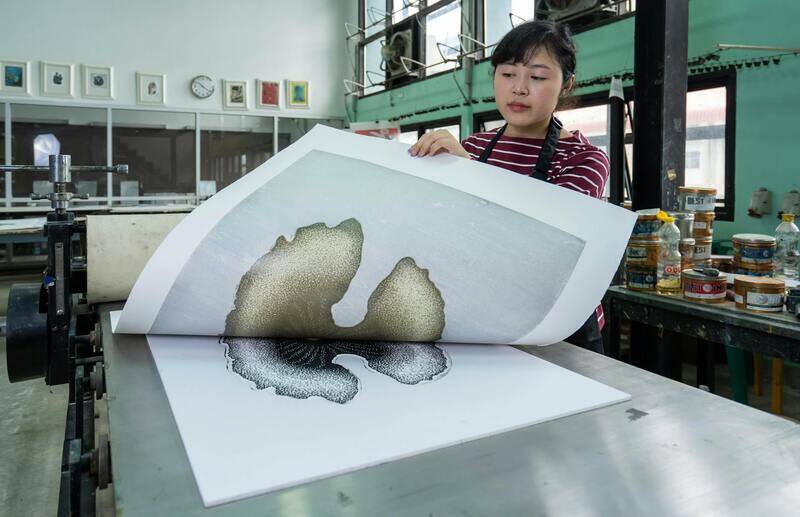
Material Compatibility with Printing Technologies
Ensuring that the selected material aligns with the printing technology is vital for achieving high-quality results. Different printers excel with specific substrates, influencing both the durability and visual fidelity of the final product. Solvent and latex printers are particularly effective when printing on vinyl, fabric, or other flexible materials due to their adhesion properties and ability to produce vibrant, weather-resistant images. UV printers, on the other hand, are renowned for their versatility, capable of printing on diverse surfaces including rigid panels, acrylic, and coated substrates, making them ideal for custom applications and unique display scenarios.
Choosing the appropriate combination of substrate and printing technology is crucial for projects requiring longevity, color accuracy, and surface finish. For instance, outdoor banners benefit from weatherproof vinyl and UV coatings to withstand sun, rain, and environmental wear, while indoor gallery displays may utilize canvas or high-gloss photo papers to emphasize detail and color depth.
Innovations in Finishing and Coating Techniques
The evolution of finishing processes has significantly expanded the creative scope of large format photo printing. Advanced coatings provide functional benefits such as scratch resistance, waterproofing, and UV protection, all of which extend the lifespan of prints and maintain their visual appeal over time. Matt, gloss, and satin finishes each impart distinct textures and glare reduction, allowing customization based on the environment and aesthetic preferences.
Moreover, specialty finishes like textured coatings or embossing can add tactile dimensions to prints, elevating visual interest and perceived value. For outdoor applications, anti-fade coatings and UV stabilization layers are essential for preserving vibrancy against prolonged sunlight exposure. For indoor or sensitive environments, antimicrobial coatings may also be considered to ensure the print remains pristine.
Color Management and Quality Assurance
Achieving precise color reproduction is a cornerstone of professional large format photo printing. Color calibration tools and profiles are employed to ensure consistency from digital design to finished product, considering the specific color gamut and ink properties of the printer. Regular calibration of equipment, along with the use of high-quality inks, enhances color fidelity and minimizes discrepancies.
Quality assurance protocols, including inspection at various stages of production, help identify potential issues early, reducing waste and ensuring the final output meets exacting standards. When attention is paid to color accuracy, material compatibility, and finishing techniques, the resulting large format photographs will resonate with clarity, depth, and durability, making them suitable for various display environments and long-term exhibitions.
Choosing the Right Printer and Equipment
Selecting the appropriate large format photo printing equipment is a critical step in ensuring the quality and durability of your final product. Professionals and commercial entities often invest in high-resolution inkjet printers specifically designed for large-scale visuals. These printers typically feature advanced color management systems, wider print widths, and specialized ink technology that can produce vibrant, detailed images with longevity.
When evaluating printers, consider factors such as resolution capabilities, ink compatibility, print speed, and substrate versatility. A printer capable of handling various media types—such as canvas, vinyl, or fine art papers—provides greater flexibility for different project requirements. Additionally, automation features like integrated cutting, alignment, and color calibration tools contribute to consistent excellence in output.
Beyond the primary printing equipment, auxiliary tools such as sophisticated color management software, spectrophotometers for calibration, and humidification systems for optimal media handling are integral components of a professional print setup. These ensure that each print matches your creative vision and maintain consistency across multiple productions.
- Assessment of print volume needs to determine appropriate machine capacity.
- Evaluation of media compatibility to match project specifications.
- Investing in training for operators to maximize printer capabilities and minimize errors.
- Implementing a routine maintenance schedule to prevent technical issues and sustain print quality.
Ultimately, choosing the right equipment involves balancing budget constraints with the demand for precision, color accuracy, and reliability. It is beneficial for clients to work closely with industry specialists or authorized dealers who can recommend the most suitable models based on specific project demands.
Maintaining and Extending the Life of Large Prints
To ensure the longevity and visual integrity of large format photo prints, meticulous maintenance, environmental management, and protective measures are necessary. Regular cleaning of print surfaces using appropriate, non-abrasive materials prevents dust accumulation and surface buildup that can degrade image quality over time. It is crucial to handle prints with clean hands or gloves to avoid smudges, fingerprints, or oils that can cause deterioration.
Environmental conditions heavily influence the durability of large photographs. Maintaining stable temperature and humidity levels reduces the risk of media warping, curling, or mold growth. Ideally, prints should be stored or displayed in environments where temperature ranges between 18-22°C (64-72°F), and relative humidity is kept around 40-60%. Avoiding direct sunlight or intense artificial light minimizes fading and color shifts caused by UV exposure. Installing UV-filtering glass or acrylic covers for displayed prints further shields against harmful rays, preserving vibrant colors for years to come.
Applying protective coatings is an effective way to enhance the resilience of large format prints. Clear, sprayable coatings such as UV-resistant varnishes, laminate films, or acrylic overlays provide a barrier against moisture, scratches, and pollutants. These coatings should be selected based on the media used and the print’s intended display environment. For prints exposed to outdoor conditions, weatherproof coatings impart additional resistance against environmental factors like rain, dirt, and pollutants.
Proper storage when prints are not on display involves rolling or flat storing in acid-free, archival-quality materials. If rolling, using large diameter tubes with protective sleeves prevents creasing or cracking. Flat storage in humidity-controlled archives helps maintain the structural and color integrity of delicate or high-value prints. Routine inspections for signs of damage or deterioration enable prompt intervention and repair, extending the lifespan of your investment.

Moreover, routine professional maintenance performed by specialists can resolve issues such as color drift or print head clogging, ensuring continued high-quality output. Employing these comprehensive practices guarantees that the visual impact and structural integrity of large format photos endure for years, making them a worthwhile investment for displays, exhibitions, or archival purposes.
Proper Installation and Display of Large Format Photographs
Effective installation is critical to showcase large format photos at their best while maintaining their condition over time. The process begins with selecting an appropriate mounting method tailored to the display environment and the nature of the print. Wall mounting, for instance, often involves using sturdy brackets or specialty frames that distribute the weight evenly, preventing warping or sagging. For outdoor displays, weather-resistant fixtures that resist corrosion should be employed to preserve the integrity of both the mounting hardware and the print itself.
Proper framing is also essential. Opting for high-quality frames with UV-protective glass or acrylic can safeguard the print from harmful light exposure, which may cause fading or discoloration. Additionally, floating frames or minimalistic designs can accentuate the artwork without overwhelming it, offering a polished and professional appearance.
Lighting Considerations
Lighting significantly influences how large format photos are perceived. Using controlled, non-heat-emitting lighting minimizes damage caused by heat and ultraviolet radiation. LED lights with adjustable brightness and color temperatures allow precise control over the ambiance and highlight details within the photograph. When positioning lighting, avoid direct exposure to harsh light sources that cause glare or reflections on the print surface.
Environmental Conditions
The environment where the large photo is displayed plays a crucial role in its preservation. Maintaining stable temperature and humidity levels prevents warping, cracking, or mold growth. Commercial display areas often include climate control systems specifically designed to suit high-value or delicate prints. For outdoor installations, consider enclosures or canopies that shield the print from direct sunlight, rain, and physical contact, thereby extending its lifespan.
Regular Maintenance and Inspection
Periodic inspections are vital to identify early signs of wear or damage. Examine the mounting points, framing, and protective coatings regularly. Cleaning should be performed with gentle, non-abrasive materials to remove dust or fingerprints without damaging the print surface. In cases where damage occurs, consulting professional repair services ensures restorations are performed correctly and safely.
Innovative Display Solutions
Emerging display technologies, such as digital framing or interactive exhibits, provide new avenues for showcasing large format photographs. These methods can incorporate dynamic light displays or multimedia elements, creating engaging experiences while reducing physical deterioration concerns. However, traditional methods remain highly effective for long-term displays, offering a balance between aesthetic appeal and durability.
