Overview of Large Scale Image Printing
Large scale image printing is a specialized segment within the broader printing industry, focusing on producing high-quality visuals on significantly larger formats. This technique is used to bring detailed, vibrant images to life on expansive surfaces, often measuring several feet in width and height. Its applications span a diverse range of industries, including advertising, interior design, event management, and commercial signage. Large scale printing enables organizations to create eye-catching advertisements, murals, banners, backdrops, and displays that command attention and communicate messages effectively from a distance.
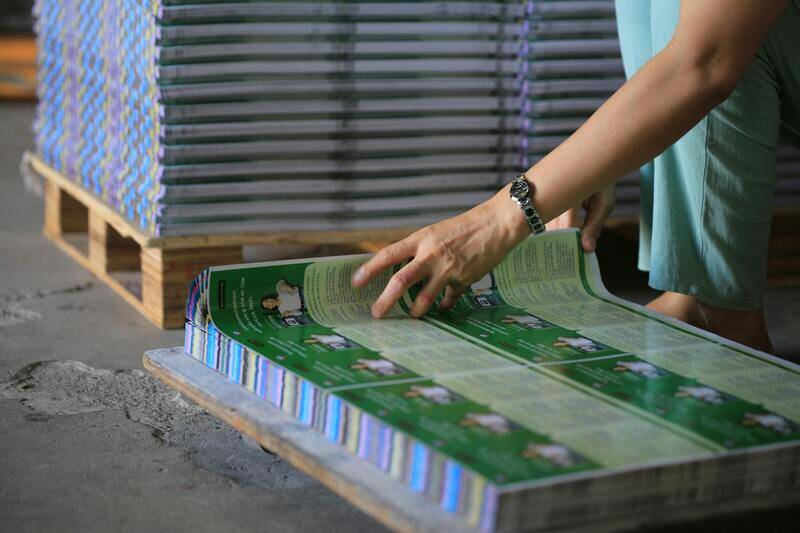
The scope of large scale image printing goes beyond simple enlargement; it involves meticulous planning to maintain image clarity, color accuracy, and surface durability. Whether for outdoor billboard advertisements or indoor decorative murals, the goal remains consistent: to deliver visually stunning and durable prints that stand the test of time and environmental conditions. The choice of technology, materials, and design intricacies all significantly influence the quality and effectiveness of the final product.
In practical terms, large format printing is integral to creating visual communications that have a lasting impression. From vibrant city banners to high-resolution wall coverings in commercial establishments, this printing specialization offers a powerful tool for branding and aesthetic enhancement. As technology advances, the possibilities for innovative large scale image applications continue to expand, providing businesses and creatives with new avenues to showcase their messages in a visually compelling manner.

Understanding the foundational aspects of large scale image printing sets the stage for exploring the specific techniques, materials, and design considerations that enable this field to evolve. It exemplifies how precision, quality control, and technological integration are central to achieving successful large format outputs, meeting the diverse needs of modern visual communication strategies.
Materials Used in Large Scale Image Printing
Choosing the appropriate materials is fundamental to achieving high-quality results in large scale image printing. The selection often depends on the specific application, desired durability, environmental exposure, and surface texture. Commonly utilized substrates include vinyl, fabric, canvas, backlit film, and rigid panels such as foam board or metal composites.
Vinyl banners remain a popular choice for outdoor advertising due to their robustness, flexibility, and weather resistance. When printed with solvent or eco-solvent inks, vinyl offers excellent color vibrancy and longevity even under harsh conditions. Fabric-based materials, such as polyester or canvas, are favored for high-end interior decor and fine art reproductions, providing a sophisticated appearance and enhanced texture.
For indoor applications, especially murals or wall coverings, peel-and-stick wallpapers or textured wall fabrics are often used to facilitate easy installation and removal. Rigid surfaces like aluminum or acrylic panels are ideal for signage that requires sharp detail and surface stability. These materials are selected for their smoothness and ability to withstand handling during installation and subsequent maintenance.
Environmental considerations also influence material choices. Eco-friendly options such as recyclable substrates or biodegradable inks are increasingly preferred to reduce ecological impact while maintaining print quality. The compatibility of the ink with the substrate is crucial as it impacts adhesion, color fidelity, and overall durability.

Incorporating surface treatments, such as lamination or coating, can enhance the protective qualities of the printed material. Lamination not only guards against scratches and UV damage but also contributes to the overall aesthetic, providing matte, gloss, or satin finishes that match the desired visual effect and environmental conditions.
Design Considerations for Large Scale Prints
Effective large scale image printing hinges on meticulous design processes that optimize visual impact while respecting technical constraints. This begins with vector graphics where possible, which allow for seamless scaling without loss of detail. For raster images, high-resolution files are essential, ideally 300 DPI or higher at the final print size, to ensure crisp, clear visuals.
Designers must also account for the physical dimensions of the final product, adjusting image composition to accommodate margins, bleed areas, and framing requirements. Margins are necessary to prevent unintended trimming, while bleed areas ensure that no unprinted edges appear once the material is cut or installed.
Color consistency is a major factor influencing the effectiveness of large scale prints. Using standardized color profiles and calibrating monitors accordingly helps maintain color fidelity from digital files to the printed output. Additionally, previewing the design on a small-scale prototype or digital mock-up helps identify potential issues before full production begins.
Another aspect worth considering is the viewer’s perspective and lighting conditions. For instance, outdoor billboards need high contrast and vibrant colors to capture attention from a distance and withstand weather influences. Conversely, indoor murals can incorporate subtle tones and fine details that are appreciated at close quarters. Balancing aesthetic appeal with technical constraints ensures the final product aligns with the intended purpose and environment.

Overall, thoughtful material selection combined with strategic design considerations creates a robust framework for successful large scale image printing, ensuring the final output is both visually impressive and functionally durable for its intended environment.
Types of Large Scale Printing Techniques
Choosing the appropriate printing technique for large scale image projects is fundamental to achieving optimal quality and durability. The method selected depends on factors such as material, desired visual effects, budget constraints, and installation environment. Each technique offers distinctive advantages suited to specific applications, whether for advertising, interior decoration, or outdoor signage.
Digital Large Format Printing
Digital large format printing remains the most widely adopted method for high-quality, customizable large scale images. It utilizes advanced inkjet technology to produce detailed, vibrant images directly onto a variety of substrates. This process is highly efficient for short runs, providing rapid turnaround times and the flexibility to produce intricate designs with precise color matching. Digital printing allows for seamless large panels, eliminating the need for multiple sections and reducing alignment issues, which is especially beneficial for expansive murals and banners.
Screen Printing
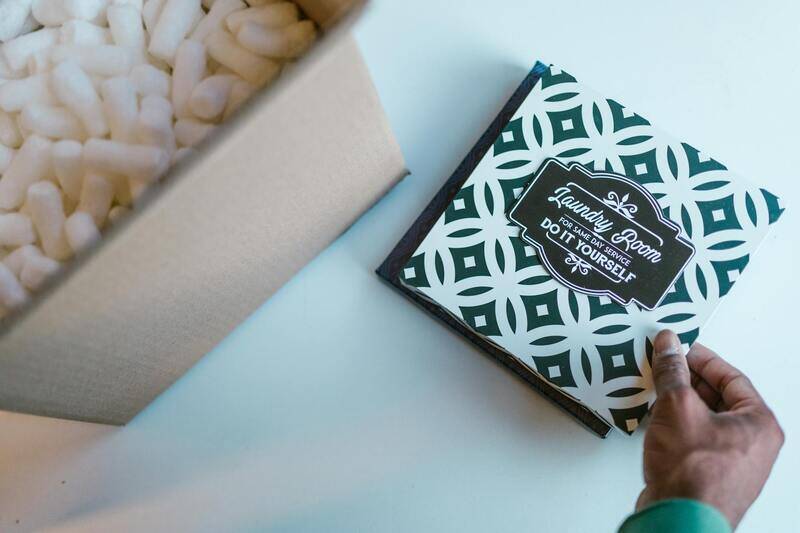
Screen printing is a traditional method that uses a mesh screen to transfer ink onto the printing surface. It is particularly effective for producing bold, vibrant images on sturdy materials such as vinyl or fabric. This technique excels in mass production and offers excellent durability for outdoor applications like billboards and vehicle wraps. Although it involves a longer setup process and is less suitable for highly detailed images, screen printing provides consistent quality for large batches of the same design.
Fiber and Latex Printing
In recent years, fiber and latex printing technologies have gained popularity for their eco-friendly inks and versatile material compatibility. These methods are capable of printing directly onto fabrics and flexible substrates, making them ideal for indoor banners and fabric-based wall coverings. Latex printing, in particular, produces resilient prints with high resistance to weather and abrasion, suitable for both indoor and outdoor use, and offers the advantage of rapid drying without the need for post-processing.
Lazy Printing and Other Specialized Techniques
Lazy printing, a technique that combines multiple smaller panels seamlessly, is often employed to manage large projects within space and budget constraints. This approach involves printing individual sections and then meticulously assembling them to create a cohesive large-scale image. Advanced methods like UV printing and solvent printing are also utilized for specific needs, such as printing on uneven surfaces or materials requiring enhanced chemical resistance.
Materials Used in Large Scale Image Printing
When selecting materials for large scale image printing, it is essential to consider both the intended application and the environmental conditions the finished product will face. The choice of material significantly influences the durability, appearance, and overall effectiveness of the print. The most commonly employed substrates include vinyl, fabric, mesh, canvas, and rigid materials such as aluminum or foam board.
Vinyl remains the dominant material for outdoor banners and billboards due to its resistance to weather elements and ease of installation. It offers excellent flexibility, making it suitable for curved surfaces or installations where conformability is required. Its surface can be treated with various coatings to enhance light reflectivity or reduce glare, depending on the visual impact desired.
Fabric-based materials are favored for indoor displays, event backdrops, and wall coverings. Textiles such as polyester or canvas provide a high-quality aesthetic with vibrant color reproduction. These materials are breathable, reusable, and can be printed using dye sublimation or direct printing techniques, ensuring vivid, long-lasting visuals.
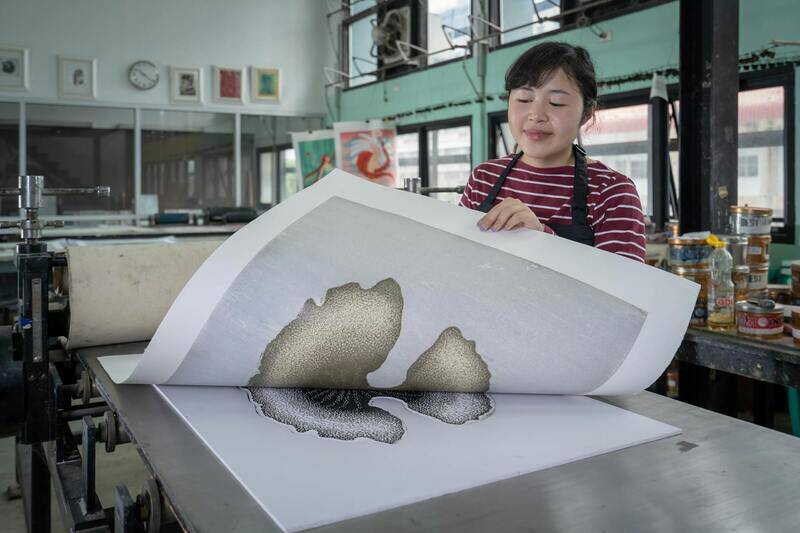
Mesh materials, often made from vinyl or polyester, are utilized for large outdoor signage where airflow is necessary to reduce wind load. These are particularly advantageous for sports arenas, construction sites, and large banners in windy environments. Their perforated design maintains visibility from a distance while allowing wind passage, preventing damage and tearing.
Rigid substrates like aluminum, acrylic, or foam board are suitable for wall displays, trade show exhibits, and indoor signage requiring a sturdy, professional look. These materials support high-resolution printing and are often treated with protective coatings to resist scratches, UV rays, and moisture, ensuring longevity in various indoor environments.
Advances in material technology have also introduced eco-friendly options, such as recycled fabrics and biodegradable substrates, aligning large scale printing with sustainable practices. Selecting the right material involves assessing factors like surface compatibility, environmental exposure, budget constraints, and desired visual quality.
Design Considerations for Large Scale Prints
When creating large scale images, meticulous design planning is essential to achieve optimal visual impact and durability. The scale of the print demands high-resolution images to maintain clarity and prevent pixelation. Typically, images should be prepared at a minimum resolution of 150 dpi at the final print size, although 300 dpi is preferable for closer viewing distances. Ensuring that images are vector-based or sufficiently detailed helps in preserving sharpness and fine details across expansive surfaces. Color accuracy plays a pivotal role in large scale printing. Applying color management techniques, such as utilizing calibrated monitors and software, guarantees that colors are consistent from digital file to physical output. This process involves selecting appropriate color profiles and performing test prints to verify color fidelity. For projects involving multiple prints, maintaining uniform color standards across batches prevents discrepancies that could diminish the overall visual cohesion. Effective design considerations also include the use of bleed areas, margins, and safe zones to accommodate material handling and mounting processes. Providing sufficient bleed ensures that images extend beyond the cutting edges, eliminating unwanted white borders. Strategic placement of key visual elements within the safe zone prevents unintended cropping or obstruction, especially when mounting or framing is involved. Another critical aspect is the eccentricity of the image layout. Large prints often benefit from dynamic compositions that consider viewer perspectives at various distances. Elements should be designed with readability and impact in mind, utilizing bold fonts, high contrast colors, and simple yet striking graphical elements. Detailed intricate designs may appear blurred or muddled at a distance, so simplicity and scalability should guide the design process. Given the vast surface area, dividing complex images into panels or sections can facilitate easier production and installation. This approach also provides flexibility for future updates or modifications. Additionally, incorporating physical or visual guides within the design helps ensure proper alignment when assembling multiple panels or sections. The choice of color schemes must consider environmental factors—such as lighting conditions and surrounding colors—to maximize visual appeal. For outdoor large-scale images, incorporating UV-resistant inks and protective coatings shields against fading and environmental damage, preserving the vibrancy of the design over time. Lastly, collaboration with experienced graphic designers familiar with large format printing standards ensures that the final artwork aligns with technical specifications and aesthetic goals. Clear communication of requirements, including material limitations and equipment capabilities, culminates in a superior end product that meets both artistic and functional expectations.
Environmental and Durability Factors
When investing in large scale image printing, understanding environmental resilience is crucial for maintaining visual integrity over time. Outdoor installations are subjected to various elements that can accelerate wear and fading if not properly managed. Selecting inks and materials with weather-resistant properties ensures that the prints can withstand exposure to moisture, wind, and pollution without compromising their clarity and vibrancy.
UV protection plays a vital role in prolonging the lifespan of large prints, especially in regions with high sun exposure. UV-resistant inks are formulated to resist fading caused by ultraviolet rays, thereby preserving color accuracy and image sharpness. Additionally, applying protective coatings—such as matte, gloss, or satin finishes—provides a physical barrier against scratches, dirt, and general wear and tear. These coatings can also enhance the aesthetic appeal of the print by reducing glare or adding a textured effect.

For indoor applications, where environmental factors are less severe, selecting suitable materials that prevent deformation or discoloration remains important. This includes choosing high-quality substrates with stable dimensional properties and resistant inks that do not yellow or degrade over time. Proper maintenance practices, such as routine cleaning with non-abrasive solutions and avoiding prolonged exposure to direct sunlight, also contribute significantly to preserving the appearance and structural integrity of large-scale images.
Cost Factors and Turnaround Time
The total cost of large scale image printing is influenced by several key components. Material choice is a primary factor; premium materials and advanced inks tend to incur higher expenses but offer superior durability and visual quality. The complexity of the design, including the level of detail and color richness, impacts both production time and costs. Intricate images or the need for precise color matching may require additional post-processing or multiple proofing stages, extending the turnaround time.
Production volume also plays a significant role—while small runs may be more cost-effective for bespoke projects, larger orders often benefit from economies of scale, reducing unit costs. Equipment capabilities and the level of customization demanded by each project further influence overall expenses and scheduling.
Lead times can vary depending on the printing method and scope of the installation. High-capacity digital printers can produce large-format images with rapid turnaround, especially for standard sizes and materials. However, projects requiring specialized finishes or complex assembly processes may necessitate extended preparation and installation periods. Proper planning and coordination with experienced suppliers ensure timely delivery and adherence to budget constraints.
Application Examples and Industry Trends
- Architectural murals on building facades utilizing UV-resistant inks and weatherproof materials for longevity.
- Commercial banners and billboards designed with high-resolution images to attract public attention in high-traffic areas.
- Interior decorative panels featuring custom designs for retail and hospitality venues.
- Event backdrops and displays that integrate vibrant imagery with quick installation features.
- Environmental graphics in public spaces combining durability with aesthetic appeal.
Emerging trends in large scale image printing include the integration of eco-friendly materials and sustainable inks, as well as innovations in modular and lightweight panel systems that facilitate easier installation and maintenance. Advanced digital workflows and automation are also enhancing production efficiency, enabling faster turnaround times without compromising quality. As technological advancements continue, the scope for creative expression and functional applications in large format printing expands, offering more versatile options for various industry needs.
Understanding the Application of Large Scale Image Printing Technologies
Implementing large scale image printing relies on adhering to established procedures in order to achieve high-quality results. The process begins with accurate design preparation, where digital files are meticulously optimized to match the specific size and resolution requirements of the project. This includes adjusting aspect ratios, ensuring color fidelity, and selecting suitable image formats to prevent loss of detail during enlargement.
Once the design is finalized, pre-press checks are essential. This phase involves color calibration, examining file integrity, and confirming that images are built at an appropriate resolution—generally 150 to 300 dpi for large-format prints, depending on viewing distance. Proper color management ensures that the printed output accurately reflects the intended hues, especially when critical branding or detailed imagery is involved.
Choosing the Right Printing System and Materials
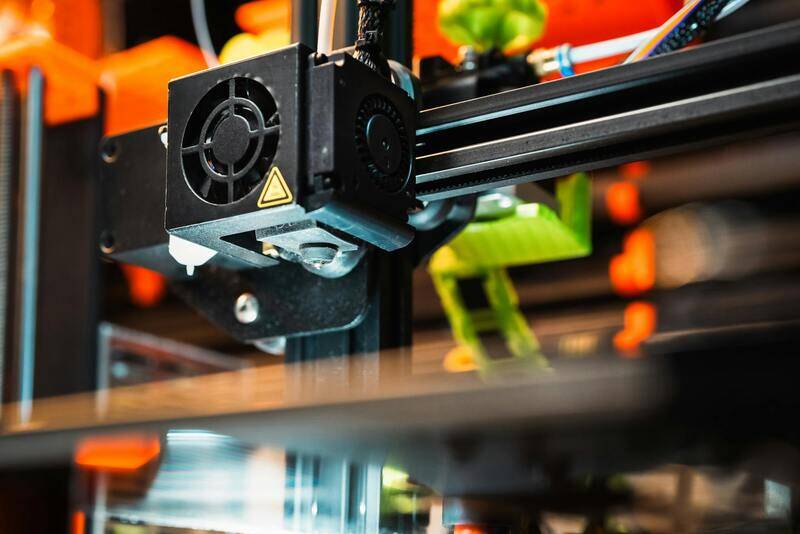
Selection of printing technology is a vital step in executing large format projects. Wide-format inkjet printers utilizing solvent-based, UV-curable, or latex inks offer different advantages based on the application. For outdoor signage, UV-curable and solvent-based systems provide greater weather resistance and color longevity, while latex printers are suitable for interior decor where eco-friendliness is prioritized.
The materials used must complement the chosen printing system to ensure durability and visual impact. Common materials include vinyl, fabric, mesh, and rigid substrates like foam board or aluminum composites. Each material exhibits unique physical properties—flexibility, weight, and weather resistance—that influence their suitability for specific applications and environments.

Best Practices in Design and File Management
Design workflows for large scale image printing necessitate precision and awareness of production constraints. Vector graphics are ideal for logos and simple illustrations, whereas raster images should be created at high resolutions to prevent pixelation. Incorporating bleed and margin considerations into the design ensures clean edges and proper alignment during finishing processes.
To optimize print quality, it is essential to use color profiles compatible with the printer and material. Consistent color space management across the workflow minimizes discrepancies between the digital file and the final output, maintaining brand integrity and visual consistency.
Implementing Color Management and Resolution Optimization
Achieving vibrant, accurate colors in large prints involves meticulous color calibration of both the digital files and printing equipment. Utilizing industry-standard color management tools and ICC profiles helps align the digital design with the physical print, reducing color shifts.
High resolution is fundamental for detailed visual representation. For large prints intended for close viewing, resolutions of 200-300 dpi are recommended. Conversely, for expansive murals viewed from a distance, lower resolutions may suffice without compromising perceived quality. Proper resolution settings ensure crisp details while mitigating production time and ink usage.
Environmental and Durability Factors
Environmental considerations revolve around choosing sustainable materials and inks that minimize ecological impact. Water-based latex inks, for example, are environmentally friendly and produce less hazardous waste. UV-resistant coatings offer added protection against sunlight and weathering, extending the lifespan of exterior installations.
Durability is also influenced by the choice of substrate and protective finishes. Laminates or overlaminates can enhance resistance against scratches, moisture, and UV damage. Additionally, selecting weatherproof materials suitable for the specific environment ensures that large scale images maintain their aesthetic appeal over time, despite exposure to elements like wind, rain, and pollution.

Advanced Techniques for Large Scale Image Printing
To achieve premium quality outcomes, professionals employ several advanced techniques that enhance the precision, durability, and visual impact of large scale prints. These methods are grounded in meticulous calibration of equipment, expert preparation of digital files, and rigorous quality control processes. High-end large format printers utilize multi-pass printing technology, which applies multiple layers of ink to build rich, vibrant colors while minimizing print banding and ensuring smooth color transitions. This process also allows for the use of variable dot sizes, delivering details that are crisp and true to the original design.
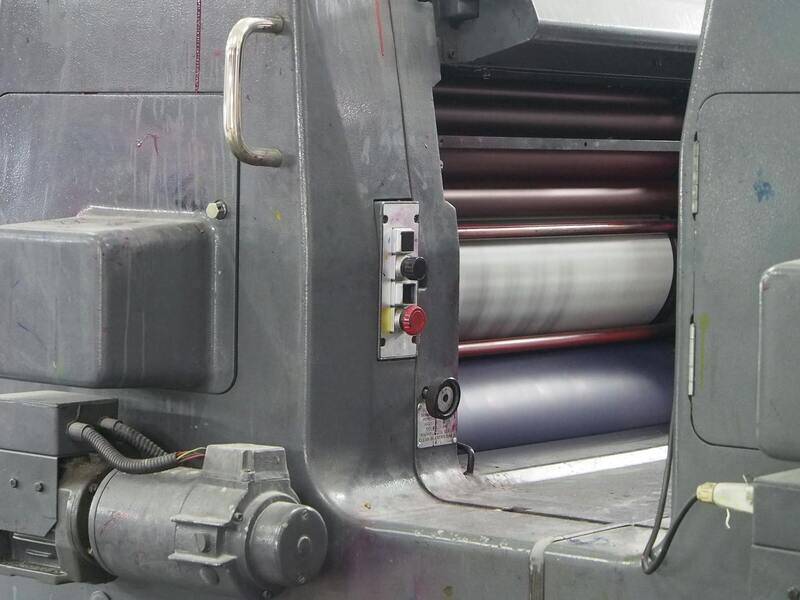
In addition to sophisticated printing mechanisms, color calibration plays a pivotal role. By employing spectrophotometers and standardized ICC profiles, printers ensure consistent color rendition across multiple prints, maintaining brand integrity in marketing campaigns and seamless visual consistency in large installations. Raster image processing (RIP) software also contributes by managing color processing workflows, maximizing the fidelity of digital files during output.
Post-Printing Finishing and Quality Assurance
Post-processing steps such as trimming, mounting, and lamination are integral to producing professional-quality large scale images. Lamination, whether gloss, matte, or satin, not only enhances the visual appeal but also provides a protective barrier against environmental contaminants like moisture, dirt, and UV exposure. For high-traffic or outdoor settings, additional UV coatings or weather-resistant finishes are applied to bolster longevity. A comprehensive quality check, including inspection under different light conditions and color consistency assessments, ensures that the final product aligns with the client's expectations and standards.
Innovations Enhancing Large Scale Printing Outcomes
- Use of eco-friendly inks such as water-based latex and UV-curable formulations, reducing environmental impact without compromising vibrancy.
- Implementation of automated workflow management tools that streamline production processes, reduce errors, and shorten turnaround times.
- Integration of digital asset management systems to facilitate efficient handling of complex design files and versioning, ensuring consistency across multiple large-format prints.
- Application of cutting-edge media, including reversible adhesive vinyls or fabric-backed substrates, which provide flexibility for installation and removal without damaging underlying surfaces.
Ensuring Consistency and Reliability in Large Scale Printing
Consistency begins with the selection of high-quality, compatible materials and precise calibration protocols. Maintaining a controlled environment, such as stable temperature and humidity levels, prevents issues like ink smudging and material warping. Regular maintenance and calibration of printing equipment are crucial for mitigating print defects and extending the lifespan of machinery. Employing digital proofing methods allows clients and designers to preview exact color outputs beforehand, reducing revisions and ensuring alignment with project requirements.
Understanding and Managing Production Costs and Timelines
Cost management involves a detailed assessment of materials, labor, and equipment utilization. Bulk purchasing of substrates and inks can reduce expenses, while the choice of faster printing and finishing methods accelerates project completion. Accurate scheduling and effective workflow orchestration also mitigate delays, enabling timely delivery for even large-scale projects. Transparent communication of production timelines ensures clients are informed throughout the process, fostering trust and satisfaction.