
Understanding Large Format Photo Printing
Large format photo printing is a specialized service designed to produce high-quality, expansive images suitable for various display and promotional purposes. Unlike standard prints, which typically measure 4x6 inches or 8x10 inches, large format prints can range from several feet in width to spanning entire walls, making them ideal for impactful visual presentations. These prints are indispensable in multiple industries, including advertising, interior decoration, fine art, and event displays, where visual clarity and detail are paramount.
The common formats for large format photos often include widths of 24 inches, 36 inches, 48 inches, and beyond, with lengths customized according to client specifications. While traditional photographic images can be scaled up effectively, the key is ensuring that the original image resolution is sufficiently high to maintain clarity and sharpness when enlarged. This requirement underscores the importance of selecting images with adequate pixel density and quality when preparing for the printing process.
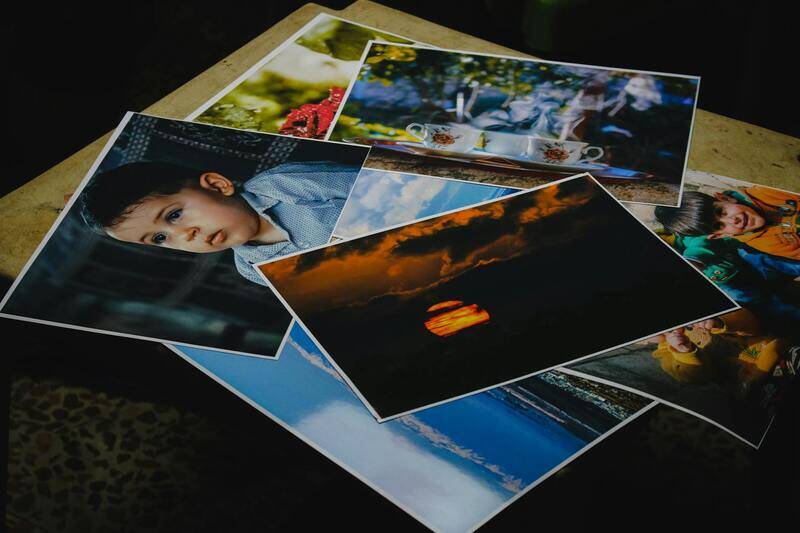
Large format printing is extensively used across visual displays such as billboards, banners, murals, gallery exhibitions, and architectural layouts. Images suitable for this service typically include high-resolution photographs, detailed artwork, and graphic designs that rely on sharp lines, vivid colors, and intricate details. Careful selection of images ensures the final printed product effectively captures the original intent and visual impact, whether it is for commercial promotion or artistic presentation.
Types of Large Format Photo Printing Technologies
Various printing technologies are employed in the production of large format photos, each with its own advantages depending on the intended application, budget, and desired quality. The primary methods include inkjet printing, solvent printing, and UV-curable printing. Inkjet technology remains the most prevalent due to its ability to deliver high-resolution images with vibrant color reproduction.
Material Options for Large Format Photos
The choice of material for large format photo printing is crucial in determining the durability, appearance, and application suitability of the final product. Common options include:
- Vinyl — Often used for banners and outdoor advertisements, vinyl offers durability and weather resistance.
- Canvas — Preferred for art reproductions and gallery displays, providing a textured finish similar to traditional artwork.
- Backlit films — Used for digital displays requiring illumination from behind.
- Premium photographic papers — Suitable for high-end exhibitions and gallery presentations, emphasizing color accuracy and fine detail.

Each material type offers specific advantages based on the environment, longevity, and aesthetic preference, allowing clients to select the most suitable option for their project needs.
Understanding Large Format Photo Printing
Large format photo printing has become an essential tool for artists, photographers, and businesses aiming to produce vivid, high-impact visual displays. Success in this domain hinges not only on the choice of image and material but also on selecting the appropriate printing technology and proper file preparation. When engaging with reputable printing service providers, it ensures that the final output meets professional standards of color accuracy, sharpness, and durability.
Design Preparation and File Specifications
Before the printing process commences, meticulous preparation of digital files is vital. High-resolution images are necessary to ensure crisp details at large sizes. Generally, images should be submitted at a resolution of at least 300 DPI, scaled appropriately for the final dimensions while maintaining quality. The file format preferred by leading printing services typically includes TIFF or high-quality JPEG, with color profiles embedded, such as Adobe RGB or sRGB, to guarantee consistent color reproduction across mediums.
It is also crucial to double-check crop marks, bleed areas, and avoid compression artifacts that can compromise the image's clarity. Collaborating with experienced technicians during file submission helps in aligning expectations and avoiding costly reprints. Such professionalism in file management underscores the importance of working with established large format printing service providers who adhere to industry standards and have expertise in handling various formats and resolutions.
Factors Influencing Print Quality and Cost
Several elements impact the quality and overall cost of large format photo printing. These include:
- Resolution and Image Quality: Higher resolution images translate into sharper, more detailed prints, which may slightly increase costs due to longer processing times.
- Material Selection: Premium materials like canvas or high-quality photographic papers often entail higher expenses, but they significantly enhance durability and visual appeal. Conversely, banners or vinyl are more cost-effective yet suited for short-term displays.
- Print Size: Larger dimensions require additional materials and extended printing times, influencing the final price.
- Finish and Coatings: Options such as gloss, matte, or satin finishes, along with protective coatings, affect both aesthetics and longevity, often with associated costs.
Choosing a printing service that balances quality and affordability involves understanding these variables and seeking transparent pricing policies. Reliable providers often offer consultative support to help clients optimize material choices and specifications according to their budget and project goals.
Applications of Large Format Photo Prints
The versatility of large format photo printing lends itself to numerous applications, including:
- Commercial Advertising: Eye-catching banners, billboards, and point-of-sale displays that draw attention in retail spaces or outdoor environments.
- Fine Art and Gallery Displays: Reproductions or original artworks presented on canvas or fine photographic papers for exhibitions.
- Event Backdrops and Decor: Large photographic prints used for events, conferences, or photo booths to create immersive environments.
- Architectural and Interior Design: Decorative wall murals and large-scale art installations that enhance interior aesthetics.
Frequently, businesses and individuals opt for custom-sized prints that align precisely with their spatial requirements, maximizing visual impact without compromising quality or incurring unnecessary expenses.
Choosing the Right Printing Service Provider
Africa strives to partner with printing providers that demonstrate technical proficiency and a steadfast commitment to quality. Recommendations for assessing potential partners include checking their portfolio of completed projects, inquiring about their range of supported materials and technologies, and understanding their quality assurance processes. An experienced provider will provide comprehensive consultations, assist with file preparation, and offer samples or proofs before the final run, ensuring expectations are aligned and satisfied. Prioritizing providers with transparent timelines and clear communication enhances the overall experience and guarantees a result that meets professional standards.
Understanding Large Format Photo Printing
Large format photo printing involves the creation of high-resolution, oversized images designed to make a significant visual impact. This process is ideal for exhibitions, advertising displays, decor, and personal projects that require detailed and vibrant imagery at a scale that captures attention from a distance. When engaging with professional large format printing services, it is essential to ensure that the quality and precision of the final product align with your expectations. Factors such as image resolution, color fidelity, and material selection play pivotal roles in achieving a print that accurately reflects your original image while maintaining durability and aesthetic appeal.
Types of Large Format Printing Technologies
Two primary technologies dominate the industry: solvent/inks and UV-curable printing. Solvent and eco-solvent printers are popular for their ability to print on a wide variety of materials, including vinyl and banners, providing excellent color clarity and weather resistance. UV-curable printers, on the other hand, utilize ultraviolet light to instantly cure inks onto different surfaces, producing sharp images with a matte or gloss finish suitable for indoor applications such as gallery displays or wall murals. Each technology has its advantages based on the project’s intended use, material requirements, and durability considerations.
Material Options for Large Format Photos
Selection of material is a critical component, influencing not only the visual quality but also the longevity and suitability for specific environments.
- Vinyl: Ideal for outdoor advertising, banners, and signage due to its weather-resistant properties. Vinyl can withstand exposure to sunlight, rain, and wind without fading or tearing.
- Canvas: Preferred for art reproductions and interior decor, offering a textured surface that enhances visual depth. Canvas prints can be stretched or framed for a gallery-quality presentation.
- Photographic Paper: Used for indoor displays, fine art prints, and portraits, providing sharp detail and vibrant colors. Often available in matte, gloss, or satin finishes.
- Fabric: Suitable for soft signage, backdrops, and event decor, offering lightweight handling and a smooth surface for high-quality images.
Design Preparation and File Specifications
Proper preparation of digital files is essential for achieving optimal print outcomes. Files should be created at a minimum resolution of 150 DPI at the final print size to ensure clarity and detail. It’s advisable to work in color spaces such as Adobe RGB or sRGB to maintain color accuracy, especially when printing on materials with specific color profiles. Files should be in formats supported by the printer, such as TIFF or PDF, with embedded fonts and high-quality images. Additionally, bleed areas and safe zones should be accounted for to prevent unwanted cropping or loss of essential image details during trimming.
Factors Influencing Print Quality and Cost
The quality of a large format print depends on several intertwined factors:
- Resolution and Image Quality: High-resolution files prevent pixelation and ensure sharp, detailed prints.
- Material Selection: Premium materials generally command higher costs but enhance visual impact and longevity.
- Printing Technology: Advanced printers with wider color gamuts and better ink management yield richer colors and more consistent results.
- Finish and Coatings: Protective layers such as lamination or UV coating can improve durability and influence the final price.
Understanding these elements helps in budgeting and selecting the appropriate service provider who can deliver consistent quality within your financial parameters.
Material Options for Large Format Photos
Choosing the appropriate material for large format photo printing is crucial for achieving desired aesthetics, durability, and functionality. Common materials include vinyl banners, canvas fabrics, photographic papers, and specialized backlit substrates. Each material offers distinct advantages and challenges that should be considered in relation to the intended display environment and longevity requirements.
Vinyl banners are highly versatile and excellent for outdoor use due to their weather resistance and durability. They are suitable for large-scale visual displays, advertisements, or event backdrops where exposure to elements is a concern. Canvas fabrics provide a textured, gallery-like finish that enhances the artistic feel of photographs, making them ideal for interior décor in homes, galleries, or offices. The natural texture of canvas also contributes to a premium look and feel, offering a timeless appeal for photographic art.
Photographic papers, including glossy, semi-gloss, or matte finishes, are often preferred for high-quality photographic reproductions. These materials emphasize sharp details, vibrant colors, and depth, making them suitable for exhibition displays or collectible prints. Backlit substrates, like acrylic or polycarbonate panels with diffusing layers, are perfect for illuminated displays, creating eye-catching visual effects that draw attention in commercial settings.
Beyond material choice, post-print treatments such as laminations, UV coatings, or framing can enhance the protection and visual appeal of large format photos. These layers shield prints from scratches, UV damage, and environmental factors, thereby extending their lifespan. Selecting the right material and finishing options should align with the intended display location, desired aesthetic, and budget constraints to ensure a successful outcome.
Understanding Large Format Photo Printing
Large format photo printing encompasses a specialized segment of printing technology dedicated to reproducing high-quality images on expansive surfaces. This process is essential for individuals and organizations aiming to produce impactful visual displays, whether for commercial displays, personal artwork, or large-scale decorations. The primary goal is to preserve image fidelity and detail across significantly enlarged formats, ensuring that every element and tonal nuance remains vivid and true to the original photograph.
Implementing large format printing requires consideration of several technical aspects. These include the printer's resolution capabilities, color accuracy, and the consistency of image reproduction across extensive surfaces. Properly executed, large format photo printing transforms digital files into tangible works of art, suitable for gallery exhibitions, promotional events, interior design, or outdoor advertising. The key is choosing a provider that specializes in handling large-scale prints while maintaining high standards for color management, detail sharpness, and durability.
In addition to technical specifications, understanding the practical applications of large format photos guides the selection process. From panoramic landscapes to detailed architectural features, the ability to faithfully reproduce images in size and quality enhances their visual impact. This form of printing is particularly effective for creating immersive experiences in exhibition halls, storefronts, and outdoor public spaces. With advancements in printing technology, it is now possible to maintain high image quality regardless of scale, making large format photo printing a valuable option for striking visual communication.

Types of Large Format Printing Technologies
Several printing technologies are used in large format photo printing, each suited to different material types and application requirements. The most common include inkjet, UV, and dye sublimation printing, with inkjet remaining the most versatile and widely adopted for photographic reproductions.
- Inkjet Printing: Utilizes fine droplets of ink sprayed directly onto the material surface. Known for its exceptional detail, color depth, and variety of printable substrates, inkjet technology is ideal for producing high-resolution photographic prints on materials such as vinyl, fabric, canvas, and paper.
- UV Printing: Involves UV light curing the ink instantly upon contact with the substrate. This method allows printing on non-porous surfaces like acrylic, glass, and metals, resulting in durable, glossy finishes suitable for both interior and exterior displays.
- Dye Sublimation: Specializes in transferring dye-based inks onto coated surfaces, primarily fabrics. It is highly effective for producing vivid, long-lasting fabric prints used in banners, textiles, and soft signage.
Choosing the appropriate technology depends on the desired aesthetic, material, and environmental considerations such as exposure to sunlight or moisture.
Material Options for Large Format Photos
The choice of material plays a crucial role in the final appearance, longevity, and application of large format photos. Commonly used materials include:
- Photographic Paper: Available in glossy, semi-gloss, and matte finishes, this material offers high resolution and color fidelity suitable for gallery or collector displays.
- Vinyl: Durable and weather-resistant, vinyl is preferred for outdoor signage and banners. It can be printed with various finishes, including matte and gloss.
- Canvas: Provides a textured, artistic look that mimics traditional paintings. Ideal for interior decoration or artistic displays, canvas adds a tactile dimension to photographic images.
- Acrylic and Polycarbonate: These transparent or translucent substrates are perfect for backlit displays, creating vibrant illumination effects that enhance visibility and aesthetic appeal.
Each material offers unique advantages based on the environment where the print will be displayed, as well as budget considerations. Proper material selection ensures the longevity of the print and the achievement of the desired visual impact.
Understanding Large Format Photo Printing
Large format photo printing involves the creation of high-resolution images on expansive surfaces that are intended for display in public spaces, galleries, or large-scale interior settings. This process demands precision in image quality, color fidelity, and material handling to ensure that the final output meets both aesthetic and durability expectations. Whether utilized for promotional banners, murals, or artistic exhibitions, the ability to reproduce vibrant, detailed images at a significant scale requires specialized printing techniques and expert craftsmanship.
Key Aspects of Large Format Photo Printing
- Resolution and Image Quality: Achieving sharp, detailed visuals on large surfaces necessitates selecting images with sufficient resolution and employing printing technologies capable of reproducing minute color gradations without loss of detail.
- Color Accuracy: Precise color matching is critical, especially in artistic and commercial contexts where visual impact hinges on true-to-life hues and tones.
- Scale and Composition: Effective planning of layout and composition ensures the final printed piece maintains visual harmony across its expansive dimensions.
- Material Compatibility: The choice of substrate influences the durability, appearance, and suitability of the print for indoor or outdoor use.
Printed large-scale images serve as impactful visual statements, often transforming entire spaces into immersive environments. The successful deployment of large format photo printing combines technical expertise, high-quality materials, and a clear understanding of the intended display context.
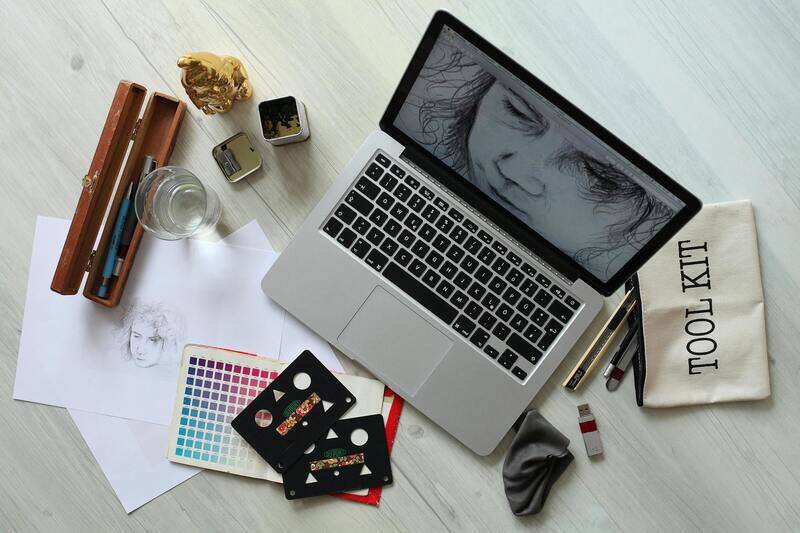
Types of Large Format Printing Technologies
Several advanced printing methods are employed to produce large format images, each suited to specific materials and output requirements:
- Inkjet Printing: By far the most prevalent technique, inkjet printing uses microscopic nozzles to deposit ink directly onto substrates with remarkable accuracy, making it ideal for photographic and artistic images requiring high detail.
- Solvent and Eco-Solvent Printing: Utilizing solvent-based inks, these printers offer excellent weather resistance and color vibrancy, suitable for outdoor advertisements and signage exposed to varying environmental conditions.
- Dye Sublimation: Primarily used for fabric or textile materials, this process involves turning dye into gas under heat and embedding it into the material, resulting in vivid, long-lasting images perfect for banners and soft signage.
- UV Printing: Employing ultraviolet light to dry inks instantly, UV printing allows for on-demand, durable printing on rigid surfaces such as acrylic, glass, or metal, producing vivid, three-dimensional effects.
Material Options for Large Format Photos
The selection of material impacts both the visual aspects and longevity of large format prints. Common options include:
- Photographic Paper: Available in glossy, semi-gloss, and matte, offering high resolution and color fidelity tailored for gallery or display purposes.
- Vinyl: Robust and weather-resistant, suitable for outdoor banners and signage with options for matte or gloss finishes.
- Canvas: A textured surface that imparts an artistic, painterly quality to photographs, ideal for decorative or fine art presentations.
- Acrylic and Polycarbonate: Transparent or translucent substrates that enable backlit applications, elevating visual impact in commercial or artistic settings.
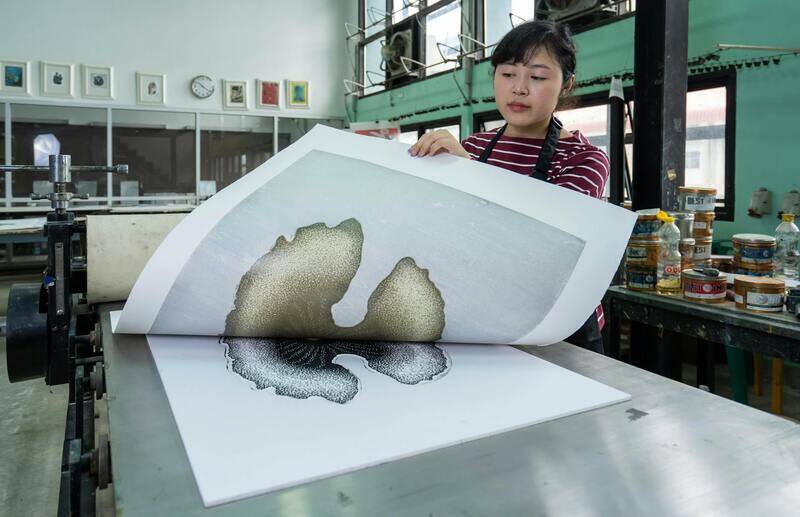
Design Preparation and File Specifications
Effective large format printing begins with meticulous pre-press work. High-quality results depend on preparing digital files that meet specific technical standards:
- Resolution: Files should be optimized at a resolution of at least 150-300 dpi at the final print size to ensure sharpness and detail.
- Color Mode: Use CMYK color mode to match printing inks, facilitating accurate color reproduction.
- File Format: Preferred formats include TIFF, PDF, or high-quality JPEG, ensuring that image data remains intact without compression artifacts.
- Bleed and Margins: Incorporate adequate bleed and safe margins to prevent unwanted borders or cropping issues during printing and installation.
Prepress checks, color calibration, and proofing stages are essential to reduce errors and deliver a final product that aligns precisely with your vision.
Material Options for Large Format Photos
When selecting materials for large format photo printing, it is essential to consider the environment, desired appearance, and longevity. High-quality materials can significantly enhance the visual impact and durability of your prints.
- Vinyl: This versatile material offers durability and weather resistance, making it ideal for outdoor banners, signage, and promotional displays. Vinyl options come with matte or gloss finishes, allowing customization based on the desired visual effect and ambient lighting conditions.
- Canvas: Known for its textured surface, canvas imparts an artistic and painterly quality to photographs. It is well-suited for decorative purposes and fine art displays where an aesthetic, textured look enhances the overall presentation. Canvas prints often require proper mounting to prevent warping or sagging over time.
- Acrylic and Polycarbonate: These transparent or translucent materials provide a sleek, modern appearance and are excellent choices for backlit displays. They add depth and vibrancy to images, making them suitable for gallery settings, commercial displays, and artistic installations. Their high gloss finish amplifies color richness and detail.

Design Preparation and File Specifications
Achieving high-quality results in large format photo printing begins with proper preparation of your digital files. It is crucial to follow specific technical standards to ensure the details, colors, and overall quality are preserved during the printing process.
- Resolution: Files should be prepared at a resolution of at least 150-300 dpi at the final print size. This ensures that images are sharp, detailed, and free from pixelation when enlarged.
- Color Mode: Use the CMYK color mode to accurately reflect the inks used during printing. This helps in maintaining color fidelity and consistency across different print runs.
- File Format: Preferred formats include TIFF, PDF, or high-quality JPEG. These formats retain image integrity without compression artifacts and support the color and resolution standards required for large format printing.
- Bleed and Margins: Include adequate bleed areas and safe margins to prevent unwanted borders or cropping issues. This provides flexibility during trimming and installation, preserving the visual composition.
Additionally, pre-press checks such as color calibration, proofing, and review stages are vital to identify potential issues beforehand, ensuring the final print meets your expectations with precise color accuracy and detail.
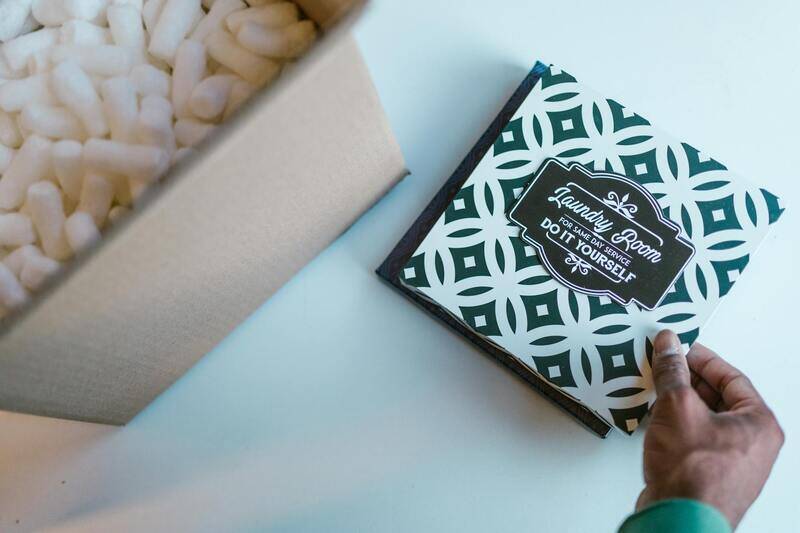
Proper Handling, Installation, and Maintenance of Large Format Photo Prints
To maximize the visual impact and longevity of your large format photo prints, adopting correct handling, installation, and maintenance practices is essential. These steps help prevent damage, preserve color accuracy, and ensure that your high-quality images remain vibrant over time.
Handling Large Format Photos
- Always wear clean, powder-free gloves when handling prints to prevent fingerprints, oils, and dirt from transferring onto the surface, which can cause staining or deterioration.
- Use both hands to support the print from the edges, avoiding contact with the image surface. This reduces the risk of bends, tears, or smudges.
- When moving or transporting large prints, roll them carefully with the image side inward on a clean, padded tube designed for large-format materials. This minimizes creases and physical stress.
- Store unused prints flat in a protected, climate-controlled environment if flat storage is preferred, using acid-free backing boards to prevent bending and chemical damage.
Installation Tips for Large Format Photos
- Use appropriate mounting systems suited for large prints, such as tension rods, framing, or adhesive solutions that do not damage the material.
- Align the print precisely to avoid sagging or skewing, especially in high-visibility areas.
- Ensure the installation space has controlled temperature and humidity, reducing the risk of warping, curling, or fading.
- Consider UV-protective coatings or laminates during installation to shield against sunlight exposure, which can accelerate fading and deterioration.
Cleaning and Maintenance Practices
- Regularly dust the surface with a soft, lint-free cloth or a gentle brush to remove dirt and debris without scratching the print.
- In case of smudges or fingerprints, lightly dampen a microfiber cloth with distilled water or a pH-neutral cleaning solution designed for printed materials, then gently wipe the surface.
- Avoid using harsh chemicals, abrasive cleaners, or excessive moisture, as these can damage the ink or surface coating.
- If applicable, apply a protective UV-resistant laminate or coating that can be cleaned easily and provides an additional barrier against environmental pollutants.
- Periodically inspect the print for signs of damage such as peeling, fading, or mold, and address issues promptly with professional restoration or preservation services.
Environmental Considerations
Maintaining ideal environmental conditions is key to preserving large format photos. Control indoor humidity levels to prevent warping or mold growth, and avoid exposure to direct sunlight or extreme temperature fluctuations. Proper ventilation also helps in reducing the accumulation of airborne pollutants that can degrade the print over time.
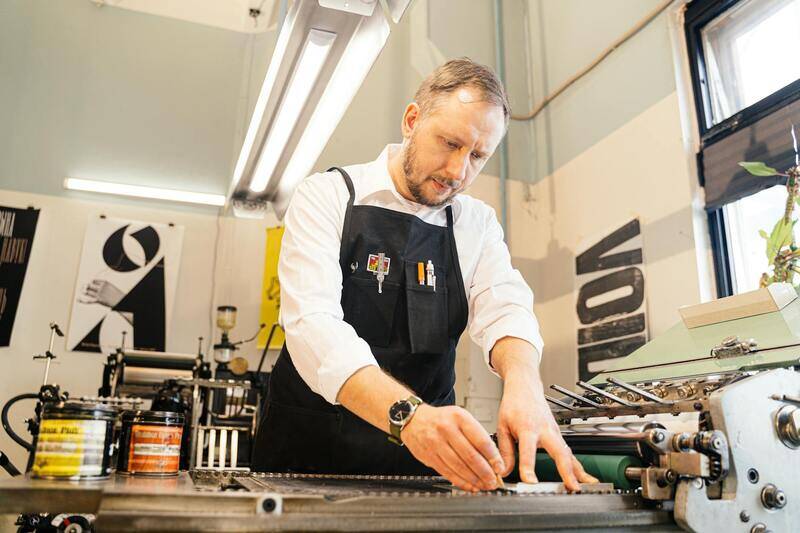
By following these detailed handling and maintenance guidelines, clients can enjoy vibrant, professional-quality large photo prints that withstand the test of time while maintaining their aesthetic appeal and prominence within any space.
