
Understanding Big Format Printing
Big format printing, often recognized as large-scale printing, involves the production of graphics and visuals on surfaces larger than standard print formats. It is distinguished by its capability to produce highly visible, vibrant images on expansive surfaces, making it an essential tool across diverse industrial sectors. This printing method caters to a broad scope of applications, from advertising billboards and exterior banners to interior wall murals, trade show displays, and architectural signage. The defining characteristic of big format printing lies in its ability to maintain image quality and color accuracy at large sizes, ensuring messages are impactful and visually striking from a distance.
Industries that extensively utilize big format printing include advertising, retail, construction, events management, and hospitality. For marketing campaigns, bold visuals and eye-catching graphics are crucial for brand visibility, which big format printing delivers effectively. Similarly, in retail environments, large displays attract customer attention and promote products or promotions. The durability of the materials used and the quality of the print process are vital in ensuring that these large-scale visuals withstand environmental exposure and maintain vibrancy over time.
In the context of Singapore’s dynamic business landscape, big format printing offers organizations a strategic advantage by enabling high-impact visual communications that can be customized for various purposes. Whether it’s creating immersive retail displays or constructing large outdoor advertising billboards, this technique supports both brand promotion and information dissemination at an impressive scale. The versatility of big format printing’s applications underscores its importance as a mainstay in modern visual communication strategies.
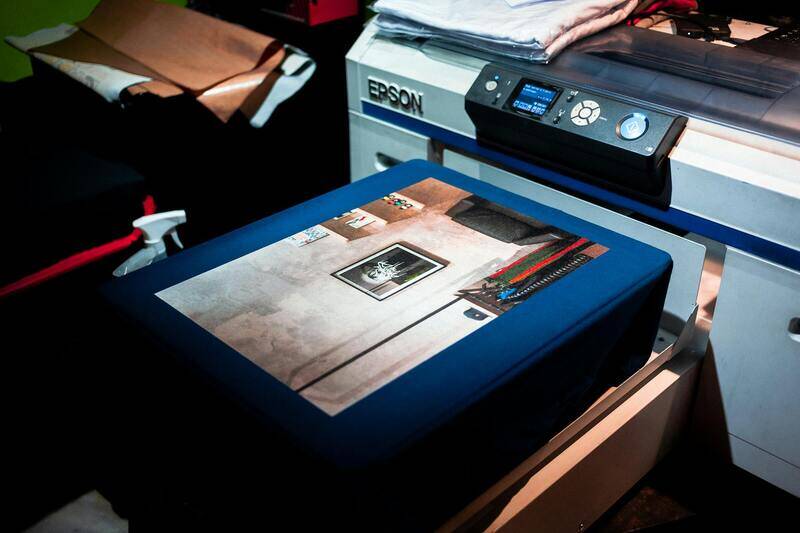
Key Characteristics of Big Format Printing
- High-resolution output capable of producing detailed images at large sizes
- Versatile surface compatibility, including paper, vinyl, fabric, and corrugated materials
- Durability and weather-resistance suited for both indoor and outdoor use
- Cost-effective for producing large-scale visuals compared to traditional methods
- Customizable to meet specific size, shape, and design requirements
Understanding these characteristics is essential for selecting the right printing method and materials to match the intended application. The successful execution of big format printing hinges on precise calibration and quality control, which ensures the final product exhibits sharpness, vivid colors, and consistency across the entire surface. Recognizing its broad capabilities and strategic importance helps organizations leverage big format printing to elevate their brand presence and communication efforts effectively in Singapore’s competitive market.
Types of Big Format Printing Technologies
Inkjet Printing
Inkjet printing remains a popular choice for large-format projects due to its ability to produce highly detailed, vibrant images with a broad color spectrum. It utilizes tiny nozzles that spray droplets of liquid ink directly onto substrates such as paper, vinyl, or fabric. This technology is ideal for creating banners, posters, and detailed graphics that require precision and color accuracy. Modern inkjet printers are equipped with advanced print heads capable of handling high volume output while maintaining consistency and sharpness across expansive surfaces.
Solvent and Eco-Solvent Printing
Solvent printing employs solvent-based inks that are known for their excellent adhesion properties and weather resistance. This technology is well-suited for outdoor signage, billboards, and vehicle wraps, where exposure to the elements is frequent. Eco-solvent printers operate similarly but use less hazardous chemicals, making them more environmentally friendly while still maintaining durability and vibrant color output. The inks penetrate the substrate surface, ensuring longevity and resistance to UV fading, which is essential for visibility over extended periods.
UV Printing
UV printing involves curing ultraviolet light across layers of UV-sensitive inks, allowing for immediate drying and the ability to print directly on rigid or non-porous surfaces like acrylic, metal, and glass. This process provides high-quality, detailed images with excellent adhesion and scratch resistance. UV printing is especially suitable for producing custom signage, decor, and promotional items that require a durable, premium finish.
Advantages of Different Technologies
- Inkjet: Exceptional detail, vibrant colors, versatile media compatibility
- Solvent/Eco-solvent: Superior weather resistance, longevity, ideal for outdoor use
- UV: Rigid material printing, high durability, excellent for customized applications
Materials Used in Big Format Printing
The selection of materials plays a pivotal role in determining the success and longevity of big format prints. Common substrates include vinyl, fabric, paper, canvas, and rigid surfaces such as acrylic, metal, and wood. Each material presents unique properties that influence the printing process and final application:
- Vinyl: Widely used for banners, vehicle wraps, and outdoor signage due to its weather-resistant qualities.
- Fabric: Suitable for soft signage, backdrop displays, and event banners, offering a premium, textured appearance.
- Paper and Canvas: Ideal for indoor displays, art reproductions, or decorative applications, emphasizing detail and color depth.
- Rigid Materials (Acrylic, Metal, Wood): Employed for signs, plaques, and decorative panels that demand a durable, high-end look.
Design and Artwork Preparation Guidelines
Preparing artwork correctly ensures the final output meets high-quality standards and matches client expectations. Key considerations include:
- Resolution: Files should be created at a minimum of 150 dpi at final print size to ensure sharpness.
- Color Profiles: Use CMYK color profiles to simulate printed colors accurately, avoiding unexpected color shifts.
- File Formats: Preferred formats include TIFF, PDF, or EPS, which preserve image quality and support high-resolution printing.
- Bleed and Margins: Incorporate bleed areas (usually 3-5mm) to prevent unwanted white borders after trimming.
- Design Elements: Ensure text is legible at large sizes and that images are high quality without pixelation.
Adhering to these guidelines mitigates risks of delays or unsatisfactory results, facilitating smoother workflows and consistent quality in big format printing projects.
Understanding Big Format Printing
Big format printing, often referred to as large-scale or wide-format printing, encompasses a range of printing processes designed to produce oversized graphic displays suitable for various commercial, industrial, and decorative applications. This form of printing enables the creation of eye-catching visuals that are impactful from a distance, making it indispensable for advertising, branding, and visual communication strategies. By leveraging advanced printing technologies, businesses and organizations can produce banners, posters, billboards, and other promotional materials that effectively attract attention and convey messages. Ensuring high-quality output involves selecting appropriate substrates, optimizing digital artwork, and choosing the right printing techniques, all of which contribute to the durability and visual appeal of the finished product.
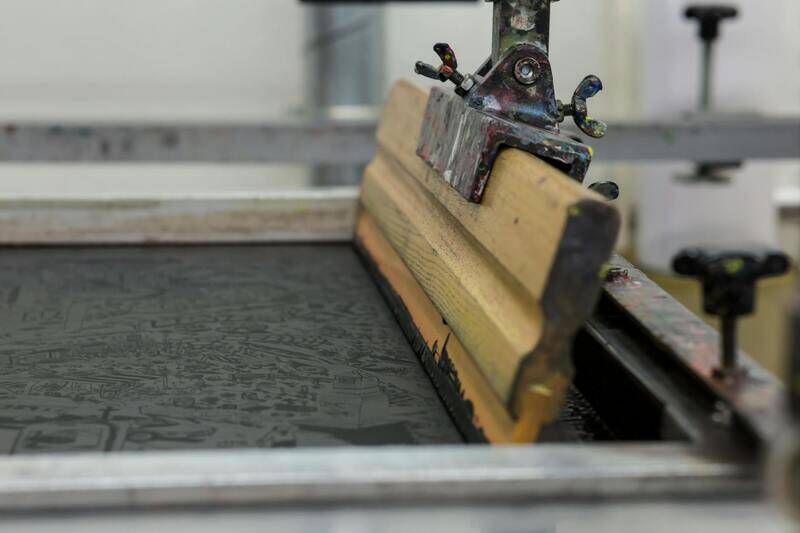
Types of Big Format Printing Technologies
Multiple technologies are employed in big format printing, each offering specific advantages depending on the application and substrate involved. The most common techniques include:
- UV Printing: Utilizes ultraviolet light to cure ink instantly, enabling printing on a variety of rigid and flexible surfaces with vibrant colors and high durability. Ideal for signage panels, decorative objects, and customized displays.
- Solvent and Eco-Solvent Printing: Uses solvent-based inks that provide excellent adhesion and weather resistance, suitable for outdoor banners and vehicle wraps. Eco-solvent options are environmentally friendlier while maintaining high quality.
- Latex Printing: Employs water-based latex inks that offer flexibility, quick-drying capacity, and eco-friendliness, making it suitable for fabric banners and wall coverings.
- Piezoelectric Inkjet Printing: Involves precise ink droplet control for detailed and color-rich images, frequently used for art reproductions and detailed signage.

Selection of Materials Used in Big Format Printing
Choosing the right material is crucial in big format printing, as it affects both aesthetic qualities and durability. Common substrates include:
- Vinyl: A versatile material ideal for outdoor banners, vehicle wraps, and signage that require weather resistance and longevity.
- Fabric: Often used for soft signage, such as theater backdrops, trade show displays, and artistic installations, offering a premium, textured appearance.
- Paper and Canvas: Suited for indoor applications like art reproductions, decorative posters, and gallery displays, emphasizing fine detail and color richness.
- Rigid Materials (Acrylic, Metal, Wood): Employed for signs, plaques, and decorative panels that demand a sturdy, high-end finish with long-lasting attributes.

Design and Artwork Preparation Guidelines
Proper preparation of digital files ensures optimal output quality and reduces production delays. Essential guidelines include:
- Resolution: Prepare artwork at a minimum of 150 dpi at final print size to guarantee sharpness and clarity.
- Color Profiles: Use CMYK color profiles to accurately simulate printed colors and prevent discrepancies in hue and saturation.
- File Formats: Save artwork in TIFF, PDF, or EPS formats to preserve image quality and facilitate high-resolution printing.
- Bleed and Margins: Incorporate 3-5mm bleed zones around designs to avoid unwanted white borders after trimming.
- Design Elements: Text should be legible from a distance, and images should be high-resolution to prevent pixelation.
Adhering to these standards helps streamline production processes, ensuring consistent and professional results in big format printing projects.
Choosing the Right Materials for Your Big Format Prints
One of the critical factors in achieving outstanding results in big format printing is selecting suitable materials that align with the project's purpose and environment. Each substrate offers unique benefits and characteristics, making it imperative to understand their properties thoroughly.
- Vinyl: A popular choice for outdoor signage, vinyl offers excellent durability against weather conditions, UV resistance, and flexibility. It is ideal for banners, vehicle wraps, and large-scale advertising displays that require longevity and resilience.
- Fabric: Often utilized for soft signage such as trade show backdrops, banners, and artistic installations, fabric provides a textured, premium appearance. Its lightweight nature makes it easy to handle and transport, while also enabling vibrant color reproduction.
- Rigid materials (Acrylic, Metal, Wood): Suitable for high-end signage, plaques, and decorative panels, these materials deliver a sturdy, professional finish. Acrylic offers clarity and gloss, making it perfect for illuminated signs, whereas metal and wood offer a more rustic or industrial aesthetic, emphasizing durability and sophistication.
- Paper and Canvas: These substrates are more suited for indoor applications like fine art reproductions, gallery displays, and promotional posters. They emphasize detailed color fidelity and artistic expression.
Understanding the environment where the printed material will be displayed is essential when choosing the material. For outdoor use, weather-resistant and UV-stable substrates are preferable. Conversely, for indoor applications, aesthetics and fine detail are often prioritized.
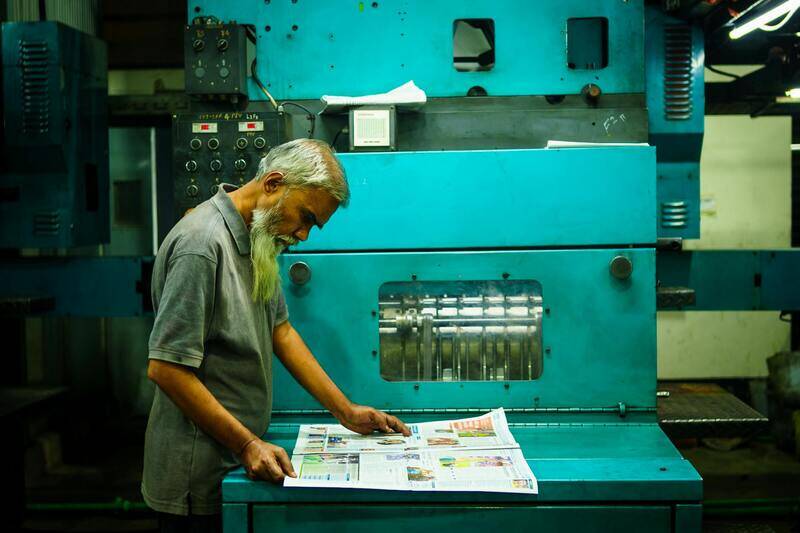
Color Management and Finishing Techniques in Big Format Printing
Effective color management is vital in big format printing to guarantee that the final output accurately reflects the original design intentions. This begins with proper digital file preparation, including the use of calibrated monitors and consistent color profiles. Adopting CMYK color profiles ensures color accuracy during the printing process, minimizing discrepancies in hue and saturation.
Post-print finishing techniques also significantly impact the appearance and durability of the printed material:
- Laminating: Applying a protective layer enhances resistance to scratches, UV rays, and moisture, extending the lifespan of outdoor signage.
- Mounting and Framing: Integrating prints onto rigid substrates or framing provides additional stability and facilitates display.
- Cutting and Trimming: Precise trimming ensures clean edges and accommodates bleed zones, preventing unwanted white borders.
Attention to these details results in a polished, professional presentation that meets high standards of quality and durability. Proper finishing not only improves aesthetics but also contributes significantly to the longevity of large format prints in varying conditions.
Standard and Custom Sizes in Big Format Printing
Big format printing offers a wide range of sizes to cater to diverse project requirements, from standard dimensions used widely in indoor banners and posters, to highly customized sizes for large-scale outdoor signage or bespoke interior installations. Standard sizes often include common widths like 1.2 meters, 2.4 meters, or 3 meters, with lengths varying according to the project scope. These sizes are optimized for convenience, efficiency, and cost-effectiveness, enabling quick turnaround times for bulk orders or regular projects.
For projects demanding unique specifications, custom sizes are meticulously crafted to ensure a perfect fit and optimal visual impact. Custom sizing involves precise measurement and planning, often requiring advanced cutting and finishing techniques to maintain image integrity along the borders and edges. This precision enhances the overall appearance and ensures that the final product seamlessly integrates into the intended environment, whether it is a large storefront display, an expansive event backdrop, or an impressive mural.

Choosing the appropriate size involves evaluating several factors, including the viewing distance, ambient lighting, and the nature of the display environment. Larger prints demand consideration of installation logistics and material strength to support the substantial weight and dimensions, ensuring safety and durability. Skilled print providers utilize advanced equipment and techniques to produce consistent quality regardless of size, ensuring that large, custom-sized prints deliver the intended visual impact without compromising on clarity or color accuracy.
Considerations for Scaling Artwork for Large Format Printing
When preparing artwork for big format printing, scaling is a critical aspect that influences the final visual quality. Artwork should be designed or adapted at high resolution, ideally 300 DPI or higher at the final print size, to prevent pixelation or blurriness. Vector graphics are preferred for logos and illustrations because they can be resized infinitely without losing quality.
It’s essential to review and adjust the artwork dimensions thoroughly, paying special attention to resolution, aspect ratio, and bleed margins. Bleed areas extend beyond the final trim size to accommodate cutting tolerances, preventing unsightly white borders. Additionally, color profiles should be set to CMYK to simulate how colors will appear once printed, facilitating accurate color management throughout the production process.
Printing specialists often utilize digital mockups, allowing clients to visualize the scaled artwork in a simulated environment before final production. This step helps identify potential issues related to scaling, color consistency, or image quality, enabling adjustments to be made early in the process for optimal results.

Ultimately, meticulous planning and execution in artwork scaling ensure that the finished print accurately reflects the original design intent, maintains visual impact across expansive surfaces, and aligns with the project’s strategic goals for visibility and aesthetics. Proper collaboration with printing specialists and understanding the technical requirements of big format printing help achieve professional, seamless results that meet high standards of quality and longevity.
Understanding Big Format Printing
Big format printing, also known as large format printing, involves creating high-quality prints on surfaces larger than standard sizes, typically exceeding 24 inches in width. This printing technique is essential for producing impactful visual displays, banners, posters, and other marketing materials that demand high visibility and durability. The key to successful big format printing lies in meticulous planning, precise execution, and choosing the right materials and techniques to meet specific project requirements.
Fundamentals of Big Format Printing
This process employs specialized printers capable of handling large substrates without compromising image clarity or color vibrancy. These printers utilize advanced ink delivery systems that produce sharp details and consistent color outputs across wide surfaces. The ability to print seamlessly on expansive surfaces makes big format printing an invaluable asset in advertising, event promotion, interior design, and outdoor branding.

Required Quality Assurance Measures
- Color consistency and accuracy in bulk production batches
- Color profile management using CMYK for true-to-design colors
- Use of high-resolution images to prevent pixelation
- Surface preparation for optimal ink adhesion
- Correct handling and storage of printed materials to prevent damage
Types of Big Format Printing Technologies
Choosing the right technology is critical for achieving desired quality, durability, and cost efficiency. The main printing techniques include:
- Solvent and Eco-Solvent Printing: Known for their outdoor durability and vibrant color output, these printers use solvent-based inks that penetrate the substrate for weather-resistant signs and banners.
- UV Printing: This technology involves curing UV light on special inks that can print on a variety of surfaces, including rigid materials like plastics or glass, making it ideal for custom interior decor and signage.
- Latex Printing: A greener alternative, latex-based inks provide excellent flexibility, quick drying times, and vibrant colors, suitable for indoor and outdoor applications.
- Piezoelectric Inkjet Printing: Often used for detailed graphics and photographic quality outputs on wide formats, especially on fabrics and textured surfaces.

Considerations When Selecting a Technology
- Application environment (indoor or outdoor use)
- Required longevity and weather resistance
- Material compatibility
- Color vibrancy and resolution requirements
- Budget constraints and production timelines
Materials Used in Big Format Printing
The choice of materials significantly influences the durability, appearance, and application suitability of big format prints. Common substrate options include:
- Vinyl (Self-Adhesive and Banner): Highly versatile and weather-resistant, ideal for outdoor signage, banners, and vehicle wraps.
- Fabric: Used for softer, flexible displays like backdrops, trade show booths, and Art installations, offering a sleek and elegant finish.
- PVC Boards and Acrylics: Rigid materials suitable for signs, displays, and custom artwork that require a sturdy structure.
- Mesh Fabrics: Designed for large banners exposed to outdoor elements, allowing wind passage without compromising print quality.
- Paper and Cardboard: Suitable for indoor displays, temporary signage, and promotional materials.
Material Selection Tips
- Evaluate environmental exposure factors such as UV light, moisture, and wind.
- Choose substrates that complement the intended display location and lifespan.
- Consider ease of installation and potential for reusability or recycling.
- Work with suppliers to ensure material compatibility with chosen printing technology.
Understanding Big Format Printing
Big format printing has become an essential component in the visual communication strategies of businesses across Singapore. This specialized printing process focuses on producing large-scale graphics that command attention and convey messages with clarity and impact. The importance of selecting appropriate technologies and materials cannot be overstated, as these directly influence the longevity, appearance, and effectiveness of the final product.
Technological Advancements and Methods
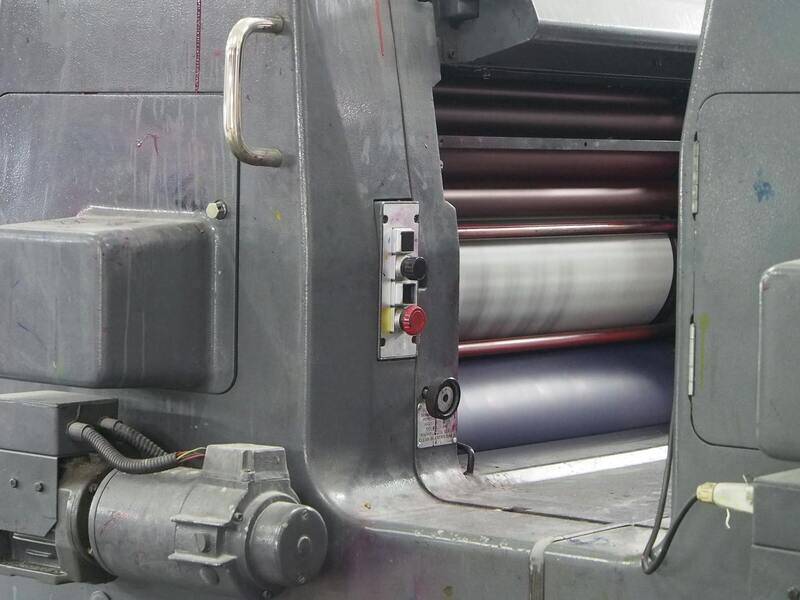
Traditional large-scale printing relied heavily on screen printing and lithography. Today, digital large format printing has revolutionized the industry, enabling faster turnaround times and more detailed, vibrant outputs. Inkjet printing dominates this space due to its precision and versatility, allowing for high-resolution images suitable for indoor displays, outdoor signage, vehicle wraps, and more. Solvent, eco-solvent, latex, and UV-curable printers each offer unique advantages tailored to various application needs, from weather resistance to eco-friendliness.
Ensuring Quality and Precision
High standards in big format printing demand meticulous attention to detail throughout the process. Calibration of printers ensures color consistency and sharpness, vital for branding and promotional materials. Awareness of printing resolution, color profile management, and ink compatibility with substrates assists in achieving project specifications. Moreover, digital workflows facilitate pre-visualization, allowing clients to approve designs before production begins, minimizing errors and ensuring satisfaction.
Environmental and Sustainability Considerations
With increasing ecological awareness, many printing companies in Singapore adopt environmentally responsible practices. The use of recyclable materials and eco-solvent or latex inks reduces environmental impact without compromising quality. Proper waste disposal and energy-efficient machinery further underscore a commitment to sustainability. Businesses seeking greener options should collaborate with providers offering certified environmentally friendly solutions, aligning their branding with eco-conscious values.
Application-Specific Customization
Given the diverse use cases—from outdoor billboards to interior murals—customization is key. Choosing the correct substrate based on location, weather conditions, and desired longevity ensures that the print performs as intended. For instance, vinyl banners with UV-resistant inks are suitable for outdoor advertising, while fabric prints are preferred for indoor events or exhibitions due to their aesthetic qualities. Tailored solutions maximize return on investment and enhance visual impact.
Investing in quality printing processes and materials guarantees a durable, vibrant, and visually appealing result that resonates with the target audience. Whether it’s a temporary promotional display or a long-term outdoor installation, the right approach ensures a compelling visual presence in Singapore’s competitive market landscape.
Legal Procedures for Big Format Printing in Singapore
Adherence to Local Regulations and Standards
Operating an effective big format printing service in Singapore requires compliance with a set of established procedures that safeguard quality, safety, and environmental standards. Businesses must register with relevant authorities and ensure their operations align with national standards for signage and advertising materials. This encompasses adherence to guidelines concerning dimensions, placement, and content to prevent violations of municipal codes and ensure public safety. Customarily, regulatory bodies issue specific permits for large-scale signage, especially for outdoor installations like billboards and banners, underscoring the importance of official approval processes prior to printing and installation.

Submission of Official Documentation
Before commencing large-scale projects, companies are required to submit detailed plans and artwork samples for approval. This documentation typically includes scaled design mockups, material specifications, and installation details. The review process ensures that the proposed signage conforms to statutory regulations, aesthetic standards, and spatial requirements. Submissions are reviewed by municipal or industry-specific regulatory bodies, which may provide feedback or require modifications to meet official guidelines. Securing this approval is a crucial step that prevents legal complications once the signage is deployed in public spaces.
Permitting and Licensing Steps
Securing permits involves presenting comprehensive project details, including the scope, location, and duration of display. A formal application process requires submitting relevant documents, which may include proof of ownership or authorization from property owners if the signage is installed on private premises. Payments of applicable fees and adherence to stipulated timelines are part of the procedural framework. Once permits are granted, businesses gain the legal authority to proceed with printing and installation, with continued compliance monitored through periodic inspections and adherence to safety standards.
Environmental and Safety Compliance
Environmental regulations govern the sourcing of materials and waste management practices in big format printing. Approved printing inks, such as eco-solvent or latex inks, should meet specific volatility and toxicity standards to minimize health and environmental risks. Additionally, safety protocols must be established during the installation process to ensure worker and public safety, including proper handling of heavy materials and elevated work platforms. Periodic audits are often conducted to verify ongoing compliance, emphasizing the importance of maintaining industry best practices.
Inspection and Enforcement Procedures
Post-installation, signage and printed materials are subject to routine inspections by authorities to ensure ongoing compliance with established standards. Violations, such as improper placement, excessive height, or non-compliant content, may result in fines, removal orders, or shutdowns. Businesses must maintain thorough documentation of permits, approvals, and compliance checks to facilitate swift resolutions and avoid disruptions. These procedures underscore the structured approach to uphold integrity and safety in Singapore’s vibrant advertising landscape.
