Overview of Big Format Printing
Big format printing, also known as large-scale printing, refers to the process of creating prints that are significantly larger than standard sizes. This specialized printing method is designed to produce visuals, banners, posters, signage, and other promotional materials that demand high visibility and impactful visual communication. Unlike traditional printing that focuses on small or medium-sized prints, big format printing emphasizes scale, clarity, and durability, making it an essential service in various industries such as advertising, retail, event management, and architecture.
One of the defining features of big format printing is its ability to produce vibrant, high-resolution images on expansive surfaces. This ensures that details remain sharp and colors stay vivid even at great sizes. Common applications include building wraps that cover entire facades, large banners for trade shows, storefront signage, and even murals. The benefits of adopting this printing method are numerous, including increased brand visibility, enhanced aesthetic appeal, and effective communication of messages to wider audiences.
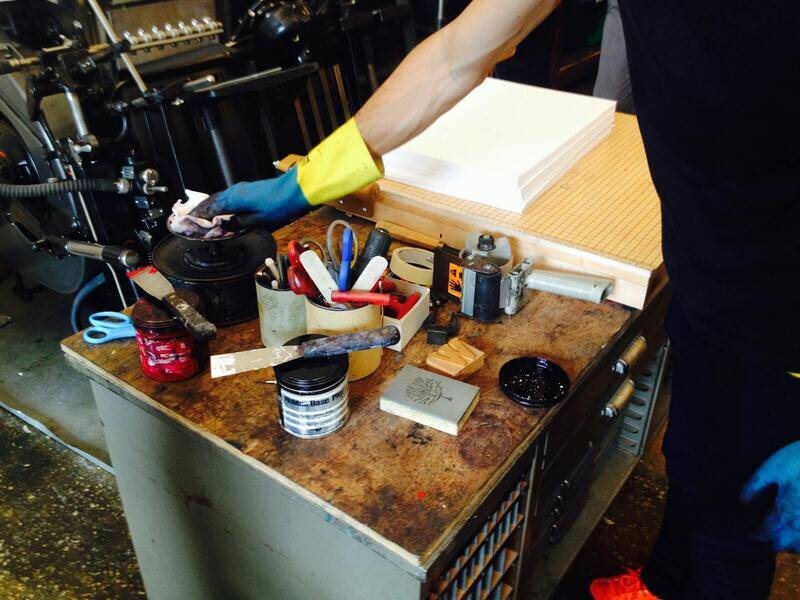
The advantages of big format printing transcend mere size. It offers high customization options, quick turnaround times, and the capability to print on diverse materials suited for outdoor or indoor use. Its versatility allows businesses and organizations to produce visually compelling materials tailored to specific event, branding, or informational needs. The ability to produce multi-dimensional and highly detailed visuals makes it an invaluable tool for creating an impactful impression across targeted audiences.

In summary, big format printing is a dynamic and essential component of modern visual communication. Its capacity to deliver massive, crisp, and eye-catching prints plays a pivotal role in commerce, public relations, and artistic expressions, enabling entities to reach larger audiences effectively and efficiently.
Materials Used in Large-Scale Printing
Choosing the right material is crucial to maximizing the visual impact and durability of big format prints. Various substrates are available, each suited for specific environments and purposes. Commonly used materials include vinyl, fabric, mesh, canvas, foam boards, and plyboard. Vinyl remains the most popular due to its versatility, weather resistance, and cost-effectiveness, making it ideal for outdoor banners, vehicle wraps, and building wraps. Fabric materials, on the other hand, are often preferred for indoor displays such as trade show backdrops and gallery installations due to their high-quality finish and ease of handling.
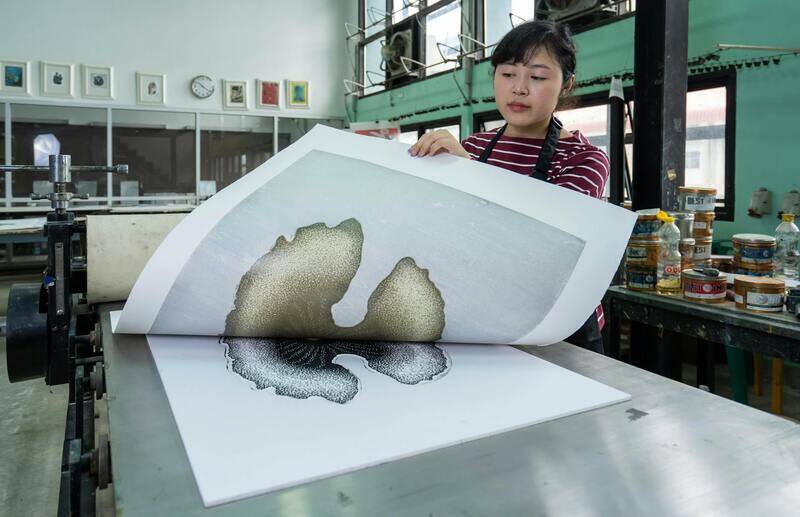
Mesh fabrics facilitate breathability and are suitable for large outdoor banners, especially when wind resistance is a concern. Foam boards and plywood are favored for indoor signage, point-of-sale displays, and exhibition panels because of their lightweight yet sturdy nature. Moreover, specialty materials like magnetic sheets and textured substrates can be used to create unique visual effects or functional displays.
Factors Influencing Material Selection
- Weather Resistance: Outdoor applications demand materials resistant to UV rays, rain, and wind.
- Print Quality: Certain materials enhance color vibrancy and image sharpness, crucial for high-resolution visuals.
- Durability: Long-term installations require sturdier materials that maintain their integrity over time.
- Ease of Installation: Lightweight options simplify handling and mounting processes.
- Cost: Budget considerations influence material choices without compromising on quality.
Advancements in material technology continue to expand options, allowing for more diverse, sustainable, and impact-driven large-scale prints that meet specific client and environmental needs.
Design Considerations for Big Format Prints
Creating impactful large format prints requires meticulous attention to design elements that optimize visual appeal, readability, and spatial harmony. The scale of these prints necessitates a focus on high-resolution images, since even minor pixelation can become magnified and diminish overall quality. Ensuring that all visual components are crisp and clear is fundamental for guaranteeing a professional and striking display.
Proper typography is essential, especially for outdoor signage or banners intended to be viewed from a distance. Fonts should be bold, simple, and legible, with sufficient contrast against the background to enhance visibility in various lighting conditions. The choice of colors must not only align with branding requirements but also consider environmental factors such as sunlight or artificial illumination, which can affect color perception.
Moreover, layout and composition play a pivotal role. Large format prints often serve as focal points within a space, so their design should guide viewers’ eyes naturally to key messages or visuals. Use of negative space and strategic placement of images can elevate the overall aesthetic and effectiveness of the signage.
In addition to visual elements, the materials' compatibility with design techniques such as UV printing, matte or gloss finishes, and textured surfaces extends the creative possibilities. Designers should collaborate closely with printing professionals to select the appropriate substrates and finishes that complement their artistic intent and meet functional needs.

Technical guidelines include maintaining adequate margins to prevent content from being cut off during installation, especially on banners or wraps with irregular shapes. Incorporating bleed areas into the design ensures that images or color backgrounds extend beyond the final dimensions, facilitating a seamless edge after trimming. Lastly, adherence to print specifications such as file formats, resolution, and color profiles is crucial to achieving optimal results and color consistency across the entire print run.
Materials Used in Large-Scale Printing
Choosing the right materials for big format printing is essential to achieve durability, visual impact, and suitability for the intended environment. The selection process involves evaluating various substrate options, each with unique properties that cater to different display needs and outdoor or indoor settings.
Vinyl banners are among the most versatile and cost-effective options for large-scale displays. They are lightweight, flexible, and capable of producing vibrant colors, making them ideal for promotional banners, event displays, and temporary signage. Customizable with various finishes, vinyl can be laminated for added protection against UV rays, moisture, and tearing, extending their lifespan.
Rigid materials such as aluminum sheets, acrylic, or PVC boards are commonly used for more permanent signage solutions. These materials provide structural stability and weather resistance, ensuring longevity even in harsh outdoor conditions. Metal-backed prints are often employed in roadside billboards or outdoor installations where resilience is a priority.
Fabric and textile substrates offer a premium look with a softer appearance, making them perfect for trade show backdrops, retail displays, and art installations. These materials often support dye-sublimation printing, which yields high-resolution images with rich, vibrant colors and excellent detail reproduction. The breathability of fabric also allows for lightweight and easy-to-assemble displays.
Specialized materials such as mesh fabrics are used where air circulation and wind resistance are concerns, such as large outdoor banners on scaffolding or fencing. The perforated nature of mesh allows visibility through the print while maintaining durability against weather exposure.
Advanced films and laminates also play a critical role in big format printing, providing surface protection, finish options (such as matte or gloss), and compatibility with various printing techniques. UV-resistant and weatherproof films ensure that the bright, crisp visuals stay intact over extended periods, even under sunlight or adverse environmental conditions.
When selecting materials, it’s crucial to consider factors such as the intended display environment, projected lifespan, and installation requirements. Collaborating with printing professionals to match the substrate choice with technology and design specifications can significantly enhance the final outcome, ensuring each large-scale print not only stands out visually but also performs reliably over time.
Design Considerations for Big Format Prints
Creating impactful big format prints requires meticulous attention to design elements, ensuring that visuals are compelling and communicate the intended message effectively. The scale of large prints provides both opportunities and challenges; designs must be optimized to maintain clarity, vibrancy, and readability from a distance.
Key factors to consider include resolution, layout, color schemes, and image quality. High-resolution files are essential to prevent pixelation and maintain crisp details when enlarged. Designers should employ vector graphics whenever possible, as these can be scaled infinitely without loss of quality, ensuring sharp lines and smooth curves.
The layout should prioritize focal points and key messages, positioning important visuals where they can be easily seen from afar. It’s vital to avoid cluttered compositions, opting instead for clean, bold visuals that stand out. Incorporating negative space can enhance the visibility of central elements, making the display more engaging and easier for viewers to interpret quickly.

Color choices can significantly impact the effectiveness of big format prints. Bright, contrasting colors tend to attract attention, but it’s crucial to select hues that align with branding guidelines and evoke the desired emotional response. Utilizing color calibration and ensuring consistency across multiple prints help in maintaining visual integrity.
Typography also plays a vital role. Fonts should be legible from a distance, favoring bold, sans-serif styles that communicate messages efficiently. Proper spacing and sizing ensure readability and avoid visual confusion, especially in environments with varying lighting conditions.
Practical considerations such as incorporating company logos, contact information, or calls to action should be seamlessly integrated into the design without overpowering the visual message. Collaboration with experienced designers and print specialists ensures that the final artwork is tailored to the specific dimensions, substrate, and placement environment, thus maximizing visual impact and durability.

Methods for Authenticating Big Format Printing
Ensuring the integrity and authenticity of large-scale printings is essential for businesses and individuals seeking quality and reliability. Several reputable methods exist that focus on verifying the origin and quality of big format prints through established techniques and technologies.
Utilizing Advanced Digital Watermarking
Digital watermarking involves embedding unique patterns or codes directly into the print design. These embedded markers are imperceptible to the naked eye but can be detected with specialized equipment or software. This method provides a discreet way to verify the authenticity of a print, as only authorized printers are capable of embedding and reading these watermarks.
Implementing Certified Printing Processes
Engaging with certified printing professionals who adhere to industry standards ensures that the prints produced are genuine. Certification programs often involve strict quality control measures, verified supplies, and adherence to specified techniques. When working with recognized providers listed on platforms like singaporeprinting.org, clients can be assured of consistent, high-quality outcomes.
Utilizing Secure Serialization and Barcoding
Applying unique serial numbers or barcodes to each print offers a tangible way to authenticate and track the artwork. These identifiers can be cross-referenced with a database managed by the printing service provider, enabling easy verification of authenticity and provenance. Serialization also facilitates inventory management and freshness tracking for bulk or ongoing print jobs.
Applying Tamper-Evident Labels and Seals
For extra security, especially on large installed displays or critical advertising banners, tamper-evident labels can be affixed. These seals reveal evidence of unauthorized alterations, ensuring the integrity remains intact throughout the lifespan of the print. This method is widely used in outdoor signage and promotional displays exposed to physical or environmental challenges.
Conducting Visual and Physical Inspection
Regular inspection by qualified personnel helps confirm that prints maintain their quality and accuracy. Checks should focus on the consistency of colors, the absence of damage, and the proper installation. This routine maintenance ensures ongoing authenticity and highlights any signs of tampering or degradation early.

Importance of Working with Reputable Providers
Partnering with professionally established printing companies that utilize verified methods and advanced technology enhances the authenticity and overall quality of big format prints. Reputable providers employ systematic procedures for quality assurance, documentation, and traceability, which serve as further validation of the legitimacy of the prints produced.
Choosing certified and experienced print professionals ensures that each large-format output is produced with precision, consistent quality, and verifiable authenticity. Such due diligence is vital, especially for high-value signage, branding materials, or displays intended to make a reliable impression.
Details of Big Format Printing Processes
Successful implementation of big format printing relies on adherence to rigorous procedural standards established by reputable printing entities. These procedures encompass a comprehensive set of steps designed to preserve the accuracy and fidelity of large-scale images and graphics from initial design through to final installation. Central to this process is the meticulous verification of digital files, ensuring that resolution, color profiles, and formatting meet industry specifications before printing commences.
Once the design files are validated, the selection of printing technology and material occurs. Operators utilize advanced equipment calibrated regularly to maintain consistency, enabling the reproduction of vivid, precise images that align with client expectations. This calibration process involves standardized testing and adjustments that optimize color accuracy, ink distribution, and print speed, thereby reinforcing the high standards associated with professional big format printing.
Post-printing procedures involve quality checks to detect any deviations or flaws that could compromise the final presentation. These inspections typically include color fidelity assessments, dimensional assessments to confirm size accuracy, and surface examinations for defects such as smudging, peeling, or uneven ink application. When necessary, prints undergo post-processing steps like lamination or mounting, conducted under controlled conditions to preserve integrity and enhance durability.

For installations, professional handling ensures that large prints are mounted securely and align precisely with designated spaces. Techniques such as tension mounting or framing are often employed to prevent sagging or warping, further demonstrating the importance of working with experienced providers who follow standardized protocols. Routine maintenance and periodic inspections after installation are crucial for detecting issues such as fading, peeling, or damage caused by environmental exposure, allowing timely corrective actions to uphold the aesthetic and functional qualities of the display.
Official methods emphasize strict adherence to documented procedures, quality assurance measures, and ongoing staff training to ensure consistency and safety in all stages of the big format printing process. Employing these established protocols guarantees that each finished product maintains its integrity, authenticity, and visual impact over its intended lifespan, establishing confidence in the reliability of large-scale print media produced by professional entities.
Installation and Maintenance of Large Prints
The proper installation of large-format prints is crucial to ensure their visual impact and longevity. Professional installation involves precise mounting techniques that align with the specific materials and surface conditions of each print. Tension mounting is frequently utilized to prevent sagging and ensure that the graphic remains taut and flat, thereby enhancing its aesthetic appeal. Framing options, such as aluminum extrusions or custom wood frames, further secure the print and provide additional protection against environmental factors.

Environmental considerations are integral to the maintenance of large-format prints. Regular inspections should be conducted to identify early signs of fading, peeling, or physical damage. Cleaning methods must be compatible with the printing materials and inks used; generally, gentle dusting with soft, non-abrasive cloths is recommended. For prints exposed to outdoor conditions, additional protective coatings or lamination are often applied to enhance resistance against UV rays, moisture, and pollutants.
Maintaining the appearance and structural integrity of large-format prints involves routine care and timely interventions. When signs of deterioration are detected, professional reconditioning, such as re-lamination or re-mounting, can restore the print to its original quality without the need for complete replacement. Proper storage when not on display also contributes substantially to durability, especially for transportation or prolonged periods when the print is not in use.
Cost Factors and Printing Efficiency
Several factors influence the cost and efficiency of big format printing, including the choice of materials, ink types, and printer technology. High-quality, durable substrates and premium inks generally lead to higher initial investments but extend the lifespan of the final product and reduce maintenance costs, making them favorable choices for high-impact displays. Advanced printing techniques, such as multi-layer printing or high-resolution output, can enhance visual quality but may increase production time and expenses.
- Material Selection: The use of weather-resistant or specialty materials can add to costs but provide better performance for outdoor or specific applications.
- Printer Technology: State-of-the-art printers with faster output speeds and higher resolutions improve productivity and print quality, optimizing overall operational costs.
- Production Workflow: Streamlined processes, including pre-press preparation, efficient ink usage, and automation, contribute to cost savings and faster turnaround times.
Balancing quality, turnaround time, and cost is essential for achieving optimal efficiency without compromising on the quality standards expected in professional big format printing. Investing in reliable equipment and skilled personnel directly impacts the success and sustainability of large-scale printing projects.