
Understanding Large Format Photo Paper
Large format photo paper is a specialized material designed for high-quality, large-scale photographic displays and prints. Its core attributes include a substantial width and length, enabling the production of images that are typically displayed in galleries, advertisements, or promotional events. These papers are engineered to capture fine details, vibrant colors, and a wide dynamic range, making them ideal for professional photography, fine art reproductions, and commercial displays.
The primary characteristics that define large format photo paper encompass surface texture, coating, and thickness. Surface textures vary from smooth gloss to matte or satin finishes, each offering different aesthetic and reflective qualities suited for specific display needs. The coating on the paper enhances color density, sharpness, and durability, ensuring that the printed images retain their vibrancy over time. Thickness varies depending on the intended application; thicker papers provide more rigidity and durability, suitable for mounting or framing.
Applications of large format photo paper are diverse, spanning from fine art printing and photographic exhibitions to commercial advertising and retail displays. Its ability to reproduce high-resolution images with clarity and depth makes it the preferred choice for artists, photographers, and printing service providers seeking to produce impactful visual presentations.

In addition to traditional photographic prints, large format photo paper is also used to create murals, backdrops, and point-of-purchase displays, emphasizing its versatility in various visual communication contexts. The choice of paper type and finish significantly influences the final output, highlighting the importance of selecting the appropriate material to meet specific project requirements.
Material and Quality Considerations
Selection of the right large format photo paper hinges on understanding the material composition and manufacturing standards that influence print quality and durability. Premium substrates are often made from high-quality cellulose or coated papers that offer excellent ink adhesion and color accuracy. The coating layer, typically made of a polymer or other synthetic materials, enhances the image’s sharpness, vibrancy, and water resistance, making it essential for archival-quality prints.
The weight and thickness (or basis weight) of the paper are critical indicators of its robustness and suitability for different display methods. Thicker papers, generally ranging from 200 gsm to 400 gsm, provide added rigidity, which is beneficial for mounting without additional backing. Lighter options may be preferable for roll-up banners or lightweight displays.
Moreover, consistent quality control during manufacturing ensures uniform surface texture, coating application, and thickness, all of which contribute to achieving high-resolution, detail-rich images. It is advisable to choose suppliers who adhere to recognized industry standards, ensuring that the materials used meet technical specifications for professional printing.
Printing Techniques and Compatibility
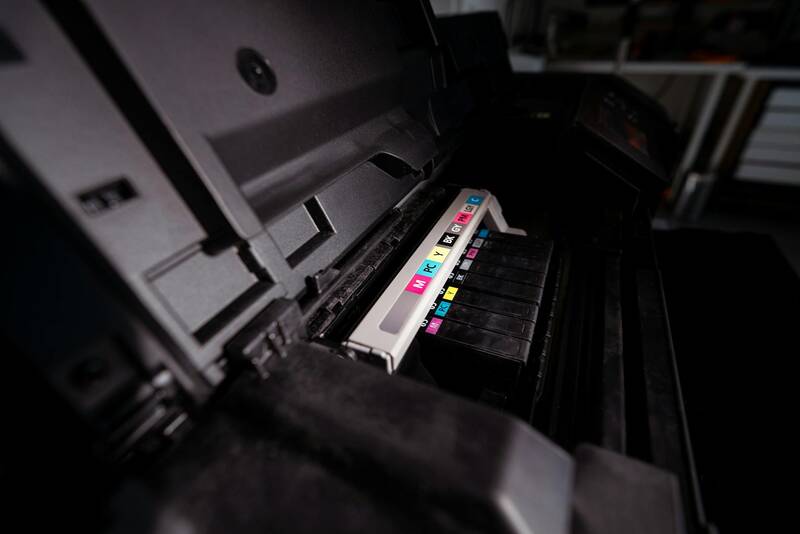
Large format photo paper is compatible with a variety of printing technologies, each offering unique benefits for different project needs. Inkjet printing is most prevalent, especially with aqueous, solvent, eco-solvent, or latex inks, which interact effectively with coated surfaces to produce sharp, vibrant images.
Solvent and eco-solvent printers excel in outdoor applications due to their resistance to weather elements, making them ideal for banners and murals. Latex printing offers environmentally friendly options with quick-drying properties and excellent color gamut. UV printing, suitable for certain large format papers with UV-sensitive coatings, ensures high durability and scratch resistance.
To maximize print quality, understanding the compatibility between the paper type and printer specifications is essential. Factors such as ink absorption rate, drying time, and color gamut should be considered when selecting paper for specific printers and inks.

Applications of Large Format Photo Paper
Large format photo paper finds extensive use across visual communication and display mediums. Fine art photographers employ premium gloss or satin finishes to reproduce detailed artwork or photographic exhibitions, ensuring vibrant color and high contrast. Advertising agencies utilize durable vinyl or coated papers for outdoor billboards, banners, and point-of-purchase displays that demand weather resistance and longevity.
Commercial and retail environments benefit from large format prints on specialized papers to create impactful displays, wall murals, or backdrops that catch the eye. In architectural design, large format photo paper is used for visual mock-ups and presentation boards, facilitating detailed project visualization.
Beyond printing, large format photo paper can be incorporated into mixed media art, signage, and decorative installations, demonstrating its versatility and capacity to deliver visually striking results across various industries.
Understanding Large Format Photo Paper
Large format photo paper serves as the foundational medium for high-impact visual displays, enabling the reproduction of detailed images on expansive surfaces. It is specifically designed to provide optimal print quality, durability, and resistance to environmental factors, making it suitable for both indoor and outdoor applications. Recognizing the characteristics of this specialized paper assists users in achieving their intended aesthetic and functional goals effectively. In addition to its primary role in printing, large format photo paper often features advanced coating technologies that enhance color vibrancy, contrast, and scratch resistance, ensuring the longevity of the displayed images. The type of base material, such as resin-coated (RC) or fiber-based, also influences the texture, weight, and overall appearance of the final print, allowing for tailored solutions across various industries. Selecting the appropriate large format photo paper involves understanding these core attributes to match the specific requirements of each project, whether that involves indoor gallery displays or weather-resistant outdoor signage.
Key Attributes of Large Format Photo Paper
- Surface Finish: Options include gloss, semi-gloss, satin, and matte finishes, each offering distinct visual effects and tactile qualities suitable for different display environments.
- Weight and Thickness: Heavier and thicker papers tend to be more durable and provide a premium feel, ideal for gallery prints and mounting projects.
- Color Reproduction: Specialized coatings on the paper’s surface enhance color fidelity, contrast, and sharpness, which are critical for photographic and fine art reproductions.
- Resistance Properties: Water resistance, scratch resistance, and UV protection features extend the lifespan of banners, murals, and outdoor displays.
- Environmental Stability: Certain papers are designed to resist warping or fading over time, maintaining their visual integrity in diverse conditions.
Choosing the right large format photo paper hinges on understanding these attributes alongside specific project requirements, including the printing technology used and the intended venue for display. For instance, outdoor signage demands papers with high weather resistance and UV durability, whereas art gallery prints prioritize color accuracy and surface texture. This strategic selection ensures that the final output not only meets aesthetic standards but also withstands operational challenges, delivering enduring visual impact.

Understanding Large Format Photo Paper
Large format photo paper serves as an essential medium for creating high-impact visual displays, from fine art reproductions to large-scale advertisements. Its unique size, diverse surface options, and varied material properties make it ideal for capturing intricate details and vibrant colors on a grand scale. When choosing the right large format photo paper, it is crucial to consider not only the physical dimensions but also the compatibility with printing technologies and the intended display environment. This ensures that every print maintains quality and durability, meeting both technical specifications and aesthetic expectations. The selection process involves understanding the specific requirements of each project—whether it’s for indoor gallery exhibits or outdoor signage—thus enabling optimized outcomes that stand out visually and withstand operational conditions.

Material and Finish Options for Large Format Photo Paper
- Glossy Finish: Produces vibrant colors and sharp details, ideal for photography exhibits and display panels where color vitality is paramount.
- Semi-Gloss and Satin: Offer a balance between glare reduction and color richness, suitable for both artistic and commercial displays.
- Matte Finish: Provides a non-reflective surface, perfect for gallery displays and prints requiring minimal glare or for framing under glass.
- Specialized Coatings: Some papers feature coatings that enhance color fidelity, UV resistance, or water resistance, extending the lifespan of outdoor displays and high-traffic installations.
Considerations for Material Durability and Presentation
Material quality directly impacts the longevity and visual impact of large format prints. Heavier and thicker papers tend to be more resistant to handling and environmental factors, making them ideal for displays that require frequent transportation or outdoor use. Meanwhile, lighter papers can be suitable for temporary exhibitions or indoor installations. The surface texture, whether smooth or textured, influences how light interacts with the print, affecting overall perception. For instance, textured finishes can add depth and tactile appeal, enhancing the artistic quality of fine art reproductions.
Color reproduction capabilities are enhanced through specific coatings and paper bases, especially critical for photographic works where fidelity to the original image is vital. Selecting papers with suitable resistance properties—such as scratch, water, or UV resistance—ensures that prints retain their visual integrity over time, even under challenging display conditions.

Environmental Stability and Cost-Effective Choices
For outdoor or high-traffic applications, selecting papers with enhanced weather resistance and UV protection is essential to preserve color vibrancy and prevent fading. These specialized materials often come at a premium but dramatically extend the lifespan of the display, reducing the need for replacement. Conversely, for indoor applications, more economical options that meet visual standards may suffice, especially when environmental exposure is limited.
Operators and clients should consider overall costs, including material expenses, printing process compatibility, and long-term maintenance. Investing in high-quality, durable paper initially can lead to savings over time by minimizing repairs, replacements, or restoration efforts, especially for large-scale, high-profile displays.
Advancements in Printing Techniques for Large Format Photo Paper
Optimal results on large format photo paper depend significantly on the printing technology employed. Contemporary printing methods such as inkjet, laser, and dye-sublimation each have specific compatibilities and ideal use cases. For instance, high-end inkjet printers utilizing pigment-based inks provide vibrant color reproduction, excellent longevity, and resistance to environmental factors. These printers operate effectively with a variety of paper finishes, including gloss, satin, and matte, thereby offering flexibility for different artistic or commercial projects.
When selecting a printing system, it is vital to consider the compatibility of the printer with the specific large format photo paper in use. Factors such as ink absorption, drying time, and media handling capabilities influence the final print quality and durability. Many professional-grade printers are designed with adjustable settings to optimize color accuracy, contrast, and detail rendering on different paper types, ensuring fidelity to the original image while minimizing material wastage.
Matching Paper to Printing Method
Success in large format photo printing hinges not only on choosing the right paper but also on aligning the selection with the appropriate printing method. For example, glossy papers excel with dye-sublimation and high-quality inkjet printers, producing vivid colors and sharp resolution ideal for photographic displays. Matte or textured papers, on the other hand, are better suited for matte inks and certain fine art reproductions, offering a more subdued, tactile finish that minimizes glare and reflections.
Additionally, some papers feature proprietary coatings designed to enhance ink adhesion and reduce smudging, while others are treated for increased water and UV resistance. These attributes contribute to the longevity of the prints when displayed outdoors or in challenging environments. By thoroughly understanding the interplay between media and printing technology, operators can achieve consistent high-quality results that satisfy clients’ expectations and preserve the artistic integrity of their work.
Recommendations for Consistent Quality
To maintain uniform print outcomes, it is crucial to establish standardized workflows tailored to specific large format photo papers and printing devices. Regular calibration of printers, consistent environmental conditions in the printing area, and high-quality ink supplies are fundamental components of quality assurance. Manufacturers often provide comprehensive guidelines and profiles for various paper types, which should be diligently followed to optimize both color accuracy and print durability.
Furthermore, routine assessment of finished prints through visual inspection and color accuracy checks can help identify potential issues early, enabling timely adjustments. Investing in training for operators also enhances their understanding of material-handling nuances and printing parameters, which directly impacts the final product's consistency and appeal.

Understanding Large Format Photo Paper
Large format photo paper serves as the essential medium that captures and displays high-resolution images with exceptional detail and color vibrancy. It is specifically designed to accommodate wide-format printing equipment, allowing photographers, artists, and commercial printers to produce impressive wall-sized photographs, banners, and display graphics. The selection of the appropriate large format photo paper significantly influences the visual impact, durability, and longevity of the finished print. Recognizing the specific characteristics and applications of this media ensures optimal results and customer satisfaction.
Key Attributes of Large Format Photo Paper
- Size and Width: Large format photo papers are available in a variety of widths, often ranging from 24 inches to over 60 inches, enabling the production of expansive prints without seams or joins. Availability in standard and custom sizes caters to diverse project requirements.
- Surface Finishes: The surface texture varies from glossy and semi-gloss to matte and luster finishes. Each option offers unique benefits in terms of color vibrancy, glare reduction, and texture, influencing the overall aesthetic of the print.
- Weight and Thickness: Heavier and thicker papers tend to be more durable and resistant to physical damage, making them suitable for outdoor displays or installations requiring increased robustness.
- Color Reproduction: High-quality large format papers are engineered to support vibrant color profiles, ensuring images retain their richness and detail when printed with compatible inks and printers.
- Print Longevity: Some papers feature specialized coatings or treatments to enhance resistance against water, UV rays, and environmental pollutants, directly contributing to the lifespan of the output.
Surface Coatings and Treatments
Surface coatings play a critical role in the overall performance of large format photo paper. Glossy finishes amplify color depth and contrast, ideal for vivid displays and exhibitions. Semigloss and luster surfaces offer a balanced appearance with reduced glare, suitable for both fine art reproductions and commercial prints. Matte surfaces provide a glare-free viewing experience, emphasizing texture and subtle tonal variations, making them preferable for images displayed in brightly lit environments.
Understanding Material Composition
Most large format photo papers are made from either cotton rag, cellulose, or synthetic fibers. Cotton rag papers are favored for exceptional archival qualities, offering remarkable durability and a tactile feel. Cellulose-based papers are more affordable and versatile, appropriate for general-purpose printing. Synthetic or polymer-coated papers enhance water and UV resistance, making them suitable for outdoor signage and long-term displays. The choice of material directly impacts print quality, handling, and longevity, necessitating careful consideration based on project needs.
In summary, the comprehensive understanding of large format photo paper involves evaluating size, surface finish, durability, and material composition, aligning these attributes with the intended application. Ensuring compatibility between the medium and printing technology optimizes the visual quality and guarantees that the final output aligns with clients’ expectations for excellence.
Handling and Storage Tips for Large Format Photo Paper
Proper handling and storage of large format photo paper are critical to maintaining its quality and ensuring optimal print results. These large sheets are typically more susceptible to environmental factors and physical damage, making careful management essential from purchase to final use.
Handling Best Practices
- Minimize Direct Contact: Always handle large format photo paper with cotton gloves or clean, dry hands to prevent oils, dirt, or moisture transfer that can compromise print quality.
- Use Supportive Tools: Employ wide, flat tools such as spatulas or rollers to assist in unrolling or transferring sheets, reducing the risk of creases or tears.
- Avoid Bending or Folding: Due to their size and material, large sheets should be kept flat and unfolded when not in use to prevent warping.
- Control Humidity and Temperature During Handling: Work in a climate-controlled environment to prevent condensation or static buildup, which could affect both handling and future printing processes.
Storage Environment Recommendations
- Optimal Conditions: Store photo paper in a cool, dry place with stable temperature—ideally between 15°C and 22°C—and relative humidity levels of around 40-50%. Avoid areas with fluctuating conditions that may cause expansion or contraction of the paper.
- Vertical Storage: Keep large sheets upright, supported by specially designed racks or racks with padded edges to avoid bending or warping.
- Protection from Light and Dust: Store in opaque, dust-free containers or wrapped in protective paper to shield from light exposure and particulate contaminants.
- Avoid Exposure to Chemicals or Vapors: Keep paper away from fumes or chemicals that might degrade its surface or alter its characteristics over time.

Transportation and Usage
When moving or preparing large sheets for printing, ensure they are laid flat to prevent bending and are transported in padded, rigid containers. During setup, confirm the environment matches storage conditions, especially if transitioning from an outdoor or different indoor space. Taking these precautions helps avoid damage and preserves the paper's visual quality for high-resolution, vibrant large format prints.
Understanding Large Format Photo Paper
Large format photo paper serves as an essential medium for creating high-impact visual displays across various professional and artistic contexts. Its properties are tailored to support expansive, detailed images that requirements demand for clarity, color fidelity, and durability. Recognizing the nuanced differences in surface textures, finishes, and compositions allows users to select the optimal options tailored to their specific project needs. When selecting photo paper for large scale prints, consider the intended display environment, whether indoor or outdoor, to achieve the desired longevity and visual effect.
The use of large format photo paper is prevalent in fields such as advertising, fine art exhibitions, photography portfolios, and architectural presentations. In all these applications, the quality of the medium directly correlates to the final output, emphasizing the importance of understanding the foundational aspects of the material involved.
Types of Large Format Photo Paper
Large format photo paper comes in several variants, each suited to different display and printing needs. The most common types include:
- Glossy Paper: Offers a shiny, reflective surface that enhances color brilliance and sharp detail, ideal for vibrant images needing to draw attention.
- Matte Paper: Features a non-reflective surface that minimizes glare, suitable for artistic displays or archival purposes where oil and fingerprint resistance are beneficial.
- Semi-gloss or Satin Paper: Provides a balance between gloss and matte finishes, combining vibrancy with reduced glare, suitable for versatile applications.
- Lustre or Pearl Finish: Combines the depth of matte with the vibrancy of glossy, providing a textured surface that enhances image depth and detail.
- Canvas or Textured Paper: Emulates traditional painting surfaces, perfect for fine art reproductions and gallery displays.

Material and Quality Considerations
Material quality significantly impacts the durability, visual quality, and overall performance of large format photo prints. High-quality papers often feature acid-free, lignin-free compositions designed for longevity and print clarity. The selection process should include evaluating:
- Base Material: Selecting between resin-coated (RC) or fiber-based papers. RC papers offer superior surface uniformity and faster drying times, while fiber-based options provide a more traditional appearance with enhanced archival qualities.
- GSM (Grams per Square Meter): Higher GSM indicates a thicker, more rigid paper, providing stability for large prints and resisting warping.
- Coating: The surface treatment affects ink adhesion, color richness, and protective qualities. Polymeric coatings are resistant to moisture and UV exposure, which is crucial for outdoor displays.
- Brightness and White Point: Ensuring the paper’s whiteness matches the desired vibrancy level without color cast, crucial for accurate color reproduction.
Printing Techniques and Compatibility
Matching printing techniques with the appropriate large format photo paper ensures optimal results. Inkjet printers, particularly those utilizing pigment inks, are most compatible with high-quality, coated papers designed for their ink adhesion properties. Consider the following factors:
- Printer Compatibility: Confirm that the paper size and thickness align with the printer specifications.
- Ink Compatibility: Ensure the paper’s coating can handle the specific ink type—dye or pigment—for best color accuracy and durability.
- Print Resolution: Use high-resolution settings to maximize detail, especially important when working with fine art or detailed photographic images.
- Calibration: Regularly calibrate printer and monitor to maintain color consistency across large print runs.

Applications of Large Format Photo Paper
The versatility of large format photo paper makes it ideal for numerous applications, including:
- Architectural and Engineering Plans: Precise, durable prints for presentation and construction purposes.
- Fine Art Prints: Reproductions of artwork destined for galleries, collectors, or personal collections.
- Billboards and Large Signage: High-impact advertising visuals designed for outdoor or indoor environments.
- Exhibition Panels and Wall Coverings: Custom displays that require vibrant, expansive visuals with longevity.
- Photographic Portfolios: Showcasing large, high-resolution images in professional or art contexts.

Handling and Storage Tips
Proper handling and storage extend the life and maintain the quality of large format photo paper. When handling sheets, always wear clean gloves to prevent fingerprints and surface damage. Store sheets vertically in designated racks with padded supports to avoid bending or warping. Keep storage conditions stable, ideally at temperatures between 15°C and 22°C, with 40-50% humidity levels. Store in dark, dust-free environments to prevent light degradation and particulate accumulation. During transportation, ensure sheets are laid flat in rigid containers padded to prevent mechanical damage. These steps preserve the integrity of the paper, ensuring high-quality outputs over time.

Choosing the Right Supplier and Purchase Considerations
Engaging with reputable suppliers guarantees access to authentic, high-grade large format photo paper. When selecting a supplier, verify their product range, certifications, and capacity to fulfill volume orders without compromising quality. Consider the following purchase factors:
- Product Authenticity: Confirm that the supplier provides genuine products compatible with your printing equipment and needs.
- Range of Options: A diverse inventory allows tailored selections based on finish, material, and application type.
- Pricing and Terms: Competitive pricing with transparent terms, including return policies and guarantees of product quality.
- Customer Support and Expertise: Access to technical support can help optimize printing processes and troubleshoot issues.
- Delivery and Lead Time: Reliable logistics ensure timely access to materials, critical for project deadlines.
In addition, bulk purchasing opportunities and supplier relationships can result in cost savings and prioritized access to new product releases, supporting long-term project planning and operational efficiency.
