
Understanding Large Format Picture Printing
Large format picture printing is a specialized printing process that produces images on a significantly larger scale than conventional printing methods. This technique is primarily employed to create visually impactful displays that can be viewed from close distances or across vast spaces. It involves printing high-resolution images on oversized media, making it ideal for a variety of applications that demand impressive visual appeal and durability.
The primary purpose of large format printing is to communicate a message effectively in public or commercial settings. This includes banners, wall murals, exhibition displays, and point-of-sale graphics. Its versatility allows for customization to meet specific dimensions, ensuring that the artwork or message is both prominent and clear.
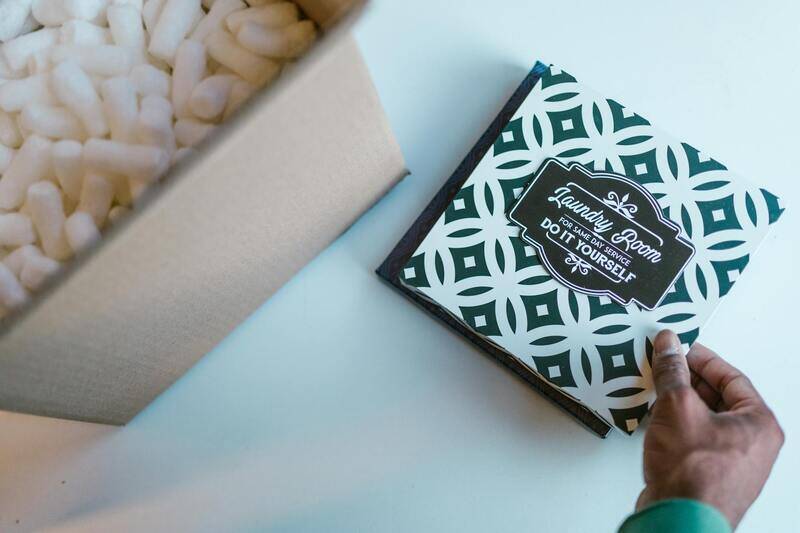
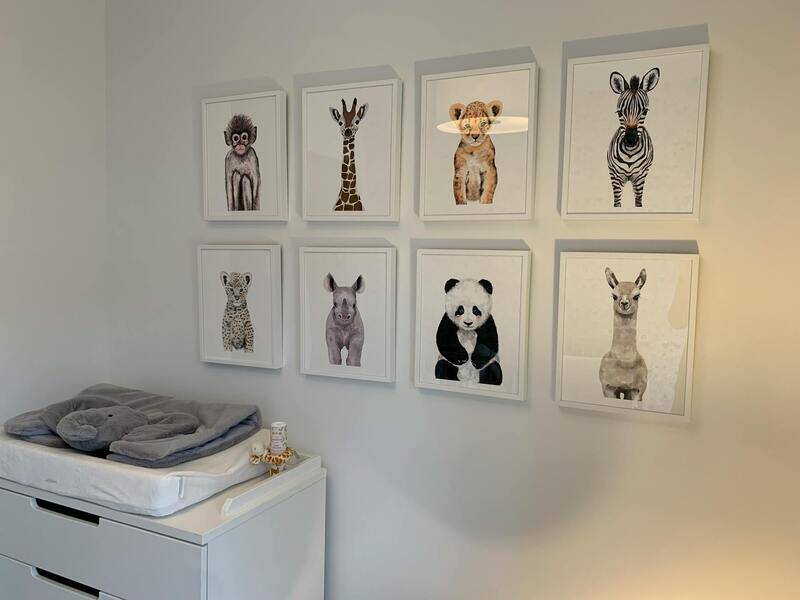
In the advertising industry, large format prints serve as eye-catching promotional tools that attract attention from afar. Interior designers utilize these prints to adorn walls with vibrant murals, adding aesthetic value to commercial and residential spaces. Event organizers rely on large-scale prints—such as backdrops and stage graphics—to enhance the visual experience of conferences, concerts, and exhibitions.
Moreover, large format printing is increasingly popular in signage and retail displays, offering brands visually compelling ways to engage customers. The ability to produce high-resolution images on sizeable media allows businesses to communicate their message vividly and effectively across diverse settings.
Given the demand across multiple sectors, understanding the foundational aspects of large format picture printing is essential for selecting the appropriate methods, materials, and technologies that best suit specific project requirements. This ensures optimal visual impact, longevity, and coherence with intended design aesthetics.
Understanding Large Format Picture Printing
Large format picture printing involves the production of high-quality, wide-scale images that are designed to make a significant visual impact. It is a specialized printing process that utilizes advanced technologies to translate digital images into physical displays with exceptional clarity, color accuracy, and durability. This form of printing caters to various applications, including advertising banners, wall murals, trade show backdrops, and custom art pieces. The key to successful large format printing lies in selecting the appropriate printing method, material, and finishing techniques that align with the intended purpose and environment of display.
The choice of mediums plays a crucial role in the final presentation. For outdoor applications, weather-resistant materials such as vinyl or rigid substrates are preferred to withstand environmental elements. Indoor displays typically utilize lightweight fabrics, paper, or canvas to achieve a vibrant and textured appearance. Proper substrate selection ensures that the image quality is maintained, and the print remains durable over time. Advanced digital printing machinery enables the production of these large images with resolutions that rival traditional artworks or photographs, ensuring that details are crisp and colors are vivid at any scale.
In addition to printing methods and materials, attention to design and layout is vital. Files must be prepared at appropriate dimensions and resolutions to prevent pixelation or blurriness. Considerations such as bleed, margins, and color management ensure that the final product aligns with the original vision. For instance, a mural designed to cover an entire wall requires precise scaling and color calibration to produce a seamless, striking visual impact.
Key Factors in Producing Large Format Prints
- Color Accuracy: Ensuring that the printed colors match the digital design, especially when using precise branding elements or artwork.
- Resolution and DPI: Maintaining high resolution (dots per inch) appropriate to the viewing distance to ensure clarity without unnecessary ink consumption.
- Material Compatibility: Selecting the right substrate based on whether the print is temporary or permanent, indoor or outdoor, colorful or subtle.
- Finish and Texture: Choosing matte, gloss, or textured finishes to enhance visual appeal and longevity.
Handling and Installing Large Format Prints
Proper handling and installation are critical to preserve the appearance and integrity of large format pictures. During transportation, rolls should be stored flat or vertically in a controlled environment to prevent warping or damage. When it comes to installation, professional techniques such as the use of specialized adhesives, tensioning systems, and scaffolding ensure that the prints are mounted smoothly and securely. Precise measurement and alignment help avoid distortions, bubbles, or wrinkles, which can compromise the visual impact.
Furthermore, cleaning and maintenance procedures should be followed to preserve color vibrancy and material integrity over time. Regular inspections for physical damage, environmental effects, and fading enable timely interventions, maintaining the print's visual appeal for years to come.
Understanding Large Format Picture Printing
Large format picture printing is a specialized process that involves producing high-quality images on expansive surfaces, often used for advertising, interior decor, and artistic displays. This process requires careful planning and execution, considering factors like print quality, material choice, and application environment. With advancements in digital printing technologies, it is now possible to achieve stunning visual impact while maintaining color vibrancy, detail, and durability over time.
When selecting methods for large format printing, it is essential to focus on official, reputable procedures that guarantee results aligned with industry standards. These techniques ensure colour accuracy, sharp resolution, and material longevity, providing clients with pieces that are both visually impressive and long-lasting. From choosing the appropriate printing technology to preparing the design files precisely, each step contributes to a successful large format output.
Methods for Producing Large Format Prints
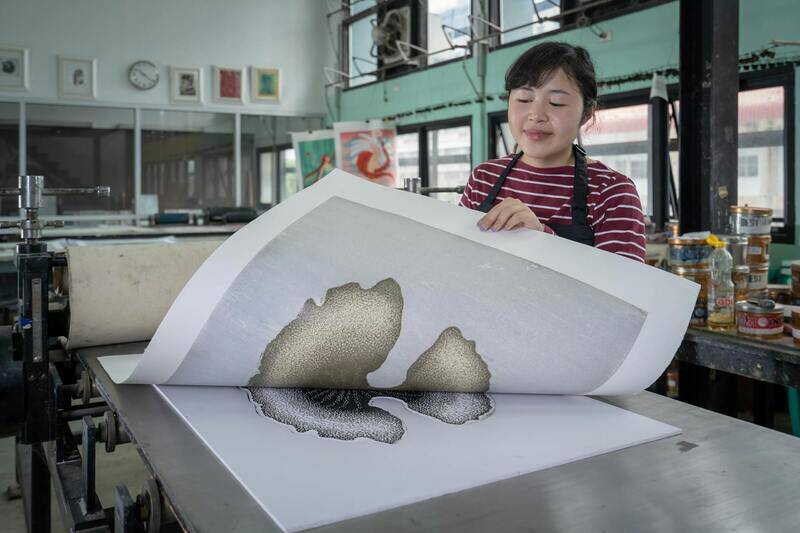
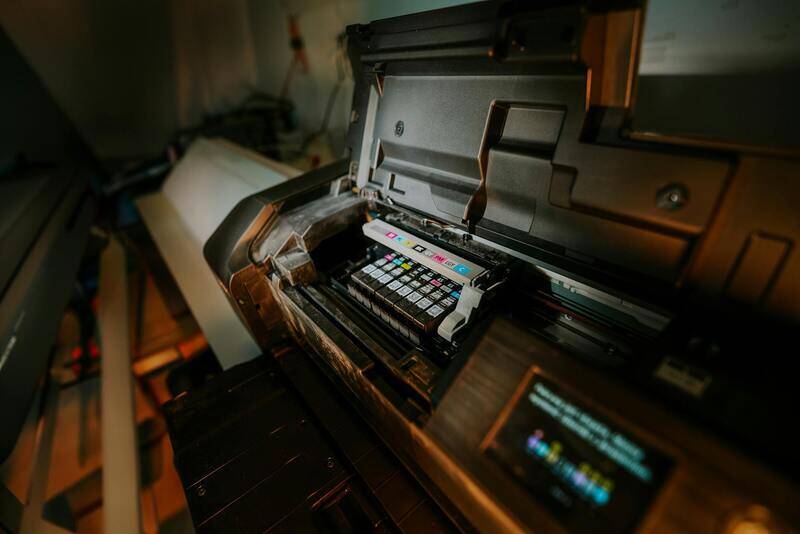
Employing certified digital printing techniques such as inkjet or solvent printing, companies utilize advanced printers capable of producing wide images with vibrant colors and detailed nuances. These printers are calibrated to meet strict standards for color management, ensuring results that faithfully reproduce digital designs on physical substrates. Such methods also support a variety of materials—including vinyl, fabric, paper, and textiles—allowing for versatile applications tailored to specific project needs.
In addition to the printing technology, the pre-press process plays a vital role. This involves ensuring that digital files are prepared correctly, with appropriate resolution and color profiles, to match the intended viewing environment. Preparing files in the correct formats, and applying color management protocols, minimizes discrepancies between what is designed digitally and what appears in print.
Benefits of Official Large Format Printing Techniques
- Color Fidelity: Precise color matching through calibrated printers and color profiling techniques ensures the output matches the digital design.
- Resolution and Sharpness: High DPI settings support crisp details, even on massive surfaces, maintaining visual clarity for close inspection.
- Durability and Resistance: Using authorized inks and materials enhances resistance to environmental factors like UV exposure, moisture, and temperature fluctuations.
- Consistent Quality: Standardized processes and professional equipment minimize variations between runs, delivering uniform results every time.
Ensuring Best Practices in Printing and Post-Processing
Professionally managed large format printing involves not only the actual image reproduction but also a comprehensive approach to post-processing, handling, and storage. Once the printing is complete, using certified handling procedures prevents physical damage such as creases, scratches, or tears. Proper storage in controlled environments preserves the vibrancy and structural integrity of the prints, especially for pieces intended for long-term display.
Finally, the installation process should be executed by trained specialists. This guarantees that the prints are mounted accurately, with the right tension and alignment, avoiding distortions or damages during setup. Regular inspections and cleaning, using approved methods, help maintain the appearance over the years, preserving the initial quality and visual impact.
Understanding Large Format Picture Printing
Large format picture printing is a specialized process that involves producing images on a scale that exceeds standard print sizes. It is used extensively in advertising, interior design, art displays, and corporate branding. To ensure the fidelity of the printed output, it is crucial to adhere to precise procedures and utilize high-quality materials and equipment. The process begins with meticulous design preparation, where digital files are optimized for large-scale reproduction, emphasizing high resolution and accurate color profiles. This preparation minimizes pixelation and color discrepancies, enabling the final print to showcase sharp details and vibrant hues.
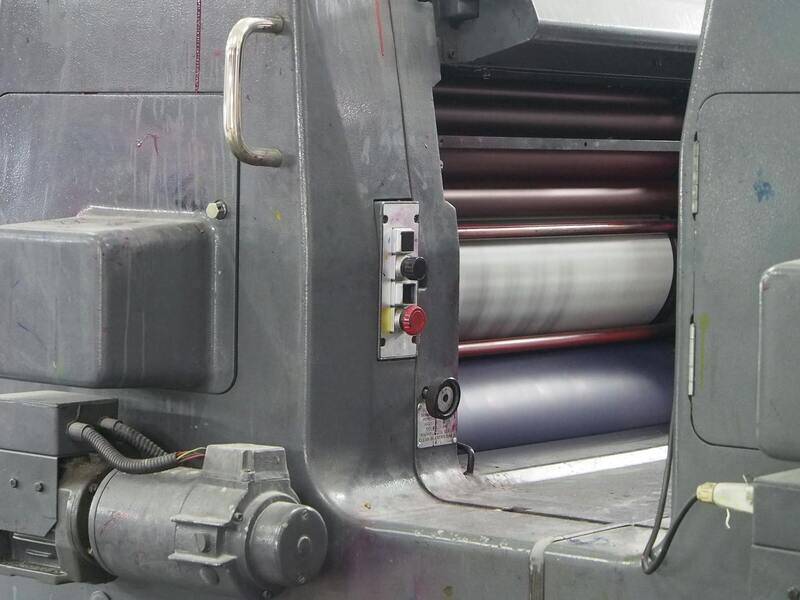
Manufacturers employ advanced printing technologies capable of rendering detailed images with outstanding clarity. Proper calibration of printers and color management systems ensures that the printed material closely matches the digital design, preserving color accuracy and tonal balance. This precision is vital, especially for brand displays and fine art reproductions, where even slight deviations can impact the visual message. Controlling variables such as ink density, dot gain, and media absorption are integral parts of the process, demanding a high level of technical expertise and equipment certification.
Types of Large Format Printing Technologies
There are several prominent printing methods used in producing large-scale images, each suited for different applications and material choices:
- UV Printing: This technique involves curing UV-sensitive inks instantly with ultraviolet light, allowing printing on a wide variety of rigid and flexible substrates. UV printing offers durability and vibrant color presentation, making it excellent for signage and outdoor displays.
- Latex Printing: Known for its eco-friendliness and flexibility, latex printing utilizes water-based inks that provide excellent color vibrancy and weather resistance. This method is ideal for interior and exterior banners, wallpaper, and vehicle wraps.
- Solvent and Eco-Solvent Printing: These methods employ solvent-based inks that penetrate the material surface, offering high durability and resistance against environmental factors. They are often used for billboards, outdoor banners, and vehicle signage.
- Piezoelectric Inkjet Printing: This is a versatile approach where tiny droplets of ink are ejected onto media to produce detailed images. It is commonly adapted for photographic prints, fine art reproductions, and high-resolution displays.

Materials Used in Large Format Printing
The choice of materials in large format printing significantly influences the appearance, longevity, and application of the final product. The most common substrates include:
- Vinyl: Widely used for banners, vehicle wraps, and outdoor signage due to its durability and flexibility. PVC-based vinyl offers weather resistance, while eco-friendly options are also available.
- Canvas: Favored for interior art displays and gallery-quality reproductions, canvas provides a textured, premium look that enhances visual appeal.
- Wallpaper and Wall Coverings: Designed for interior spaces, these materials facilitate large-scale murals and decorative prints, often with special finishes for texture and gloss.
- Acrylic and Polycarbonate Sheets: Used for illuminated displays and architectural features, these rigid materials enable sleek, modern aesthetics with high transparency and impact resistance.
- Fabric and polyester substrates: Suitable for tensioned displays, backdrops, and customizable banners, offering excellent print quality and portability.
In addition to the base materials, the inks used are selected for their adhesion properties, environmental resistance, and color fidelity. Authorized inks ensure compliance with safety standards and optimize image durability over time, especially for outdoor installations or high-traffic environments.
Design Considerations for Large Format Prints
Effective planning of the visual layout is crucial when preparing for large format picture printing. Designers should ensure that the image resolution is sufficiently high to prevent pixelation or blurring when scaled up to large sizes. A minimum of 72 DPI is typically sufficient for viewing at close distances, but for close-up inspection, 150 DPI or higher is recommended to maintain clarity. Aspect ratio preservation is vital to avoid distorted images, which can detract from the intended visual impact.
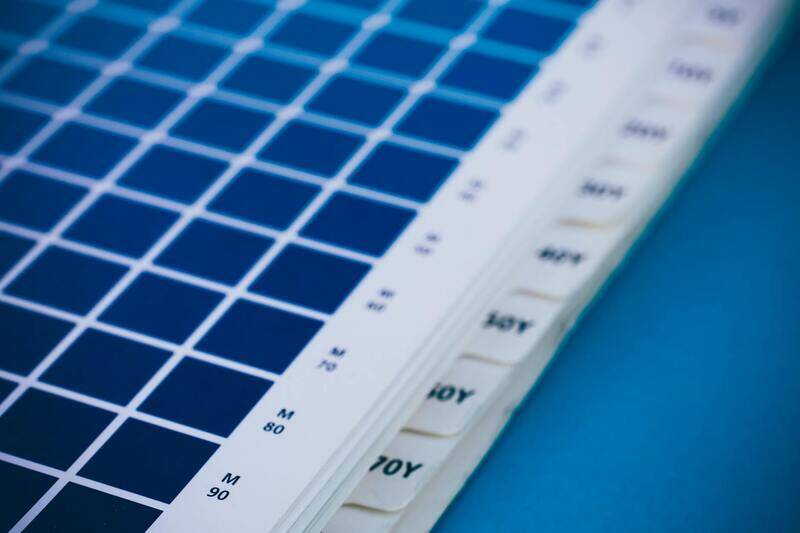
Color management also plays a significant role in large format printing. Utilizing color profiles and calibration tools ensures that the printed output faithfully reproduces the original digital design. For projects requiring precise color matching, working within standardized color spaces such as Adobe RGB or sRGB is advisable, complemented by soft-proofing practices to simulate the final appearance before printing.
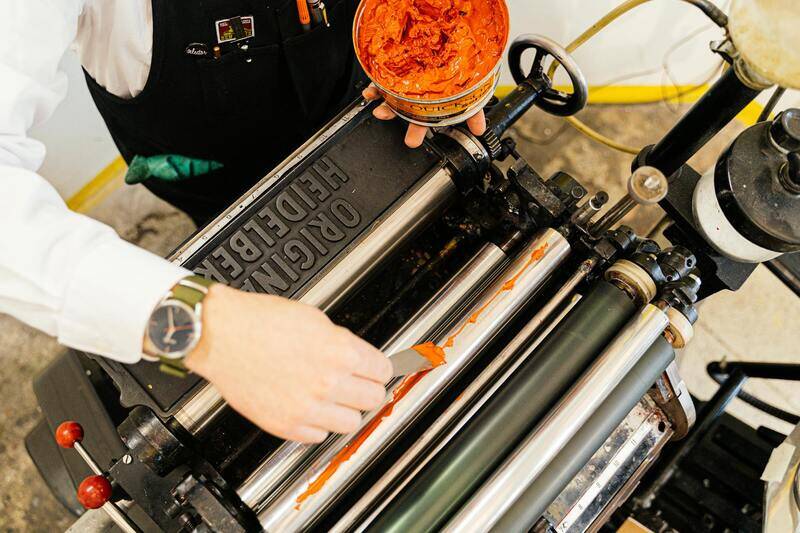
Furthermore, selecting the right file formats is essential. Lossless formats like TIFF or high-resolution PDF files are preferred for their ability to preserve image quality without compression artifacts. These formats facilitate accurate color and detail retention, ensuring the final printed piece meets expectations.
When designing for large format print projects, consider the viewing environment and positioning. Highly detailed images are suitable for close-up displays, whereas simpler, bold visuals often work better for distant viewing. Incorporating visual hierarchy and contrast enhances viewer engagement and overall effectiveness of the display.
Material and Ink Compatibility
Design decisions also influence material selection. Certain substrates, such as vinyl or canvas, respond differently to specific ink types. Opting for compatible inks ensures optimal adhesion, color vibrancy, and longevity of the print. For outdoor installations, UV-resistant and weatherproof inks are essential to withstand environmental elements without fading or deterioration.
In summary, successful large format picture printing hinges on meticulous design preparation, from resolution and color management to material compatibility. Attention to these details guarantees that the final product not only meets visual standards but also endures the rigors of its intended environment.
Securing the Final Product through Proper Handling and Installation Procedures
Handling large format prints requires meticulous care to preserve image integrity and ensure longevity. During transportation, protective measures such as wrapping the print with anti-static and UV-resistant covers prevent damage from dust, moisture, and physical contact. It is essential to use suitable packaging materials that cushion the print and prevent bending or tearing, especially for delicate materials like canvas or vinyl.
Once onsite, the installation process becomes crucial to maintaining the visual impact of the print. Proper mounting techniques, such as using robust yet damage-free adhesives or tensioning systems, secure the print in a flat, wrinkle-free manner. For wall displays, selecting appropriate hardware—whether it's heavy-duty hooks, rails, or framing—ensures stability and reduces the risk of warping or falling. Installation should be planned with precision, incorporating level alignment and spacing considerations to optimize the visual presentation.

For outdoor installations, weatherproof enclosures or protective coatings can shield the print from elements such as rain, UV rays, and wind. Regular inspection and maintenance prolong the lifespan of the display, preventing issues like fading or detachment. Skilled professionals typically handle complex mounting tasks to ensure safety and a faultless finish, reflecting the importance of expertise in large format printing projects.
Overall, the handling and installation of large format prints demand attention to detail and adherence to best practices. Proper transportation, tailored mounting solutions, and suitable environmental protections are key to showcasing high-quality images that maintain their impact over time.
Understanding Large Format Picture Printing
Large format picture printing involves the creation of high-quality images on expansive surfaces, typically exceeding standard print sizes. This process is essential for impactful visual displays in various settings including commercial spaces, galleries, and outdoor advertising. Achieving optimal print quality requires precise attention to detail, from selecting appropriate materials to employing advanced printing techniques. The overarching goal is to produce images that retain clarity, color vibrancy, and durability irrespective of size, making large format printing a sophisticated form of visual communication.
Types of Large Format Printing Technologies
Several printing methods are commonly employed to produce large-format images, each suited to specific materials and display needs. Solvent and eco-solvent printing utilize specialized inks that adhere well to non-porous surfaces like vinyl and canvas, offering durability and weather resistance. UV-curable printing uses ultraviolet light to instantly fix inks onto substrates, resulting in vivid images with excellent adhesion and scratch resistance. Dye-sublimation printing, often used for fabric displays, involves transferring dyes onto textiles through heat and pressure, providing vibrant, long-lasting colors. Latex printing, which employs water-based latex inks, combines eco-friendliness with flexibility and weather resistance. Selection of the appropriate technology hinges on factors such as material compatibility, environmental exposure, and desired finish quality.
Materials Used in Large Format Printing
The choice of material directly impacts the durability, appearance, and application of large format prints. Common materials include vinyl, which is favored for its flexibility and weatherproof qualities, making it ideal for outdoor banners and signage. Canvas offers a textured, artistic look suitable for interior wall displays and fine art reproductions. Photo paper is used when precise color rendition and sharpness are paramount, often in gallery settings. Fabric textiles are prevalent in event backdrops and art installations, providing lightweight and portable options. Additionally, rigid substrates like foam board, aluminum, and acrylic are employed when mounting prints in framed or three-dimensional formats. Selecting the right material aligns with the intended environment, installation method, and longevity requirements.
Design Considerations for Large Format Prints
Designing for large format printing involves understanding how visual elements translate at bigger scales. High-resolution images are essential; a minimum DPI (dots per inch) is maintained to avoid pixelation. Color calibration ensures hues stay vivid and true to the original intent. Consideration of viewing distance influences design choices—why detail matters in close-up displays versus broad, impactful visuals viewed from afar. Margins and bleed areas must be incorporated to facilitate trimming and mounting without compromising critical image parts. Additionally, the use of appropriate file formats that support color profiles and high resolution is fundamental for achieving precise, print-ready files.
Size, Resolution, and Quality Standards
Optimal large format prints are characterized by high resolution—preferably 300 DPI or higher for close viewing, with lower resolutions acceptable for expansive outdoor banners that are viewed from greater distances. Size specifications are dictated by the intended display environment, with standard large formats ranging from 24 inches to over 10 feet in width. Maintaining consistent quality across such dimensions involves rigorous pre-press checks, including color profiling and proofing. Advanced printing technology enables the production of large images without sacrificing detail or color fidelity, ensuring the final product is sharp, vibrant, and visually impressive at scale.
Installation and Handling of Large Format Prints
Proper installation and handling are critical for preserving the integrity of large format images. The process begins with efficient transportation—using protective packaging materials that cushion the print and prevent bending or tearing, especially for delicate materials like canvas or vinyl.
- Transport with padded coverings, rigid supports, or custom crates to avoid damage during transit.
- On-site, secure mounting options such as heavy-duty adhesives, tensioning systems, or framing ensure flat, smooth surfaces free of wrinkles or bubbles.
- For wall-mounted displays, selecting hardware like steel hooks, rails, or floating frames enhances stability and aesthetic appeal.
- Weatherproof coatings or enclosures are essential for outdoor applications to shield from UV rays, moisture, and environmental factors.
- Regular maintenance and inspection strategies prolong the lifespan of outdoor installations, preventing issues like fading or detachment.
Collaborating with experienced professionals ensures safety and a flawless finish, especially for complex mounting arrangements. Attention to detail during installation preserves the visual quality and maximizes the impact of each large format print, whether in a gallery, retail environment, or public space.
Ensuring Proper Handling and Installation of Large Format Prints
Managing large format pictures requires meticulous attention during transportation, installation, and ongoing maintenance to ensure the artwork remains pristine and visually impactful. Proper handling begins with secure packaging techniques that protect the integrity of the image and the material. Protective materials such as foam padding, rigid supports, and customized crates shield the print from physical stress and environmental hazards during transit.
Upon arrival at the installation site, careful unpacking is essential to prevent any accidental damage. The next phase involves precise mounting—using high-quality adhesives, tensioning systems, or framing to maintain a smooth, flat appearance. For wall-mounted displays, hardware options such as steel hooks, rails, or floating frames are ideal for achieving stability and enhancing aesthetic appeal. In outdoor or high-traffic environments, weatherproof coatings and protective enclosures are vital to safeguard the print from UV exposure, moisture, and other environmental factors.
Regular inspections and maintenance play a significant role in prolonging the lifespan of large format prints. Cleaning with suitable, gentle materials prevents dirt buildup, while reapplication of protective coatings may be necessary over time, especially for outdoor displays. For installations in dynamic settings, such as retail spaces or galleries, collaborating with experienced professionals ensures that mounting techniques and hardware choices are optimized for safety and visual integrity.
When dealing with complex or multi-piece installations, precise alignment and tensioning are crucial to achieving a seamless visual flow. Proper installation not only preserves the quality of the image but also maximizes its visual impact and longevity, making it a worthwhile investment for any display purpose.
Best Practices for Maintenance and Longevity
- Periodic cleaning with non-abrasive, suitable cleaning agents to retain vibrancy and clarity.
- Reapplication of UV or weatherproof coatings for outdoor displays to prevent fading and environmental damage.
- Scheduled inspections to identify and address issues such as detachment, bubbling, or fading early on.
- Use of protective coverings during non-display periods to reduce exposure to dust, moisture, and sunlight.
- Documentation of the installation process for future reference, especially for large or complex setups.
Engaging Professional Services for Optimal Results
Employing specialists in large format print handling, installation, and maintenance guarantees that the process adheres to high standards. They bring expertise in selecting appropriate hardware, environmental considerations, and safety protocols, ensuring aesthetic appeal and structural stability. Their experience significantly reduces risks of damage during installation, and their ongoing support helps maintain the print’s brilliance over time.
