
Understanding Large Photo Prints
Large photo prints are high-volume visual representations that significantly exceed standard frame sizes, often used to make bold artistic statements or to serve as focal points in various environments. These prints typically range from several feet in width to panoramic formats, transforming ordinary photographic images into striking displays. The utility of such prints extends across multiple settings including residential spaces, commercial offices, art galleries, and public venues.
In homes, huge photo prints are used to create feature walls that showcase family moments, travel memories, or curated art collections, adding personality and warmth to living areas. Corporate offices often utilize large prints to communicate brand identity, motivational messages, or to decorate conference rooms, enhancing the professional ambiance. Galleries and exhibitions prefer large-scale prints to ensure artworks are impactful, accessible, and engaging for viewers, making a memorable impression while emphasizing details that smaller formats cannot convey.
Producing a large photo print involves more than just enlarging an image; it requires attention to detail in terms of quality, material choice, and viewing distance. When printed correctly, these images attract attention and serve as focal points, whether in a personal or commercial setting. Understanding what constitutes a large photo print—its dimensions, resolution, and intended purpose—is fundamental in selecting the appropriate printing method and material, ensuring the final product achieves the desired visual impact and durability.
Generally, the definition of large photo prints spans from 24 inches (about 2 feet) in width to custom sizes exceeding 10 feet or more, especially for murals or panoramic displays. The versatility of large photo printing makes it suitable for creating immersive environments, highlighting artistic expressions, or reinforcing branding messages. Expertise in selecting proper materials and printing techniques is critical to not only achieve high-quality visuals but also to extend the lifespan of the finished product.
As technology advances, printing large images has become more accessible, with specialized printers capable of producing high-resolution outputs on various substrates. Whether for decorative purposes or commercial campaigns, understanding the nuances of large photo prints forms the foundation for achieving professional results that meet aesthetic standards and withstand environmental factors such as light exposure and handling.
Factors to Consider When Selecting a Huge Photo Print
When aiming to achieve stunning large photo prints, several key factors must be carefully evaluated to ensure the final output meets expectations in terms of clarity, durability, and visual appeal. These considerations influence the overall quality and longevity of the print, making them critical to the selection process.
- Resolution and Image Quality: The resolution must be sufficiently high to avoid pixelation when scaled up to large dimensions. Typically, a minimum of 150-300 DPI (dots per inch) at the final print size guarantees sharp details. High-resolution images are essential, especially for displays viewed up close, such as in galleries or interior spaces.
- Image Composition: The image's composition, focus, and contrast should be optimized for large formats. Cropped or low-quality images tend to lose impact when enlarged. Ensuring the original image has good exposure and sharpness is fundamental.
- Material Durability: The choice of material impacts the longevity and maintenance of the print. For outdoor installations, weather-resistant substrates like vinyl or mesh are preferred, while indoor displays benefit from canvas or fine art papers for a high-end look.
- Size and Aspect Ratio: Precise measurements aligned with the intended display space help avoid resizing distortions. Maintaining aspect ratio during scaling preserves the image’s proportions and ensures a natural appearance.
- Color Accuracy: Accurate color reproduction is vital, especially for photographic prints that rely on true-to-life hues. High-quality printers and color calibration processes help maintain consistent tones and vibrancy.
Understanding and balancing these factors are critical steps in selecting the ideal large photo print that not only captures the intended visual narrative but also withstands environmental conditions and handling over time. Working closely with professional printing providers who can advise on these elements ensures that the final product aligns with the desired aesthetic and functional objectives.
Understanding Large Photo Prints
Creating impactful large photo prints involves more than simply enlarging an image. It requires a strategic approach that considers technical and aesthetic factors to ensure the final output is visually stunning and durable. The quality of the original image plays a pivotal role; high-resolution files with well-defined details, optimal exposure, and vibrant colors form the foundation of an impressive large-scale print. Professional photographers and designers often utilize editing software to enhance sharpness, contrast, and color balance to prepare images suitable for enlargement.
It's essential to evaluate the composition of the image—elements should be intentionally arranged to guide the viewer’s eye and avoid clutter when scaled up. Cropped images or those with blurry areas tend to diminish in impact when enlarged, so selecting images with a clear focal point and balanced contrast is fundamental. Additionally, understanding the intended display environment influences decisions about size and material choice, ensuring the print complements the surrounding space while maintaining visual integrity.
Factors to Consider When Selecting a Huge Photo Print
- Image Resolution: To achieve crisp details, images should ideally be captured or edited at resolutions suitable for the desired size, typically 150–300 DPI at final print dimensions.
- Color Fidelity: Consistency in color reproduction is essential, especially for photographic works that rely on true-to-life hues. High-quality calibration of printers and screens ensures vibrancy and accuracy.
- Material Selection: The choice of substrate influences both aesthetics and longevity. Weatherproof materials like vinyl are suitable for outdoor use, while canvas and fine art papers are preferred for indoor displays.
- Environmental Conditions: Consider exposure to sunlight, moisture, and handling. Durable materials and protective finishes extend the lifespan of the print.
- Display Space: Precise measurements of the installation area help determine optimal size and aspect ratio, ensuring proportionality and visual harmony.
Balancing these elements permits the creation of a large photo print that not only visually captivates but also withstands the conditions of its environment over time. Engaging with experienced printing providers enables access to expert advice on image preparation, material selection, and finishing options—each vital for a successful large-format display. Proper planning and attention to detail facilitate the achievement of a final product that faithfully reflects the original vision while ensuring durability and aesthetic appeal.
Choosing the Right Material and Finish
When planning for huge photo prints, selecting the appropriate material and finish is essential to achieving a stunning and durable display. The material not only influences the visual appeal but also determines how well the print withstands environmental factors and handling over time.
Common materials used for large-format prints include vinyl, canvas, and specialized fine art papers. Vinyl is a popular choice for outdoor displays due to its weather-resistant properties, resilience against moisture, UV rays, and temperature fluctuations. It offers durability and vibrant color reproduction, making it suitable for banners, billboards, or outdoor signage.
Canvas prints provide a textured, premium look that mimics fine art paintings. They are ideal for indoor environments where aesthetic appeal is prioritized. Canvas is breathable and less prone to cracking, providing longevity when properly finished and maintained.
Fine art papers, including matte and glossy types, cater to high-end art reproductions or photographic works meant for indoor display. These materials often have special coatings that enhance color depth and sharpness, offering an elegant and professional presentation.
Finish Options and Their Impact
The finish applied to a large photo print can significantly enhance visual impact and longevity. Common finish options include matte, gloss, satin, and soft gloss, each imparting a distinct look and feel:
- Matte Finish: Reduces glare and reflections, providing a soft, non-reflective surface that’s ideal for viewing in brightly lit spaces. It’s also more forgiving with fingerprints and smudges, making it suitable for busy environments.
- Gloss Finish: Offers vibrant colors and sharp details with a high-shine surface. Perfect for showcasing photographs with rich hues but more susceptible to glare.
- Satin Finish: Strikes a balance between matte and gloss, providing some sheen with reduced glare. It enhances color depth while maintaining a softer appearance.
- Soft Gloss: Slightly subdued gloss that adds vibrancy without the intense shine of standard gloss finishes. It’s often preferred for fine art and photographic reproductions.
In addition to aesthetic preferences, protective coatings can be added to increase resistance against moisture, scratches, and UV damage. Such finishes are particularly beneficial for outdoor or heavily trafficked indoor environments, helping preserve the visual quality of the print over time.
Preparation and Resolution Requirements
Creating large photo prints that maintain clarity and sharpness requires meticulous attention to image resolution. When preparing an image for an extensive print, the resolution should ideally be 150 to 300 dots per inch (dpi), depending on the viewing distance and the desired quality. For very large displays, lower resolutions such as 72-150 dpi might suffice, especially if the print is viewed from afar, but higher resolutions yield more detailed images, minimizing pixelation.
An essential step is to start with the highest quality image possible. Raw files or high-resolution JPEGs ensure more detailed and vibrant prints. Resampling or enlarging a low-resolution image tends to introduce pixelation, reducing overall image quality. Using specialized software, such as Adobe Photoshop or dedicated enlarging tools, can help mitigate quality loss by adding intelligent interpolations, but original high-res files remain preferable.
Understanding Color Profiles and Calibration
Accurate color reproduction plays a crucial role in large photo printing. To ensure consistent and true-to-original colors, images should be processed in color-managed workflows. Embedding color profiles like Adobe RGB or sRGB ensures consistency across devices and printing processes.
Furthermore, calibrating monitors regularly guarantees that what you see on screen matches the printed output. This involves adjusting monitor brightness, contrast, and color settings using calibration tools. Such practices prevent mismatched colors and ensure that the final huge photo print reflects your original vision.
File Formats and Preparation
When submitting files for large photo printing, formats such as TIFF or high-quality JPEG are commonly accepted. TIFF files preserve maximum image data, making them ideal for professional-grade large prints. JPEGs should be saved at the highest quality setting to avoid compression artifacts.
It’s also beneficial to prepare print-ready files with appropriate bleed margins to prevent unwanted borders or cropping issues. Including a color proof or soft proof layout helps visualize how the final product will look, offering opportunities for adjustments before the printing process begins.
Choosing the Right Material and Finish
One of the most critical decisions in producing impressive large photo prints is selecting the appropriate material and finish. Different materials influence not only the aesthetic appeal of the final product but also its durability, texture, and suitability for various display environments. When opting for huge photo prints, consider the intended location and viewing distance.
Canvas is a popular choice for large-format photos, offering a textured surface that lends an artistic, gallery-like feel. It is highly durable, resistant to sunlight and moisture, making it suitable for both indoor and outdoor displays. Additionally, canvas prints can be stretched over a frame, providing a ready-to-hang solution that adds depth and character.
Polyester-based materials, such as fabric or synthetic media, enhance color vibrancy and are often used for promotional displays or event banners. These materials tend to be lightweight, easy to transport, and can be printed with high-definition images for maximum impact.

Glossy finishes accentuate color richness and details, making images pop with vibrancy and depth. However, they are more sensitive to glare and fingerprints, which may affect viewers' experience in brightly lit environments. Satin or semi-gloss finishes strike a balance, reducing reflections while providing a smooth, professional appearance. Matte finishes are ideal for reducing glare and reflections, making them suitable for areas with ambient light or where viewers will be close to the print.
Consider the environment where the print will be displayed and choose a material and finish accordingly to ensure maximum longevity and visual appeal.
Preparation and Resolution Requirements
Achieving crisp, detailed large photo prints begins with proper image preparation. Start by examining your digital files for sufficient resolution — for very large prints, a minimum of 150-300 DPI at the final print size is recommended. This ensures fine details are preserved, and the print maintains clarity when viewed up close.
It’s crucial to use high-quality, uncompressed image formats such as TIFF or PNG during the editing and preparation process. These formats retain maximum detail without compression artifacts, unlike JPEGs that may suffer from quality loss after multiple saves.
Before submitting your files for printing, adjust the image size to match the desired print dimensions, ensuring the resolution remains adequate. Incorporate bleed margins—usually an extra 2-5 centimeters—to prevent unwanted borders or cropping issues during the trimming process.
Use soft proofing techniques to simulate how colors and details will appear in the final print. This allows for color adjustments and sharpening to optimize the image quality before the actual printing commences. Documenting the specific printer and material characteristics can also guide adjustments, ensuring the final product aligns with expectations.
Printing Techniques and Technologies
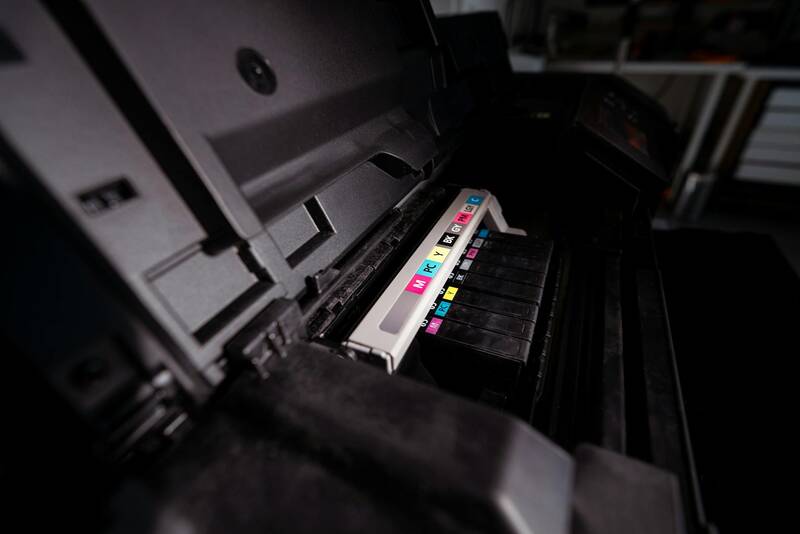
Modern large photo printing relies on advanced digital printing technologies that deliver high resolution, rich color, and longevity. Inkjet printers are the most common choice for high-quality large-format prints, utilizing various ink sets—such as solvent, eco-solvent, UV-curable, and aqueous inks—that cater to different media and usage environments.
High-end inkjet systems use multiple color cartridges to produce a wide color gamut, ensuring detailed color gradations and accurate reproduction. Techniques like dye-sublimation are also employed for prints on fabric materials, offering vibrant colors and durable results. UV-curable printers can print directly onto rigid surfaces like acrylic or metal, ideal for creating sleek, modern large photographs with excellent durability.

Printing professionals may employ digital raster image processing (Raster Image Processing, RIP) software to optimize color management, ensure smooth gradients, and control ink deposition. These tools allow for fine-tuning the output quality and maintaining consistency across large print runs.
When selecting a printing technology, consider factors such as the intended display environment, surface material, and durability requirements. High-resolution digital printing, combined with quality inks and precise color management, guarantees that huge photo prints meet professional standards and last over time without fading or deterioration.
Understanding Large Photo Prints
Huge photo prints serve as impactful visual statements, transforming spaces with their scale and vividness. Whether for commercial displays, gallery exhibitions, or personalized decor, producing size-specific images requires careful planning and expertise. Comprehending the nuances of large-format printing helps ensure that the final product meets expectations in clarity, color accuracy, and longevity. This includes recognizing the importance of high-resolution imagery, appropriate material choices, and advanced printing techniques designed for expansive formats.

Factors to Consider When Selecting a Huge Photo Print
Choosing the right huge photo print involves evaluating several critical criteria to achieve the desired visual impact and durability. These include:
- Purpose and Placement: Define where the print will be displayed — indoors or outdoors — as this influences material choice and finishing options.
- Viewing Distance: Larger prints viewed from a distance can tolerate lower resolution, but elements close-up must be sharp and detailed.
- Color Accuracy: Ensure the printing process can replicate the original picture’s colors faithfully, especially for commercial or artistic purposes.
- Material Compatibility: Select media suited for the environment and anticipated wear, such as weather-resistant vinyl for outdoor use or fine art paper for gallery settings.
- Size and Proportion: Precise measurements and aspect ratio considerations are vital to avoid distortion and maintain visual harmony.
- Cost and Budget: Balance quality expectations with financial constraints, considering scaling factors and material expenses.
Choosing the Right Material and Finish
The material and finishing options profoundly influence the look, feel, and lifespan of a huge photo print. The primary materials include:
- Vinyl and Mesh: Durable and weather-resistant, ideal for outdoor signage and large banners.
- Canvas: Offers a textured, artistic appearance; suitable for gallery displays or interior decor.
- Backlit Films: Perfect for illuminated displays, enhancing vibrancy and visibility.
- Fine Art Papers: Enhance the aesthetic appeal with a high-quality, textured surface for fine art reproductions.
Finishes such as matte, gloss, or satin further refine the visual presentation, affecting glare, color vibrancy, and surface durability. Matte finishes reduce reflections, ideal for environments with ambient lighting, while gloss finishes accentuate colors and details for a more striking presentation.

Preparation and Resolution Requirements
To produce a high-quality large photo print, starting with suitably prepared digital files is crucial. The key considerations include:
- Image Resolution: A minimum of 150 dpi at the final print size is recommended for detailed photographic reproductions. For very large prints viewed at a distance, 72-100 dpi may suffice, but the original image must have high pixel dimensions.
- Image Format and Color Profile: Use uncompressed formats like TIFF or high-quality JPEGs with embedded color profiles (such as Adobe RGB or sRGB) for accurate color management.
- Aspect Ratio and Cropping: Maintain the original aspect ratio to prevent distortion. Proper cropping ensures the composition remains balanced at the larger scale.
- File Preparation: Sharpen images appropriately for enlargement and perform color corrections as needed to match print output.
Printing Techniques and Technologies
Employing advanced printing methods ensures precise reproduction of images at large scales. The prevalent techniques include:
- Wide-Format Inkjet Printing: The most common method for high-resolution, full-color prints, utilizing specialty inks such as solvent, eco-solvent, UV-curable, and aqueous inks.
- Dye Sublimation: Usually applied to fabrics, this technique produces vibrant, durable colors suitable for soft materials.
- UV Printing: Capable of printing directly onto rigid surfaces like acrylic or metal, offering high durability and modern aesthetic options.
Quality control during printing involves using RIP software for color management, ensuring the alignment of ink deposition, and maintaining consistent output. The choice of technology depends on the material, intended use, and environmental conditions where the print will be displayed.
Understanding Large Photo Prints
Creating sizable photo reproductions involves more than just enlarging an image; it requires meticulous attention to detail in image quality, material selection, and production processes. Large photo prints serve as visual focal points in various spaces, from corporate lobbies and galleries to expansive home walls. To achieve the desired visual impact without compromising detail, understanding the technical and aesthetic aspects of large photo printing is essential.
Factors to Consider When Selecting a Huge Photo Print
When opting for large photo prints, several critical considerations ensure the end product aligns with your expectations and space requirements:
- Image Resolution and Quality: The foundational element for any large print is a high-resolution image. Since enlargements can reveal pixelation or blurriness, images should ideally have a resolution of at least 300 dpi at the final print size. For very large displays observed from a distance, a resolution of 72-100 dpi may suffice, but only if the original image possesses high pixel dimensions.
- Aspect Ratio Maintenance: Maintaining the original aspect ratio prevents distortion. Proper cropping ensures that the composition remains balanced at the larger scale, preserving important details and visual harmony.
- Color Accuracy: Consistency in color reproduction is vital. Using images with embedded color profiles like Adobe RGB or sRGB helps achieve accurate colors that match the digital source during printing.
- Image Format: Prefer uncompressed formats such as TIFF or high-quality JPEGs. These formats retain detail and allow for better color management during the printing process.
Choosing the Right Material and Finish
Selecting appropriate material and finishing options is crucial for durability, aesthetics, and the intended display environment. Common choices include:
- Materials: Canvas, acrylic, metal, PVC foam boards, and fabric are popular substrates for large prints. Each offers unique textures and visual effects, from the soft, artistic look of canvas to the sleek modern appeal of acrylic or metal.
- Finishes: Matte, gloss, or satin finishes influence the print's appearance and longevity. Matte finishes reduce glare and are suitable for brightly lit spaces, while gloss enhances vibrancy but may reflect light. Satin offers a balanced, semi-gloss appearance.
Preparation and Resolution Requirements
Preparing images for large scale printing involves precise adjustments to ensure clarity and color fidelity:
- Resample Images Appropriately: Avoid enlarging low-resolution images. Resampling should be done carefully, preferably with professional image editing software that uses advanced algorithms to minimize quality loss.
- Sharpening: Post-resampling sharpening enhances edge definition, supporting crisp details in the final print.
- Color Correction: Adjust brightness, contrast, and color saturation to match the desired output, especially after resizing.
- Color ProfileEmbedding: Embedding accurate color profiles ensures consistent color reproduction across different devices and media.
Printing Techniques and Technologies
Utilizing advanced printing technologies guarantees precise and vibrant large photo reproductions. Key methods include:
- Wide-Format Inkjet Printing: The predominant choice for large, high-resolution images, using specialized inks like solvent, eco-solvent, UV-curable, or aqueous inks. These printers can produce prints measuring several meters in width with exceptional detail.
- Dye Sublimation: Ideal for soft materials like fabrics, delivering vibrant, durable colors with excellent imaging quality.
- UV Printing: Suitable for printing directly onto rigid surfaces like acrylic or metal, offering high durability and a modern aesthetic.
During printing, quality control measures such as color management via RIP (Raster Image Processor) software, precise ink application, and consistent calibration are essential to achieve optimal results. The choice of printing technology depends on the material being used, the display environment, and the desired outcome.
Pricing and Budgeting for Large Photo Prints
Costs associated with large photo reproductions are influenced by multiple factors: the size of the print, material selection, finishing options, and the complexity of the design. While premium materials and advanced technology may involve higher expenses, balancing budget considerations with quality requirements ensures a worthwhile investment. It's advisable to request detailed quotes from reputable printing services, ensuring transparency in pricing and scope of service.
Installation and Maintenance Tips
Proper installation is critical to preserve the aesthetic and structural integrity of huge photo prints. Use appropriate mounting hardware suited to the material and wall type. Consider professional installation services to ensure safety and precision. Post-installation, routine maintenance includes regular cleaning with appropriate, non-abrasive solutions to prevent dust and dirt buildup. Avoid exposure to direct sunlight or extreme environmental conditions that could cause fading or deterioration over time. Understanding the specific needs of your chosen material will aid in extending the lifespan of your large photo print, maintaining its visual impact for years to come.
