
Understanding Huge Picture Prints
Huge picture prints are a specialized form of large-scale printing that serve a variety of purposes across commercial, artistic, and personal domains. These prints typically encompass dimensions that exceed standard poster sizes, often reaching several meters in height and width. Their grandeur and visual impact make them an ideal choice for both interior and exterior environments, transforming ordinary spaces into captivating showcases. This section explores the essential aspects of huge picture prints, including their definitions, applications, and the environments where they thrive.

In commercial settings, huge picture prints are frequently utilized for branding, advertising, and promotional displays. They command attention at trade shows, storefronts, and exhibitions, effectively communicating messages to large audiences. In the arts sector, oversized images are used in murals and gallery displays, providing immersive visual experiences that engage viewers deeply. Personally, individuals may opt for large prints to decorate homes, offices, or outdoor spaces with personalized artwork, photographs, or inspirational graphics. These sizable visuals not only enhance aesthetic appeal but also create a memorable impression due to their scale and clarity.
Understanding the scope of huge picture prints involves recognizing the variety of formats, materials, and printing techniques available. Modern advancements have expanded the possibilities for printing on diverse substrates, making it feasible to produce images that are not only large but also durable and suitable for different display environments. Whether used indoors or outdoors, these prints demand high-quality production methods to maintain visual integrity and longevity.
When considering huge picture prints, it is essential to evaluate the intended setting and purpose, as this influences material choice, printing technology, and installation methods. Appropriately executed, these prints become striking visual focal points that elevate the ambiance and communicate messages effectively across various contexts.
Types of Printing Technologies for Large Format Images
Given the scope and scale of huge picture prints, selecting an appropriate printing technology is critical to achieving optimal quality and durability. Among the most prevalent methods are inkjet printing, dye-sublimation, and solvent printing, each serving different needs and environments. Inkjet printing remains the most versatile technique, capable of producing high-resolution images on a variety of substrates, making it ideal for detailed artwork, photographs, and murals. Its precision and color fidelity ensure that large images retain sharpness and vibrancy across expansive surfaces.
Dye-sublimation printing operates by transforming dye-based inks into gas under heat, allowing the inks to bond seamlessly with special coated substrates such as fabrics and ceramics. This method provides excellent color vibrancy and image stability, making it suitable for producing large fabric banners, soft signage, and interior decor pieces that require high durability and color accuracy.
solvent printing, often utilizing eco-friendly or solvent-based inks, is widely used for outdoor signage and large-scale graphics. Its robustness against weather elements and UV exposure ensures that the prints maintain clarity and color over time, even in harsh environmental conditions. This technology is particularly favored for storefront graphics, billboards, and murals intended to withstand prolonged outdoor display.
Choosing the Right Materials and Substrates
Choosing the appropriate material for huge picture prints is fundamental to achieving a visually striking and durable output. The selection hinges on the intended display environment, whether indoor or outdoor, as well as on the desired aesthetic and longevity. Common substrates include wallpaper vinyl, canvas, vinyl banners, acrylic panels, and fabric textiles.
Vinyl remains a popular choice for outdoor applications due to its weather-resistant qualities and ease of installation. Canvas options lend a touch of sophistication for interior murals, delivering a textured appearance that enhances visual depth. For retail or promotional settings, rigid substrates such as acrylic or aluminum panels offer sleek, modern presentations suitable for wall mounting.
Design and Resolution Considerations
The integrity of a huge picture print is largely determined by the design resolution. When working on large-scale visuals, designers aim for a minimum resolution of 150 dpi at the final print size to ensure sharpness and clarity. Files should be prepared with high-definition images, vector graphics, or professionally scanned photographs to prevent pixelation.
Additional considerations include maintaining consistent color profiles and simplifying complex designs to ensure legibility from a distance. Properly scaled graphics and readable fonts are essential for making a significant visual impact, especially when viewers might be a considerable distance away.
Color Management and Brightness Optimization
Color accuracy is paramount when producing large-format prints to ensure the final visual matches the original concept. Managing color profiles with calibrated monitors and professional color management software allows for precise color matching during the design process. This step ensures consistency across different batches and various display environments.
Brightness and contrast optimization further enhance visual impact. High contrast and saturation levels tend to stand out more prominently in large prints, especially in outdoor or brightly lit spaces. Utilizing color profiles and calibration processes helps achieve the desired visual output without losing detail or vibrancy.
Installation and Display Best Practices
Proper installation is crucial for maximizing the impact and lifespan of huge picture prints. Depending on the material and environment, various mounting options are available, including tension systems, adhesives, framing, and aluminium mounting frames. Ensuring a smooth, bubble-free surface and secure attachment minimizes damage and maintains visual quality over time.
Lighting plays a significant role in showcasing large prints. Strategic placement with adequate lighting highlights details and enhances colors, creating a captivating visual experience. For outdoor displays, consideration should be given to protective coatings and anti-graffiti films to safeguard against environmental wear.
Proper Material Selection for Long-Lasting Huge Picture Prints
Choosing the correct material and substrate is essential for ensuring the durability, visual clarity, and overall quality of large-scale prints. The selection process involves assessing the environment where the print will be displayed, the desired aesthetic, and the budget. Common materials for huge picture prints include vinyl, canvas, photographic paper, and specialized fabric backings, each offering unique advantages.
- Vinyl: A highly versatile and durable material ideal for outdoor signage and large banners. Vinyl is resistant to weather elements, UV rays, and tearing, making it suitable for long-term display in variable conditions.
- Canvas: Perfect for indoor applications where a textured, art-like appearance is preferred. Canvas adds a premium feel to large prints and is ideal for reproducing artworks or photographs with rich detail.
- Photographic Paper: Utilized primarily for high-resolution photographic reproductions. When mounted correctly, photographic paper can showcase exceptional detail and color vibrancy, suitable for gallery displays or professional portfolios.
- Specialized Fabrics: Materials designed for fabric printing, often used in trade shows or event displays. These fabrics are lightweight, easy to transport, and offer excellent color retention, even after many viewings.
In selecting a substrate, factors such as moisture resistance, ease of installation, and compatibility with the printing technology should be weighed. Additionally, protective coatings like lamination or UV-guard layers can extend the life of the print, maintaining its visual appeal over time.
Investing in high-quality materials not only enhances the visual impact but also ensures the longevity of the print, especially when it is exposed to challenging environmental conditions or frequent handling.
Design and Resolution Considerations for Large-Scale Prints
The design phase for huge picture prints requires meticulous attention to resolution and image quality. Given the size of the output, images must have sufficiently high resolution to prevent pixelation and loss of detail when enlarged.
- Resolution Guidelines: Images should typically be created at a resolution of 150-300 DPI at the final print size. For instance, a 10x20 foot print would require a file resolution adapted accordingly, often around 150 DPI, to maintain clarity without excessively large file sizes.
- Image Quality: Original images should be captured using professional-grade cameras with high megapixel counts. When working with existing photographs, upscaling through advanced software can help achieve a suitable resolution, but this may have limitations.
- File Preparation: Files should be prepared in the correct color space (such as Adobe RGB or sRGB) and saved in high-quality formats like TIFF or PDF. Ensuring proper color profiles are embedded helps in maintaining color accuracy across different printing devices.
Design elements such as text, logos, or fine details must be scaled appropriately, ensuring they remain legible and visually appealing in the final display size. Collaborating with professional graphic designers or print specialists can facilitate optimal design preparation, reducing issues related to image quality or color inconsistencies.

Understanding Huge Picture Prints
Large-scale images, often referred to as huge picture prints, serve as powerful visual statements in both commercial and personal settings. These prints can transform spaces by providing striking visuals that are visible from considerable distances, making them ideal for advertising, interior decor, exhibitions, and event backdrops. To achieve an impactful and durable output, it is essential to grasp the technical and practical aspects involved in producing such sizable prints.
Choosing the right approach for large-format printing involves understanding the various methods available, the materials that best suit your environment, and ensuring that design quality is preserved during the scaling process. When executed correctly, huge picture prints can deliver vibrant, crisp visuals that command attention and sustain viewer engagement over time.
Types of Printing Technologies for Large Format Images
Several advanced printing technologies are employed to produce high-quality huge picture prints. Each method offers distinct advantages tailored to specific applications, material compatibilities, and durability requirements:
- Solvent and Eco-Solvent Printing: Predominantly used for outdoor banners, billboards, and vehicle wraps, this technology offers excellent weather resistance and vibrant colors. Eco-solvent printers have been developed to be more environmentally friendly while maintaining durability.
- UV Printing: This method uses ultraviolet light to cure ink instantly upon application, enabling printing on a wide range of substrates including glass, metal, and plastics. UV printing is ideal for signage that demands high durability in varying environmental conditions.
- Dye Sublimation: Best suited for fabric and flexible substrates, dye sublimation produces vivid, long-lasting images that are resistant to fading. It is commonly used for textile banners and promotional fabrics.
- Latex Printing: Known for its eco-friendliness and versatility, latex printing provides flexibility, water resistance, and vibrant color reproduction suitable for both indoor and outdoor applications.
The selection of the appropriate technology should be based on factors like the intended display environment, material compatibility, color fidelity, and budget considerations. Consulting with professionals specializing in large-format printing ensures that the chosen method aligns with project requirements.
Choosing the Right Materials and Substrates
Material selection plays a crucial role in the final appearance and longevity of huge picture prints. The optimal substrate depends on factors like installation location, expected exposure to elements, and desired texture or finish. Common materials include:
- Vinyl Banners: Flexible, weather-resistant, and suitable for outdoor advertising purposes. Available in gloss, matte, or satin finishes.
- Canvas: Popular for indoor displays and art reproductions, providing a textured, gallery-like appearance that enhances fine details.
- Polyester and PVC: Durable and suitable for both indoor and outdoor signage, these substrates can be customized in various thicknesses and surfaces.
- Aluminum and Acrylic Panels: Used for rigid, sleek displays that require a modern aesthetic with excellent weather resistance.
Choosing the right material involves balancing factors such as weight, flexibility, environmental resistance, and surface finish. Properly selected substrates help in preserving image vibrancy while ensuring the durability of the print over time.
Understanding Huge Picture Prints
Huge picture prints serve as impactful visual statements in various settings, from corporate branding and event displays to decorative art and environmental signage. These large-scale visuals are designed to capture attention from a distance, making it essential to select appropriate printing techniques and materials to ensure clarity, durability, and aesthetic appeal. When considering huge picture prints, it is crucial to evaluate the intended environment, viewing distance, lighting conditions, and longevity requirements. The goal is to produce a print that maintains vibrancy and detail over time, whether installed indoors or outdoors.
Types of Printing Technologies for Large Format Images
The foundation of high-quality huge picture prints lies in the selection of suitable printing technology. Several advanced methods are employed to achieve precise color reproduction, sharp details, and effective adhesion to substrates:
- UV Printing: Utilizes ultraviolet light to instantly cure inks on various surfaces, including rigid substrates like metal and glass. Ideal for producing durable, weather-resistant large images with vibrant colors.
- Solvent and Eco-Solvent Printing: Uses solvent-based inks that penetrate deeply into media, offering high durability and color richness. Suitable for outdoor banners and wall murals that need to withstand environmental elements.
- Latex Printing: Combines water-based inks with latex polymers to produce flexible, eco-friendly prints with excellent weather resistance. Commonly used for both indoor and outdoor applications.
- Piezoelectric Inkjet Printing: The most prevalent method for large-format images, utilizing precision nozzles to deposit inks directly onto surfaces. Capable of handling high-resolution files to produce detailed images.
Choosing the Right Materials and Substrates
The durability, appearance, and functional qualities of huge picture prints are heavily influenced by the materials and substrates used. Proper selection ensures that the final output not only looks impressive but also endures environmental stresses. Considerations include installation conditions, exposure to elements, and desired aesthetic:
- Vinyl Banners: Lightweight, weather-resistant, and easy to install, making them ideal for outdoor advertisements. Available in various finishes such as gloss, matte, or satin to influence visual impact.
- Canvas: Offers a textured, artistic feel suitable for indoor displays or art reproductions. It provides a classic gallery appearance and enhances fine detail rendition.
- PVC and Polyester Fabrics: Versatile substrates with durability for both indoor and outdoor use. They come in varying thicknesses and surfaces suitable for different display needs.
- Rigid Panels (Aluminum and Acrylic): Provide a sleek, modern aesthetic with excellent weather resistance, perfect for permanent installations or high-end visual displays.
Choosing suitable materials involves assessing environmental exposure, weight constraints, and desired finish. By matching the substrate to the specific display environment, the print maintains its vibrancy and structural integrity over time.

Understanding Huge Picture Prints
Creating impactful large-format images requires an in-depth understanding of the printing process. Huge picture prints serve as powerful visual tools for advertising, interior decoration, and artistic showcase. Their effectiveness hinges on not only the quality of the print but also on the meticulous selection of printing methods, materials, and finishing details. High-resolution imaging ensures sharp details and vibrant colors, vital for capturing viewers' attention from afar. The size itself dictates the necessity for specialized printing techniques that handle expansive dimensions without compromising clarity or color accuracy.
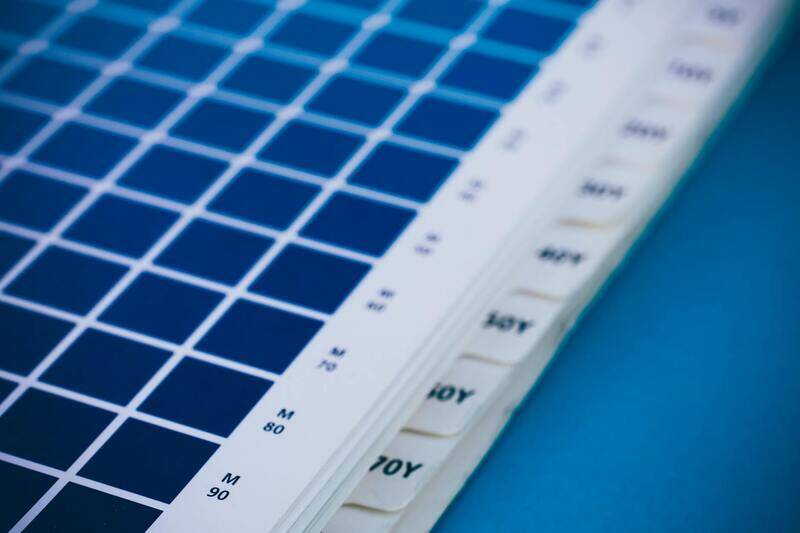
A comprehensive approach from pre-press planning to post-production ensures that the final output meets professional standards. This includes careful image preparation, color calibration, and substrate selection to optimize visual appeal and longevity. Adequate planning becomes crucial, especially for projects demanding precise color matching and detailed reproduction across broad surfaces.
Types of Printing Technologies for Large Format Images
Several advanced printing technologies are employed to produce high-quality huge picture prints, each with distinct advantages suited to specific project needs:
- UV Printing: Utilizes ultraviolet light to instantly cure ink onto substrates, resulting in durable and vibrant images suitable for both indoor and outdoor applications.
- Solvent and Eco-Solvent Printing: Offers excellent color vibrancy and weather resistance, ideal for banners, signage, and outdoor advertising materials.
- Latex Printing: Features water-based inks that provide flexible, eco-friendly outputs with a broad color gamut and good resistance to environmental factors.
- Inkjet Large-Format Printing: The most common method, using piezoelectric or thermal inkjet heads to deposit precise ink droplets for detailed and high-resolution images.
Choosing the right printing technology depends on the intended application, substrate compatibility, and required durability. For outdoor installations, solvent, UV, and latex methods excel, offering environmental resistance and longevity. Indoor projects often benefit from the finer detail and color accuracy of traditional inkjet printing.
Choosing the Right Materials and Substrates
The surface upon which your image is printed plays a decisive role in the final appearance and durability of huge picture prints. Selecting the appropriate substrate involves evaluating environmental exposure, aesthetic preferences, and structural requirements. Popular options include:
- Vinyl Films: Lightweight and weather-resistant, ideal for banners and outdoor signage. They come with gloss, matte, or satin finishes to tailor visual impact.
- Canvas: Offers a textured, artistic look suitable for indoor galleries or decorative displays, enhancing fine details and creating a tactile experience.
- PVC and Polyester Fabrics: Durable and flexible, excellent for large banners or wall coverings where durability is a priority.
- Rigid Panels (Aluminum or Acrylic): Provide a sleek appearance with excellent weather resistance, perfect for high-end or permanent installations.
The choice hinges on factors like exposure to moisture, sunlight, and handling, ensuring the final print maintains its vibrancy and structural integrity over its intended lifespan.
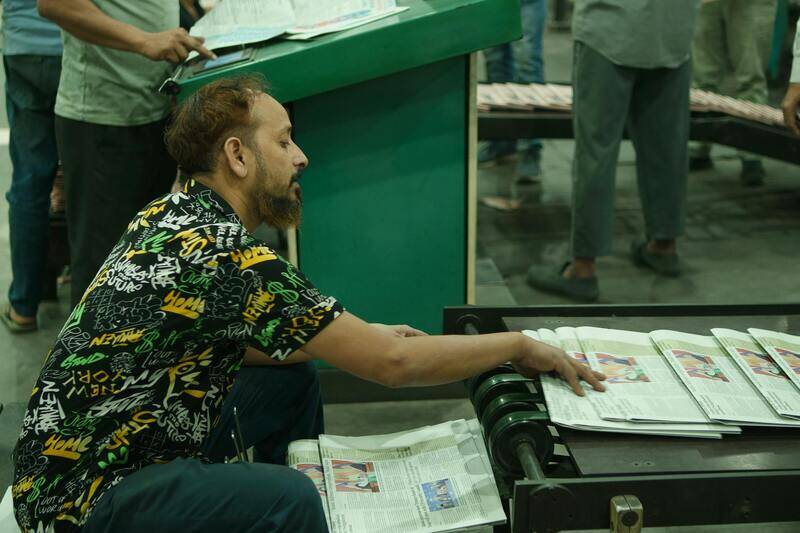
Proper substrate selection enhances the visual appeal and functional longevity of huge picture prints. Considerations should include the installation environment, weight constraints, and desired aesthetic finish, to ensure the output remains striking and durable.
Understanding Huge Picture Prints
Huge picture prints serve as impactful visual statements in a variety of settings, from commercial advertising and corporate branding to interior decor and artistic displays. The process of creating these large-scale images requires careful planning and expertise to ensure they meet both aesthetic expectations and functional needs. When engaging with high-quality large format printing, it is essential to understand the key elements that influence the final output, including the choice of technology, materials, and display techniques. A thorough appreciation of these aspects guarantees that each piece delivers vibrant visuals, durability, and a seamless appearance that captures viewer attention effectively.
Types of Printing Technologies for Large Format Images
To produce spectacular huge picture prints, several advanced printing technologies are employed, each suited for different types of projects and material substrates:
- Inkjet Printing: Predominantly used for high-resolution large formats, inkjet printers utilize aqueous, solvent, or UV-curable inks to produce sharp, vivid images. This method offers exceptional color accuracy and is versatile across various substrates such as vinyl, canvas, and film.
- Solvent and Eco-Solvent Printing: Ideal for outdoor applications, these methods provide water-resistant, weatherproof results with deep, vibrant colors. They are especially beneficial when printing on vinyl and other flexible materials.
- Latex Printing: Combining durability with eco-friendliness, latex technology supports vibrant, flexible prints suitable for indoor and outdoor display. It also allows for a wide range of substrates, including textiles and films.
- UV Printing: This technique cures the ink instantly using ultraviolet light, enabling direct printing onto rigid surfaces like acrylic, glass, and metal. It produces highly durable images with fine details and excellent weather resistance.

Choosing the Right Materials and Substrates
The selection of materials forms the backbone of successful large-scale imaging, impacting aesthetics, longevity, and installation logistics. Each application demands specific substrate characteristics:
- Vinyl Films: Excellent for outdoor signage and banners due to weather resistance and flexibility. Available in gloss, matte, or satin finishes to suit different visual styles.
- Canvas: Known for its textured surface, canvas provides a sophisticated, artistic appearance ideal for indoor gallery displays or décor. It enhances image depth and contrast, lending a tactile quality to the print.
- PVC and Polyester Fabrics: These substrates combine durability with flexibility, making them suitable for large banners or wall coverings that require handling and longevity.
- Rigid Panels (Aluminum or Acrylic): Offer a sleek, modern look with excellent weather resistance, suitable for high-end installations and permanent displays.
Choosing the suitable material involves evaluating environmental factors such as exposure to sunlight, moisture, and physical handling, ensuring the print retains its vibrancy and structural integrity over time.
Design and Resolution Considerations
Creating impactful huge picture prints begins with meticulous design planning, especially regarding resolution and image quality. Due to the large size, images must be crafted at very high resolutions to prevent pixelation and maintain sharpness when viewed at close distances. Industry standards recommend a resolution of at least 150 DPI for large-format prints viewed from a typical distance, but higher resolutions may be necessary for closer inspection or detailed artwork. Designers should consider the viewing environment, the intended audience, and the viewing distance when finalizing image details.
Color Management and Brightness Optimization
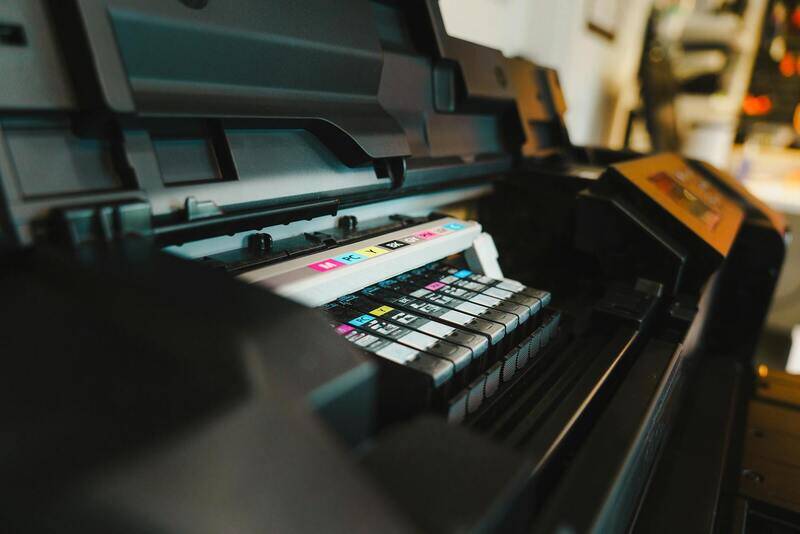
Color consistency and vibrancy are pivotal in producing stunning large picture prints. Implementing robust color management protocols ensures that the colors in the digital design translate accurately onto the chosen substrate, maintaining brand consistency and visual appeal. Calibration of monitors and printers is critical to achieving uniform color output. Additionally, optimizing brightness and contrast settings tailored to the display environment enhances visibility, especially in outdoor or brightly lit indoor spaces.
Installation and Display Best Practices
Proper installation preserves the visual impact and safety of huge picture prints. For outdoor displays, secure mounting solutions that withstand weather conditions are essential, including sturdy frames or anchors. Indoor installations should focus on minimizing reflections, even lighting, and avoiding environmental hazards that could damage the print. When hanging or affixing large-format images, use appropriate hardware designed for the weight and material of the print. Tensioning, framing, or lamination can also enhance durability and presentation quality.
Maintaining and Caring for Large Format Prints
Ensuring the longevity and vibrant appearance of huge picture prints requires careful maintenance and handling. Proper upkeep not only preserves the visual impact but also maximizes the investment in your large-scale display. Several best practices can be adopted to care for these impressive visuals, whether they are installed indoors or outdoors.
Regular Cleaning Procedures
Dust accumulation and environmental pollutants can diminish the clarity of large prints over time. It is advisable to clean the surface periodically with soft, non-abrasive materials. Using a microfiber cloth gently removes surface dust without scratching or damaging the print. For more thorough cleaning, a solution of mild soap and water can be applied cautiously, avoiding excessive moisture that might seep into printed materials or mounts.
Protection Against Environmental Damage
Environmental factors such as UV exposure, moisture, temperature fluctuations, and pollution can accelerate the degradation of large prints. To mitigate these effects, consider applying a suitable protective coating or laminate that provides UV resistance and water repellency. For outdoor displays especially, selecting weatherproof materials and ensuring robust waterproofing measures will prevent damage from rain, humidity, and direct sunlight.
Handling and Storage
Careful handling is vital during transportation, installation, and maintenance. Use appropriate equipment and techniques to prevent tears, creases, or other physical damages. When storing large prints temporarily, keep them flat in a controlled environment where temperature and humidity are regulated. Rolling the prints with a protective layer or storing them in rigid tubes can help avoid deformation or flexural damage.
Inspection and Repair
Routine inspections allow early detection of issues such as fading, peeling, or surface scratches. Addressing minor damages promptly prevents escalation into more serious problems. Repairs can involve touch-up painting, re-adhesion of loose sections, or professional restoration services, depending on the extent of the deterioration.
Environmental Monitoring and Preventative Measures
Continuous monitoring of the installation environment ensures optimal conditions for the long-term preservation of large picture prints. Advanced climate control systems, UV filters, and protective enclosures are effective in maintaining ideal conditions. These preventative measures significantly contribute to the sustained brilliance and structural integrity of your large-scale visuals.
