Understanding Large Format Photography Printing
Large format photography printing is a specialized process that involves producing high-resolution, high-quality prints on significantly oversized media. This technique is critical in various fields, including fine art display, commercial advertising, architectural visualization, and event signage. The significance of large format printing lies in its ability to present images with exceptional clarity, vibrant colors, and impressive detail, making it an ideal choice for impactful visual communication.
The core process involves capturing an image, preparing it for print, and then reproducing it on a substrate that can range from traditional paper to innovative materials like vinyl, fabric, or canvas. These prints are often used in galleries, exhibitions, and large-scale advertising banners, serving both aesthetic and informational purposes. Due to the large scale, precision during printing is crucial to ensure that the final product accurately represents the original image's intent.
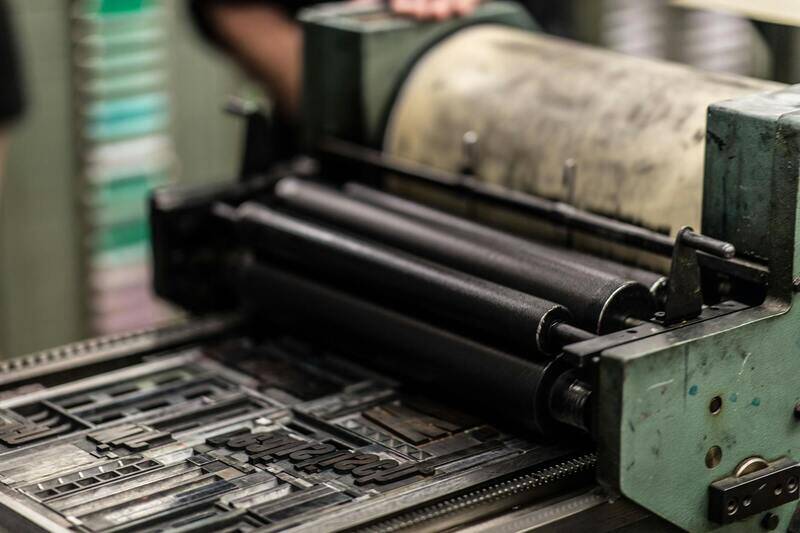
Applying large format photography printing extends beyond mere reproduction; it involves careful planning and execution to maintain image integrity and durability in various environments. Commercial spaces benefit from visually striking displays, while artists use it to showcase artwork at sizes that enhance viewer engagement. Moreover, large format prints often require durable materials that withstand outdoor conditions without fading or damage, emphasizing the importance of choosing the appropriate substrates and printing techniques.
In summary, mastering large format photography printing is vital for those seeking to produce visually commanding displays that convey messages effectively and stand the test of time. It combines advanced printing technology, meticulous preparation, and an understanding of materials to achieve outstanding results suitable for diverse modern applications.
Choosing the Right Materials and Substrates
Selection of appropriate materials and substrates is critical in achieving high-quality large format photographic prints that meet both aesthetic and functional requirements. The choice depends on factors such as the intended display environment, durability needs, and cost considerations. Common substrates include photo paper, vinyl, canvas, fabric, and rigid materials like metal or acrylic panels. Each offers unique advantages: for instance, vinyl is highly durable and suitable for outdoor advertising, while canvas imparts a textured, gallery-like appearance ideal for fine art displays.
In addition to material type, surface coatings play an essential role in enhancing print longevity and vibrancy. Glossy finishes tend to amplify color saturation and details, making images appear more vibrant, whereas matte coatings reduce glare, fostering a softer viewing experience. Anti-fade coatings are often applied to preserve color fidelity over extended periods, especially for works intended for permanent display or archival purposes.
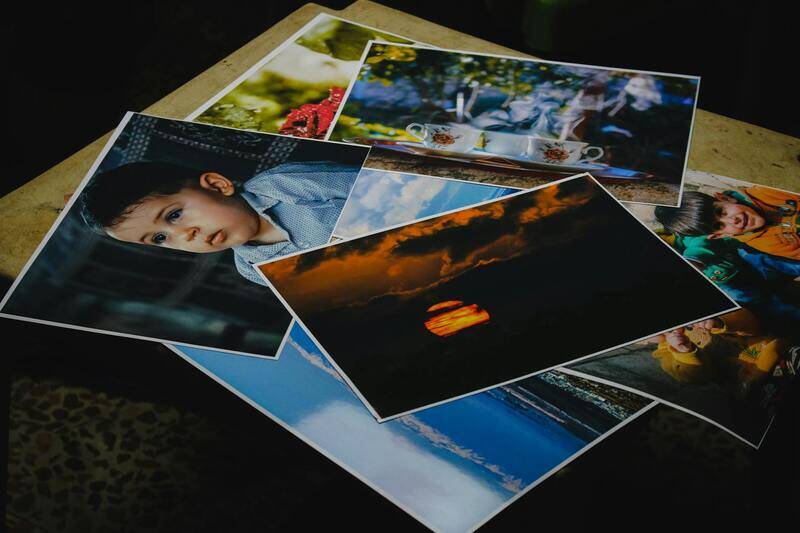
Environmental conditions and display location often influence substrate selection. For outdoor installations, weather-resistant materials such as billboards or laminated vinyl ensure durability against UV exposure, moisture, and temperature fluctuations. Indoor displays may leverage finer materials like high-quality photo paper or fabric, which emphasize detail and color accuracy. Employing the right material not only ensures the visual impact but also guarantees the longevity of the print under specific usage scenarios.
Furthermore, surface preparation can impact adhesion and color vibrancy. Proper handling and surface treatment, coupled with compatible inks, optimize the final appearance. Customization options, including thickness, texture, and even shape cutouts, provide additional creative control to match the project’s requirements.

In sum, the process of choosing materials requires a comprehensive understanding of the project’s scope, environment, and desired visual impact. Consulting with experienced printing professionals ensures selection of the most suitable substrates to produce durable, vibrant, and visually compelling large format photographic prints.
Choosing the Right Materials and Substrates
For large format photography printing, selecting the appropriate material is crucial to achieving the desired aesthetic and durability. Different substrates offer unique characteristics that complement various artistic styles and display environments.
- Photo Paper: High-quality photo paper provides exceptional detail, vibrant color reproduction, and a glossy or matte finish that enhances image depth. It is an ideal choice for gallery displays or indoor installations where visual clarity and color accuracy are paramount.
- Canvas: Canvas substrates lend a textured, fine-art feel to photographic prints. They are suitable for creating a classic, gallery-ready appearance and are often stretched over frames for a polished look. Canvas is durable and can be coated to resist UV fading, making it suitable for both indoor and protected outdoor displays.
- Vinyl: Vinyl is popular for large banners and outdoor signage due to its weather-resistant properties. It withstands environmental stressors like moisture, UV rays, and temperature fluctuations, ensuring that large-format prints retain their vibrancy over extended periods.
- Acrylic and Plexiglas: For a sleek, modern presentation, printing directly onto acrylic surfaces elevates image clarity and color vibrancy. These materials are used for high-end displays, emphasizing sharpness and a contemporary aesthetic. They also offer excellent weather resistance for versatile display options.
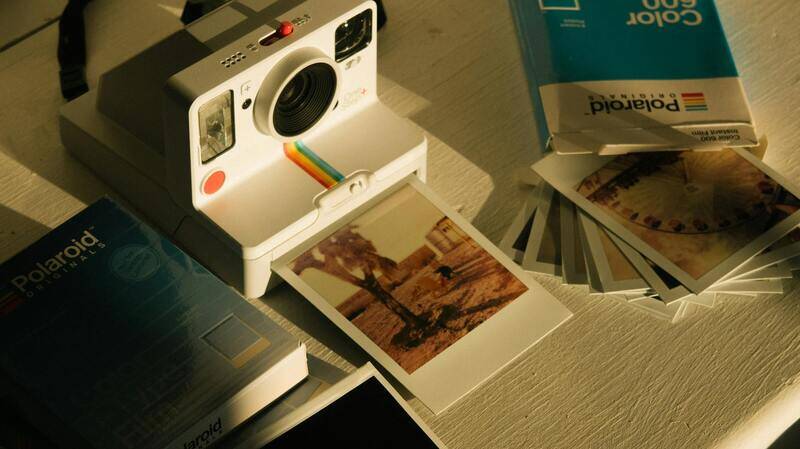
Beyond substrate choice, surface treatment methods such as lamination, mounting, or protective coatings can enhance the longevity and visual appeal of the print. Customization options — including thickness, texture, or unique shapes — further enable tailored solutions for specific display needs.
Guidance on Selecting Appropriate Paper, Canvas, Vinyl, or Other Substrates for High-Quality Large Format Prints
When selecting materials, consider the intended environment, exposure to elements, and the viewer’s proximity. Indoor exhibitions benefit from fine-art papers or canvas that accentuate detail and color richness, while outdoor displays require weather-resistant substrates like vinyl or laminated materials. Additionally, the project’s budget and timeline are influential factors; certain substrates and finishing techniques may involve more complex processes or longer production times.
Engaging with experienced printing professionals can streamline the selection process, ensuring that the chosen material aligns with the artistic vision, display setting, and durability expectations. Proper material choice not only amplifies the visual impact but also safeguards the print's integrity over time, maintaining its quality in various display conditions.
Understanding Large Format Photography Printing
Large format photography printing is a specialized process that requires precise control over numerous variables to deliver images that are both visually stunning and durable. At the core of this process is the selection of the appropriate printing technology, which significantly influences the final outcome. High-quality large format prints are typically produced using advanced inkjet printing systems that utilize wide-format printers capable of accommodating various substrates and producing sharp, vibrant images. These printers employ piezoelectric or thermal inkjet heads, placing microscopic ink droplets onto surfaces, which results in exceptional detail and color fidelity. The choice of inks plays a vital role in achieving longevity and resistance to environmental factors, with pigment-based inks offering superior lightfastness and weather resistance compared to dye-based options.
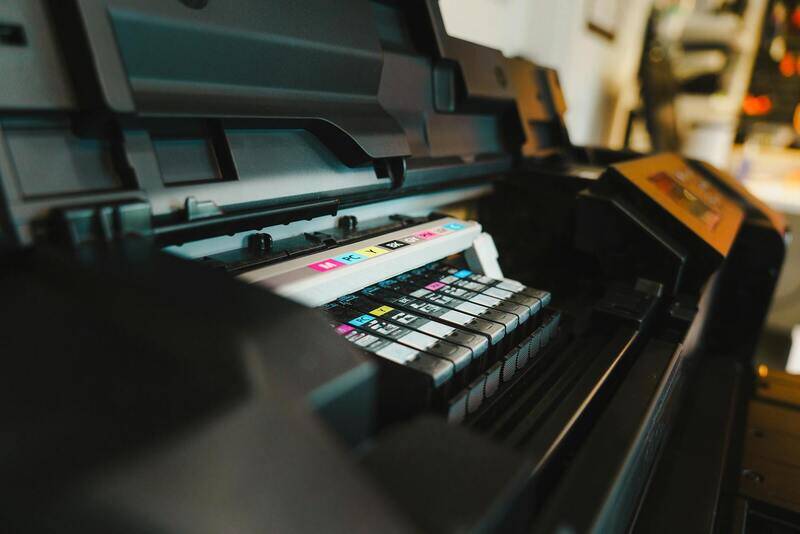
Ensuring consistent quality across large prints necessitates a comprehensive understanding of the printing process, including color profiles, calibration, and proper file preparation. Maintaining standardized color management workflows, such as using ICC profiles tailored to the specific printer, ink, and substrate, ensures that the colors captured during the shoot are accurately represented in the final print. Additionally, color calibration tools and soft-proofing techniques help communicate how images will appear once printed, reducing surprises and reprints.
Another critical aspect is the use of high-resolution digital files. Files prepared for large format printing should typically be at least 300 dpi at the final print size. However, resolution needs can vary based on viewing distance; for piece where viewers will observe from a distance, slightly lower resolutions might be sufficient without compromising visual impact. Proper file formats, such as TIFF or EPS, preserve maximum image data and prevent compression artifacts that could diminish print quality. Including bleed margins and ensuring correct color space (usually Adobe RGB or sRGB) facilitates a smoother transition from digital to physical output and guarantees that colors are rendered naturally and accurately.
Print Resolution and Quality Considerations
Though high resolution is often prioritized, other factors such as print texture, ink density, and substrate absorption also influence overall quality. Balancing these elements guarantees sharp images with accurate hues, smooth gradations, and minimal visible grain or noise.
Finishing Techniques and Display Options
Post-printing finishing methods can greatly impact the presentation and lifespan of large format photographs. Laminating or applying protective coatings shields prints from UV damage, moisture, and physical abrasion. Mounting on foam boards, acrylic, or aluminum composite panels adds stability and a premium appearance suitable for exhibitions or permanent displays. Frameless mounting options, like direct wall mounting or gallery wraps, offer sleek aesthetics that enhance visual engagement.
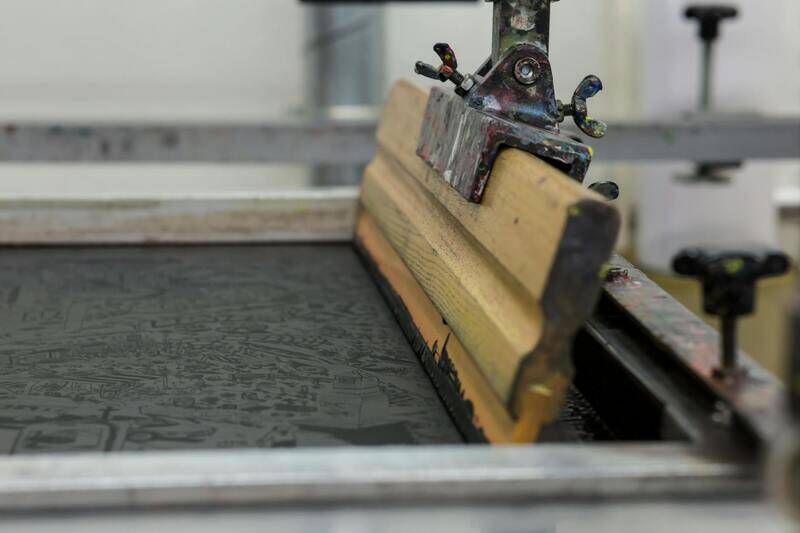
Choosing between matte, gloss, or satin surface finishes hinges on the intended viewing environment and desired visual effect. Matte finishes reduce glare and are ideal for bright spaces, while gloss surfaces enhance color vibrancy and are suited for controlled lighting environments. Properly finished prints not only improve visual impact but also extend the lifespan of the photograph, ensuring sustained quality over time.
Cost Factors and Production Timelines
Estimating costs for large format printing involves considering several elements, including material quality, size, finishing techniques, and the complexity of color management. Larger prints with higher resolution, premium substrates, or intricate finishing details naturally involve increased expenses. Moreover, durability requirements — for example, outdoor signage versus gallery displays — influence material choices and protective coating costs. Production timelines vary based on print size and process complexity but planning ahead with the printing provider helps avoid delays, especially for exhibition or installation deadlines.
Selecting a Printing Service Provider
Partnering with an experienced large format printing specialist ensures that the technical aspects, from file preparation to finishing, align with project goals. Professionals with a solid portfolio in photographic reproduction can advise on material selection, color fidelity, and optimal display formats. Transparency in pricing, turnaround times, and sample availability is equally important for a smooth collaboration. Ultimately, choosing a trusted provider enables access to advanced printing techniques and high-quality materials, guaranteeing a final product that captures the photographer’s vision with precision.
Understanding Large Format Photography Printing
Large format photography printing involves reproducing high-resolution images on expansive substrates, enabling photographers and artists to showcase their work at a scale that emphasizes detail and impact. This process requires meticulous attention to detail from image capture through to final output, ensuring that the amplified size complements the original composition without sacrificing clarity or color accuracy. Proper large format printing techniques must consider aspects such as image resolution, material compatibility, and environmental durability, particularly when the prints are intended for outdoor display or gallery exhibitions.
Key Factors in Large Format Printing
- Image Resolution: High-resolution files, typically measured in DPI (dots per inch), are essential for ensuring sharpness and clarity at large scales. Files prepared at a minimum of 300 DPI at the final print size help maintain fine details without pixelation.
- Material Selection: The choice of substrate—be it vinyl, canvas, acrylic, or specialty papers—affects not only visual presentation but also longevity and maintenance of the print.
- Color Fidelity: Accurate color reproduction depends on proper color management workflows, including calibration of monitors, color profiles, and proofing processes to match printed outputs closely with digital images.
- Environmental Considerations: Prints destined for outdoor installations require weather-resistant materials and protective finishes such as UV coatings to prevent fading and damage from exposure.
Applications of Large Format Prints
These prints serve diverse purposes across industries. Artists leverage large format printing for gallery displays, allowing viewers to experience artwork in a more immersive manner. Businesses utilize large banners and outdoor signage for advertising and brand visibility, necessitating durable and vibrant prints. Interior designers may incorporate large photographic prints as focal points within spaces, emphasizing visual impact and ambiance. Each application demands specific technical considerations to ensure the final product aligns with purpose and environment.
Matching Print Size and Viewing Distance
Critical to successful large format photography printing is understanding the intended viewing distance. For prints that will be viewed from afar, such as billboards or outdoor banners, resolution requirements can be lower, as the viewer's eye perceives less detail at distance. Conversely, gallery pieces viewed up close demand maximum resolution and fine detail fidelity. Proper assessment of viewing environments guides the printer in selecting appropriate resolution settings and substrate choices, balancing quality and production efficiency.
Final Considerations for Large Format Photography Printing
When preparing files for printing, ensure that images are color-corrected, properly cropped, and formatted according to substrate specifications. Incorporating bleed areas for cropping and finishing processes prevents unwanted edges or white borders. Testing proofs or small-scale samples help verify color accuracy and material performance before committing to full-scale production. Collaborating with professionals who understand the nuances of large format photographic reproduction ensures that the finished piece delivers the intended visual impact and durability, effectively conveying the artist’s vision on an impressive scale.
Understanding Large Format Photography Printing
Large format photography printing involves creating expansive visual displays that preserve intricate details and vibrant colors, often requiring specialized equipment and expertise. These prints serve diverse purposes, from fine art exhibitions and commercial displays to promotional banners and outdoor signage. Accurate reproduction of high-resolution imagery on large substrates necessitates careful consideration of technical parameters, including image resolution, color fidelity, and material compatibility. The process begins with digital file preparation, ensuring that images are optimized for size without compromising quality. Proper file formatting, including the use of high-resolution sources and color profiles, is crucial for achieving consistent and accurate output. Understanding the environmental conditions where the final print will be displayed also influences the choice of materials and printing techniques, ensuring the visual impact is sustained over time and under various conditions.
Types of Printing Technologies for Large Formats
Several advanced printing technologies are employed in the production of large format photographic prints, each offering unique advantages tailored to specific applications:
- UV Printing: Ideal for rigid substrates like acrylic or metal, UV printing uses ultraviolet light to instantly cure ink, resulting in sharp images and durable, scratch-resistant surfaces.
- Latex Printing: A versatile method suitable for textiles and broader material options; latex inks provide vibrant color reproduction and weather resistance suitable for outdoor displays.
- Solvent and Eco-Solvent Printing: Known for their ability to produce vivid colors with excellent adhesion on vinyl and banners, these techniques are favored for outdoor signage due to their durability.
- Inkjet Printing: The most common approach for photographic reproductions, offering high resolution and fine detail, especially with aqueous-based inks designed for color accuracy and longevity.
Choosing the Right Materials and Substrates
Selecting the appropriate substrate is critical to the longevity and visual quality of large format photographic prints. The choice depends on the intended display environment, desired durability, and aesthetic considerations:
- Vinyl: Popular for banners and outdoor signage, offering flexibility and weather resistance.
- Canvas: Used for fine art reproductions or gallery displays, providing a textured, high-end appearance that mimics traditional paintings.
- Acrylic: Delivers vibrant color and clarity, suitable for modern art pieces or upscale displays.
- Paper: Ideal for indoor applications and photographic reproductions where sharp detail is essential.
- Textile: Suitable for soft signage and fabric banners, with options for water resistance and ease of installation.
Choosing the right substrate involves considering exposure conditions, required lifespan, and the visual effect. Proper surface preparation and compatibility with selected ink types further enhance the final product's durability and appearance.

Understanding Large Format Photography Printing
Large format photography printing facilitates the reproduction of high-resolution images on expansive surfaces, making it an essential component for creating impactful visual displays. These prints are used in various applications, from fine art exhibitions and gallery displays to commercial advertising and architectural installations. The process involves meticulous attention to detail, precision in color rendition, and the selection of appropriate materials to ensure that the final output meets the desired standards of clarity, vibrancy, and durability.
Fundamentally, the essence of large format photography printing lies in balancing technical specifications with aesthetic intent. The enlarged dimensions magnify any imperfections or color inaccuracies, making the choice of printing method, substrate, and color management critical. When executed properly, large format prints transform visual concepts into tangible realities, resonating with viewers through striking clarity and vivid detail.

Types of Printing Technologies for Large Formats
Several advanced printing technologies are employed in the realm of large format photography printing, each offering unique advantages suited to different project requirements:
- Solvent and Eco-Solvent Printing: Ideal for outdoor applications due to their excellent weather resistance and color vibrancy. These printers utilize solvent-based inks that adhere well to non-porous substrates like vinyl and banner fabrics.
- UV Printing: Uses ultraviolet light to cure inks instantly on various rigid or flexible surfaces. UV printing provides high resolution and vivid colors, often with enhanced surface durability particularly suited for signage and display panels.
- Aqueous Inkjet Printing: The most prevalent choice for photographic reproductions, providing high detail and color accuracy. These printers are capable of producing fine gradations and subtle color transitions, crucial for high-quality art prints.
- Dye-Sublimation Printing: Primarily used on polyester-based materials, this method produces vibrant, long-lasting prints with a soft finish, perfect for fabric displays and soft signage.
Choosing the Right Materials and Substrates
The selection of suitable materials significantly influences the visual appeal and longevity of large format photographic prints. The decision hinges on the intended display environment, whether indoor or outdoor, and the aesthetic objectives of the project. Here are some common substrates used in large format photography printing:
- Vinyl: Highly versatile for banners and outdoor signage due to its weather-resistant properties. It offers flexibility, making it suitable for curved surfaces and long-term outdoor exposure.
- Canvas: Provides a textured, artistic feel ideal for fine art reproductions and gallery displays. Its surface mimics traditional canvas paintings, adding a touch of elegance.
- Acrylic: Known for clarity and vibrant color representation, it is often used for upscale displays or modern art installations. Its glossy finish enhances image sharpness and depth.
- Photo Paper: Designed for high-resolution indoor photographic displays. It ensures exceptional detail and color accuracy, making it the preferred choice for gallery-quality prints.
- Textile and Fabric: Suitable for soft signage or banners. These substrates can be handled easily and offer options with water resistance, thus expanding their application scope.
Additionally, surface preparation and ink compatibility are vital to maximize adhesion, prevent deterioration, and achieve a high-quality finish. Selecting the right substrate involves evaluating environmental exposure, lifespan needs, and visual preferences to ensure a compelling final product.
Ensuring Longevity and Proper Maintenance of Large Format Prints
Once a large format photograph has been printed, its preservation and ongoing maintenance are critical to maintaining visual appeal and structural integrity over time. Proper care extends the lifespan of the print, preserves color vibrancy, and prevents physical damage such as scratches, fading, or moisture-related issues.
Protection Against Environmental Factors
Environmental exposure considerably influences the durability of large format prints. UV radiation from sunlight can cause fading and discoloration, while humidity and moisture may lead to warping, mold growth, or other forms of deterioration. To mitigate these risks:
- Use of Protective Coatings: Applying UV-resistant and matt or gloss varnishes provides a barrier against harmful rays and environmental pollutants. These coatings also enhance the surface finish and make cleaning easier.
- Proper Framing and Mounting: Framing with UV-protective glass or acrylic shields the print from outdoor elements and physical damage. Mounting on sturdy, suitable substrates prevents warping and sagging.
- Controlled Indoor Environment: For indoor displays, maintaining a stable temperature and humidity level minimizes the risk of physical deformation or pigment degradation. Air filtration systems can help reduce airborne pollutants that might settle on the surface.
Routine Cleaning and Handling
Cleanliness is key in preserving the appearance of large format photographs. Use soft, lint-free cloths for dust removal and avoid harsh chemicals that could damage the surface or ink. When cleaning:
- Gentle Dusting: Lightly remove dust using a microfiber cloth or soft brush, avoiding applying pressure that could scratch the surface.
- Spot Cleaning: For smudges or stains, use a damp cloth with distilled water or a specialized cleaning solution recommended for the substrate material.
- Handling: Minimize direct contact with bare hands to prevent oil and dirt transfer. Use gloves when necessary, and always support the print securely to avoid bending or tearing.
Proper Storage When Not on Display
If a large format print is intended for temporary storage or long-term archiving, proper techniques ensure its viability:
- Rolling vs. Flat Storage: Canvas and flexible substrates can be rolled onto tubes with protective layers such as acid-free tissue paper, while rigid materials should be stored flat in a climate-controlled environment.
- Avoiding Physical Damage: Keep stored prints away from places prone to vibration, pressure, or accidental impacts to prevent creases or tears.
- Climate Conditions: Maintain optimal humidity levels (ideally around 50%) and temperature (around 20°C or 68°F) to slow deterioration processes.
Choosing Professional Maintenance and Restoration Services
Over time, even well-protected large format photographs may require professional restoration, especially if fading or physical damage occurs. Specialized conservators can perform cleaning, retouching, and reinforcement to restore original quality without compromising the print's integrity. Collaborating with trusted service providers ensures any intervention adheres to industry standards and preserves the artwork’s value and aesthetic appeal.