Understanding Large Photo Prints
Large photo prints serve as impactful visual expressions, transforming ordinary images into striking displays that can enhance any environment. These prints typically encompass dimensions that exceed standard photo sizes, often ranging from 20 inches on the shortest side to wall-covering formats that span several meters. The primary purpose of large photo prints is to capture attention and evoke emotional responses, making them ideal for personal and professional settings alike.
In residential contexts, large photo prints are commonly used to showcase cherished family moments, scenic landscapes, or artistic compositions, creating focal points in living rooms, bedrooms, or hallways. Within commercial and corporate frameworks, sizable prints are employed for branding, promotional campaigns, or interior design accents that reinforce brand identity and create memorable customer experiences. Public spaces such as galleries, museums, and outdoor venues also leverage large photo prints to communicate messages, tell stories, or celebrate cultural heritage.
The technological advancements in printing have made it possible to produce such expansive images with high resolution, ensuring clarity and visual impact even from close viewing distances. Importantly, large photo printing involves meticulous planning—from image selection and quality assessment to material choice and display considerations—to achieve desired aesthetic results.
Understanding how to effectively utilize large photo prints requires knowledge of various factors, including appropriate sizing, material options, and the latest printing methods. This ensures the final output not only meets aesthetic expectations but also withstands environmental influences such as light, humidity, and handling. As a versatile form of visual art, large photo prints remain a popular choice for those seeking to create bold, captivating visuals in diverse settings.
Materials and Finishes for Large Photo Prints
Choosing the right material and finish for large photo prints is fundamental to achieving the desired visual effect and ensuring durability. The selection process involves understanding the characteristics of various substrates and surface treatments, which can significantly influence the final appearance and lifespan of the print.
Common substrate options include:
- Photographic Paper: Offers sharp image quality and vibrant colors, ideal for detailed photographic reproductions. Matte or glossy finishes can be selected based on aesthetic preferences and intended room lighting conditions.
- Canvas: Provides a textured surface that emulates traditional paintings. Canvas prints add an artistic touch and are often finished with a coating to protect against smudges and environmental damage.
- Metal (Aluminum): Known for its sleek, modern look, metal prints are highly durable, resistant to moisture, and feature vibrant color rendition with a contemporary edge.
- Acrylic: These prints are mounted behind a clear acrylic sheet that enhances depth and color vibrancy. They are popular in upscale interior designs and art displays.
Finish options further customize the appearance and protection of the print:
- Glossy Finish: Amplifies color brightness and contrast, ideal for showcasing detailed images with striking visual impact. However, it may reflect light and show fingerprints more prominently.
- Matte Finish: Offers a subdued and elegant look that reduces glare, suitable for environments with strong lighting or where reflections might be distracting.
- Satin or Semi-Matte Finish: Strikes a balance between gloss and matte, providing soft reflections and a smooth appearance that minimizes fingerprints and glare.
- Textured Coatings: Add tactile dimension, often used on canvas or specialty materials to enhance artistic qualities.
In addition to substrate and finish choices, consideration should be given to environmental factors where the print will be displayed. For outdoor or high-humidity areas, weather-resistant materials such as aluminum or specially coated textiles can ensure longevity. Moreover, selecting finishes that resist scratches, UV light, and fading helps maintain image integrity over time, making the investment in large photo prints more sustainable.
Professional printing services in Singapore often offer consultations to help clients select the most suitable material and finish based on display context, budget, and aesthetic preferences. By understanding the options available, clients can make informed decisions that optimize both the visual impact and durability of their large photo prints.
Choosing the Right Material for Your Large Photo Prints
When selecting materials for large photo prints, it is essential to consider the environment where the artwork will be displayed, the desired aesthetic, and the longevity of the print. Common materials include canvas, acrylic, metal, and high-quality photographic paper, each offering unique qualities suited to different purposes.
Canvas remains popular for its textured finish and artistic appeal, making it ideal for gallery displays or personal collections. Its ability to absorb inks well ensures rich, vibrant colors that enhance detailed images. Acrylic prints, on the other hand, lend a modern, sleek look with their glossy surface, ideal for high-resolution images and contemporary décor. They also have excellent UV resistance, ensuring colors remain vivid over time.
Metal prints, typically made from aluminum, offer durability and a striking visual presence due to their lustrous, reflective surface. These are well-suited for bold, impactful images, especially in commercial spaces or outdoor settings where weather resilience is necessary. Photographic papers, especially those with archival quality, are suitable for indoor displays where meticulous preservation of image quality is paramount.
Finishing Options to Enhance Durability and Aesthetic
Choosing appropriate finishes can significantly impact the visual appeal and lifespan of large photo prints. Matte finishes reduce glare and fingerprints, making them suitable for brightly lit environments or spaces where reflections could distract viewers. Satin or semi-matte finishes combine a soft sheen with minimal glare, balancing aesthetic appeal with practicality. Glossy finishes provide vibrant colors and sharp details but may require careful handling to avoid fingerprints and reflections.
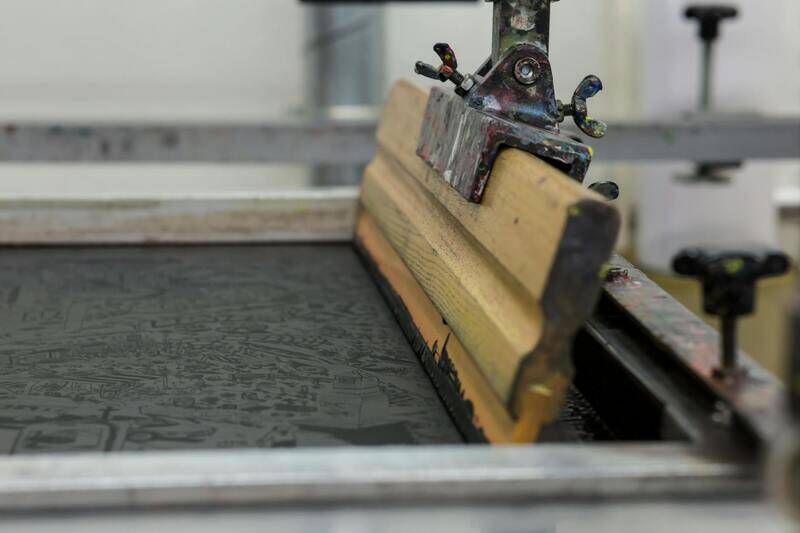
Additional textured coatings can introduce tactile elements to prints, often used on canvas or specialty materials to enhance artistic qualities. Protective coatings, such as UV-resistant layers and scratch-proof laminates, further ensure the longevity of the print, especially in high-traffic environments or outdoor settings. These finishes act as a safeguard against environmental damage, fading, and physical wear, making your investment in large photo prints more enduring.
Environmental Considerations for Display and Maintenance
For outdoor installations or areas exposed to high humidity, selecting weather-resistant substrates like anodized aluminum or specially coated textiles is crucial. Such materials withstand elements like rain, UV exposure, and temperature fluctuations, ensuring the print remains vibrant and intact over time. Indoor displays benefit from finishes that resist scratches, dust, and fingerprints, preserving image clarity and color integrity.
Proper maintenance, including regular cleaning with gentle methods and avoiding harsh chemicals, extends the life of large photo prints. Dusting with soft, dry cloths and refraining from abrasive cleaning agents help maintain the high-quality appearance of your artwork or signage.
Professional Guidance for Optimal Material and Finish Selection
Most reputable printing services in Singapore offer consultation to assess the specific needs of each project. They consider factors such as display location, environmental conditions, aesthetic preferences, and budget. With expert advice, clients can select materials and finishes that best match their vision and ensure durability, vibrant presentation, and overall satisfaction.
Understanding Large Photo Prints
Creating large photo prints involves more than just enlarging an image; it requires careful consideration of the printing process, materials, and expertise to ensure that the final product meets expectations in quality, durability, and visual impact. High-resolution images are fundamental, as they provide the detail necessary for sizable displays without pixelation or blurriness. Image resolution guidelines typically recommend a minimum of 150-300 DPI; however, for very large prints viewed from a distance, a lower DPI can be acceptable to maintain clarity. Choosing the right printing method is crucial. Inkjet printing has become a standard for large photographic reproductions due to its ability to produce vivid colors, fine details, and smooth gradations. Dye sublimation, on the other hand, is favored for its durable, vibrant, and seamless results, especially on specialty substrates. Understanding the strengths and limitations of each technology allows clients to select the optimal process based on their specific project needs, whether for indoor gallery displays, outdoor signage, or personal art collections. Moreover, color management practices are essential. Professionals utilize color calibration tools and color profiles to ensure accurate color reproduction across different devices and media. This precision helps maintain consistency between the original digital image and the printed output, which is critical for clients who require exact color matching for branding or artistic purposes. When undertaking large photo print projects, it's advisable to collaborate with experts who understand the nuances of print resolution, color fidelity, and material compatibility. They can refine image files to enhance sharpness, contrast, and color vibrancy, ensuring that each large-scale print faithfully represents the original photograph with maximum impact.
Design and Image Preparation
Optimal preparation of digital images plays a pivotal role in achieving stunning large photo prints. Starting with high-resolution files ensures that prints retain sharpness and clarity, especially when enlarging images. A recommended resolution for large prints is at least 300 DPI at the final print size; however, for very large displays intended to be viewed from a distance, a lower DPI may suffice without compromising perceived image quality.
Color calibration across devices is essential. When preparing images for printing, ensure that monitors are calibrated correctly to display accurate colors. Utilizing calibrated color profiles assists in maintaining consistency between what is seen on screen and the final printed product, which is crucial for projects where color accuracy is a priority.
File formats also influence print quality. Lossless formats such as TIFF or PNG are preferred because they retain maximum image detail and color information. JPEGs can be used but should be saved at the highest quality setting to prevent compression artifacts that could diminish the print's detail. Additionally, image files should be prepared with proper embedding of color profiles and without unnecessary compression to preserve fidelity.

Image cropping and aspect ratio considerations are equally important. Ensuring that the composition aligns with the final print dimensions prevents unwanted cropping during the printing process. Maintain the original aspect ratio, or plan for cropping to fit the desired print size in a way that enhances the visual impact of the photograph.
Experts recommend reviewing the image at 100% zoom level in editing software to identify any imperfections or noise that could become more prominent when enlarged. Noise reduction and sharpness adjustments can then be applied judiciously for optimal results.
Another aspect of preparation is considering the target display location to determine appropriate brightness, contrast, and color saturation adjustments. Ultimately, meticulous image preparation ensures that the printed photograph maintains the intended visual story, capturing intricate details and vibrant colors faithfully.
Understanding Large Photo Prints
Large photo prints are an exceptional way to display artwork, enhance interior aesthetics, or create memorable visual statements. They are characterized by their significant dimensions, often exceeding standard photo sizes, and require specialized printing methods to ensure clarity, color accuracy, and durability. When opting for large photo prints, it is essential to comprehend the importance of high-resolution images, appropriate materials, and precise printing techniques to achieve a professional-grade result. This understanding helps in making informed decisions that align with the intended ambiance, purpose, and setting of the printed photograph.
Common Sizes and Dimensions
Large photo prints typically start from sizes like 24x36 inches and can extend to massive formats such as 48x96 inches or larger. These dimensions are ideal for prominent display walls in homes, offices, or commercial spaces. The choice of size depends on several factors, including the original image resolution, viewing distance, and the space where the print will be showcased. It is crucial to select a size that retains image integrity while fitting within the designated display area. When preparing for large print projects, standard aspect ratios include 3:2, 4:3, and 16:9, which help to minimize cropping and preserve the original composition of the photograph.

Materials and Finishes for Large Prints
The choice of material significantly impacts the appearance, durability, and maintenance of large photo prints. Common options include glossy, matte, and luster finishes, each providing distinct visual effects. Glossy finishes enhance color vibrancy and sharpness but may reflect light, making them suitable for controlled lighting environments. Matte finishes offer a non-reflective surface, ideal for glare-sensitive areas and creating a softer visual appeal. Luster finishes strike a balance between gloss and matte, providing vibrant colors with reduced glare and fingerprint visibility. Additionally, selecting the right substrate — such as high-quality photo paper, canvas, or vinyl — can further influence the aesthetic and longevity of the print. Canvas prints, for example, provide a textured, artistic look, whereas vinyl offers weather-resistant qualities suitable for outdoor displays.
Printing Techniques and Technologies
Advancements in printing technologies have elevated the quality and feasibility of large photo prints. Inkjet printing remains a popular choice due to its ability to produce vibrant colors, fine detail, and a broad color spectrum. High-resolution printers with wide-format capabilities allow for precise color gradation and sharp details over expansive surfaces. Some modern printing methods utilize solvent or UV-curable inks, which offer increased durability and resistance to environmental factors such as UV rays, moisture, and scratching. These technologies enable the creation of outdoor-ready large photo prints with sustained vibrancy and integrity over time.
Design and Image Preparation
Preparing images for large-scale printing involves multiple critical steps to ensure the final output matches the high expectations for quality and visual impact. The image resolution should be at least 300 DPI at the desired print size to prevent pixelation. It is also necessary to adjust color profiles to ensure accurate color reproduction, matching the digital image with the printed output. Cropping images to fit the aspect ratio of the print format can prevent unwanted borders or cropping during the printing process, preserving the composition's focus.
Professionals recommend viewing the image at 100% zoom in editing software to detect and correct imperfections, noise, or artifacts that become more prominent when enlarged. Applying noise reduction and sharpening tools judiciously enhances image clarity. Consider the intended display environment when adjusting brightness, contrast, and saturation, ensuring the final print complements its surroundings while encapsulating the intended mood and tone.
Understanding Large Photo Prints
Large photo prints serve as impactful visual elements in various settings, from commercial displays to personal art collections. Their quality hinges on meticulous selection of printing methods, materials, and professional techniques to guarantee sharpness, color accuracy, and durability. Ensuring that the images are appropriately prepared and that the printing process adheres to best practices directly influences the final outcome. When opting for large photo prints, consider the purpose—whether for interior decor, outdoor signage, or gallery exhibitions—and choose the options that best align with these requirements.
Common Sizes and Dimensions
The range of available sizes for large photo prints spans from modest expanses to monumental displays, tailored to fit specific spaces and design intents. Typical dimensions include:
- 24x36 inches (61x91 cm): Popular for wall art and posters
- 36x48 inches (91x122 cm): Ideal for spacious interior walls
- 48x72 inches (122x183 cm): Suitable for statement pieces in commercial environments
- Custom sizes exceeding these standards are also available, crafted to meet unique project specifications.
In defining the size, consider the viewing distance and the environment where the print will be displayed. Larger prints demand precise alignment and proportion to maintain visual balance and clarity at various distances.
Materials and Finishes for Large Prints
The choice of materials significantly influences the appearance and longevity of large photo prints. Common options include:
- Vinyl Banner: Durable, weather-resistant, suitable for outdoor displays
- Canvas: Adds a textured, artistic feel, often used for gallery-quality pieces
- Photo Paper: Provides sharp detail and vibrant colors, best for indoor use
- PVC Foam Board: Lightweight and rigid, ideal for display panels
- Aluminum Composite: Offers modern aesthetic with excellent durability and weather resistance
Finishes such as matte, gloss, or satin further enhance the visual impact and protection against environmental factors. Matte finishes minimize glare, while gloss surfaces amplify color vibrancy and sharpness.

Printing Techniques and Technologies
The advancement of printing technologies has enriched the quality and versatility of large photo prints. High-end digital printers employing solvent, UV-curable, or latex inks ensure high precision, color accuracy, and resist environmental degradation. Wide-format printers equipped with multi-color ink sets produce smooth gradients and crisp details across vast surfaces. Techniques such as dye sublimation are particularly favored for vibrant color depth, especially on textiles like canvas. For outdoor applications, UV-curable inks provide resistance against UV rays, moisture, and scratching, maintaining visual appeal over extended periods.
Design and Image Preparation
Proper preparation of digital images is critical to achieve impeccable large photo prints. The process involves:
- Ensuring a minimum resolution of 300 DPI at the intended print size to prevent pixelation.
- Adjusting color profiles to match printing equipment capabilities for consistent reproduction.
- Cropping images to fit the selected aspect ratio, avoiding unintended borders or cropping during printing.
- Viewing the image at 100% zoom during editing to identify and rectify imperfections, noise, or artifacts.
- Applying noise reduction and sharpening filters thoughtfully to enhance clarity without compromising image integrity.
- Considering the display environment with adjustments in brightness, contrast, and saturation for optimal effect.
Image editing software and professional calibration help in maintaining color fidelity and image sharpness, vital for large-scale reproduction where imperfections are more noticeable.
Ensuring Proper Methods for Large Photo Prints
Securing high-quality large photo prints requires utilizing industry-approved printing techniques and reputable service providers. It is essential to collaborate with providers that employ advanced printing technologies, such as solvent, UV-curable, or latex inks, which guarantee durability, vibrant color reproduction, and resistance to environmental elements. These methods leverage wide-format printers capable of producing consistent, detailed images across expansive surfaces without color bleeding or loss of fidelity.
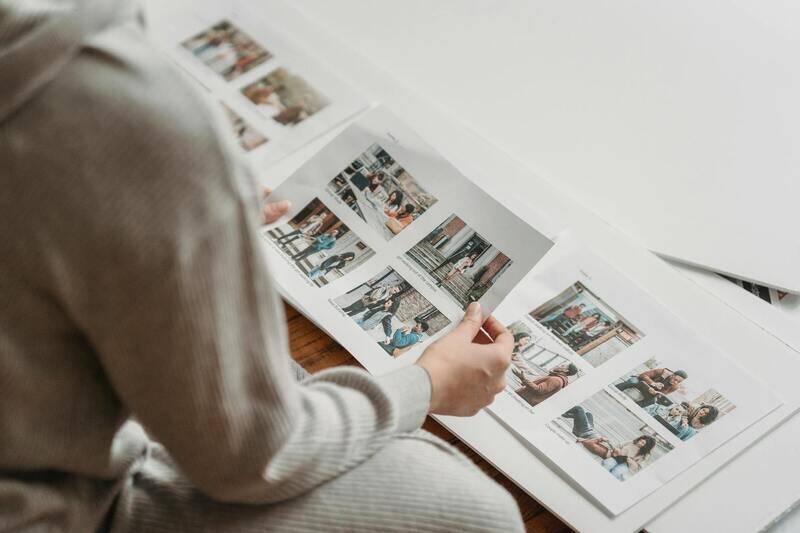
When selecting a printing service, verify their investment in high-precision printing equipment and their adherence to industry standards. Reputable providers often showcase their expertise through a portfolio of projects, demonstrating their capability to handle intricate details and specific material requirements effectively. Furthermore, they should offer consultation to optimize image resolution, color profiles, and material choices tailored to each project’s purpose and environment.
Official and Proven Methods for Large Photo Printing
- Utilize Certified Printing Equipment: Confirm that the service provider operates with certified wide-format printers that support the selected materials and inks.
- Use Quality Inks: Ensure the inks employed are approved for outdoor or indoor applications based on your display needs, offering longevity and color fidelity.
- Adopt Proper Calibration Practices: Look for providers that regularly calibrate their printers to match color profiles and achieve consistent results.
- Material Compatibility: Choose compatible substrates such as canvas, vinyl, or photographic paper, suitable for your installation environment and aesthetic preferences.
- Environmental Controls: Confirm the printing environment maintains optimal temperature and humidity to prevent material warping or ink issues.
Best Practices for Image Files and Digital Preparation
High-quality large photo prints hinge on meticulous digital preparation. The following steps ensure images are ready for professional printing:
- High-Resolution Files: Maintain a minimum resolution of 300 DPI at the intended print size to preserve detail and sharpness.
- Color Profile Management: Convert and embed color profiles that match the printer's capabilities for accurate color reproduction.
- Aspect Ratio and Cropping: Adjust images to the specific aspect ratio of the print to avoid unintended cropping or borders.
- Pre-Print Viewing: View images at 100% zoom to identify and correct potential issues such as noise or artifacts.
- Color and Brightness Adjustments: Fine-tune brightness, contrast, and saturation to ensure vibrant yet natural colors post-printing.
- Sharpening and Noise Reduction: Apply these edits thoughtfully to enhance image clarity without losing detail, especially important at large scales.
Legal and Safe Methods to Acquire Images
To guarantee that images used for large photo prints uphold legal standards, sourcing images from legitimate channels is crucial. This includes purchasing or licensing images from reputed stock photo agencies, commissioning original work from professional photographers, or using personal photographs for which you hold rights. Utilizing images without appropriate authorization can result in compromised quality or legal complications, and professional service providers often assist clients in sourcing or licensing suitable images that meet project specifications.