Overview of Color Poster Printing
Color poster printing is a specialized process that transforms digital designs into vibrant, visually impactful posters. It involves reproducing images, graphics, and text in full color with high resolution, ensuring that every detail is sharp and colors are vivid. This printing method is widely used across various sectors, including advertising, education, event promotion, and corporate branding, where visual impact is paramount.
The primary goal of color poster printing is to produce eye-catching visuals that effectively communicate a message or showcase a product. High-quality color reproduction is essential because it captures attention, evokes emotions, and enhances the overall aesthetic appeal of the poster. Accurate color matching and vibrant output can significantly influence viewers' perceptions and engagement levels.
Advanced printing technology allows for precise color rendering, ensuring that the final product closely matches the intended design. Whether for indoor or outdoor use, color posters need to maintain their visual integrity over time, which demands durable inks and substrates. As a result, choosing the right printing method and materials is crucial to achieving a professional finish that meets specific project requirements.

Proper color fidelity in poster printing not only boosts visual appeal but also enhances brand recognition. Consistent color output ensures that logos, brand colors, and visual themes are correctly represented across different print runs and mediums. This consistency builds trust and reinforces brand identity.
Another consideration is the scale of production. Color poster printing can be tailored for small-scale, custom orders or large commercial runs, with each approach requiring specific techniques and equipment. High-quality color reproduction involves meticulous calibration of printers and use of color management systems to achieve precise results every time.
In summary, color poster printing combines advanced technology, quality materials, and design precision to produce visually stunning and impactful posters. It plays a vital role in effective visual communication, making it an indispensable element for businesses, organizations, and individuals seeking to promote products, events, or messages through vibrant, professional-grade posters.
Materials and Substrates for Color Posters
Choosing the right materials and substrates is fundamental to ensuring the durability, vibrancy, and overall quality of color posters. High-quality substrates serve as the foundation for the printed image, influencing both aesthetics and longevity. Common substrates include paper, vinyl, fabric, and rigid boards, each with specific properties suited to different project needs.
Paper remains the most traditional and widely used material for indoor posters. It offers excellent color reproduction capabilities and a smooth surface that enhances fine details. For outdoor applications or environments where moisture and weather resistance are necessary, vinyl and other synthetic materials provide superior durability. Vinyl substrates are resistant to tearing, fading, and water damage, making them ideal for banners and outdoor signage.
For premium or aesthetic displays, fabric substrates are gaining popularity. They have a textured surface that adds depth and a sophisticated finish to posters, suitable for exhibitions or high-end retail displays. Rigid substrates, such as foam boards or rigid PVC panels, are often used for presentation displays or point-of-sale signage, offering excellent structural support and a crisp visual impression.

The choice of substrate influences the printing method as well. For instance, digital printing on vinyl requires adhesive backing and appropriate ink types to prevent issues like ink smudging or peeling. Offset printing on paper demands smooth, coated surfaces to achieve precise color registration. The compatibility between substrate and printing technique is essential to maintain color fidelity, detail sharpness, and overall print quality.
When selecting materials, it is also important to consider environmental factors and sustainability. Recyclable papers and eco-friendly vinyl options are increasingly available, supporting environmentally conscious printing initiatives. Proper substrate selection not only ensures the desired visual effect but also aligns with project sustainability goals.
For projects requiring high-definition images with vibrant color accuracy, coated and glossy surfaces are often preferred. Matte finishes, on the other hand, help reduce glare and fingerprints, enhancing readability and visual comfort. The choice between these finishes should be guided by the intended display environment and viewing distance.

By understanding the specific requirements of each project—such as location, durability needs, visual impact, and environmental considerations—clients can make informed decisions about the most suitable materials and substrates. This ensures that the final product not only meets aesthetic expectations but also withstands the conditions it will face in its intended setting.
Materials and Substrates for Color Posters
Choosing the appropriate materials for color poster printing is crucial for achieving vibrant visuals, durability, and visual appeal. The selection ranges from traditional paper and vinyl to fabric, each offering unique benefits suited for different display environments and purpose. High-quality poster paper, especially coated or glossy finishes, enhances color richness and detail sharpness, making it ideal for indoor displays, exhibitions, and promotional events. Vinyl banners are favored for outdoor use due to their weather-resistant properties and ability to sustain bright, eye-catching colors over extended periods.
Fabric substrates, such as canvas or textile blends, introduce a premium feel to posters and are often used for artistic or sophisticated displays. They offer excellent color depth and a tactile dimension that can elevate the visual impact of a campaign. However, their susceptibility to creasing and higher production costs may influence the choice depending on project scope and budget constraints.

Material impact extends beyond aesthetics to consider environmental factors. Recyclable and eco-friendly options, like biodegradable papers and non-PVC vinyls, are increasingly integrated into printing solutions. These materials not only support sustainability goals but also appeal to consumers who value environmental responsibility. Proper selection ensures that the poster maintains its visual integrity over time and withstands handling or environmental exposure without deterioration.
In terms of color fidelity, certain substrates are more capable of holding vibrant inks without bleeding or fading. For example, coated paper provides a smooth surface that facilitates precise color registration and sharp images, crucial for high-quality promotional posters. Similarly, weather-resistant vinyl maintains vibrant hues even when exposed to elements like sunlight, rain, or wind.

It is essential for clients and designers to coordinate with printing specialists to select compatible materials that align with the intended display setting, longevity requirements, and environmental considerations. A well-informed choice of substrate guarantees that the final printed poster not only captivates viewers visually but also endures the conditions where it will be exhibited, maximizing the impact and return on investment.
Overview of Color Poster Printing
Color poster printing is a dynamic process that transforms digital designs into vibrant, eye-catching visual displays suitable for advertising, events, or informational campaigns. It involves precise reproduction of colors, sharpness, and details to ensure the final product communicates messages effectively and appeals visually. Effectively executed color poster printing relies on the integration of advanced printing technologies, high-quality materials, and expert color management to deliver posters that meet high standards of clarity and visual fidelity.

In a competitive marketplace, the importance of high-caliber color poster printing cannot be overstated. It enables businesses, organizations, and artists to create striking visuals that attract attention and leave lasting impressions. From trade shows to retail displays, well-printed posters serve as powerful promotional tools that effectively communicate key messages and elevate brand recognition. Choosing the right printing methods and materials is essential to ensure the durability and vibrancy of posters, particularly in environments where exposure to elements or handling wear is unavoidable.
Types of Printing Techniques for Posters
- Digital Printing: Ideal for short runs or customized posters, digital printing offers quick turnaround times and excellent color accuracy. It is suitable for personalized marketing materials, event posters, and smaller quantities where detailed image reproduction is vital.
- Offset Printing: Best suited for large volume orders, offset printing provides consistent high quality and color accuracy across extensive runs. It is cost-effective at scale and produces sharp images suitable for professional advertising or art reproductions.
- Large Format Inkjet: Designed specifically for billboard-sized displays, large format inkjet printing delivers expansive, vibrant visuals with high resolution. It is used for banners, outdoor posters, and commercial displays that require extensive size without sacrificing image clarity.
Materials and Substrates for Color Posters
The choice of materials influences the visual impact, durability, and cost of a printed poster. Options range from paper-based substrates for indoor use to weather-resistant materials designed for outdoor display.

Common substrates include:
- Coated Paper: Provides a smooth, glossy surface that enhances color vibrancy and detail clarity. Suitable for high-quality indoor displays where visual impact is paramount.
- Matte Paper: Offers less glare, ideal for environments where reflections might obscure viewing. It retains vivid colors while reducing fingerprints and smudges.
- Weather-Resistant Vinyl: Perfect for outdoor posters exposed to elements like UV rays, wind, and rain. Comes in various finishes and thicknesses to suit different environmental demands.
- Banners and Mesh Materials: Designed for large-scale outdoor advertising, these materials are lightweight, weatherproof, and capable of supporting high-resolution printing.
When selecting substrates, it’s crucial to consider the display environment, whether indoor or outdoor, along with the required lifespan of the poster. Proper substrate selection ensures that visual integrity is maintained over time, preventing fading, tearing, or curling that could diminish the poster’s effectiveness.
Investing in the appropriate material not only guarantees lasting vibrancy but also ensures the poster can withstand the handling and environmental exposure typical of its display setting. Consultation with printing professionals can aid in choosing materials that align with the project’s objectives, budget, and durability needs.
Color Management and Printing Accuracy
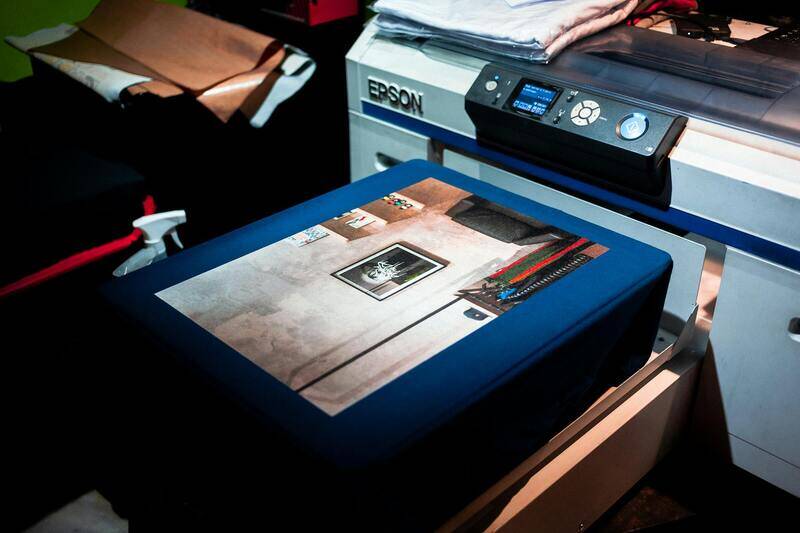
Achieving vibrant, consistent colors in poster printing relies heavily on meticulous color management practices. Accurate color reproduction begins with precise calibration of printers to ensure that the colors produced align with the original design specifications. This calibration involves adjusting the printer settings, ink densities, and output profiles to minimize color deviations that can occur due to hardware variations or environmental factors. The use of standardized color profiles, such as those based on the International Color Consortium (ICC), plays a critical role in maintaining color fidelity across different devices and media. When a designer creates a poster digitally, embedding an appropriate color profile ensures that the colors are interpreted correctly during the printing process, leading to consistent visual results. Furthermore, professional color management involves monitoring and adjusting the color output regularly, employing tools like spectrophotometers to measure color accuracy. This proactive approach reduces discrepancies between on-screen previews and printed posters, allowing for fine-tuning before the final print run. Employing high-quality color management workflows also involves choosing the right paper or substrate that can faithfully render the colors as intended. Variations in surface texture, gloss, and coating can influence how colors appear once printed. Selecting the appropriate substrate enhances color vibrancy and ensures that the fine details and subtle hues are accurately displayed. Many reputable printing services utilize advanced RIP (Raster Image Processing) software that supports accurate color conversion and management. By leveraging these technologies, they can produce posters that meet precise color standards, whether for branding, promotional campaigns, or artistic displays. This focus on color accuracy not only enhances visual appeal but also reinforces the credibility and professionalism of the final product. In summary, dedicated color management practices—ranging from hardware calibration to profile application—are vital for delivering color posters with consistent, true-to-design colors. This meticulous process affirms the visual impact and ensures the poster’s message is communicated compellingly, reflecting the quality expectations of clients and brands alike.
Official Methods to Obtain High-Quality Color Posters
Securing vibrant and accurate color posters begins with leveraging proven, reputable channels designed to uphold quality standards. These channels include established printing companies, certified print shops, and official online printing platforms that adhere to industry best practices. When selecting a provider, it is essential to verify their adherence to recognized printing standards and their investment in advanced printing technology to guarantee consistently vivid and precise color reproduction.
Choosing a licensed printing service ensures access to state-of-the-art equipment such as high-resolution printers, sophisticated color management software, and premium substrates. These technologies are critical for achieving sharp details, rich hues, and true-to-design color accuracy. Many official vendors also employ rigorous quality control processes throughout the printing workflow, from digital file preprocessing to post-print inspections, which significantly reduce defects and color mismatches.

Similar to licensing in other industry sectors, legitimate printing services operate under certified business credentials and have a track record of delivering high-quality products to diverse clients, including corporate entities, advertising agencies, and artists. Their reputation is built on consistent performance, adherence to deadlines, and the use of environmentally conscious practices that also contribute to sustainable poster production.
To further ensure the legitimacy and quality of your color posters, clients should request samples or portfolios of previous work. This provides insight into the provider’s capacity to deliver accurate color reproduction, durability, and overall finish quality. Additionally, clear communication about project specifications—such as preferred materials, color fidelity standards, and timeline—is essential to avoid misalignment and to ensure your expectations are met through reputable channels.
By selecting a recognized printing vendor with proven expertise and modern technology, customers can confidently obtain color posters that effectively communicate their message with vivid, true-to-life imagery, reinforcing branding and visual impact in any promotional setting.
Environmental Considerations and Sustainable Options
In today’s environmentally conscious market, choosing sustainable methods for color poster printing is more crucial than ever. Reliable printing providers in Singapore prioritize eco-friendly practices by opting for biodegradable or recyclable materials, which help reduce waste and minimize environmental impact. The use of soy-based inks, which emit fewer volatile organic compounds (VOCs), is a common practice among reputable vendors, ensuring the printing process is less harmful to the environment while maintaining vibrant, accurate colors.
Additionally, some printing companies actively participate in green initiatives such as energy-efficient equipment, waste reduction programs, and sourcing materials from sustainable plantations. These practices not only support environmental preservation but also align with corporate social responsibility standards, appealing to clients who prioritize sustainability in their branding efforts.
For clients keen on enhancing the sustainability of their color poster projects, it is advisable to inquire about the use of eco-friendly substrates, such as recycled paper, biodegradable film, or plant-based plastics. These materials often offer comparable durability and color stability, providing a balance between environmental consciousness and visual impact.
Trade-Offs and Practical Considerations
While environmentally friendly options are increasingly accessible, clients should evaluate potential trade-offs such as cost implications or slight variations in color fidelity. Engaging with experienced providers who integrate green practices seamlessly into their workflows guarantees that the final product meets expectations while supporting ecological objectives.
By selecting providers committed to sustainability, clients can achieve effective visual communication through vibrant, durable color posters that align with their values without sacrificing print quality or visual appeal.
Implementing Sustainable Practices in Your Poster Campaigns
- Collaborate with print providers that hold environmentally certified credentials.
- Opt for inks and materials certified by recognized environmental standards.
- Design posters with longevity in mind, reducing the need for frequent reprints.
- Consider digital alternatives or complementary digital signage to extend the lifespan of physical posters.
- Prioritize local production to reduce carbon footprint associated with transportation.
Additional Methods for Producing Color Posters
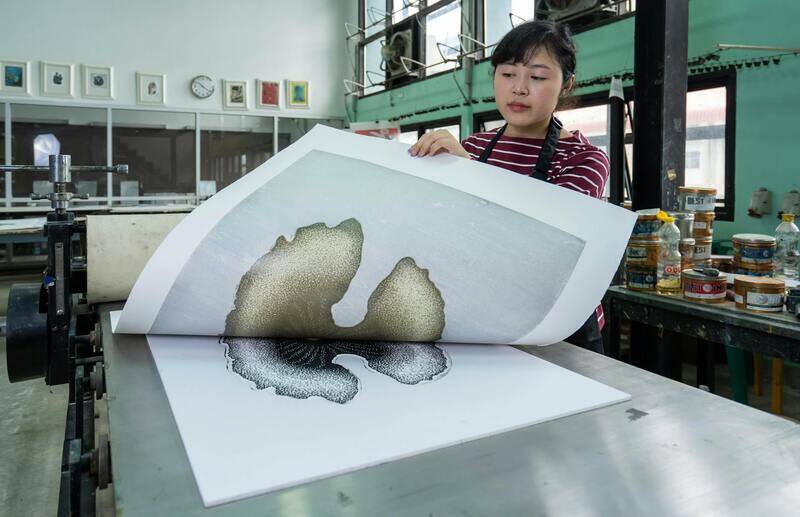
When seeking to produce high-quality color posters, it is essential to rely on official and reputable channels that guarantee the desired visual impact and durability. These methods include the utilization of advanced digital printing technologies, traditional offset printing, and large-format printing services. Each method offers specific advantages tailored to different project requirements, budget considerations, and production volumes.
Implementation of OfficiaI Printing Channels
Digital Printing
Digital printing is highly favored for projects that demand rapid turnaround and flexibility. This method employs advanced inkjet or laser printers capable of producing vivid color posters with excellent detail and sharpness. It supports variable data printing, making it ideal for personalized posters or limited editions. Digital printing also minimizes waste, aligns with sustainable practices, and offers a wide range of material compatibility.
Offset Printing
Offset printing remains a reliable choice for producing large volumes of high-quality color posters with consistent color fidelity and detailed reproduction. This traditional method involves creating plates for each color, which transfer ink onto the printing surface through a series of rollers. The process, while requiring a longer setup time, benefits projects that demand mass production, offering cost efficiencies per unit. Offset printing also supports high-resolution output and is compatible with various paper types and finishes.
Large-Format Printing Services
For oversized posters, banners, or displays, large-format printing is the go-to solution. This technique employs specialized wide-format printers capable of printing on substrates such as vinyl, fabric, or heavy-duty paper. It ensures crisp images, consistent color reproduction, and durable finishes suitable for indoor and outdoor deployment.
Ensuring Quality and Precision
Selecting an official printing provider with access to cutting-edge equipment is critical for achieving accurate color reproduction. High-end printers utilize color calibration routines and color management software that ensure faithful color matching across different print runs. Moreover, proofing options, such as printed proofs or digital mockups, enable clients to review and approve the design before mass production.
Legal and Ethical Standards in Manufacturing
Reputable printing services operate under strict regulations regarding environmental standards, certified inks, and sustainable workflows. They adhere to industry best practices, utilizing eco-certified materials and employing waste management solutions that minimize environmental impact. Working with official entities guarantees compliance with quality accreditations and standards that uphold the integrity of the final product.
Securing the Best Results for Color Poster Projects
- Engage with providers who hold relevant industry certifications and have proven track records in large-format and color poster printing.
- Request detailed quotes and samples to evaluate print quality, color accuracy, and finishing options.
- Prioritize vendors that demonstrate transparency in their processes and offer comprehensive customer support.
- Verify their capacity to handle specific substrates and finishes that align with your project needs.
- Consider their turnaround times and additional services like mounting, lamination, or framing, which can enhance the durability and presentation of your posters.