Understanding the Benefits of Custom Posters
Custom posters serve as versatile and impactful promotional tools across various industries and personal projects. By tailoring designs to specific needs, organizations and individuals can effectively communicate messages, enhance brand visibility, and create memorable impressions. One of the primary advantages of custom posters is their ability to act as dynamic branding assets. Through personalized visuals, logos, and taglines, they reinforce brand identity and foster recognition among target audiences.
Another significant benefit of custom posters is their high degree of personalization. Whether for marketing campaigns, events, or personal expressions, custom posters enable the creator to select themes, colors, and imagery that resonate specifically with intended viewers. This personalization ensures the message is conveyed with clarity and emotional impact, increasing the likelihood of engagement.
Visual impact is crucial in capturing attention quickly, especially in busy environments. Custom posters are designed to stand out, utilizing vibrant color schemes, bold typography, and striking graphics. This visual dominance makes them highly effective in attracting passersby, whether displayed in retail spaces, at exhibitions, or during community events.
Additionally, the flexibility in design and production allows for a wide range of applications, from simple promotional notices to elaborate artistic displays. When crafted with strategic intent, custom posters can influence perceptions, guide behaviors, and support various objectives such as increasing sales, raising awareness, or celebrating milestones.

Understanding these benefits provides a strong foundation for leveraging custom posters effectively. With the right design, materials, and printing techniques, individuals and businesses can create compelling visuals that communicate their messages powerfully and professionally.
Materials and Printing Options for Custom Posters
When selecting materials for custom posters, the choice significantly influences the final appearance, durability, and suitability for specific environments. High-quality paper stocks, such as gloss, semi-gloss, or matte finishes, are commonly used to achieve desired visual effects and tactile qualities. For outdoor displays or long-term installations, weather-resistant materials like vinyl or PVC banners offer enhanced durability against elements such as moisture, UV exposure, and wind. These materials ensure that the poster maintains its vibrant colors and structural integrity over time, making them ideal for both advertising and decorative purposes.
Advancements in printing technology have expanded the range of options available to meet diverse requirements. Digital printing provides quick turnaround times and is suitable for short to medium runs, ensuring detailed imagery and fine text are reproduced with precision. Large-format printing is essential for posters displayed in expansive environments, ensuring image clarity and color consistency across wide surfaces. Additionally, UV printing employs ultraviolet light to cure inks instantly, resulting in highly durable and vibrant images that resist fading and scratching. This technology is particularly advantageous for outdoor and high-traffic applications where longevity is critical.

For eco-conscious brands or projects, many printing services now offer sustainable options. Recycled paper stocks, vegetable-based inks, and environmentally friendly printing processes help reduce ecological footprints while maintaining high-quality output. These sustainable choices are especially relevant as consumers increasingly favor brands that prioritize environmental responsibility.
Choosing the Right Size and Format
The dimensions and layout of custom posters should align with their intended purpose and placement. Standard poster sizes, such as 24x36 inches, are versatile for general advertising and event promotion. For more impactful displays, larger formats like 48x72 inches can command attention in outdoor or large indoor spaces. Small-scale posters, including sizes like 11x17 inches, are suitable for point-of-sale displays or informational notices.
In terms of format, vertical or portrait orientations are common for promotional posters, especially when incorporating images and titles. Landscape or horizontal formats are preferable for panoramic visuals or group visuals. An optimal design considers available display space, viewing distance, and environmental factors to ensure the poster commands attention and communicates effectively.
Digital templates and design guidelines can streamline the process, ensuring that resolution and aspect ratios are appropriate for the chosen format. Proper sizing also helps control production costs, as larger posters may require more material and printing time, but they often yield greater impact and visibility.
Materials and Printing Options for Custom Posters
Selection of appropriate materials and printing techniques plays a crucial role in producing durable, visually appealing custom posters. Different applications and environments demand specific choices to ensure longevity and impact.
Common Materials Used in Custom Poster Printing
- Standard Poster Paper: Typically lightweight, suitable for indoor use, and ideal for short-term promotions. Available in various finishes such as matte, gloss, or satin which influence visual effects and tactile qualities.
- Heavyweight Photo Paper: Offers superior image clarity and vibrancy, often used for gallery-quality displays and important announcements where visual fidelity is paramount.
- Vinyl Banners: Highly durable, weather-resistant material suited for outdoor advertising. Ideal for long-term campaigns or events held in outdoor spaces where exposure to elements is expected.
- Mesh Fabric: Designed for large outdoor banners, this material provides breathability, reducing wind load effects and extending the poster’s outdoor lifespan.
Finish Types and Their Impact
- Matte Finish: Reduces glare, making posters easier to view in brightly lit environments, perfect for informational displays or gallery settings.
- Gloss Finish: Enhances color vibrancy and sharpness, ideal for designs with high visual impact, such as promotional graphics and artistic visuals.
- Satin or Semi-Gloss Finish: Balances visual appeal and glare reduction, suitable for versatile uses requiring moderate durability and high-quality appearance.
Printing Techniques and Their Advantages
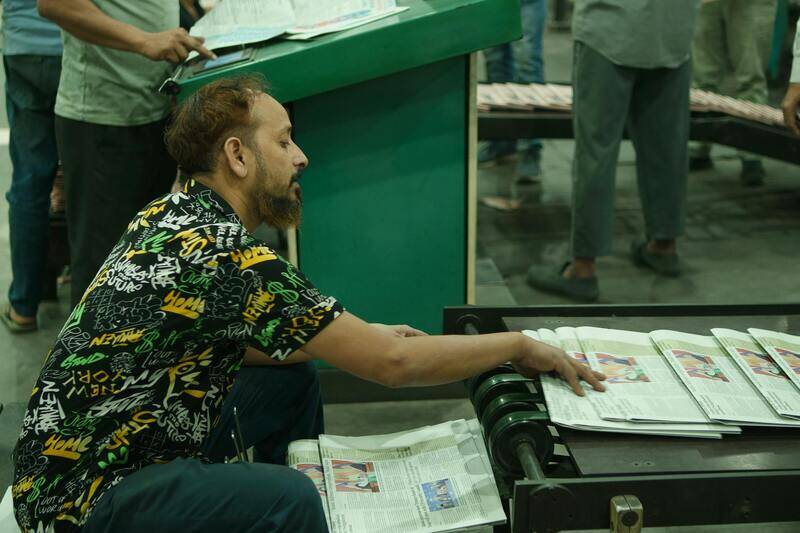
- Offset Printing: Suitable for large volume runs with consistent color quality and detail. It's cost-effective for bulk orders and produces sharp, vibrant images.
- Digital Printing: Offers quick turnaround times and customization options with high-resolution output. Well-suited for short runs or personalized posters.
- UV Printing: Uses ultraviolet light to cure inks instantly, resulting in highly durable prints with vibrant colors, especially important for outdoor displays.
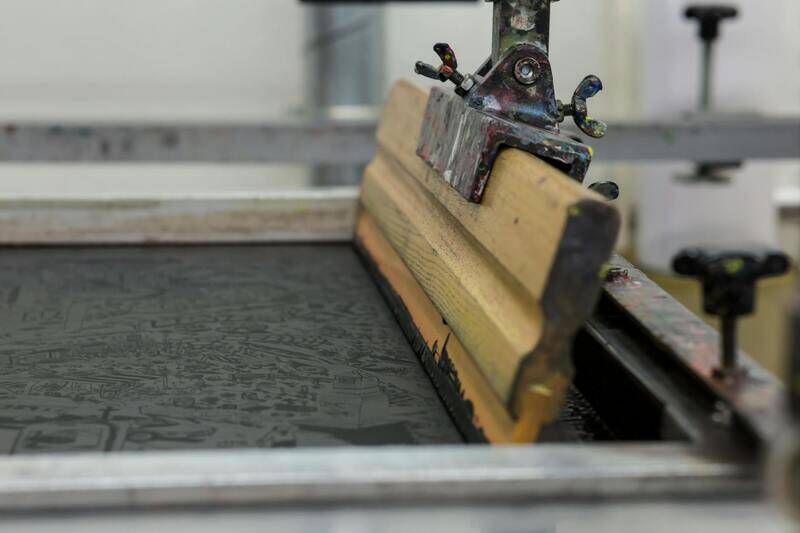
- Screen Printing: Less common for posters but effective for bold, simple graphics or limited color palettes, often used for promotional merchandise.
Additional Features Enhancing Poster Durability
- Laminate coatings provide extra protection against scratches, moisture, and UV rays, extending the life of outdoor posters.
- Mounting options like framing, lamination, or stiff backing help preserve high-quality visuals and facilitate easier installation.

Understanding the Benefits of Custom Posters
Custom posters serve as an effective visual communication tool, allowing businesses, event organizers, and individuals to convey messages with precision and creativity. By tailoring each aspect—from size and design to material selection—custom posters enhance brand recognition, attract attention, and leave a memorable impression.
One of the key advantages of custom posters is their versatility. They can be used indoors or outdoors, in retail spaces, at exhibitions, or for promotional campaigns. Customization options enable precise alignment with branding guidelines, ensuring consistency in color schemes, fonts, and overall aesthetic. This targeted approach enhances the likelihood of engaging the intended audience effectively.
Durability is also a significant benefit. High-quality printing techniques paired with suitable materials ensure that posters withstand environmental conditions such as humidity, UV exposure, and physical handling. This resilience extends the useful life of promotional materials, maximizing return on investment.
Furthermore, the ability to produce posters in various sizes and formats allows for strategic placement and visibility. Whether a large-format poster for outdoor advertising or a compact version for informational displays, customization adjusts to meet specific spatial constraints and viewer engagement goals. This flexibility makes custom posters an indispensable tool for impactful marketing and communication efforts.
Design Considerations for Custom Posters
Effective poster design hinges on clarity, visual hierarchy, and aesthetic appeal. When creating a custom poster, consider the following essential elements:
- Purpose and Message: Clearly define what you want the poster to communicate. A succinct, compelling headline paired with supportive visuals ensures your message resonates.
- Color Scheme: Use colors that align with your brand identity or thematic concept. Bright, contrasting hues can draw attention, while subdued tones might project a more professional tone.
- Typography: Select fonts that are legible from a distance. Avoid cluttered or overly decorative typefaces that may hinder readability.
- Imagery and Graphics: Incorporate high-resolution images or graphics that complement the message. Original visuals can make your poster stand out amid competing content.
- Balance and Composition: Maintain visual balance by aligning elements strategically. Proper use of white space prevents overcrowding and guides the viewer's eye effectively.
Additionally, consider how the design will translate across different sizes and formats. Test the artwork at actual poster dimensions to ensure all elements remain clear and impactful.

Materials and Printing Options for Custom Posters
The choice of materials and printing technology directly impacts the visual quality, durability, and overall presentation of your custom posters. Selecting appropriate options depends on the intended environment and purpose.
Common Material Types:
- Standard Poster Paper: Cost-effective and suitable for indoor use. Available in various finishes, including matte and gloss.
- Vinyl: Durable and weather-resistant, ideal for outdoor displays or high-traffic areas.
- Canvas: Offers a textured, artistic appearance with added durability, suitable for decorative purposes or premium displays.
Printing Techniques:
- Offset Printing: Provides high volume output with consistent color accuracy, often chosen for large batches requiring uniform quality.
- Digital Printing: Facilitates quick turnaround and customization, perfect for short runs or personalized posters.
- UV Printing: Ensures vibrant colors and resistance to environmental factors, suitable for outdoor or high-traffic areas.
- Screen Printing: Best for bold, limited-color graphics, often used for promotional merchandise alongside posters.
Enhancing durability with protective coatings, such as lamination, can shield posters from scratches, moisture, and UV damage. Mounting options, including framing, adhesive backing, or stiff backing, further preserve the visual quality and facilitate installation.
Ensuring Proper Distribution and Display of Custom Posters
Once your custom posters are printed using official channels and legitimate printing methods, the next step involves strategic distribution and display to maximize their effectiveness. Proper handling ensures that the visual integrity and message of your posters are preserved, and they reach the target audience effectively.
Safe Handling and Transportation
- Use Appropriate Packaging: For delicate or large-format posters, employ protective tubes, flat folders, or specialized packaging to prevent creases, tears, or scratches during transit.
- Transport with Care: Whether using courier services or in-house delivery, avoid stacking heavy items on top of posters to prevent damage. Secure placement within transport vehicles to minimize movement and vibrations.
- Temperature and Humidity Control: Store and transport posters in environment-controlled settings to prevent warping, moisture damage, or deterioration of inks and materials.
Display Strategies for Maximum Impact
- Location Selection: Choose high-visibility areas with appropriate lighting to attract attention. Consider foot traffic patterns and sightlines for optimal exposure.
- Mounting Techniques: Use quality mounting hardware suited for the surface—such as double-sided tape, velcro, or framing. Ensure that the posters are taut and free of bubbles or wrinkles for a professional appearance.
- Lighting and Environment: Employ spotlights or backlighting to enhance visibility. Be mindful of environmental factors like wind or moisture that could degrade outdoor displays.
Maintenance and Upkeep
- Regular Inspection: Periodically check posters for damage or fading, especially in outdoor settings, and replace or repair as needed to maintain visual impact.
- Cleaning: Gently clean posters with appropriate tools—such as soft cloths or brushes—to remove dust or dirt without damaging the material or print.
- Protection Coatings: Consider applying UV or anti-glare coatings for outdoor posters to shield against environmental wear and tear, ensuring longevity and sustained effectiveness.
Legal and Ethical Compliance in Distribution
Distributing posters within the bounds of local regulations ensures a smooth campaign. This includes obtaining necessary permissions for public display, respecting private property rights, and adhering to community guidelines regarding outdoor advertising. Employing official channels for distribution not only ensures compliance but also enhances the credibility of your promotional efforts.
Understanding the Benefits of Custom Posters
Custom posters serve as versatile tools that enable businesses and individuals to communicate their message with clarity and visual impact. Unlike generic posters, custom designs allow for precise alignment with branding, theme, and target audience specifics, ensuring a more personalized and compelling display. These posters can be used for a wide range of purposes, from promotional campaigns and event announcements to motivational messages and artistic expressions. Their ability to attract attention is amplified by tailored visuals and messaging, making them a cost-effective method for raising awareness and driving engagement.
One of the principal advantages of print custom posters is their adaptability across various environments, whether indoors or outdoors. High-quality prints with vivid colors and sharp imagery significantly enhance visibility, ensuring that the message remains legible from a distance. Furthermore, the durability of the materials used in customized posters means they can withstand different weather conditions when appropriately printed and finished, broadening their application scope. For businesses, custom posters also foster brand recognition through consistent use of logos, slogans, and color schemes, increasing memorability among consumers.
Implementing custom posters allows for strategic placement in high-traffic locations, which optimizes exposure and impact. The ability to tailor content, size, and design elements specific to a campaign or event results in a more targeted approach that resonates with viewers. This customization capability also supports the creative process, enabling the integration of innovative designs and bold messaging without limitations. As a result, print custom posters bolster marketing efforts, elevate brand presence, and enhance the overall communication strategy for diverse organizations and individuals.
Design Considerations for Custom Posters
Creating an effective custom poster begins with thoughtful design planning. Key elements such as focal points, color schemes, typography, and imagery should be chosen to reinforce the intended message clearly and attractively. Striking a balance between visual appeal and informational content is essential; cluttered or overly complex designs can dilute the message and reduce effectiveness.
When designing for print, attention to resolution and image quality must be prioritized. High-resolution images, ideally 300 DPI or higher, ensure sharpness and clarity in the final print. Additionally, considering the viewing distance is vital: larger fonts and bold visuals are preferable for posters intended to be viewed from afar. Simplicity often proves most effective, avoiding unnecessary details that can distract from the core message. Consistent branding elements, such as color palettes and logos, should be integrated seamlessly to maintain visual coherence and reinforce brand identity.
Materials and Printing Options for Custom Posters
The choice of materials for custom posters significantly influences their durability, appearance, and environmental suitability. Common options include gloss, matte, and environmentally friendly paper stocks that cater to different lighting conditions and aesthetic preferences. Glossy finishes provide vibrant color reproduction and are ideal for images with rich colors, while matte surfaces reduce glare and are preferable for readability in well-lit environments.
Specialty printing options such as UV coatings or lamination can enhance the longevity of posters, especially when exposed to outdoor elements. These finishes protect against scratches, moisture, and fading, ensuring the poster maintains its visual integrity over time. For outdoor displays, weather-resistant materials like vinyl or canvas are recommended for their robustness and flexibility. Digital printing technologies, including large-format printers, facilitate high-speed, high-quality output suitable for large-scale posters, ensuring crisp details and accurate color matching.

Choosing the appropriate materials and printing options involves considering the intended environment and lifespan of the poster. For short-term indoor events, standard paper stocks suffice, while long-term outdoor displays warrant more durable solutions. Consulting with printing specialists helps ensure that selected materials and finishes align with your project goals, providing optimal visual impact and resilience.
Choosing the Right Size and Format
Determining the appropriate size and format for a custom poster depends on its placement location, viewing distance, and overall message goal. Larger sizes, such as 24x36 inches or more, are suited for outdoor signage or displays in expansive venues, allowing for visibility from afar. Conversely, smaller formats like 18x24 inches or 11x17 inches work well for indoor settings, presentations, or promotional counters.
Aspect ratio and orientation are also critical considerations. Portrait formats tend to be effective for vertical displays like banners, while landscape formats suit wide, panoramic visuals. Modular formats, such as a series of posters or panels, can create an impactful visual statement when arranged strategically. Ensuring that the chosen size aligns with the overall design layout will maximize legibility and aesthetic appeal.
Working with professional printers allows for expert advice on optimizing sizes and formats for specific applications, ensuring maximum visibility and aesthetic harmony within your display environment.
Choosing the Right Printing Methods for Your Custom Poster
Opting for the appropriate printing technique is crucial to achieving high-quality results that meet your specific needs. Different printing methods offer varied advantages in terms of color vibrancy, detail resolution, and durability, influencing the final appearance and longevity of your poster.
Offset Printing for Large Quantities
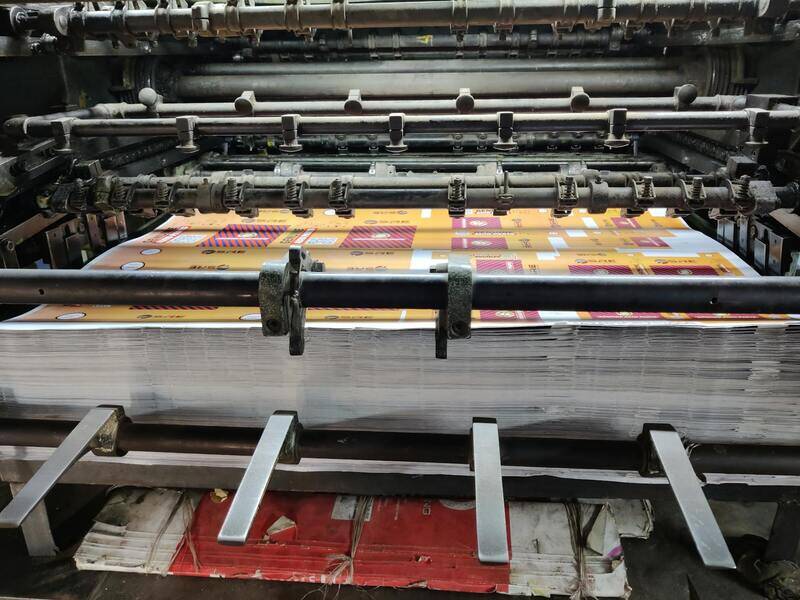
Offset printing is a reliable choice for producing a high volume of posters with consistent quality and color accuracy. This method involves creating plates for each color used in the design, allowing for precise color matching and crisp detail. Offset printing generally offers cost efficiency for larger runs, making it suitable for business promotions, large-scale events, and campaigns where uniformity and quality are paramount.
Digital Printing for Customization and Short Runs
Digital printing provides flexibility and quick turnaround times, ideal for smaller batches or highly customized posters. It allows for easy adjustments and personalization, enabling you to incorporate variable data or imagery with ease. The process ensures sharp images and vibrant colors, though it may be more suitable for limited quantities due to slightly higher per-unit costs compared to offset printing.
Large Format Printing for Visual Impact
Large format printing is essential when creating eye-catching posters intended for spacious environments or outdoor displays. Modern large-format printers utilize specialized inks and media to produce vivid, durable images capable of withstanding weather elements. This printing technique is perfect for banners, outdoor signage, and promotional installations requiring maximum visual impact.
Specialty Printing Techniques
To add unique effects or textures, specialty printing options such as foil stamping, embossing, or matte/gloss finishes can enhance the visual appeal of your custom poster. These techniques help your design stand out and convey a sense of quality and craftsmanship, crucial for branding or high-end promotional materials.
Choosing the Appropriate Material and Finish
The selection of printing technology should be complemented by the right material and finish choices. For instance, glossy finishes amplify vibrant colors and images, making them pop, whereas matte finishes minimize glare and are suitable for text-heavy designs. Heavyweight or weather-resistant media can prolong the lifespan of outdoor posters, ensuring stability across different environmental conditions.

Final Tips for Selecting Your Printing Method
- Assess the quantity needed — choose offset for bulk production or digital for smaller, personalized runs.
- Consider the display environment — outdoor or indoor, durability requirements, and lighting conditions.
- Evaluate your timeline — digital printing offers faster turnaround times for urgent projects.
- Work with a professional printing provider — their expertise ensures you select the most suitable method and materials to optimize your poster’s effectiveness.
Final Steps to Ensure the Success of Your Custom Poster
Crafting a compelling print custom poster involves more than just the design and material choices; it also relies heavily on meticulous preparation and collaboration with professional printing services. To guarantee your final product meets expectations, it is vital to follow specific quality assurance procedures and maintain clear communication throughout the process.
Review and Approve Proofs Carefully
Most reputable printing providers offer digital or physical proofs before proceeding with the full run. This preview allows you to review the layout, color accuracy, and overall appearance of your poster. Pay close attention to details such as font clarity, resolution, and image placement to prevent surprises upon final printing. Confirm that all text is correctly spelled and that the colors align with your branding standards. If adjustments are necessary, communicate them promptly to avoid delays or additional costs.
Select a Skilled Printing Partner
Partnering with a reliable printing company ensures your custom posters are produced with precision and professionalism. Consider those with extensive experience in large-format printing, positive customer reviews, and a strong portfolio of past work. An experienced provider can advise you on optimal materials, finishes, and printing techniques suited to your project goals and budget.
Maintain Clear Communication and Provide Precise Specifications
- Clearly specify your poster dimensions, orientation, and layout preferences.
- Discuss the intended use—indoor display, outdoor signage, or high-traffic areas—to select the most appropriate materials and finishes.
- Confirm the color profile and resolution requirements to ensure visual fidelity.
- Request samples or swatches when possible to evaluate quality and aesthetics prior to mass printing.
Best Practices for Printing and Handling
Once printed, handle your custom posters with care to preserve their quality. Use clean, lint-free gloves during transportation and installation to prevent smudges or fingerprints. If outdoor placement is planned, ensure proper mounting techniques to withstand environmental exposure, such as wind and rain. Regular inspection and maintenance will prolong the visual appeal and effectiveness of your poster, maintaining its role in your branding or promotional campaign.