
Overview of Digital Printing Services
Digital printing services have become an integral component of the modern printing industry in Singapore, offering efficient, high-quality solutions for a wide array of printing needs. Unlike traditional printing methods that rely on physical printing plates, digital printing utilizes electronic files directly transferred to printing devices, enabling rapid and precise production of print materials. This process is highly adaptable, supporting small runs, quick turnaround times, and a broad spectrum of printing formats.
In the competitive landscape of Singapore's vibrant business environment, digital printing services provide numerous advantages. They facilitate cost-effective short print runs without the need for costly setup procedures. This agility enables businesses, educational institutions, and creative professionals to produce tailored marketing collateral, personalized gifts, event materials, and much more. Additionally, digital printing allows for easy modifications and updates to printed content, making it an ideal choice for dynamic campaigns and projects requiring frequent changes.
The role of digital printing in Singapore extends beyond commercial applications. It serves purposes in fine arts, packaging, signage, and promotional items, demonstrating its flexibility across diverse sectors. As the demand for high-quality, customizable printed materials continues to grow, digital printing remains a key driver of innovation and efficiency within the local printing industry.
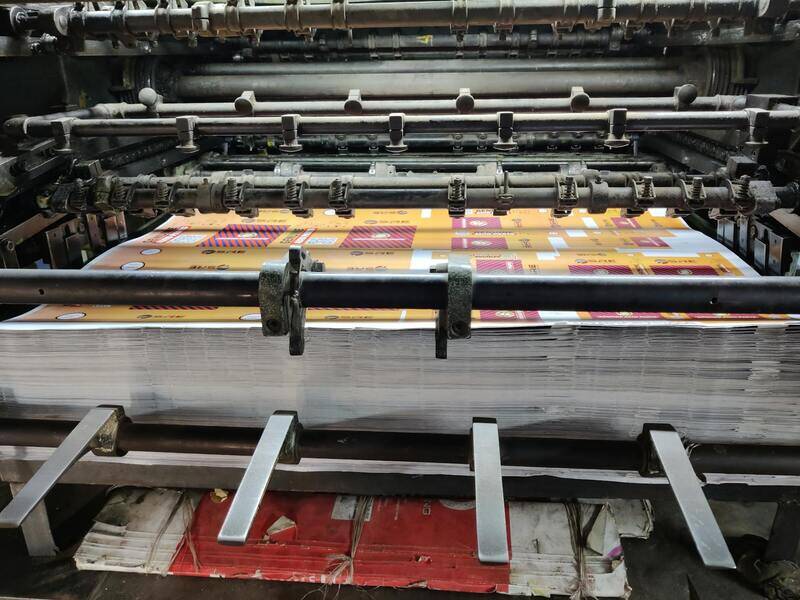
With the ability to print directly from digital data, these services ensure sharp images, vibrant colors, and detailed outputs, meeting the professional standards expected in the Singaporean market. The growing adoption of digital printing technologies underscores their importance in enabling businesses to stay competitive through personalized and timely printed materials that resonate with target audiences.
Materials and Substrates Suitable for Digital Printing
Choosing the right materials and substrates is essential to achieving optimal results in digital printing. The versatility of digital printing technologies allows for a wide range of media to be used, offering businesses and creatives the flexibility to match particular projects with suitable surfaces. Common substrates include various types of paper, vinyl, fabric, film, and rigid materials such as acrylic and foam boards. Each material offers unique benefits depending on the intended application, whether it’s for advertising, packaging, or promotional items.
For paper-based projects, digital printing handles everything from lightweight coated papers to heavy cardstock, enabling crisp image reproduction and vibrant color output. These are ideal for marketing collateral like brochures, business cards, and posters. When it comes to outdoor signage or durable displays, materials like vinyl and weather-resistant films are commonly used owing to their durability and resistance to environmental elements.
Textile printing is also a significant segment within digital printing services. Fabrics such as polyester, cotton, and blends can be printed on with specialty inks, making customized apparel and promotional textiles a common offering. UV-sensitive substrates, including certain plastics and metals, are suitable for UV digital printing, which provides high adhesion and sharp results on non-porous surfaces. This method is widely employed in signage, plaques, and personalized product branding.

The choice of material hinges on several factors, including the project’s durability requirements, visual quality expectations, and cost constraints. Digital printers are compatible with a broad spectrum of substrates, but understanding their specific properties ensures optimal printing performance and long-lasting results. Many printing service providers in Singapore can advise on suitable substrates tailored to the project scope, ensuring clients achieve high-quality outcomes across different applications.
Customization and Personalization Capabilities
Digital printing excels in providing extensive customization options that are difficult to achieve with traditional printing methods. Variable data printing enables the production of items that can be uniquely personalized for each recipient. This technology allows for customized names, serial numbers, barcodes, or images to be incorporated into each printed piece without slowing down production. This capability is particularly advantageous for direct mail campaigns, event tickets, or personalized gift items.
Furthermore, digital printing offers the ability to seamlessly incorporate intricate designs, photographs, and gradient colors, ensuring that each piece maintains visual integrity. High-resolution output combined with advanced color management ensures that detailed images are reproduced accurately, facilitating the creation of highly personalized marketing materials, customized packaging, and one-of-a-kind promotional giveaways.
The process of tailoring printed materials to specific target demographics or individual preferences is streamlined through digital printing, reducing lead times and costs associated with traditional methods like screen printing or lithography, which often require separate plates or setups for each design variant.
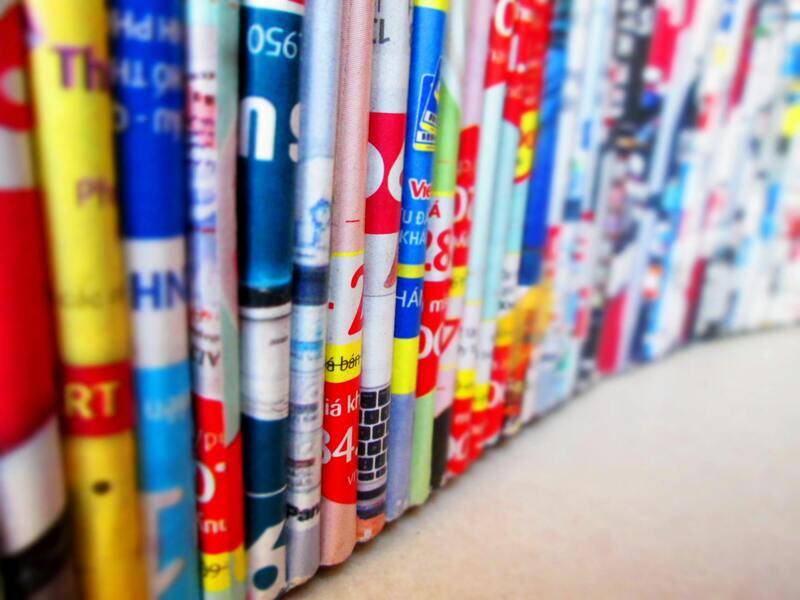
This level of flexibility plays a pivotal role in modern marketing and branding strategies, enabling businesses to create engaging and relevant content that resonates with their audience. As a result, digital printing services in Singapore are increasingly favored by companies seeking to enhance customer engagement through tailored printed experiences.
Materials and Substrates Suitable for Digital Printing
Digital printing services in Singapore are renowned for their versatility in accommodating a wide array of materials and substrates. This adaptability allows businesses and individuals to choose the most appropriate surface for their specific project needs, ensuring optimal results and durability.
Among the most common materials used in digital printing are various types of paper, ranging from standard cardstock and glossy finishes to textured and recycled options. High-quality paper substrates are ideal for marketing materials such as brochures, flyers, and posters, providing vibrant color reproduction and sharp detail.
Fabric materials are also frequently utilized, especially in the production of custom apparel, banners, and upholstery textiles. Digital textile printing offers vivid color transfer and preservation of intricate patterns, making it a popular choice for fashion labels, event decorations, and promotional giveaways.
Plastics and other rigid surfaces are compatible with digital printing for applications like signage, labels, and branded packaging. These materials facilitate the creation of durable, weather-resistant displays that are suitable for both indoor and outdoor environments.
Furthermore, specialty surfaces such as acrylics, metal sheets, wood panels, and glass are increasingly integrated into digital printing projects. These surfaces are often used for exclusive decorative pieces, personalized art installations, and corporate branding elements.

Advances in digital printing technology have expanded the potential for printing on non-traditional materials, allowing for seamless customization across multiple projects. This capability supports a broad spectrum of industries, from retail and hospitality to design and manufacturing, broadening creative and functional possibilities.
Utilizing the appropriate materials and substrates not only enhances the aesthetic appeal of printed items but also extends their lifespan and performance, making digital printing a cost-effective and innovative solution for various branding and marketing initiatives in Singapore.
Materials and Substrates Suitable for Digital Printing
Choosing the right materials and substrates is crucial to achieving optimal results in digital printing projects. Different surfaces respond uniquely to digital printing techniques, influencing the durability, color vibrancy, and overall aesthetic of the final product. In Singapore's diverse market, understanding the compatibility of various materials ensures that businesses and individuals can produce high-quality, visually striking items tailored to specific applications.
One of the most commonly used materials in digital printing is paper, supporting a wide range of applications from flyers and posters to customized stationery. The availability of coated, uncoated, and specialty papers provides flexibility in texture and finish, thereby enhancing the visual impact of printed materials. For instance, glossy papers are ideal for vibrant photo prints, while matte finishes suit sophisticated branding materials.
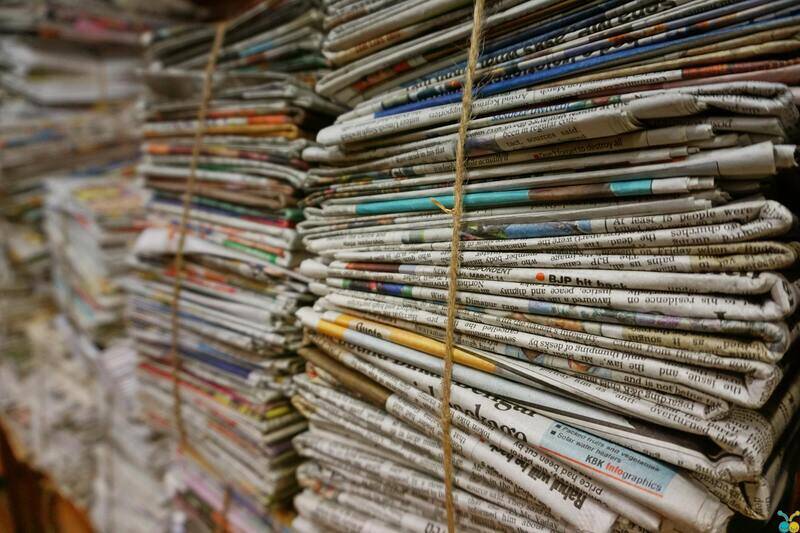
Common Materials Extending to Rigid and Flexible Surfaces
Beyond paper, digital printing is proficient on various rigid materials including PVC, acrylic, metal sheets, and wood panels. These materials are frequently utilized for signage, displays, and decorative panels. Their durability and weather resistance make them ideal for outdoor signage, in-store displays, or branded environments where longevity is essential.
Flexible substrates such as vinyl and fabric also find extensive application in banner printing, vehicle wraps, and promotional textiles. The flexibility of these materials allows for easy installation and adaptation across multiple formats, expanding the creative possibilities for marketing campaigns and event setups.
Specialty Surfaces for Artistic and Commercial Projects
Innovations in digital printing have enabled high-precision printing on specialty surfaces like glass, metal, and textured surfaces. These enable the production of unique decorative pieces, personalized art installations, and customized corporate branding that stand out visually. For instance, printing directly on glass can create vibrant window displays, while metal substrates are often used for premium signage and awards.
Proper preparation of these surfaces, including cleaning and priming, ensures optimal ink adhesion and color retention. The ability to print on such diverse substrates enhances the scope of digital printing, allowing for bespoke solutions that meet specific aesthetic and functional requirements.
Advantages of Compatibility with Various Materials
- Enhanced aesthetic variety: Different textures and finishes create unique visual effects.
- Improved product durability: Suitable materials resist weather, abrasion, and handling, maintaining appearance over time.
- Cost efficiency: Flexible substrate options reduce waste and enable short run productions.
- Broader application spectrum: From high-end decorative pieces to everyday promotional items, the versatility supports multiple industry needs.
In Singapore, leveraging the compatibility of digital printing with a wide array of materials facilitates the creation of innovative, long-lasting, and visually compelling products. Proper selection and preparation of these substrates are vital to realize the full potential of digital printing technology, ensuring that printed items effectively meet the objectives of branding, marketing, and personalization efforts.
Overview of Digital Printing Services
Digital printing services have transformed the landscape of visual communications by providing an efficient, versatile, and high-quality method for producing a wide array of printed materials. Unlike traditional printing methods, digital printing eliminates the need for extensive setup processes, allowing for quick turnaround times and immediate modifications. This makes it ideal for small batches, on-demand printing, and personalized projects, addressing the evolving needs of businesses and individuals alike. Digital printing employs advanced technology to reproduce vivid colors and intricate details, ensuring that every print meets precise specifications. In Singapore, this flexibility and efficiency make digital printing indispensable across various industries, from marketing and retail to corporate branding and personal projects.

Furthermore, the ease of integrating digital printing into digital workflows streamlines the production process, reducing time-to-market and enabling rapid updates to printed materials. This agility is especially crucial in Singapore’s competitive business environment, where timely and impactful branding can significantly influence market presence. High-resolution images, innovative finishing options, and a broad spectrum of substrates are readily accessible, providing comprehensive solutions tailored to specific branding, marketing, or personal needs. Digital printing services thus serve as a cornerstone for creating compelling visual narratives that resonate with audiences and elevate brand visibility.
Types of Digital Printing Technologies
Several digital printing technologies are currently prevalent, each suited for different applications and material compatibilities:
- Inkjet Printing: This widely used technology sprays tiny droplets of liquid ink directly onto substrates. It excels in printing high-resolution images, making it a popular choice for banners, posters, and photographic prints. Inkjet printers are versatile and compatible with a diverse range of materials, including paper, fabric, vinyl, and certain plastics.
- Laser Printing: Utilizing toner and static electricity, laser printers are known for their speed, crispness, and cost-effectiveness in producing sharp commercial prints such as direct mail pieces and high-volume brochures. They perform well on standard paper and specialty stocks designed for laser printing.
- UV Printing: UV digital printing employs ultraviolet light to cure the ink instantly on the substrate, allowing for vibrant color reproduction on non-porous surfaces like glass, metal, and acrylic. This technology is favored for custom signage, product packaging, and decorative display items.
- Electrophotography: Similar to laser printing but with variations in process and equipment, electrophotography offers high quality and is often used in industrial environments for creating durable, detailed images on various materials.
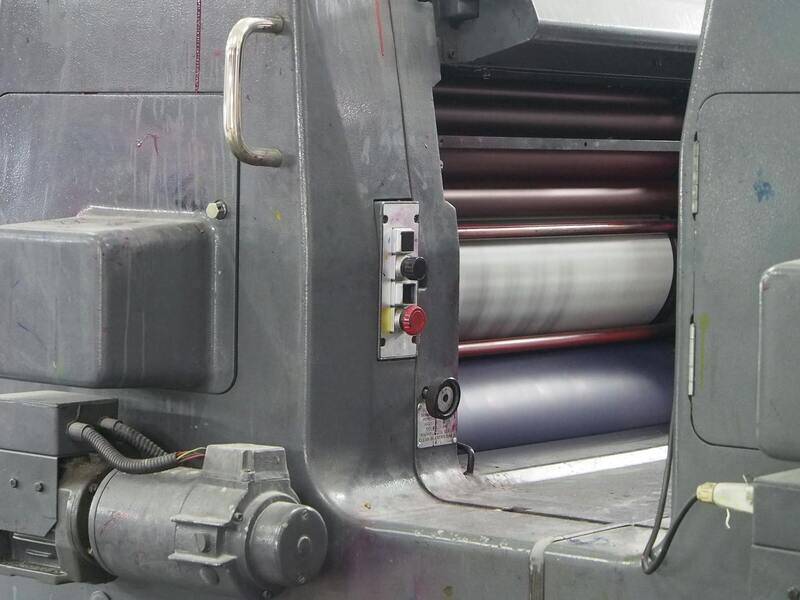
Materials and Substrates Suitable for Digital Printing
One of the significant advantages of digital printing is its adaptability across a broad spectrum of materials. This capability enables creative applications and highly customized outputs. Different substrates require specific preparation techniques to optimize print quality and adhesion. Common materials used in Singapore include:
- Paper and Cardstock: Standard for flyers, brochures, posters, and business cards. These materials are available in various finishes such as matte, gloss, and silk, enhancing aesthetic appeal.
- Vinyl and Adhesive Films: Ideal for outdoor signage, window displays, and vehicle wraps. They are durable and resistant to weather conditions, ensuring long-lasting visuals.
- Fabric and Textiles: Used for custom apparel, banners, and promotional items. Digital printing on textiles allows for vibrant, intricate designs that withstand washing and handling when treated properly.
- Acrylic, Metal, and Glass: These hard surfaces are perfect for high-end signage, awards, and decorative panels. UV printing technology facilitates high-quality results on such substrates.
- Plastic and Polycarbonate: Suitable for labels, prototypes, and product packaging, offering excellent durability and bright color reproduction.
Preparation methods such as cleaning, priming, or applying specialized coatings are critical for achieving optimal results across different materials. Proper substrate selection ensures that the ink adheres correctly, colors remain vibrant, and the finished product maintains its integrity over time.
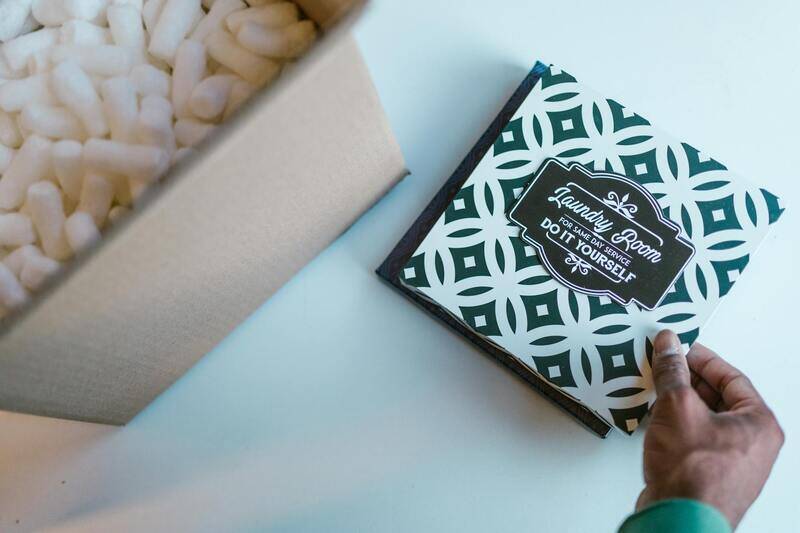
Overview of Digital Printing Services
Digital printing services have revolutionized the printing industry by offering highly efficient, flexible, and high-quality output options for a wide range of applications. Unlike traditional printing methods, digital printing leverages electronic files directly onto various substrates, eliminating the need for labor-intensive procedures such as plate-making. This approach enables rapid production, easy modifications, and the ability to produce short runs without incurring significant costs.
Modern digital printing services cater to diverse needs across sectors such as advertising, retail, corporate branding, and personal events. Businesses and individuals benefit from the ability to produce vibrant, detailed prints with quick turnaround times, making digital printing an indispensable component for marketing campaigns, customized promotional items, and personalized gifts. The ease of integrating variable data and designs allows for targeted and dynamic marketing strategies, enhancing the effectiveness of visual communications.
Beyond standard printing, digital printing incorporates advanced finishing options such as lamination, embossing, and UV coatings, further elevating the visual impact. The technology's adaptability for on-demand printing means businesses can manage inventory better and reduce waste, aligning with sustainable practices while maintaining exceptional print quality. As a versatile and accessible method, digital printing continues to expand its influence across various industries, empowering brands and individuals to realize their creative visions efficiently and cost-effectively.
Types of Digital Printing Technologies
The digital printing landscape encompasses several key technologies, each suited to specific applications and substrates. Understanding these technologies helps in selecting the appropriate method for your project, ensuring optimal results and cost-effectiveness.
- Inkjet Printing: Widely used for its high resolution and ability to print on a variety of surfaces, including paper, fabric, vinyl, and plastics. Inkjet printers deposit tiny droplets of ink directly onto substrates, enabling detailed images and color gradients.
- Laser Printing: Known for fast output speeds and crisp text reproduction, laser printing employs a laser beam to transfer toner onto paper. It is ideal for high-volume printing of documents, business stationary, and labels.
- Electrophotography: Similar to laser printing, this method emphasizes durability and high-quality image reproduction, suitable for signage, labels, and durable product packaging.
- UV Printing: A specialized form of inkjet printing that cures inks instantly using ultraviolet light. UV printing is perfect for hard substrates such as acrylic, metal, and glass, offering vibrant colors and high durability.
- Dye Sublimation: Commonly used for fabric printing, this process involves transferring dye-based inks onto textiles using heat. It produces vibrant, long-lasting images suitable for apparel and promotional banners.

Illustration of various digital printing technologies in action Materials and Substrates Suitable for Digital Printing
The versatility of digital printing is partly due to its compatibility with diverse materials. Proper substrate selection and preparation are essential for achieving the desired print quality, durability, and aesthetic appeal.
- Paper and Cardstock: Standard substrates for flyers, brochures, posters, and business cards. Available in matte, gloss, silk, and textured finishes, they serve most interior marketing needs.
- Vinyl and Adhesive Films: Durable for outdoor signage, window displays, vehicle wraps, and decals. Their weather-resistant properties ensure longevity even in harsh environments.
- Fabric and Textiles: Used in printing custom garments, banners, and promotional fabric items. Advanced fabric printing techniques deliver vibrant, detailed designs capable of withstanding washing and handling.
- Acrylic, Metal, and Glass: Ideal for high-end signage, decorative panels, and awards. UV printing technology allows graphics to be printed directly onto these hard surfaces with precision and clarity.
- Plastic and Polycarbonate: Suitable for labels, prototypes, and packaging. Their durability and ability to reproduce bright colors make them a popular choice for functional and promotional products.
Each substrate requires specific preparation steps such as cleaning, priming, or applying coatings to ensure proper ink adhesion and longevity of the print. Selecting the right material and surface treatment enhances the overall quality and lifespan of the final product.

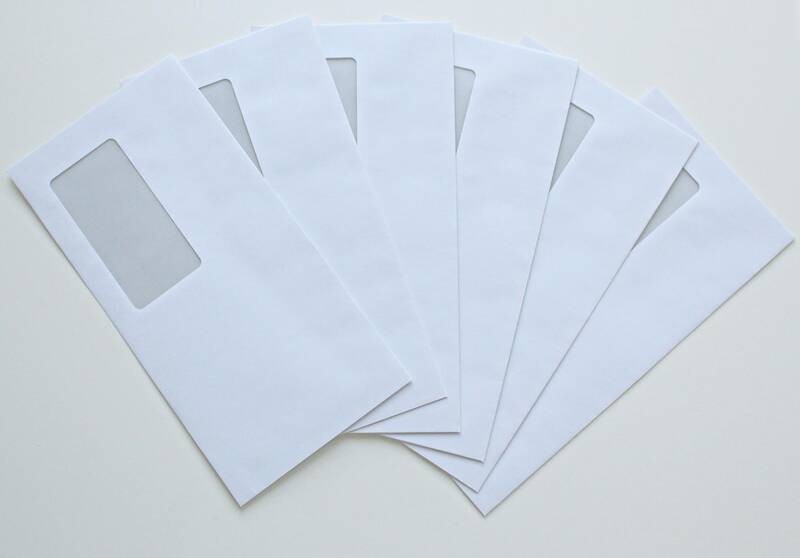
Various substrates ready for digital printing applications Customization and Personalization Capabilities
One of the hallmarks of digital printing is its capacity for customization. Unlike traditional printing methods, digital technology seamlessly integrates variable data, allowing for personalized content, images, or designs on every piece produced.
This capability is particularly valuable for marketing campaigns, where tailored messaging or unique identifiers, such as QR codes or individual names, can be incorporated without additional setup costs. Personalized packaging, gift tags, and promotional materials benefit from digital printing’s flexibility, enabling brands to engage customers with bespoke visuals and messages.
Moreover, digital printing supports small batch production, enabling brands to test designs or offer limited editions. This agility allows for timely updates aligned with seasonal campaigns or market trends, maintaining relevance and impact.
Applications of Digital Printing in Singapore
In Singapore, digital printing services play a central role across multiple industries, facilitating innovative branding and marketing strategies. From vibrant outdoor signage to personalized corporate gifts, the reach of digital printing continually expands to meet growing demands for high-quality, customizable visuals.
Businesses leverage digital printing for:
- Creating eye-catching retail displays and storefront signage that attract foot traffic
- Producing limited-run promotional items such as branded apparel, mugs, and packaging
- Designing bespoke event invitations, banners, and awards for corporate functions
- Generating personalized marketing materials that resonate with target audiences

Custom signage and promotional items produced via digital printing in Singapore Overview of Digital Printing Services
Digital printing services have transformed the landscape of visual communication by offering rapid, precise, and highly customizable printing solutions. This method utilizes digital files to directly produce images and text onto various substrates, bypassing traditional intermediary steps such as creating printing plates. The efficiency and flexibility of digital printing make it a preferred choice for diverse projects ranging from promotional materials to packaging, especially in a dynamic market like Singapore. Companies and individuals can now enjoy on-demand printing, quick turnaround times, and the ability to modify designs without incurring significant additional costs. This agility not only accelerates project timelines but also enhances the capacity for bespoke, personalized outputs that meet specific client needs and campaign objectives.

Modern digital printing setup in a professional studio, showcasing advanced machinery capable of handling diverse substrates. Types of Digital Printing Technologies
Several digital printing technologies underpin the versatility and quality of modern printing services. Each method is suited to particular applications, substrates, and volume requirements, providing options that align with various business needs:
- Inkjet Printing: Known for high-resolution outputs and wide color gamut, inkjet technology is ideal for printing on a variety of materials, including textiles, plastics, and paper. It is widely used for banners, posters, and customized merchandise.
- Electrophotography (Laser Printing): This technology employs laser beams to transfer toner onto substrates, offering fast production rates and sharp imaging. It’s commonly used for business cards, booklets, and high-volume stationery.
- UV Printing: Utilizing ultraviolet light to cure inks instantly on the surface, UV printing enables printing on non-porous substrates such as metal, glass, and acrylic. It’s perfect for creating durable signage and decorative items.
- Dye Sublimation: Primarily used for fabric-based items, this method allows vibrant, durable prints on textiles like banners and apparel. It is especially popular for personalized clothing and promotional fabric items.
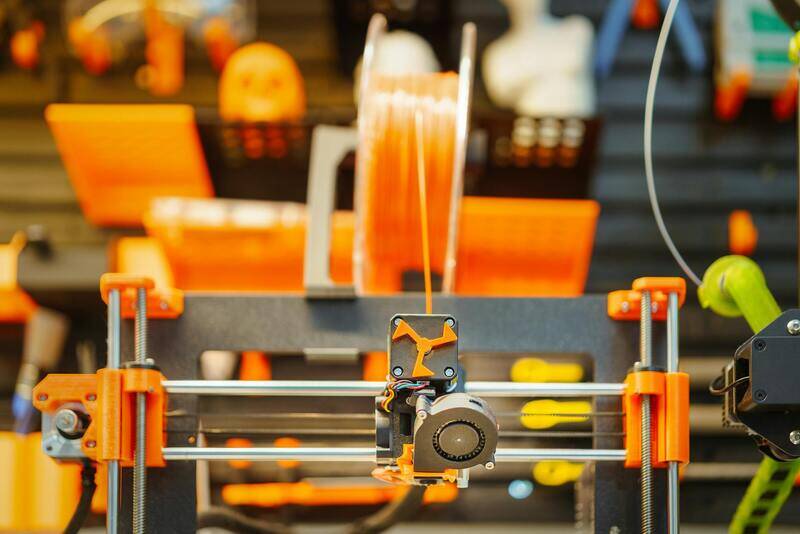
State-of-the-art UV printing machine capable of producing detailed graphics on diverse surfaces. Materials and Substrates Suitable for Digital Printing
Digital printing’s compatibility with a multitude of materials broadens its application scope significantly. The selection of substrates depends on the intended use, durability requirements, and desired aesthetic:
- Paper and Cardboard: Ideal for flyers, brochures, posters, and packaging inserts, offering cost-effective and vibrant printability.
- Plastic and Vinyl: Suitable for outdoor signage, window displays, and promotional stickers, these materials demand weather-resistant and high-quality outputs.
- Fabric and Textiles: Perfect for apparel, banners, and customized gift items, especially with dye sublimation processes.
- Acrylic, Glass, and Metals: Used for high-end signage or decorative panels, often printed with UV technology for longevity and visual impact.

An array of substrates prepared for various digital printing applications, highlighting versatility in material choices. Customization and Personalization Capabilities
One of the most significant advantages of digital printing services is the ability to create highly personalized products. This is achieved through digital file customization, which allows for variations in design, data, or images in a single print run. Businesses and consumers alike benefit from this flexibility:
- Bespoke Marketing Collateral: Custom flyers, brochures, and mailers with targeted messaging tailored for specific segments.
- Personalized Gifts and Merchandise: Items such as mugs, T-shirts, and photo books can feature individual names, messages, or images, elevating customer engagement.
- Event and Campaign Materials: Invitations, banners, and awards crafted with unique designs for each occasion or recipient.
- Batch Variability: Small to medium runs with distinct design variations become feasible without complex setup procedures, reducing costs and lead times.
Applications of Digital Printing in Singapore
Across Singapore’s vibrant commercial landscape, digital printing serves as an instrumental component in branding, advertising, and communication strategies. The technology’s capacity for rapid deployment and customization enables businesses to respond quickly to market trends and customer preferences:
- Retail signage and storefront displays that captivate passersby with bright, crisp visuals.
- Limited-edition packaging and product labels that enhance brand perception and consumer interest.
- Corporate giveaways, including branded apparel, USB drives, and packaging, that reinforce brand loyalty.
- Event branding elements such as backdrops, banners, and awards tailored for specific occasions.
- Personalized promotional materials that create a memorable customer experience, boosting engagement and retention.

Examples of customized signage and promotional items produced via digital printing in Singapore, illustrating diverse material applications. Future Trends in Digital Printing
Emerging Technologies and Innovations
As digital printing continues to evolve in Singapore, innovative technologies are poised to redefine the industry landscape. One of the key developments is the integration of high-speed, large-format digital presses that enable the production of ultra-high-resolution images on diverse substrates. These presses are designed to handle increased volumes with precision and speed, reducing turnaround times for large-scale orders.
Another significant trend is the adoption of eco-friendly printing solutions. Environmentally conscious practices are becoming a priority for many printing service providers, leading to the use of biodegradable inks, water-based colorants, and energy-efficient machinery. These sustainable methods not only minimize the environmental footprint but also appeal to clients seeking greener alternatives for their branding and promotional materials.
Automation and Smart Technologies
Automation is transforming operational workflows within digital printing. Automated file preparation, print queue management, and robotic handling reduce manual intervention, ensuring consistency and reducing costs. Additionally, the deployment of smart software for real-time color management and quality control enhances the overall output, aligning with the high standards expected in Singapore’s competitive market.
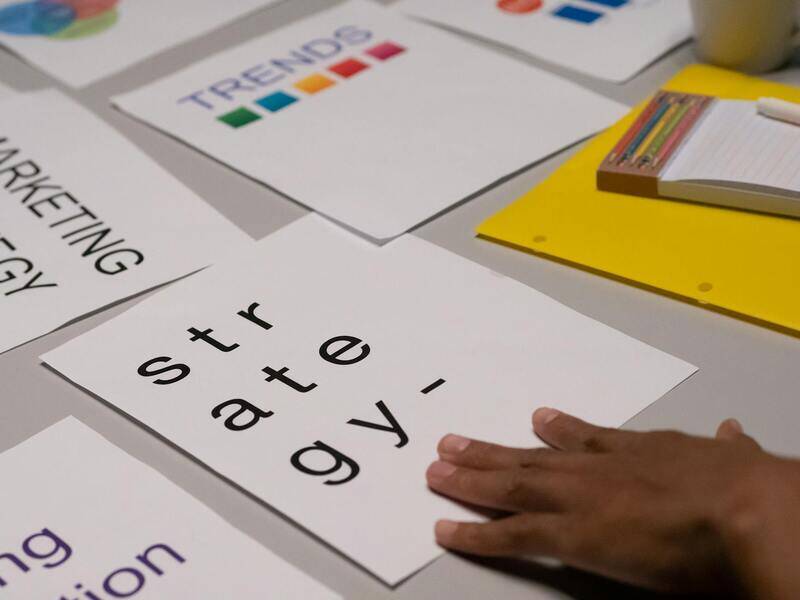
Advanced modular digital printing systems facilitate swift adjustments for customized orders Personalization and On-Demand Printing
The future of digital printing in Singapore emphasizes personalized experiences. On-demand printing technologies are enabling businesses to produce bespoke marketing collateral, personalized packaging, and customized apparel with minimal pre-press setup. This flexibility allows brands to execute targeted marketing campaigns and limited-edition product lines more efficiently, aligning with the consumer preference for unique, tailored experiences.
Integration with Digital Ecosystems
Digital printing services are increasingly integrating with other digital solutions, such as online ordering platforms and customer relationship management (CRM) systems. This fusion allows for seamless order processing, real-time updates, and improved tracking of print jobs. Such integrations ensure quicker response times and enable businesses to adapt swiftly to market fluctuations and customer demands.
Emerging Market Opportunities
In Singapore, the rise of e-commerce and experiential marketing is creating new opportunities for digital printing providers. Custom packaging for online retailers, augmented reality-enabled print ads, and interactive displays are some examples of how digital printing serves innovative marketing strategies. As industries continue to seek novel ways to engage consumers, the role of advanced digital printing solutions becomes even more vital in delivering impactful, high-quality visual experiences.
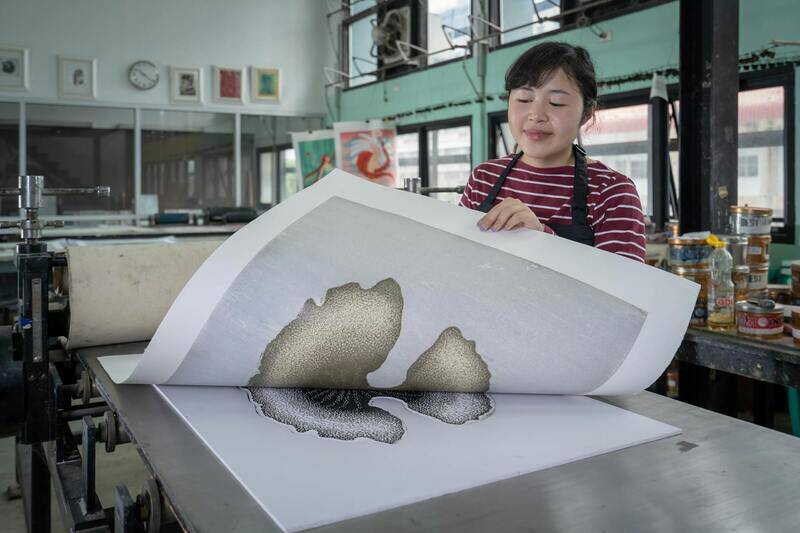
Next-generation digital presses are enabling greater customization with eco-friendly operations
