Understanding Color Printing
Color printing is a sophisticated process that converts digital images into vibrant, physical representations using a combination of specialized technologies, materials, and techniques. At its core, color printing involves translating digital color data into printed images that accurately reflect the original digital design. This process relies heavily on understanding how colors are represented, separated, and reproduced during printing, ensuring that the final output meets professional standards for quality and consistency.
Fundamentally, color printing depends on various color models, primarily the RGB (Red, Green, Blue) and CMYK (Cyan, Magenta, Yellow, Key/Black). RGB is largely used for digital displays and represents colors through the additive mixing of light. Conversely, CMYK is utilized in printing, creating colors through the subtractive mixing of inks. The transition from digital RGB images to CMYK printing requires careful color separation and management to maintain color fidelity.

Color separation is a crucial step where a digital image's color information is divided into different color channels corresponding to the inks used. During this process, each channel is prepared to be printed with specific color ink layers, which combine to produce the full-color image. Advanced color management systems and proofs—either digital or printed—are employed to ensure that the colors appearing on the print closely match those on the digital display or the intended design.
Reproducing accurate colors depends on precise calibration of printers, consistent application of inks, and appropriate selection of materials. A comprehensive understanding of the fundamentals of color science, employed in conjunction with sophisticated printing technology, helps ensure that the final printed results are vibrant, true to the original design, and suitable for a variety of applications ranging from marketing materials to fine art reproductions.
To maximize color accuracy, professional printers incorporate color management workflows that include calibration of their devices and adherence to standardized color profiles. These standards facilitate consistent color output across different print runs and media types. Moreover, gaining insights into the properties of different inks and substrates supports achieving the desired visual impact.
In sum, understanding the principles behind color printing enhances the ability to produce high-quality, visually appealing printed materials. This knowledge aids in selecting appropriate printing processes, materials, and color management strategies, which collectively significantly influence the final print quality and satisfaction for clients and audiences alike.

Understanding Color Printing
Color printing encompasses a wide array of technologies and techniques that enable the reproduction of vibrant, accurate, and consistent colors across various media. At the core of successful color printing lies the interplay of precise color management, material selection, and advanced printing processes. These elements work together to ensure the final output aligns with the original design intent, making it essential for professionals and businesses seeking high-quality, visually appealing printed materials.

Effective color reproduction begins with understanding the fundamentals of color science, including color models and profiles. Color models like RGB and CMYK serve different purposes; RGB is primarily used for digital displays due to its additive color mixing, while CMYK is essential for print applications owing to its subtractive mixing process. Proper conversion and management between these models are pivotal for maintaining color fidelity during the transition from on-screen design to physical print.
Calibration of printers and monitors ensures consistent color output, which is critical when producing large batches of printed material. This process involves adjusting hardware settings to match specific color standards, often using hardware calibration tools and software that adhere to industry guidelines. Consistency across print runs minimizes deviations and guarantees that the colors remain true to the original design, regardless of the quantity printed.
Choosing the right materials and inks plays a vital role in color printing. The selection of substrates, such as coated or uncoated papers, impacts how inks are absorbed and how colors appear on the finished print. Similarly, the type of ink—whether dye-based or pigment-based—affects color vibrancy, longevity, and resistance to environmental factors. Understanding these properties aids in matching the visual expectations of clients and ensuring durable, high-quality prints.
Advanced color management workflows integrate standardized color profiles, such as ICC profiles, which help ensure that colors are accurately rendered across different devices and media. Professionals employ color proofing techniques—either digital or analog—to preview how the final print will look. These proofs serve as a reference point, allowing for adjustments before the full run, thus preventing costly errors and ensuring the final product meets precise color specifications.
Implementing a comprehensive understanding of color printing processes, from file preparation to material selection and calibration, results in printed materials that are not only visually striking but also consistent and reliable. This meticulous approach enables businesses and artists to produce prints that stand out for their brilliance and fidelity, whether for marketing campaigns, art reproductions, or sensitive branding materials.
Understanding Color Printing
Color printing is a complex process that involves multiple technological and material considerations to achieve vibrant, accurate, and consistent results. It plays a crucial role in industries such as marketing, publishing, and packaging, where visual impact and brand integrity are paramount. Mastery of the various methods and principles of color reproduction ensures that designs are faithfully translated from digital files to physical prints, maintaining the intended aesthetic and message.
Types of Color Printing Technologies
Several advanced printing methods are employed to produce high-quality color prints, each with unique advantages suited to different applications. Understanding these technologies enables businesses and artists to select the most suitable process for their needs.
- Offset Printing: This traditional yet highly versatile technique uses metal cylinders to transfer ink onto paper. It excels in producing large volumes of high-quality prints with sharp clarity and color fidelity. Offset printing is ideal for commercial brochures, magazines, and posters where color accuracy and consistency are critical.
- Digital Printing: This method involves direct printing from digital files to various substrates using inkjet or laser printers. Digital printing offers quick turnaround times and cost-effectiveness for short runs or customized projects. It is particularly effective for producing personalized marketing materials, business cards, and on-demand printing tasks.
- Screen Printing: Suitable for printing on a wide range of surfaces, including fabrics, plastics, and metals, screen printing involves pressing ink through a mesh screen that has been prepared with a stencil. This process allows for bold, vibrant colors and is often used in apparel and promotional items.
- UV Printing: By curing inks with ultraviolet light during the printing process, UV printing produces durable and highly detailed images on various materials. It is suitable for printing on non-porous surfaces like glass, metal, and acrylics, making it popular in decorative and signage applications.

Factors Influencing Color Output
Achieving accurate and vibrant color output requires meticulous control over several factors throughout the printing process. These include the choice of substrates, inks, color management workflows, and calibration protocols.
Substrate Selection
The type of paper or material onto which the image is printed significantly impacts color appearance. Coated papers tend to produce more vibrant and smooth colors due to their surface properties, whereas uncoated papers may result in softer, more subdued tones. The material's brightness, texture, and absorbency all influence how inks are absorbed and how colors are rendered.
Ink Types and Properties
Dye-based inks typically provide more vivid colors but may have slightly reduced longevity, especially in outdoor environments. Pigment-based inks offer enhanced durability and resistance to environmental factors, ensuring the longevity of color prints. The formulation of inks and their interaction with different substrates play a vital role in achieving the desired vibrancy and stability.
Color Management Workflows
Employing color profiles like ICC profiles standardizes how colors are interpreted and reproduced across devices and media. This ensures consistency from digital design to final print. Using high-quality color proofing techniques, such as digital color proofing or contract proofs, allows designers and printers to preview the color output accurately and make necessary adjustments early in the process.
Calibration and Uniformity
Regular calibration of printing equipment guarantees that color output remains consistent over time. This involves adjusting printers, monitors, and proofing devices to adhere to standardized color settings, minimizing discrepancies and ensuring that each print matches the approved proof.

Off-set and Digital Color Printing: A Comparative Overview
Choosing between offset and digital printing depends on project scale, quality requirements, and budget constraints. Offset printing is generally preferred for high-volume, high-precision projects, offering superior color consistency and sharpness. Conversely, digital printing provides flexibility, rapid turnaround, and cost savings for small runs, variable data, or customized printing needs. Both methods, when used correctly, achieve true color representation, ensuring that the final product accurately matches the original design intentions.
Materials and Inks for Color Printing
Choosing the right materials and inks is fundamental to achieving vibrant and durable color prints. The selection process must consider the substrate type, the ink compatibility, and the intended use of the printed material. High-quality substrates such as coated papers, glossy papers, and specialty media are often utilized to enhance color vibrancy and provide a smooth surface for detailed images. These materials can significantly influence how colors appear and how well they withstand environmental factors like light and moisture.
When it comes to inks, solvent-based, UV-curable, and water-based inks are the predominant options for color printing. Each type offers unique advantages depending on the media and printing method employed. Solvent-based inks, for instance, excel on outdoor banners and signage, providing excellent weather resistance and color retention. UV-curable inks are favored for their quick curing times and ability to print on a wide range of non-porous surfaces, including plastics and metals, ensuring vivid color reproduction and long-lasting finishes. Water-based inks are valued for their eco-friendliness, producing vibrant colors suitable for indoor applications like posters, flyers, and packaging material.

For achieving consistent color across batches, precise formulation and handling of inks are critical. Special colorants, pigments, and dyes are incorporated into inks to produce an extensive palette, ranging from subtle pastel tones to rich, saturated hues. Manufacturers often employ colorant formulations that optimize lightfastness and resistance to bleeding, ensuring long-term color stability. This is particularly important for branding materials, outdoor signage, and any printed product expected to endure environmental stresses.
In addition to conventional inks, specialty inks such as metallic, fluorescent, and transparent options are available to create eye-catching effects and differentiations in printed pieces. These inks require compatible printing equipment and expertise to manipulate their unique properties and maximize their vibrant potential. Proper handling and storage of inks are essential to preserve their color integrity and ensure accurate reproductions over time.
Another key aspect is the choice of adhesives and coatings applied after printing. UV coatings, laminates, and varnishes not only offer protection but also enhance color clarity and glossiness. These finishing touches play a significant role in the overall appearance, ensuring the colors are vivid and the print surfaces are resistant to scratches, fingerprints, and fading.
Ultimately, the combination of suitable substrates and carefully formulated inks defines the quality and vividness of color prints. Working with experienced providers that understand material properties and have access to the latest ink technologies can make a substantial difference in achieving print outcomes that meet specific project requirements and aesthetic goals.
Ensuring Accurate Color Reproduction in Print in Color Processes
Accurate color reproduction is crucial for producing high-quality color prints that meet client expectations and brand standards. Achieving precision involves comprehensive color management practices that encompass the entire printing workflow, from digital file preparation to the final print output.
One of the foundational steps is the use of standardized color profiles, such as ICC profiles, which serve as a reference for consistent color reproduction across different devices and media. Embedding these profiles into design files ensures that colors are interpreted accurately during the printing process, minimizing discrepancies that may arise from varying equipment or materials.
Furthermore, consistent calibration of digital prepress equipment, including monitors and printers, is essential. Regular calibration ensures that on-screen colors match printed results, reducing guesswork and iterative adjustments. Professional color management software can facilitate this process, providing precise control over color rendering and conversion parameters.

Implementing calibration protocols involves:
- Using validated color reference charts to calibrate monitors and printers periodically.
- Employing high-quality color measurement instruments, such as spectrophotometers, to evaluate color accuracy.
- Adjusting device settings systematically based on calibration results to maintain fidelity.
Beyond hardware calibration, high-quality digital file preparation also plays a significant role. Files should be created using appropriate color spaces, primarily CMYK for printing, to enhance predictability. Designers must ensure that their files are in the correct color profiles, resolution is sufficient (generally 300 dpi for print), and that color separations are correctly managed for the printing process.
Color consistency also depends on the choice of substrates and inks. Selecting substrates with uniform surface properties and compatibility with the chosen inks reduces the risk of color shifts. Suppliers often provide color-matched ink sets, which, combined with calibrated equipment, help achieve reliable color reproduction.
It is also wise to conduct test prints before running large batches. These tests help evaluate how colors appear in real-world conditions and allow adjustments to be made. Maintaining detailed records of calibration settings, ink formulations, and substrate types supports process control and helps reproduce quality outcomes consistently over time.
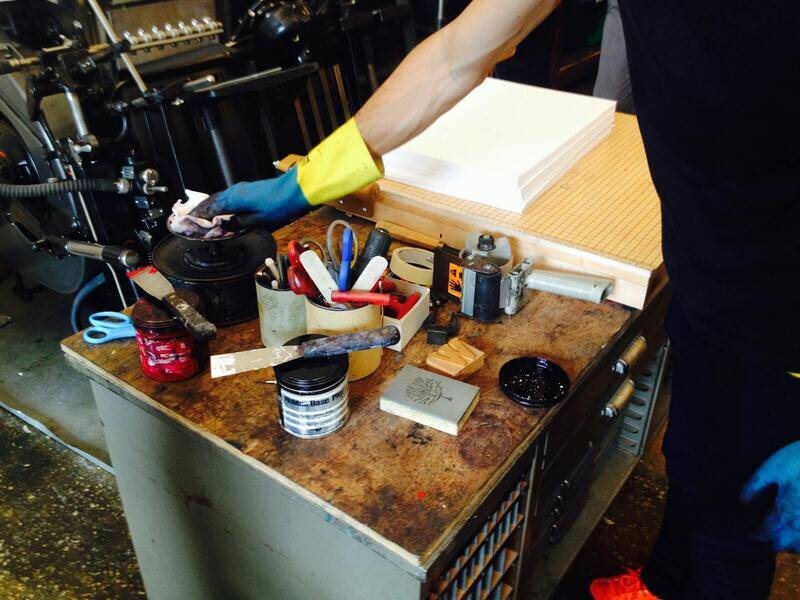
Employing these meticulous practices ensures that print in color productions meet exacting standards, providing vibrant, accurate colors that resonate with intended designs and branding requirements. Consistent color management is fundamental to achieving professional-grade quality and customer satisfaction in color printing tasks.
Understanding Color Printing
Color printing is a specialized process that transforms digital designs into tangible prints with vibrant, accurate, and consistent colors. Achieving high-quality color output depends on various factors including the choice of printing methods, calibration practices, material qualities, and precise color management. Whether producing marketing materials, corporate branding, or artistic prints, mastering these elements ensures that colors render faithfully on physical media, capturing the mood, branding cues, and intricate details envisioned in the original design.
Impact of Color Accuracy on Brand and Visual Identity
Accurate color reproduction is vital for maintaining brand integrity and visual consistency across multiple media. When a logo or specific color palette is correctly rendered in print, it reinforces brand recognition and enhances professional appearance. Inconsistent hues or mismatched colors can undermine the effectiveness of promotional materials and diminish perceived quality. Therefore, thorough understanding and control of color management processes are crucial for aligning digital designs with the final output, ensuring every printed piece accurately reflects the original concept.
Role of Color Standards in Printing
Color standards, such as the Pantone Matching System (PMS), serve as universally recognized references that facilitate precise color communication between designers, printers, and clients. By specifying exact colors through standardized codes, stakeholders can minimize misinterpretation, reducing the need for costly reprints and adjustments. Implementing these standards in conjunction with reliable color calibration ensures that the specified colors are consistently reproduced across different print runs and media types.

Material and Ink Compatibility for Optimal Color Output
The choice of substrate plays a significant role in determining how colors appear in the final print. Glossy papers tend to enhance vibrancy and contrast, making colors pop, while matte surfaces provide a softer, muted finish suitable for fine art or understated designs. Inks must be compatible with the chosen media to ensure proper adhesion, color density, and durability. Specialty inks, such as metallic or fluorescent variants, expand creative possibilities but require specialized handling and calibration to ensure consistent results.
In high-quality color printing, selecting the right combination of paper and inks is fundamental. Offset and digital presses may use different ink formulations, each optimized for specific media and application types. Proper substrate preparation, such as surface smoothing or pre-treatment, facilitates better ink absorption and consistent color appearance. Regular testing and calibration with sample runs are essential practices to fine-tune these variables for reliable, vibrant output.
Color Matching and Creation Techniques
Achieving the desired color involves using various creation techniques and tools. Colour profiles embedded within digital files guide printers in reproducing colors accurately. Color matching systems dynamically analyze the printed output against target standards, adjusting ink flow or processing parameters accordingly. For complex color demands, layered color separations and spot colors are used to precisely reproduce specific hues, particularly in branding or corporate identity materials. Advanced software tools assist designers in previewing color outcomes and adjusting their files before printing to minimize waste and rework.

Design Considerations for Color Print
Designing for color printing requires attention to details that influence how colors translate from screen to paper. Color profiles should be embedded in files, with CMYK being the preferred color space for print to manage how colors will be rendered. Designers should keep color palettes within the printable gamut to prevent unexpected shifts. Maintaining high resolution (typically 300 dpi) ensures that details and color gradations render smoothly, especially in photographic or detailed illustrations.
Additional considerations include avoiding excessive color saturation which can lead to bleeding or mottling, and using sufficient contrast to preserve legibility and visual impact. Incorporating bleed areas and safe zones in layouts ensures that colors extend to the edges without unwanted white margins or cut-offs. Pre-press proofing, including digital or physical proofs, allows for verification of how colors appear on the chosen substrates, providing an opportunity for adjustments before the final print run.
Color Consistency Across Multiple Runs
Maintaining color consistency over multiple print batches necessitates strict calibration and process controls. Regular device calibration, controlled environmental conditions, and consistent material sourcing are critical. Advanced color management software can compare and analyze proofs against standards, flagging deviations for correction. Establishing a detailed workflow from digital file preparation through press operation helps preserve fidelities and ensures that each batch reliably matches the original color intent.
Choosing the Right Printing Method for Vivid and Accurate Colors
When aiming to achieve vibrant and precise color reproduction, selecting an appropriate printing process is essential. Offset printing remains a popular choice for large-scale projects due to its ability to produce consistent, high-quality color results. It utilizes CMYK ink sets, which are specifically designed to blend and reproduce a broad spectrum of colors accurately, provided proper calibration and color management practices are followed.
Digital color printing, on the other hand, offers advantages for short runs and quick turnaround times. Modern digital presses employ advanced color management systems that ensure consistency and fidelity, capable of reproducing complex color gradients and photographic images with impressive accuracy. These presses often support a wider color gamut through the use of additional color inks, such as light cyan or light magenta, expanding the range of reproducible shades.
Specialized printing techniques like dye sublimation or direct-to-plate (DTP) printing can further enhance color vibrancy for specific applications, such as fabric or specialty materials. In dye sublimation, high heat transfers the dye directly into the substrate, resulting in bright, durable colors that do not easily fade. DTP printing offers detailed color reproduction for detailed and detailed artwork, though it is typically more suitable for smaller-scale projects.

Ensuring Consistent Color Output Across Batches
Achieving consistent color across multiple print jobs requires meticulous control over the entire printing workflow. This involves deploying comprehensive color management strategies, including the use of standardized color profiles and regular device calibration. Calibration ensures that the printers consistently produce the desired color gamut without drift or deviation.
Aside from machine calibration, environmental factors like temperature, humidity, and lighting conditions can influence color accuracy. Maintaining a controlled environment in printing facilities minimizes these variables, leading to more predictable results. The selection of high-quality, color-matched materials and inks further enhances consistency, as variations in substrate or consumables can significantly alter color reproduction.
Implementing a pre-press proofing process allows operators to verify color accuracy before the full print run. Digital proofs, generated through calibrated monitors and proofing software, can simulate the final output, enabling adjustments in color or detail. For projects demanding the highest color fidelity, physical proofs printed using the same process and materials as the production run provide an invaluable reference point.
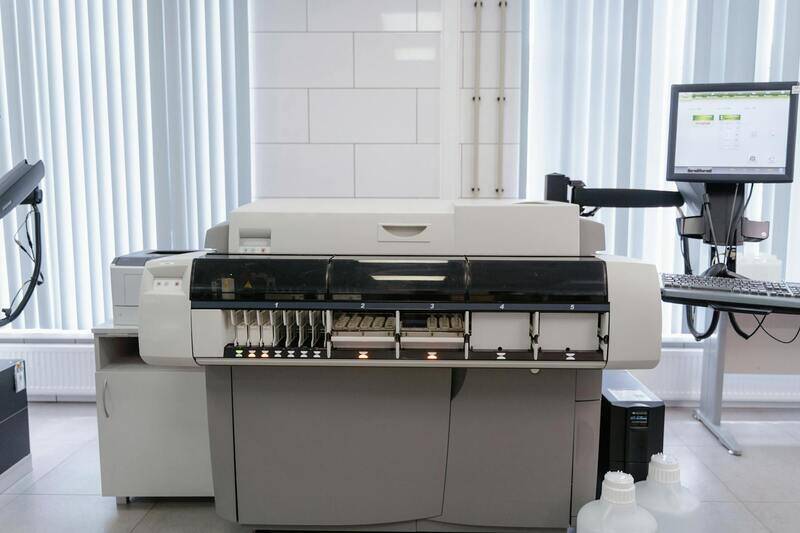
Technical Aspects of Color Reproduction
Color printing relies heavily on adhering to precise technical standards. Utilizing appropriate color profiles embedded within digital files ensures that the colors are rendered consistently across different devices and substrates. CMYK color space is predominantly used for print, as it accounts for the subtractive mixing of inks. Maintaining proper color profiles during file preparation ensures that the resulting print closely matches the intended design.
The resolution of images and graphics substantially affects color clarity and detail. Minimum recommended resolution for high-quality color prints is typically 300 dpi, which provides sufficient detail for sharp images and smooth color gradations. Higher resolution images prevent pixelation and ensure that subtle color transitions are preserved, especially in photographs and detailed illustrations.
When selecting inks, it is crucial to choose formulations that offer a wide color gamut, good stability, and compatibility with the substrate. Inks that are highly pigmented tend to produce more vivid colors and are more resistant to fading. Additionally, using environmentally friendly and non-toxic inks, where possible, supports sustainability while maintaining high-quality output.

Innovative Techniques for Accurate Color Printing
Achieving precise color reproduction in print requires leveraging advanced methods that optimize color fidelity across various media. Digital color management systems play a pivotal role, utilizing sophisticated software to calibrate printers and ensure consistent outputs. These systems utilize standardized color profiles, often embedded within design files, translating digital color data into print-ready formats that preserve the original intent and vibrancy.
One effective approach is the use of round-trip color management, which involves calibration of input devices (such as scanners and monitors) alongside output devices (printers). This process ensures that colors viewed on screens match those produced in print, minimizing discrepancies that can occur due to device-specific limitations.
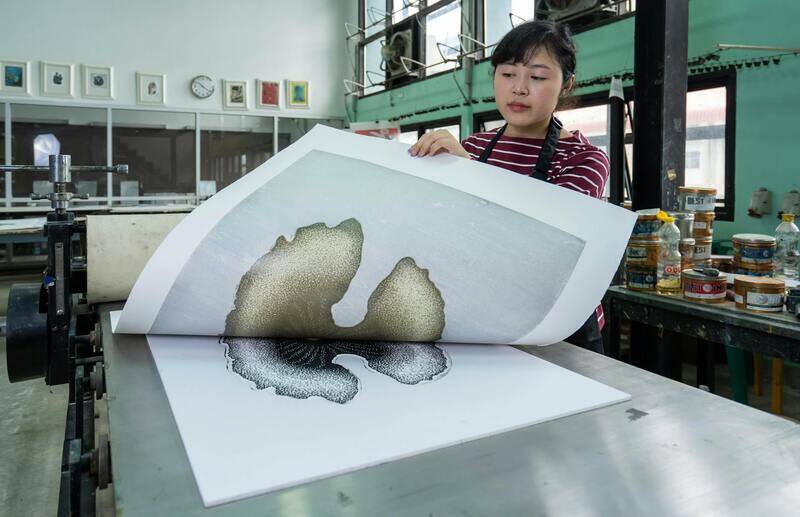
Employing proofing techniques such as digital proofs or hard proofs before the final print run allows for adjustments in color accuracy. This step is critical for high-stakes projects like branding collateral or promotional materials where exact color match is essential. Digital proofs provide a near-accurate preview, whereas physical proofs enable visual and tactile assessment of color output, facilitating necessary revisions prior to mass production.
Advanced Color Management Tools
- Embedded ICC Profiles: Ensuring color consistency across devices and media.
- Spectrophotometers: Measuring ink color accuracy to fine-tune printing processes.
- Color Separation Software: Managing how colors are divided for CMYK processes, reducing color shifts.
Regular calibration cycles, aligned with the usage of high-quality inks and substrates, contribute significantly to maintaining color fidelity over time. Additionally, employing color-targeted test patterns during setup helps in verifying the printer's color output, adjusting parameters as needed for peak performance.