
Understanding Large Size Picture Printing
Large size picture printing is a specialized printing process that involves creating images on a scale significantly bigger than standard prints. This technique is widely utilized across various industries, including advertising, interior design, real estate, art exhibitions, and event marketing. The primary goal is to produce high-quality visuals that are visually impactful from a distance, ensuring that intricate details are preserved and vibrant colors are accurately represented.
In practical applications, large format printing is essential for creating eye-catching banners, wall murals, exhibition displays, vehicle wraps, and promotional signage. These prints often require an exceptional level of clarity, color fidelity, and durability to withstand environmental elements or long-term display conditions. Manufacturing high-grade large size pictures demands advanced printing methods, premium materials, and meticulous design preparation.
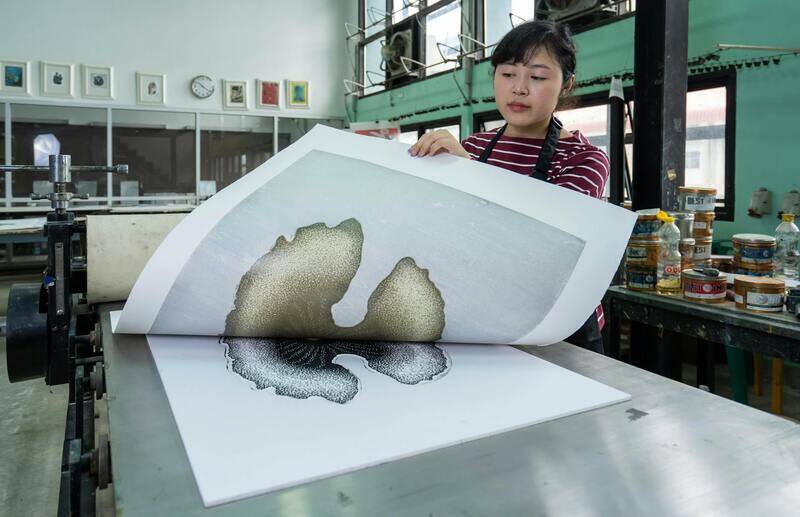
Additionally, the use of large format printing extends beyond promotional purposes; it plays a vital role in artistic endeavors, such as producing large-scale photographs or digital art for galleries. The challenge lies in maintaining image integrity across expansive surfaces, which underscores the importance of choosing suitable printing technology and materials to achieve optimal results.
From a technical perspective, understanding the characteristics of different printing techniques and materials is crucial. The choice impacts not only the visual quality but also aspects like longevity, ease of installation, and cost-effectiveness. As technology advances, so does the scope of possibility for creating stunning and precise visuals on a large scale, ensuring that clients can realize their creative and branding visions efficiently and effectively.
Choosing the Right Materials
For large size picture printing, selecting appropriate materials is vital to ensure the final output meets both aesthetic and functional requirements. Several materials are widely used in the industry, each with unique properties tailored to specific applications.
Vinyl
Vinyl is one of the most popular choices for large scale banners, vehicle wraps, and outdoor advertisements. Its durability, weather resistance, and flexibility make it suitable for various environments. High-quality vinyl surfaces can withstand extended exposure to sunlight, rain, and wind without significant deterioration, maintaining vibrant colors over time.
Fabric
Fabric material offers a refined, high-end appearance, often used for interior wall murals, trade show displays, and art reproductions. Made from polyester or other synthetic fibers, fabric prints emphasize soft textures and rich color depth. They are lightweight, foldable, and easy to install, although care must be taken to prevent creases and ensure proper tension during mounting.
Canvas
Canvas is preferred for producing fine art reproductions or photographic enlargements. Its textured surface imparts an artistic look comparable to traditional art canvases, making it ideal for gallery installations. Canvas prints can be finished with protective coatings that enhance durability and resist fading, ensuring longevity in display settings.
Specialized Paper
For photographic or detailed graphic prints, high-quality photographic paper is used to achieve excellent resolution and color fidelity. Fine art paper and other specialty papers provide a smooth, matte, or glossy surface tailored to specific artistic or professional needs. While suitable for indoor environments, these papers are less resistant to environmental factors than vinyl or fabric.
Comparison and Selection Considerations
- Environmental Exposure: Vinyl and weather-resistant laminates are optimal for outdoor use. Fabric and canvas are preferable indoors, with protective coatings enhancing their lifespan.
- Visual Impact: Canvas and fabric generally offer softer textures and deeper colors for artistic presentations, whereas vinyl provides sharpness and brightness suitable for signage.
- Ease of Installation: Vinyl and fabric are flexible and lightweight, simplifying mounting procedures. Heavy or textured materials like canvas require careful handling and specialized mounting techniques.
- Cost Considerations: Generally, vinyl tends to be cost-effective for large-scale banners, while high-quality canvas and specialty papers may involve higher expenses but deliver premium aesthetics.
Choosing the right material involves evaluating the specific requirements of the project, including environmental conditions, desired visual effects, and budget constraints, to achieve optimal results in large size picture printing.
Proper Handling and Installation of Large Size Prints
Effective handling and installation are critical to preserving the visual quality and structural integrity of large size pictures. Due to their size and often delicate nature, these prints require meticulous care from the moment they are produced to their final display. Employing appropriate handling techniques minimizes risks of damage such as tears, creases, or smudges, which can compromise the overall aesthetic and professional appearance of the display.
When transporting large prints, it is advisable to use wide, reinforced protective coverings or tubes suited for the dimensions of the material. Avoid folding or creasing the print, as this can cause permanent damage. Instead, gently unroll or unfold the print on a clean, flat surface, ensuring there are no pinpoints of pressure that could distort the image or surface.
Installation procedures for large size pictures often require specialized tools and mounting hardware. Frames, mounting boards, or tension systems can provide extra support, maintaining the print’s flatness and preventing warping over time. It is essential to utilize professional installation techniques, which include securely anchoring the print to wall structures using appropriate fasteners and spacers, to prevent slippage or sagging.
Maintaining Large Printed Images Post-Installation
After installation, ongoing maintenance helps preserve the quality of the large print. Regular cleaning should be performed using soft, lint-free cloths to remove dust and debris without scratching or smudging the surface. For prints on glossy or reflective surfaces, anti-static wipes or gentle cleaning solutions can be used, ensuring no harsh chemicals come into contact with the material.
Avoid placing large prints in areas exposed to direct sunlight, high humidity, or extreme temperature fluctuations, which could cause fading, warping, or deterioration over time. For outdoor settings, UV-protective coatings or laminates can significantly extend the lifespan of the print, preventing damage from UV rays and weather conditions. Indoors, positioning away from heat sources and moisture-prone areas further guarantees longevity.
Periodic inspections are recommended to detect early signs of damage, such as peeling edges or fading. Addressing such issues promptly with professional restoration or re-mounting preserves the visual impact and investment in large-format prints. Proper handling, installation, and maintenance collectively ensure each large size picture remains vibrant and structurally sound for years to come.
Ensuring Proper Handling and Installation of Large-Format Prints
Handling and installation are critical phases in the large size picture printing process, directly influencing the final appearance and durability of the display. It is essential to use specialized equipment and techniques to manage the weight and size of these prints smoothly and safely. Employing mechanical lifts, scaffolding, or wide-handling tools can prevent accidental drops or damage during transport and positioning. Always ensure the work area is clear of obstacles, and use appropriate protective gear such as gloves and safety glasses to safeguard both the operator and the print itself.
During installation, accurate measurement and level placement are vital. Use laser levels, measuring tapes, and plumb lines to align the print precisely, preventing crookedness that can detract from its visual appeal. Wall anchors, mounting brackets, or support frames should be selected based on the material and weight of the print, securing it firmly in position. Fasteners should be embedded into wall studs or anchors designed to bear significant loads, especially for outdoor or high-traffic areas.
For prints on sensitive or flexible materials, professional mounting techniques can include the use of tension systems or adhesive solutions that ensure smooth, wrinkle-free surfaces. These methods help maintain the flatness and prevent sagging over time, which may compromise the visual integrity of the image. If the print requires framing, choose robust, corrosion-resistant materials that complement the scale and environment, providing additional support and protection against external elements.
Protective Measures and Post-Installation Care
After setting the print in place, applying protective coatings or laminates can help shield it against dirt, scratches, and environmental contaminants. For outdoor installations, UV coatings are recommended to mitigate fading caused by sunlight. Indoors, regular cleaning with soft, damp cloths prevents dust accumulation while avoiding abrasive cleaners that could damage the surface. Monitoring the health of the print over time and promptly addressing any signs of damage—such as peeling, discoloration, or warping—ensures sustained visual quality.
Where feasible, consider installing a protective barrier or frame to facilitate easy maintenance and reduce accidental contact. For outdoor setups, installing awnings or shades can shield the print from direct weather exposure, extending its lifespan and preserving color vibrancy. During routine inspections, if any issues are detected, promptly engage professional restoration services to rectify or replace the affected sections without compromising the entire piece.
Visual Guidance Through Professional Expertise
Collaborating with experienced installers who understand the nuances of large-scale prints is crucial. Their expertise ensures that each step—from handling and mounting to securing and protecting—is performed to achieve the best possible results. Investing in professional installation not only preserves the aesthetics but also guarantees the structural integrity of the display, maximizing its impact and durability for years to come.
Ensuring Proper Handling and Installation of Large Size Prints
Handling large format prints requires meticulous attention to detail and specialized techniques to prevent damage during the installation process. Due to their size, these prints can be susceptible to tears, creases, or misalignment if not managed carefully. It is advisable to utilize proper equipment such as large-scale lifts, stabilizers, and cushioned supports during transportation and mounting to distribute weight evenly and minimize stress on the material.
Prior to installation, thorough site assessment is essential to identify optimal mounting surfaces and environmental conditions. Flat, smooth, and stable surfaces ensure the print remains securely affixed and maintains visual quality over time. When affixing large prints, professional adhesive systems that accommodate the material’s thickness and surface texture are recommended for a seamless appearance. Mechanical fasteners, such as rods, brackets, or frames, can also provide additional stability, especially for prominent or outdoor displays.
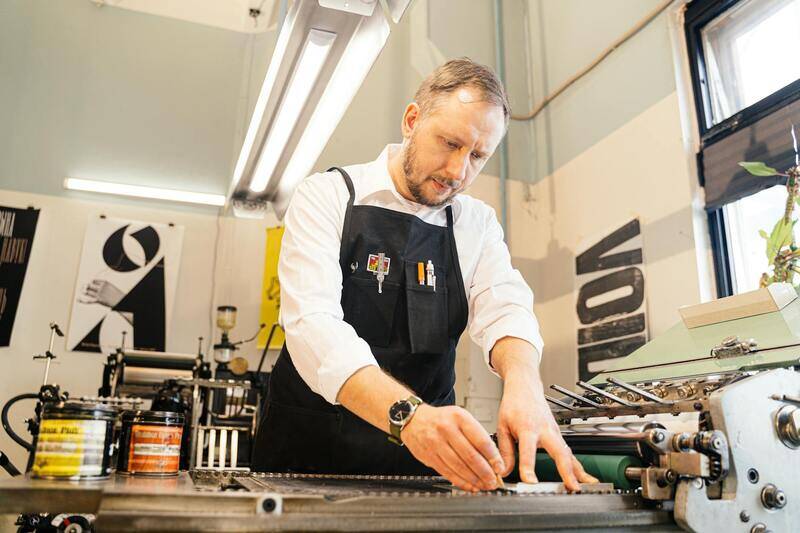
Throughout the handling phase, protective wear gloves help prevent fingerprints and oils from marring the surface. Using clean, dust-free environments during the setup reduces the risk of debris entrapment or surface scratches. During installation, the alignment process should be precise to avoid unwanted distortions; hence, measuring tools and leveling devices play vital roles in achieving the desired visual outcome.
After securing the print, inspection for any loose edges or bubbles is vital. Adjustments should be made immediately to prevent long-term issues that could compromise the print's appearance or structural integrity. Routine maintenance, such as cleaning off accumulated dust with soft brushes or cloths and inspecting for signs of detachment or environmental damage, extends the lifespan of the display.
Addressing Common Challenges and Troubleshooting
Despite meticulous planning, certain challenges may arise with large size picture printing. Common issues include warping, fading, peeling, or surface contamination. Addressing these problems promptly is crucial to maintaining visual impact and longevity.
- Warping or Curling: Often caused by humidity fluctuations or improper handling. To correct, gentle flattening under controlled pressure or professional re-pressing may be necessary.
- Fading or Discoloration: UV exposure and environmental pollutants accelerate color degradation. Utilizing UV-protective coatings and installing the print in sheltered locations can mitigate this issue.
- Peeled Edges or Surface Peeling: Usually due to inadequate adhesion or surface damage. Reapplication of adhesive or professional surface repair can restore the image's integrity.
- Surface Contamination: Dust, dirt, or fingerprints diminish visual clarity. Regular cleaning with appropriate materials prevents accumulation and maintains quality.
When encountering persistent problems, engaging professional restoration services ensures the print is properly evaluated and restored without compromising overall quality. Corrective measures might include surface reconditioning, re-adhesion, or protective coatings, depending on the specific issue.
Advancing with Future Trends in Large Size Picture Printing
The horizon of large format printing technology is increasingly characterized by innovations aimed at elevating quality, efficiency, and sustainability. Emerging trends include the development of eco-friendly inks that reduce environmental impact without sacrificing color vibrancy or durability. Additionally, advancements in digital printing techniques now allow for higher resolutions, richer colors, and faster production times—making large-scale prints more accessible and customizable than ever before.
Integrative technologies such as augmented reality (AR) enable interactive experiences with large prints, transforming passive displays into engaging visuals. Furthermore, improvements in substrate materials, including weather-resistant and biodegradable options, are expanding possibilities for outdoor installations and environmentally conscious branding initiatives. As digital processes become more refined, the potential for intricate, high-definition large prints continues to grow, offering compelling opportunities for creative expression and compelling visual storytelling.
Understanding Large Size Picture Printing
Large size picture printing is a specialized process that involves producing high-quality images on expansive surfaces, often for artistic, commercial, or decorative purposes. This form of printing allows for impactful visual displays, whether for grand advertising billboards, murals, gallery exhibitions, or personalized wall art. The process demands precision in image scaling, resolution, and material selection to ensure that the final output maintains its clarity, vibrancy, and structural integrity across expansive dimensions. To achieve optimal results, it is essential to understand the intricacies involved in choosing suitable printing methods, materials, and finishing techniques tailored for large formats.
Choosing the Right Materials
Material selection is pivotal in large size picture printing, influencing both visual quality and durability. Common substrates include vinyl, canvas, fabric, and specialized poster papers, each offering distinct characteristics well-suited for different applications. For outdoor signage or murals exposed to weather, weather-resistant vinyl and laminated surfaces provide longevity and protection against moisture, UV rays, and physical wear. Conversely, indoor applications such as gallery displays or promotional materials benefit from fine art canvas or high-quality photo papers that accentuate color richness and detail.
Thorough consideration should be given to the weight, texture, and surface finish of the chosen material. Matte finishes help reduce glare in brightly lit settings, enhancing viewer comfort and clarity. Glossy options, on the other hand, amplify color vibrancy and visual impact, ideal for eye-catching displays. Additionally, eco-friendly and sustainable materials are gaining popularity, offering environmentally conscious alternatives without compromising quality.
Printing Technologies for Large Format Images
Advanced printing technologies facilitate high-resolution, large-scale image production with exceptional detail and color fidelity. Inkjet printing remains the most prevalent method, employing wide-format printers capable of handling enormous media rolls. These printers utilize precise droplet placement and a broad spectrum of color inks, including CMYK, light cyan, light magenta, and additional color cartridges for deeper hues and softer gradations.
Another notable technology is solvent and eco-solvent printing, which produces durable and weather-resistant images suited for outdoor displays. UV-curable printing offers a rapid process with rigid prints that require minimal post-processing, ideal for applications demanding high rigidity and sharpness. Each technology presents unique advantages in terms of speed, material compatibility, and environmental impact, allowing clients to select based on the specific requirements of their large-scale projects.
Choosing the right printing technology ensures that the final output aligns with the intended use, environmental conditions, and aesthetic expectations. Professional printing services often provide consultation to determine the most suitable method based on the project scope and budget.
Design Preparation for Large Size Prints
Effective design preparation is crucial in large size picture printing to prevent distortions, pixelation, or misalignment. Designers should work with vector graphics whenever possible, as these images scale without loss of quality. For raster images, ensuring a high resolution—typically 150-300 DPI at the final print size—is essential to maintain clarity and detail.
Pre-press checks include color profiling, bleed allowances, and safe margins to prevent content from being cut off during installation. It is also vital to consider viewing distance; larger prints intended to be viewed from afar can utilize lower resolution images without sacrificing perceived quality, whereas close-up displays require meticulous detail and color accuracy.
Preparing files in the correct format, such as PDF or TIFF, with embedded profiles, streamlines the printing process and minimizes errors. Collaboration with the printing provider during this stage ensures adjustments are made to optimize image sharpness and color fidelity, resulting in a visually stunning large-scale output.

Understanding Large Size Picture Printing
Large size picture printing serves as a pivotal element in various industries, from advertising and interior decor to cultural displays and event promotions. This method involves producing high-resolution images on expansive surfaces, often requiring specialized equipment and precise craftsmanship to ensure the final product meets visual and structural standards. The core aim is to deliver images that are sharp, vibrant, and durable, regardless of size, ensuring they communicate their intended message effectively. As the demand for large-scale visual displays continues to grow, the importance of understanding the key principles behind large size picture printing becomes evident. These include choosing suitable materials, understanding the nuances of advanced printing technologies, and preparing designs meticulously to ensure image integrity and color fidelity upon enlargement.
Choosing the Right Materials
The selection of materials plays a crucial role in achieving optimal results in large size picture printing. The type of surface chosen not only affects print quality but also determines the longevity and suitability of the display environment. Common materials include:
- Vinyl: Highly versatile and resistant to outdoor elements, vinyl is often used for banners, billboards, and wall coverings. It offers excellent color reproduction and durability against weather conditions.
- Backlit Acrylic: Ideal for illuminated displays, backlit acrylic provides vibrant colors and a polished look, suitable for storefronts and signage requiring illumination.
- Canvas: Used mainly for indoor art displays, canvas offers a textured finish that adds an artistic touch to photographs or paintings, with high fade-resistance.
- Polyester and Fabric Materials: Suitable for indoor or sheltered outdoor environments, offering flexibility and a refined aesthetic for large fabric banners and displays.
Consideration of environmental factors, such as exposure to sunlight, humidity, and physical wear, is essential in material selection. Properly selected substrates extend the life and maintain the visual appeal of large prints, ensuring they remain impactful over time.
Printing Technologies for Large Format Images
Choosing the right printing technology is fundamental to producing high-quality large size images. Techniques such as UV printing, solvent-based digital printing, and Latex printing are predominantly utilized for their respective advantages:
- UV Printing: Provides direct printing on rigid and flexible surfaces with vibrant colors and excellent adhesion. Its instant curing process results in high durability and resistance to scratches and weathering.
- Solvent and Eco-Solvent Printing: Ideal for outdoor banners and billboards, these methods produce vivid, water-resistant prints with extended lifespan. They are suitable for large-scale outdoor environments due to their weather resistance.
- Latex Printing: A versatile and eco-friendly option that offers soft finishes, excellent color accuracy, and fast drying times. Suitable for both indoor and outdoor applications with a focus on environmentally conscious production.
The resolution and color precision of these technologies ensure that large prints maintain visual sharpness and color consistency when scaled. Professionals also consider factors such as speed, cost, and environmental impact before selecting the optimal printing method.
Design Preparation for Large Size Prints
Proper design setup is vital to translate digital images into effective large prints. Key considerations include:
- Vector Graphics: Whenever feasible, utilize vector graphics which allow images to be scaled infinitely without loss of quality. This is particularly important for logos, text, and simple illustrations used in large displays.
- High-Resolution Raster Images: If raster images are used, ensure they have a resolution of at least 150-300 DPI at the final print size. This prevents pixelation and maintains sharpness across the enlarged surface.
- Color Profiles and Bleeds: Embedding ICC color profiles helps achieve color consistency, while adding bleed areas prevents unwanted white borders during trimming.
Strategic file preparation minimizes production issues and ensures that images appear crisp and vibrant when printed at large scales. Collaborating closely with printing professionals during the design stage allows for adjustments tailored to the specific material and technology used.

Understanding Large Size Picture Printing
Large size picture printing encompasses a variety of techniques used to produce high-quality images on expansive surfaces, ideal for banners, murals, trade show displays, and public art installations. The goal is to deliver vivid, sharp visuals that maintain their integrity when scaled up from digital files. This process not only involves selecting appropriate printing methods but also demands careful consideration of material choices, color management, and handling procedures to ensure the final product meets professional standards. Operators must balance factors such as print durability, surface compatibility, and visual fidelity to achieve optimal results. Due to their size, these prints often serve as visual anchors within commercial and artistic environments, making their quality impact on viewer perception critical.
Choosing the Right Materials
Material selection plays a crucial role in the durability and visual appeal of large format prints. The primary options include vinyl, fabric, film, and rigid substrates, each suited for specific applications and display conditions. Vinyl banners are popular for their flexibility and weather resistance, ideal for outdoor advertising. Fabric options, such as polyester or canvas, offer a refined texture suitable for gallery displays and indoor use. Rigid substrates like aluminum, foam board, or acrylic are often necessary for permanent or semi-permanent displays where a sturdy, flat surface is required.
- Vinyl: Flexible, weather-resistant, suitable for outdoor signage.
- Fabric: High-quality, woven material ideal for indoor displays and fine art reproductions.
- Rigid substrates: Durable, professional-grade surfaces for long-term installations.
- Canvas: For gallery-quality reproductions with a textured finish.
In addition to the base material, the choice of laminate or coating can enhance UV resistance, water repellence, and scratch protection, extending the lifespan of the print. Professional printers often recommend specific material types based on the intended environment, ensuring the print retains its vibrancy and structural integrity over time.
Printing Technologies for Large Format Images
Different technologies are leveraged to produce large size prints with exceptional clarity and color accuracy. Key methods include solvent, eco-solvent, latex, UV, and dye-sublimation printing, each offering distinct advantages based on application requirements.
- Solvent and Eco-Solvent Printing: Known for excellent adhesion and durability, suitable for outdoor applications. Eco-solvent variants are more environmentally friendly, reducing VOC emissions.
- Latex Printing: Offers flexibility, vibrant color results, and quick drying times, making it versatile for various materials and environments.
- UV Printing: Utilizes ultraviolet light to cure inks instantly on rigid and flexible substrates. Ideal for direct printing on non-porous surfaces like metal or glass.
- Dye-Sublimation: Primarily used for textiles, producing high-resolution, soft images that are integrated into the fabric.
Each technology has specific prerequisites regarding file formats, color management, and media compatibility. Professional operators select the appropriate method based on print size, desired durability, and visual effect, ensuring the final product meets high standards of quality.
Design Preparation for Large Size Prints
Producing effective large format images begins with meticulous digital file preparation. Critical aspects include resolution, vector versus raster graphics, color profiles, and bleed areas. Ensuring these elements are optimized reduces the risk of defects, pixelation, or color inconsistencies.
- Resolution: Use at least 150-300 DPI at the final print size to maintain sharpness.
- Vector Graphics: Employ vector files for logos and text, as they can be scaled infinitely without quality loss.
- Raster Images: Use high-resolution images for photographs or detailed visuals to prevent pixelation.
- Color Profiles: Embed ICC profiles to ensure color consistency across different devices and media.
- Bleeds and Margins: Incorporate bleed zones to avoid unwanted white borders after trimming.
Close collaboration between designers and production specialists is essential in this phase. Adjustments to color calibration, file formats, and file size can significantly contribute to a successful print outcome, ensuring the final piece is vibrant and precise.
Color Accuracy and Calibration
Accurate color reproduction is fundamental for high-end large format printing. Calibration of printers, monitors, and color profiles ensures consistency from digital design to physical output. Professional printers regularly calibrate their equipment using specialized tools like spectrophotometers to achieve standardized color spaces, such as Adobe RGB or CMYK profiles.
This process involves:
- Matching display colors to print outputs through monitor calibration.
- Embedding ICC profiles into design files to guide color rendering during printing.
- Adjusting color settings based on material and technology-specific color gamuts.
Consistency in color output significantly influences the visual impact of large prints, especially for branding and artistic displays. Periodic calibration ensures ongoing precision and helps prevent discrepancies between design intent and final appearance.
Installation and Handling of Large Prints
Proper installation maximizes the longevity and visual appeal of large photographs. Handling techniques should minimize physical stress on the materials and prevent damage during transportation and mounting.
- Transport: Use protective coverings and secure packaging to avoid scratches, tears, or creases.
- Preparation: Ensure mounting surfaces are clean, flat, and free of debris.
- Mounting Techniques: Depending on the material, options include framing, tension mounts, or adhesive adhesives suited for the substrate.
- Environmental Conditions: Install in areas with controlled humidity and temperature to prevent warping or deterioration.
Handling methods must adhere to best practices, especially for fragile or rigid materials. Professional installers utilize specialized tools and techniques, including scaffolding, hoists, and leveling systems, to ensure precise placement and a polished final appearance.
Common Challenges and Troubleshooting
Despite careful preparation, issues such as color shifts, image distortion, or surface imperfections can occur. Common challenges include improper file resolution, material incompatibility, or environmental factors during printing and installation.
- Color inconsistencies: Address by verifying calibration and color profiles before printing.
- Pixelation or blurring: Ensure files meet resolution requirements; avoid scaling images post-design.
- Surface imperfections: Use high-quality, defect-free media and handle carefully during installation.
- Environmental effects: Maintain ideal conditions during printing to prevent issues like ink smudging or warping.
Addressing these challenges proactively fosters a seamless production process, resulting in large prints that are vibrant, precise, and durable, fulfilling professional expectations and client needs.
