
Overview of Big Size Printing
Big size printing, also known as large-format printing, encompasses the production of visual materials that exceed the dimensions of standard printing formats. This specialized printing service is crucial for creating banners, posters, billboards, exhibition displays, and other promotional materials that demand high visibility and impactful presentation. Within Singapore's dynamic advertising and marketing industry, big size printing plays a vital role by enabling brands and organizations to communicate messages effectively across various platforms and environments.
Large-format printing requires precise technology and materials to ensure clarity, color accuracy, and durability over time. Its significance lies not only in its ability to grab attention but also in its versatility to serve multiple sectors, including retail, corporate, event management, and public information dissemination. As Singapore continues to position itself as a thriving hub for commerce and innovation, the demand for high-quality, large-scale printed visuals has surged, reinforcing the importance of advanced big size printing solutions.

Materials Used in Large-Format Printing
Selecting the appropriate materials is crucial in achieving high-quality big size printing results that withstand environmental factors and maintain visual appeal. Commonly used substrates include vinyl, fabric, mesh, backlit materials, and rigid substrates such as foam board, acrylic, or aluminum panels. Each material offers distinct advantages tailored to specific applications.
- Vinyl: Versatile and durable, vinyl is ideal for banners, posters, and outdoor signage. Its weather-resistant properties make it suitable for long-term outdoor displays.
- Fabric: Known for its elegant finish, fabric is often utilized for indoor displays, trade show booths, and wall coverings. It provides excellent color vibrancy and a seamless appearance.
- Mesh: Designed for outdoor environments, mesh materials allow wind passage while displaying vibrant graphics, making them suitable for large banners on construction sites or outdoor events.
- Rigid substrates: Materials like foam board, acrylic, and aluminum serve for high-end signage, wall graphics, and point-of-purchase displays. They are praised for their rigidity and clarity.
Choosing the right material depends on factors such as durability, environmental exposure, visual quality, and installation needs. Advances in coating technologies also enhance material resistance against UV rays, moisture, and scratches, ensuring that large-format prints retain their impact over extended periods.
Design Considerations for Large-Scale Prints
Creating effective big size prints requires meticulous attention to design aspects that influence the final output’s clarity, impact, and longevity. The design process should prioritize resolution, color schemes, and image scaling to ensure the visuals are compelling and legible from various distances.
- Resolution: High-resolution images (minimum 150 DPI at final print size) are essential to prevent pixelation and maintain sharpness in large formats.
- Color accuracy: Employing color profiles that match the printing process ensures vibrant, true-to-design colors, which are vital for branding consistency.
- Scaling: Vector-based graphics or scalable images are preferred because they retain quality when enlarged.
- Minimal text and bold fonts: To maximize readability at a distance, designs should incorporate large, bold typefaces and minimal textual information.
- Visual hierarchy: Strategically placing focal points and using contrasting colors guides viewers’ attention effectively.
It is advisable to collaborate with experienced designers who understand how artwork translates into large-format visuals, ensuring the end product not only communicates effectively but also conforms to technical specifications needed for high-quality printing.

Overview of Big Size Printing
Big size printing has become an essential element in various industries, from marketing and advertising to event management and interior décor. This form of printing involves the production of large-scale visual displays that can effectively capture attention and convey messages to a broad audience. It encompasses a variety of formats and techniques designed to produce visuals that are not only striking but also durable enough to withstand environmental elements. Professionals in this field utilize cutting-edge technology and high-quality materials to ensure that the final product maintains clarity, vibrancy, and integrity over time and distance.
Big size printing is especially relevant for outdoor advertising, exhibition displays, building wraps, and large-format wall murals. Its effectiveness relies heavily on precise technical execution, such as optimal resolution, accurate color reproduction, and appropriate material choice, all tailored to meet specific environmental and aesthetic requirements. As the demand for impactful visual communication grows, so does the importance of reputable printing services capable of delivering consistently high standards.
Common Types of Big Size Printing
Various printing methods have been developed to cater to the diverse needs of clients seeking large-format visuals. Each method offers unique advantages that suit different applications, budgets, and environmental conditions. Understanding these options helps in selecting the most appropriate technique to achieve desired results.
Solvent and Eco-Solvent Printing
This technology employs solvent-based inks that penetrate the material surface, resulting in vibrant, weather-resistant images. Ideal for outdoor advertising, solvent and eco-solvent prints can withstand rain, UV exposure, and pollution, making them suitable for signage, banners, and vehicle wraps. Eco-solvent options offer environmentally friendlier alternatives with reduced volatile organic compounds (VOCs), aligning with sustainable practices.
UV Printing
UV printing utilizes ultraviolet light to instantly cure inks on various substrates, including rigid and flexible materials. This method enables high-definition, durable prints on unusual surfaces like acrylic, metal, and wood, often used in interior décor or custom signage. The immediacy of UV curing minimizes distortions and enhances color vibrancy and detail precision.
Solar and Latex Printing
Latex printing, recognized for its eco-friendliness and flexibility, produces wide-format prints with excellent color fidelity and elasticity. Solar or UV-curable inks are also prominent for their environmental benefits, producing high-quality results on a range of media while maintaining safety standards for indoor and outdoor use. These technologies support large-scale installations that require flexibility, durability, and quick turnaround times.
Materials Used in Large-Format Printing
The choice of substrate plays a pivotal role in the longevity, appearance, and application of big size prints. Common materials include vinyl, fabric, mesh, and rigid substrates like foam board, acrylic, or metal sheets. Each material offers different benefits based on usage scenarios—such as weather resistance, ease of installation, or aesthetic finish.
Vinyl is the most widely used due to its versatility and durability; available in gloss, matte, or satin finishes, suitable for banners, decals, and vehicle wraps.
Fabric-based materials deliver a premium look, ideal for indoor displays like trade shows or gallery installations. They tend to be lightweight, easy to fold and transport, and produce vibrant images.
Rigid substrates like foam boards and acrylic sheets are preferred for mounting static displays, wall murals, or point-of-sale displays. These materials provide a high-end look with excellent structural stability.

Design Considerations for Large-Scale Prints
Creating impactful large-format visuals involves meticulous planning and execution. Details such as resolution, color accuracy, and design simplicity are critical factors that influence printing quality and viewer perception.
- Resolution: Ensuring images are high-resolution (minimum 150 DPI at final print size) prevents pixelation and maintains crispness across expansive surfaces.
- Color Management: Utilizing color profiles that match the printing process guarantees vibrant, consistent colors that align with branding standards.
- Image Scaling: Preferably work with vector graphics or scalable images to preserve quality during enlargement.
- Typography: Use large, bold fonts and minimal text to maximize readability from a distance.
- Visual Hierarchy: Place focal points strategically and incorporate contrasting colors to guide viewers' attention naturally.
Collaborating with experienced designers who understand the nuances of large-format visual communication ensures that the final printed material accomplishes its intended impact while adhering to technical standards necessary for high-quality output.
Essentials of Big Size Printing Materials and Techniques
Efficiently producing large-scale prints requires meticulous selection of materials and adoption of appropriate printing techniques to ensure durability, clarity, and vibrancy. The choice of printing method hinges on the intended application, material compatibility, and desired finish. Commonly utilized printing technologies for big size printing include UV flatbed printing, solvent and eco-solvent printing, latex printing, and dye-sublimation, each tailored for specific substrate types and environmental conditions.
UV Flatbed Printing
UV flatbed printing stands out for its ability to directly apply ink onto rigid or flexible substrates, offering high-resolution output and exceptional adhesion. This method is ideal for materials like acrylic, aluminum, glass, or foam boards. Its advantages include vibrant color reproduction, quick curing times, and the capability to print multiple surfaces simultaneously. UV inks are also resistant to fading and scratching, making this technology well-suited for signage, decorative displays, and high-end branding applications.
Solvent and Eco-Solvent Printing
Solvent printing employs solvent-based inks capable of penetrating and adhering well to non-porous surfaces such as vinyl and banners. Eco-solvent variants are environmentally friendlier, emitting fewer volatile organic compounds (VOCs) while maintaining durability and color richness. These techniques are predominantly used for outdoor signage, vehicle wraps, and large banners due to their weather resistance and longevity.
Latex Printing
Latex printing offers flexibility, eco-friendliness, and excellent conformability on various materials. It produces high-quality images with flexible inks compatible with fabric, vinyl, and paper substrates. This method is frequently utilized for indoor and outdoor advertising, as well as event displays where resilience and ease of installation are critical.
Dye-Sublimation
While dye-sublimation is mainly used for fabric-based big prints, it excels at producing vibrant, detailed images suitable for textiles, backdrops, and apparel. The process involves transferring dye onto polyester fabrics using heat and pressure, resulting in durable, fade-resistant prints that maintain color integrity over time.
Image Placeholder
Choosing the Right Materials
Material selection is vital to achieving the desired impact and longevity for large prints. Durable substrates like foam boards, acrylic sheets, vinyl banners, fabrics, and mesh are popular choices. Factors influencing material choice include environmental exposure, print durability, ease of installation, and aesthetics. For example, rigid substrates such as foam boards and acrylic surfaces lend a premium look suitable for indoor displays, whereas vinyl or mesh banners are more appropriate for outdoor environments owing to their weather resistance.
Considerations for a Successful Big Size Print
- Resolution: Ensure images are at least 150 DPI at final print size to maintain clarity and sharpness.
- Color Management: Use appropriate color profiles to guarantee vivid and consistent color reproduction across various media.
- Design Simplicity: Large-format visuals should prioritize bold, clear imagery with minimal clutter to maximize impact.
- Viewer Perspective: Design with the viewing distance in mind; larger fonts and straightforward visuals are more readable from afar.
- Material Compatibility: Match the printed design with suitable substrates to optimize durability and visual effectiveness.
Implementation Tips
Collaborate with printers possessing advanced equipment and technical expertise to ensure the highest quality output. Regular maintenance and calibration of printers help sustain color accuracy and resolution. Moreover, working with experienced designers familiar with large-format projects ensures the design translates well when scaled up, capturing the intended message with maximum visual impact.
Types of Printing Techniques for Large-Format Projects
Large size printing in Singapore leverages a variety of advanced printing technologies to achieve vibrant, durable, and high-resolution visuals suitable for diverse applications. Among these, UV printing, solvent printing, and eco-solvent printing stand out as the most prevalent methods, each offering distinct advantages depending on project requirements.
UV Printing
Ultraviolet (UV) printing employs ultraviolet light to instantly cure inks once they are applied onto the substrate. This technique allows for printing on a wide range of materials, including rigid surfaces like acrylic, glass, and laminated panels. UV printing produces sharp, vibrant images with excellent color accuracy and resistance to scratches, making it ideal for indoor signage, wall graphics, and decorative panels that require a high-end appearance.
Solvent and Eco-Solvent Printing
Solvent printing uses solvent-based inks that penetrate the material’s surface, resulting in highly durable and weather-resistant images. These prints are well-suited for outdoor banners, billboards, and vehicle wraps that face varying environmental conditions. Eco-solvent printers, a more environmentally friendly alternative, use less harmful chemicals and emit fewer volatile organic compounds (VOCs), aligning with sustainable practices without compromising print quality.

Advantages of Modern Large-Format Printing Technologies
- Exceptional Color Reproduction: Advanced inks and precise calibration ensure vivid, consistent, and accurate colors across different media.
- Durability: UV and solvent-based methods produce prints that withstand exposure to sunlight, moisture, and environmental pollutants, prolonging lifespan.
- Versatility: A broad spectrum of substrates can be used, from rigid panels and fabrics to flexible vinyls and mesh materials.
- Speed and Efficiency: Modern printers with high throughput capacities enable large projects to be completed within short timeframes, supporting tight deadlines.
Key Considerations in Selecting Printing Techniques
Choosing the appropriate printing technology should be based on the specific application and environmental demands. For interior displays or marketing collateral, UV printing provides a high-quality finish with detailed imagery and a polished look. Conversely, for outdoor advertising, solvent and eco-solvent options deliver resilient visuals capable of withstanding weather conditions, ensuring longevity and consistent appearance over time.

Working with experienced service providers equipped with these technologies ensures that projects meet aesthetic expectations while achieving long-term durability. Pre-press processes, such as color management and media calibration, further enhance the final outcome, providing print results that effectively communicate clients’ messages with precision and impact.
Overview of Big Size Printing
Big size printing, also known as large-format printing, is a specialized sector within the printing industry that focuses on producing high-impact visuals on expansive surfaces. These prints are essential for creating eye-catching advertisements, signage, murals, banners, and other types of display materials that command attention in both indoor and outdoor environments. With the ability to accommodate vast dimensions, big size printing plays a pivotal role in effective visual communication, especially in urban landscapes and promotional spaces where visibility and aesthetics are paramount.

Furthermore, advancements in digital printing technology have democratized access to large-format printing solutions, enabling more businesses and organizations to leverage striking visuals without prohibitive costs. High-quality, large-scale visuals bolster branding efforts, facilitate event branding, and support campaigns that require impactful visual storytelling on a grand scale. As a result, the scope of big size printing extends across various industries and applications, making it an indispensable tool in modern visual marketing strategies.
Common Types of Big Size Printing
Big size printing encompasses several formats tailored to different purposes and environments. Among the most prevalent types are:
- Banners and Signs: Frequently used for event promotions, trade shows, and outdoor advertising, these are designed for maximum visibility and durability.
- Posters and Wall Murals: Ideal for interior decor, branding displays, or promotional campaigns within commercial spaces.
- Vehicle Wraps: Large vinyl decals that transform vehicles into mobile advertisements, offering wide-reaching exposure.
- Billboards: Massive displays installed in high-traffic locations, often printed on weather-resistant substrates to endure environmental conditions.
- Fabric and Textile Prints: Used for event backdrops, stage designs, or retail displays that require flexibility and visual impact.
Materials Used in Large-Format Printing
The selection of materials is critical to achieving the desired visual and durability outcomes in big size printing. Common substrates include:
- Vinyl and PVC Films: Widely used for banners, signs, and vehicle wraps due to their weather resistance and flexibility.
- Canvas and Fabric: Preferred for murals, art reproductions, and interior decor for a textured, upscale appearance.
- Polyester and Mesh Fabrics: Suitable for outdoor displays where breathability and wind resistance are necessary.
- Rigid Substrates (Aluminum, Foam Board, Acrylic): Used for point-of-sale displays, signage, and backlit displays requiring rigidity and high resolution.
Design Considerations for Large-Scale Prints
The effectiveness of big size printing is heavily reliant on thoughtful design principles. Key considerations include:
- Resolution and Image Quality: Since large prints are viewed at varying distances, ensuring high resolution (at least 150 DPI at final size) prevents pixelation and maintains clarity.
- Color Accuracy and Management: Proper color calibration and standardized color profiles are essential to reproduce brand colors faithfully on expansive surfaces.
- Visual Hierarchy and Readability: Bold, large fonts and high-contrast color schemes facilitate quick comprehension from afar.
- Material Compatibility: Designs must consider the substrate's texture, reflective properties, and environmental exposure to optimize print performance and longevity.
- Alignment and Seam Placement: For multi-panel prints, precise alignment ensures a seamless appearance, enhancing overall visual impact.
Printing Techniques and Technologies
Choosing the appropriate printing method is vital to ensure durability, vibrancy, and speed for large-scale projects. Popular techniques include:
- UV Printing: Utilizes ultraviolet light to cure inks immediately upon application, producing sharp images with high color fidelity, suitable for interior displays.
- Solvent and Eco-Solvent Printing: Employs solvent-based inks that penetrate substrates, creating weather-resistant, vibrant visuals ideal for outdoor use.
- Latex Printing: Features water-based inks with encapsulated latex particles, providing eco-friendly solutions with flexibility and resistance against weather conditions.
- Inkjet Technology: The most common method for producing detailed images on various materials, allowing for quick, customizable large-format prints.
Investing in advanced printers equipped with high-resolution heads and color management systems is essential for achieving top-tier output. These technologies are complemented by comprehensive pre-press processes, including media calibration and color profiling, which ensure consistency across different print runs and substrates.

Materials Used in Large-Format Printing
For big size printing projects, selecting the appropriate materials is paramount to achieving desired visual and functional outcomes. Common substrates include vinyl banners, fabric textiles, backlit films, mesh banners, and rigid materials such as foam boards, acrylic sheets, and aluminum panels. Each material offers distinct advantages: vinyl is highly durable and weather-resistant, making it ideal for outdoor signage; fabric textiles provide a vibrant, soft finish suitable for retail displays; backlit films enhance illumination effects in indoor environments; and rigid panels give structural stability for long-term installations.

Surface preparation is critical when working with these materials. Surfaces should be clean, dry, and free from dust and grease to ensure optimal ink adhesion and color accuracy. Additionally, the choice of material impacts the printing technique used, with some substrates requiring specific inks or curing methods to maximize durability and visual fidelity.
Design Considerations for Large-Scale Prints
Creating impactful large size prints involves careful planning around design elements. Resolution is a key factor; images should be created with high-resolution files to prevent pixelation when enlarged. Vector graphics are preferred for logos and text to maintain sharpness and scalability. Color management is essential for ensuring color consistency from digital design to final print, especially when matching brand colors.
Another aspect is layout composition, which should balance visual hierarchy and readability. Consideration of viewing distance influences font size and image details. For outdoor displays, bold contrasts and simplified graphics improve visibility and legibility from afar. Incorporating bleed areas and safe margins helps avoid unintended cropping during trimming, ensuring the finished product aligns with design specifications.
Printing Techniques and Technologies
Choosing the right printing technology enhances the output quality and longevity of large-format prints. Current advancements include:
- UV Printing: Rapid curing with UV light results in sharp, vibrant images with a high level of detail. Suitable for both rigid and flexible substrates, UV printing offers excellent resistance to scratches and environmental factors.
- Solvent and Eco-Solvent Printing: These techniques employ solvent-based inks that penetrate deep into the material, providing excellent weather resistance. Eco-solvent options reduce environmental impact while maintaining durability.
- Latex Printing: Utilizes water-based inks encapsulated with latex polymers, making it environmentally friendly. It produces flexible prints with resistance to cracking and weathering, ideal for outdoor banners and signage.
- High-Resolution Inkjet: The most common method for detailed, color-rich images. Modern inkjet printers can produce excellent results across various media sizes and types, supporting quick turnaround times for custom large-scale projects.
Investing in high-quality printers equipped with multiple inkheads, advanced color management, and precision droplet control ensures clear, consistent results. Pre-press procedures, including media calibration and color profiling, are equally important to maintain quality standards across different batches and materials.
Choosing a Big Size Printing Service Provider
When selecting a provider for large-format printing, reliability and experience are critical. Consider companies with a proven track record in executing large-scale projects, offering a comprehensive range of materials and finishing options. Evaluate their turnaround times to meet project deadlines, and request samples of previous work to assess print quality and color accuracy. Transparent pricing and detailed quotations help you make informed decisions, ensuring your project remains within budget without compromising on quality. Additionally, a responsive customer service team facilitates smooth communication throughout the production process, minimizing errors and delays.
Choosing a Big Size Printing Service Provider
When seeking out a reliable big size printing provider in Singapore, several key factors should be considered to ensure the quality and success of your project. It is essential to evaluate their experience with large-scale prints, as this directly influences the consistency and precision of the final output. An established provider with a longstanding track record demonstrates their capability to handle complex and sizable projects efficiently, minimizing errors and delays.
Another crucial aspect is the range of materials and finishing options available. A comprehensive portfolio that includes various substrates—such as vinyl, fabric, canvas, and mesh—allows for greater flexibility in meeting specific design requirements. Finishing options like lamination, mounting, and cutting further enhance the durability and aesthetic appeal of the print, especially for outdoor or high-traffic displays.
Turnaround times are often a decisive factor in choosing a printing partner. Providers who can offer quick yet high-quality production schedules help keep your project on track, particularly for time-sensitive events or campaigns. Requesting samples of previous large-format prints is highly beneficial, as it provides tangible insight into their capabilities and adherence to color accuracy, resolution, and material handling.
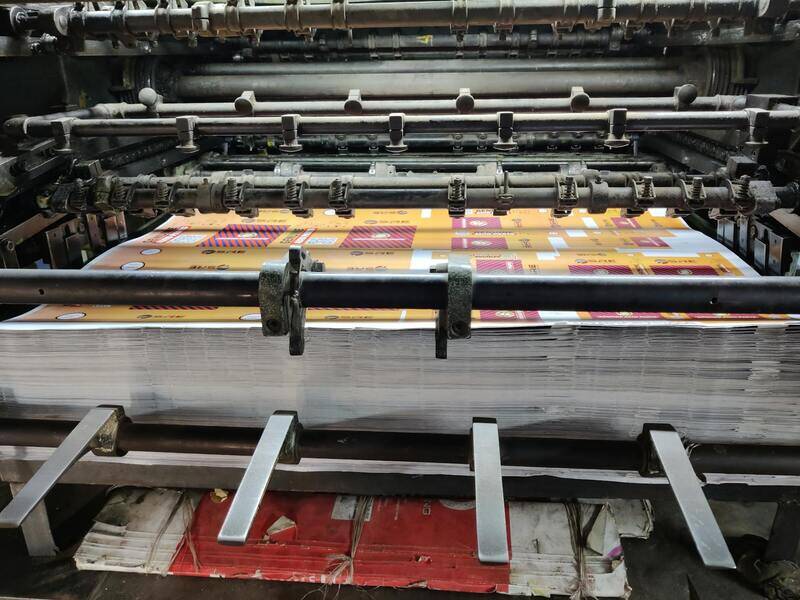
Transparency in pricing and detailed quotations are equally important. Clear communication regarding costs, including potential additional charges for finishing, mailing, or special media, helps avoid misunderstandings. A dependable provider should offer detailed estimates upfront, allowing you to plan your budget effectively.
Customer service quality also plays a pivotal role. Responsive, knowledgeable support ensures smooth coordination from project conception through to delivery. Ongoing communication helps clarify design specifications, approve proofs, and confirm project timelines, reducing the risk of errors and reprints.
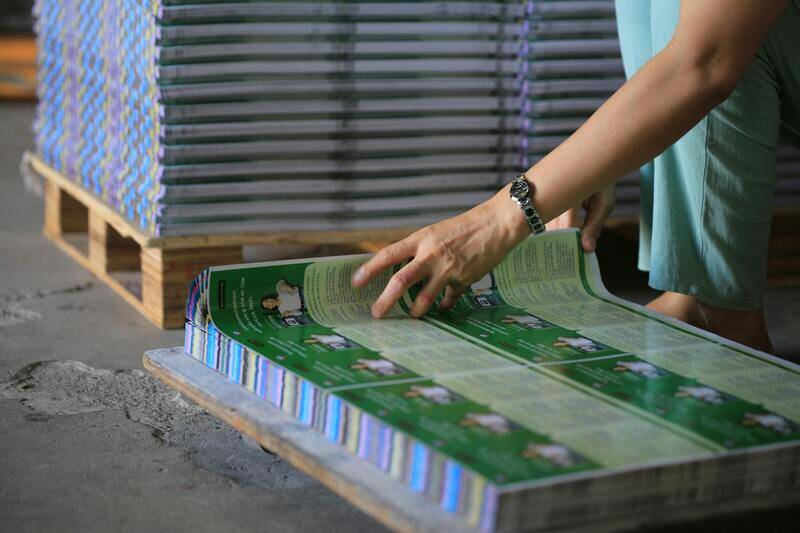
Finally, assessing a provider’s technological capabilities is critical. Advanced large-format printers equipped with high-resolution inkjet technology, precise color management systems, and robust media handling tools guarantee that your printed materials will meet industry standards for clarity, color fidelity, and durability. Investing in a partner with cutting-edge technology ultimately results in a superior visual impact and longer-lasting products.
