
Overview of Large Format Photo Printing
Large format photo printing refers to the process of producing high-quality images on expansive surfaces, typically exceeding 24 inches in width. This specialized printing technique is widely employed across various industries, including advertising, interior design, photography, event promotion, and art exhibitions. Its primary purpose is to create visually impactful displays that can be viewed from a distance, making it ideal for banners, murals, wall coverings, and trade show exhibits.
The advantages of large format photo printing are manifold. It allows for vivid, detailed visuals that can communicate branding messages or artistic expressions effectively. With advances in printing technology, large format images now feature exceptional color accuracy, sharpness, and durability. Clients benefit from the ability to transform plain spaces into immersive environments, enhance visual storytelling, or produce memorable signage that captures attention effortlessly.
Common applications span a variety of settings: retail stores utilize large murals to attract customers, event organizers use expansive backdrops for stage settings, photographers produce large-scale gallery prints, and corporate offices incorporate sizable wall art for aesthetic appeal. The flexibility in material choice, combined with advanced printing techniques, ensures that these large-format images meet specific environmental conditions, whether for indoor or outdoor use.
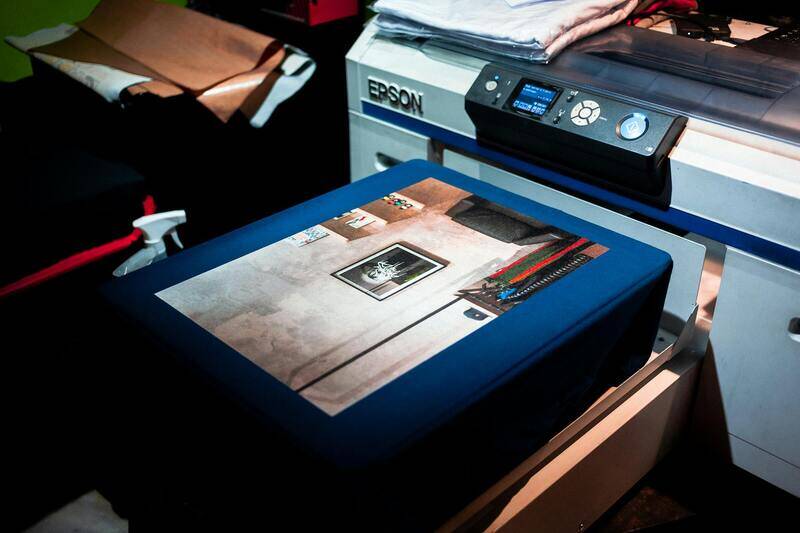
When executed correctly, large format photo printing not only enhances visual impact but also maintains the integrity of colors and details, ensuring that each piece communicates its intended message vividly and professionally. It is a crucial component in brand promotion, artistic endeavors, and environmental design, providing an effective platform for visual storytelling on an impressive scale.
Material Selection for Large Photo Prints
Choosing the right material is essential to ensure the longevity and visual quality of large format photo prints. The selection process depends on the intended environment, aesthetic preference, and budget considerations. Among the most popular options are vinyl, canvas, mesh, fabric, and rigid substrates such as foam board or acrylic.
Vinyl is highly versatile, durable, and suitable for outdoor applications due to its resistance to weather elements. It provides a smooth surface that enhances color vibrancy and detail, making it ideal for banners, signage, and murals.
Canvas offers a more artistic appeal, with a texture that mimics traditional painting. It is often used for gallery-quality images or decorative wall art in indoor settings. Canvas prints can be stretched over frames or mounted on panels for a polished look.
Mesh fabrics are specially designed for outdoor environments where wind might be a factor. They allow air to pass through, reducing wind load while maintaining visibility of the printed image.
Rigid substrates such as foam board or acrylic provide a sturdy backing that enhances durability and allows for frameless display options. These materials are suitable for retail displays, art installations, or corporate settings.

Environmental factors such as light exposure, humidity, and surface texture influence material choice. For outdoor applications, UV-resistant and weatherproof materials extend the lifespan of the print. Conversely, indoor settings may permit the use of materials that prioritize cushioning and texture, such as fine art paper or textured fabrics.
Consideration for the surface finish is equally important. Matte finishes reduce glare and fingerprints, ideal for viewing in well-lit spaces, whereas gloss finishes enhance color depth and vibrancy, suitable for vivid photographic displays.
The technological advances in ink formulations and substrate manufacturing have expanded the options available for large format printing, allowing clients to tailor their choices to achieve specific visual and functional objectives.
Material Selection for Large Photo Prints
Choosing the appropriate material for large format photo printing is a critical step to ensure the artwork's longevity and visual impact. Each material offers distinct advantages suited for specific environments and presentation styles. Vinyl remains a popular choice for outdoor applications due to its weather-resistant properties, providing durability against elements such as rain, wind, and sunlight. Its flexibility allows it to conform to various surfaces, making it ideal for banners and vehicle wraps. Canvas, on the other hand, is favored for indoor displays owing to its textured surface that lends an artistic quality to photographs and images, mimicking traditional painting surfaces. This material enhances the depth and richness of colors, making it suitable for gallery walls or decorative interior decor.
Backlit films and lightbox materials are specifically designed for illuminated displays, providing vibrant and eye-catching effects when lit from behind. These are commonly used for retail signage or advertising panels where visibility during nighttime or low light conditions is essential. Meanwhile, specialized papers, including fine art paper or textured giclée papers, are employed for high-resolution gallery prints, emphasizing detail and color accuracy.
Environmental factors play a crucial role in material selection. For outdoor settings, UV-resistant and weatherproof materials extend the lifespan of the print, protecting against fading and moisture damage. Indoor applications, however, can prioritize materials that offer better texture and aesthetic appeal, which may include fabrics or specialty art papers. Surface finishes further influence the visual quality and usability of the prints. Matte finishes reduce glare and fingerprints, making them ideal for well-lit or high-traffic areas. Gloss finishes heighten color vibrancy and depth, enhancing photographic representations where visual richness is desired. Innovations in ink formulations and substrate manufacturing have dramatically expanded the versatility of large format printing. Clients can now select from a broad spectrum of options tailored to visual preferences while also considering functional needs such as waterproofing, UV protection, or ease of installation. This technological progress ensures that large format photo prints can fully meet diverse requirements, whether for temporary banners or permanent fine art exhibits.
Official Methods for Large Format Photo Printing in Singapore
In Singapore, ensuring the quality and durability of large format photo prints involves utilizing reputable and proven printing methods. Professional large format photo printing typically employs advanced inkjet printing technology that guarantees vibrant colors, fine details, and longevity. These methods are accessible exclusively through authorized printing service providers who adhere to strict quality standards and use state-of-the-art equipment.
One widely recognized approach is the use of solvent or eco-solvent inkjet printers. These printers are compatible with a variety of substrates, including vinyl, canvas, banner fabrics, and specialty fine art papers. Solvent inks are known for their resistance to UV light, moisture, and environmental pollutants, making them ideal for outdoor displays or high-traffic indoor environments. Eco-solvent options provide a more environmentally friendly alternative without compromising print durability or color fidelity.
Another critical method involves the use of UV-curable printing technology. UV printing employs ultraviolet light to instantly cure the inks upon contact with the substrate. This process allows for high accuracy and vivid color reproduction, particularly on rigid materials such as acrylic, aluminum composites, or glass. UV-curable large format printing is advantageous for creating impactful signage, window graphics, or gallery displays with minimal warping or distortion.
To maintain the highest standards, printing service providers incorporate rigorous calibration and color management processes. This includes device calibration, color profiling, and quality control checks. Employing standardized color management workflows ensures consistent, predictable results and precise color matching across multiple prints and projects. As a result, clients receive prints that accurately reflect their original digital files in both color and detail.
It is essential to work with providers who utilize only official, certified equipment and materials. Authorized printing partners often display certifications or affiliations with esteemed industry organizations, providing peace of mind regarding their legitimacy and commitment to quality. They also stay updated with the latest advancements in printing technology and environmental standards, offering clients reliable solutions for large format photography projects.
The adherence to official printing procedures ensures not only superior visual outcomes but also the preservation of the print’s integrity over time. Such methods involve the proper handling and storage of ink and materials, as well as adherence to manufacturer guidelines for device maintenance and calibration. This disciplined approach guarantees that each large format photo print meets professional quality benchmarks, whether for commercial displays, gallery exhibitions, or personal collections.
Overview of Large Format Photo Printing
Large format photo printing is a specialized process that transforms digital images into expansive, high-resolution prints suitable for display in galleries, exhibitions, commercial spaces, or personal collections. This printing method is essential for capturing intricate details, vibrant colors, and impressive scale, enabling viewers to fully appreciate the depth and richness of the photograph. To achieve optimal results, it is crucial to understand the official and verified practices involved in producing high-quality large format prints.
Types of Printing Technologies
Several certified printing technologies are commonly employed in professional large format photo printing, each offering unique advantages based on the desired outcome, material compatibility, and durability requirements:
- Piezoelectric Inkjet Printing: This remains the most popular choice among reputable printers for its precision, color accuracy, and ability to handle a wide range of media. Piezoelectric heads use vibrations to eject ink droplets, ensuring consistent application and high-resolution output.
- Thermal Inkjet Printing: While primarily used for consumer-grade prints, advanced thermal inkjet systems with professional calibration can produce remarkable results pertaining to detail and color depth.
- Solvent and Eco-Solvent Printing: Suitable for outdoor displays and long-term installations due to their scratch resistance and weather resistance. They utilize solvent-based inks that adhere well to various materials.
- UV Printing: This technology uses ultraviolet light to cure inks instantly on the media surface, allowing printing on rigid and non-porous materials without compromising color vibrancy or resolution.

Material Selection for Large Photo Prints
Choosing the right material is fundamental to ensuring the longevity, appearance, and suitability of the final print. Reputable print service providers use only official, certified materials that meet industry standards for archival quality and environmental safety. Some common media options include:
- Glossy Photo Paper: Ideal for vibrant, high-contrast images, perfect for gallery displays and personal collections.
- Matte Fine Art Paper: Reduces glare while emphasizing subtle tonal shifts; suitable for framing behind glass or acrylic.
- PVC Vinyl: Used for outdoor and large-scale commercial displays due to its durability and weather resistance.
- Canvas Fabric: Adds a textured, artistic feel to photos and can be stretched or framed for a gallery presentation.
Only materials that are produced following official processes and certifications ensure that prints retain their quality over time and resist fading, especially in environments with varied light exposure or humidity.
Color Management and Resolution Standards
Precise color fidelity and high resolution are vital components of legitimate large format photo printing. Certified printing providers implement rigorous calibration routines and color management workflows. These practices include:
- Device Calibration: Regular calibration of printers, monitors, and scanners ensures consistent color output aligned with industry standards.
- Color Profiling: The creation and application of ICC profiles specific to each media and device guarantee predictable color reproduction.
- Resolution Compliance: Adhering to minimum resolution standards—typically 150-300 dpi at final print size—maintains detail clarity without pixelation or blurriness.
Working with official service providers who follow these procedures ensures that the transferred digital image accurately reflects the original intent, delivering vibrant, detailed, and color-accurate large format prints suitable for professional display or collection.
Material Selection for Large Photo Prints
Choosing the appropriate material is fundamental to achieving a high-quality large format photo print that aligns with its intended display environment and durability requirements. Certified printing services typically offer a variety of materials, each suited for specific applications to ensure longevity and visual appeal.
- PVC Vinyl: This material is ideal for outdoor banners, signages, and large commercial displays due to its weather resistance and robustness. It withstands exposure to elements such as rain, sunlight, and wind without significant deterioration, making it suitable for prolonged outdoor use.
- Canvas Fabric: Preferred for gallery-quality, artistic displays, or interior decor, canvas adds texture and depth to photographic images. Its ability to be stretched or framed provides flexibility in presentation, making it popular among photographers and artists seeking a refined, textured aesthetic.
- Backlit Films: Designed for displays requiring illumination from behind, backlit films enhance vibrancy and color intensity, ideal for lightbox advertising or retail window displays. They enable images to stand out in dimly lit environments or during evening hours.
- Giclée Paper: This archival-quality paper is favored for fine art reproductions, ensuring color fidelity and durability over time. It offers a smooth surface with the ability to produce highly detailed images, suitable for limited-edition prints or collectible artwork.
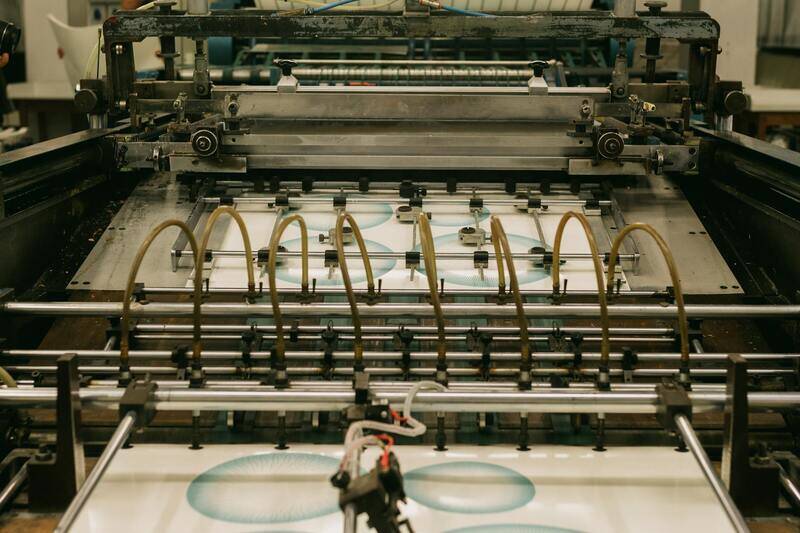
When selecting materials, it is crucial to verify that they adhere to internationally recognized production standards and certifications. This guarantees that the prints maintain their intended appearance, resist fading, and withstand environmental factors over the years. Reputable service providers will guide clients through material options, considering the specific purpose, location, and budget constraints, ensuring that the final output meets professional expectations and longevity standards.
Installation and Display Considerations
Once the large format photo prints are completed, proper installation and display are crucial to maximize their visual impact and ensure longevity. Selecting the appropriate mounting hardware and methods depends on the type of material used, the environment, and the intended viewing experience. For lightweight substrates like vinyl or fabric, adhesive mounts or tension systems can be effective, eliminating the need for visible hardware and providing a clean, seamless appearance. Heavier materials, such as canvas or rigid foam boards, may require framing or professional hanging systems that distribute weight evenly and prevent warping or sagging over time.
Wall preparation is equally important. Ensuring the surface is clean, smooth, and free of dust helps achieve a secure attachment and prevents offsets or damage. Using level guides and laser measurements can facilitate precise positioning, especially when installing multiple prints or creating a gallery wall. For outdoor installations, weatherproofing measures such as frame sealing, anti-graffiti coatings, and UV-protective layers help shield prints from environmental stressors like rain, wind, and sunlight, preserving the vibrancy and structural integrity of the images.
Lighting also plays a central role in display quality. Proper illumination enhances the visual appeal and detail of the photographs while minimizing glare and reflections. Track lighting, spotlighting, or specialized backlighting solutions can be tailored to the specific environment, whether in a gallery, commercial space, or outdoor setting. Employing adjustable lighting fixtures allows for optimal positioning and brightness control, drawing attention to key elements within the images.
Additionally, environmental factors such as humidity, temperature, and exposure to direct sunlight must be managed effectively. Installing protective UV filters, using climate-controlled environments, and selecting suitable display locations can prevent deterioration, fading, or warping over time. Regular maintenance and periodic inspections help identify and address any issues promptly, ensuring the artwork retains its quality and visual integrity for years to come.
Methods for Obtaining Official Large Format Photo Prints
Acquiring high-quality large format photo prints through official channels ensures that your images are reproduced with peak fidelity, durability, and color accuracy. Professionals and reputable suppliers employ stringent procedures and utilize top-tier equipment to deliver results that meet industry standards and client expectations. These methods not only guarantee the aesthetic appeal of your prints but also maintain their integrity over time.
Authorized Print Service Providers
Engaging with licensed professional printing studios is the most reliable way to produce large photo prints. These providers typically operate with certified equipment, use premium materials, and adhere to strict quality control protocols. Their expertise spans various printing techniques, enabling them to recommend optimal formats and finishes based on the intended display environment. Such services often involve detailed consultations to align your vision with achievable production parameters, ensuring each print meets your specifications.
Official Brand and Product Selection
Choosing products from recognized brands and manufacturers guarantees the quality and consistency of the materials used. Established suppliers offer certified papers, canvases, and inks that comply with industry standards. This approach not only enhances print durability but also ensures vibrant, accurate coloration that preserves the integrity of the original image. Purchasing directly from authorized distributors also gives access to comprehensive support, warranties, and the latest product innovations.
Secure Digital File Submission
Submitting your artwork through secure, official channels is crucial for maintaining image quality and confidentiality. Reputable printing providers accept high-resolution files via encrypted portals or dedicated FTP servers, ensuring that your digital assets are protected from corruption or unauthorized access. It is important to follow file specifications provided by the provider, including formats like TIFF or PDF, color profiles, and resolution requirements, to facilitate a smooth and precise printing process.
On-Site Consultation and Proofing
Many legitimate print services offer on-site consultations or digital proofing options. These practices allow clients to review color proofs, material choices, and placement details before full production. Such steps minimize errors, ensure alignment with expectations, and provide an opportunity to make adjustments for optimal results. Physical sample prints may also be provided for assessment, especially for large or critical projects.
Compliance with Industry Standards
Official large format photo printing adheres to established industry standards relating to print longevity, color accuracy, and material safety. Certifications from recognized authorities validate the quality of inks, papers, and the printing process itself. Working with compliant providers assures that your prints will withstand environmental stresses, be free from harmful emissions, and retain vibrant colors over extended periods.
Quality Assurance and Post-Production Care
Reliable print providers implement rigorous quality assurance steps, including color calibration, color matching, and structural inspections. After printing, many offer additional services such as lamination, UV coating, or framing, which further enhance durability and presentation. Proper handling and installation guided by these authorized entities ensure your large format photo print remains pristine and visually impactful for years to come.
