
Understanding Big Size Photo Prints
Big size photo prints refer to printed images that significantly surpass standard photo dimensions, often extending to wall-sized displays or banners. These large-format prints are vital in several sectors, including advertising, interior decoration, event planning, and commercial display. Their ability to capture attention and convey powerful visuals makes them a preferred choice for branding, promotional activities, and art exhibitions.
In terms of specifications, big size photo prints typically start from dimensions exceeding 24 inches in width and can extend up to several meters, depending on the intended use. The clarity and resolution of these prints must be high to ensure that details remain crisp and visually appealing even when viewed from a distance. This is why selecting the right printing technology and materials is crucial for achieving superior quality.
Applications for large format photo prints are diverse and impactful. Businesses often utilize them for storefront displays and trade show banners to enhance visibility. Interior designers incorporate large prints to create focal points in residential and commercial spaces. Event organizers deploy oversized photo prints for backdrops and stage settings, heightening visual impact. Additionally, artists use large-scale printing as a method to reproduce artworks in gallery-quality formats, offering immersive viewing experiences.
Because of their size and visual importance, big size photo prints require meticulous planning during the conceptualization and production phases. Proper image resolution, color accuracy, and material durability are essential factors that influence the success of the final product. Whether utilized to promote a product, decorate a space, or enhance visual storytelling, these prints hold immense value due to their scale and striking presence.
Materials and Substrates for Large Format Printing
Choosing the right material plays a vital role in the quality and durability of big size photo prints. The selection process involves understanding the different substrates available and their respective advantages, ensuring that each print aligns with its intended purpose and environment.
Among the most common materials are:
- Vinyl: Widely used for outdoor banners and signage due to its weather-resistant properties. Vinyl offers flexibility, durability, and excellent print quality, making it a popular choice for large-scale commercial displays.
- Canvas: Known for its textured finish, canvas is preferred for art reproductions and gallery displays. It provides a sophisticated look and a more traditional aesthetic, with the ability to stretch or frame easily.
- PVC Foam Board: Ideal for indoor displays, foam board offers a lightweight yet sturdy surface. It is suitable for mounted photos and exhibitions where ease of installation and longevity are necessary.
- Polyester and Fabric: Used for high-end photographic prints, these materials provide vibrant color reproduction with a soft finish. They are often displayed in museum-quality setups, emphasizing detail and color depth.
- Backlit Films: Specially designed for lightbox displays, these films allow light transmission, enhancing visual impact in retail or event environments.
The selection of substrate impacts not only the aesthetic effect but also the durability and suitability of the print for specific environments. For outdoor applications, weather-resistant and UV-coated materials are essential to prevent fading and damage over time. Conversely, interior displays benefit from textured or matte finishes that minimize glare and emphasize color fidelity.
Material choice also influences installation methods—lightweight materials like foam board are easier to mount, whereas rigid substrates may require specialized hardware. Proper understanding and consultation can ensure the selected substrate complements the design intent and maintains visual integrity over its lifespan.

Materials and Substrates for Large Format Printing
When producing big size photo prints, selecting the appropriate material or substrate is crucial to achieving the desired visual impact and ensuring durability. Different substrates cater to specific environments and display conditions, making the choice a vital step in the printing process.
Aluminum Composite Panels are a popular choice for outdoor signage and large-scale displays due to their weather resistance, lightweight construction, and sleek appearance. They provide a smooth, sturdy surface that enhances image sharpness and color vibrancy. This material's rigidity prevents warping and ensures the longevity of the print, even under harsh weather conditions.
Canvas and fabric materials are favored for interior settings where a textured, artistic look is desired. Canvas prints deliver a classic aesthetic with enhanced color depth and soft finishes that add warmth to the visual presentation. These are ideal for gallery displays or decorative art installations, where the tactile quality of the material contributes to the overall ambiance.
Vinyl wraps and banners are versatile substrates suitable for large-scale advertising and promotional events. They are available in gloss or matte finishes, offering options to control glare and enhance color reproduction. Weather-resistant vinyl ensures the durability of outdoor banners, allowing them to withstand fluctuating weather conditions without fading or peeling.
Foam boards and corrugated plastics are lightweight, cost-effective substrates ideal for temporary displays or installations where ease of mounting is essential. These materials are easy to handle and install, making them accessible options for various display environments, from retail to exhibitions.
The decision on which substrate to use should be guided by the specific needs of the display environment, the expected lifespan of the print, and installation requirements. Combining knowledge of material properties with professional advice ensures the final output maintains its visual appeal and structural integrity over time.
Printing Technologies for Big Size Photos
When selecting a method for producing large size photo prints, the choice of printing technology plays a vital role in ensuring optimal quality, color fidelity, and durability. Two prominent methods used for large format printing are inkjet printing and UV printing, each with distinct advantages that cater to different application needs.
Inkjet printing remains the most common technology for large photo prints due to its high resolution and vibrant color reproduction. Modern industrial-grade inkjet printers utilize piezoelectric or thermal printheads that deposit tiny droplets of ink onto the substrate, resulting in sharp, detailed images with smooth gradations. The inks used are typically pigment-based, which provide excellent lightfastness and resistance to environmental factors, making them suitable for both indoor and outdoor applications. Additionally, inkjet printers can handle a wide range of materials, including vinyl, canvas, and fine art papers, offering versatility for different display styles.
UV printing, on the other hand, is a newer technology that applies ultraviolet light to cure the inks instantly upon contact with the substrate. This method allows for printing directly onto virtually any surface, including rigid materials like aluminum, acrylic, and wood, as well as flexible materials. UV printing guarantees vibrant color output with excellent adhesion, even on non-porous surfaces. Its quick curing process enhances productivity, making it suitable for large-scale projects with tight deadlines. Furthermore, UV prints are highly resistant to scratches, water, and UV rays, which contributes to their longevity when displayed outdoors.
Deciding between inkjet and UV printing largely depends on the specific requirements of the project, including the intended display environment, material preferences, and budget. A professional printing service can assess these factors and recommend an appropriate technology that ensures impactful, high-quality results that withstand the test of time and environmental conditions.
Understanding Big Size Photo Prints
Big size photo prints serve as powerful visual statements, transforming ordinary spaces into immersive environments. When considering such large-scale visuals, it's essential to recognize the impact they have on viewers and the space itself. These oversized images are ideal for commercial advertising, gallery exhibitions, event backdrops, and architectural applications. The key is achieving a high level of detail and clarity, which demands precision in both the digital design process and the printing technology used.
Large format printing involves scaling up an image to dimensions that often exceed standard sizes, sometimes reaching several meters in width or height. This scaling process can reveal deficiencies in image resolution, so starting with high-resolution files is crucial. Additionally, the viewing distance plays a vital role; larger prints are often viewed from afar, allowing for slightly lower pixel density without sacrificing visual quality. Understanding the environment in which the print will be displayed helps determine the appropriate size, material, and finish for optimal visual impact.
Beyond aesthetic considerations, functional aspects such as durability and resistance to environmental elements influence the choice of materials and printing techniques. For outdoor installations, features like weather resistance and UV protection become paramount. Conversely, indoor displays prioritize aesthetic appeal and ease of installation. Tailoring the approach based on application ensures that the final product maintains its visual integrity over time.
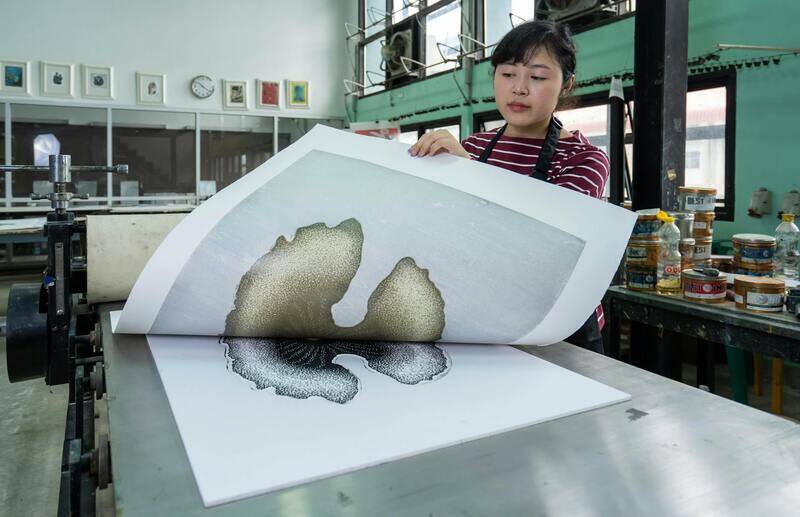
Materials and Substrates for Large Format Printing
The selection of appropriate materials and substrates is a foundational step in producing vibrant, durable big size photo prints. Different surfaces offer varying levels of texture, rigidity, and environmental resistance, making some more suitable for specific applications than others. Common substrates include vinyl, canvas, polyethylene, foam boards, acrylic, and aluminum panels.
Vinyl banners are a popular choice for outdoor advertising due to their toughness, flexibility, and weather resistance. Canvas provides a textured finish that lends a fine art aesthetic, perfect for gallery displays or interior decor. Rigid surfaces like acrylic and aluminum are favored for their sleek, modern look and high durability, especially in high-traffic or outdoor settings. Foam boards are lightweight and easy to install, suitable for indoor exhibitions or temporary displays.
The surface texture and thickness of the material influence how inks are absorbed and how colors appear once printed. Matte finishes tend to minimize glare and offer a softer appearance, while gloss finishes provide vivid color reproduction with enhanced contrast. Additionally, some substrates are designed with UV-resistant coatings that extend the lifespan of outdoor prints, protecting against fading and damage caused by sun exposure.
In choosing the right substrate, factors such as environmental conditions, installation method, and desired visual effect are considered. Professional printing services often provide consultations to help clients select materials that align with both aesthetic and functional needs, ensuring that the large photo print remains impressive throughout its display period.
Understanding Big Size Photo Prints
Creating large-scale photo prints involves a blend of specialized printing techniques and meticulous planning to ensure that the final product captures the intended visual impact. Big size photo prints are often used in advertising, art exhibitions, corporate displays, and personalized decor, necessitating high-resolution images and precise color accuracy. Achieving clarity and sharpness at such magnified dimensions requires not just high-quality images but also skillful handling of print dimensions to avoid pixelation or distortion. Selecting the right resolution—typically 300 DPI or higher for close viewing distances—is crucial to preserving image fidelity. Additionally, considerations such as aspect ratio, composition, and visual flow become more critical when enlarging images because every detail, shadow, and highlight must translate effectively at scale. Properly prepared digital files are essential, with color profiles calibrated to match the capabilities of the chosen printing technology, which ensures consistent output. Ultimately, big size photo printing is an intricate process that, when executed correctly, results in visually stunning displays capable of transforming spaces and communicating powerful messages.

Materials and Substrates for Large Format Printing
Choosing the appropriate substrate plays a pivotal role in the durability and aesthetic of big size photo prints. The selection depends on factors such as the intended display environment, durability requirements, and visual desired effects. Common substrates include:
- Vinyl: Highly versatile and weather-resistant, vinyl is ideal for outdoor banners and signage. Its flexibility allows for installation on uneven surfaces or curved structures, making it suitable for large-scale advertising campaigns.
- Canvas: Offering a textured, artistic finish, canvas is preferred for gallery-quality reproductions and interior decor. It adds a tactile element that enhances the visual depth of photographs.
- Polyester and Fabric:** These materials are used for lightweight, flexible prints that require minimal setup. Suitable for temporary displays or indoor settings where ease of transport is beneficial.
- Rigid Materials (Acrylic and Aluminum): These substrates offer a sleek, modern appearance with high durability. Ideal for high-impact displays, such as corporate branding or public art installations where longevity and visual sharpness are priorities.
- Foam Boards: Lightweight and easy to mount, foam boards are often employed for indoor exhibitions and temporary displays, providing a clean, professional look.
Surface finishes vary as well, with matte finishes reducing glare for indoor viewing and gloss finishes enhancing color vibrancy for eye-catching displays. Some substrates feature UV coatings to improve outdoor resistance, ensuring the print maintains its visual integrity over time. Collaborating with a knowledgeable printing service provider can assist in selecting materials that align with both aesthetic preferences and environmental conditions, ensuring the longevity and impact of the large photo print.
Understanding Big Size Photo Prints
Creating large-scale photo prints involves a combination of technical precision and artistic vision. When producing big size photos, it is essential to start with a high-resolution digital image. Images intended for large format printing should ideally have a minimum resolution of 150 DPI at the final print size; anything lower can result in pixelation or loss of sharpness. This resolution ensures that details remain crisp and vivid, even when viewed up close. Moreover, the intent of the display—whether for indoor gallery settings or outdoor signage—dictates specific considerations regarding image clarity and color fidelity.
Color profiling is another crucial aspect to achieve the desired visual output. Proper color management throughout the workflow ensures that the printed image matches your expectations, with accurate reproduction of hues, contrast, and brightness. Large prints often require color calibration of both the digital files and the printing device to maintain consistency and authenticity. Understanding the viewing distance also influences the design process; for example, a billboard viewed from afar can accommodate lower detail but requires bold, high-contrast visuals, whereas indoor banners or murals may benefit from intricate details and softer color gradations.

In addition to high-quality images, preparation of the digital file comprises checking for proper bleed margins, color profiles, and sufficient contrast. Employing professional editing tools ensures that the final layout is optimized for printing. When all these factors are correctly managed, the end result—the big size photo print—can produce a striking visual impact that elevates any space or campaign.
Materials and Substrates for Large Format Printing
Selection of the appropriate material or substrate for large size photo printing is a pivotal step that influences durability, appearance, and suitability for specific environments. Common options include:
- Vinyl Films: Ideal for outdoor banners and signs, vinyl offers flexibility, weather resistance, and vibrant color reproduction.
- Canvas: Provides a textured, artistic finish, making it a popular choice for gallery-quality reproductions and interior decor, adding depth and tactile interest to photographs.
- Rigid Materials (Acrylic and Aluminum): These substrates provide a modern, sleek appearance with exceptional durability. Suitable for displays that require longevity and high visual impact, such as corporate branding or architectural installation.
- Polyester and Fabric: These lightweight, flexible options are suitable for temporary indoor displays, exhibitions, or installations where ease of transport and setup are priorities.
- Foam Boards: Known for their lightweight and ease of mounting, foam boards are often used for indoor exhibits, providing a clean and professional look.
Surface finishes vary, with matte finishes reducing glare and gloss finishes enhancing color vibrancy. Some substrates come with UV coatings, which improve outdoor resistance and help maintain visual quality over time. Collaborating with an experienced printing service provider allows for a tailored selection of materials based on aesthetic goals and environmental exposure, ensuring your large photo print remains impactful and durable over its lifespan.
Design Tips for Large-Scale Photos
Designing for large-scale printing requires attention to detail that may differ from standard print projects. Here are some essential tips:
- Maintain High Resolution: Always work with the highest resolution files possible. Enlarging low-resolution images will compromise quality and clarity.
- Focus on Composition: Bold, simple compositions tend to work best at large sizes. Avoid cluttered visuals that can become overwhelming when enlarged.
- Use Strong Contrast: High contrast helps the image stand out and improves visibility from a distance.
- Consider Viewing Distance: Design with the intended viewing range in mind, ensuring details and text are legible and impactful.
- Optimize Colors: Colors should be vivid and accurate; consider the final environment’s lighting conditions when choosing your color palette.
Printing Technologies for Big Size Photos
Several advanced printing technologies are employed to produce high-quality large photos, each with advantages suited to different needs:
- Inkjet Printing: The most common method for large-format photo prints, utilizing precision nozzles to deposit ink directly onto substrates. Offers excellent color accuracy, detail, and broad media compatibility.
- Solvent and Eco-Solvent Printing: Suitable for outdoor applications, featuring enhanced durability and weather resistance, ideal for banners and signage exposed to the elements.
- Latex Printing: Combines vibrant color reproduction and eco-friendliness, suitable for indoor and outdoor settings with high-quality finishes.
- UV Printing: Allows direct printing onto rigid substrates like glass or wood, offering vibrant images with a protective UV coating for outdoor use.
The choice of technology depends on factors such as image quality requirements, budget, substrate compatibility, and environmental conditions. Partnering with a knowledgeable printing provider ensures the selection of optimal methods for your specific project.
Understanding Big Size Photo Prints
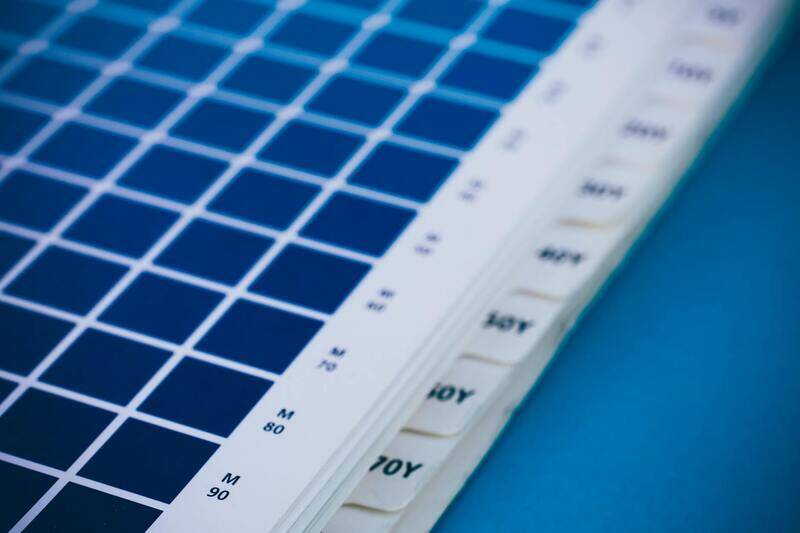
Creating large-scale photographic prints involves more than just enlarging an image. It requires careful consideration of several factors that affect the final outcome, such as image resolution, material choice, printing technique, and environmental considerations. High-quality big size photo prints are defined by their ability to retain detail, color vibrancy, and durability despite their large dimensions. When selecting a method for printing large photos, ensuring that the resolution is sufficient to avoid pixelation or blurriness at display distance is crucial. This often means starting with high-resolution original images and utilizing professional editing tools to optimize contrast, color balance, and sharpness before printing.
Materials and Substrates for Large Format Printing
The choice of materials for big size photo prints significantly impacts their appearance, durability, and suitability for specific environments. Common substrates include:
- Photo Paper: Glossy, semi-gloss, or matte finishes, ideal for indoor displays where color accuracy and detail are paramount.
- Vinyl Banners: Durable, weather-resistant, perfect for outdoor signage and promotional displays.
- Canvas: Offers a textured, artistic feel suitable for gallery displays and interior decor.
- Acrylic or Glass: Rigid surfaces with vibrant color reproduction, often used for modern, high-end artwork or signage.
- Wood or Metal Panels: Provide a sturdy base with a sleek, contemporary look, suitable for high-impact visuals.
Each substrate has specific preparation and finishing requirements. For outdoor applications, weather-resistant materials and UV coatings add to the longevity, while indoor prints may prioritize color fidelity and print detail.
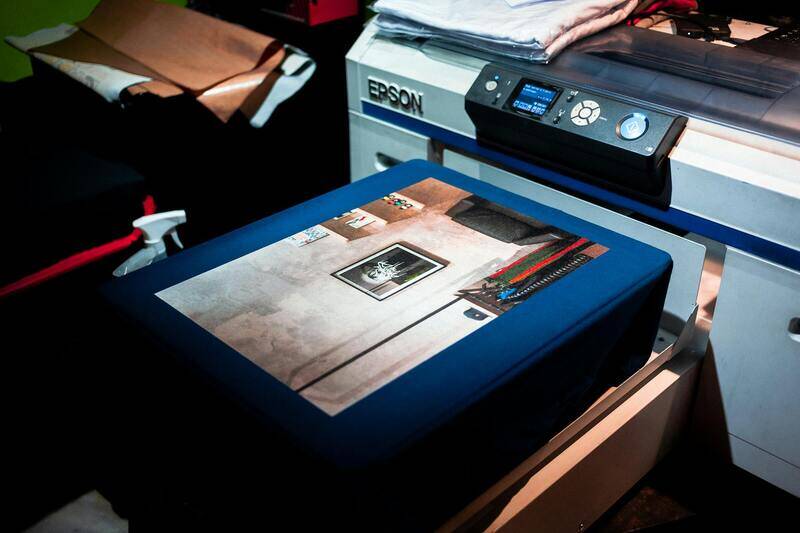
Design Tips for Large-Scale Photos
Designing for large-format printing demands an understanding of how images will be perceived from different distances. Effective strategies include:
- Leveraging high contrast to enhance visibility and impact.
- Ensuring focal points are easy to interpret from afar, with details that draw viewers into the image.
- Using bold colors that remain vibrant when enlarged, avoiding overly complex or fine details that may become blurry or indistinct at scale.
- Aligning the composition with the intended viewing environment, considering ambient lighting conditions and surrounding architecture.
- Practicing scale comparisons, such as including recognizable objects within the image to give viewers a sense of proportion.
Proper file preparation includes working in the highest possible resolution, converting colors for optimal display, and confirming that the aspect ratio matches the final print size to prevent distortion.
Printing Technologies for Big Size Photos
Different printing technologies cater to various needs in large format photo production, each offering distinct advantages:
- Inkjet Printing: The most prevalent method, capable of reproducing intricate details and a broad color spectrum. It is especially suitable for high-quality photographic reproductions and fine art displays.
- Solvent and Eco-Solvent Printing: Designed for outdoor durability, these methods produce weather-resistant prints that maintain vivid colors over time, ideal for external signage and banners.
- Latex Printing: Known for eco-friendliness and flexibility, latex printing produces vibrant images suitable for both indoor and outdoor use while being environmentally conscious.
- UV Printing: Suitable for rigid substrates such as panels and glass, UV printing offers excellent sharpness and UV protection, making it ideal for displays exposed to sunlight.
The decision on the appropriate technology hinges on factors like desired image quality, viewing environment, substrate compatibility, and budget constraints. Consulting with a professional printing provider ensures optimal results tailored to the specific project needs.
Cost Factors and Budgeting for Large Prints
Determining the cost of big size photo prints involves several components, including material selection, print size, resolution, and finishing options. Generally, larger prints require more material, higher ink consumption, and specialized equipment, all of which increase overall costs. Budgeting should also account for post-print treatments such as lamination, mounting, framing, or framing, which can significantly enhance the presentation and longevity of the print. Engaging with a printing service provider early in the planning process allows for comprehensive cost estimates and selection of the most suitable options within the budget. Cost-effective choices include selecting appropriate substrates for outdoor versus indoor use and balancing resolution with file size to optimize image quality without unnecessary expenses.
Installation and Display of Large Photo Prints
Proper installation is vital to preserve the integrity of large photo prints and ensure safety. For wall-mounted pieces, professional mounting techniques involve using sturdy hardware capable of supporting the weight of the material and preventing warping or damage over time. Display considerations include positioning the prints at eye level when possible, ensuring they are protected from direct sunlight or harsh environmental conditions, and using anti-glare glass or acrylic for indoor displays to minimize reflections. Large prints designed for outdoor or high-traffic areas should be securely anchored to withstand wind, vibration, or accidental impact. If the project involves multiple large pieces or complex arrangements, consulting with specialists in installation guarantees a seamless and durable display.
Maintenance and Longevity of Big Size Photos
Maintaining the vibrancy and structural integrity of large photo prints extends their visual appeal and functional lifespan. Indoor displays should be regularly dusted with soft, lint-free cloths to prevent the buildup of dirt and grime. For prints exposed to light, especially sunlight, UV protective coatings or glass can safeguard against fading. Outdoor installations require periodic inspections for weather-related damage, and repairs or touch-ups should be carried out promptly. Proper storage when not on display involves keeping prints in a controlled environment, away from humidity, direct sunlight, and extreme temperature fluctuations. For fabric or paper-based prints, using appropriate framing techniques, such as acid-free backing and UV glass, enhances longevity and preserves their appearance over time.
