
Understanding Large Print Sizes
Large print sizes refer to printed materials produced with significantly bigger dimensions compared to standard printing formats. These enlarged prints are primarily designed to improve readability by increasing font size, spacing, and the overall visual presentation. Typically, large print sizes start from around 18 to 24 points for fonts in documents, but the physical dimensions of the prints themselves can vary widely depending on their intended purpose and context. Standard large print posters or banners often measure from A2 (420 x 594 mm) to A0 (841 x 1189 mm), offering ample space to display content clearly and legibly from a distance.
These sizes are especially useful in settings where clear visibility is crucial, such as in public signage, informational displays, or personal use for individuals with visual impairments. The dimensions chosen for large print materials aim to strike a balance between visibility, portability, and aesthetic appeal. When selecting the appropriate size, considerations include the viewing distance, the amount of information to display, and the environment where the print will be installed or used. Such large prints typically demand specialized printing methods to ensure that colors, details, and text are rendered sharply without loss of clarity, regardless of the size.
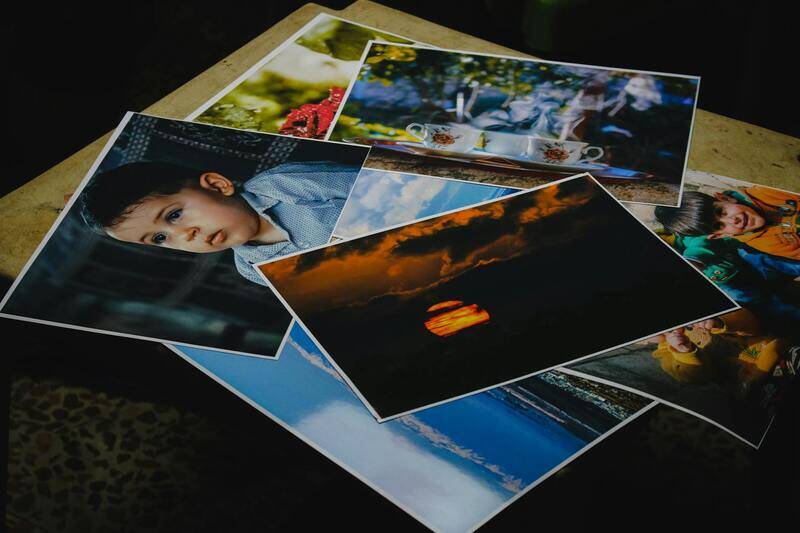
In practice, understanding the typical dimensions and applications of large print sizes helps in making informed choices that enhance accessibility and visual impact. From banners and posters to signboards and promotional displays, the right large print size ensures that your message is conveyed effectively and can be easily read by your target audience. Recognizing the purpose behind choosing a specific size will guide the selection of materials, printing techniques, and installation methods for optimal results.
For organizations, businesses, or individuals requiring oversized prints, partnering with experienced printing service providers who specialize in large formats is essential. They can advise on the appropriate dimensions, materials, and finishing options that meet their specific needs. Proper planning and understanding of large print sizes lead to impactful displays that serve their purpose effectively while maintaining a professional appearance.
Material and Paper Choices for Large Prints
Choosing the appropriate material and paper for large print sizes is crucial to ensure durability, visual clarity, and overall effectiveness of the display. The selection process involves evaluating factors such as the intended usage environment, exposure to weather elements, and the desire for vibrant or subdued color reproduction. Common materials include vinyl, fabric, canvas, and polypropylene, each presenting distinct advantages tailored to specific applications.
Vinyl is a popular choice for outdoor signage due to its resistance to weather conditions, UV rays, and fading. It offers excellent durability and flexibility, making it suitable for banners, billboards, and other exposed displays. Fabric materials, on the other hand, are preferred for indoor settings such as trade show backdrops or professional presentations, offering a softer aesthetic and easy handling. Canvas, widely used for artistic or high-end promotional prints, provides a textured appearance and can add a refined touch to large visual displays.
Additionally, the thickness and weight of the material influence the ease of installation and the longevity of the print. Thicker materials tend to be more rigid and less prone to warping, especially in environments with varying temperatures or humidity. For indoor displays, lighter papers or foils may suffice, whereas heavy-duty materials are essential for outdoor or high-traffic areas. When selecting materials, it is also important to consider the compatibility with printing technologies to ensure the colors and details are rendered sharply and vividly.

Design Considerations for Large Print Sizes
Designing for large print sizes requires careful planning to maximize readability and visual impact. Elements such as font selection, color contrast, image resolution, and layout must be optimized for viewing at a distance. When working on large-scale prints, it is essential to use high-resolution images and graphics, typically at least 300 DPI at the actual size, to prevent pixelation or blurriness. This ensures that all details remain sharp and clear when viewed from afar.
Font choices should prioritize legibility. Sans-serif fonts are often preferred because of their clean lines and ease of reading in large formats. Similarly, font sizes must be scaled appropriately to maintain clarity; for example, titles or headings should be significantly larger than body text. High contrast between text and background—such as dark text on a light background—enhances readability, especially in outdoor or brightly lit environments.
Color schemes should also be chosen with consideration of visibility and visual hierarchy. Bright, vibrant colors attract attention, but it is important to ensure they do not clash or diminish overall legibility. Incorporating negative space effectively can help to frame key messages and prevent the design from becoming cluttered. When designing for large print, consistency in style, alignment, and spacing contributes to a cohesive and professional appearance.
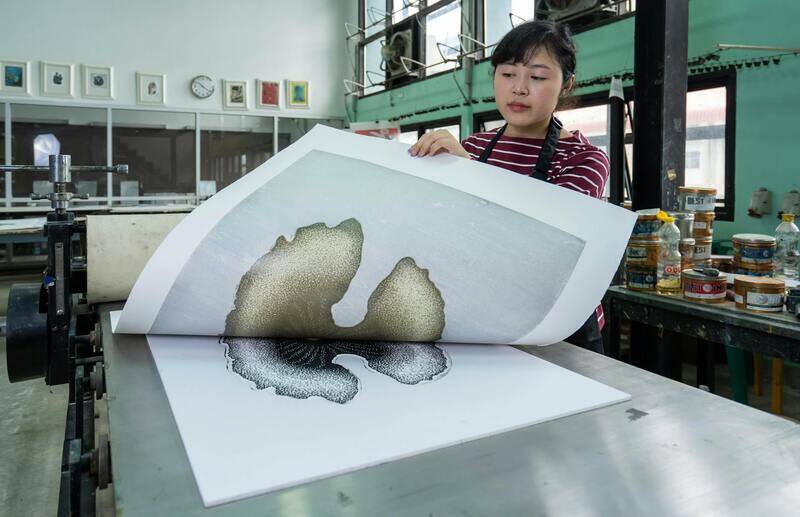
Material and Paper Choices for Large Prints
Selecting the appropriate material and paper for large print projects is fundamental in achieving durability, visual appeal, and high-quality output. The choice largely depends on the intended display environment, longevity requirements, and aesthetic preferences. Common materials include vinyl, fabric, and heavy-duty poster paper, each offering distinct advantages tailored to specific applications.
Vinyl remains a popular choice for outdoor signage due to its resistance to weather elements, UV protection, and longevity. It provides a smooth, durable surface that supports vibrant, fade-resistant inks, making it ideal for banners, billboards, and event signs intended for outdoor visibility.
Canvas or fabric materials are often used for gallery prints or decorative signage. They lend a premium, textured appearance and can be framed for a polished look. These materials are lightweight yet durable, and they support high-resolution printing, which enhances color depth and detail.
Poster paper and foam board are suitable options for indoor displays, presentations, or temporary signage. Heavyweight poster paper offers excellent color vibrancy and clarity. Foam boards provide rigidity and are easily mounted or displayed in various settings, balancing affordability with quality.

Finishes play a crucial role in the final appearance and durability of large prints. Glossy finishes amplify color vibrancy and detail, making images pop from the surface, while matte finishes reduce glare, which is beneficial for readability and viewing comfort in brightly lit environments. Additionally, satin finishes strike a balance between the two, providing a soft sheen that enhances visual appeal without excessive reflectivity.
When considering materials, it is also essential to evaluate environmental factors. For instance, prints meant for outdoor use should be created with UV-resistant inks and weatherproof materials to maintain their appearance over time. Conversely, indoor applications can utilize a broader range of materials focused on aesthetic presentation and ease of handling.
Choosing the right combination of material and finish ensures the large print maintains its visual integrity, withstands environmental conditions if necessary, and aligns with the overall design and functional goals of the project.

Understanding Large Print Sizes
When planning for large print projects, it is essential to comprehend the significance of choosing the appropriate dimensions. Large print sizes are typically defined by their ability to be easily read from a distance, which makes the size a critical factor in the overall effectiveness of the display. Common large print sizes include formats such as banners, posters, banners, and signage that range from a few feet to several meters in width. These dimensions should be tailored to the viewing environment, ensuring that viewers can comfortably see and read the content without straining their eyes or needing to approach too closely.
The dimensions of large print materials are not solely about increasing the size but also about maintaining visual harmony and clarity. An oversized banner, for example, should have proportionate design elements to avoid overwhelming the viewer, while text must be sufficiently large to be distinguishable from a distance. When selecting optimal print sizes, factors such as viewing distance, ambient lighting conditions, and the purpose of the display must be taken into account. By adjusting the size appropriately, you ensure that the message is communicated effectively and your visual assets maintain their impact across different settings.

Accurately translating digital designs into physical large prints requires precision in scaling, ensuring that the resolution remains high enough to prevent blurriness or pixelation at increased sizes. Consequently, working with professional printing services that employ advanced scaling and resolution management techniques guarantees the final product meets the desired quality standards. This approach avoids distortions and preserves the integrity of the original design elements, which is vital in maintaining authenticity and visual strongholds in your signage or display items.
Determining the Appropriate Large Print Dimensions
- Assess Viewing Distance: The farther the viewer from the print, the larger the size should be to ensure readability without requiring close inspection.
- Consider the Environment: Indoor displays may have different size requirements compared to outdoor signage, where exposure to elements and distance viewing are factors.
- Content Complexity: Highly detailed graphics or small fonts necessitate larger print sizes for clarity and legibility.
- Purpose of the Display: Promotional banners or informational signs should be designed with audience engagement and quick comprehension in mind, influencing size decisions.
Balancing Size and Space
While large print sizes can significantly enhance visibility, they must be balanced against available space and installation constraints. Overly large prints in confined environments may lead to cluttered visuals or obstruct pathways. Conversely, under-sized prints in expansive areas could diminish their impact. An optimal strategy involves aligning the dimensions with the intended space, ensuring a harmonious visual presentation that attracts attention without overwhelming the environment.
Understanding Large Print Sizes
Large print sizes are essential for creating impactful visual communications, especially in settings where readability from a distance is paramount. When selecting the appropriate size, it’s crucial to consider how the display will be viewed and the environmental context in which it will be placed. Typically, large prints are characterized by dimensions that extend beyond standard poster sizes, often exceeding 24 inches in height or width, to ensure the content remains legible and attractive from various distances.
In practical terms, the optimal large print size depends on multiple factors. For example, outdoor signage designed for high traffic areas often requires considerably larger dimensions than indoor displays within confined spaces. Employing precise measurement techniques, such as calculating optimal viewing distance and analyzing the available space, guarantees that the final output resonates effectively with its intended audience. The integration of these considerations ensures that the message is communicated clearly without necessitating viewers to get too close or strain their vision.
Furthermore, the resolution plays a pivotal role in determining the appropriate size. Higher resolution images prevent pixelation and maintain sharpness over larger dimensions, ensuring the visual integrity of the design. This balance between size and detail is vital to create a seamless and professional appearance for large print projects. Additionally, adapting the font size and graphic complexity according to the print size enhances readability and visual appeal, making sure that intricate designs do not lose clarity when scaled up.
Determining the most suitable large print size involves a thorough assessment of the environment, purpose, and viewers’ distance. This strategic approach facilitates the production of signage, banners, or displays that not only command attention but also communicate efficiently. The methodical planning of dimensions is fundamental to achieving the desired visual impact and ensuring that your message reaches your audience effectively—whether in vibrant retail spaces, bustling outdoor environments, or large conference halls.

Understanding Large Print Sizes
Determining the appropriate large print size is vital for effective visual communication, particularly in settings where quick comprehension and high visibility are essential. The dimensions must be carefully calibrated, taking into account the viewing distance, ambient lighting, and environmental constraints. For instance, signs displayed outdoors or in expansive indoor environments require larger dimensions to ensure readability from a distance, whereas smaller spaces may necessitate more compact sizes. In practice, understanding the physical space available is the first step in selecting suitable large print sizes. Employing measurement tools and comprehensive site assessments ensures the print will not only fit seamlessly into the environment but also maximize readability. Such meticulous planning helps avoid issues related to font size, contrast, or image clarity, which can undermine the effectiveness of the communication.

Another key consideration is the purpose of the print. For example, large banners intended for outdoor advertising should generally exceed standard poster sizes, often spanning several meters in width. Conversely, informational displays in museum exhibits or galleries might prioritize different dimensions to accommodate indoor viewing distances without compromising detail. A strategic approach, integrating detailed measurements and situational parameters, ensures the selected size elevates both visibility and aesthetic appeal.
Common Applications of Large Print
Large print materials serve diverse functions across various industries. Retail environments utilize expansive signage to attract customers, highlight promotions, or convey brand messages. Events and trade shows depend on prominent banners and backdrops to create a visual impact. Educational institutions often employ large posters or notice boards to disseminate information effectively to a wide audience.
In healthcare, large prints facilitate clear communication of safety instructions or directional signage within medical facilities. Architectural and construction sectors utilize large format prints for site plans and safety guidelines that need to be easily visible from a distance. Additionally, government agencies deploy large signs for public information campaigns, ensuring essential messages are accessible to all community members.
Material and Paper Choices for Large Prints
The selection of materials significantly influences the durability, appearance, and suitability of large print projects. Common options include vinyl, fabric, synthetic substrates, and heavyweight paper suited for indoor or outdoor use. Vinyl is especially popular for outdoor signage due to its resistance to weather, tearing, and UV exposure. Fabric options offer a softer, more flexible suggestion ideal for banners or decorative purposes, often providing a high-quality aesthetic with vibrant color reproduction. When choosing materials, factors such as lifespan, environmental conditions, and installation methods come into play. For instance, for outdoor banners that are intended to stay in place for several months, weather-resistant vinyl with reinforced edges is advisable. In contrast, indoor signs may utilize glossy or matte paper to enhance visual appeal, with coatings that prevent smudging or fading. Proper material selection alongside compatible printing techniques ensures the finished large print maintains its visual integrity over time.
Design Considerations for Large Print Sizes
The design process for large prints involves adapting artwork, text, and visuals to maintain clarity and impact at scale. Key principles include choosing legible fonts, appropriate contrast, and avoiding overly intricate details that may become indistinct when enlarged. The spacing between elements should be increased to prevent clutter and enhance readability from a distance.
Color schemes need careful attention, with high-contrast combinations such as black on white or yellow on blue for maximum visibility. Additionally, the inclusion of bold graphics and simplified messages ensures the audience captures the core information swiftly. Designers should also consider the print’s environment and lighting conditions, adjusting brightness and saturation levels to optimize visual impact. The layout must be balanced, with ample margins and strategic placement of focal points to guide viewers effortlessly through the visual hierarchy.
Printing Technologies for Large Print Sizes
Modern large print production relies on advanced printing technologies capable of handling expansive formats with high resolution. Digital wide-format printers are the industry standard, capable of producing vibrant, detailed images on various substrates. These printers utilize inkjet or solvent-based inks, which offer excellent color accuracy, fast drying times, and long-lasting results. UV printing technology is also popular for large-format needs, providing direct printing onto rigid materials such as acrylic, glass, or metal. This approach allows for seamless integration of graphics on nonporous surfaces while maintaining sharpness and durability. Additionally, solvent and eco-solvent printers excel in outdoor signage applications, providing superior weather resistance and vibrant color reproduction. The choice of technology depends on the specific requirements of clarity, material compatibility, and environmental exposure. Collaboration with a professional printing service provider can ensure the right equipment and techniques are utilized for optimal results, guaranteeing the final product’s quality and longevity.
Understanding Large Print Sizes
When selecting large print sizes, it is crucial to adhere to standardized dimensions that optimize readability while ensuring the artwork or message retains its visual integrity. Commonly, large prints are measured in millimeters or inches and are tailored to fit specific display contexts—be it signage, banners, posters, or displays in public spaces. These sizes typically start from 24x36 inches for posters and can extend to monumental dimensions for billboards or building wraps. Precision in determining the appropriate scale involves considering viewing distance, the viewing environment, and the intended impact. For instance, a banner designed for outdoor visibility needs to be large enough to be seen from afar, with text and images scaled accordingly. Standardized large print sizes facilitate consistency, making it easier for designers and printers to collaborate and meet expectations effectively. They also simplify planning for installation and subsequent maintenance, ensuring the finished product aligns seamlessly with space constraints and aesthetic goals.

Common Applications of Large Print
Large print sizes are utilized across multiple sectors to meet diverse needs. In the retail sector, expansive banners and window posters attract customer attention from considerable distances. In the corporate realm, large-scale signage promotes brand visibility at trade shows or corporate events. Public information campaigns rely on large prints for clarity and accessibility, such as wayfinding signs, safety instructions, and event banners. Cultural institutions and museums often produce large-format reproductions for exhibitions, ensuring that artwork or information is easily viewable by visitors. Additionally, educational facilities deploy large prints for signage, posters, or instructional materials to facilitate learning in communal areas.
Efficiently scaled large prints enhance visual communication by drawing the eye, simplifying complex information, and establishing a presence within expansive spaces. The versatility of large print applications underscores their significance in effective visual strategy, regardless of industry or purpose.

Material and Paper Choices for Large Prints
The selection of materials and paper substrates plays a vital role in the durability, appearance, and functionality of large prints. For indoor applications, high-quality poster papers or canvas materials are popular choices due to their smooth finish and ability to showcase vibrant colors. If outdoor exposure is anticipated, weather-resistant materials such as vinyl, mesh fabrics, or laminated substrates are advisable. Vinyl is particularly versatile, offering flexibility and resistance against elements like rain, wind, and sunlight. Mesh fabrics allow wind passage, reducing the risk of damage in exposed areas.
Specialty papers with a matte or gloss finish can influence the visual impact and readability of large prints. Matte surfaces tend to minimize glare, making them ideal for environments with bright lighting. Conversely, gloss finishes enhance color vibrancy but may reflect light, which could interfere with viewing clarity. Lamination or protective coatings can also extend the lifespan of large prints by safeguarding against scratches, moisture, and fading.
Choosing the right material depends on the installation environment, budget, and desired aesthetic. Collaboration with a professional printing provider ensures that the selected substrate aligns with the project’s functional and visual requirements.

Design Considerations for Large Print Sizes
Creating effective large print designs requires meticulous attention to scale, typography, and visual hierarchy. Since viewers will often observe these prints from varying distances, the design must prioritize legibility and impactful visuals. Bold, sans-serif fonts are preferred for large text due to their clarity from afar. Avoid intricate details within text or graphics that may lose definition when scaled up.
In terms of layout, ample margins and strategic placement of focal points help guide viewers’ attention seamlessly through the content. Colors should be selected with contrast in mind; high-contrast combinations, such as dark text on a light background, improve readability and visual impact.
Graphics must be high-resolution, typically at least 150 dpi for large prints, to prevent pixelation. Simple, bold imagery with minimal detail works best at large scales, ensuring that visuals remain sharp and recognizable.
Designers should also consider environmental factors—such as lighting conditions and viewing angles—to optimize color choices and overall presentation. Collaborative planning with experienced printers can help translate these design principles into successful large-format visual communications.

Printing Technologies for Large Print Sizes
Advanced printing technologies are essential to produce high-quality large prints that meet aesthetic and durability standards. Digital wide-format printers are the industry staple, capable of handling extensive formats with consistent, high-resolution output. These printers employ advanced inkjet or solvent-based systems, utilizing vibrant inks that offer precise color matching and fade resistance. The choice between inkjet and solvent-based systems depends on the print’s intended use and environmental exposure.
UV printing is another prominent technology, specifically suited for rigid substrates such as acrylic, metal, or glass. It allows for direct, seamless printing with sharp details and excellent adhesion, making it suitable for both decorative and functional signage.
Eco-solvent printers utilize environmentally friendly inks that provide weather-resistant prints ideal for outdoor signs and banners. These systems balance sustainability with high performance and can produce large-format graphics with impressive color fidelity.
Partnering with a qualified printing service ensures the utilization of the right technology to meet specific project demands, guaranteeing consistent quality and longevity of the final product.

Understanding Large Print Sizes
Large print sizes are essential for making information accessible, especially in settings where visibility from a distance is crucial. These sizes typically exceed standard printing dimensions, accommodating signage, banners, billboards, and displays that demand high impact and readability. When considering large print sizes, it is vital to understand the dimensions that best suit the environment and purpose—whether it’s a towering storefront sign or an expansive exhibition banner. The measurement specifications often follow standardized dimensions, but custom sizes can be tailored to specific spatial requirements. Precision measurement and planning are imperative to ensure that the final prints fit seamlessly into their designated spaces while maintaining clarity and visual appeal.

Factors Influencing Large Print Size Selection
- Viewing Distance: Larger prints are necessary when viewers will observe the sign from afar, such as road signs or outdoor banners.
- Location and Space Constraints: The physical dimensions of the installation area influence the maximum printable size, requiring careful measurement and planning.
- Content Complexity: Simple, bold messages often require less space, whereas detailed graphics or text need larger areas for clarity.
- Material Limitations: Different substrates have maximum printable dimensions, especially with rigid materials such as acrylic or metal sheets.
Assessing Practicality and Functionality
Beyond aesthetic considerations, the practicality of large print sizes involves evaluating transportability and installation logistics. Oversized banners or signs may require specialized equipment for handling and mounting. Additionally, the weight and rigidity of large prints impact the choice of materials and mounting structures. Analyzing these factors during the planning stage ensures a smooth transition from design to installation, optimizing durability and visual effectiveness without compromising safety or ease of handling.
Innovative Size Adjustments for Specific Goals
Advances in printing technology now allow for flexible adjustments in large print dimensions. Dynamic scaling and modular designs enable the assembly of large visuals from multiple smaller components, simplifying transportation and installation. This approach also allows for easier updates or customization, especially in commercial or event environments. Custom solutions like segmented banners or perforated large prints can be tailored to specific needs, maintaining the integrity of the visual message while addressing logistical considerations.
Technical Considerations for Large Print Sizes
Achieving high-quality large prints requires meticulous attention to technical specifications. Resolution standards are typically maintained at a minimum of 150-300 dpi to ensure sharpness and clarity at viewing distance. The choice of printing technology plays a critical role; digital wide-format inkjet printers are standard, providing consistent high-resolution output over extensive dimensions. Ensuring proper file preparation—such as color calibration, bleed margins, and vector graphics—is equally important to prevent pixelation or distortion in the final product.
