
Overview of Large Format Photo Printing
Large format photo printing has become an indispensable component for various professional and artistic visual displays. This specialized printing service involves producing high-quality, expansive images that are often used in advertising, exhibitions, interior decor, and corporate environments. Unlike standard printing, large format photo printing requires precision and expertise to ensure the integrity of the image is preserved at substantial sizes.
These services are predominantly used for creating impactful visual statements that demand detail and clarity, such as billboard advertising, gallery exhibitions, architectural visualizations, and personalized wall art. They enable individuals and businesses to showcase their visuals prominently, making a lasting impression on viewers. The significance of large format photo printing lies in its ability to translate detailed digital images into tangible displays that retain their vibrancy and sharpness at large scales.

With advancements in printing technology, the quality standards of large format photo outputs have continually improved. Modern printers are capable of reproducing intricate details, subtle color gradations, and fine textures, making them suitable for premium display purposes. Whether for a professional gallery or a promotional storefront, these high-resolution prints serve to attract attention and communicate messages effectively.
The applications of large format photo printing extend across numerous sectors:
- Advertising billboards and outdoor signage
- Event backdrops and stage displays
- Interior decoration for commercial spaces and homes
- Fine art reproductions and museum displays
- Architectural visualizations and client presentations
Given their widespread use and critical importance in visual communication, the demand for reliable and high-quality large format printing services continues to rise. Customers seek providers that can deliver precise, durable, and vividly colored prints tailored to specific project needs. Proper understanding of these services ensures that clients can select suitable solutions that maximize impact while maintaining cost efficiency and longevity of the prints.
Types of Large Format Printing Technologies
Selecting the appropriate technology for large format photo printing is essential to achieving optimal results. Several distinct methods are available, each with unique advantages tailored to specific applications and desired outcomes.
Inkjet Printing
Inkjet printing remains the most prevalent technique for high-resolution large format images. This method employs tiny nozzles to deposit droplets of ink directly onto the printing substrate, allowing for precise color gradations and fine detail reproduction. Modern inkjet printers utilize a range of ink types, including aqueous, solvent-based, and UV-curable inks, to address diverse environmental conditions and durability requirements. This versatility makes inkjet printing suitable for both indoor gallery displays and outdoor signage where longevity and vibrancy are paramount.
Dye Sublimation Printing
Dye sublimation is a specialized process primarily used for fabric-based displays or items requiring a soft, seamless finish. This technique involves transferring dye-based inks onto substrates like polyester fabrics through heat and pressure, resulting in highly vivid, durable, and washable images. Dye sublimation is ideal for banners, soft signage, and textured surfaces where a smooth, photographic quality image is desired.
Solvent and Eco-Solvent Printing
Solvent-based printing technologies utilize solvent inks that effectively adhere to a broad range of non-porous substrates, including vinyl, mesh, and outdoor fabrics. These printers deliver images with excellent weather resistance, chemical stability, and color vibrancy. Eco-solvent variants reduce environmental impact without compromising print quality, making them a popular choice for large outdoor advertisements and signs that require superior durability.
Latex Printing
Latex printing is an innovative, eco-friendly method that combines the qualities of solvent and water-based inks. Known for its flexibility, vibrant color output, and rapid drying time, latex printing is well-suited for producing versatile, high-quality large format images. Its low odor and environmental friendliness also make it a preferred choice for indoor applications like retail displays and art reproductions.
- Choosing the right technology depends on factors such as material compatibility, environmental exposure, desired image quality, and budget constraints.
- Professional large format printers often incorporate multiple printing techniques, enabling customization based on project needs and substrate specifications.
Materials Used in Large Format Photo Printing
Selection of the appropriate material plays a pivotal role in achieving optimal display quality and longevity of large format photographs. Common media options include vinyl, canvas, backlit films, and specialty papers. Vinyl is highly durable, weather-resistant, and ideal for outdoor signage or banners requiring resilience against environmental elements. Canvas offers a textured, artistic appeal suitable for fine art reproductions or premium displays, providing a sophisticated look with enhanced depth and character. Backlit films are designed for illuminated displays such as lightboxes or window displays, allowing images to be vibrant and eye-catching even in low-light settings. Specialty papers, including gloss, matte, and Satin finishes, are often used for indoor displays, offering excellent image sharpness and color vibrancy.
Durability is a key factor when choosing media, especially for outdoor applications where exposure to weather conditions, UV rays, and physical wear can affect the lifespan of the print. Vinyl and outdoor-grade films typically feature weatherproof coatings, UV resistance, and scratch-proof surfaces to maintain their visual appeal over extended periods. For indoor settings or short-term displays, lighter materials such as papers and fabrics may suffice, but they should still meet standards for color accuracy and resolution.
Design Considerations and Resolution Requirements
Effective large format photo printing begins with meticulous design planning. High-resolution digital files are essential to ensure clarity and sharpness, especially when images are enlarged to several feet or meters in width. A resolution of at least 150 dots per inch (dpi) is recommended for large prints viewed at a typical distance, though higher resolutions (300 dpi) are ideal for close-up viewing contexts.
Design elements must account for viewing distance, lighting conditions, and the intended environment. Simplified visuals and bold color contrasts tend to perform better in large formats, while intricate details may require increased resolution or special printing techniques to prevent loss of clarity.
Color Management and Printing Accuracy
Color consistency and precision are fundamental to producing high-quality large format images. Professional printers utilize color management systems (CMS) and calibrated monitors to ensure that digital designs translate accurately onto physical substrates. Using standardized color profiles aligned with printing inks and media ensures consistent results across different batches and projects.
Additionally, proofing processes such as color swatches or digital previews allow designers and clients to verify color accuracy before the final print, minimizing discrepancies and reducing costly reprints.
Pricing Factors and Cost Optimization
Pricing for large format photo printing services depends on multiple factors, including the size of the print, chosen media, complexity of design, and the technology employed. While high-quality materials and advanced printing techniques may come at a premium, cost-effective options can be achieved through strategic material selection and optimizing print sizes.
Bulk printing and volume discounts are common ways to reduce per-unit costs for large projects. Furthermore, leveraging standard formats when possible, avoiding unnecessary finishing procedures, and maintaining regular communication with service providers can help manage budgets efficiently.
Installation and Maintenance of Large Photo Prints
Proper installation ensures that large format photographs remain intact and visually appealing over time. Professional mounting and framing techniques, including the use of specialized adhesives and supports, prevent warping, sagging, or damage. Environmental factors such as humidity, temperature fluctuations, and exposure to direct sunlight should be considered during installation.
Routine maintenance, including periodic cleaning with gentle solutions and inspecting for signs of deterioration, prolongs the lifespan of the print. For outdoor displays, applying protective coatings or UV lamination further enhances durability and maintains image vibrancy.
Choosing the Right Large Format Photo Printing Service
Selecting a reputable printing provider equipped with state-of-the-art technology, extensive media options, and experienced staff directly impacts the quality of the final output. Consideration should be given to the provider’s portfolio, turnaround times, and customer reviews. Certifications and adherence to industry standards also serve as indicators of a trustworthy service.
Transparent communication about project specifications, achievable results, and after-service support will ensure alignment with expectations. A professional service offers consultation at every stage, from material selection through installation, to deliver a flawless large format photograph that meets project goals.
Materials Used in Large Format Photo Printing
Choosing the appropriate materials is a critical component in ensuring the longevity and visual impact of large format photographs. The selection process begins with understanding the properties and suitability of various media options to match the intended use, environmental exposure, and desired aesthetic.
- Photo Paper: High-quality photographic paper is often selected for indoor displays, providing sharp details and vibrant colors. Matte, satin, and gloss finishes are available, each offering different visual textures and glare reduction.
- Vinyl Banners and Posters: For outdoor or large-scale advertising needs, durable vinyl materials are popular due to their weather resistance and flexibility. They are often coated with protective layers to guard against UV damage and moisture.
- Canvas: For art reproductions or gallery presentations, canvas offers an artistic touch with textured surfaces that impart a fine art appearance. Properly coated canvases are essential for color fidelity and durability.
- Backlit Films: Used in illuminated displays, backlit films enhance vibrancy and clarity when paired with lightboxes. These films are designed to transmit light evenly, highlighting details and saturation.
- Specialty Materials: Depending on specific project needs, materials such as fabric, mesh, or environmentally friendly substrates can be utilized to meet aesthetic or functional requirements.
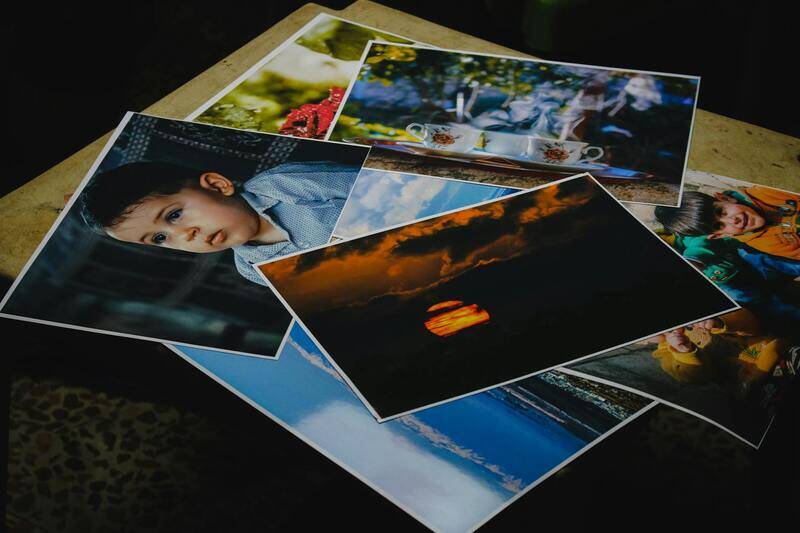
Material selection is directly influenced by factors such as exposure conditions, desired visual texture, archival needs, and budget constraints. Reputable printing companies offer expert guidance in material choice, ensuring the final product aligns with the project’s specifications and longevity expectations.
Additionally, the compatibility of selected materials with printing technologies is paramount. For instance, some substrates require specific ink types to achieve optimal color accuracy and adhesion. Proper material handling and storage before printing help prevent defects and preserve quality, further contributing to the success of the final large format photograph.
Materials Used in Large Format Photo Printing
Choosing the appropriate material is crucial to ensuring the longevity, vibrancy, and overall aesthetic appeal of large format photographs. Different substrates are selected based on the intended display environment, desired texture, and durability requirements. A comprehensive understanding of available materials helps clients and professionals make informed decisions that align with project goals.
Photographic Paper and Fine Art Paper
High-quality photographic papers are optimized for detailed image reproduction and color accuracy. They come in various finishes, including gloss, semi-gloss, matte, and luster, each influencing the final appearance and tactile feel of the print. Fine art papers, often used for gallery displays, possess textured surfaces such as watercolor or linen, imparting a sophisticated and artistic look. These papers are typically acid-free and designed for archival stability, ensuring images maintain their integrity over decades.
Vinyl and Polypropylene Films
Rigid or flexible vinyl and polypropylene films are popular for outdoor or high-traffic applications due to their durability and weather resistance. These materials often feature UV coatings that protect against fading caused by sunlight exposure. They are suitable for banners, murals, and signage where longevity and resilience to environmental factors are paramount.
Fabric and Canvas
Canvas and other fabric-based materials are favored for artistic reproductions and gallery presentations. They provide a textured, tactile quality that mimics traditional paintings. When properly coated, fabric substrates exhibit excellent color fidelity and resistance to fading, making them suitable for both indoor and outdoor exhibitions.
Backlit and Light-Transmitting Materials

Backlit films, designed to transmit light evenly across their surface, are essential for displays that require illumination from behind. These materials are used extensively in signage, retail displays, and event decorations to achieve striking visual effects with high vibrancy and clarity.
Specialty and Eco-Friendly Materials
Innovative substrates, such as biodegradable or environmentally friendly materials, are gaining popularity among clients seeking sustainable options. Additionally, specialty materials like mesh or textured fabrics can meet specific aesthetic or functional needs, such as breathability or unique surface effects.
Selection Considerations
Material choice must be made with consideration for environmental exposure, maintenance, and project lifespan. Compatibility with chosen printing technology and ink adhesion are also critical factors to prevent defects and ensure color accuracy. Proper handling, storage, and finishing processes further influence the quality and durability of the final print.

Installation Considerations for Large Format Photos
Proper installation of large format photographs is crucial to ensure their visual impact, prevent damage, and maximize longevity. When planning for installation, it is essential to evaluate the environment where the prints will be displayed. Factors such as ambient humidity, temperature fluctuations, exposure to direct sunlight, and potential physical contact all influence the appropriate mounting and framing options.
For indoor displays, wall mounting systems such as float mounts, standoff mounts, or framing are commonly used. These methods not only secure the print firmly but also add a refined aesthetic appeal. In environments exposed to outdoor elements, weather-resistant mounting solutions like stainless steel fixtures or reinforced frames should be employed to withstand environmental stressors.
Surface preparation is also vital. Walls should be smooth, clean, and free of dust or grease to ensure adhesion and stability. Additionally, when hanging large format photographs, using professional-grade hardware that evenly distributes weight can prevent deformation or sagging over time. For suspended displays, cables and ceiling anchors must be rated for the weight of the print, with proper tensioning to avoid sagging or slippage.

Maintenance and Care for Large Format Prints
Maintaining large format photographs involves proper cleaning, environmental control, and periodic inspections. Dust and dirt can accumulate over time, particularly on outdoor or high-traffic installations. Regular dusting with a soft, lint-free cloth or gentle vacuuming with a brush attachment helps preserve clarity without damaging the print surface.
If cleaning is necessary, use a damp cloth with distilled water or a mild, pH-neutral cleaning solution recommended by the printing material manufacturer. Avoid harsh chemicals or abrasive materials that could scratch or degrade the surface. For mounted or framed prints, inspecting for signs of peeling, bubbling, or staining is essential to address issues promptly and prevent further damage.
Environmental controls such as UV-protective coatings, humidity regulation, and avoiding direct sunlight can significantly extend the lifespan of large format prints. Indoor displays benefit from UV-filtering glass or acrylic covers that safeguard against fading. In outdoor settings, periodic inspection and maintenance are necessary to ensure mounting hardware remains secure and the print’s protective coatings are intact.
Strategies for Effective Display and Preservation
To showcase large format photographs effectively, consider strategic lighting that enhances colors without causing fading. LED or low-UV lighting systems are preferred, as they offer adjustable illumination levels and minimize heat generation. During display planning, account for viewing angles and distance, ensuring that images are accessible and visually striking from various perspectives.
For preservation, it is advisable to keep prints in controlled environments with consistent temperature and humidity levels. Utilizing archival-quality mounting and framing materials shields the photographs from environmental damage. When transporting or storing large format prints, rolled or flat packing methods with acid-free materials are recommended to prevent creases, tears, or surface degradation.
Adhering to these installation and maintenance practices ensures the impact and vibrancy of large photographs are preserved, allowing their visual narrative to be appreciated for years to come.
Choosing the Right Large Format Photo Printing Service
To ensure the highest quality and durability of large format photographic prints, selecting a reputable printing provider is essential. Such providers should demonstrate advanced technical capabilities, extensive experience, and a solid understanding of various printing materials and technologies. This thorough approach guarantees that the final product meets specific aesthetic and preservation standards, whether for retail displays, art exhibitions, or personal projects.
Evaluating Printing Quality and Technology
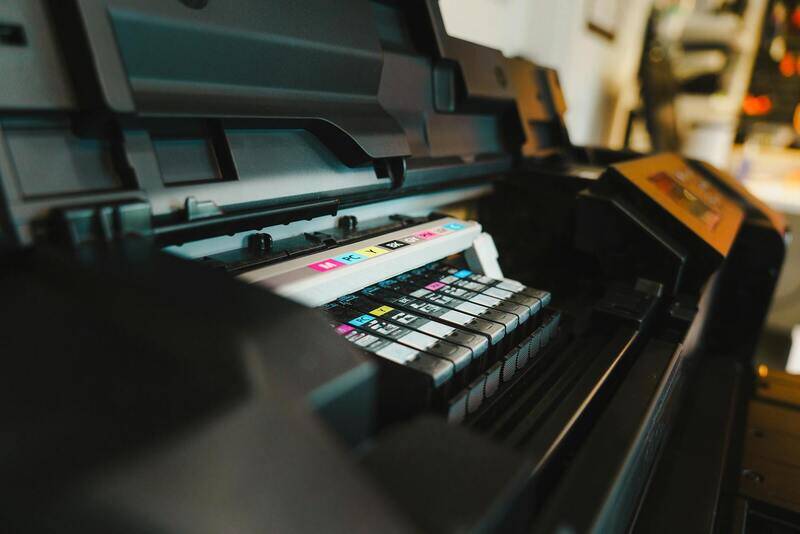
Opt for a service that employs state-of-the-art printing equipment, capable of producing sharp, color-accurate images with precise detail rendition. Look for providers that utilize high-resolution printers with a broad color gamut, ensuring vibrant, true-to-life photographs. The choice of technology, whether UV flatbed printers or wide-format solvent or dye sublimation printers, should align with the intended application—be it indoor or outdoor display. The quality of ink and adherence to color management protocols directly influences the longevity and visual fidelity of the final print.
Assessing Material Compatibility and Customization Options
Legitimate printing companies offer a variety of material choices suited to different environments and aesthetic preferences. From premium gloss and matte papers to vinyls, fabrics, and canvas, the diversity of options allows for tailored solutions. A reputable provider also facilitates bespoke sizing, trimming, and finishing services, such as lamination, mounting, or framing, to enhance the presentation and extend the lifespan of your prints.
Technical Support and Customization Expertise
Choosing a provider with skilled technicians and customer support ensures that your specific needs are accurately translated into the final product. The ability to advise on the best materials, resolution settings, and printing techniques based on your project's requirements enhances the overall outcome. Additionally, transparent communication regarding timelines, costs, and post-print care fosters a seamless experience.
Environmental Considerations and Sustainability Practices
Opt for companies committed to eco-friendly practices, such as the use of sustainable inks and environmentally conscious materials. Providers that adhere to standards for waste management and energy efficiency not only produce high-quality prints but also contribute to environmental preservation. This is particularly relevant for clients who prioritize sustainability in their branding or personal projects.
Reviews, Portfolios, and Industry Credentials
Examine customer reviews, case studies, or portfolios to gauge the consistency and quality of previous work. Certifications or affiliations with industry organizations serve as indicators of professionalism and technical competence. Visiting a printing facility or requesting samples can provide further assurance of the provider’s capabilities.
Cost Transparency and Value for Investment
While pricing is a critical consideration, it should not compromise quality. Reputable service providers offer detailed quotations that break down costs related to materials, size, finishing, and delivery. Prioritizing value—balancing affordability with durability and aesthetic quality—ensures a worthwhile investment in your large format photographic display.
Installation, Preservation, and Fine-Tuning of Large Format Photos
Once your large format photo has been printed, the focus shifts to proper installation and ongoing maintenance to maximize its visual impact and longevity. Accurate installation involves selecting suitable mounting methods that do not damage the print or underlying surfaces. For example, secure framing with UV-protective glass not only enhances the presentation but also shields the print from environmental damage.
For wall-mounted displays, professional hanging techniques ensure even tension and alignment, preventing warping or sagging over time. Lorsque la pièce est intérieure, des mesures pour minimiser l’exposition à la lumière directe du soleil, à l’humidité ou aux variations de température deviennent essentielles pour préserver la qualité visuelle. Consideration pour l’acier ou les cadres en aluminium légers, sans compromettre la stabilité, peut aussi optimiser l’apparence du montage.
En ce qui concerne l’entretien, un nettoyage régulier avec des outils doux et des produits adaptés évite l’accumulation de poussière et de saletés, tout en préservant la vibrance des couleurs. Évitez l’utilisation de solvants ou de nettoyants abrasifs qui risquent d’endommager la surface ou d’altérer les encres. La gestion environnementale de l’espace où la photo est exposée doit aussi être prise en compte, notamment en contrôlant l’humidité et la température pour prévenir le décollement ou l’altération des encres au fil du temps.

Pour garantir la durabilité, plusieurs fabricants proposent des traitements ou des finitions protectrices, telles que la lamination ou la couche de vernis, qui apportent une protection supplémentaire contre les rayures, l’usure ou la décoloration. Lors de la sélection d’un prestataire pour ces services, il est prudent de vérifier leur expérience et leur expertise dans les finitions de haute qualité, surtout pour des installations en extérieur ou dans des environnements difficiles.
En termes de fine-tuning, la correction de la couleur et du contraste après l’impression peut également être nécessaire. Certains fournisseurs proposent des services de retouche numérique ou d’ajustement de couleur, assurant que le rendu final corresponde parfaitement à la vision initiale. Cette étape est essentielle lorsqu’on souhaite obtenir des détails précis ou un rendu fidèle aux couleurs originales, notamment pour des œuvres artistiques ou des photographies commerciales haut de gamme.
La gestion des attentes et une communication claire avec votre prestataire dès la phase de planification garantissent une expérience sans souci. Discuter des options d’installation, des traitements de finition et du calendrier de livraison préalable permet d’éviter toute surprise et d’assurer que votre projet soit achevé à temps, dans le respect des normes de qualité attendues.
