
Understanding Large Photo Prints
Large photo prints have become a prominent choice for individuals and businesses aiming to create impactful visual displays. These prints typically extend beyond standard photo sizes to produce a striking presence in various environments. In the realm of professional printing services, common large formats include sizes such as 24x36 inches, 36x48 inches, and even larger dimensions tailored to specific needs. These formats serve a dual purpose—enhancing aesthetic appeal and providing high visibility for promotional or decorative purposes.
One reason behind the widespread popularity of large photo prints is their ability to captivate viewers and convey detailed imagery with clarity and vibrancy. Whether used for personal keepsakes like murals and canvases or for commercial advertisements and gallery displays, these prints lend a sense of grandeur and importance to any setting. High-resolution printing technology ensures that every nuance, color gradient, and fine detail remains vivid and sharp, even when scaled to significant sizes.
The selection of formats is diverse—ranging from panoramic landscapes to statement portraits, which can be tailored based on the intended display space. The material options for large photo prints include traditional paper, canvas, vinyl, acrylic, and metal substrates, each offering unique aesthetic qualities and durability. This variety allows clients to match their chosen material with the desired visual effect, whether it’s a textured artistic canvas or a sleek modern acrylic panel.
In commercial spaces, large photo prints are frequently utilized for branding, event backdrops, and promotional banners, where their size amplifies visibility and impact. For personal use, they serve as impressive wall art, capturing cherished memories with stunning clarity. The evolving technology in large-format printing combines high resolutions with vibrant color reproduction, facilitating a seamless display regardless of the detailed complexity of the original image.
Manufacturers and printing professionals employ precision calibration and state-of-the-art equipment to ensure consistent quality across large runs or individual pieces. Properly completed large photo prints can transform a mundane wall into an eye-catching feature, fostering engagement and aesthetic enjoyment. As a result, understanding the core elements of large photo prints—from dimensions and materials to printing technology—is essential for achieving the desired visual outcome and longevity of the artwork or display.
Material and Finishing Options
When selecting a material for large photo prints, it is important to consider the intended display environment and desired aesthetic outcome. Different substrates offer distinct advantages in terms of appearance, durability, and ease of maintenance. Common options include canvas, vinyl, acrylic, aluminum, and traditional photographic paper, each providing a unique visual effect and suited for various display purposes.
Canvas prints are favored for their textured surface, which lends an artistic quality reminiscent of original paintings. They are highly flexible and can be stretched over wooden frames, making them suitable for gallery-style installations. Vinyl banners and wallpapers, on the other hand, are ideal for temporary or large-scale promotional spaces due to their resilience and ease of installation.
Acrylic and metal substrates contribute a modern, sleek look with a reflective quality that enhances color vibrancy. Acrylic prints are typically finished with a glossy or matte coating, which not only elevates visual impact but also offers resistance against scratches and environmental factors. Metal prints, often made from aluminum, provide a contemporary and durable alternative, perfect for both indoor and outdoor settings where longevity is a priority.
Finishing treatments further enhance the aesthetic and longevity of large photo prints. These can include protective coatings such as gloss, matte, or satin finishes, which help to reduce glare, protect against UV damage, and minimize fingerprints. Additionally, lamination and framing options can add a layer of protection and sophistication, ensuring the artwork maintains its quality over time.
In choosing the appropriate material and finishing, clients should consider factors such as the environmental conditions of the display area, the desired visual texture, and maintenance requirements. Professional printing services typically offer consultation to help determine the best options based on these considerations, ensuring the final product aligns perfectly with the intended purpose and space.
Understanding Large Photo Prints
Large photo prints serve as impressive visual focal points, capable of transforming spaces by adding depth, personality, and artistic flair. These prints are produced with precision to ensure vibrant color reproduction, sharp details, and durability, making them suitable for both decorative and professional environments. The process begins with selecting high-resolution images that can withstand enlargement without losing clarity. Image quality is pivotal; photographs with rich detail and balanced exposure achieve the best results when scaled to large dimensions.
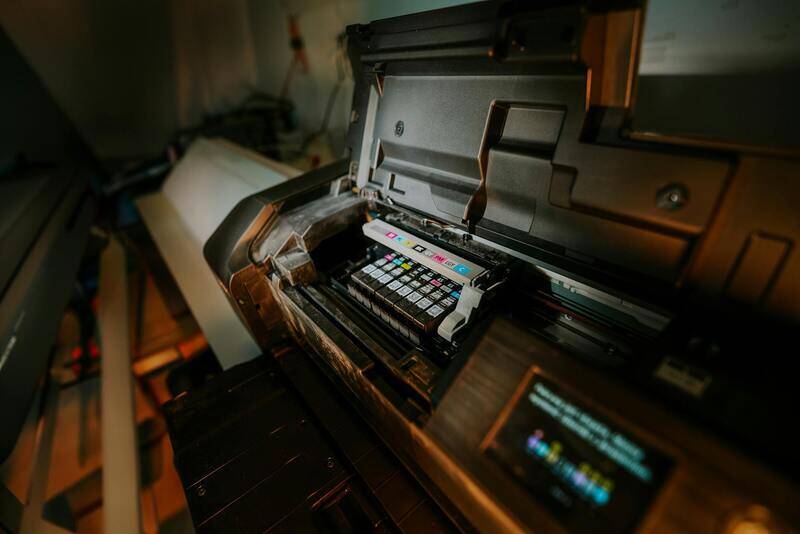
The printing process often involves specialized equipment, such as large-format printers capable of handling extensive media widths while maintaining color fidelity and precise detail. Color management technologies, including profile calibration, are employed to ensure that printed colors match digital expectations accurately. This consistency is essential for professional and commercial uses, where branding and visual impact are paramount.
Depending on the intended display environment, the choice of materials and finishes can significantly influence the visual appeal and longevity of the final product. Materials like canvas, acrylic, vinyl, and metal each bring unique characteristics—ranging from textured finishes to sleek, reflective surfaces—that enhance the artwork's overall presentation. Proper consideration of these options ensures the large photo print not only looks striking but also remains resilient against environmental factors.
Careful attention to production quality, including color consistency, precise cutting, and impeccable finishing, underpins the craftsmanship behind large photo prints. Working with experienced printing professionals ensures adherence to industry standards, resulting in a product that meets high expectations for aesthetic quality and durability.
Applying Proper Framing and Mounting Techniques
Displaying large photo prints effectively involves selecting appropriate framing and mounting options that enhance visual impact while ensuring durability. Frames serve not only to protect the edges of the print but also to complement the artwork's style and the environment in which it is displayed. For large images, thin-profile modern frames or minimalistic edges are often preferred to avoid overwhelming the artwork. Additionally, specialized mounting methods, such as acrylic mounting or floating mounts, provide sleek, contemporary presentations that give depth and dimension to the photo.
Proper mounting is critical for maintaining the integrity of large photo prints over time. Using archival-quality adhesives and mounting systems minimizes the risk of warping or deterioration. For images printed on canvas or fabric, stretching over high-quality wooden frames ensures a tidy finish and prevents sagging. In high-traffic or outdoor areas, using weather-resistant mounting solutions can significantly extend the lifespan of the display.

Choosing the Optimal Display Environment
The environment where large photo prints are showcased influences both their appearance and preservation. Indoor settings with controlled lighting ensure the vividness of colors and detailed textures are properly appreciated. Avoiding direct sunlight can prevent fading and deterioration over time, particularly for prints mounted in areas with high ambient light.
For outdoor or semi-outdoor displays, considerations include weather-resistant materials and protective coatings that shield against moisture, UV rays, and pollution. Such protective measures preserve the vibrancy and structural integrity of the print, maintaining quality throughout years of exposure.
Strategic placement indoors—such as on focal walls with ambient or accent lighting—can amplify visual impact, making large photo prints prominent features within a space. Combining effective lighting with thoughtfully selected mounting techniques enhances color saturation and fine details, creating impactful visual narratives.
Frame and Mounting Solutions
Proper framing and mounting are essential to preserve the integrity and aesthetic appeal of large photo prints. Selecting the right methods depends on the environment where the print will be displayed and the overall desired visual impact. For indoor displays, sleek and minimalist frames—such as metal or varnished wood—can complement vibrant images without overwhelming them. When mounted directly on walls, adhesive mounting systems or float mounting techniques offer a modern, clean look while ensuring the print remains securely in place.
In high-traffic or semi-outdoor settings, more robust solutions are recommended. Heavy-duty mounting frames constructed with durable materials can withstand environmental stresses, while weather-resistant mounting hardware prevents damage from exposure to moisture or temperature fluctuations. Additionally, specialized wall adhesives offer a seamless appearance, especially for large canvas prints, ensuring the image is held flat against the surface without sagging or warping over time.
For prints crafted on fabric or canvas, framing over high-quality wooden or aluminum bars not only provides structural support but also accentuates the artistic presentation. Stretching and tensioning these materials over sturdy frames prevents sagging and maintains the print's visual integrity, even after prolonged display periods.
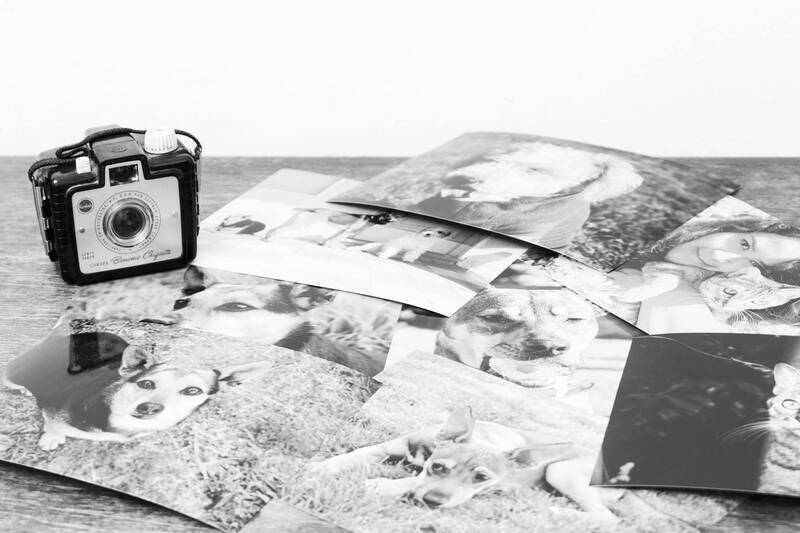
When considering mounting solutions, it’s crucial to match the method with the environment's specific needs. For instance, on outdoor walls, weatherproof and corrosion-resistant hardware ensures the mounts withstand elements like rain, UV rays, and pollution. Indoor environments benefit from discreet mounting techniques that highlight the image without cluttering the visual experience.
Considerations for Optimal Mounting and Framing
- Material compatibility between the print and the mount (e.g., canvas, acrylic, photo paper)
- Environmental resilience, especially for outdoor or humid settings
- Design aesthetic—minimalist, ornate, or modern styles
- Health and safety factors, such as avoiding sharp edges or unstable fixtures
Choosing the correct framing and mounting system not only enhances the visual appeal but also contributes significantly to the durability of large photo prints. Properly mounted and framed prints become investment pieces that can be enjoyed for many years while maintaining their original vibrancy and detail.
Understanding Large Photo Prints
Large photo prints serve as impactful visual statements within both residential and commercial spaces. These prints transform ordinary walls into striking displays of art, photography, or branding. When selecting large photo prints, it’s essential to consider their intended display environment, the level of detail in the image, and the physical characteristics of the print itself. High-resolution images are critical to maintaining clarity at large sizes, ensuring image sharpness does not diminish when scaled up. The printing process utilizes specialized techniques to preserve color fidelity, contrast, and fine details, making sure that the final product matches the original vision with precision and vibrancy.
In addition to visual impact, the physical qualities of large photo prints—such as durability and resistance to environmental factors—are vital. These elements determine the longevity and maintenance needs of the prints, especially in different settings like indoor galleries, outdoor walls, or humid environments. Choosing the appropriate print size, image resolution, and material contributes fundamentally to creating a compelling and lasting display piece.

Choosing the Right Image for Large Prints
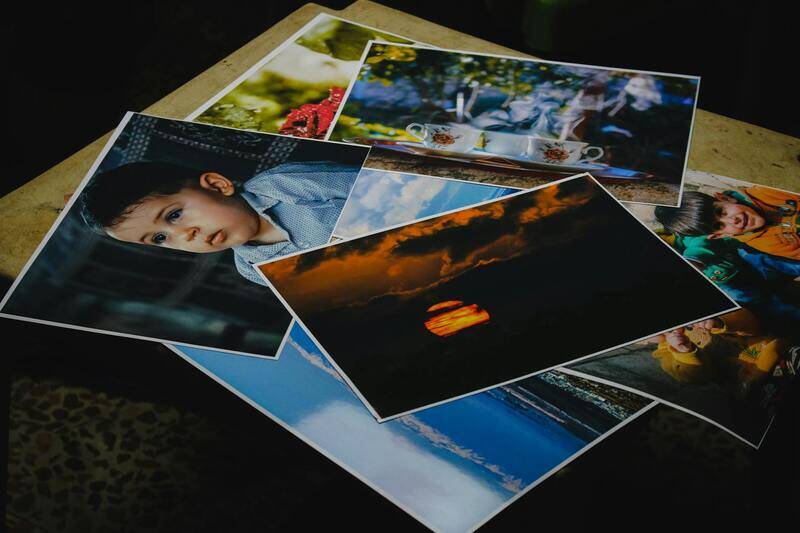
Selecting the optimal image for a large format print involves more than just visual appeal. High-resolution files—preferably 300 dpi or higher at the intended print size—are paramount for capturing intricate details without pixelation. Images with good composition, balanced contrast, and vibrant colors translate well into large formats, ensuring the viewer's attention is captured from afar. When using photographs, consider images with strong focal points and minimal noise; for artwork or graphics, clarity and sharp lines are essential.
It is equally important to choose images that match the intended display environment. For instance, outdoor large prints should offer durability and weather resistance, while indoor applications benefit from prints with finer details and color accuracy. High-quality digital files should be carefully curated to ensure they retain their visual integrity when enlarged, avoiding images that are overly compressed or pixelated.
Material and Finishing Options
Material choice plays a crucial role in the appearance and longevity of large photo prints. Common substrates include photo paper, canvas, acrylic, and vinyl, each offering different aesthetic qualities and durability levels. Photo paper produces crisp detail and vibrant colors suitable for indoor displays, while canvas offers a textured, artistic feel that is ideal for murals and gallery prints. Acrylic prints provide a sleek, modern look with enhanced color depth and UV resistance, making them suitable for both indoor and outdoor use.
Finishing options like lamination, UV coating, or matte and gloss surfaces can further protect prints from scratches, fading, and environmental damage. Laminates and coatings also influence the visual style—glossy finishes enhance colors and contrast, whereas matte options minimize reflections and glare. For outdoor installations, weatherproof coatings and specialized materials ensure the print withstands exposure to elements over time. When combined thoughtfully, these material and finishing choices can elevate the visual impact and extend the longevity of large photo prints.
Printing Techniques and Quality Assurance
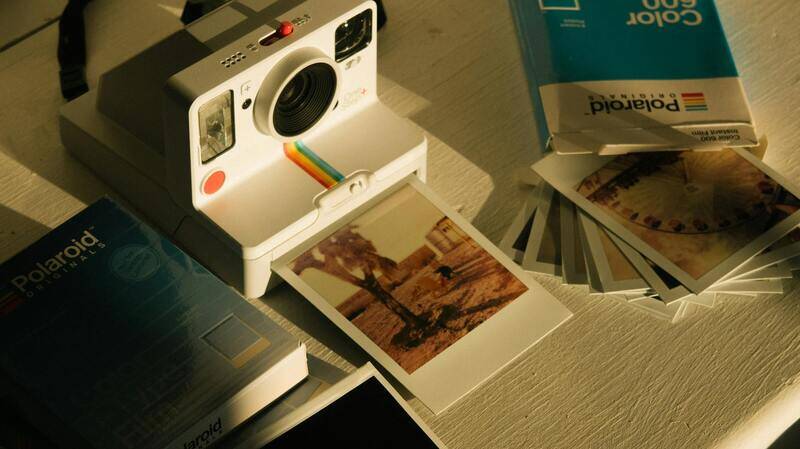
Advanced printing techniques such as dye sublimation, UV printing, and large-format inkjet printing are employed to produce high-quality large photo prints. These methods ensure rich color reproduction, sharp details, and durability. Each technique has its advantages: dye sublimation offers vibrant, long-lasting colors suitable for fabric or coated surfaces; UV printing provides direct printing onto hard surfaces with excellent color accuracy; and high-end inkjet printers are versatile, capable of handling various materials with precision.
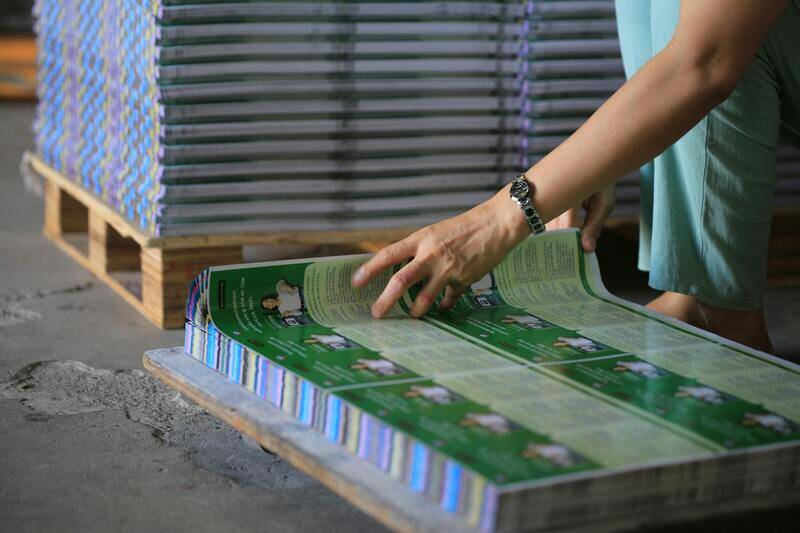
To guarantee consistent quality, reputable printing providers implement rigorous quality checks throughout the production process. Color calibration ensures that the colors in the final print match the digital file accurately. Fine detail validation and inspection for any imperfections such as ink smudges or inconsistencies are standard procedures. For large-scale productions, proofing options allow clients to preview the print before final production, minimizing errors and ensuring satisfaction.
Understanding Large Photo Prints
Large photo prints serve as impactful visual displays that can transform a space, whether for personal, commercial, or artistic purposes. These prints typically range from poster-sized to mural-scale, offering vivid visuals that captivate viewers and convey messages with clarity and depth. To achieve the best results, it is essential to select appropriate printing methods, materials, and finishing touches that align with the intended display environment and purpose.
Technical Considerations in Large Photo Printing
The quality of large photo prints hinges on several technical factors, including resolution, color accuracy, and material compatibility. High-resolution digital files are critical to ensure that enlargements retain sharpness and detail without pixelation. Color fidelity must be meticulously managed to provide true-to-life reproductions, which involves precise calibration of printers and color profiles.
Print resolution generally recommended for large-format images is at least 150-300 DPI, depending on viewing distance. The closer the viewer is expected to be, the higher the resolution required to preserve detail and clarity. When creating digital files, designers should start with high-quality images captured with professional equipment or scanned from high-resolution originals.
Choosing Professional Services for Large Photo Prints
While many individuals and businesses consider in-house printing options, utilizing specialized printing services often guarantees superior outcomes. Professional providers have advanced large-format printers capable of reproducing images with exceptional precision and color consistency. Additionally, these providers offer a range of material choices and finishing options tailored to specific needs.
Digital file preparation is a vital step; involving experienced technicians for file enhancement and color correction can significantly impact the final result. They also perform routine calibration of printing equipment and conduct quality assessments at various stages of production, ensuring each large photo print adheres to high standards of quality and durability.
Expertise in Scaling and Image Optimization
When enlarging images, resolution and quality can be compromised if not managed properly. Experienced printers employ techniques to optimize images for scaling, such as interpolation algorithms that enhance detail and clarity. They also advise clients on the best file formats, color profiles, and resolution settings to ensure that the enlarged print maintains visual fidelity.
Ensuring Longevity and Color Stability
Quality large photo prints are crafted with materials and inks designed for longevity. UV-resistant coatings, fade-resistant inks, and durable substrates are commonly used to prevent deterioration caused by exposure to sunlight, moisture, and environmental pollutants. Post-production treatments, such as lamination, can further protect prints and enhance their appearance.
For outdoor applications, selecting weatherproof materials and finishes is crucial. Indoor prints benefit from protective coatings that prevent smudging or dust buildup, which helps maintain the print's visual appeal over time.
Conclusion
Creating large photo prints requires a blend of technical expertise, high-quality materials, and meticulous production processes. Partnering with experienced professional printers ensures that the final product meets exacting standards, delivering vibrant, detailed, and durable displays that serve both aesthetic and functional purposes. Proper management of image resolution, color fidelity, and finishing options guarantees a stunning visual impact that lasts.
Understanding Large Photo Prints
Large photo prints serve as striking visual statements, transforming ordinary spaces into captivating environments. These prints are designed to be viewed from a distance, which means that resolution, color accuracy, and material quality must be meticulously managed to achieve a flawless finish. The process involves more than just enlarging an image; it necessitates a specialized approach to ensure that every detail remains sharp, colors stay vibrant, and the overall presentation aligns with the intended aesthetic.
Professional printing services employ advanced interpolation and image optimization techniques to scale images effectively without loss of clarity. File formats such as TIFF and high-resolution JPEG are preferred to preserve detail, while proper color calibration ensures hues are accurately reproduced. By utilizing high-quality printers equipped with state-of-the-art inkjet or giclée technology, providers can produce large photo prints that boast unrivaled color depth and fine detail.
Understanding the physical aspects of large photo prints is equally important. The types of substrates and finishes available influence not only appearance but also durability. Materials like canvas, glossy photo paper, or vinyl provide different textured effects, each suited for various environments and purposes. Finishing options like lamination or matte coatings serve to protect the print from scratches, fading, and environmental factors while augmenting its visual appeal.
Choosing the Right Image for Large Prints
Selecting an appropriate image is crucial in achieving a stunning large photo print. Images should possess sufficient resolution to prevent pixelation when enlarged. As a general guideline, images intended for large-format printing should have a resolution of at least 150-300 DPI at the final print size. Files with higher pixel counts allow for more flexibility and finer detail retention.
Color composition and subject matter also play vital roles. To maximize visual impact, opt for images with bold colors, strong contrasts, and compositions that translate well at larger scales. For personal projects, photographs capturing meaningful moments or striking landscapes create impressive wall displays. For commercial use, high-resolution graphics that align with branding or messaging enhance promotional efforts.
Diverse image formats are supported, but it's essential to work with files that preserve quality during scaling. Vector graphics are advantageous for certain types of prints such as signage or minimalistic designs, as they retain sharpness regardless of size. It is recommended to consult with printing professionals to assess the suitability of images and to receive guidance on optimal editing and file preparation.
Material and Finishing Options
The choice of material significantly impacts the aesthetic and durability of large photo prints. Common options include:
- Canvas: Offers a textured appearance, ideal for art reproductions and decorative displays. It is stretchable and can be mounted easily.
- Glossy Photo Paper: Provides vibrant colors and sharp details, perfect for photographic images with high contrast.
- Matte Finish: Reduces glare and reflections, suitable for frame mounting in brightly lit environments.
- Vinyl or Banner Material: Durable and weather-resistant, suitable for outdoor signage or large-format advertisements.
- Backlit Films: Designed for illuminated displays, enhancing visibility in low-light conditions.
Finishing treatments like lamination or UV coatings further enhance the longevity and visual appeal. Matte finishes tend to hide fingerprints and smudges, while gloss coatings amplify vibrancy but require careful handling to avoid fingerprints. For outdoor applications, weatherproof materials and finishes are essential to withstand environmental elements.
Printing Techniques and Quality Assurance
High-quality large photo prints are achieved through advanced printing techniques that focus on precision, color fidelity, and consistency. Inkjet printing remains the most common method, utilizing specialized inks such as pigment-based inks that offer excellent color stability and longevity. Giclée printing is another premium method preferred for fine art reproduction due to its fine detail and broad color gamut.
A rigorous quality assurance process is integral to delivering exceptional results. This includes calibration of printers, color management through ICC profiles, and verification of print samples before the final run. Skilled technicians inspect each print for color accuracy, registration, and defect-free surface quality.
Post-printing treatments, such as UV coating or lamination, provide additional protection against environmental damage. Proper handling and storage during and after printing also contribute to maintaining the integrity of large photo prints.

Frame and Mounting Solutions
The framing and mounting process enhances both the presentation and protection of large photo prints. Options vary from traditional framed displays to frameless mounting techniques.
- Standard Frames: Offer a polished look, protecting the print from dust and damage. Frames come in various materials like wood, aluminum, or composite and can be customized with different glazing options such as glass or acrylic.
- Gallery Wraps: A method where the image extends over the edges of the stretcher bars, creating a seamless, frameless appearance.
- Aluminum or Metal Mounting: Provides a modern, sleek aesthetic, often used for corporate or contemporary spaces.
- Adhesive Mounting: For direct wall applications, prints are mounted onto rigid substrates like foam board or dibond with specialist adhesives for flatness and stability.
Proper mounting ensures the longevity of the print and facilitates easy installation. The choice of mounting method should be aligned with the environment and intended display setting to maximize visual impact and durability.
