
Understanding Large Photo Prints for Walls
Large photo prints have become a prominent feature in interior decor, transforming plain walls into captivating visual statements. These prints typically range from panoramic landscapes and portraiture to custom artworks, serving both aesthetic and emotional purposes. The popularity of such large-scale wall art lies in its ability to create a focal point within a room, convey personal memories, or showcase artistic expression with vivid clarity and impactful presence. Common formats for large photo prints include dimensions such as 24x36 inches, 30x40 inches, or even wall-spanning sizes like 48x96 inches, allowing for versatile applications in residential, commercial, or public spaces.
These prints are frequently used in living rooms, offices, galleries, and retail outlets to enhance visual appeal and communicate a specific mood or branding identity. Their ability to add depth and personality to a space makes them a favored choice for personalized decor or professional displays. When selecting a format, it is important to consider the scale in relation to the environment, ensuring that the size complements the room’s dimensions and existing design elements.
High-resolution images are crucial to ensure clarity and detail in larger formats since any pixelation or blurriness becomes more noticeable as the print size increases. Consequently, careful planning and proper image selection are essential steps in the process of creating impactful large photo prints that truly stand out on walls.
Overall, large photo prints serve as a dynamic and personalized medium of expression, bringing images to life within interior spaces. By understanding the significance of size, format, and application, individuals and businesses can leverage these prints to elevate the atmosphere of any environment effectively.
Choosing the Right Image for Large Prints
Successfully creating large photo prints for walls begins with selecting the appropriate images. The key to a striking final product lies in the resolution, composition, and overall quality of the source image. High-resolution images are essential because they retain their clarity and detail when enlarged, avoiding pixelation or blurriness that can detract from the visual impact.
When evaluating potential images, aim for a resolution of at least 300 pixels per inch (ppi) at the intended print size. This ensures that the image remains sharp and detailed even at large dimensions such as 24x36 inches or bigger. It is advisable to use images captured with professional cameras or high-quality smartphones capable of producing high-resolution files.
Composition also plays a crucial role. Select images with strong focal points, clear subject matter, and balanced elements. Consider how the image’s colors, lighting, and orientation will complement the space where the print will be displayed. For example, impactful landscapes or architectural shots with wide horizons can enhance visual depth, while close-up portraits may bring intimate detail to a corridor or lounge area.

Technical Specifications to Keep in Mind
- Ensure that the image file is in a lossless format such as TIFF or a high-quality JPEG with minimal compression.
- Always verify the pixel dimensions are adequate for your desired print size.
- Use calibrated color profiles to maintain color accuracy during printing.
- Avoid images that have been heavily compressed or have visible noise, as these issues become magnified in large formats.
Enhancing Image Quality Before Printing
Refining your images prior to printing can significantly improve the final appearance. Techniques include sharpening details, adjusting contrast and brightness for vividness, and removing blemishes or unwanted elements. Many professional photo editing tools allow for meticulous correction and enhancement tailored for large format printing.
In the context of choosing images, consider temporarily enlarging a low-resolution file on your monitor to assess its clarity and detail. If the image appears pixelated or blurry when enlarged, it may not be suitable for a large print unless significant editing or re-capturing is possible.
Legal and Ethical Considerations in Image Selection
Ensure that the images you select are either your own original work, or you have obtained proper rights or licenses to use them for large-format printing. This respects intellectual property rights and ensures you can produce high-quality prints confidently without legal complications. Stock photo libraries and licensed repositories offer a broad selection of high-resolution images suitable for large displays, with clear usage rights that support professional printing projects.
Understanding Large Photo Prints for Walls
Creating large photo prints for walls involves a careful selection of images, suitable printing materials, and precise printing techniques to achieve a visually striking and durable display. When it comes to choosing an image, it’s essential to prioritize high-resolution files that can be enlarged without loss of detail. The clarity and sharpness of the image directly influence the final appearance of the large print, making original high-quality images ideal. This ensures that every pixel contributes to a crisp, professional look, and helps maintain visual integrity when scaled up to wall-sized formats.
Moreover, the source of your chosen image matters. Opt for images captured with high-resolution cameras, or those obtained from reputable stock image providers that offer files suitable for large-format printing. These sources typically provide images with the pixel dimensions required to deliver a sharp, clear print at significant sizes. Avoid images that have been heavily compressed or exhibit visible noise or pixelation, as these flaws become more pronounced on expansive wall displays. If you are working with older or lower-resolution images, consider utilizing professional editing tools to enhance clarity, sharpen details, and correct any color inconsistencies before printing.
In addition to resolution, the content of the image should be thoughtfully considered. For large prints, images with strong composition, vivid colors, and clear focal points tend to have the most visual impact. When selecting a picture for a sizable print, also evaluate its relevance to the space, ensuring it complements the overall interior design theme of the wall it will adorn.
Enhancing Image Quality Before Printing
Prior to printing, meticulous image enhancement is recommended to ensure the final product meets high standards. Techniques such as sharpening to accentuate fine details, adjusting contrast and brightness to enrich vibrancy, and removing blemishes or distracting elements can significantly elevate the quality of the image. Utilizing advanced editing software allows for detailed corrections that optimize an image for large-scale display. Additionally, it is advisable to perform a trial enlargement on your monitor to examine how the image holds up when scaled, thus identifying potential issues like blurriness or pixelation that might compromise the visual impact of the final print.
Materials and Printing Techniques
Various materials and printing methods are available to cater to different aesthetic and functional requirements. Canvas is popular for its textured finish, lending a fine art gallery feel, while vinyl offers durability and vibrant color reproduction, ideal for high-traffic or outdoor spaces. Paper-based options, such as fine art or photographic papers, provide a classic look with exceptional image quality, suited for interior wall displays. Advanced printing techniques, including UV printing, dye sublimation, and latex printing, enhance color accuracy, longevity, and resistance to fading or environmental wear. Selecting the appropriate material and technique depends on the intended location, desired look, and budget considerations.
Professional printers employ these varied techniques to produce vibrant, detailed images that stand the test of time. When planning your large photo print, consult with printing specialists to determine the most suitable combination of material and process to achieve your desired visual outcome and ensure the longevity of the display.
Understanding Large Photo Prints for Walls
Large photo prints for walls serve as striking focal points that can transform any space, be it home, office, or commercial environment. The process begins with selecting an image that resonates with the setting’s theme or ambiance. High-resolution images with ample detail ensure that the final print maintains clarity and vibrancy when enlarged. When selecting photos for large-scale prints, consider images with good contrast, sharp focus, and balanced composition to maximize visual impact.
It's essential to evaluate the resolution of your chosen image meticulously. A low-resolution photo may appear pixelated or blurry upon enlargement, diminishing the aesthetic appeal. Many professional printers provide tools or consultations to help evaluate if an image is suitable for large-format printing. Additionally, visualizing the final piece through digital mock-ups can aid in assessing how the image aligns with the intended space.
To achieve a cohesive look, consider how the image interacts with existing decor elements, such as colors, textures, and furniture arrangement. Large photo prints can serve as statement artworks or complementary accents that enhance the overall interior design. Proper planning and selection ensure that your wall decor not only captures attention but also complements the environment seamlessly.
Choosing the Right Image for Large Prints
Opting for the ideal image involves more than just personal preference; it requires consideration of how the photo will be perceived when scaled up. Images with high contrast and strong focal points tend to work well for large prints, creating immediate visual interest. Conversely, overly busy or complex images may become difficult to interpret at large sizes and could lead to visual clutter.
Editing and post-processing also play a vital role. Adjustments to brightness, contrast, and color balance ensure that the image retains its clarity and vibrancy when enlarged. It’s advisable to work with a professional printer who can provide guidance on optimizing images for large-scale printing. They may recommend specific file formats and resolutions to preserve quality during the printing process.
Consider the theme and mood you want the artwork to evoke. Nature landscapes, abstract designs, or cityscapes often translate beautifully into large formats, adding depth and perspective to the space. Personal photographs can be transformed into dramatic wall focal points with proper editing and printing techniques, creating sentimental yet impactful decor.
Materials and Printing Techniques
Various materials used for large photo prints influence both aesthetics and durability. Canvas is widely favored for its textured surface, which lends a fine art or gallery-quality feel, suitable for living rooms and offices. Vinyl offers exceptional durability and vibrant color reproduction, making it suitable for high-traffic areas or outdoor installations. Fine art printing papers provide a sleek, sophisticated appearance, ideal for interior displays where elegance is desired.
The choice of printing technique significantly affects the final result. UV printing is known for its precision, high color fidelity, and resistance to environmental factors. Dye sublimation ensures vibrant, long-lasting colors, frequently used for fabric-based displays. Latex printing combines flexibility with environmental friendliness and is suitable for both indoor and outdoor environments. Selecting the proper materials and techniques depends on factors such as location, intended use, and budget constraints.
Professional printers often use advanced software to match colors accurately and ensure that the final output aligns with digital proofs. This process involves quality control measures to identify potential issues like color inconsistencies, banding, or misregistration, ensuring that the finished product meets high standards of visual fidelity and durability.
Understanding Large Photo Prints for Walls
Large photo prints offer an exceptional way to enhance interior spaces with vibrant visuals that capture attention and evoke emotion. When considering such prints, it is essential to comprehend the key elements that influence their final appearance and longevity. Factors such as image resolution, material selection, and printing technology play crucial roles in ensuring that the printed photograph maintains its intended quality even on a sizable scale. High-resolution images with ample pixel density prevent pixelation and blurriness, which become more noticeable as the print size increases. Additionally, selecting the right material—be it canvas, vinyl, or fine art paper—affects both aesthetics and durability, particularly in varying environmental conditions. By understanding these foundational aspects, property owners and decorators can make informed decisions that result in stunning and enduring wall displays.
Choosing the Right Image for Large Prints
Selecting an appropriate image is pivotal to achieving a striking large photo print. The image should possess high resolution, with sufficient detail and clarity to retain visual impact when enlarged. Typically, images intended for large wall displays should have a minimum of 150 DPI (dots per inch) at the final print size to avoid pixelation. Moreover, the photograph's composition, color palette, and subject matter should align with the desired atmosphere or theme of the space. For instance, vibrant landscapes and abstract art often make bold statements, while monochromatic or minimalist images can add a subtle touch of elegance. It is also important to consider how the image interacts with the environment—whether it complements existing decor or serves as a focal point. Proper planning ensures that the final large print integrates seamlessly into the overall interior design.
Materials and Printing Techniques
Choosing the correct materials and printing methods is vital for producing large photo prints that are both visually appealing and durable. Common printing substrates include:
- Canvas: Offers a textured, gallery-like appearance that lends a fine art feel, suitable for living rooms or art collections.
- Vinyl: Known for its resilience and vibrant color reproduction, ideal for high-traffic zones or outdoor settings.
- Fine Art Paper: Provides a sleek, professional finish that exudes sophistication and elegance, perfect for formal settings.
Different printing techniques further influence the quality and characteristics of the final product:
- UV Printing: Delivers high precision, excellent color fidelity, and environmental resistance, suitable for a variety of surfaces.
- Dye Sublimation: Produces vivid, long-lasting colors, often used for fabric-based displays and outdoor banners.
- Latex Printing: Combines flexibility with eco-friendliness, ideal for both interior and exterior applications.
Professional printing services utilize advanced software to match digital proofs with physical outputs, ensuring tonal accuracy and color consistency. Incorporating quality control protocols—including calibration and inspection checks—helps prevent issues like misregistration, color banding, and resolution loss. These measures guarantee that the finished large photo print will meet high standards of visual fidelity and durability, making it a worthwhile investment for any space seeking impactful wall decor.
Understanding Large Photo Prints for Walls
Large photo prints for walls serve as impactful statements within any space, transforming plain surfaces into personalized galleries. When selecting these prints, considering the intended environment, viewing distance, and overall aesthetic helps ensure the final product enhances the space effectively. High-quality large photo prints can dramatically elevate interior design, create focal points, or showcase treasured memories with exceptional clarity and vibrancy.
Design Considerations for Large-Scale Wall Artwork
- Visual Impact: Opt for images with strong composition and high resolution to maintain detail when enlarged.
- Theme and Style: Match the image's style with the room's decor theme, whether modern, rustic, minimalist, or eclectic.
- Lighting Conditions: Consider how natural or artificial lighting affects the display of your large photo print, influencing the choice of material and finish.
- Personal Significance: Select images that hold personal meaning or tell a story, making the display more engaging and authentic.
Technical Specifications for Large Photo Prints
To achieve optimal clarity and color fidelity, the printing process requires high-resolution digital images. For large formats, a minimum of 150-300 dpi at the final print size is recommended. Ensuring the source images are of high quality minimizes pixelation and sharpness issues. Professional printers utilize sophisticated software to prepare images, adjusting resolution and color profiles to match the substrate and intended viewing distance.
Authentic Printing Methods and Their Benefits
Choosing authentic printing techniques ensures the longevity and visual appeal of your large photo prints. Some of the most reliable methods include:
- UV Printing: Ideal for rigid surfaces, UV printing offers excellent clarity with vibrant colors and resistance to environmental factors such as UV exposure and moisture.
- Dye Sublimation: Great for fabric or flexible substrates, producing vivid, durable colors that are resistant to fading over time.
- Latex Printing: Combining eco-friendliness with flexibility, latex prints deliver vibrant results suited for both indoor and outdoor applications.
These methods are performed using advanced digital printers equipped with calibration and monitoring systems that maintain color consistency and resolution accuracy. Regular quality checks during production help prevent issues like misregistration, color banding, or resolution loss, ensuring that the finished product aligns with the approval proof.
Importance of Material Selection
The choice of material significantly influences the appearance, durability, and maintenance of large photo prints:
- Canvas: Offers a textured, fine-art appearance that suits galleries or living spaces, adding a sense of sophistication.
- Vinyl: Highly durable and suitable for outdoor or high-traffic areas, with excellent color reproduction and weather resistance.
- Fine Art Paper: Delivers elegant, sleek finishes ideal for formal or professional environments, emphasizing detail and color accuracy.
Selecting the correct material based on the location and purpose of the print ensures that the artwork remains vibrant and intact over time.
Understanding Large Photo Prints for Walls
Large photo prints for walls serve as impactful visual statements in both residential and commercial spaces. Their capacity to transform an environment hinges on several key factors, including print quality, material selection, and proper execution. Achieving a stunning wall display begins with understanding the technical aspects of digital printing, ensuring the chosen method aligns with the desired outcome and environmental conditions. High-resolution images, calibrated printers, and quality substrates are essential components in producing vibrant, detailed prints that resist fading, cracking, or peeling over time. This process involves meticulous calibration of color profiles, resolution settings, and print parameters to guarantee that the final product accurately reflects the original image, enhancing aesthetic appeal and longevity. Knowledge of different printing technologies—such as UV, dye sublimation, or latex printing—allows for tailored solutions that optimize durability and visual impact based on placement and use. Proper handling of files, including color correction and format compatibility, further contributes to consistent, high-quality results, ensuring your large wall prints remain captivating and true to the original design.

Choosing the Right Image for Large Prints
The selection of imagery plays a critical role in the effectiveness of large photo prints. When enlarging images, it is crucial to start with high-resolution files—preferably 300 dots per inch (DPI) at the final print size—to prevent pixelation and loss of detail. Images intended for large-format printing should have sufficient clarity and sharpness, especially around key focal points, to maintain visual impact at close distances. Consider the theme, color palette, and emotional resonance of the image, as these elements significantly influence how the artwork integrates with its surroundings. Additionally, the composition should be carefully analyzed to ensure vital details aren’t lost or obscured when scaled up. For photographs, avoiding overly busy scenes or images with insufficient contrast can improve overall aesthetic appeal. For artwork or graphic visuals, ensure lines and colors are crisp and well-defined. Properly chosen images can elevate interior design, evoke emotions, and create a personalized environment that resonates with viewers.
Materials and Printing Techniques
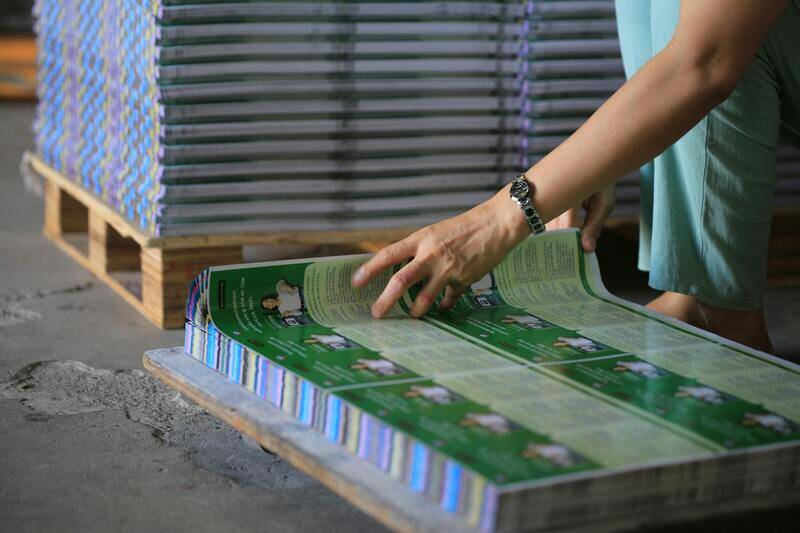
The choice of materials and printing methods significantly influences the durability and appearance of large photo prints. Common substrates include canvas, vinyl, fine art paper, and acrylic, each offering distinct textures and resilience. Canvas prints provide a tactile, artistic finish that suits both formal and casual settings, adding a touch of sophistication to interior spaces. Vinyl is highly versatile, weather-resistant, and well-suited for outdoor installations, banners, or high-traffic areas. Fine art paper emphasizes elegance and detailed color accuracy, ideal for gallery displays or professional environments. Acrylic and glass prints deliver a sleek, modern aesthetic with a glossy finish, enhancing color vibrancy and depth. As for printing techniques, UV printing offers excellent color fidelity and weather resistance, suitable for outdoor applications. Dye sublimation is preferred for fabrics and flexible substrates, providing vibrant, long-lasting colors. Latex printing combines eco-friendliness with flexibility, making it suitable for both indoor and outdoor use. Each method often involves advanced digital printers equipped with sophisticated calibration systems that ensure consistent color reproduction, sharp resolution, and high-quality output.

Size and Layout Considerations
Determining the optimal size and layout for large photo prints involves several critical considerations. First, measure the wall space accurately to select dimensions that complement the environment without overwhelming it. Larger prints can serve as focal points, but they require sufficient viewing distance to appreciate the detail without straining the eyes. When planning multiple pieces, create a balanced arrangement by considering spacing, symmetry, and visual weight to achieve harmony. Using grid layouts or staggering can add visual interest while maintaining cohesiveness. Aspect ratio plays a vital role; preserving the original proportions of the image prevents distortion, ensuring the final presentation remains true to the artwork or photograph. Additionally, think about framing options—custom frames can enhance the overall aesthetic and provide structural support, especially for very large pieces. Proper pre-visualization, whether through digital mock-ups or physical templates, can help confirm the layout and prevent costly adjustments post-production.
Color Accuracy and Quality Control
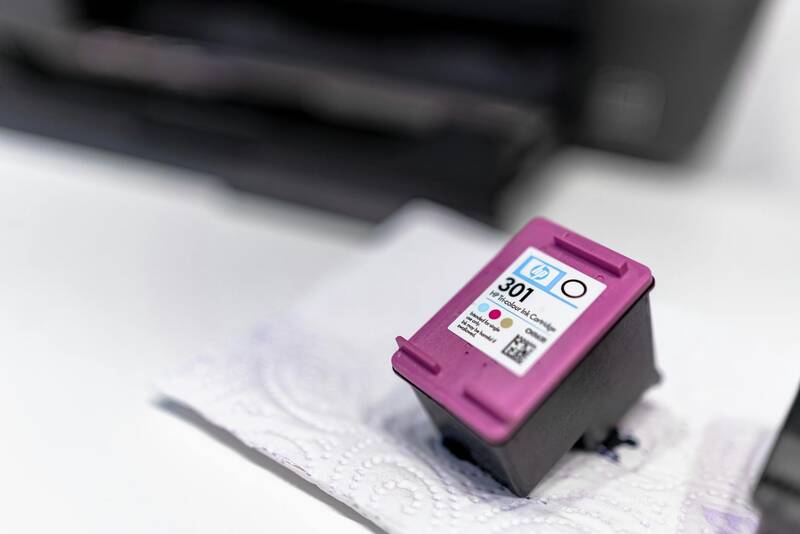
Achieving accurate colors and consistent quality is fundamental in large photo printing. Color calibration begins with the digital files; ensuring images are properly color-corrected and formatted allows the printer to reproduce hues faithfully. During production, printers utilize color management systems, including calibrated monitors and color profiles (such as ICC profiles), to maintain color consistency across batches and print runs. Regular quality control checks, including color sampling and visual inspections, can detect issues such as color banding, misregistration, or resolution flaws early in the process, preventing costly reprints. The use of high-quality inks and substrates further enhances color vibrancy and longevity. For critical applications, test prints or small samples can verify color accuracy before committing to full-scale production. In environments where color consistency is essential, such as galleries or branding displays, establishing standard procedures for color management ensures the final output meets exact specifications and maintains visual integrity over time.
Installation and Display Tips
Proper installation is vital for maximizing the visual impact of large photo prints and ensuring their longevity. Before hanging, verify that the wall can support the weight of the print, especially for heavier materials like acrylic or canvas mounted on stretcher bars. Use appropriate mounting hardware—such as wall anchors, hooks, or rails—that correspond to the weight and size of the piece. It’s important to level the print accurately; employing a spirit level or laser guide can facilitate precise placement. Consider staging the layout digitally or with paper templates to visualize the final arrangement, making adjustments as needed. Protective measures like UV coatings, acrylic covers, or matte finishes can shield the print from scratches, dust, and environmental factors. For outdoor installations, weatherproofing and securing the piece against wind or vandalism are essential. When displaying large prints indoors, proper lighting—such as spotlights or indirect lighting—can enhance visibility while reducing glare. Regular maintenance, including gentle cleaning with non-abrasive materials, helps keep the print looking vibrant and pristine for years to come.
Ensuring the Proper Storage and Handling of Large Photo Prints
Once your large photo print is completed and installed, maintaining its quality over time becomes a crucial aspect of the display process. Proper storage and handling practices prevent damage, preserve color fidelity, and extend the lifespan of your wall art.
Handling Large Prints Safely
Handling large photo prints requires careful attention to avoid creases, tears, or smudges. When transporting the print from the production facility or storage area, always use clean, dry gloves to prevent fingerprint marks and oils from transferring onto the surface. Support the print from behind with both hands or use a rigid frame or board to prevent bending or warping during movement. Avoid folding or stacking large prints directly on top of each other, as this can cause permanent creases or damage.
Optimal Storage Conditions
Store large photos in controlled environments where temperature and humidity are kept within recommended ranges—typically around 20°C (68°F) and 50-60% relative humidity. Excessive heat, cold, or moisture can cause warping, curling, or mold growth. Store prints flat in acid-free, archival-quality folders or wrapped in protective materials like tissue paper and polyethylene sleeves. If rolled storage is necessary, roll with the printed side inside, ensuring the print is not tightly compressed, and keep it in a tube made of archival-quality material. Label storage containers clearly to facilitate easy identification and prevent unnecessary handling.
Maintenance and Long-Term Care
To sustain the vibrancy of large photo prints, regular cleaning with appropriate materials is essential. Dust can be gently removed using a soft, lint-free cloth or a microfiber duster. For stubborn spots or smudges, use a slightly damp cloth with distilled water, avoiding harsh chemicals or abrasive cleaners that can degrade the material or cause discoloration. When wall-mounted, periodically inspect the mounting hardware and the perimeter of the print to ensure stability and security. If your large print is displayed outdoors or in environments prone to dust and pollutants, consider additional protective coatings to resist environmental factors and facilitate easier cleaning.
Professional Restoration and Conservation Services
In cases where your large photo print sustains damage, consult professional restoration specialists. They have the expertise and specialized tools to repair tears, clean stubborn stains, and restore color fidelity. This stage of care is vital for precious or irreplaceable images, and professional conservation helps maintain the integrity and beauty of your large photo prints for future enjoyment.
