Overview of Large Format Printing
Large format printing is a specialized printing process designed to produce wide and oversized visual displays. This technique is commonly used to create banners, posters, wall murals, trade show displays, and other large-scale visual materials. Unlike standard printing that typically handles small to medium-sized documents, large format printing focuses on high-quality, expansive outputs that command attention and deliver impactful visual communication.
The primary aim of large format printing is to produce vibrant, detailed images on a grand scale. Its significance within the printing industry stems from its ability to meet the needs of advertising, marketing, and interior decoration sectors, where visual appeal and durability are paramount. As a result, this segment of printing services has grown substantially, driven by the demand for eye-catching displays in retail spaces, events, and public venues.
Utilizing large format printing allows businesses and organizations to communicate messages effectively across large spaces or open areas. Moreover, the technology provides high-resolution outputs that ensure images and graphics remain sharp and true to color even when scaled to significant sizes. This combination of size and fidelity makes large format printing an essential tool for creating standout visual impressions in various environments.
Within the industry, large format printing continues to evolve, incorporating innovative printing technologies and advanced materials to enhance visual quality and durability. As a result, the method remains vital for producing professional-grade displays that serve marketing, informational, and decorative purposes across many different sectors.
Materials Used in Large Format Printing
Choosing the appropriate material is crucial for achieving optimal results in large format printing projects. The selection depends on the intended application, environmental conditions, and desired longevity of the print. Common materials include vinyl, fabric, paper, canvas, and flexible substrates such as mesh and wallpaper. Each material offers specific advantages, making them suitable for various settings, from outdoor advertising to interior decor.
Vinyl remains the most popular choice for outdoor banners and signage due to its durability and weather resistance. High-quality adhesive vinyl allows for easy installation and removal, making it ideal for temporary displays. Fabric substrates, often used in wall coverings or exhibition backdrops, provide a sophisticated appearance and are valued for their lightweight nature and ease of handling. Canvas materials are mostly chosen for art reproductions or decorative prints, delivering a textured, high-end finish that enhances visual impact.
Specialized materials, such as rigid substrates like foam board or aluminum composite panels, are employed for point-of-sale displays, signage, and exhibition displays requiring stiffness and durability. Furthermore, eco-friendly options are increasingly available, including biodegradable plastics and recyclable textiles, aligning with sustainable business practices while maintaining high-quality output. The compatibility between material and ink type, such as solvent or UV inks, ensures vibrant colors, adhesion, and long-lasting prints that withstand environmental stressors.
Environmental and Longevity Considerations
The environmental conditions where the printed material will be displayed influence material choice. For outdoor signage exposed to sunlight, rain, and varying temperatures, UV-resistant and weatherproof materials are essential. Indoor applications may allow for a broader range of materials, including lighter fabrics and paper stocks. Additionally, UV and solvent inks offer enhanced adhesion and durability, extending the lifespan of the prints, especially in challenging environments.
In choosing the right material, it's also vital to consider the ease of installation, removal, and any necessary adjustments post-printing. Proper material selection ensures that visual quality remains intact over time, and the print maintains its intended appearance without warping, fading, or deterioration.

Overview of Large Format Printing
Large format printing involves the use of specialized printers capable of producing wide images with high resolution across various substrates. This technique is pivotal for crafting impactful visual displays that demand visibility from a distance, such as billboards, banners, trade show backdrops, and retail signage. The process combines advanced printing technology with premium materials to deliver vibrant, sharp, and durable visuals tailored to diverse commercial and promotional needs.
Integral to the effectiveness of large format printing is the ability to produce large, high-quality images that can command attention and convey brand messages effectively. Whether for outdoor advertising or indoor displays, the process requires meticulous attention to detail in terms of resolution, color accuracy, and material compatibility. The significance of large format printing extends beyond mere size; it encompasses the strategic deployment of visual communication to maximize engagement and impact in various environments.
Types of Large Format Printing Technologies
The landscape of large format printing is dominated by several key technologies, each suited to specific applications, substrates, and output qualities. Predominantly, solvent-based, UV-curable, aqueous, and latex printing methods are utilized, each offering distinct advantages and considerations.
Solvent and Eco-Solvent Printing
Solvent printers utilize solvent-based inks that provide excellent adhesion to non-porous surfaces like vinyl and plastics. These inks are renowned for their vibrant color reproduction and resistance to environmental stressors such as moisture and UV exposure, making them ideal for outdoor signage. Eco-solvent variants reduce volatile organic compounds, aligning with eco-friendly practices while maintaining durability and print quality.
UV Printing
UV printing employs ultraviolet light to instantly cure the ink upon contact with the substrate, resulting in sharp images with high resolution. This technology is versatile, capable of printing on rigid surfaces such as glass, wood, and metal, in addition to flexible substrates. UV-curable inks offer excellent adhesion, resistance to scratches, and longevity, making them suitable for both indoor and outdoor applications where environmental resilience is crucial.
Aqueous and Latex Printing
Aqueous inkjet printers utilize water-based inks producing vibrant, detailed images ideal for indoor banners, posters, and fabric printing. Latex printing combines water-based inks with latex to create flexible, weather-resistant prints suitable for outdoor environments. Latex technology is appreciated for its quick-drying process, eco-friendliness, and compatibility with a broad range of materials.
Choosing the appropriate technology depends on factors like substrate compatibility, environmental conditions, required durability, and budget constraints. Modern printers often incorporate multiple technologies, providing flexibility for diverse applications, ensuring high productivity and optimal output quality. Ultimately, the selection should align with the intended display environment, expected lifespan of the print, and aesthetic considerations to achieve the desired visual impact.
Materials Used in Large Format Printing
Choosing the right materials is fundamental to achieving optimal print quality and durability in large format printing. The material selection depends on the intended application, environmental exposure, and aesthetic preferences. Common materials include vinyl, canvas, fabric, paper, aluminum, acrylic, and mesh. Each substrate possesses unique properties that influence color vibrancy, adhesion, flexibility, and weather resistance.
Vinyl remains one of the most popular materials due to its versatility and durability, making it suitable for outdoor banners, vehicle wraps, and signage. It is available in different finishes such as matte, gloss, and satin, allowing for customization to match branding requirements or visual effects. Canvas and fabric substrates are preferred for art reproductions, gallery displays, and indoor banners, offering a textured, high-end appearance that enhances image depth and color richness.
Rigid materials like aluminum and acrylic are frequently used for signage that requires permanence and a premium look. These substrates withstand harsh environmental conditions and maintain their appearance over time. Mesh fabrics, often used in outdoor applications, facilitate airflow and reduce wind resistance, making them ideal for large banners displayed in open areas.
Material compatibility with different printing technologies is also a key consideration. For instance, UV printing provides excellent adhesion on rigid surfaces like glass and metal, while aqueous and latex inks work best on flexible substrates. Proper substrate preparation, such as cleaning and priming, is essential to prevent issues like ink smudging, adhesive failure, or fading, especially when dealing with outdoor or high-traffic environments.
Ultimately, a comprehensive understanding of material properties enhances the final output, ensuring that the large format print not only looks impressive but also endures the conditions it faces throughout its lifespan. Consulting with printing professionals can help select the most appropriate material to meet specific project specifications and environmental demands.
Design and Preparation for Large Scale Prints
Successful large format printing begins long before the ink hits the substrate. It requires meticulous planning, precise design, and proper preparation to ensure the final output is visually striking, accurate, and durable. Designers should start with high-resolution artwork, typically at least 300 dpi, to maintain image clarity when scaled up. Vector graphics are preferred for logos and text because they retain sharpness regardless of size adjustments. Additionally, color management plays a crucial role; using CMYK color profiles ensures colors appear consistent across different media and printing devices.
Prepress preparation involves checking file specifications, ensuring proper bleed and safe zones are set, and converting fonts to outlines to avoid misprints. It is also vital to understand the material's limitations and characteristics, such as how colors will appear on selected substrates or how certain inks will behave. Correctly managing these aspects reduces the risk of issues like banding, uneven color distribution, or misalignment in the final print.
Image placeholders, such as photographs or artwork, should be prepared with attention to detail. Ensuring images are not stretched or pixelated involves resizing them appropriately before printing, keeping in mind the resolution requirements. For outdoor signage or banners exposed to weather conditions, incorporating UV-resistant and fade-proof inks into the digital files can help maintain vibrancy over time.
Another critical aspect of preparation involves selecting the right finishing options. Matting, lamination, or mounting may be necessary depending on the intended display environment and longevity requirements. Proper handling during production prevents damage and ensures the print’s structural integrity upon installation. Ultimately, a comprehensive prepress review and collaboration with printing professionals facilitate a seamless transition from digital design to completed large-scale artwork or signage.

Durability, Finishing, and Maintenance
Ensuring the longevity and visual appeal of large format prints requires careful consideration of finishing techniques, materials, and ongoing maintenance practices. Durability is influenced by factors such as environmental exposure, material quality, and the type of inks used. High-quality, weather-resistant substrates combined with UV-protective inks significantly extend the lifespan of outdoor signage and banners, making them suitable for prolonged display in harsh conditions.
Finishing options play a crucial role in enhancing both aesthetics and functionality. Laminations provide an added layer of protection against scratches, UV damage, dirt, and moisture, thereby preserving the vibrancy and integrity of the print over time. Matte, gloss, or satin laminates can be selected based on the desired visual effect and environmental needs. Additionally, mounting and framing are vital steps that not only facilitate easier installation but also reinforce the structural durability of large format prints, especially for indoor displays or artwork exhibits.
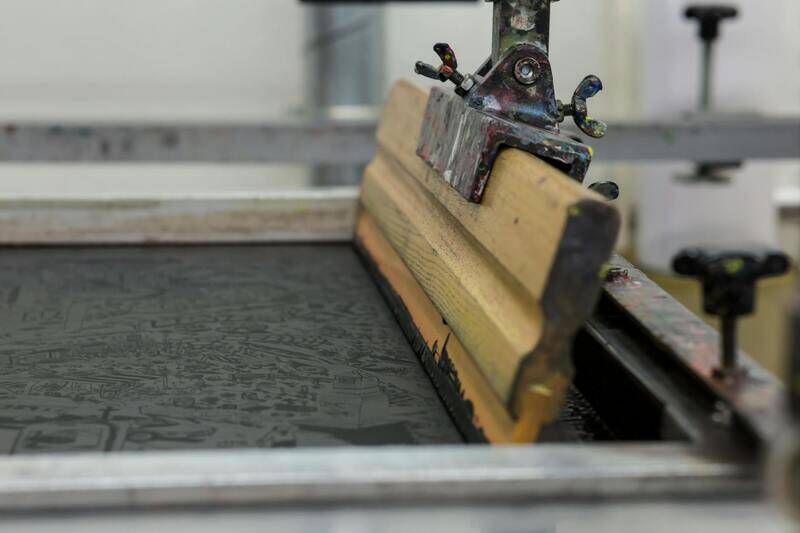
Maintenance practices include routine cleaning with suitable tools and solutions that do not compromise the print’s surface or colors. For instance, gentle wiping with a soft cloth and mild cleaning agents can remove dust and fingerprints without causing damage. For outdoor displays, periodic inspections should be conducted to check for signs of wear, peeling, or fading, allowing for timely repairs or reapplication of protective coatings.
Proper storage when not in use is equally important. Rolling or flat storage in dry, climate-controlled environments prevents creases, warping, or moisture-related deterioration. Considering the use of display cases or covers for outdoor installations also aids in safeguarding the print from environmental stressors.
Ultimately, selecting professional finishing services and adhering to recommended maintenance routines ensure that large format prints retain their visual impact and structural integrity long after they are first produced. This commitment to quality care preserves the initial investment and maintains the high standards associated with professional large format printing.
Advanced Techniques for Ensuring Longevity and Visual Impact in Large Format Printing
Protective Coatings and Laminations
Applying protective coatings is essential to prolong the lifespan of large format prints, especially those exposed to outdoor elements or frequent handling. Polyurethane, UV coatings, and laminate films serve as barriers against moisture, UV radiation, scratching, and dirt accumulation. These finishes not only protect the printed surface but also enhance color vibrancy, offering a more vivid and eye-catching output. The selection of the appropriate coating depends on environmental conditions and the desired appearance, such as matte or gloss finishes.
Installation Techniques for Optimal Display
Proper installation methods are crucial to maintaining the integrity and visual appeal of large format prints. Metal or wooden mounting fixtures should be securely attached according to the weight and size of the print. For outdoor displays, weather-resistant materials and secure anchoring prevent wind or accidental impacts from damaging the print. Additionally, framing the print within a sturdy structure provides additional protection against physical damage and facilitates easier handling during installation or repositioning.

Routine Maintenance and Cleaning
Maintaining the pristine condition of large format prints involves routine cleaning with appropriate tools and solutions. Soft, lint-free cloths are recommended to avoid scratching surfaces. Mild solutions like diluted soap or specialized cleaning agents designed for prints help remove dirt, fingerprints, and environmental pollutants without damaging the surface. For outdoor displays, regular inspections should be conducted to detect any signs of wear such as fading, peeling, or structural damage. Prompt repairs, recoating, or reprinting are necessary to preserve the visual impact and structural integrity.
Storage Precautions for Long-Term Preservation
When large prints are not on display, appropriate storage environments play a vital role in preventing deterioration. Flat storage in climate-controlled areas minimizes the risk of warping or creasing. If rolling storage is preferred, ensuring the print is wound on a large, smooth core with protective covering prevents surface damage. Additionally, avoiding exposure to humidity, direct sunlight, and temperature fluctuations is critical to ensure the longevity of the print. Using protective covers or display cases in outdoor settings offers additional defense against environmental stressors, extending the lifespan of the printed material.
Implementing Professional Finishing Services
Beyond printing itself, employing professional finishing techniques like UV coating, lamination, framing, and mounting can significantly impact the durability and aesthetic quality of large format prints. These finishing methods add a layer of physical protection, facilitate easier installation, and enhance overall presentation. When selecting a service provider, it’s important to focus on those with proven expertise in large format finishing, as improper finishing can lead to premature damage or compromised appearance.
Optimizing Large Format Prints for Long-Term Use
Securing the longevity of large format prints requires adherence to official and reliable preservation methods that ensure the print remains vibrant and structurally sound over time. Proper storage, handling, and protection are integral components of maintaining the integrity of these expansive visual displays, especially when they are meant for prolonged use or display in various environments.
Proper Handling and Storage Guidelines
To prevent damage during periods of non-display, handles should always be used with care, avoiding contact with the printed surface directly to mitigate smudging, scratching, or surface abrasion. When not in use, large prints should be stored flat in a designated climate-controlled environment to prevent warping and deformation. If space constraints necessitate rolling, ensure the print is wound on a large, smooth core with protective backing to shield against surface damage. Furthermore, storing prints in environments with consistent temperature and humidity levels is paramount, as fluctuations can lead to dimensional instability or surface deterioration.

Protective Finishing Techniques
Applying professional finishing treatments can greatly enhance the durability of large format prints. UV coatings serve as a protective layer against ultraviolet rays, which can cause fading over time. Lamination adds a physical barrier that resists scratches, stains, and environmental pollutants, making it ideal for outdoor or high-traffic areas. Framing and mounting not only elevate aesthetic appeal but also protect the edges and surfaces from accidental damage. These finishing options must be selected based on the specific environmental exposure and usage conditions to maximize lifespan and visual retention.
- UV Coatings: Minimize fading and surface discoloration.
- Lamination: Resist scratches, dirt, and moisture.
- Framing: Provide structural support and ease of installation.
- Mounting: Secure the print to various display surfaces for stability.
Regular Maintenance and Inspection
Periodic inspections are crucial to identify early signs of wear or environmental effects. Look for indications such as color fading, surface scratches, pealing, or any structural issues. Prompt intervention through professional repairs or reprinting can prevent further deterioration and maintain the visual impact of the display. Cleaning should be undertaken with gentle, non-abrasive materials, avoiding harsh chemicals that can compromise the print’s surface or protective coating.

Environmental Considerations for Long-Term Display
Location plays a significant role in the preservation of large format prints. Displays in outdoor settings or indoor areas with high humidity or direct sunlight require advanced protective measures. Installing UV-resistant glass or acrylic covers, utilizing weatherproof materials, and ensuring proper ventilation can dramatically reduce exposure to damaging elements. For indoor environments, controlling lighting and environmental conditions helps prevent fading and material degradation, thereby prolonging the print’s lifespan.