
Overview of Poster Design and Printing Services
In Singapore's vibrant commercial landscape, the impact of well-crafted posters remains unparalleled in capturing attention and conveying key messages. Poster design and printing services play a pivotal role in supporting diverse marketing efforts, whether for retail promotions, corporate branding, or special events. These services integrate creative design with high-quality printing technologies to deliver visual communications that resonate with target audiences. As businesses and organizations strive to stand out amidst fierce competition, selecting the right poster solution becomes essential for effective outreach. From initial conceptualization through to final production, professional poster design and printing providers ensure that every detail aligns with branding strategies and campaign objectives.

Public spaces, storefronts, and event venues benefit from compelling posters that attract foot traffic and generate interest. Additionally, customized posters serve as permanent branding tools, reinforcing a company's visual identity. The availability of advanced printing techniques, a variety of materials, and innovative design options makes poster printing a versatile solution adaptable to various needs and budgets. In Singapore, where businesses constantly seek top-tier quality and timely delivery, professional poster services are vital in translating creative concepts into visually striking materials that motivate audiences to act.
Types of Posters and Customization Options
Understanding the various types of posters available is essential in selecting the right format for your campaign. Standard posters come in various sizes, including A3, A2, A1, and larger formats, enabling flexibility for different locations and purposes. For indoor displays, lightweight materials such as paper or cardstock are suitable, while outdoor applications necessitate weather-resistant options like vinyl or fabric substrates.
Customization options extend beyond sizing. Businesses can choose from a broad spectrum of finishes, including matte, gloss, or satin, depending on desired visual effects and durability. Special finishes such as lamination or UV coating can provide additional protection against wear and environmental factors. Additionally, incorporating unique design elements like die-cut shapes, embossed accents, or custom mounting solutions help distinguish your posters in crowded spaces.
Tailor-made posters also encompass specific features such as waterproofing, tear resistance, or magnetic backing, which enhance functionality for particular settings. For campaigns requiring high-impact visuals, large-format posters with vibrant colors and sharp images can be produced using advanced printing technologies to maximize visual appeal. The breadth of customization options allows businesses to align their posters precisely with branding standards, campaign themes, and installation environments.
Choosing the Right Printing Material and Finish
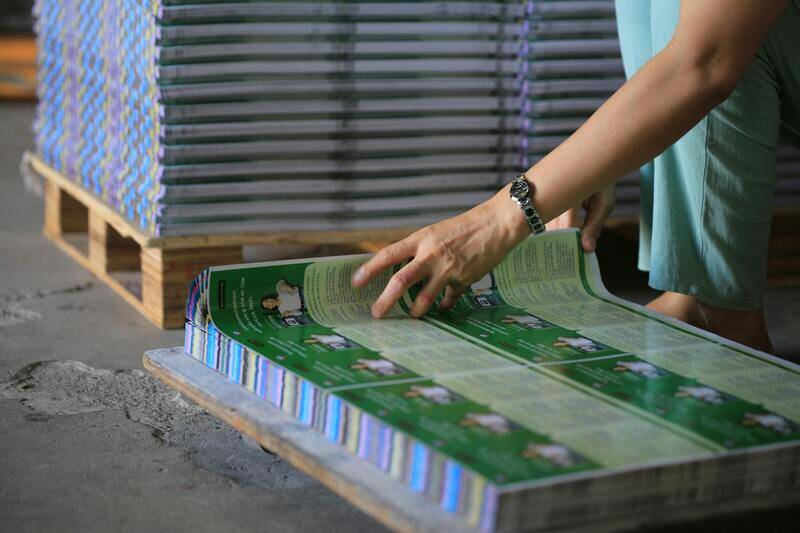
The selection of printing materials significantly influences the durability, appearance, and perceived value of the final product. Common materials include coated and uncoated paper, vinyl, fabric, and rigid substrates such as foam board or acrylic. Each material offers unique advantages; for instance, vinyl is highly weather-resistant, ideal for outdoor posters, while fabric provides a sophisticated, textured look suitable for indoor displays.
Matte finishes are popular for reducing glare, making posters easier to view from various angles, and are often preferred for informational or instructional posters. Gloss finishes enhance color vibrancy and visual impact, making images and graphics stand out dramatically. Satin finishes strike a balance between matte and gloss, offering a smooth sheen that enhances color without excessive glare.
The choice of finish further impacts maintenance and longevity. Protective coatings like lamination or UV coating shield posters from dirt, moisture, and fading, especially in high-traffic or outdoor settings. For indoor applications where aesthetic appeal is paramount, matte or satin finishes combined with high-quality paper or fabric substrates create a refined presentation.

Printing Techniques Used in Poster Production
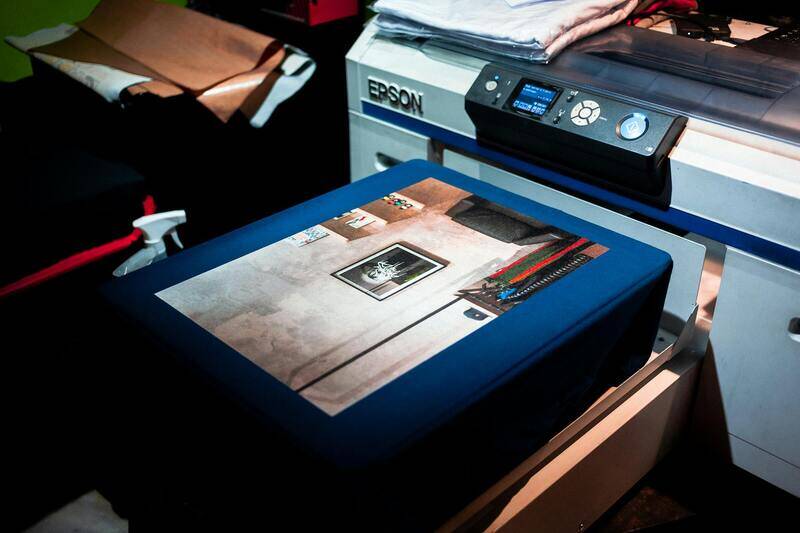
Advanced printing technologies are crucial in producing visually striking and precisely detailed posters. Digital printing is widely favored for its quick turnaround, cost-effectiveness for short runs, and flexibility in color matching. It is ideal for personalized posters, short-term promotions, or quick updates.
For large quantities or high-quality output, offset printing remains a preferred choice. This technique provides superior color accuracy, sharpness, and consistency across batches, making it suitable for campaigns requiring multiple posters with uniform appearance.
Large-format printing, employing solvent, eco-solvent, UV, or latex inks, enables the production of vibrant murals and banners. UV printing, in particular, allows direct printing onto rigid surfaces like acrylic or metal, expanding creative possibilities.
To achieve special effects such as textured finishes or spot UV highlights, finishing techniques like embossing, foil stamping, or varnishing are integrated into the production process. These methods add depth and sophistication, elevating the overall impact of the poster.
Choosing the Right Printing Material and Finish
Selecting appropriate materials and finishes is essential to ensure that posters not only look appealing but also withstand environmental conditions and serve their intended purpose effectively. The choice of material impacts durability, texture, and overall visual impact. Commonly used printing substrates include specialty papers, vinyl, fabric, and rigid boards, each suited for different display settings and longevity requirements.
For indoor posters, high-quality glossy or matte paper provides vibrant color reproduction and a sleek appearance. Matte finishes reduce glare, making posters easier to view from various angles, ideal for exhibitions or office displays. Glossy finishes, on the other hand, enhance color vibrancy and surface shine, perfect for promotional content or artistic displays.
Outdoor posters demand durable, weather-resistant materials like vinyl or laminated surfaces that resist moisture, UV exposure, and tearing. These substrates maintain their visual integrity over extended periods, even in challenging environmental conditions. Additionally, fabric posters are increasingly popular for their lightweight, flexible qualities, and ability to be easily folded or transported.
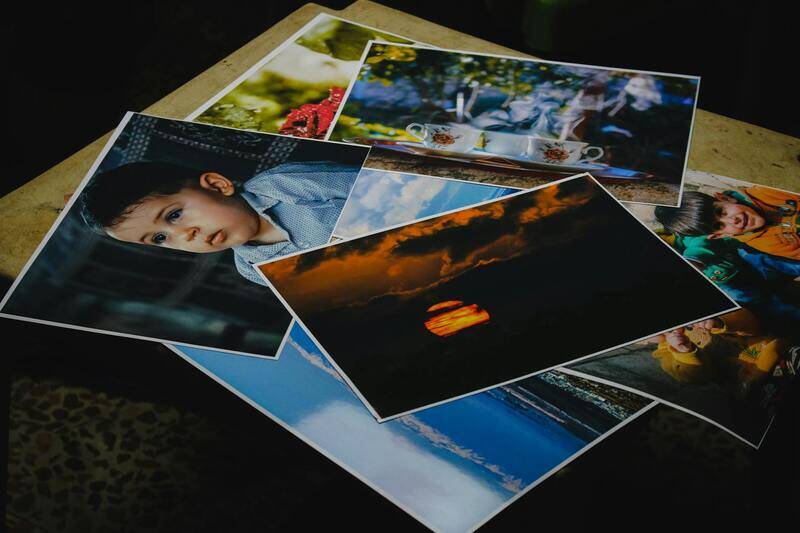
Finish options further enhance the poster's appearance and durability. Laminations can add a protective layer against scratches and fading. Special effects such as spot UV coating provide localized gloss to highlight specific areas, creating visual interest and depth. Embossing or textured finishes can add a tactile dimension to the design, making the poster more engaging.
Designing for Impact and Longevity
When choosing materials and finishes, consider the poster’s placement and duration of display. High-quality substrates combined with strategic finishes ensure that the poster remains attractive and effective throughout its intended lifespan. Collaborating with experienced printing service providers can assist in selecting the right combinations to meet specific campaign goals while optimizing costs.
Choosing the Right Printing Material and Finish
When selecting materials for poster printing, it is essential to consider both the intended display environment and the desired visual impact. Indoor posters benefit from materials that offer vibrant color reproduction and smooth surface finishes. Common options include coated paper, satin, or matte substrates, each providing different aesthetic qualities and tactile experiences. Coated papers afford a glossy appearance that enhances color depth and sharpness, making them ideal for promotional campaigns, artistic displays, or event posters. Satin finishes offer a balanced matte-gloss look, reducing glare while providing excellent color vibrancy.
Outdoor posters require more robust and weather-resistant materials to withstand varying climatic conditions. Vinyl banners, mesh fabrics, and laminated paper are popular choices due to their durability against moisture, UV exposure, and physical abrasion. Vinyl, in particular, offers excellent longevity and flexibility, making it suitable for large-format displays or long-term outdoor advertising. Laminated posters combine the visual qualities of high-quality paper with a protective coating, preventing fading and surface damage over time.

Finish options further influence the aesthetic appeal and lifespan of posters. A gloss finish enhances colors and adds a shiny surface, perfect for catching attention in retail spaces or exhibitions. Matte finishes, on the other hand, help reduce glare and are preferred for detailed informational posters or where elegance is prioritized. Special effects such as spot UV coating can be selectively applied to highlight logos, headlines, or visual focal points, adding a layer of sophistication and visual depth. Textured finishes, including embossing or linen textures, create tactile interest that can elevate the perceived quality of a promotional poster.
For outdoor banners, laminated finishes and weather-resistant substrates are crucial to ensure the poster maintains its visual integrity over extended periods. These options protect against moisture and UV degradation, helping maintain vibrant colors and sharp details. Foam board or rigid PVC materials may also be suitable for semi-permanent indoor displays, providing a sturdy base that resists bending or warping.
Working closely with a professional printing service provider allows for tailored advice based on specific campaign requirements. They can recommend the best combinations of materials and finishes to optimize durability, visual impact, and cost-efficiency. Proper material and finish selection not only enhances the aesthetic appeal but also prolongs the poster's functional lifespan, maximizing the return on investment for marketing or informational campaigns.
Choosing the Right Printing Material and Finish
Selecting appropriate printing materials and finishes is vital for achieving the desired visual impact, durability, and overall effectiveness of posters. Various substrates are available, each suited to specific environments, purposes, and budget considerations. For indoor display, lightweight and versatile materials like coated paper and cardstock offer vibrant color reproduction and ease of handling. Conversely, outdoor posters require more robust options such as weather-resistant vinyl or mesh fabrics that withstand exposure to elements while maintaining high visual clarity.
Finish options further enhance the aesthetic appeal and longevity of posters. Gloss finishes are popular for their ability to amplify colors and provide a shiny, eye-catching surface—ideal for promotional displays in busy retail environments or events. Matte finishes offer a subtle, non-reflective surface, reducing glare and making detailed informational content easier to read, especially under bright lighting conditions. They also lend an elegant, subdued look suitable for more sophisticated or understated displays.
Special effects like spot UV coating or lamination can be applied selectively to highlight key elements such as logos, headlines, or focal points, adding depth and a premium feel. Textured finishes, including embossing or linen textures, provide tactile interest that can elevate the perceived quality and professionalism of a poster. These finishes are particularly effective for branding purposes or high-end campaigns.
For outdoor advertising or semi-permanent indoor displays, laminated coatings and weather-resistant substrates are essential. Laminations protect against moisture, UV damage, and scratches, ensuring the poster’s vibrant colors and sharp details endure over time. When choosing materials and finishes, working closely with a professional printing service ensures optimal pairing based on usage, environmental exposure, and budget. This collaboration helps maximize the poster’s visual impact while ensuring it remains functional and appealing throughout its lifetime.
Importance of Material and Finish Selection
Careful consideration of materials and finishes not only enhances aesthetic quality but also enhances protection against environmental wear and tear. Proper selection can extend the lifespan of posters, reducing the need for frequent replacements and optimizing marketing investments. This strategic approach results in a more efficient and effective promotional campaign, delivering consistent visual messaging and brand recognition over extended periods.
Factors Influencing Cost and Turnaround Time
When planning your poster project, several critical factors come into play that can significantly affect both the overall cost and the delivery schedule. Recognizing these elements helps in setting realistic expectations and enables better resource allocation.
Design Complexity
The intricacy of your poster design directly impacts printing expenses and production timelines. Highly detailed graphics, intricate typography, and elaborate color schemes often require advanced printing techniques and longer setup times. Simple designs with minimal colors and straightforward layouts tend to be more cost-effective and quicker to produce.
Poster Size
The dimensions of your poster influence material costs and handling time. Larger posters demand more raw materials and may require specialized printing equipment, which can elevate expenses. Additionally, larger sizes often involve longer drying and finishing processes, extending the turnaround time.
Material and Finish Selection
The choice of printing substrate and finishing touches also affects cost and speed. Premium materials, such as thicker cardstock or weather-resistant substrates, typically incur higher charges. Similarly, specialized finishes like matte, gloss, or textured coatings require additional application steps, impacting both price and production duration.
Order Quantity
For bulk printing, unit costs tend to decrease due to economies of scale. However, large orders may require extended preparation time, especially if adjustments or customized designs are involved. Balancing quantity with quality expectations is essential for efficient project execution.
Color Specifications
Full-color prints or designs requiring specific color matching, such as Pantone colors, can increase production costs and time. Precise color replication necessitates rigorous calibration and quality control to ensure visual consistency across all copies.

Effective communication with your printing service provider about these factors can streamline the process, prevent unforeseen delays, and help in budgeting accurately. An experienced service provider will provide detailed quotations and timelines tailored to your specific poster project, ensuring a smooth workflow from concept to delivery.
Factors Affecting Poster Printing Quality and Reliability
Choosing a dependable poster printing service is fundamental to achieving high-quality results that align with your marketing or branding objectives. When evaluating potential providers, several criteria should be examined beyond just price and turnaround times.
Reputation and Customer Feedback
Reliable printing companies often have a verifiable track record, demonstrated through positive customer reviews and testimonials. A company's reputation gives insight into their consistency, professionalism, and ability to meet deadlines, which are crucial for successful poster campaigns.
Portfolio and Sample Work
Reviewing a printer’s portfolio allows you to assess the quality standards and variety of their work. Quality samples that showcase clarity, color accuracy, and finish techniques serve as valuable references for what you can expect from your project.
Technical Expertise and Equipment
State-of-the-art printing technology ensures precision, vibrant colors, and durable finishes. A service provider equipped with the latest digital or offset printing machines, advanced color calibration tools, and a variety of substrate options can fulfill diverse design needs and produce consistent results.
Material and Finish Options
The ability to customize your posters with premium materials and specialized finishes significantly enhances visual impact and longevity. A reliable provider offers a broad selection of paper stocks, weather-resistant substrates, and coating options such as matte, gloss, or textured finishes.
Customer Support and Communication
Effective communication channels, transparent quoting processes, and responsive support are key indicators of a trustworthy service. Clear guidance on design specifications, material choices, and order updates can streamline production and mitigate potential issues.
Compliance with Industry Standards
Adherence to industry best practices and quality control protocols guarantees that your posters meet all necessary standards for print clarity, color fidelity, and durability. This compliance ensures your finished product will perform as intended across various applications.

By carefully evaluating potential providers based on these factors, you can secure a printing partner capable of delivering posters that are visually striking, durable, and aligned with your branding requirements. Investing time in selecting the right service not only enhances the visual appeal of your posters but also optimizes overall project efficiency and outcomes.
Tips for Ensuring High-Quality Poster Printing
Achieving outstanding results in poster printing relies on meticulous preparation and effective communication with your chosen service provider. To guarantee that your final product aligns perfectly with your vision and standards, consider the following best practices:
1. Prepare and Submit High-Resolution Files
Use design files with a minimum of 300 DPI resolution to ensure crisp and clear visuals. Avoid stretching or enlarging low-resolution images, as this can lead to blurriness and pixelation. Save your files in preferred formats such as PDF, TIFF, or EPS, which preserve quality and are widely accepted by professional printers.
2. Follow Exact Color Specifications
Specify color standards, like Pantone colors, to maintain consistency, especially for brand-specific hues. Providing color proofs or swatches alongside your files can further assist in achieving accurate color reproduction.
3. Confirm Production Proofs
Request a physical or digital proof before the full run to review layout, colors, and overall appearance. This step allows you to identify and correct any discrepancies early, avoiding costly reprints or delays.

4. Clarify Material and Finish Choices
Discuss your material preferences and desired finishing options with your printer. Confirm specifics such as paper stock, coating types (e.g., matte, gloss), and special textures to match your design intent and durability requirements.
5. Provide Clear Instructions and Deadlines
Ensure that your instructions on size, layout, and any special features are communicated clearly and in detail. Establish realistic timelines for production and delivery, especially if your project is time-sensitive.
6. Review and Maintain Open Communication
Maintain active engagement with your printing partner throughout the process. Promptly address any questions or requests for clarification, which can expedite production and prevent misunderstandings.
7. Conduct Post-Print Inspection
Upon receiving your posters, conduct a thorough quality check, examining aspects such as color accuracy, print clarity, and overall finish. Immediate inspection allows you to identify defects or issues that may require resolution or reprinting.
By implementing these practices, you can significantly enhance the quality and visual impact of your posters, ensuring the final product effectively communicates your message and stands the test of time.
