
Understanding the Need for Faster Poster Printing
In today’s fast-paced business environment, the demand for rapid poster printing has increased significantly across various industries. Whether it's for urgent marketing campaigns, last-minute event promotions, or quick turnaround requirements for academic and corporate presentations, the ability to produce high-quality posters swiftly is vital. This urgency is often driven by tight deadlines and the necessity to capitalize on trending topics or time-sensitive opportunities. The importance of faster poster printing extends beyond just meeting deadlines; it also enhances operational efficiency. Businesses leveraging rapid printing solutions can respond more flexibly to market changes, enabling them to stay ahead of competitors. Similarly, educational institutions and event organizers benefit from quick turnaround times, ensuring that promotional materials, informational displays, and visual aids are ready when needed. The increasing complexity of poster designs, which often include detailed graphics, high-resolution images, and vibrant colors, further elevates the demand for advanced printing solutions that do not compromise quality while speeding up the production process. As the expectations for visual impact grow, so does the necessity for a seamless, efficient printing workflow that can handle diverse design requirements without delays. Below are typical scenarios where faster poster printing plays a crucial role:
- Urgent promotional campaigns requiring quick dissemination of brand messages.
- Last-minute event needs, such as conferences, exhibitions, and community events.
- Time-sensitive academic or corporate presentations that demand visual aids on short notice.
- Rapid response to market trends or seasonal campaigns that need immediate visual support.
- Production of multiple versions or updates of posters within a limited timeframe.

Choosing the Right Printing Technology for Speed
Selecting an appropriate printing technology is critical for achieving faster poster production without compromising quality. Digital printing methods are preferred for their quick setup times and high-quality output, making them ideal for short-run, high-volume projects that require rapid turnaround. Wide-format inkjet printers equipped with advanced print heads and high-speed capabilities can significantly reduce production time, especially for large posters with complex graphics.
Latest advancements in printing technology, such as UV-curable and latex printing systems, also contribute to faster workflows by allowing immediate handling and finishing of prints. These systems often feature rapid print speeds, enhanced color management, and reduced drying times, facilitating swift transition from printing to post-processing stages.

Pre-press Preparation for Rapid Workflow
Efficient pre-press steps are vital for minimizing delays and ensuring smooth printing operations. Proper file management, including standardized templates and optimized image files, can streamline the setup process. Pre-press checks for color accuracy, resolution, and bleed settings prevent recalibration or reprints, saving valuable time. Automation tools and pre-flight software can identify file errors immediately, allowing corrections before printing begins. Establishing a well-organized digital workflow with saved presets for common poster sizes and design configurations further accelerates the preparation process, reducing manual intervention.
Consistent communication between the design and production teams ensures that all specifications are clear and adhered to, which reduces the need for rework and expedites project completion.
Optimizing Materials and Substrates for Faster Printing
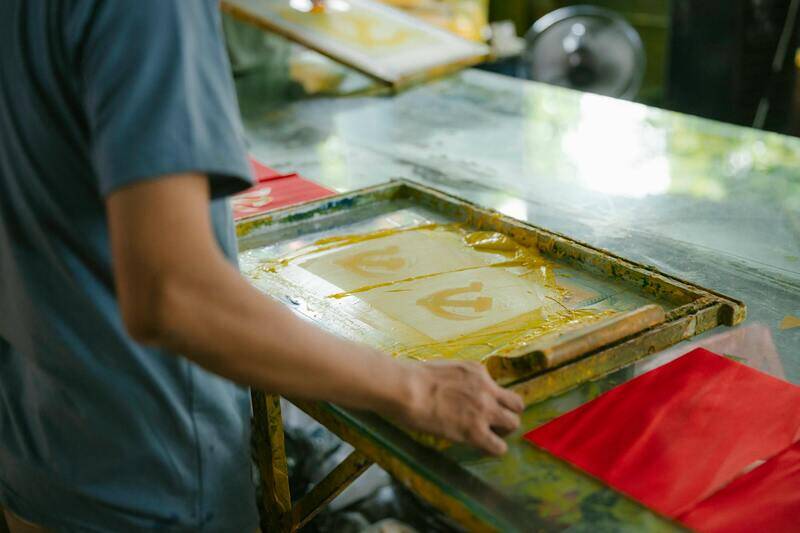
The choice of printing substrates plays a significant role in turnaround time. Selecting materials that dry quickly and require minimal handling can greatly enhance overall efficiency. For instance, synthetic films and coated papers designed for fast ink absorption reduce drying times, enabling immediate processing or display. Moreover, lightweight and flexible substrates are easier to handle and load, decreasing the time spent on manual adjustments or repositioning during printing. Compatibility between the chosen media and the printing technology ensures optimal ink adherence and color fidelity, minimizing reprints or corrections.
Streamlining Post-Processing and Finishing
Post-processing activities such as cutting, laminating, and mounting are integral to delivering a polished product. Implementing automated finishing equipment, like digital cutters and laminators, can significantly shorten this phase. By integrating finishing stations into the printing workflow, organizations can handle large volumes efficiently and reduce delays.
Speeding up post-processing also involves strategic planning, such as batching similar projects and scheduling finishing tasks immediately after printing. This approach minimizes idle time and ensures rapid delivery of completed posters ready for distribution or display.
Implementing Workflow Efficiency Strategies
Adopting comprehensive workflow management practices ensures every step in the printing process contributes to faster turnaround times. Techniques include dedicated production schedules, real-time monitoring systems, and team training focused on speed and accuracy. Investing in integrated production management software can optimize job queues, automate routine tasks, and alert operators to potential bottlenecks. Continuous evaluation and refinement of operational procedures maintain high efficiency levels, enabling printing facilities to meet tight deadlines consistently.
Impact of Faster Poster Printing on Business Operations
Enhanced printing speeds translate directly into increased operational agility. Businesses can capitalize on emerging marketing opportunities by reducing lead times for promotional materials. Event organizers benefit from the ability to produce large quantities of posters on short notice, ensuring timely support for their activities. Overall, rapid poster printing capabilities allow organizations to stay competitive by responding swiftly to market trends, client demands, and internal scheduling needs. Efficient workflows support higher volume outputs without sacrificing quality, thus creating a more resilient and adaptable production environment.
Understanding the Need for Faster Poster Printing
In today’s competitive landscape, speed is a vital component of effective poster printing services. Whether for marketing campaigns, event promotions, or internal communications, businesses and organizations seek methods to produce high-quality posters rapidly without compromising on clarity or vibrancy. An accelerated printing process enables more flexible scheduling, quick response to market trends, and increased capacity to handle urgent requests. Additionally, fast turnaround times can significantly enhance client satisfaction by delivering projects within tight deadlines, fostering long-term relationships and repeated collaborations.
Efficient poster production is especially critical when managing high-volume campaigns or time-sensitive projects. By minimizing wait times from design to delivery, organizations can seize timely opportunities, adapt swiftly to last-minute changes, and respond to dynamic market conditions. The ability to produce posters swiftly also supports better inventory management, reducing storage costs and ensuring fresh, relevant promotional materials are consistently available for display or distribution.

Implementing strategies to accelerate poster printing involves understanding key processes, selecting suitable equipment, and optimizing workflows. Leveraging advanced printing technologies, such as high-speed digital and large-format printers, can significantly cut production times. Furthermore, preparing design files properly, selecting appropriate materials, and refining post-print finishing procedures all contribute to faster overall turnaround. Recognizing these factors helps organizations meet demanding deadlines while maintaining high standards of print quality.
Key Factors Influencing Poster Printing Speed
- Printing Technology: The type of printer used greatly impacts speed. Digital printers offer rapid print cycles ideal for short-run and on-demand prints, whereas large-format printers cater to wider, high-quality posters with swift output capabilities.
- Material Compatibility: The choice of substrates and media that align with the selected printing technology can streamline the process. Pre-primed, compatible materials reduce setup time and ensure consistent results.
- Design Preparation: Well-prepared digital files, with correct resolution and color profiles, minimize printing errors and reprints, saving valuable time.
- Workflow Management: Automated processes, from job queuing to finishing, reduce manual intervention and shorten turnaround times.
- Post-Processing Equipment: Efficient cutting, lamination, and mounting machines facilitate quick finishing, enabling faster project completion.
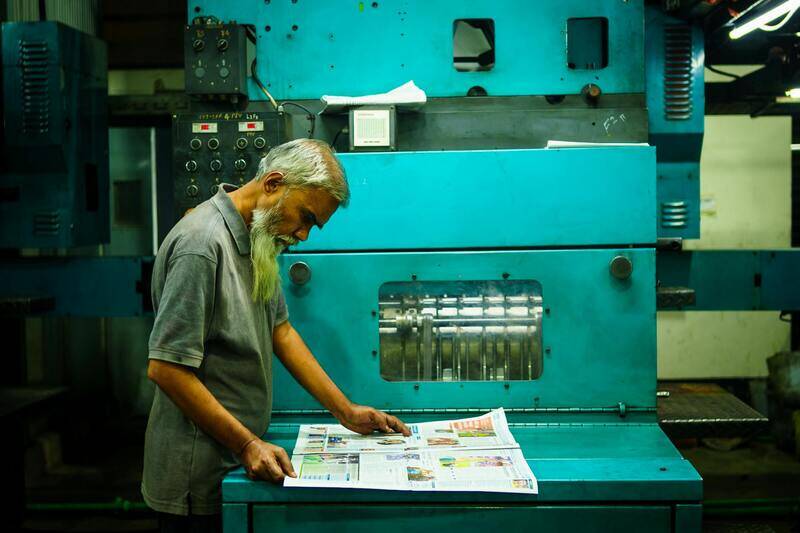
Focusing on these key factors allows print providers to enhance operational efficiency, ensuring that each stage of the process—from file preparation to final inspection—is optimized for speed without compromising on quality. Establishing clear protocols, routine equipment maintenance, and staff training are also crucial in maintaining consistent high-speed output.
Choosing the Right Printing Technology for Speed
Opting for the right printing technology is fundamental to achieving faster poster production. Digital printing systems, renowned for their quick setup times and high throughput, are ideal for short to medium runs. Their ability to instantly switch between jobs without extensive setup makes them advantageous for reactive marketing campaigns and personalized posters.
Large-format printers, equipped with advanced print heads and high-speed capabilities, expedite the production of large-sized posters with vivid color reproduction and sharp detail. These machines often incorporate features such as roll-to-roll printing, enabling continuous output and reducing downtime between jobs.
Choosing between these technologies depends on the specific requirements of the project, including volume, size, and desired quality standards. Investing in versatile, high-performance printers ensures rapid turnaround times and the flexibility to handle a diverse range of poster jobs efficiently.
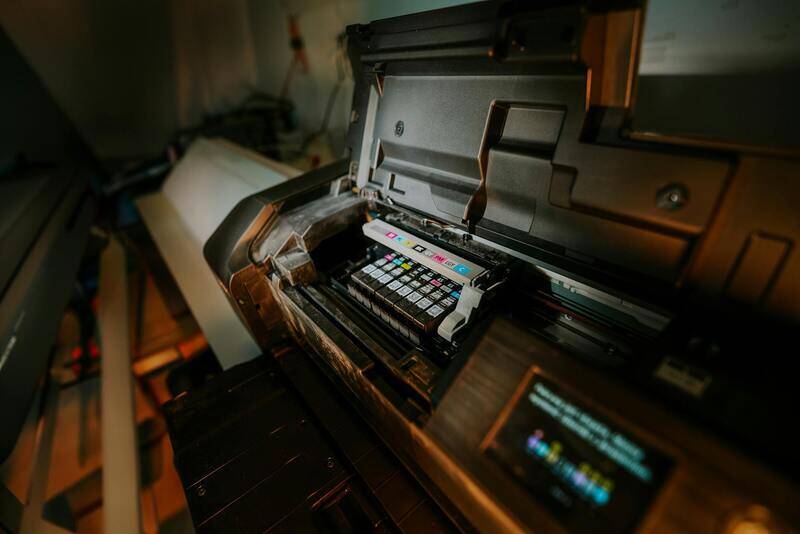
Integrating these printers into a streamlined workflow, supported by high-quality materials and skilled operators, maximizes their productivity. Additionally, digital workflows that incorporate direct-to-substrate printing reduce the need for multiple steps, further accelerating the process and enabling quick deliveries for critical projects.
Pre-press Preparation for Rapid Workflow
Effective pre-press preparation is essential to ensure quick turnaround times for poster printing. This process involves meticulous file management, proper formatting, and optimized workflows to prevent unnecessary delays. Ensuring that all design files adhere to the correct specifications—such as appropriate resolution, color profiles, and bleed settings—reduces the need for on-the-fly adjustments during printing.
Utilizing standardized templates and color management systems helps preserve color accuracy and consistency across different print batches, minimizing reprints or corrections. Digital file preparation software enables operators to pre-screen files for potential issues, such as resolution problems or incompatible formats, ahead of time, which streamlines the transition from design to print.
Automation tools that incorporate job batching and queue management further expedite the process. These systems allow multiple poster jobs to be scheduled and executed sequentially without manual intervention, reducing idle time and maximizing printer utilization. Clear communication with clients regarding file specifications and deadlines ensures that all materials are ready for swift processing, avoiding last-minute hiccups that could slow down production.
Optimizing Materials and Substrates for Faster Printing
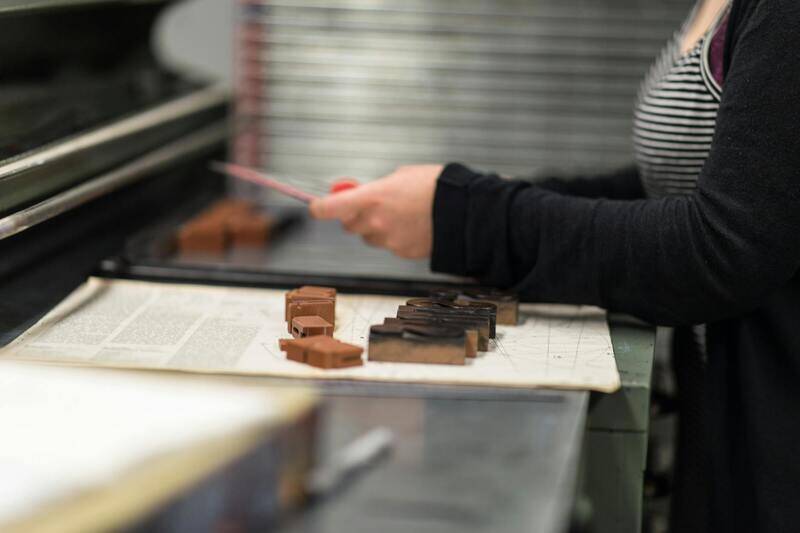
The choice of materials directly impacts the speed and efficiency of poster production. High-quality, compatible substrates designed for rapid printing enable smoother operation and reduce the risk of jams or misalignments. For instance, roll-to-roll media with compatible coatings for digital printing systems facilitate continuous printing, eliminating frequent media changes that could slow down the process.
Adopting substrates that dry quickly or are suitable for quick curing methods also accelerates post-printing handling. This is especially critical when urgent delivery is required. Using lightweight materials that are easy to load and unload reduces downtime during media changes and handling, further contributing to a swift production cycle.
Inventory management plays a crucial role as well. Maintaining an organized stock of diverse sizes and types of media ensures availability when needed, avoiding delays caused by sourcing or stock shortages. Partnering with suppliers who can provide fast, reliable delivery of printing substrates guarantees a seamless workflow from start to finish.
Streamlining Post-Processing and Finishing
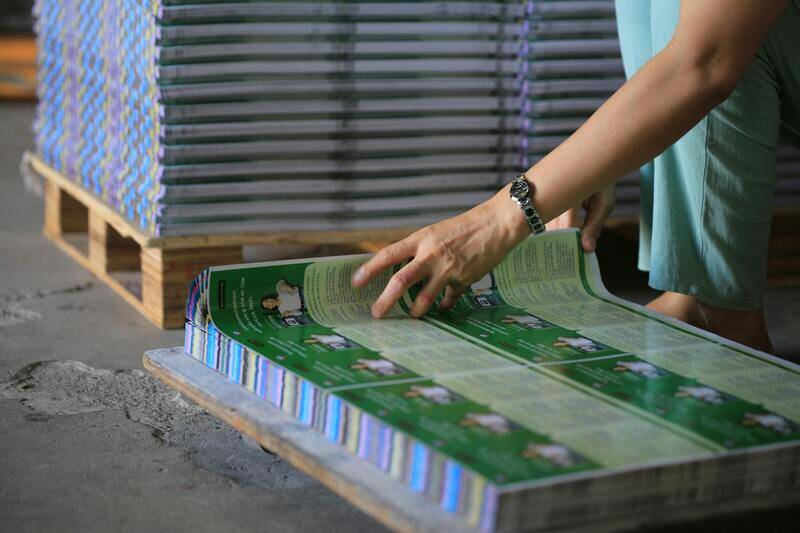
Post-processing procedures, such as cutting, lamination, mounting, and framing, can significantly influence overall turnaround time. Implementing automated finishing solutions, such as digital cutters and laminators, accelerates these steps by reducing manual labor and increasing precision.
For instance, high-speed cutting tables equipped with computerized controls allow for rapid, accurate trimming with minimal setup time. Thermal or cold lamination units designed for quick operation protect printed posters and extend their lifespan without delaying the schedule.
Mounting techniques that utilize quick-drying adhesives and self-adhesive backing minimize handling time and enable rapid completion of large orders. Additionally, stacking and storage solutions that support efficient organization of finished posters prevent bottlenecks during order fulfillment.
Establishing a dedicated finishing area with ergonomic workflows ensures that each step—from cutting to mounting—is executed efficiently, maintaining high throughput without compromising quality.
Optimizing Materials and Substrates for Faster Printing
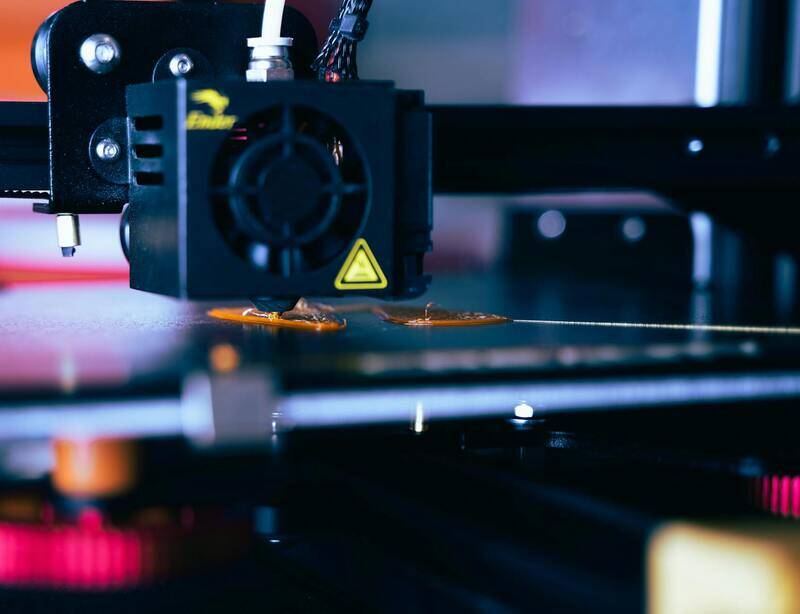
Choosing appropriate materials and substrates is integral to accelerating poster production without compromising quality. For high-throughput environments, selecting substrates that are engineered for rapid ink absorption and fast drying times can significantly reduce overall production times. For instance, synthetic substrates such as polyesters or vinyl banners are designed to dry quickly and withstand handling, making them ideal for projects requiring swift turnaround. Furthermore, paper-based substrates like gloss or satin photo papers engineered with quick-dry coatings facilitate rapid finishing and handling. These materials minimize wait times during the printing process and can be processed further immediately after printing, thus speeding up the entire workflow. Implementing lightweight and flexible materials also helps streamline handling and transportation within the workflow. Products with self-adhesive properties or pre-mounted backings are advantageous when immediate mounting or installation is required, reducing secondary processing steps. Another consideration involves the thickness and surface finish of substrates; thinner materials with smooth textures tend to pass through printers more efficiently, decreasing the likelihood of jams or misalignments, which can delay production. When selecting substrates, ensure compatibility with your chosen printing technology to optimize ink adherence and drying times. By carefully balancing durability, printability, and drying characteristics, modern substrates enable faster processing, helping printers meet tight deadlines and handle larger volumes seamlessly.

Implementing Workflow Efficiency Strategies
Enhancing the overall efficiency of the printing workflow involves adopting structured procedures and leveraging technological advancements. Establishing a well-organized production sequence minimizes idle times and maximizes throughput. Start by integrating a comprehensive job management system that prioritizes tasks based on complexity and delivery schedules. Clear scheduling ensures that each stage of the process—from digital file preparation to printing, drying, and finishing—is synchronized. Automation plays a crucial role in expediting workflows. Incorporating software-controlled printers, automated sheet feeders, and robotic finishing equipment reduces manual intervention, decreasing the likelihood of errors and delays. For example, digital cutters integrated with your printing system can automatically trim posters with high precision and speed, aligning with fast-paced production demands. Pre-configuring equipment settings for different job types enables quick setup for recurring print jobs. Maintaining an organized workspace, where substrates, inks, and tools are systematically arranged for easy access, minimizes downtime. Regular maintenance of printing devices and finishing machinery ensures consistent performance and prevents unexpected breakdowns that can disrupt schedules. Furthermore, staff training on the latest operational procedures and troubleshooting techniques enhances productivity, ensures quality consistency, and quickens turnaround times.

Understanding the Need for Faster Poster Printing
In today’s fast-paced market, the demand for quick turnaround times has become a significant factor for businesses specializing in poster printing. Whether catering to urgent marketing campaigns, event promotions, or last-minute client requests, the ability to produce high-quality posters rapidly can provide a competitive edge. Speed in poster printing not only meets tight deadlines but also enhances customer satisfaction, fosters repeat business, and streamlines overall operational efficiency. The need for rapid production cycles emphasizes the importance of selecting appropriate printing methods, optimizing workflow processes, and maintaining equipment readiness to ensure consistent, timely delivery of printed materials.
Key Factors Influencing Poster Printing Speed
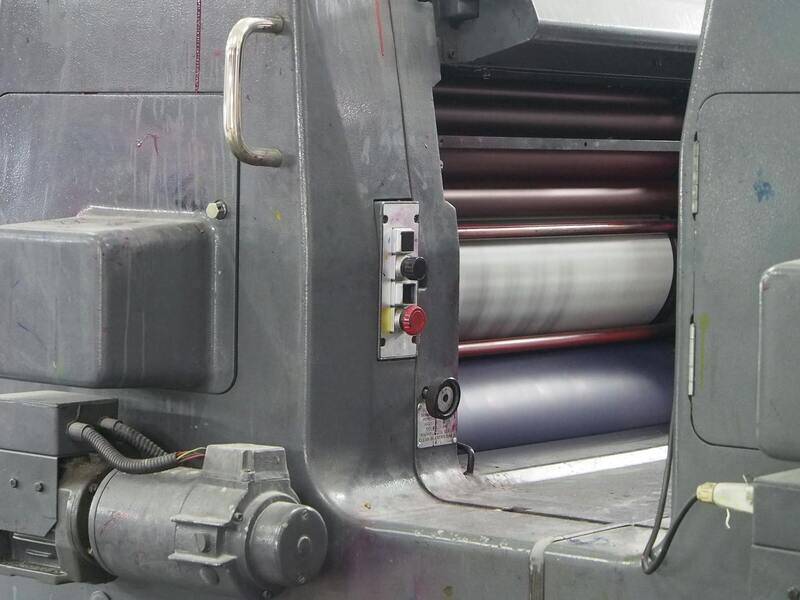
Several elements influence the speed at which posters can be produced, from technological choices to workflow organization. High-performance printers with faster printing capabilities are foundational. Equipment specifications such as print resolution, print head speed, and the ability to handle large-format substrates directly impact overall throughput. Additionally, the choice of inks and substrates can affect drying times and finishing processes, further influencing production timelines.
- Printer Technology: Advanced digital presses, UV flatbeds, and roll-to-roll printers often offer higher speeds and greater flexibility.
- Pre-press Preparation: Ensuring digital files are properly prepared to minimize troubleshooting and adjustments during printing expedites the process.
- Workflow Automation: Utilizing automated job routing and finishing equipment reduces manual handling and accelerates each step.
- Material Handling: Optimized storage and pre-selection of substrates decrease setup times.
- Staff Expertise: Knowledgeable staff can troubleshoot quickly and adapt to technical demands, avoiding delays.
Choosing the Right Printing Technology for Speed
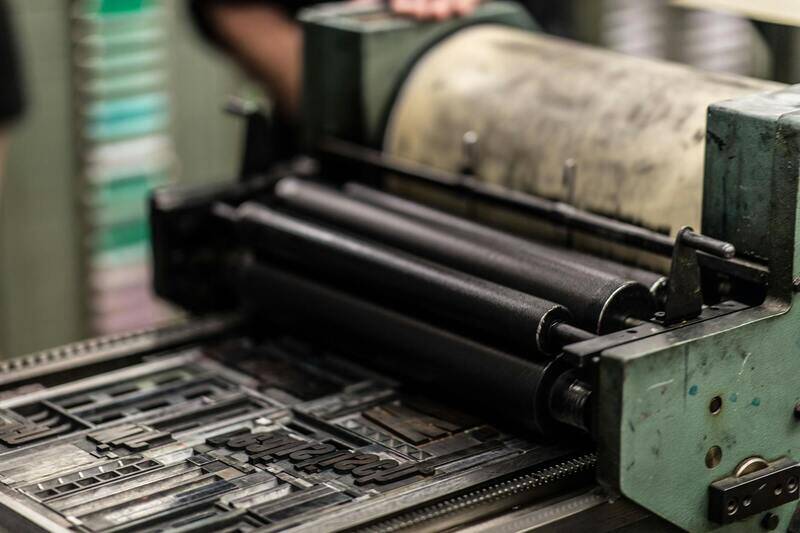
The selection of an appropriate printing technology is paramount in achieving faster poster production. Digital printers equipped with high-speed print heads and optimized for large-format printing are ideal for rapid jobs. UV-curable printers, in particular, excel in producing posters with consistent quality at higher speeds because they cure ink instantly, reducing drying times and enabling quicker processing for finishing stages.
Moreover, roll-to-roll printers facilitate continuous printing without frequent stopping, significantly reducing production time for large batches or lengthy posters. Conversely, flatbed UV printers are advantageous when working with thicker substrates or specialty finishes necessary for certain advertising materials.
Implementing multichannel inks can also speed up printing by allowing a single pass to produce detailed, vibrant images without multiple passes or adjustments, further reducing production cycles.

Pre-press Preparation for Rapid Workflow
Efficient pre-press processes are critical for minimizing delays during the actual printing phase. Proper digital file preparation, including optimized resolution, correct color profiles, and file formats, ensures smooth printing workflows. Automating file checks and using templates for common poster dimensions can reduce manual setup time.
Implementing standardized procedures for file approval and pre-flighting helps identify potential issues early, preventing halts during printing. Integrating workflow management software allows for seamless communication between design and production teams, aligning schedules and prioritizing urgent jobs. When digital files are ready before entering the printing stage, minimal adjustments are necessary, resulting in faster turnaround times.
Optimizing Materials and Substrates for Faster Printing
The choice of materials directly impacts overall production speed. Selecting substrates that are compatible with the selected printing technology is essential. Thinner, more flexible materials tend to dry faster and handle more efficiently, reducing nibbling and finishing times.
Pre-cut or pre-rolled substrates prepared in bulk can decrease setup times and material handling. Using specialized coatings or inks designed for rapid drying ensures that drying or curing stages are accelerated, which is particularly beneficial when quick mounting or lamination is required.
Additionally, organizing materials systematically in the workspace ensures quick access, preventing downtime caused by material searches or misplacement. Establishing supplier relationships for fast delivery of substrates and consumables sustains uninterrupted production flows, crucial for meeting tight deadlines.
Implementing Workflow Efficiency Strategies
Enhancing the speed of poster printing requires a comprehensive approach to workflow management. Effective scheduling ensures that resources are allocated optimally, avoiding bottlenecks and idle times. Strategic planning involves setting clear priorities for urgent jobs and utilizing project management tools that offer real-time updates, facilitating better coordination across teams.
Automation plays a pivotal role in expediting the printing process. Incorporating workflow automation software allows for automatic file pre-flighting, routing, and approval processes, significantly reducing manual intervention. This technology helps identify issues early, such as color mismatches or file errors, enabling corrections before actual printing begins. Automated schedules can also allocate machine time efficiently, ensuring a continuous flow of jobs without unnecessary delays.
Collaboration among design, pre-press, and production teams is crucial for maintaining a rapid turnaround. Establishing clear communication channels ensures that everyone remains updated on project statuses, changes, and deadlines. Regular meetings and digital collaboration platforms enable quick decision-making and problem-solving, which are essential when operating under tight schedules.
Training staff to proficiently use equipment and software further accelerates production. Skilled personnel are able to resolve issues swiftly, operate complex machinery efficiently, and perform quality checks rapidly, maintaining high standards while reducing turnaround times. Continuous process reviews and adopting best practices also ensure that workflows adapt to evolving technologies and demand levels.
- Implement comprehensive scheduling tools that align production timelines with client requirements.
- Utilize automation for repetitive tasks such as file pre-flighting, color management, and routing.
- Maintain clear communication channels for immediate problem-solving and updates.
- Invest in staff training to maximize operational efficiency.
- Regularly review workflows for potential improvements and integration of new technologies.
By applying these strategies, printing operations can significantly reduce the time required to produce posters, fulfilling client expectations while maintaining quality standards. Effective workflow management not only shortens turnaround times but also enhances overall operational efficiency, ensuring the business remains competitive in a fast-paced market environment.

Strategies for Legally Accelerating Poster Printing Processes
Achieving faster poster production without compromising quality involves adopting a variety of methods that adhere to established industry standards and official procedures. Businesses can leverage advanced, authorized printing technologies alongside optimized workflows to meet tight deadlines effectively.
Utilizing Authorized Printing Equipment and Software
Employing certified and sanctioned printing machinery ensures results are both efficient and reliable. Modern digital presses equipped with high-speed capabilities can handle large-format posters at remarkable speeds while maintaining crisp image quality. Additionally, professional printing software that is correctly licensed enables quick pre-press operations, such as file validation, color calibration, and layout adjustments.

Precise Pre-press Procedures
Properly preparing your digital files before printing is essential for smooth and swift outputs. This includes verifying resolution, color profiles, and bleed settings, using legitimate software that conforms to industry standards. Consistent file formatting reduces the likelihood of errors during printing, saving valuable time.
Streamlined Material Selection and Handling
Choosing the appropriate substrates, such as high-quality, ready-to-use materials, minimizes delays caused by material shortages or incompatibilities. Procuring supplies from reputable sources and maintaining an organized inventory system ensures fast access to necessary materials, allowing uninterrupted production.
Automated Workflow Integration
Implementing automation tools that are compatible with authorized systems can significantly expedite repetitive tasks. Automated routing, scheduling, and quality checks reduce manual intervention, lowering the risk of bottlenecks and human error. These official automation solutions enhance overall workflow efficiency and are compliant with industry standards.
Efficient Post-Processing and Finishing
Adopting legitimate post-processing equipment, such as digital cutters and laminators designed for high-volume output, accelerates the finishing process. Proper training on these machines ensures staff operate them correctly, further reducing turnaround times without risking equipment damage or inferior results.
Maintaining Quality While Increasing Speed
Speed should not compromise quality. Regular calibration and maintenance of authorized equipment help sustain high-quality standards even during rapid production runs. Employing certified quality control procedures guarantees that each poster meets the desired specifications, reinforcing client trust and satisfaction.
Conclusion
Legitimate methods for faster poster printing focus on certified technologies, precise planning, and optimized workflows. By choosing authorized machinery, adhering to standard operational procedures, and maintaining a well-organized production environment, printing entities can significantly reduce turnaround times while ensuring consistent quality. This approach not only meets urgent client demands but also upholds the integrity and reputation of the printing business.
