Types of Poster Printing Services
Overview of Various Poster Printing Options Available
When selecting poster services, understanding the different printing methods available is essential to achieving the desired quality and impact. The most common options include digital printing, large-format printing, and eco-friendly printing methods, each suited for specific needs and budgets.
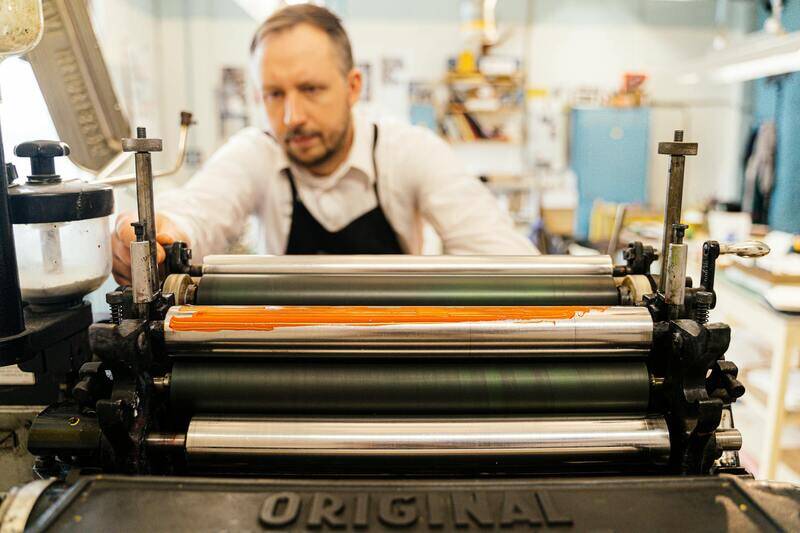
Digital Poster Printing employs high-resolution inkjet or laser technology, making it ideal for small to medium runs. This method offers quick turnaround times, vivid color reproduction, and precise detail, making it perfect for marketing campaigns, event announcements, or educational materials that require quick delivery and high-quality visuals.
Large-Format Poster Printing is designed for producing oversized posters, often exceeding standard print dimensions. This method utilizes specialized wide-format printers capable of printing in sizes like 24x36 inches or larger, ensuring that visuals remain sharp and vibrant at larger scales. Such posters are commonly used for outdoor advertising, exhibition displays, or promotional banners where visibility from a distance is critical.

Eco-Friendly Printing Methods focus on sustainability by using environmentally conscious inks and recyclable materials. These services appeal to organizations committed to reducing their ecological footprint while still delivering high-quality posters. Eco-friendly printing is particularly popular among businesses with green initiatives or those seeking to boost their brand’s environmental responsibility.
Each printing method has specific advantages and applications, making it vital to choose the right one based on the intended use, budget, and deadline. Leveraging modern poster services can ensure your visuals are professional, impactful, and aligned with your branding efforts.
Material and Finish Choices
Selecting the appropriate material and finish is essential to ensure that your posters achieve their intended impact and durability. Common materials used in poster printing include high-quality paper, vinyl, and canvas, each offering distinct advantages suited to different applications. Standard poster paper provides a smooth, printable surface that is ideal for indoor displays, offering vibrant color reproduction and a sleek appearance. For outdoor environments or surfaces exposed to the elements, vinyl material is preferred due to its water resistance, durability, and ability to withstand UV rays without fading. Canvas printing lends a textured, artistic feel to posters, often used for gallery displays or premium marketing materials, providing a sophisticated aesthetic that emphasizes quality and craftsmanship.

Finishing Options to Enhance Poster Longevity
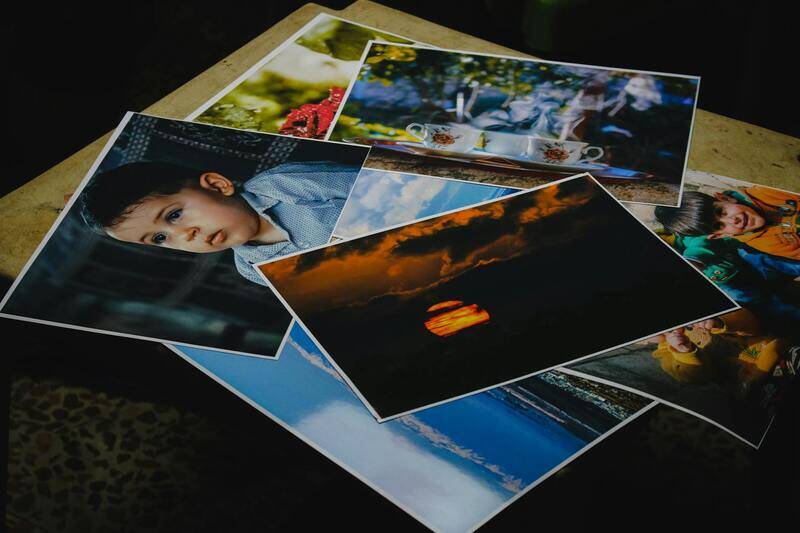
Finishing techniques play a vital role in protecting posters and enhancing their visual appeal. Lamination is a popular choice, offering a protective layer that guards against scratches, moisture, and fading, especially useful for posters that will be handled frequently or subjected to outdoor conditions. UV coatings provide an additional layer of protection against sun damage, ensuring vibrant colors retain their clarity over time. Matte finishes produce a non-reflective surface, reducing glare and providing an elegant, subdued appearance suitable for professional settings or artwork displays. Conversely, gloss finishes enhance brightness and enhance color vibrancy, making posters eye-catching in retail or promotional environments.
Optimizing Material and Finish for Your Specific Needs
Choosing the right material and finish depends on several factors, including the installation environment, expected lifespan, and overall visual strategy. For instance, posters intended for outdoor use should utilize vinyl with UV coating to resist weathering and fading, ensuring longevity. Indoor posters, particularly for exhibitions or displays that require high-quality visuals, might benefit from canvas with matte finishing to reduce glare and provide a gallery-like appearance. When considering eco-conscious options, many printing services now offer recyclable papers and environmentally friendly coatings, aligning with sustainability goals while maintaining high standards of print quality.
Material and Finish Choices
When selecting the appropriate poster printing service, understanding the variety of materials and finishes available is essential for achieving the desired visual and physical qualities of your posters. The choice of material influences durability, appearance, and suitability for different environments. Standard paper options, such as gloss or satin finishes, are suitable for indoor displays and short-term advertising campaigns, offering vibrant color reproduction and sharp detail. For outdoor applications or long-term use, materials like vinyl are recommended due to their weather-resistant properties, with options for enhanced durability through lamination or UV coating.

In addition to material selection, the finish contributes significantly to the poster's visual impact and resilience:
- Lamination: Adds a protective layer that guards against scratches, moisture, and fading, prolonging the poster's lifespan.
- UV Coating: Provides superior protection against sun damage, ensuring colors stay vibrant for outdoor displays.
- Matte Finish: Offers a non-reflective surface, preventing glare and imparting a sophisticated look, ideal for art exhibitions or professional presentations.
- Gloss Finish: Enhances brightness and color vibrancy, making posters stand out, especially in retail environments or promotional events.
These options allow for tailoring the poster's appearance to specific needs, whether aiming for high visibility or elegant subtlety. When considering environmental factors, eco-friendly options such as recyclable papers and sustainable coatings are increasingly available, blending quality with sustainability.
Proper material and finish selection ensures the poster’s performance aligns with its intended display setting and lifespan, maximizing visual effectiveness and durability.
Customization Services for Posters
Poster services offer a wide range of customization options designed to meet specific branding and marketing needs. Clients can request posters in various sizes, from standard dimensions like A3, A2, or A1 to bespoke dimensions that suit unique display spaces. Custom shapes are also available, including circular, oval, or die-cut designs, which help create eye-catching visuals that stand out from conventional rectangular posters.
Incorporating brand elements is a key aspect of customization, enabling businesses to reinforce their identity through consistent use of logos, color schemes, and taglines. This personalized branding enhances recognition and helps to communicate the intended message more effectively. Some poster services also provide options for adding textured finishes or incorporating special effects such as embossing or foil stamping, further elevating the design's visual appeal.

Printing Turnaround Time and Cost Factors
Efficient turnaround times are essential for timely marketing campaigns and event promotions. Typically, standard poster printing can be completed within 24 to 48 hours, but expedited services are available for urgent requirements, often at an additional cost. The complexity of the design, size, material choice, and finishing options influence the overall timeline and expense.
Cost considerations depend heavily on factors such as volume, material quality, and special finishes. Bulk orders typically benefit from discounted rates, making large promotional campaigns more cost-effective. Eco-friendly materials and sustainable coatings might carry a premium but add value through environmental responsibility. Transparent quotes and detailed breakdowns from a reputable poster service provider ensure clients can plan their budgets accurately while achieving the desired visual impact.
Indoor vs. Outdoor Poster Printing
The choice between indoor and outdoor poster printing hinges on environmental exposure and durability requirements. Indoor posters focus on aesthetics, often utilizing high-resolution printing and finishes that enhance color vibrancy and clarity. They are ideal for retail displays, exhibitions, and conference settings where appearance is paramount.
Outdoor posters demand more robust materials that withstand weather elements such as rain, sunlight, and wind. Vinyl banners, weather-resistant papers, and laminated surfaces provide the necessary protection. UV coatings help preserve color integrity under prolonged sun exposure, while thicker substrates prevent damage from physical contact or adverse environmental conditions.

Where to Use Posters Effectively
Posters serve as versatile marketing tools suitable for diverse environments. They are highly effective in retail settings to promote sales, new product launches, or special events. In public spaces such as transportation hubs, community centers, and universities, posters help disseminate information swiftly and visibly.
Inside corporate offices or at trade shows, posters reinforce branding and corporate messaging. They also play a crucial role during festivals, concerts, or sports events to direct foot traffic, inform attendees, and generate excitement. When strategically placed in high-traffic areas, posters maximize exposure and engagement, making them a valuable asset in any comprehensive advertising strategy.
Design Considerations for Posters
When creating a poster, the visual hierarchy is crucial to ensure that the viewer’s attention is captured and the message is conveyed effectively. The choice of colors, typography, and imagery must align with the intended purpose and audience. High-resolution images and crisp graphics foster a professional appearance, while concise, impactful text delivers key information swiftly.
Size and layout are also pivotal. Larger posters are suitable for public display areas where visibility from a distance is necessary, such as billboards or event banners. Conversely, smaller posters work well indoors, in areas like retail spaces or notice boards. An organized and balanced layout enhances readability, guiding the viewer’s eye naturally from the headline to the supporting details.
Another vital aspect is the inclusion of clear calls to action. Whether prompting viewers to visit a location, participate in an event, or contact for more information, the call to action must be prominent and easy to understand. Proper use of negative space and strategic placement of text and graphics contribute to a clean, professional look that draws attention without clutter.

Customization Services for Posters
Custom poster services allow businesses to tailor their visual communications precisely to their branding guidelines and campaign objectives. This includes selecting specific sizes, materials, finishes, and mounting options to suit both indoor and outdoor environments. Customization extends to integrating logos, slogans, and unique graphics that reinforce brand recognition.
Many print providers offer design support, helping clients develop visually compelling posters from initial concepts or existing designs. This collaborative process ensures that the final product aligns with strategic goals and visually resonates with the target audience.
Additionally, advanced options such as matte or gloss finishes, UV coatings, and special laminates can enhance durability and aesthetics. These choices protect the poster from scratches, fingerprints, and environmental factors, extending its lifespan and maintaining high visual standards.
For installations requiring unique mounting solutions, custom framing, PVC backing, or magnetic attachments are available. Such options ensure that posters are securely displayed and visually integrated into various environments, from retail counters to large outdoor banners.
Material and Finish Choices
Choosing the right material and finish for a poster is crucial to ensure it meets the specific needs of the intended environment and purpose. Different materials provide varying levels of durability, texture, and visual appeal, influencing how the poster captures attention and withstands environmental factors.
- Glossy Finish: Offers vibrant color reproduction with a shiny surface that enhances images and text, making it ideal for indoor displays where visual impact is paramount.
- Matte Finish: Provides a muted, non-reflective surface that reduces glare, suitable for environments with strong lighting or when readability is a priority.
- Vinyl Banners: Durable and weather-resistant, perfect for outdoor advertising, with options for semi-gloss or matte textures based on strategic display goals.
- Backlit or Transparent Materials: Used for window displays or backlit installations, allowing light to pass through for eye-catching effects.
- Special Coatings: UV coatings and laminates can be applied to protect posters against scratches, water, and fading, significantly extending their lifespan in both indoor and outdoor settings.
Material selection should align with the poster’s location, longevity requirements, and desired aesthetic. For outdoor posters, weather-resistant options like vinyl or laminated substrates are recommended to withstand environmental exposure. Indoor posters, on the other hand, can utilize lighter materials with advanced finishes to enhance visual appeal.
Design Considerations for Posters
Effective poster design hinges on clear visual communication, strategic use of space, and aligning with brand identity. A well-designed poster guides the viewer’s eye seamlessly from a compelling headline to the supporting imagery and call-to-action.
- Visual Hierarchy: Prioritize elements such as headlines, images, and key messages to direct attention naturally.
- Color Scheme: Use colors that reflect brand identity and evoke desired emotional responses, maintaining consistency across marketing channels.
- Typography: Select legible fonts and appropriate sizes to ensure readability from various distances.
- Imagery: Incorporate high-quality images that complement the message and attract interest.
- Whitespace: Employ strategic spacing to prevent clutter and improve overall clarity.
Designing with the target audience in mind enhances effectiveness, whether for promoting products, events, or brand awareness. Incorporating your branding elements structurally within the poster ensures it reinforces your visual identity seamlessly.
Customization Services for Posters
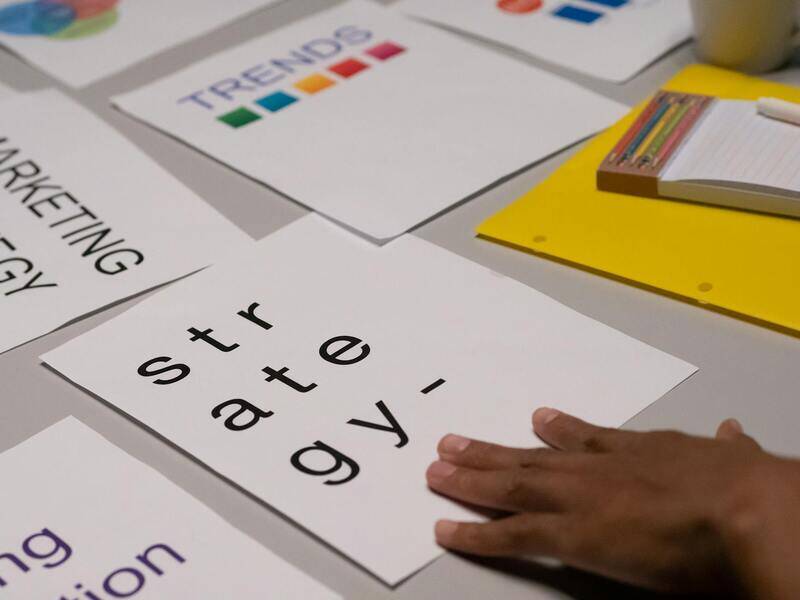
Customization elevates poster campaigns by tailoring every aspect to specific branding and messaging needs. It allows businesses to select dedicated sizes, formats, materials, and mounting options, fitting various display contexts, from indoor retail spaces to outdoor billboards.
- Size and Layout: Choose from standard or custom dimensions to optimize visibility and space utilization.
- Material and Finish: Select suitable substrates, finishes, and coatings that match environmental demands and aesthetic preferences.
- Graphics and Branding: Integrate logos, slogans, and custom graphics for consistent brand messaging.
- Mounting and Framing: Explore options such as magnetic, adhesive-backed, or framed solutions for secure and aesthetically cohesive installations.
- Design Assistance: Many services offer professional guidance to develop compelling visual content that aligns with strategic goals.
Technical improvements like UV coatings or matte finishes can significantly enhance durability and visual impact. Custom mounting options, including sleek frames or magnetic attachments, facilitate easy and flexible installation across different environments, supporting both temporary and long-term campaigns.

Types of Poster Printing Services
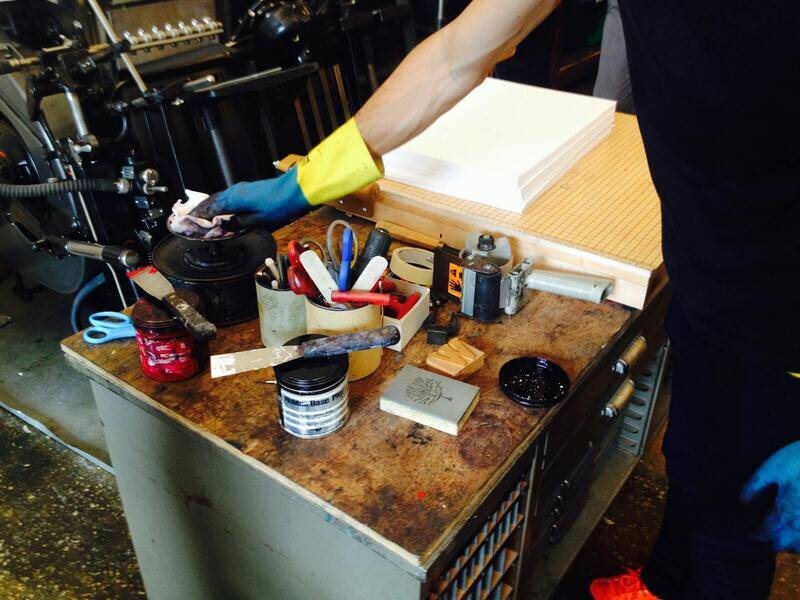
Poster printing services encompass a broad range of options designed to meet diverse needs for visibility, durability, and aesthetic appeal. Standard digital printing is the most common, suitable for short to medium runs with quick turnaround times. For projects requiring high-resolution images or vibrant color reproduction, large-format inkjet printing offers crisp details and vivid hues. Screen printing remains relevant for creating posters with thick ink layers, especially for limited color palettes and specialty effects. Additionally, there are eco-friendly options utilizing sustainable inks and recycled substrates, aligning with environmental commitments. Some providers specialize in specialty finishes such as embossing, lamination, or spot UV coating, elevating the tactile experience and overall presentation of posters.

Material and Finish Choices
The selection of materials and finishes significantly influences the durability, appearance, and functionality of posters. Common materials include glossy, matte, or silk-coated paper for indoor displays, where glare reduction and color vibrancy are priorities. For outdoor environments, weather-resistant materials such as corrugated plastic, vinyl, or laminated paper offer enhanced resilience against moisture, UV rays, and wind. Finishes like matte coatings help minimize reflections, ideal for posters viewed under bright lighting, while gloss finishes amplify colors, making images pop. Special coatings such as UV-protective layers extend the lifespan of outdoor posters. Texture options, including linen or canvas finishes, can add a unique tactile dimension suitable for artistic or premium branding applications.

Design Considerations for Posters
Effective poster design hinges on clarity, visual hierarchy, and alignment with branding objectives. Using bold headlines with legible fonts ensures quick comprehension, while high-contrast color schemes draw attention from afar. Incorporating imagery and graphics that reinforce the message enhances visual impact. Maintaining a balanced layout, with sufficient whitespace around key elements, prevents overcrowding and guides viewers' focus. Incorporating brand logos and taglines consistently across designs fosters recognition and reinforces messaging. Consider viewing distances and environmental lighting when selecting font sizes and color schemes for maximum readability. Moreover, integrating QR codes or call-to-action prompts can facilitate direct engagement, linking offline visuals with digital campaigns.
Customization Services for Posters
Customization potentiates the effectiveness of poster campaigns by ensuring designs align precisely with branding, messaging, and display requirements. Clients can opt for specific sizes, from standard A0 or A1 to bespoke dimensions tailored to particular spaces. Material selection is customized based on environmental exposure—weatherproof vinyl for outdoor use or lightweight paper for indoor banners. Finishing touches such as matte or gloss coatings, lamination, and mounting solutions are adjustable to suit aesthetic and functional needs. Graphics and branding elements can be deeply personalized—incorporating logos, slogans, and bespoke illustrations to create cohesive visual narratives. Some providers offer professional design assistance, guiding clients through the creative process to develop compelling, high-impact posters that resonate with target audiences. Specialized mounting options, including magnetic or adhesive-backed options, facilitate flexible installation across various surfaces, supporting both promotional campaigns and event setups.
Printing Turnaround Time and Cost Factors
The timeline and pricing for poster printing are influenced by several technical and logistical considerations. Standard digital printing typically delivers completed posters within 24 to 48 hours, making it suitable for urgent campaigns. Large-format or specialty print methods may necessitate longer production times, especially for complex finishes or customized materials. Cost factors include the size of the posters, material choices, quantities ordered, and finishing specifications. Bulk orders generally benefit from discounts, whereas smaller, bespoke projects may entail higher per-unit expenses. High-resolution images and premium finishes can also elevate costs but substantially improve visual quality and durability. When planning for printing, it’s essential to account for lead times required for design iterations, proofing processes, and material procurement to ensure timely deployment of marketing or informational campaigns.
Indoor vs. Outdoor Poster Printing
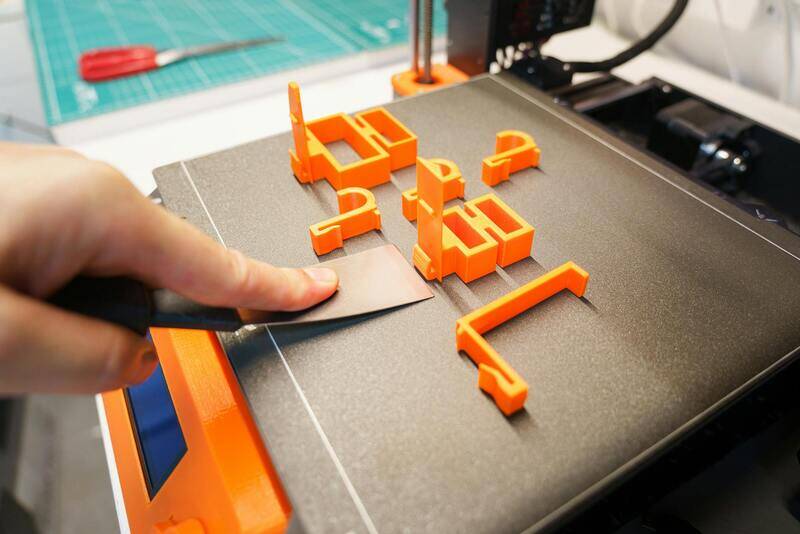
The environmental exposure and intended viewing context dictate the choice of printing method and materials. Indoor posters benefit from lighter, aesthetically pleasing materials such as silk or matte paper that emphasize vibrancy and fine detail. As indoor spaces are typically controlled environments, these posters are less susceptible to damage. Conversely, outdoor posters require durable, weather-resistant substrates like vinyl or corrugated plastic, coupled with protective coatings to withstand UV degradation, moisture, and physical wear. Mounting options also differ; outdoor posters often employ robust framing, lamination, or adhesive solutions to secure their position in varying weather conditions. The design approach for outdoor posters emphasizes high contrast and bold visuals to maintain visibility from a distance, while indoor posters can incorporate intricate graphics and subtle color gradations for closer inspection.

Types of Poster Printing Services
Poster printing services vary based on the techniques employed and the specific needs of each project. Common types include digital printing, offset printing, large-format printing, and solvent or UV printing. Digital printing is favored for short runs and quick turnaround times due to its cost-effectiveness and high-resolution output. Offset printing is suitable for large volumes, offering consistent color quality and economical per-unit costs for bulk orders. Large-format printing focuses on producing oversized posters that are ideal for banners, trade shows, or outdoor advertising, utilizing specialized printers capable of handling expansive media. Solvent or UV printing provides durable, weather-resistant posters, especially useful for outdoor applications where exposure to the elements is a concern. Selecting the right type of service hinges on factors such as intended display location, quantity, quality expectations, and timeline requirements.

Material and Finish Choices
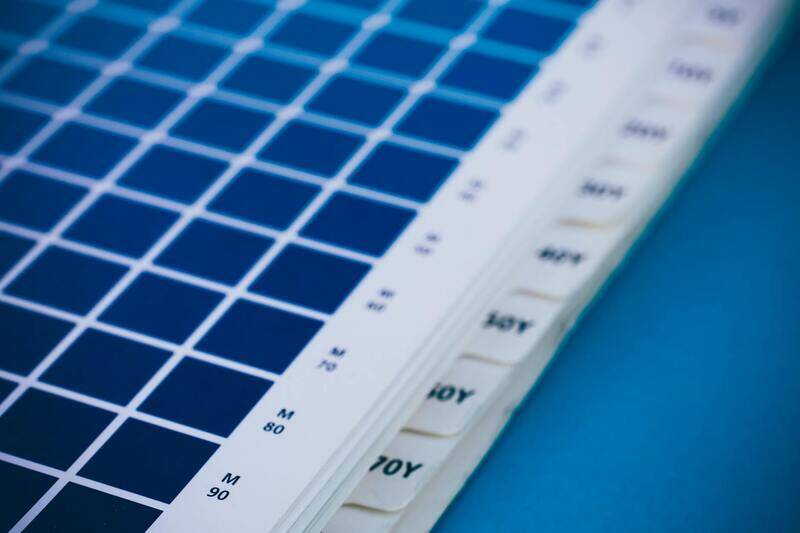
The selection of materials and finishes significantly influences the visual impact and longevity of posters. Common substrates include gloss, matte, satin, and silk papers, each offering unique aesthetic qualities. Gloss paper enhances vibrancy and color depth, making images pop, while matte paper reduces glare and is preferred for readability in well-lit environments. Satin and silk finishes provide a balanced sheen that lends sophistication without excessive reflectivity. For outdoor or high-traffic areas, durable materials such as vinyl, weather-resistant fabric, or corrugated plastic are preferred due to their resistance to environmental factors. Finishing options like lamination, UV coating, or mounting frames add additional protection, enhance durability, and can tailor the poster’s appearance to specific needs. For instance, high-gloss lamination accentuates bright colors, while matte lamination reduces fingerprints and glare.
Design Considerations for Posters
Design plays a crucial role in attracting attention and conveying messages effectively. When planning poster layouts, it’s essential to prioritize clarity, visual hierarchy, and appropriate use of typography and imagery. Bold headlines, contrasting color schemes, and striking visuals ensure the poster stands out from a distance, especially in outdoor settings. For detailed or informational posters, a clean layout with easy-to-read fonts aids comprehension. Incorporating branding elements in a cohesive manner further reinforces recognition. Keep in mind the viewing distance; larger text and bolder visuals are necessary for posters intended to be viewed from afar, such as billboards or point-of-sale signage, while indoor posters may allow for intricate designs and finer details. Ensuring high-resolution images and professional graphic design support the overall impact and effectiveness of the poster.
Customization Services for Posters
Many poster printing providers offer customization options to meet the specific requirements of clients. These services may include bespoke sizing, unique finishing touches, custom mounting or framing, and tailored color matching. Advanced customization can also encompass incorporating special effects such as embossing, foil stamping, or spot UV coatings that add texture and visual intrigue. Digital proofing services enable clients to review the design and make adjustments before mass production, helping to achieve the desired aesthetic. Customization ensures that each poster aligns perfectly with branding guidelines, campaign themes, or event-specific needs, providing a distinct competitive edge and enhancing the overall presentation.
Printing Turnaround Time and Cost Factors
Efficient turnaround times are achievable through digital printing services, which can produce posters in as little as 24 hours, depending on order complexity and volume. Larger projects or those requiring specialized finishes may entail longer production times, often ranging from a few days to a week. Cost factors are influenced by the size of the poster, material choices, quantity, complexity of design, and desired finishes. While bulk orders typically benefit from reduced per-unit costs, small batches or custom designs may incur higher expenses due to setup and material costs. Urgent requirements may attract additional fees, especially for premium finishes or special materials. Proper planning and early consultation with the printing service facilitate cost-effective solutions aligned with project timelines.
Indoor vs. Outdoor Poster Printing
The environmental conditions and intended viewing experience define the approach to indoor versus outdoor poster printing. Indoor posters are often printed on lighter materials like matte or silk paper, emphasizing clarity and fine detail, suitable for galleries, retail displays, or conference spaces. These materials offer aesthetic appeal and are less susceptible to environmental damage. Conversely, outdoor posters require durable substrates such as vinyl or weather-resistant fabric, capable of resisting UV rays, moisture, wind, and physical impact. Protective coatings like lamination or UV-resistant laminates are essential to preserve color fidelity and structural integrity over time. Design strategies also differ: outdoor posters typically feature bold colors and high-contrast visuals to maintain visibility from a distance, while indoor posters can incorporate intricate details and subtle color schemes for close-up viewing.