Understanding Brochure Printing Services
In the competitive landscape of business marketing, brochure printing services play a crucial role in visually communicating a brand’s message, products, and services to potential clients. These printed marketing materials serve as tangible representations of a company’s identity, offering a versatile format that can be tailored to various promotional needs. The primary purpose of brochure printing is to deliver information in a compelling and engaging manner, often providing detailed insights that can influence customer decisions.
Brochures come in multiple formats and styles, each suited to different marketing strategies and target audiences. Common types include bi-fold, tri-fold, z-fold, and booklet brochures. Each style offers unique advantages in layout and space efficiency. For instance, a tri-fold brochure provides six panels for organized information segmentation, ideal for product catalogs or service overviews. Meanwhile, booklet brochures afford more pages for detailed content, making them suitable for comprehensive company profiles.
Employing professional brochure printing services garners several benefits for businesses operating in Singapore. Firstly, high-quality printed brochures elevate brand prestige and establish credibility, especially when using premium materials and finishes. Secondly, print marketing materials are tangible assets that can be handed out at trade shows, mailed to prospective clients, or displayed at strategic locations, ensuring sustained visibility. Moreover, custom-designed brochures can effectively highlight unique selling propositions, fostering stronger customer engagement.

Choosing the Right Printing Materials
When aiming for professional and durable brochures, the selection of printing materials is crucial. High-quality paper stocks not only impact the visual appeal but also influence the tactile experience, which can significantly enhance a company's brand perception. Matte, gloss, and silk finishes are among the most commonly used options, each imparting a distinct look and feel suited for different marketing objectives.
For premium presentations, heavier paper weights ranging from 150gsm to 300gsm provide a sturdy, upscale feel that can leave a lasting impression. Thinner stocks, such as 90gsm or 120gsm, are suitable for more budget-conscious projects or where flexibility and lightness are priorities. Additionally, the choice of texture—such as linen, embossed, or smooth—can add a layer of sophistication and tactile interest.

Finishing techniques further elevate brochure aesthetics and protection. UV coating, for example, provides a glossy sheen that highlights vibrant colors and offers resistance to scratches, making it ideal for eye-catching designs. Matte finishes, on the other hand, reduce glare, creating a more refined and elegant appearance, and are often preferred for text-heavy brochures to improve readability. Specialty finishes like soft-touch lamination or spot UV embellishments can accentuate specific design elements, guiding the viewer’s focus effectively.
Texture options such as linen or embossed effects can also play a pivotal role, especially when aiming for a tactile experience that communicates quality and craftsmanship. These choices must align with the overall branding and target audience to ensure consistency and maximum impact.
Understanding Brochure Printing Services
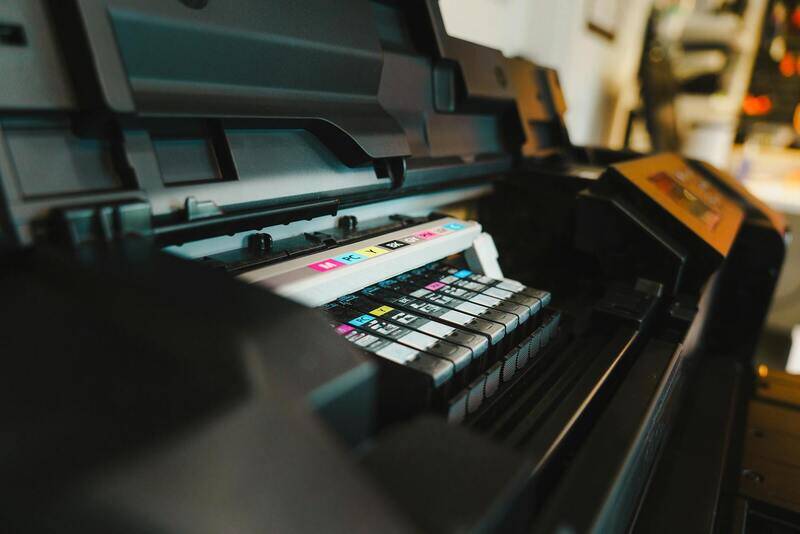
When considering brochure printing, it's essential to understand the various methods and processes involved in producing high-quality marketing materials. Brochure printing services utilize advanced digital and offset printing technologies to ensure precision, vibrant colors, and consistency across large batches. Digital printing offers quick turnaround times and flexible customization for small to medium runs, making it ideal for urgent campaigns or personalized brochures. Offset printing, on the other hand, excels in producing high-volume orders with impeccable print fidelity, ensuring that every detail is faithfully reproduced. Additionally, quality control measures such as color calibration and proofing processes are integral to maintaining consistency and meeting client expectations.
Choosing the right printing service hinges on several factors including project size, budget, and desired turnaround time. Reputable brochure printing providers within Singapore employ state-of-the-art equipment and adhere to strict quality standards. They typically offer consultation services to help clients select the best printing options tailored to their campaign goals. Furthermore, many offer additional features such as variable data printing, which allows for personalized brochures that can target specific audiences effectively. This level of customization enhances engagement and response rates, making the investment in professional printing highly worthwhile.

Choosing the Right Printing Materials
The selection of suitable materials is fundamental to achieving a compelling and durable brochure. High-quality paper stocks not only improve the tactile experience but also contribute to the overall visual impact. Thicker paper weights, such as 170gsm to 300gsm, are frequently used for covers or premium brochures, providing a sturdy and luxurious feel. Inner pages can range from 90gsm to 150gsm, balancing weight and flexibility. Texture options like linen, linen embossed, or textured finishes can add a tactile dimension that enhances brand perception and invites closer inspection.
Finish choices also have a significant impact. Matte finishes are favored for their elegant, non-reflective surface, which improves readability and provides a sophisticated look. Glossy finishes, however, amplify vibrant colors and are ideal for image-heavy brochures designed to catch the eye. Silk finishes blend both qualities, offering a smooth, semi-matte sheen that boosts visual appeal without excessive glare. Specialty finishes such as soft-touch lamination or spot UV coating can serve to accentuate specific details or create visual hierarchies within the design.
Design Considerations for Effective Brochures
A well-designed brochure seamlessly combines visuals and content to communicate a clear message. Strategically positioning elements such as headlines, images, and calls-to-action guides the reader's eye and encourages engagement. Designing with branding consistency in mind—including logo placement, color schemes, and font choices—ensures recognition and reinforces brand identity. Readability is paramount; choosing legible fonts, appropriate font sizes, and sufficient white space creates a clean, professional appearance. Incorporating high-quality imagery that aligns with the message enhances visual appeal and credibility.
In addition, layout considerations such as grid alignment, balance, and hierarchy play crucial roles in creating an intuitive flow. Incorporating convex and concave design elements or using contrasting colors can emphasize key points. When considering brochure dimensions and folds, be sure to select options that complement the content and structural integrity. Use of infographics and icons can simplify complex information and make the brochure more engaging. Ultimately, a cohesive and carefully curated design strategy maximizes the effectiveness of your brochure as a marketing tool.
Overview of Printing Techniques and Finishes
Choosing the appropriate printing technique is essential to achieving the desired quality and production efficiency for your brochure. Digital printing offers rapid turnaround times and is ideal for small to medium runs, providing sharp images and vibrant colors. It is a cost-effective method when producing fewer copies, with minimal setup required. Offset printing, on the other hand, is suited for high-volume orders, delivering superior color accuracy and consistency across large batches. This process involves creating plates for each color, which helps maintain high fidelity in reproducing complex designs and photographs.

Beyond the base printing process, selecting the right finishing touches can significantly elevate the overall look and feel of your brochures. Gloss finishes create a shiny, reflective surface that enhances vivid imagery and color depth, making your design elements stand out with brilliance. Matte finishes offer a sophisticated, subdued appearance that reduces glare, ideal for a more elegant or understated look. UV coating provides a durable, high-gloss surface that resists scratches and fingerprints, providing a lasting impression. Soft-touch lamination adds a velvety feel to the surface, imparting a luxurious touch and enhancing tactile engagement. Spot UV coating can be selectively applied to emphasize particular design features such as logos or headings, creating contrast and visual interest. Each finish can be tailored to match your brand identity and the message you want to convey, ultimately making your brochure more attractive and memorable.
Understanding Brochure Printing Services
When exploring brochure printing services, it is essential to understand the various methods and capabilities that can be tailored to your marketing objectives. Effective brochure printing involves selecting not only the appropriate printing process but also the right materials, design, and finishing options. Digital printing, for example, offers quick turnaround times and is perfect for small to medium batches, providing high-quality images with vibrant colors. Offset printing, on the other hand, is optimal for larger quantities, ensuring consistent color accuracy and sharp detail across extensive runs. The decision between these methods hinges on your project scope, budget, and desired visual impact. A reputable brochure printing service will assess these factors and recommend the most suitable options to meet your specifications.

Choosing the Right Printing Materials
The selection of printing materials plays a pivotal role in shaping the perception of your brochure. High-quality paper stocks, such as gloss, matte, or silk finishes, can significantly influence tactile feel and visual appeal. Gloss paper offers a shiny surface that enhances bright colors and vibrant visuals, ideal for showcasing photographs and bold designs. Matte finishes provide a subdued look that reduces glare, lending an elegant, understated appearance suitable for professional or sophisticated brands. Silk finishes strike a balance, offering smoothness and durability that work for most purposes. Thicker cardstock options provide sturdiness, making your brochures more durable and suitable for handouts or promotional kits. Additionally, eco-friendly paper options made from recycled materials or sustainable fibers are increasingly popular, aligning your branding with environmentally conscious practices.

Design Considerations for Effective Brochures
Creating an impactful brochure begins with strategic design choices that communicate your message clearly and attractively. A clean layout with balanced use of space ensures your content does not appear cluttered and guides readers seamlessly through the material. High-resolution images and consistent branding elements, such as logos and colors, reinforce your identity and make the brochure memorable. Font selection should prioritize readability while aligning with your brand style. Incorporating compelling headlines and concise copy further engages your audience. Moreover, strategic placement of calls-to-action encourages recipients to interact with your brand, whether via website visits, inquiries, or visits to your physical location. Consider utilizing visual hierarchy, contrast, and alignment to create a professional, polished look that captures attention and communicates your message effectively.
Printing Techniques and Finishes
The printing techniques chosen can dramatically alter the brochure's presentation. Common methods include digital printing, suitable for quick orders and personalized projects, and offset printing, which excels in producing high-volume, vibrant, and precise color outputs. Finishes such as gloss or matte coatings, UV varnishes, and lamination options not only enhance visual appeal but also add layers of protection against wear and tear. Spot UV coating can be selectively applied to highlight specific sections, such as logos or headlines, offering a distinctive contrast. Embossing or debossing may be used to add texture, making certain elements stand out physically for a tactile experience. A combination of these techniques and finishes can craft a brochure that is not only visually stunning but also durable and engaging, elevating your overall marketing efforts.
Eco-Friendly and Sustainable Printing Options
As businesses increasingly prioritize environmental responsibility, eco-friendly brochure printing options are gaining prominence. Sustainable materials such as recycled paper, FSC-certified stock, and biodegradable inks are now accessible through reputable printing services. Utilizing recycled paper not only reduces waste but can also impart a distinctive, textured appearance to your brochures, enhancing tactile engagement. FSC certification ensures that the paper sourced originates from responsibly managed forests, supporting ecological balance and social wellbeing.
In addition to environmentally conscious materials, choosing vegetable-based or soy-based inks minimizes the release of volatile organic compounds (VOCs), promoting better air quality both during production and in the final product. Digital printing methods often consume less energy and produce less waste compared to traditional offset printing, making them a sustainable choice for smaller runs or customized orders.

Many printing service providers also integrate eco-friendly practices within their workflow, such as using energy-efficient equipment and waste recycling protocols. Opting for recyclable packaging and inks can further reduce the environmental impact, aligning your marketing efforts with green business principles.
Benefits of Using a Local Brochure Printing Service in Singapore
Partnering with a local brochure printing service in Singapore offers considerable advantages that can streamline your marketing operations. Proximity facilitates easier communication, enabling clearer exchanges of ideas and faster turnarounds. Immediate access to local suppliers reduces shipping times and costs, ensuring your projects remain on schedule. Additionally, local providers often have a better understanding of regional market preferences and can suggest design or material choices that resonate with your target audience.
Choosing a nearby printing partner also promotes sustainability through reduced carbon footprints associated with transportation. In cases of urgent needs or last-minute adjustments, working with a local service allows you to make on-the-spot modifications or approvals, minimizing delays. Moreover, building relationships with nearby vendors fosters ongoing collaboration and supports the local economy.

Tips for Selecting a Reliable Brochure Printing Partner
- Assess Experience and Portfolio: Review previous work to evaluate the quality and versatility of the printing provider’s offerings.
- Verify Material and Technique Capabilities: Ensure they provide a range of options aligning with your design and durability requirements.
- Consider Customer Feedback: Seek testimonials, reviews, or references to gauge reliability and customer satisfaction.
- Check Turnaround Times and Flexibility: Confirm their ability to meet project deadlines and accommodate urgent requests.
- Evaluate Pricing Transparency: Look for clear quotations without hidden fees, ensuring your project stays within budget.
- Examine Sustainability Commitment: If eco-friendliness is a priority, verify their practice and available green options.
- Assess Customer Support and Communication: Effective communication channels and responsive support are vital for smooth collaboration.
Understanding Brochure Printing Services
Brochure printing services encompass a comprehensive range of options designed to transform your marketing concepts into tangible, visually appealing materials. These services cater to diverse needs—from small business promotions to corporate campaigns—by offering customization in size, design, and finishing. An effective brochure communicates your message clearly, enhances brand visibility, and encourages potential clients to take action. When selecting a brochure printing service, it’s essential to consider not just cost but also the quality, consistency, and range of printing solutions provided. Many providers also include assistance with design layout, ensuring your ideas translate well into print-ready formats. The technical expertise and equipment used play a crucial role in achieving sharp image reproduction, vibrant color fidelity, and durable finishes. By understanding the various components involved in brochure printing, you can make informed choices that reflect your brand's professionalism and appeal.
Choosing the Right Printing Materials
The selection of materials significantly impacts the look, feel, and longevity of your brochures. Common options include different paper stocks, finishes, and binding methods, each suited to specific purposes and budgets. Standard paper weights range from 135gsm for lightweight flyers to 300gsm or higher for premium, sturdy brochures. Matte finishes provide a sophisticated, glare-free surface that enhances readability and images, making it an excellent choice for text-heavy designs. Glossy finishes, on the other hand, impart vibrancy and sharpness to visuals, making colors pop and attracting attention. For added durability and a premium feel, consider textured or silk laminates. Additionally, eco-friendly materials such as recycled paper or biodegradable options are increasingly popular for environmentally conscious brands. Matching the right material with your brochure’s purpose and target audience ensures your printed pieces leave a professional and impressive impression.
Design Considerations for Effective Brochures
Effective brochure design hinges on balancing aesthetics with clarity. Start with a clear hierarchy of information, guiding readers naturally through your message. Use eye-catching headlines and compelling visuals to draw attention, and ensure that your logo and branding elements are prominently displayed to reinforce brand recognition. The layout should facilitate easy navigation, so avoid clutter and maintain sufficient white space. Consistent color schemes and font choices align with your brand identity and improve readability. Incorporate high-quality images that resonate with your target audience, and consider the use of icons or infographics to convey complex information succinctly. A well-structured call to action prompts readers to engage further, whether it’s visiting your website, calling your office, or visiting your location. Collaborating with professional designers or utilizing templates from trustworthy printing services can streamline this process, ensuring your brochure communicates your message effectively and aesthetically.
Printing Techniques and Finishes
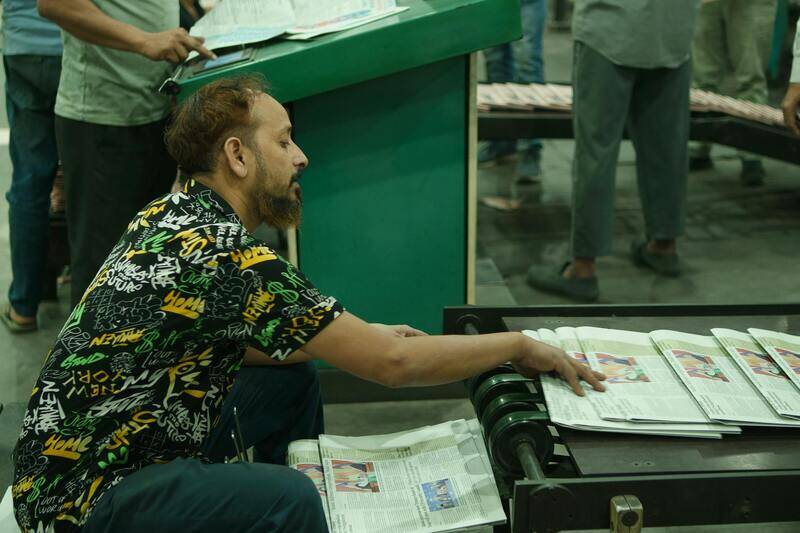
Various printing techniques influence the final appearance and feel of your brochures. Offset printing is ideal for large quantities, delivering crisp images and consistent color reproduction across extensive runs. Digital printing offers greater flexibility for short runs or quick turnarounds, making it suitable for customized or limited editions. Spot UV coating adds a glossy layer to specific areas, creating a striking contrast that highlights key messages or logos. Letterpress and embossing techniques provide tactile qualities, with raised elements that add sophistication. Finishes such as matte, gloss, or satin coatings protect the printed material from scratches and fingerprints, extending the brochure's lifespan. Special effects like foil stamping or textured coatings are also available for high-end projects, elevating the perceived value of your collateral. Choosing the right combination of techniques and finishes ensures your brochures stand out and reflect the quality of your brand.

Quantity, Pricing, and Turnaround Time
Determining the optimal print quantity depends on your distribution channels and campaign scope. Bulk orders often reduce the per-unit cost, making high-volume runs more cost-effective for extensive outreach. When budgeting, consider not only the printing costs but also design, delivery, and any additional finishing options. Transparent pricing is essential; reputable providers will offer clear quotations without hidden fees, allowing for accurate project planning. Turnaround time varies based on order size, complexity, and method of printing. Offset printing typically requires more lead time for setup, while digital options can cater to urgent requests with faster completion. Clear communication with your printing partner about your timeline ensures that your brochures are delivered promptly without compromising quality. Planning ahead and allocating sufficient time for revisions and approvals helps prevent last-minute surprises and guarantees a smooth production process.
Eco-Friendly and Sustainable Printing Options
Opting for eco-conscious printing practices demonstrates a commitment to environmental responsibility. Many printing providers now offer recycled paper options, eco-friendly inks, and environmentally sustainable finishing processes. Recycled papers are produced from post-consumer waste, reducing the depletion of natural resources and minimizing landfill contributions. Vegetable-based inks have lower volatile organic compound (VOC) emissions and are easier to biodegrade. Water-based coatings and soy-based laminates further contribute to sustainability efforts. Additionally, some providers participate in carbon offset programs or invest in renewable energy sources to power their operations. Embracing green printing not only aligns with corporate social responsibility values but can also positively influence your brand image among environmentally conscious consumers. When planning your brochure production, inquire about available sustainable options to ensure your marketing materials reflect your commitment to environmental stewardship while maintaining high-quality standards.
Exploring Official Documentation and Compliance Measures for Brochure Printing
To ensure that your brochure printing project aligns with established standards and produces results that effectively represent your brand, engaging with original and verified printing providers is essential. Selecting a reputable printer involves evaluating their adherence to official procedures and compliance with industry regulations, which guarantees quality and consistency in your marketing materials.
One of the key indicators of a trustworthy brochure printing service is their transparency and certification documentation. Reputable providers often display credentials, such as industry-standard certifications or memberships in professional associations, which demonstrate their commitment to quality assurance and operational integrity. These documents serve as proof that the printing facility operates under verified standards and uses legitimate methods in their production process.
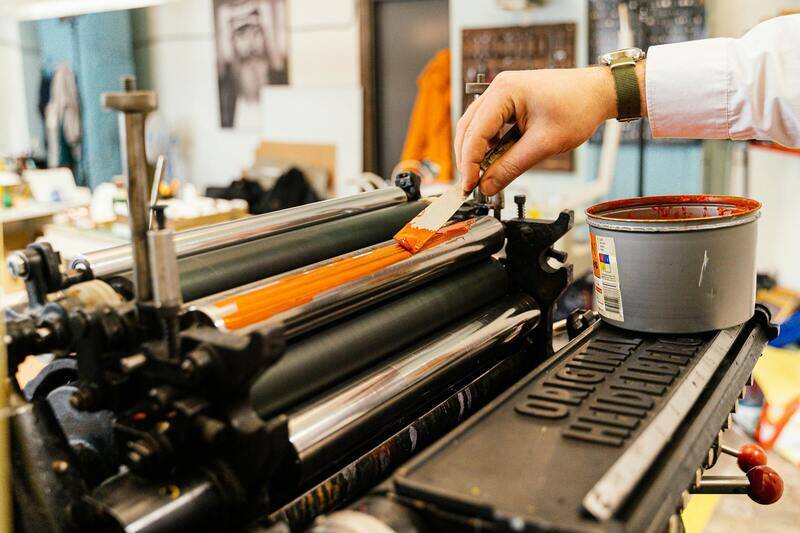
Another crucial aspect is the use of official printing supplies and materials. This involves sourcing paper, inks, and finishing products from authorized suppliers that meet regulatory guidelines. Utilizing genuine materials guarantees durability, color accuracy, and a professional appearance, which are vital for impactful marketing.
Furthermore, comprehensive quality control processes are an integral part of legitimate brochure printing services. These procedures include meticulous inspection stages to verify color consistency, alignment, and finishing quality before final delivery. Reputable providers often employ official testing standards and verification protocols to maintain uniformity across batches, thereby assuring consistent results for your marketing campaigns.
Documentation related to the printing process, such as detailed receipts, process checklists, and production reports, not only serve as proof of official procedures but also provide transparency. Clients should request these documents to verify that their brochures are produced using legitimate methods according to industry best practices.
Additionally, proper adherence to environmental and safety regulations for printing facilities is a mark of a credible service provider. Official compliance with local environmental guidelines ensures that the printing process minimizes adverse impacts and follows sustainable practices. This is increasingly important for brands committed to corporate social responsibility and environmentally conscious branding.
When engaging with a brochure printing service, requesting proof of licensing, certifications, and compliance documentation helps establish trust and confirms that your marketing materials are produced through legitimate, verified channels. This approach not only safeguards the integrity of your brand image but also guarantees that the final product meets all necessary industry standards.