
Overview of Brochure Printing Services
Brochure printing companies play an integral role in the marketing and branding efforts of businesses by transforming visual concepts into tangible, high-quality printed materials. These companies specialize in creating a variety of brochure formats tailored to meet diverse marketing objectives, ranging from introductory company profiles to detailed product catalogs. The core function of a brochure printing service is to ensure that each piece accurately reflects the brand’s identity while capturing the attention of the target audience.
Brochures serve as versatile marketing tools that combine informative content with appealing design to effectively communicate a business’s message. They are often utilized in trade shows, direct mail campaigns, in-store displays, and client meetings. The effectiveness of these printed materials hinges on the quality of production, which is achieved through professional brochure printing companies employing advanced technology and a wide selection of materials and finishes.
When selecting a brochure printing company, understanding the types of brochures offered can help align your marketing goals with the right format. Common options include:
- Bi-fold brochures: Simple, compact, and easy to distribute, ideal for straightforward messaging.
- Tri-fold brochures: Popular for their organized layout, allowing multiple sections for detailed information.
- Z-fold brochures: Unique fold that creates a dynamic presentation, often used for portfolios or catalogs.
- Gate-fold brochures: Large, fold-out panels that open up to reveal extensive content, perfect for impactful visuals.
- Booklet-style brochures: Multiple pages stitched together for comprehensive content, suitable for showcasing a range of products or services.
Each of these formats can be customized further with various paper stocks, finishes, and binding options, offering businesses flexibility in how they showcase their message to potential clients and partners.
Understanding the Printing Techniques and Material Options Available
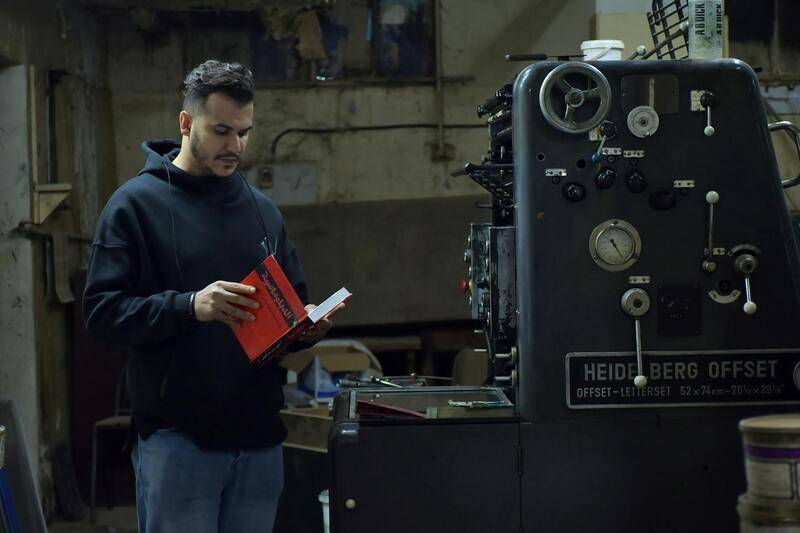
When selecting a brochure printing company, it is essential to be aware of the various printing techniques they utilize, as these impact the final appearance and durability of your marketing materials. Digital printing is ideal for smaller quantities due to its cost-effectiveness and quick turnaround, offering high-quality images and sharp text. Offset printing is suitable for large volume orders, providing superior color fidelity, consistency, and the ability to customize with extensive finishes and coatings.
In addition to printing methods, the choice of materials plays a vital role in the overall presentation. Premium paper stocks, such as coated, matte, or gloss finishes, can significantly enhance visual appeal. Coated papers provide vibrant colors and sharp images, making them preferable for brochures with detailed graphics. Matte papers offer a sophisticated, non-reflective surface suitable for elegant designs, while gloss finishes add a vibrant pop to visuals and are favored for their durability and shine.
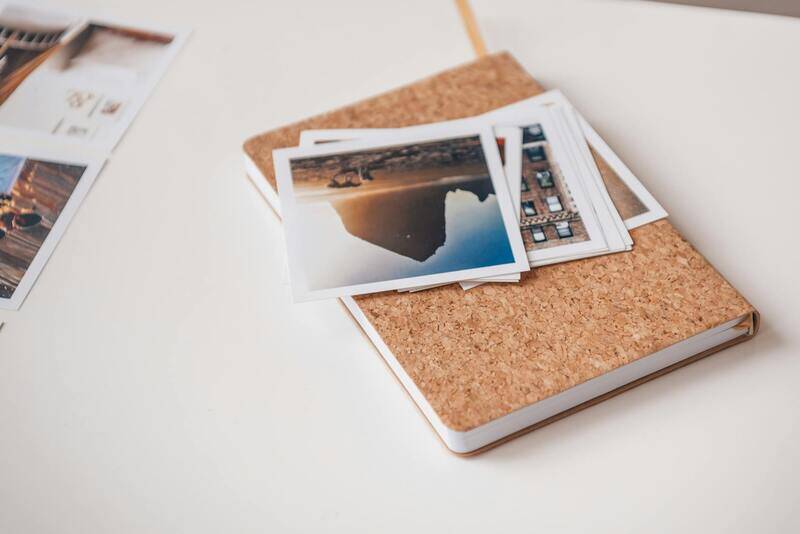
Some brochure printing companies also offer specialized finishes such as spot UV coating, which adds a glossy layer to specific areas for emphasis, or soft-touch coatings that give a luxurious feel. Foil stamping and embossing are additional embellishments that can create eye-catching effects and elevate your brochure’s perceived value. When choosing materials and techniques, consider how each option aligns with your brand image and the message you want to convey.
Design and Customization Options for Brochures
In today’s competitive market, effective design goes hand in hand with quality printing. A reputable brochure printing partner should offer comprehensive customization options to ensure your marketing collateral stands out. From selecting sizes and fold types to incorporating innovative layouts, the goal is to create a design that reflects your brand identity and appeals to your target audience.
- Templates and Design Services: Many companies provide templates or professional design assistance to help craft visually compelling brochures that are aligned with your branding guidelines.
- Color Management: High-resolution color matching ensures your printed brochures match your digital designs precisely, maintaining brand consistency across all marketing channels.
- Image Integration: Opt for high-resolution images and custom graphics that resonate with your message. A skilled printer can also assist with image editing or enhancement to optimize visual impact.
- Text and Typography: Clear, legible fonts and strategic use of typography help communicate your message effectively while reinforcing your brand personality.
Furthermore, the ability to incorporate unique features such as die-cut windows, fold-out sections, or integrated pockets can make your brochure more interactive and memorable. Customization choices should be discussed thoroughly with your printing partner to ensure the final product aligns with your marketing objectives and budget constraints.
Overview of Brochure Printing Services
Partnering with a reputable brochure printing company ensures that your marketing materials not only look professional but also effectively communicate your brand message. Professional brochure printing services encompass a wide range of options—from standard sizes and finishes to advanced customization features. These companies utilize state-of-the-art digital or offset printing technologies to produce vibrant, sharp images and text that align with your branding standards. Additionally, they often provide guidance on paper selection, folding styles, and finishing options to enhance the tactile experience of your brochures, ensuring they resonate with your target audience. When opting for such services, it’s essential to consider the company's experience, the range of available printing techniques, and their capacity to meet your specific project requirements. A comprehensive brochure printing partner will also offer sample visualizations, mock-ups, and quality checks throughout the process, allowing you to refine your design before final production. This level of customization and attention to detail guarantees a final product that accurately reflects your brand’s identity and marketing goals.
Factors to Consider When Selecting a Brochure Printing Company
Making an informed decision regarding your brochure printing partner involves evaluating several critical factors. First, examine their range of printing techniques and material options, such as the variety of paper stocks and finishes available. The choice of paper—glossy, matte, uncoated—significantly influences the tactile feel and visual appeal of your brochures. It’s equally crucial to review their expertise in customizing features like die-cut windows, foldout sections, or extra pockets, which can enhance both functionality and aesthetic appeal.
Next, assess their technological capabilities, including color management systems that ensure accurate color reproduction, aligning printed colors with your digital designs. Turnaround time is another vital component; a reliable company should meet deadlines without compromising quality, especially for time-sensitive campaigns. Cost transparency is also key—comparing quotes from multiple providers helps ensure that pricing aligns with your marketing budget, considering factors such as order volume and customization complexity.
Customer service quality, ease of communication, and the company's reputation for consistent quality are additional considerations that can influence your overall experience. Reading customer reviews or requesting references can provide insight into their reliability and professionalism. An experienced brochure printing company also offers sample proofs for approval before mass production, minimizing errors and helping you visualize the final product accurately.

Common Printing Techniques and Materials
Understanding the available printing techniques and materials is essential to achieving the desired quality and impact for your brochures. Different printing methods offer distinct advantages, and selecting the appropriate one depends on your design complexity, color fidelity, and budget considerations.
Offset lithography remains the most prevalent method for high-volume brochure printing due to its superior image quality and cost-effectiveness at scale. This technique provides vibrant color reproduction and sharp details, making it ideal for complex graphics and detailed imagery. Digital printing, on the other hand, offers flexibility for short runs or customizations, enabling quick production with less upfront setup. It’s suitable for smaller quantities or projects requiring frequent updates.
In terms of materials, the choice of paper significantly impacts the brochure’s tactile experience and visual appeal. Glossy paper enhances color vibrancy and provides a sleek, professional finish, perfect for eye-catching visuals. Matte finish offers a more subdued, sophisticated look with reduced glare, suitable for text-heavy or elegant designs. Uncoated paper provides a natural, textured feel that can add a touch of luxury and readability, especially in minimalistic layouts.
Beyond basic paper options, specialty materials can elevate your brochure's presentation. Options include textured papers, transparent or translucent substrates, and environmentally friendly options like recycled or FSC-certified papers. These choices not only reinforce your brand’s commitment to sustainability but also provide unique tactile experiences that can distinguish your brochures from competitors.
Additional Features and Customization
Modern brochure printing accommodates advanced features that enhance functionality and aesthetic appeal. Die-cut windows, foldout sections, and embedded pockets can turn a standard brochure into an interactive experience. Spot UV coating, metallic foils, and embossing add tactile and visual accents that heighten the perceived quality of your marketing materials. Custom binding options, such as saddle stitching, perfect binding, or wire-o binding, ensure the final product aligns with your design intent and usage context.
Working with a printing company experienced in diverse techniques and materials guarantees you can realize complex concepts without compromising quality. They possess the equipment, expertise, and understanding necessary to advise on the best options for your specific goals. When selecting a partner, review their portfolio and sample work to ensure they have demonstrated proficiency with the materials and techniques relevant to your project.
Incorporating the right combination of printing techniques and materials is vital for creating memorable brochures that effectively communicate your brand message. An experienced printer will guide you through these choices, ensuring your final product is both visually appealing and functional, capable of capturing your audience’s attention and fostering engagement.
Overview of Brochure Printing Services
Brochure printing services encompass a wide range of options designed to help businesses communicate their brand message effectively through professionally crafted marketing materials. Reputable brochure printing companies employ advanced technology and skilled craftsmanship to produce high-quality prints that reflect your brand’s identity and appeal to your target audience. These services typically include various formats, finishes, and customizations to meet specific marketing goals, whether for corporate presentations, product launches, or event promotions.
Leading brochure printing providers in Singapore offer comprehensive solutions, from initial design consultations to final delivery. They understand the importance of delivering consistent quality, adhering to deadlines, and providing flexible options for both small and large orders. The focus is on ensuring that each brochure accurately conveys your message while maintaining a polished, professional appearance that can distinguish your brand in a crowded marketplace.
Factors to Consider When Selecting a Brochure Printing Company
Choosing the right brochure printing partner requires careful evaluation of several key aspects to ensure your final product aligns with your objectives. Here are some critical factors to keep in mind:
- Printing Experience and Portfolio: Review the company’s past projects and client testimonials to gauge their expertise and versatility across different brochure styles and finishes.
- Range of Services: Ensure they offer the printing techniques, materials, and customizations you envision, such as embossed finishes, die-cut shapes, or specialty paper stocks.
- Technology and Equipment: Confirm the use of modern printing presses and finishing equipment that can handle high-quality outputs and complex designs efficiently.
- Turnaround Times: Assess their ability to meet your project deadlines, especially if there are tight schedules involved.
- Pricing Transparency: Request detailed quotes that itemize costs based on materials, quantities, and additional features to avoid surprises later.
- Customer Support and Communication: Choose a company that maintains clear, prompt communication and provides guidance throughout the process.
Common Printing Techniques and Materials
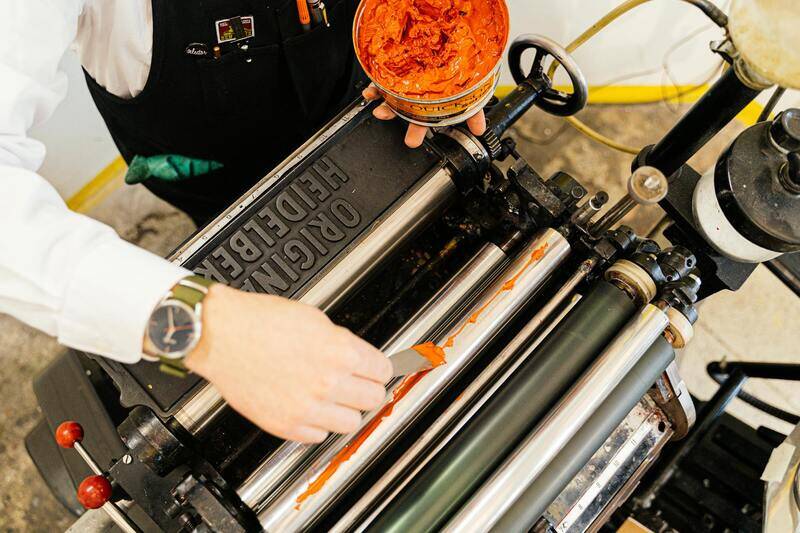
To produce visually compelling brochures, various printing methods and materials can be employed. The choice of technique and stock impacts the tactile feel, durability, and overall aesthetics of the final product.
- Offset Printing: Ideal for large runs, offset printing provides precise color matching and high-quality finishes, making it suitable for brand-critical brochures.
- Digital Printing: Best suited for short runs or quick turnarounds, digital printing allows for customization and iterative design changes with cost-effective results.
- Specialty Inks and Finishes: Spot UV coating, metallic foils, and embossing add visual and tactile interest, elevating the perceived value of your brochures.
- Paper Stocks: Options range from matte, gloss, silk, to recycled materials, each offering a different sensory experience and structural integrity.
Design and Customization Options
An effective brochure combines compelling design with customizable options that allow brands to stand out. The design process should incorporate flexibility to experiment with layouts, colors, and interactive features that resonate with your audience.
- Layout and Format: Choices include bi-fold, tri-fold, z-fold, gate fold, and more, each serving different content structures and aesthetic purposes.
- Interactive Elements: Incorporate die-cut windows, foldout sections, or embedded pockets to make brochures more engaging and functional.
- Finishing Touches: Embossing, foil stamping, and tactile coatings can highlight key information and add a premium feel.
- Binding and Assembly: Options such as saddle stitching, perfect binding, or spiral binding offer durability and aesthetic variation based on the intended use.

Ensuring Quality Through Rigorous Proofing and Quality Control Measures
Establishing clear quality assurance protocols is fundamental when partnering with a brochure printing company. High standards of print fidelity and material consistency hinge upon comprehensive proofing procedures. These typically involve the review of digital proofs, which serve as a preliminary preview of the final product. Digital proofs should accurately reflect colors, layout, and finishing effects, allowing clients to identify potential issues prior to mass production.
Hard copy proofs, when available, provide an exact representation of the physical brochure, including paper stock and finishing touches. This facilitates thorough assessment of tactile qualities and visual accuracy. It is advisable to request multiple samples for comparison, especially if multiple design variations are considered.
Throughout the manufacturing process, robust quality control (QC) measures are employed to monitor each production phase. These may include visual inspections, color calibration checks, and consistency assessments across batches. Certain companies utilize advanced imaging and spectrophotometry tools to ensure color accuracy and uniformity, maintaining brand integrity across large orders.
Top-tier brochure printing firms also establish clear communication channels for clients to provide feedback and verify specifications. Regular updates during production, combined with the capability to request adjustments before final printing, streamline the process and minimize errors. After completion, a final inspection is conducted to confirm adherence to specifications, ensuring that the delivered product aligns with the agreed-upon quality benchmarks. This meticulous approach not only preserves visual and structural integrity but also reinforces the trust in your chosen printing partner, making the investment in quality assurance an integral part of your branding strategy.
Quality Assurance and Proofing Processes
Ensuring the final brochure aligns perfectly with your expectations necessitates rigorous quality assurance measures. Top brochure printing companies implement comprehensive proofing processes, which serve as the definitive step before mass production. These processes may include digital proofs, physical samples, or a combination of both, allowing clients to review and verify layout, color accuracy, and material choice.
Digital proofs offer a quick and efficient way to catch potential discrepancies. Clients are presented with a simulated version of the final product on screen, providing an initial assessment of design integrity. However, because screen displays can differ from physical prints, requesting physical proof copies is highly recommended. These samples replicate the actual materials, finishes, and color fidelity, providing a tactile preview that reveals how the final brochures will look and feel.
Many printing companies employ advanced quality control (QC) techniques throughout the production process. Visual inspections at various stages detect any misalignments, color deviations, or printing defects early on. Color calibration tools, such as spectrophotometers, are used to measure color consistency across batches, ensuring each print maintains brand standards. Batch-to-batch checks prevent variations that may diminish the perceived quality or brand cohesion.
Establishing transparent communication channels between clients and the printing team significantly contributes to a smooth workflow. Clients should be encouraged to provide feedback during proofing stages, requesting adjustments or clarifications to specifications. This collaborative approach minimizes misinterpretations and guarantees the final product reflects the intended design and quality standards.
Upon completion, a final inspection, sometimes referred to as a quality check, is conducted. This step confirms that the physical brochures adhere to the outlined specifications—correct quantities, accurate color reproduction, proper finishing, and intact structural integrity. Documentation or photographic evidence of the final inspection is often provided to clients as confirmation of quality compliance. Investing in thorough quality checking and clear communication mechanisms underscores a commitment to delivering brochures that meet high standards, reinforcing trust and client satisfaction.
Ensuring Durability and Longevity in Brochure Printing
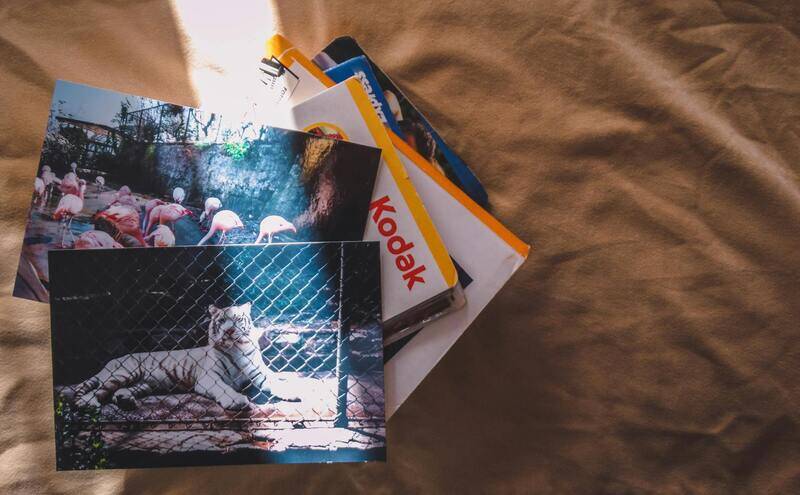
When selecting a brochure printing company, it is crucial to consider their methods for ensuring the durability and longevity of the printed materials. High-quality brochures not only serve as effective marketing tools but also reflect the reliability and professionalism of the brand. Durable brochures withstand handling and environmental factors, maintaining their visual appeal over time.
Reputable brochure printing companies typically focus on the following aspects to enhance durability:
- High-Quality Paper Stocks: The choice of paper significantly impacts the brochure’s resistance to tearing, bending, and smudging. Premium cardstock, matte, or gloss-coated papers offer increased strength and better resistance to wear and tear.
- Advanced Finishing Techniques: Finishing options such as lamination, UV coating, and spot varnishing provide an additional protective layer. These finishes shield the brochure from moisture, scratches, and fading, ensuring the printed message remains vibrant and intact.
- Proper Binding and Folding: Using sturdy binding methods such as saddle-stitching, perfect binding, or spiral binding contributes to the overall structural integrity of the brochures. Accurate folding techniques prevent paper cracking or misalignment.
- Environmental Considerations: Some companies offer weather-resistant materials or coatings that protect against UV exposure, humidity, and other environmental factors. These options are particularly beneficial for brochures intended for outdoor use or distributed in varying climates.

Following Proper Storage and Handling Practices
Beyond manufacturing, the longevity of brochures also depends on how they are stored and handled post-production. Customers should be advised to keep brochures in dry, clean environments away from direct sunlight and extreme temperatures. Proper stacking and minimal bending during transportation help preserve the print quality and structural integrity.
Implementing Feedback and Continuous Improvement
For businesses seeking ongoing printing solutions, establishing mechanisms for feedback is vital. Regular reviews of printed materials allow the printing company to refine methods, select better materials, and incorporate new finishing technologies. This collaborative approach ensures that brochures meet evolving standards for durability and aesthetic appeal.
By emphasizing advanced printing techniques, high-quality materials, and proper handling, a brochure printing company can deliver products that effectively represent a brand's professionalism and commitment to quality. Clients benefit from brochures that not only attract attention but also stand the test of time, ensuring continued engagement with their target audience.
