
Overview of Digital Printing Services
Digital printing services have revolutionized the printing industry by enabling high-quality, fast, and flexible print solutions tailored to diverse needs. Unlike traditional printing processes, which often involve complex setup procedures such as creating printing plates, digital printing directly transfers digital images onto various substrates using advanced inkjet or laser technology. This core process allows for quick turnaround times, cost-effective short-run printing, and enhanced customization options.
The key processes involved in digital printing include image creation, file preparation, digital image transfer, and printing onto the chosen media. The digital workflow eliminates many manual steps associated with traditional methods, reducing both production time and potential for errors. This allows businesses and individuals to achieve precise, vibrant, and consistent results for a wide array of print projects.
Digital printing differs significantly from conventional methods like offset or screen printing. Offset printing, which requires creating physical plates, is ideal for large volume orders due to its cost efficiency at scale but is less flexible for small batches or quick modifications. Screen printing involves creating stencils and is best suited for large quantities of simple designs. Conversely, digital printing provides immediate setup, making it ideal for personalized, short-run, or on-demand prints without sacrificing quality.

This innovative approach is particularly beneficial in industries requiring rapid prototype development, customized marketing materials, personalized packaging, or promotional items. The ability to produce high-resolution images directly from digital files ensures that customers receive professional-grade output with minimal delay, meeting the demands of an increasingly fast-paced marketplace.
Types of Digital Printing Technologies
Several digital printing technologies underpin the variety of services available today. The most common encompass inkjet and laser-based systems, each suited for specific applications:
- Inkjet Printing: Utilizes tiny nozzles to spray ink directly onto the media, producing detailed, vibrant images. It is versatile and capable of printing on a wide range of materials including paper, fabric, and plastic.
- Laser Printing: Uses laser beams to transfer toner onto substrates, offering high precision and fast processing speeds. It is often employed for producing sharp text and complex graphics on various media.
- Electrophotography: A refined form of laser printing that enhances quality and consistency, especially suitable for high-volume business printing needs.
These technologies cater to different project specifications, balancing factors such as color fidelity, substrate compatibility, print speed, and overall cost. Selecting the appropriate technology depends on the specific requirements of the print job, including volume, durability, and desired finish.
Overview of Digital Printing Services
Digital printing services have revolutionized the printing industry by offering efficient, high-quality, and customizable solutions for a diverse range of applications. Unlike traditional offset printing, digital printing eliminates the need for plates, allowing for quicker turnaround times and the ability to print small quantities economically. This flexibility makes digital printing especially advantageous for businesses and organizations that require frequent updates, short runs, or personalized materials.

These services encompass a variety of printing methods that cater to different needs, from marketing collateral and promotional items to personalized packaging and bespoke designs. They are integral to industries where rapid prototyping, customization, and high-definition visual output are vital. As digital technology continues to evolve, print providers are equipped with increasingly sophisticated tools capable of producing stunning visuals on an array of substrates.
Types of Digital Printing Technologies
Several core technologies drive digital printing services, each optimized for specific applications:
- Inkjet Printing: This method employs tiny nozzles that spray ink directly onto various media surfaces, producing vibrant, high-resolution images. Its versatility allows for printing on fabrics, plastic, paper, and more, making it ideal for banners, posters, and customized promotional items.
- Laser Printing: Featuring fast processing speeds and precision, laser printing deposits toner onto media through a laser beam process. It is often used for high-volume document printing, business cards, and detailed graphics requiring sharp text clarity.
- Dye-Sublimation: Primarily used for fabric printing, this technique involves transferring dye onto textiles and other specially coated surfaces. It produces durable, vivid, and fade-resistant images, perfect for apparel, custom merchandise, and soft signage.
Different project requirements call for different technologies, with factors such as color accuracy, substrate compatibility, and production volume influencing the choice. Understanding these distinctions ensures optimal outcomes for each print job.
Applications of Digital Printing Services
Digital printing extends across numerous sectors, fulfilling various needs such as:
- Marketing and Promotional Materials: Brochures, flyers, posters, banners, and signage that are customized and produced swiftly to meet campaign deadlines.
- Personalized Products: Items like personalized stationery, gifts, labels, and apparel that require unique designs or variable data, providing a personal touch that enhances brand engagement.
- Packaging: Short-run and customized packaging solutions that allow brands to create distinctive packaging without high initial costs.
- Industrial and Technical Printing: Including labels, functional printing, and prototypes used in product development and manufacturing processes.
The ability to produce high-quality visuals with specific customization options makes digital printing an essential component across multiple industries.
Benefits of Digital Printing Services
Adopting digital printing offers numerous advantages, such as:
- Rapid turnaround times, facilitating quick delivery of projects.
- Cost-effectiveness for short runs and customized printing, reducing waste and inventory costs.
- High-resolution image output, ensuring vibrant, detailed visuals suitable for professional branding.
- Variable data printing capabilities, enabling personalization at scale efficiently.
- Environmental benefits through reduced use of chemicals and excess materials associated with traditional methods.
Choosing the Right Digital Printing Service Provider
When selecting a digital printing partner, consider their technological capabilities, quality standards, and experience within your industry domain. An effective provider should offer a comprehensive range of services, flexible order sizes, and a commitment to on-time delivery. Reviewing their portfolio and requesting samples can provide insights into their proficiency and attention to quality, ensuring your projects meet your expectations.
Common Applications of Digital Printing
Digital printing services are integral to a wide array of applications across various industries, primarily due to their versatility, precision, and efficiency. In marketing, digital printing is extensively used for producing high-quality brochures, flyers, banners, and posters that cater to fast-paced campaign timelines. These materials benefit from vivid color reproduction and sharp imagery, making campaigns more impactful and engaging.
In addition to marketing materials, personalized products are a prominent application of digital printing technology. Custom items like apparel, stationery, promotional gifts, and packaging exhibit the capacity for variable data printing — customizing each piece with names, images, or unique identifiers. This capability is particularly advantageous for small batch productions, event giveaways, or limited-edition items without the need for costly setup changes.
Moreover, digital printing excels in producing large-format prints used for interior decor, trade show displays, and outdoor advertising. Its ability to handle large sheets with consistent quality enables clients to achieve impactful visuals that are both durable and visually striking. Whether for retail environments or outdoor branding, digital large-format prints stand out for their clarity and color vibrancy.
Industrial sectors leverage digital printing for creating prototypes, functional labels, and technical documentation, facilitating rapid iteration and customization. This speed and precision support product development cycles, allowing companies to test designs and make modifications swiftly without lengthy turnaround times.
Advantages of Digital Printing in Application
- Speed: Shorter production cycles enable faster delivery, ideal for urgent campaigns or last-minute needs.
- Customization: High-Fidelity personalization options facilitate targeted marketing and unique design elements.
- Cost Efficiency: Small runs or one-offs become financially viable, reducing waste and inventory costs.
- High-Quality Output: Capable of producing crisp images with accurate color reproduction and fine detail.
- Environmental Impact: Use of eco-friendly inks and reduced material wastage align with sustainable practices.
Visualizing Digital Printing in Different Sectors
From vibrant retail displays and customized fashion accessories to technical technical prototypes, digital printing adapts seamlessly across sectors. The flexibility to produce on various substrates—from paper and fabric to vinyl and plastic—underscores its significance in modern production workflows.
Businesses seeking to leverage digital printing’s advantages should carefully evaluate providers for their equipment capabilities, material expertise, and portfolio quality. Effective utilization ensures that each project aligns with brand standards and marketing goals, maximizing the investment in digital print solutions.
Advanced Techniques and Customization Options in Digital Printing
Digital printing services incorporate a variety of advanced techniques that enhance the quality, durability, and visual impact of printed materials. One such method is the use of variable data printing (VDP), which allows for personalized messaging in each printed piece. This technology is particularly advantageous for targeted marketing campaigns, enabling businesses to tailor content based on customer preferences or demographics, thereby increasing engagement and conversion rates.
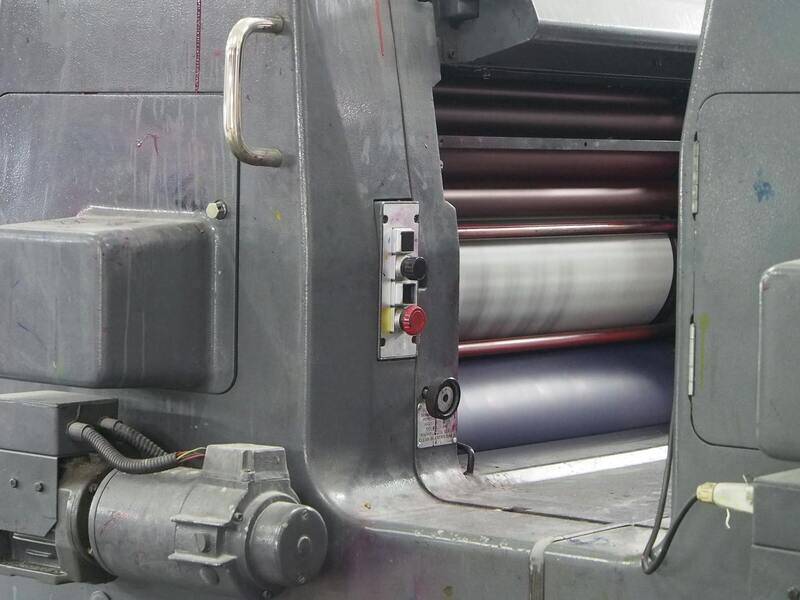
Another significant approach involves high-definition (HD) printing, which leverages enhanced inkjet or laser technologies to produce razor-sharp images with smooth gradations and vivid colors. HD printing is essential in industries where visual fidelity is paramount, such as branding, fine art reproduction, and packaging design.
Moreover, digital printing services often utilize specialty inks and substrates to achieve unique finishes and textures. For example, spot UV coatings or metallic inks can add gloss and shine to specific elements, creating a striking visual contrast that captures attention. Such options are ideal for luxury product labels, invitations, and promotional materials that demand a premium appearance.
In terms of customization, digital printing allows for quick adjustments in design files and templates, enabling seamless revisions without additional setup costs. This flexibility is crucial for businesses running frequent or seasonal campaigns, where rapid turnaround and agility are required to stay competitive.

Material Compatibility and Substrate Versatility
One of the hallmarks of digital printing is its ability to utilize a broad range of substrates, including paper, plastic, fabric, vinyl, and metal. This versatility expands creative possibilities and allows for the development of diverse products ranging from banners and window decals to textile prints and promotional apparel.
For instance, textile digital printing is widely used in fashion and interior decor, leveraging specialized inks that withstand washing and environmental factors. Similarly, printing on rigid surfaces like corrugated boards, acrylic sheets, or metal panels opens new avenues in signage and display manufacturing.
In addition to substrate variety, digital printers can handle different sizes and formats, from small business cards to large-format banners, providing a comprehensive solution suited to various project scopes and budgets.
Integration with Design Software and Workflow Efficiency
Seamless integration with popular design software such as Adobe Photoshop, Illustrator, and InDesign enhances operational efficiency and ensures color accuracy throughout the production process. This integration facilitates the direct transfer of digital files, minimizing errors and reducing lead times.
Automation features in modern digital printing systems enable scheduled printing queues, batch processing, and real-time quality control checks. These capabilities contribute to a streamlined workflow, higher throughput, and consistent results, especially vital for large-volume or time-sensitive projects.
Furthermore, digital printing services often provide support and consultation on color management and proofing, allowing clients to preview and approve designs before mass production. This step helps in achieving the desired aesthetic standards and avoiding costly reworks.
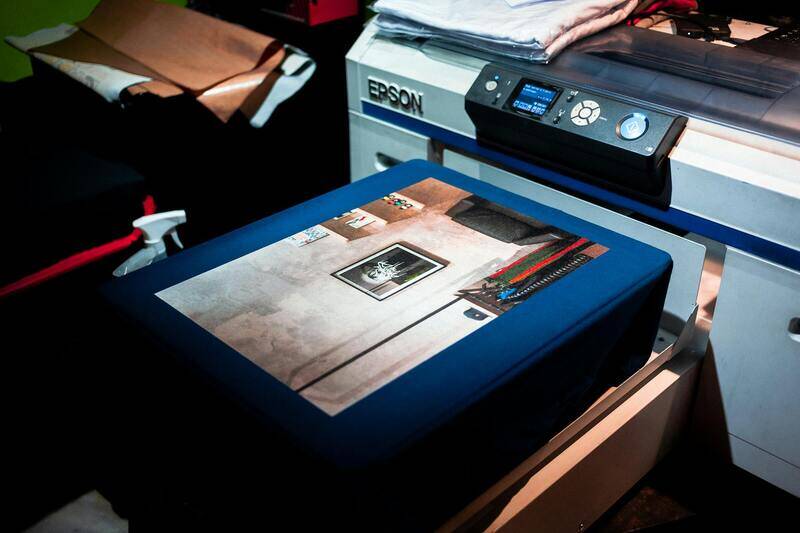
Overview of Digital Printing Services
Digital printing services have become an essential component of modern visual communication, providing a versatile, high-quality, and efficient way to produce a variety of printed materials. This method involves the direct transfer of digital images onto various substrates using advanced printing technology, eliminating the need for traditional printing plates. As a result, businesses and individuals can enjoy shorter production cycles, customization options, and a reduction in setup costs. Digital printing is ideal for small to medium runs, allowing for quick turnarounds and easy modifications without compromising on quality.

From business marketing collateral such as brochures and flyers, to personalized product packaging, digital printing services cater to a wide spectrum of applications. As the demand for immediate, high-quality prints rises, these services support both creative professionals and commercial enterprises by offering efficient production workflows, consistent results, and excellent color fidelity. With the ability to print on various surfaces and in a multitude of sizes, digital printing continues to expand the boundaries of what is achievable in the printing industry.
Types of Digital Printing Technologies
Understanding the different digital printing technologies available is crucial for selecting the right solution for specific project requirements. The primary types include inkjet printing, laser printing, and electrophotography, each suited to different applications and substrate compatibilities.
- Inkjet Printing: Known for its high-quality image reproduction, inkjet technology is widely used for large-format prints, fine art reproductions, and photographic prints. It uses tiny nozzles to spray liquid ink directly onto substrates, allowing for vibrant colors and detailed images. Its capability to accommodate various media like paper, vinyl, and fabric makes it a versatile choice.
- Laser Printing: Predominantly used for producing high-volume, crisp-text documents such as business forms, labels, and professional reports. Laser printers utilize electrostatic charge and heat to transfer toner onto paper, resulting in sharp images and durable prints. They are known for their speed and cost-effectiveness in large-scale production runs.
- Electrophotography: This process combines elements of laser printing with photocopying techniques, often used for high-volume commercial printing, including direct mailing and packaging. It offers excellent color consistency and can handle a wide range of substrates.
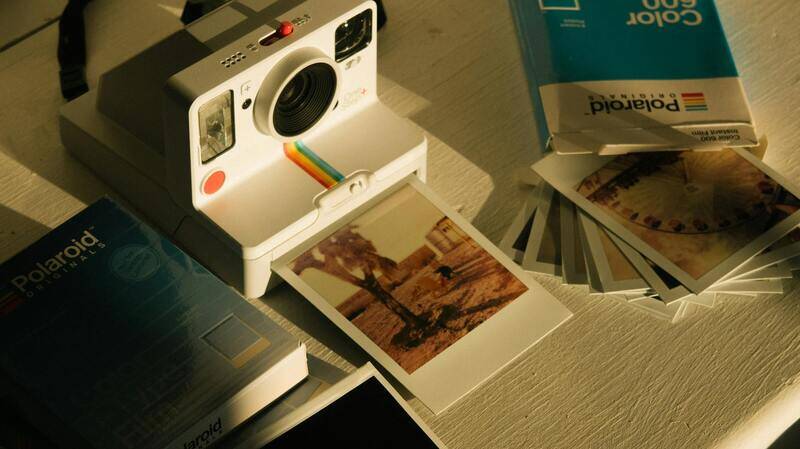
Common Applications of Digital Printing
Digital printing services serve numerous industries by providing tailored solutions for various needs. Some prevalent applications include:
- Commercial Printing: Producing marketing materials such as flyers, brochures, posters, and catalogs with quick turnaround times and the flexibility for personalized content.
- Personalized Products: Custom printing on items like apparel, promotional gifts, photo books, and home décor, enabling businesses to create unique customer experiences.
- Labels and Packaging: Short-run label printing for products or specialty packaging that demands high resolution and vibrant colors to stand out on shelves.
- Signage and Banners: Large-format digital printing allows for eye-catching signage, trade show displays, and outdoor banners with durable inks designed to withstand environmental conditions.
- Fine Art and Photography: Artists and photographers utilize high-resolution inkjet printers to produce museum-grade prints, ensuring color accuracy and longevity.
Benefits of Digital Printing Services
Opting for digital printing services offers several advantages that meet the demands of modern production environments. Notable benefits include:
- Rapid Turnaround: Reduced production times compared to traditional offset printing, ideal for quick project deadlines.
- Cost-Effective for Small Runs: Eliminates the need for costly printing plates, making short runs more financially accessible.
- Customization and Personalization: Enables variable data printing, allowing each piece to be tailored to individual recipients without additional setup costs.
- High-Quality Output: Modern digital printers deliver sharp images, accurate color reproduction, and fine detail, meeting professional standards.
- substrate Flexibility: Capable of printing on diverse materials, including paper, fabric, vinyl, acrylic, and metal, expanding creative possibilities.
- Environmental Benefits: Digital printing produces less waste and often uses eco-friendly inks, aligning with sustainable manufacturing practices. It also allows for on-demand printing, reducing excess inventory and waste associated with traditional bulk printing methods.
These advantages make digital printing a versatile and strategic choice for various business needs, from marketing campaigns to custom product creation. The ability to produce high-quality, personalized prints efficiently supports companies in maintaining competitive edges and meeting evolving customer expectations.
Environmental Considerations in Digital Printing
As digital printing continues to advance, its environmental impact remains a significant consideration for businesses and consumers committed to sustainable practices. Digital printing services prioritize eco-friendly methodologies that help minimize waste and reduce harmful emissions. One of the core strategies involves the use of sustainable inks, which are typically water-based or vegetable-based, producing fewer volatile organic compounds (VOCs) and lower emissions during the printing process. These inks not only support a healthier environment but also adhere to strict safety standards, ensuring that printed products are safe for indoor and outdoor use.
In addition to eco-friendly inks, digital printing facilities often adopt energy-efficient equipment and practices. Modern digital presses are designed to consume less power, operate with minimal waste, and incorporate features that extend the lifespan of their components, reducing the need for frequent replacements. This extends the sustainability of the entire printing operation by lowering resource consumption and waste generation.
Another environmentally conscious practice involves the reduction of excess inventory through on-demand printing. By producing tailored quantities only when needed, businesses can significantly decrease material waste and eliminate overproduction. Digital printing also affords precise color management and print quality control, which reduces the need for reprints and minimizes resource wastage associated with flawed or unsatisfactory prints.
Eco-conscious clients often look for service providers that follow proper disposal protocols for used materials, recycling unused inks and print-related waste appropriately. Some providers incorporate eco-labeling or certifications that highlight their commitment to sustainability, aligning their operations with global environmental standards.
Effective Strategies for Optimizing Digital Printing Projects
Maximizing the impact of digital printing projects requires a strategic approach that harmonizes design, material selection, and production processes. Proper planning and execution not only ensure high-quality outcomes but also promote cost-efficiency and sustainability. Here are key considerations for optimizing your digital printing initiatives:
- Design Precision and File Preparation: Ensuring that design files adhere to technical specifications minimizes errors and reprints. Use high-resolution images and vector graphics where appropriate to preserve clarity and sharpness. Confirm color profiles align with the intended output for consistent and vibrant results.
- Material Selection: Choosing the right type of paper, vinyl, fabric, or other substrates influences durability and visual appeal. Consider the environment where the final product will be used—outdoor signage demands weather-resistant materials, while interior displays may prioritize aesthetic qualities.
- Color Management: Accurate color reproduction is vital for brand consistency. Digital printing services often employ advanced color management systems that replicate original hues precisely. It’s beneficial to request color proofs before the final run to ensure alignment with your expectations.
- Batch Optimization and Workflow Efficiency: Grouping similar projects for simultaneous printing can improve productivity and reduce setup times. Streamlining workflow processes, such as pre-press checks and digital file organization, helps in minimizing waste and turnaround times.
- Incorporating Eco-Friendly Practices: Opt for environmentally friendly inks and materials that meet sustainability standards. Digital printing’s on-demand capabilities inherently reduce waste, but selecting recyclable substrates and participating in waste management initiatives further enhance environmental benefits.

Effective project management, combined with precise execution, ensures that digital printing efforts achieve their maximum potential—delivering high-quality products that meet client expectations while aligning with eco-conscious practices. When collaborating with a reputable provider, it’s advantageous to discuss these optimization strategies to tailor solutions that fit your specific needs and environmental commitments.
Advanced Security and Privacy Measures in Digital Printing
As digital printing services handle sensitive and proprietary materials, ensuring the security and privacy of client information is paramount. Reputable providers implement rigorous security protocols throughout the production process, including secure handling of digital files, restricted access to printing environments, and encrypted storage solutions. These measures prevent unauthorized access or data breaches, safeguarding intellectual property and confidential content.
Additionally, many services employ strict chain-of-custody procedures, documenting each step of the printing process. This accountability not only enhances trust but also provides a detailed record for quality assurance and potential audits. Clients are encouraged to discuss data protection policies with their chosen provider, ensuring that all digital assets remain protected from exposure or misuse.

Maintaining confidentiality and integrity from file submission to finished product is a core aspect of professional digital printing services. Transparency regarding data handling practices reassures clients that their proprietary information is managed with the highest standards of confidentiality and care.
Quality Control and Assurance in Digital Printing
To consistently achieve high-quality results, reputable digital printing providers establish comprehensive quality control protocols. This includes pre-press checks, color calibration, and real-time monitoring during production. Advanced digital presses are often equipped with sensors and computer-controlled adjustments that optimize print consistency across multiple batches.
Clients should look for providers that offer sample proofs, which serve as a benchmark for the final output. This step allows for the verification of color accuracy, layout fidelity, and material suitability before proceeding with large orders, thus minimizing costly reprints and ensuring satisfaction.
Adherence to industry standards and certifications further indicates a provider’s commitment to quality. Providers that regularly undergo audits or maintain certifications aligned with recognized quality management systems demonstrate a dedication to continuous improvement and client satisfaction.
Streamlining the Digital Printing Workflow for Efficiency
Efficient workflow management plays a crucial role in meeting tight deadlines and maintaining print quality. This involves organized digital file preparation, standardized file naming conventions, and clear communication channels between clients and production teams. Implementing integrated software solutions can automate aspects of job tracking, inventory management, and scheduling, reducing bottlenecks.
Pre-press procedures like file pre-flighting and color separation ensure that files meet printing specifications, reducing errors and unnecessary iterations. Furthermore, establishing reliable supply chain partnerships for substrates and inks helps prevent delays and ensures availability of materials needed for various projects.
In sum, integrating comprehensive security protocols, rigorous quality assurance, and streamlined processes enhances not only the quality and reliability of digital printing services but also fosters long-term client relationships. Selecting a provider that prioritizes these key areas ensures your projects are executed with precision, confidentiality, and efficiency, aligning with best practices in the digital printing industry.
