
Understanding Full Color Brochure Printing
Full color brochure printing is a professional printing process that involves the production of multi-page printed materials designed to showcase products, services, or brand identity with vibrant, eye-catching visuals. This printing technique employs four-color process printing, utilizing cyan, magenta, yellow, and black inks (CMYK) to reproduce a broad spectrum of colors with accuracy and vibrancy. The result is a visually appealing brochure that effectively communicates key information and entices potential clients or customers.
The standard type of brochures produced through full color printing includes trifold pamphlets, bi-fold brochures, gatefolds, z-folds, and booklet styles. Each format serves different marketing objectives, from compact handouts to comprehensive product catalogs. The choice of brochure type depends on the content volume and distribution method, but all benefit from full color printing's ability to deliver impactful, professional visuals that enhance brand recognition.
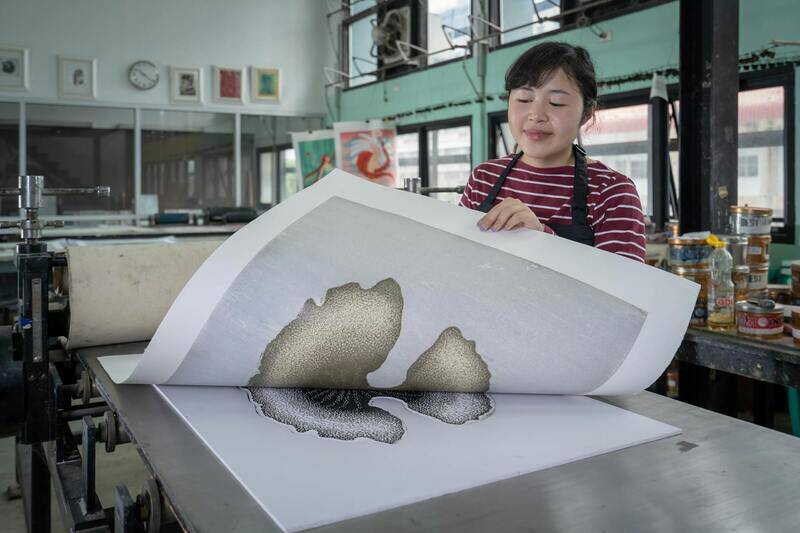
In addition to standard formats, full color brochures are often tailored to specific industries such as real estate, hospitality, education, and corporate sectors. The printing process ensures consistency across multiple copies, fostering brand coherence. Advanced digital and offset printing methods are typically employed depending on order volume—digital for short runs and offset for larger quantities—each capable of delivering precise color reproduction and fine detail.
In summary, full color brochure printing combines sophisticated color reproduction and varied design options to produce compelling marketing materials. The choice of brochure type and printing method hinges on the intended message, audience, and budget, but the core principle remains the same: delivering a vibrant, professional presentation that leaves a lasting impression.
Material and Paper Options for Full Color Brochure Printing
Choosing the right material and paper type is crucial in producing high-quality full color brochures that effectively convey your brand message. The selection influences the brochure’s durability, tactile experience, and overall visual presentation, making it essential to align material choices with the intended purpose and target audience.
Types of Paper Suitable for Brochures
- Glossy Paper: Known for its shiny, reflective surface, glossy paper enhances vibrant colors and sharp images, making visuals pop. This finish is ideal for product showcases, fashion-related brochures, and advertisements that benefit from a striking appearance.
- Matte Paper: Offering a non-reflective surface, matte paper delivers a sophisticated and understated look, reducing glare and fingerprints. It lends itself well to brochures with detailed text-heavy content or elegant designs.
- Satin/Semigloss Paper: A balanced finish that combines the richness of gloss with the subtlety of matte, making it versatile for various design styles without sacrificing vibrancy or readability.
- Uncoated Paper: Characterized by its natural texture and soft feel, uncoated paper is often used for premium or artisanal brochures aiming for a tactile, high-end impression. Colored or textured uncoated papers can further enhance the brochure’s distinctive character.
Specialty Materials and Finishes
- Card Stock: Thicker and more durable, card stock is suitable for pocket-sized brochures, product sheets, and premium marketing materials. It lends strength and a high-quality feel.
- Silk and velvet laminates: Adding a layer of lamination can improve durability and provide a unique texture, suitable for luxury brands and high-end marketing efforts.
- Spot UV Coating: Applying gloss coating selectively on specific areas, such as logos or images, highlights particular design elements and adds visual interest.
- Embossing and Debossing: Create tactile effects that accentuate logos or text, giving an added layer of sophistication and touch-based engagement.
Impact of Material Choice on Production and Cost
Premium materials and elaborate finishes generally lead to increased production costs, but they also elevate the perceived value of the brochure. Balancing material quality with budget constraints requires careful planning, especially when aiming for broader distribution or targeted marketing campaigns.
Choosing the Right Material for Your Full Color Brochure
When selecting materials for your full color brochure printing, understanding the characteristics of different paper types and finishes is crucial for achieving the desired visual impact and durability. Standard options include gloss, matte, and satin finishes, each offering distinctive qualities that influence how colors appear and how the brochure feels in the hands.
Glossy paper enhances vibrancy, making images pop with clarity and sharpness. It is ideal for brochures that feature high-resolution photographs or detailed graphics, creating a bright, eye-catching presentation. Conversely, matte paper offers a non-reflective surface that adds a sophisticated, understated look, making text easier to read. Satin finishes strike a balance, providing a smooth surface with subtle sheen, suitable for versatile design styles.

The thickness of the paper also plays a vital role. Thicker papers, such as 170gsm or higher, impart a sense of quality and luxury, while thinner options may be sufficient for longer, bulk projects where cost-efficiency is a priority. Specialty papers, including textured or recycled materials, can further accentuate your brand identity or thematic message.
Impact of Material Choice on Brochure Durability and Presentation
The chosen material directly affects how well your brochure withstands handling and environmental conditions. Durable materials like card stocks or laminated finishes are suitable for materials intended for outdoor use or frequent circulation. For luxury or premium branding, heavier, textured papers combined with special finishes such as soft-touch coatings or embossed effects can significantly elevate perception.
Additionally, certain finishes provide added protection against wear and tear, ensuring the longevity of your marketing collateral and maintaining a professional appearance over time. When planning to distribute brochures in high-traffic environments or as part of a direct mail campaign, selecting appropriate materials can make a tangible difference in first impressions and overall engagement.
The Role of Specialty Finishes in Full Color Brochure Printing
Applying specialty finishes can enhance areas of your brochure and create distinctive visual and tactile effects. Spot UV coating, for instance, selectively adds gloss to specific images or logos, drawing attention and adding contrast to matte backgrounds. Embossing and debossing techniques create raised or recessed effects that can make your branding elements stand out and invite interaction.
These finishing touches not only amplify the aesthetic appeal but also showcase craftsmanship and attention to detail, which can resonate well with discerning audiences and elevate the perceived value of your materials.
Cost Implications of Material and Finish Choices
The complexity and quality of materials and finishes directly impact production costs. Premium papers, thicker stocks, and intricate finishes typically command higher prices but also contribute to a more impactful marketing piece. Strategic selection balances budget constraints with desired outcomes, ensuring that investment aligns with campaign goals.
For large-volume projects, economies of scale may help mitigate costs while still maintaining quality. In contrast, bespoke finishes or specialty materials might be reserved for smaller, targeted batches where impression is paramount. Clear communication with your printing provider regarding material options and budget limits ensures optimal results without unexpected expenses.
Printing Techniques and Color Accuracy
Achieving vibrant and precise coloration in full color brochure printing hinges on the choice of printing technique and effective color management. Digital printing and offset printing are the primary methods employed, each offering distinct advantages depending on project scope and quality requirements.
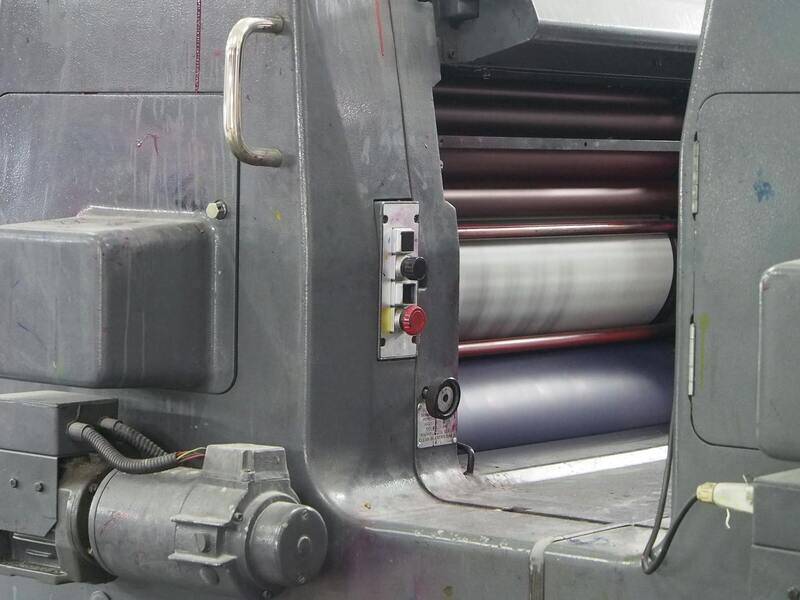
Offset printing remains the gold standard for large-volume brochure production, delivering consistent color reproduction and sharp image quality. This method utilizes a series of plates to transfer images onto rubber blankets, which then print onto the chosen material. The process allows for fine color gradations and complex color schemes, making it ideal for detailed artwork and high-end presentations.
Digital printing, on the other hand, provides flexibility and faster turnaround times, especially suitable for small to medium runs. Advances in digital technology enable high-quality color outputs that closely match offset results. When paired with advanced color management systems, digital printing can deliver accurate color matching, ensuring that your brochure's hues are true to your brand specifications.
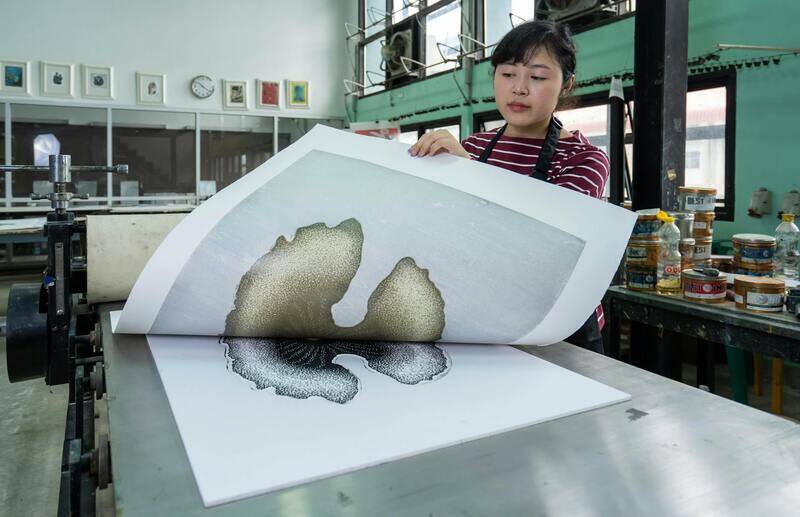
Proper color management throughout the printing process is vital for maintaining color fidelity. This involves calibrating monitors, using standardized color profiles, and employing proofing techniques such as digital proofs or hard copy proofs. These steps allow designers and clients to preview how colors will reproduce in print, reducing the risk of discrepancies or subpar results.
In addition, understanding color modes—whether CMYK for print or RGB for digital displays—is crucial. Designers should convert their artwork appropriately, ensuring that the printed colors align closely with their digital designs. Working with experienced printers who utilize high-quality inks and calibrated presses is essential to achieve the desired vibrancy and accuracy.
Advanced printing equipment and color management protocols combined with meticulous proofing can significantly elevate the visual impact of your brochure, making it stand out and effectively communicate your message to your target audience. Clear communication with your printing partner about color expectations and specifications ensures that the final product matches your brand identity and campaign goals.
Selection of Printing Methods for Optimal Results
Choosing the appropriate printing method is critical to achieving high-quality full color brochures. Offset printing remains the preferred technique for large-volume projects due to its superior color consistency, sharp image reproduction, and cost efficiency for bulk runs. This method employs printing plates that transfer ink onto the paper, ensuring that each print maintains the same vibrancy and color fidelity throughout the run.
For small quantities or projects requiring quick turnaround times, digital printing offers a flexible alternative without compromising on color quality. Modern digital presses are equipped with advanced color management systems, enabling precise color matching and detailed image reproduction. They are ideal for customized, short-run brochures where personalized content or quick revisions are necessary.
Maintaining Accurate Color Representation
Color management plays a crucial role in realizing the desired visual impact of your brochure. Printing professionals utilize calibrated devices, standardized color profiles, and robust proofing processes to ensure color accuracy. Digital proofs—either printed or digital—allow clients to preview how the colors will appear on the final product, enabling adjustments before the full run begins.
Understanding the distinction between RGB and CMYK color modes is essential during the design phase. Artwork should be converted into CMYK mode to reflect the print's color gamut accurately. This conversion helps prevent unforeseen color shifts and ensures that your brochure’s hues align with your brand’s visual identity.
Consistent color fidelity is maintained through meticulous calibration of printing presses and the use of high-quality inks. When designers communicate clear expectations and specifications to their printing partner, they facilitate a smoother production process and a final product that accurately represents their brand.
Understanding Costs Associated with Full Color Brochure Printing
The price of full color brochure printing varies based on several factors. Print volume significantly influences the unit cost, with larger quantities generally benefiting from economies of scale. Higher page counts or increased paper thickness also impact overall expenses due to additional material usage and longer press times.
Finishing options such as gloss or matte coatings, embossing, or die-cutting add to the production costs but significantly enhance the brochure’s tactile appeal and durability. Special coatings provide a premium look and improved resistance to wear, especially for brochures intended for prolonged distribution or outdoor use.
Design complexity and custom features may also influence costs. Intricate graphics, custom folds, or unique formats require more detailed setup and increased production time. To stay within budget without sacrificing quality, it’s essential to work closely with your printer to identify the most cost-effective options that meet your branding objectives.
Streamlining the Printing and Delivery Process
Efficient order processing involves submitting well-prepared files that meet the printer’s specifications for resolution, color mode, and file format. Confirming quantities, finishing preferences, and delivery deadlines in advance helps avoid delays and additional fees. Many printers provide online order management platforms, allowing for easier tracking and revisions.
Understanding the production timeline is critical for aligning printed materials with marketing campaigns or events. Lead times can vary depending on the complexity of the job and current workload, so planning accordingly ensures timely delivery of your full color brochures.
Quality Assurance and Final Checks
Before finalizing your order for full color brochure printing, conducting thorough quality assurance checks is essential to achieve optimal results. It is crucial to verify that the digital files submitted adhere strictly to the specified resolution and color profiles, such as CMYK mode, to ensure color consistency across the printed pieces. High-resolution images, typically 300 dpi or higher, should be incorporated to prevent pixelation and maintain clarity, especially for detailed graphics and photographs.
Printer proofs or soft previews allow clients to review layout, color accuracy, and overall design before the full run begins. Many printing providers offer physical or digital proofs, which serve as a final checkpoint to catch any errors or inconsistencies. During this review, it is important to examine color accuracy closely, ensuring that the shades and tones match the intended branding palette. Additionally, checking for typos, alignment issues, and finishing details such as fold lines and cut marks helps prevent costly reprints.
It is recommended to assign a dedicated team member or professional designer to oversee the review process, along with a checklist tailored for print production standards. Confirming specifications with the printer at this stage helps avoid misunderstandings and ensures that the final output aligns with your branding standards. Moreover, requesting a small batch test print can provide an additional layer of assurance before committing to the full order, particularly for large quantities or complex designs.
Uses and Distribution of Brochures
Full color brochures are versatile tools for elevating brand visibility across various contexts. They are commonly employed in:
- Trade shows and corporate events to present products or services compellingly.
- Point-of-sale displays to attract customer attention at retail locations.
- Direct mail campaigns to reach targeted audiences effectively.
- Lobby and reception areas as informative takeaways for visitors and clients.
- Community engagements and seminars to broaden outreach and engagement.
Distribution strategies should consider the target demographic, environment, and purpose of the brochure. For instance, high-quality, durable brochures with UV coatings are suitable for outdoor distribution or frequent handling, whereas lightweight options might be preferred for mass mailing. Additionally, incorporating QR codes or scannable links can enhance interaction, directing recipients to your online platforms for further engagement.
Effective deployment involves coordinated logistics, such as timely delivery to distribution points and integration with other marketing channels. Measuring the response rate and engagement from brochure distribution can help refine future print campaigns, ensuring that your brochures serve as impactful components of your overall marketing strategy.
Understanding Full Color Brochure Printing
Full color brochure printing requires meticulous attention to detail in every stage, from design to final delivery. Ensuring color consistency across different batches hinges on using standardized color profiles such as CMYK, which provides a predictable and vibrant color output suited for print media. High-resolution files, typically at 300 DPI, are essential to achieve crisp images and sharp text, preventing pixelation and ensuring professional results. Proper file preparation involves embedding or flattening fonts, confirming image resolutions, and verifying that bleeds are correctly set up to avoid unexpected white borders during trimming.

Work closely with printing providers who utilize advanced color management systems. These economies of scale allow for consistent output across large runs, reducing the risk of color variation. Additionally, requesting print proofs before the full run provides an opportunity for quality verification, ensuring that the final product aligns perfectly with expectations. Regular communication with trusted print shops and adherence to their specifications fortify the process, maximize the use of vibrant, true-to-design colors, and uphold the overall quality of the printed brochures.
Design Considerations for Brochures
Designing an effective full color brochure goes beyond aesthetics; it must convey the brand message clearly while engaging the viewer. Visual hierarchy plays a significant role, guiding the reader’s eye through strategic placement of headlines, images, and call-to-action elements. Using consistent color schemes that align with brand identity enhances recognition and reinforces messaging. Incorporating high-quality images, infographics, and icons helps communicate complex information succinctly and attractively.
- Typography: Choose legible fonts that complement the overall design and maintain readability.
- Balance: Avoid clutter by maintaining appropriate spacing, margins, and alignment.
- Content: Craft compelling copy that aligns with your visual elements and encourages action.
Innovative layout ideas, such as fold-out panels or die-cut shapes, can add an element of interactivity and uniqueness to your brochures. Ensuring compatibility with mobile devices through scannable QR codes or shortened URLs seamlessly integrates print with digital platforms, broadening your outreach and engagement potential.
Material and Paper Options
The choice of materials significantly influences both the tactile experience and durability of the brochures. Thicker paper stocks, such as 170gsm or 300gsm gloss or matte finishes, lend a premium feel, suitable for high-end branding. Coated papers with UV or aqueous coatings serve to protect printed surfaces from smudging, moisture, and wear, extending the lifespan of your brochures in high-traffic environments.
For applications demanding outdoor resilience, waterproof or weather-resistant materials are advisable. Recycled paper options are also available for environmentally-conscious brands, with modern manufacturing methods ensuring vibrant color retention and print quality. Consider the weight and feel of your chosen paper, as these factors impact the perception of quality and the overall branding message.
Printing Techniques and Color Accuracy
Offset printing remains the gold standard for high-volume, sharp, and color-accurate brochure production. It provides consistent results with precise color matching, especially for complex, multi-color designs. Digital printing offers a flexible alternative for short runs or prototypes, allowing quicker turnaround times without compromising quality. Advanced printing techniques such as spot UV coatings or embossing can further elevate aesthetic appeal by adding texture or gloss to specific areas.
Color accuracy depends heavily on calibration between digital files and the printing process. Utilizing ICC profiles and proofing services ensures the colors displayed on your screen translate accurately to printed material. Color proofing, whether digital or physical, helps verify that tones, gradients, and real-world color representations meet expectations before proceeding with larger quantities.
Cost Factors and Budgeting
The total cost of full color brochure printing is influenced by multiple variables, including quantity, paper choice, printing technique, and finishing options. High-quality finishes like matte or gloss coatings, UV lamination, or embossed elements contribute to higher unit costs but can significantly impact perceived value. Bulk orders typically benefit from pricing discounts, making large campaigns more economical.
- Quantity: Larger orders reduce the per-unit cost but require careful planning and forecasting.
- Materials: Premium papers and special finishes incur additional costs but enhance durability and visual impact.
- Design Complexity: Intricate graphics, die-cuts, or special effects can increase production expenses.
Establishing a clear budget at the outset facilitates choosing the most appropriate options aligned with campaign goals, ensuring effective resource allocation while maintaining high quality standards.
Lead Time and Order Process
Effective planning involves understanding typical lead times, which vary based on order volume, complexity, and the selected printing method. For offset printing, lead times generally range from 5 to 10 business days after proof approval, with additional days for delivery logistics. Digital printing can offer faster turnaround, often within 2 to 4 business days, ideal for urgent requirements.
The order process begins with selecting a reputable printing partner capable of handling full color brochure production. This includes submitting correctly formatted files, choosing materials, and specifying finishing details. After file review and proof approval, the printing process proceeds, with ongoing communication to track progress. Post-production options like packaging, mailing, or distribution are coordinated to align with campaign timelines, ensuring your brochures arrive ready for deployment.
Ensuring High-Quality Output with Proper Final Checks
Achieving impeccable full color brochure printing involves meticulous final quality assurance measures. This process critically safeguards the fidelity of colors, clarity of graphics, and overall presentation before the brochures are approved for distribution. A comprehensive quality check begins with a thorough review of the proofed files. This review should focus on color accuracy, ensuring that the printed result aligns with the intended design, especially since vibrant hues and subtle gradients are key in engaging audiences. Corrections or adjustments must be communicated clearly to the printing team to prevent discrepancies.
Inspecting the sample or proof version of the brochure is an essential step. Physical proofs or digital mockups should be evaluated under proper lighting conditions, simulating how the brochures will appear in their final environment. Attention should be paid to the resolution of images, text sharpness, and the consistency of color reproduction across different pages. This helps identify any issues related to misalignment, color mismatches, or printing defects that might compromise the visual impact.
Implementing Adjustments for Optimal Results
Based on the review outcomes, adjustments might be necessary. These could include modifications in the design file, such as tweaking color profiles or resolution settings, to enhance output quality. Collaborating closely with the printing provider ensures that any required revisions are accurately implemented. For example, ensuring that color profiles are correctly embedded in the design file can prevent color shifts. Additionally, selecting the appropriate paper finish—glossy or matte—can influence the vibrancy and durability of the brochure, so clear communication about these preferences is vital.
Once adjustments are made, a reproofing cycle may be conducted to verify the changes. This iterative process guarantees that the printed brochures meet specified standards, delivering a professional visual presentation that accurately reflects your brand’s identity. Final approval should be formalized only after confirming the print proofs are flawless, reducing the risk of costly reprints or dissatisfaction post-production.
Documenting and Maintaining Quality Standards
To maintain consistency in future print runs, it is advisable to document the quality standards and specifications used during the current project. This documentation includes color settings, paper types, finishing techniques, and any specific instructions given to the printer. Such records serve as reference points for subsequent orders, ensuring uniformity and high quality across large campaigns or repeated print needs.
Partnering with a reputable printing service that adheres to rigorous quality protocols can significantly streamline this final verification process. Their expertise often provides insights into optimizing print details, leveraging advanced printing technologies, and implementing best practices that elevate the final product’s aesthetic appeal and professional finish.
