
Overview of Card Printing Services
Card printing services serve as essential solutions for individuals and organizations seeking high-quality, durable, and visually appealing cards for various purposes. These services encompass the production of a wide array of card types, including business cards, membership cards, and identification (ID) cards, each tailored to meet specific functional and branding requirements. Professional card printing offers clients the ability to customize designs with precision, ensuring that each card effectively communicates its intended message and represents the brand or identity of the user comprehensively.
In today’s competitive landscape, the importance of well-designed and professionally produced cards cannot be overstated. Whether for networking, access control, or customer loyalty programs, printed cards function as tangible assets that enhance credibility and foster trust. The process involves meticulous planning, from selecting suitable materials to choosing the appropriate printing techniques, to achieve a final product that aligns with the client’s vision and purpose.
Types of Cards Offered
Card printing services typically offer a diverse selection of card types, each designed to serve specific needs:
- Business Cards: Classic tools for professional networking, these cards are often customized with logos, contact information, and creative designs to leave a lasting impression.
- Membership Cards: Utilized by clubs, gyms, or retail outlets, these cards facilitate access and loyalty programs, often incorporating features like magnetic strips or QR codes.
- ID Cards: Essential for staff identification, access control, or security purposes, these cards often include photographs, security features, and company branding.
- Event Passes: Customized for conferences or events, these cards grant access and may include various security features.
Materials and Card Quality
The choice of materials significantly influences the durability and appearance of printed cards. Common options include PVC, PET, and composite materials, each offering unique benefits:
- PVC: Widely used for its durability and professional look, suitable for frequent handling.
- PET: Known for being eco-friendly and resistant to wear, ideal for environmentally conscious organizations.
- Composite Materials: Combining different substrates to achieve specific properties such as flexibility or enhanced durability.
High-quality card stock ensures the final product withstands daily use while maintaining its visual appeal. Surface finishes like matte, gloss, or satin further enhance the perceived value and tactile experience.
Printing Techniques and Customization
Professional card printing employs various techniques to achieve vibrant, detailed designs:
- Offset Printing: Suitable for large quantities, offering high precision and consistent quality.
- Digital Printing: Ideal for short runs and quick turnaround times, providing excellent resolution for complex designs.
- UV Coating and Laminations: Enhances durability and visual impact by adding protective layers or glossy finishes.
Customization options include embossed or engraved texts, holographic overlays, magnetic strips, contactless chips, and QR codes. These features enable the integration of security and functionality into the card design.
Design Considerations
Effective card design balances aesthetics with functionality. Key considerations include:
- Clarity of the design and legibility of text
- Brand consistency through logo placement and color schemes
- Inclusion of security features to prevent duplication or tampering
- Use of high-resolution images and layouts suitable for various card sizes
- Incorporating visual hierarchy to guide information flow
Pricing and Turnaround Time
Costs depend on factors such as card quantity, material, complexity of design, and additional features. Most providers offer tiered pricing to accommodate different budgets. Turnaround times vary from same-day or next-day services for simple orders to several business days for intricate designs with custom features. Transparent pricing and efficient processing are vital components of a reputable card printing service.
Choosing a Card Printing Service Provider
Selecting a reliable provider involves evaluating their experience, quality standards, and range of services. Transparent communication, portfolio of past work, and customer reviews are valuable indicators of their capability to deliver satisfactory results. It is essential to confirm that the provider uses high-grade materials and employs advanced printing techniques to ensure longevity and visual excellence.
Usage and Benefits of Professionally Printed Cards
Professionally printed cards are crucial for establishing brand identity, facilitating security protocols, and enhancing customer engagement. Well-crafted cards foster professionalism, support marketing efforts, and improve operational efficiency. Whether serving as promotional tools, access credentials, or membership identifiers, these cards offer tangible, long-lasting benefits when produced through dedicated printing services that prioritize quality and precision.
Overview of Card Printing Services
Professional card printing services in Singapore encompass a comprehensive range of options tailored to meet diverse business and personal needs. These services utilize advanced printing technology and premium materials to produce high-quality cards that effectively communicate brand identity, serve security functions, or facilitate customer engagement. High standards in print quality, durability, and customization options distinguish reputable providers. They ensure each card not only fulfills its functional purpose but also enhances visual impact, reinforcing the image of the issuing entity.

The selection process for a dependable card printing service involves examining the provider’s technological expertise, material options, and customer feedback. A well-established provider typically offers a variety of finishes, such as gloss, matte, or soft-touch coatings, along with security features like holograms or microtext to prevent forgery. Transparent communication regarding capabilities and deliverables also plays a critical role in ensuring the end product aligns with specific expectations.
Factors Influencing the Service Experience
- Material Quality: Options range from PVC and PET to specialty plastics, each offering different levels of durability and aesthetic appeal.
- Design Flexibility: Customizable templates and the ability to incorporate complex graphics or embedded security features enhance the utility and appeal of the cards.
- Production Efficiency: Modern printing presses and efficient workflows enable shorter turnaround times without compromising quality.
Further, comprehensive card printing services often include auxiliary solutions such as lamination, slot punching, or encoding magnetic stripes and RFID chips. These enhancements broaden the scope of card functionalities and extend their lifespan under regular usage.
Importance of Choosing the Right Service
Opting for the right provider ensures the production of cards that meet specific requirements, whether for corporate branding, membership validation, or access control. An in-depth evaluation of potential printers involves reviewing their service portfolio, examining sample works, and verifying adherence to quality standards. Many reputable providers maintain transparent pricing structures and offer detailed consultations to assist clients in selecting the best options aligned with their needs and budgets.
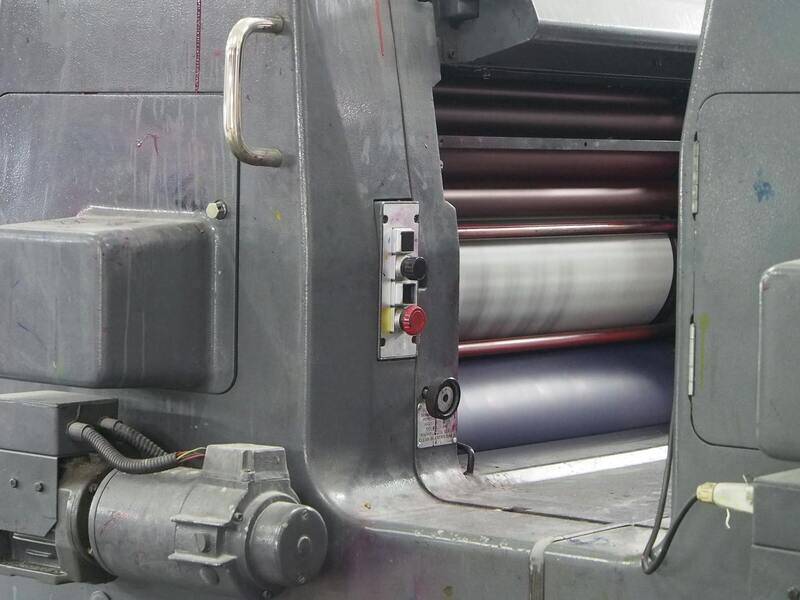
By choosing a trusted printing partner, organizations and individuals can leverage top-tier printing technology combined with high-grade materials to produce visually compelling and functionally durable cards. This commitment to excellence not only elevates brand perception but also assures recipients of quality and security, vital for both promotional and operational purposes.
Materials and Card Quality
When selecting a card printing service, understanding the different materials used is essential for achieving the desired durability, appearance, and functionality. The most common material for premium cards is PVC, a type of plastic that offers a sturdy and resilient surface, suitable for frequent handling and long-term use. PVC cards tend to have a smooth finish that lends itself well to detailed printing and vibrant color reproduction.
Other materials such as composite polypropylene or PET (polyethylene terephthalate) are also utilized for specific applications that require additional flexibility or environmental resistance. These materials can withstand exposure to moisture, temperature variations, and wear, making them ideal for cards that are used outdoors or in rigorous environments.

The choice of material directly impacts not only the functional lifespan of the card but also its visual presentation. High-quality materials tend to produce more vibrant and crisp prints, which are crucial for branding and personalization efforts. Additionally, some materials support embedded security features such as holograms or embedded chips, enhancing the card's overall security and utility.
Printing Techniques and Customization
Professional card printing involves various techniques that allow for extensive customization to meet specific branding, security, or functional needs. Digital printing, for instance, offers quick turnaround times and high-resolution graphics, ideal for small to medium production runs. Offset printing, on the other hand, provides cost-effective solutions for large quantities with exceptional color fidelity.
Additional customization options include:
- Embossing and Debossing: Adds tactile texture and visual depth to cards, enhancing branding and security.
- Foil Stamping: Uses metallic foils to add reflective and eye-catching elements.
- Thermal Transfer and Laser Printing: Suitable for encoding magnetic stripes or RFID chips integrated into the card.
- UV Coatings and Lamination: Protects printed surfaces and increases resistance to scratches and fading.
These techniques ensure that each card not only meets aesthetic standards but also incorporates necessary security features, making them suitable for secure access, membership validation, or brand promotion.
Design Considerations
The design phase is crucial in creating a functional and aesthetically pleasing card. Effective designs incorporate clear typography, brand logos, and color schemes that align with organizational branding. It’s important to consider the placement of key elements to avoid clutter and ensure readability.
Design considerations also include the integration of security features such as watermarks, microtext, or holographic overlays that are seamlessly embedded within the design process. Moreover, designers must account for the card’s intended use, whether it’s for ID badges, loyalty cards, or access control, tailoring the layout to enhance usability and security.
Pricing and Turnaround Time
Cost competitiveness and efficiency are significant factors when choosing a card printing service. Reputable providers offer transparent pricing models based on quantity, card complexity, and customization features. Bulk orders generally benefit from discounted rates, making mass distribution more economical.
Turnaround times vary depending on the complexity of the design, materials used, and order size. Standard processing might range from a few days to a week, while expedited services are available for urgent needs. Ensuring clear communication regarding timelines can help organizations synchronize their print production with project deadlines or events.

Choosing a Card Printing Service Provider
When selecting a provider, it is essential to evaluate their expertise, equipment, and quality assurance processes. Providers with a comprehensive portfolio of card types, customization options, and security features demonstrate versatility and commitment to quality.
Review samples and client testimonials to assess their track record. Observing their compliance with industry standards, transparency in pricing, and willingness to offer consultations further aids in making an informed decision. A reliable service provider also supports scalable order quantities and offers post-printing services such as lamination, slot punching, and encoding, ensuring the final product fully meets specifications.
Usage and Benefits of Professionally Printed Cards
Engaging professional printing services ensures the production of cards that are both visually appealing and highly durable, making a strong impression on recipients. These cards serve various purposes, including identification, access control, membership validation, and promotional activities. The durability of high-quality materials and advanced printing techniques guarantees their lifespan even under frequent use.
Furthermore, well-designed and professionally produced cards enhance brand recognition and convey a sense of credibility. They also provide a secure platform for integrating features like magnetic stripes or RFID chips, which enable efficient and secure operations in access management systems, loyalty programs, and other organizational functions.
Printing Techniques and Customization
To meet diverse organizational needs, professional card printing services employ a variety of advanced printing techniques that enhance the visual appeal, durability, and security of the final product. Digital printing is popular for small to medium batch runs, offering quick turnaround times and excellent image quality suited for customized designs and rapid revisions. Offset printing, on the other hand, is ideal for large-volume orders; it provides consistent color accuracy and sharp details, making it a preferred choice for bulk production where cost efficiency and high quality are prioritized.
UV printing is renowned for its ability to produce vibrant, three-dimensional effects and durable finishes that resist scratching and fading. This technique is advantageous for creating eye-catching designs that need to withstand frequent handling or exposure to environmental factors. Beyond these methods, industry leaders often incorporate specialty printing processes such as embossing, foiling, and hologram application to elevate the card’s appearance and add layers of security.

Customization options extend beyond printing methods to include various finishing touches that make each card unique and functional. Embossing adds a tactile dimension, making elements like logos or names stand out prominently. Foil stamping imparts a metallic sheen that enhances brand identity and visual impact. Incorporating holograms not only heightens aesthetic appeal but also provides an effective layer of tamper resistance, crucial for secure identification cards. Furthermore, options such as magnetic stripes, chip encoding, and RFID embedding expand the functionality of printed cards, enabling secure access control, cashless transactions, and membership management.
These customization features reflect a commitment to crafting cards that are both visually compelling and aligned with specific operational requirements. When selecting a printing service, it is wise to evaluate the range of available techniques and customization options to ensure the final product meets all aesthetic and functional expectations, while also complying with the organization’s security standards.
Overview of Card Printing Services
Card printing services in Singapore provide comprehensive solutions for a wide array of needs, from business and corporate identification to membership and loyalty cards. Industry leaders leverage cutting-edge technology and quality materials to produce high-resolution, durable cards tailored to meet specific functional and aesthetic requirements. These services incorporate various printing processes designed to ensure clarity, security, and resilience against wear and tear, making them suitable for frequent handling and diverse environmental conditions. Whether it's for employee IDs, access cards, or promotional giveaways, professional card printing firms emphasize precision, consistency, and customization, ensuring each product aligns with client specifications and operational purposes.

Types of Cards Offered
Singapore printing providers offer a diverse range of card types, each designed to serve distinct applications. Standard options include PVC cards, which are highly versatile and durable, suitable for frequent handling and outdoor use. For more advanced security requirements, options such as RFID-enabled cards, smart cards with embedded chips, or magnetic stripe cards are available. Additionally, specialty cards like holographic identification, promotional gift cards, and event passes are commonly produced, allowing organizations to create distinctive and secure identification or promotional materials. Custom shapes and sizes can also be requested, providing brands with the flexibility to stand out in competitive environments.

Materials and Card Quality
The material used for card printing significantly impacts the card's durability, appearance, and functional performance. Polyvinyl chloride (PVC) remains the most prevalent material due to its robustness, flexibility, and ease of printing. Some providers also offer alternative substrates such as Teslin, PET, or composite materials that offer enhanced resistance to bending, scratching, and environmental stressors. The choice of material influences the card’s lifespan, with thicker gauges providing added durability, especially for usage in high-traffic or outdoor settings. Finish options typically include matte, gloss, or soft-touch coatings, which further protect the printed surface and enhance visual appeal. When selecting a card printing service, assessing the quality of materials used ensures the produced cards will effectively serve their intended function over an extended period and withstand daily handling.

Printing Techniques and Customization
Industry-leading card printing services employ advanced techniques to deliver bespoke, secure, and visually striking cards. Digital printing provides high-resolution image reproduction suitable for complex designs, while offset printing is used for larger quantities with consistent quality. For enhanced security, features such as holographic overlays, microtext, and UV printing are incorporated. Customization extends to tactile features like embossing or debossing, which add dimension and facilitate quick recognition of branding elements. Foil stamping lends a metallic flair to logos and text, making them pop against the background. Moreover, specialty options like hologram application bolster security and visual impact, especially for access controls or high-value membership cards. Functional enhancements are also common, including magnetic stripes, embedded microchips, or RFID encoding, which expand a card's capabilities for transactions or secure access. When selecting a provider, reviewing their range of techniques and customization options ensures the final product aligns with brand identity, security standards, and operational needs.
Overview of Card Printing Services
In the rapidly evolving landscape of branding and identification, professional card printing services have become an essential component for businesses, organizations, and individuals seeking high-quality, durable, and visually compelling cards. These services offer a comprehensive suite of solutions designed to meet diverse needs—from business identification cards to membership, loyalty, access control, and gift cards. Leveraging advanced printing technology and premium materials, reputable providers ensure that each card produced not only aligns with specific design and security requirements but also maintains functionality over time, even under demanding conditions.

Types of Cards Offered
Professional card printing providers in Singapore specialize in an array of card types, each tailored to distinct applications and branding strategies. Some of the most common include:
- Business Cards: Designed for personal and corporate networking, representing professionalism and brand identity.
- Membership Cards: Used to grant access or rewards, supporting customer loyalty programs.
- Gift and Loyalty Cards: Enhance customer retention through visually appealing and customizable designs.
- Access Control Cards: Incorporate security features such as embedded microchips or RFID for restricted access to premises or facilities.
- Identification Cards: Employed by organizations to identify staff, students, or members with options for embedding security features.

Materials and Card Quality
The durability and aesthetic appeal of printed cards heavily depend on the choice of materials. Premium card printing services utilize high-grade substrates to ensure longevity and resistance to daily wear and tear. Common materials include PVC, which offers excellent durability and flexibility, PET for increased impact resistance, and composite options that blend features for enhanced security and aesthetics. Some providers also offer specialty finishes such as matte, gloss, or soft-touch coatings to elevate the tactile experience. The selection of materials is aligned with the card's intended use, desired lifespan, and environmental considerations. High-quality printing combined with resilient materials guarantees that the cards not only look professional but also withstand handling, exposure to elements, and, in some cases, tampering attempts.

Printing Techniques and Customization
Advanced printing techniques allow for the creation of visually striking and secure cards with diverse customization options. Digital printing is favored for its ability to reproduce complex images and detailed designs at high resolution, making it ideal for short runs or personalized cards. Offset printing offers cost-efficient production for larger quantities with consistent quality. Embossing and debossing techniques add tactile dimensions, greatly enhancing both security and aesthetic appeal. Foil stamping introduces metallic accents that make logos or specific design elements stand out, while holographic overlays or microtext serve as security features to deter counterfeiting. UV printing is employed to embed invisible or vivid UV-reactive components for additional security layers. Functional features such as magnetic stripes, embedded microchips, or RFID tags are incorporated during the printing process to enhance the card’s capabilities in transactions and secure access. When choosing a provider, it’s vital to review their range of techniques to ensure that the final product aligns with your security standards, brand image, and operational requirements.
Design Considerations
Designing an effective card involves a strategic balance of aesthetics, functionality, and security. Color schemes, typography, and imagery should resonate with brand identity while ensuring readability and visual impact. Incorporating security features such as holograms, microtext, or embedded chips needs to be seamlessly integrated into the overall design to prevent compromise of visual integrity. Tactile features like embossing or textured finishes not only elevate the look but also facilitate quick recognition and handling. The layout must consider practical aspects such as space for signatures, barcodes, or magnetic strips, without cluttering the design. Selecting a reputable card printing service that offers expert guidance on customization ensures that the final product fulfills all aesthetic and functional criteria effectively, reinforcing brand consistency and security.
Understanding the Different Materials Utilized in Card Printing
Choosing the appropriate material for your printed cards is fundamental to achieving durability, security, and aesthetic appeal. Standard options typically include PVC (Polyvinyl Chloride), which offers excellent durability and flexibility, making it a popular choice for ID, membership, and business cards. PVC cards are resistant to wear and tear, ensuring longevity even with frequent handling. Alternatively, PET (Polyethylene Terephthalate) provides a slightly more eco-friendly option with similar durability but enhanced environmental sustainability. Polycarbonate cards are known for their high-impact resistance and are often used for high-security credentials like access control cards or government-issued IDs.
Specialized materials such as composite cards combine multiple layers of different substrates to introduce additional security features or tactile elements. For instance, incorporating holographic overlays or embedded microchips often involves layered materials that can withstand exposure to environmental factors such as water, heat, or friction. These high-grade materials are well-suited for corporate security badges, loyalty cards, or anything requiring advanced protective features.
Security and Functional Features Embedded in Printed Cards
Modern card printing integrates various security features to safeguard against duplication and unauthorized use. These features include microtext, holograms, UV-reactive inks, and embedded microchips. Incorporating magnetic stripes or RFID tags enables contactless data transfer, facilitating quick and secure transactions or access authorization. The selection of material significantly impacts the compatibility and effectiveness of these features, with some materials better suited for embedding microchips or RFID components due to their structural integrity.
Design Innovations to Enhance Card Utility and Security
Designing functional cards involves strategic choices that improve usability and enhance security. For example, embossed characters, tactile patterns, or textured finishes can foster quick identification and handling. Incorporating clear zones for signatures, barcodes, or magnetic strips must be done thoughtfully, balancing overall aesthetic with practicality. Advanced printing techniques allow for intricate background patterns or watermarked images that add complexity to counterfeit attempts, while maintaining visual clarity for the end-user.
Optimizing Cost Efficiency Without Compromising Quality
Cost considerations remain integral when selecting card printing services. The choice of material, complexity of security features, and volume of order directly influence pricing. Bulk orders typically benefit from reduced unit costs, making them a practical choice for organizations requiring extensive credentials. Precise turnaround times are also critical, especially for urgent projects, necessitating a clear understanding of production and delivery timelines offered by potential providers.
Detailed Insights on Card Printing Services
When selecting a card printing service, it is essential to ensure that the provider uses industry-standard methods and high-quality equipment to produce durable, visually appealing cards that meet specific functional requirements. A reputable service will employ proven printing techniques such as dye-sublimation, offset printing, or UV printing, which guarantee vibrant colors, sharp images, and long-lasting finishes. These methods often incorporate advanced color management to ensure consistency across batches, an important factor for branding and professional presentation. Additionally, professional card printers utilize precision in alignment and registration to prevent blurry images or misplacement of design elements, which can undermine the card's overall appearance and functionality.

Process integrity extends beyond printing alone; it involves the entire workflow from digital design to final QC checks. This comprehensive approach minimizes errors such as incorrect color reproduction, misaligned graphics, or inconsistent card dimensions. Moreover, for organizations that require compliance with specific standards—such as ISO specifications for card dimensions or security features—it is advantageous to work with providers well-versed in these standards. Such adherence ensures that each card not only looks professional but also functions as intended in its operational environment.
Ensuring Authentic and Secure Card Printing
Authentic card printing services often incorporate multiple levels of security into their processes. This includes controlled environments to prevent tampering during production, as well as the use of secure inks or substrates that are resistant to forgery or alteration. Techniques such as holographic overlays, microtext printing, and embedding of security features like UV-visible elements are increasingly integrated into the printing workflow, adding layers of verification. A detailed quality assurance process – including visual inspections, run tests, and sample evaluations – ensures that each batch adheres to the highest standards, reducing the likelihood of errors or counterfeit production.
Supporting Sustainability and Environmental Standards
Modern card printing services are also attentive to sustainability practices, utilizing eco-friendly materials and environmentally conscious printing processes. Recyclable substrates, soy-based inks, and reduced waste techniques contribute to lower environmental impact without compromising card durability or visual quality. Choosing a provider that values sustainability aligns with organizational commitments to corporate social responsibility and can enhance brand reputation among environmentally conscious stakeholders.
Quality Assurance and Calibration
Professional providers regularly calibrate their equipment to maintain color accuracy and print consistency. Calibration involves meticulous adjustment of printers and color management profiles, which ensures that the final product matches the digital design precisely. Repeated checks and process controls secure the uniformity across large orders, particularly vital for organizations that require repeatable branding across multiple batches of cards. This rigorous quality assurance process is fundamental to delivering cards that meet both aesthetic and functional expectations reliably.
