
Understanding the Importance of Business Cards
Business cards have been an essential component of professional branding and networking for decades. They serve as a tangible representation of an individual's professional identity, offering a quick and effective way to share contact information, convey brand personality, and establish credibility. In an era where digital communication dominates, physical business cards continue to hold significant value in making memorable impressions and fostering lasting professional relationships.
Printing your own business cards introduces a level of customization and control that pre-printed options cannot match. When you take charge of the printing process, you can tailor each card to reflect your brand's unique style, incorporate specific design elements, and quickly adapt to changing needs or special events. This flexibility not only saves costs in the long run but also allows for spontaneous updates, special editions, or personalized touches tailored to different audiences.
Furthermore, owning the ability to print your own business cards fosters a professional image and boosts your efficiency in maintaining a consistent brand presence. It reduces dependency on third-party printing services, shortens turnaround times, and empowers you to experiment with various designs, materials, and finishes without the constraints of external providers.
High-quality, self-printed business cards can leave a lasting impression, demonstrate attention to detail, and reflect your commitment to professionalism. Whether for quick networking sessions or formal corporate events, having the capacity to print your own business cards ensures you are always prepared to make a strong, personal connection.

Ultimately, the strategic value of well-designed, personally printed business cards extends beyond mere contact sharing. They become an integral part of your branding toolkit—an extension of your professional persona that can be tailored to suit specific contexts, contribute to brand recognition, and reinforce your credibility in any professional setting.
Tools and Equipment for Printing Business Cards
Successfully printing your own business cards requires investing in the appropriate tools and equipment, ensuring professional quality and durability. The core equipment typically includes a high-resolution color printer capable of handling various cardstock types, along with specialized accessories to enhance printing precision. For those aiming for crisp text and vibrant images, a laser printer with color capabilities offers superior results, but there are also premium inkjet options suitable for detailed designs and finishes.
In addition to printers, a selection of quality cutting tools is essential to achieve clean, straight edges. Guillotine cutters or paper trimmers are popular choices for precise cuts, especially when producing multiple cards simultaneously. Corner rounders can add a polished, professional edge, enhancing the tactile feel and aesthetic appeal of the finished product. To accommodate different card sizes and styles, some printers also support custom media feeds and adjustable settings, optimizing the print quality for various cardstock thicknesses.

Furthermore, maintaining a supply of premium cardstock is vital. Choosing the right material impacts both the appearance and durability of your business cards. Materials such as matte, gloss, or textured finishes can convey different brand identities, and selecting appropriate thickness levels (typically between 14pt and 32pt) ensures sturdiness and a premium feel. Many businesses opt for specialty papers with features like foil stamping or watermarking to add exclusivity and visual interest.
Designing Business Cards Using Software
The process of creating compelling business card designs begins with selecting the right software tools. Industry-standard programs such as Adobe Illustrator, Photoshop, or CorelDRAW provide extensive capabilities for custom artwork, precise alignment, and advanced effects. For those seeking more accessible options, online platforms like Canva, Vistacreate, or Adobe Express offer user-friendly interfaces with templates tailored for business cards. These tools enable you to visualize your design, experiment with layouts, and incorporate brand elements such as logos, fonts, and color schemes with ease.
When designing your business cards digitally, pay close attention to resolution settings—preferably 300 DPI—to ensure clarity and sharpness in print. Incorporate bleed areas and safe zones to prevent unwanted cropping or border issues, and consider branding consistency across all materials. A well-crafted design not only showcases your professionalism but also ensures that essential information such as your contact details and company name stand out effectively.
Cost Considerations and Budgeting
Cost analysis is a crucial factor when planning to print your own business cards. Expenses generally encompass equipment purchase or leasing, quality cardstock, inks or toners, and design software licenses. Setting a clear budget helps determine whether investing in a dedicated printer or opting for a multi-function device is most appropriate for your needs. Additionally, factoring in ongoing costs such as replacement cartridges and maintenance ensures sustainable printing operations.
Balancing quality and cost-efficiency involves assessing the volume of cards expected to be printed. For low to medium volumes, a compact desktop printer paired with high-quality cardstock may suffice. Conversely, larger operations may benefit from more advanced, industrial-grade printers that support high-volume output with consistent results. Careful planning ensures that your investment aligns with your branding goals and operational requirements, delivering durable, professional business cards without excessive expenditure.
Choosing the Right Materials and Finishes
Selecting appropriate materials and finishes is fundamental to producing business cards that leave a lasting impression. The choice of paper quality plays a pivotal role, influencing both aesthetic appeal and durability. Premium cardstock options, such as 350-450gsm heavyweight paper, provide a sturdy, high-end feel that underscores professionalism. Texture is another important factor; smooth matte finishes lend a sophisticated look, while glossy coatings enhance vibrancy and make colors pop. For a unique tactile experience, specialty finishes like linen, textured, or soft-touch coatings can differentiate your cards from standard designs.
In addition to the base material, considering special finishes can significantly enhance the visual and tactile quality of your business cards. Spot UV coatings selectively add gloss to specific design elements, such as logos or icons, creating a striking contrast against matte backgrounds. Embossing and debossing techniques introduce a three-dimensional texture, highlighting your brand’s identity and adding an element of craftsmanship. Foil stamping imparts metallic accents, reinforcing luxury and exclusivity. All these finishes should complement your overall branding strategy and ensure that your business cards stand out in a professional manner.
Selecting Printing Methods and Technologies
Deciding on an appropriate printing method is crucial for achieving the desired quality and efficiency in your business cards. Digital printing is ideal for short to medium runs, offering quick turnaround times and cost-effectiveness. It allows for high-resolution images and complex designs to be printed directly from digital files, making it suitable for custom or variable data printing.
Offset printing, on the other hand, is best suited for large volume orders where consistent quality and color accuracy are paramount. It employs printing plates and can deliver crisp images and vibrant colors on a larger scale. Some printers also incorporate specialty techniques such as letterpress or hot foil stamping, which add unique textures and metallic effects, ideal for luxury branding or limited editions.
Evaluating your print volume, budget constraints, and design complexity will help determine the most suitable printing technology. Modern advances have made digital options more versatile, enabling small businesses to produce professional-grade business cards without the need for large-scale offset machinery.

Tools and Equipment for Printing Business Cards
For those interested in an in-house printing setup, selecting the right tools and equipment is essential. Desktop inkjet or laser printers designed for high-quality color printing can produce professional-looking business cards, provided they support the necessary resolution and media compatibility. It’s important to choose printers that can handle thicker cardstock and specialty papers without jamming or smudging.
In addition to printers, invest in cutting tools such as guillotine or corner rounders to achieve clean, precise edges. A good quality paper trimmer ensures consistency and efficiency in trimming multiple cards simultaneously. If you wish to add special finishes such as embossed or foil elements, equipment like embossing machines or foil applicators may be necessary. Maintaining a dedicated workspace, with proper ventilation and storage for supplies, helps streamline the process and uphold quality standards.

Designing Business Cards Using Software
Effective design is the cornerstone of memorable business cards. Utilizing professional design software such as Adobe Illustrator, CorelDRAW, or specialized online tools enables precise control over layout, typography, and color schemes. These programs support creating vector graphics, which are essential for maintaining clarity and sharpness during printing, especially when scaling designs or incorporating intricate details.
When designing, consider incorporating your brand elements consistently, including logo, color palette, and font choices. Balance is key; avoid overcrowding with excessive text or graphics, ensuring that contact details are clear and easily readable. Use guides and safe zones to prevent important information from being cut off during trimming. Saving files in high-resolution formats (such as PDF or TIFF) with appropriate bleed settings guarantees that the final print matches your design intent.
Online platforms also offer customizable templates that are easy to modify, making it convenient for non-designers to create professional business cards while maintaining stylistic coherence. Consistency in design helps reinforce your brand identity and project credibility to your contacts and potential clients.
Legal and Official Methods for Printing Your Business Cards
When it comes to producing professional-quality business cards, utilizing approved means ensures your final product’s appearance and durability meet industry standards. The most dependable approach involves partnering directly with reputable printing companies or commercial print shops. These establishments employ state-of-the-art equipment and adhere to strict manufacturing protocols, ensuring each batch of business cards aligns with your specified design and quality expectations.
Opting for professional printing services offers multiple advantages. They provide access to high-end printing technology such as offset and digital presses capable of reproducing vibrant colors, sharp details, and fine lines with precision. Additionally, these providers often have extensive experience in material selection and finishing options, helping you select the best combination of paper stock, coatings, and specialty finishes to match your brand image.

In the process of creating your business cards through legitimate channels, it's essential to work with certified or accredited printers. These entities adopt environmentally responsible practices, maintain quality control standards, and use approved materials to deliver durable products. Confirming credentials and reviewing previous work samples can help ensure your business cards will meet your expectations and uphold your professional image.
Another legitimate method involves accessing online printing platforms that operate under recognized industry standards. These platforms typically offer user-friendly interfaces for uploading your design files directly to secure servers, where they undergo quality checks before printing. They often provide options to replicate printing batches with high consistency, utilize approved inks and papers, and source eco-friendly materials.
It's also advisable to seek services that provide sample prints or proofs before the entire batch is produced. This step allows you to inspect the color accuracy, layout, and material quality firsthand. Approving these proofs ensures that the final product aligns with your vision and maintains the professionalism you wish to project.

In summary, choosing official printing avenues such as established print shops and certified online platforms not only guarantees the authenticity of your business cards but also provides peace of mind that your branding and contact information are presented with clarity and finesse. These methods are designed to produce results that reflect the professionalism and integrity of your enterprise, helping you make a positive first impression in every business interaction.
Understanding the Importance of Business Cards
Business cards serve as a tangible representation of your professional identity and brand. They are often the first point of contact between you and potential clients or partners, making it crucial to ensure they are crafted and printed through legitimate and reliable channels. Using official methods for printing your own business cards guarantees high-quality results that reflect your enterprise's credibility and attention to detail. These approaches also ensure your contact information remains accurate, legible, and aligned with your branding standards, fostering trust and recognition in professional interactions.
Choosing Reputable Printing Suppliers
Reliable printing suppliers operate under industry best practices that uphold quality standards and consistency. They typically employ state-of-the-art equipment and maintain strict quality control processes to deliver products that meet high expectations. Working with such providers minimizes risks of errors, mismatched colors, or inferior materials. It is advisable to verify the credentials and certifications of these suppliers to confirm their adherence to recognized industry standards. This step helps safeguard your investment and ensures your business cards convey professionalism at every touchpoint.
Online Platforms with Certified Printing Processes
Modern online printing platforms offer a streamlined and legitimate way to produce business cards. They facilitate direct uploads of your designs to secure servers, where they undergo rigorous quality inspections before printing. These platforms often feature options for bulk printing with high consistency, using approved inks and eco-friendly papers, aligning with sustainable practices. Many also provide sample proofs, enabling you to verify color accuracy, layout, and overall quality before committing to a full batch. Engaging with certified online providers offers convenience without compromising on the legitimacy or quality of your printed materials.
Quality Assurance and Material Certification
When selecting a printing partner, prioritize those that utilize certified materials and adhere to recognized standards. This ensures the durability of your cards, consistent color reproduction, and a professional finish. Quality assurance protocols include proofing stages, adherence to environmental regulations, and compatibility with various finishes and coatings. Working with such entities guarantees that your business cards not only look appealing but also stand the test of time and frequent handling, leaving a lasting impression on recipients.
Sample Proofing and Final Inspection
Before committing to large production runs, obtaining sample proofs is a vital step. These samples provide an opportunity to evaluate visual and tactile qualities firsthand. Confirm that the colors, fonts, and layouts match your design specifications and that the chosen materials meet your expectations. Final inspection practices focus on verifying dimensional accuracy, image clarity, and overall card integrity. This process helps prevent costly errors and ensures the finished product aligns with your branding vision, reinforcing the professionalism of your enterprise.
Tools and Equipment for Printing Business Cards
Successfully printing your own business cards requires access to a variety of specialized tools and equipment that ensure precision, quality, and consistency in the final product. While professional printing services are often streamlined with high-end machinery, small-scale or personal projects can be effectively executed with the right home or office equipment. Selecting appropriate tools is essential to achieve a professional appearance that aligns with your brand standards.
At the core of self-printed business cards is a high-resolution color printer capable of handling thick cardstock and offering accurate color reproduction. Inkjet and laser printers are the most common choices; however, laser printers generally produce sharper text and images with faster turnaround times. For those seeking superior quality, UV-curing or digital presses are ideal but tend to be more expensive and reserved for commercial setups. It’s crucial to select a printer that supports optional settings for glossy or matte finishes and accommodates heavyweight stock for durability.
Beyond the printer itself, a reliable cutting tool is necessary to achieve clean, precise edges. While guillotine cutters are ideal for straight, professional cuts, high-quality paper trimmers or craft knives can suffice for smaller quantities or detailed work. When working with larger batches, investing in a programmable, multi-blade trimmer can save time and improve uniformity. It’s equally important to have a variety of tools, including corner rounders, for adding subtle stylistic touches that elevate the card’s aesthetic.

Adequate workspace setup is also vital. A flat, stable surface with ample lighting facilitates meticulous alignment during printing and trimming. For higher precision, especially in detailed designs or embossed effects, additional equipment like stamping presses, embossing machines, and foil applicators can be integrated into the printing process. These tools expand the creative possibilities while maintaining control over the quality and consistency of each piece.
Lastly, maintaining proper calibration of equipment is essential. Regularly cleaning print heads, updating software, and verifying color accuracy help ensure each batch meets the desired standards. For individuals or small businesses venturing into home printing of business cards, establishing a routine maintenance schedule reduces the risk of printing errors, misalignment, and ink smudging. When mastered, these tools enable the production of high-quality, customized business cards that reflect professionalism and attention to detail, reinforcing your brand image effectively.
Understanding the Importance of Business Cards
Business cards serve as a vital representation of your brand, providing essential contact information and conveying professionalism at a glance. Printing your own business cards allows for immediate control over design, timing, and customization, which can be especially advantageous for small businesses, entrepreneurs, and professionals seeking rapid deployment of personalized cards. The act of printing in-house or through a dedicated professional setup ensures that your cards accurately reflect your brand identity, incorporating specific color schemes, logos, and stylistic elements that align with your overall marketing strategy.

Furthermore, managing your own print production enables quick iteration and testing of different designs without the need for external vendors. This flexibility offers opportunities to adapt to marketing campaigns, seasonal promotions, or specific event requirements, enhancing your visibility and engagement with potential clients and partners. Crafting your own business cards also fosters a more personal touch, as you can incorporate unique finishes, textures, or even handwritten elements that make your card memorable.
Legal and Official Methods for Creating Business Cards
Adhering to legitimate and recognized procedures ensures the quality and consistency of your business cards. Official methods involve utilizing certified printing practices, approved materials, and industry-standard equipment, which collectively uphold the professionalism of your output. This approach provides assurance that your cards will meet industry benchmarks for durability, appearance, and print fidelity, leaving a positive impression on recipients.
Benefits of Using Approved Printing Sources
- Reliability: Ensures consistent quality across batches, reducing waste and reprints.
- Compliance: Meets industry standards for color accuracy, material safety, and environmental considerations.
- Efficiency: Streamlines production with efficient workflows and quality control checkpoints.
- Professionalism: Delivering cards with a refined finish reinforces your brand's credibility and attention to detail.
Standard Equipment and Supplies for Legitimate Business Card Printing
To produce high-quality business cards at home or in an office environment, certain official tools and supplies are essential. These include:
- Professional-grade printers: Capable of handling thick cardstock and providing accurate color reproduction.
- High-quality printing inks or toners: Ensuring vibrant, durable colors that resist fading over time.
- Premium cardstock: Using certified, acid-free paper designed for professional printing enhances durability and tactile appeal.
- Cutting tools: Precision cutters, such as guillotine or trimmers, produce straight, even edges.
- Finishing supplies: Corner rounders, embossing machines, and foil applicators can add a professional finish while maintaining the integrity of your design.
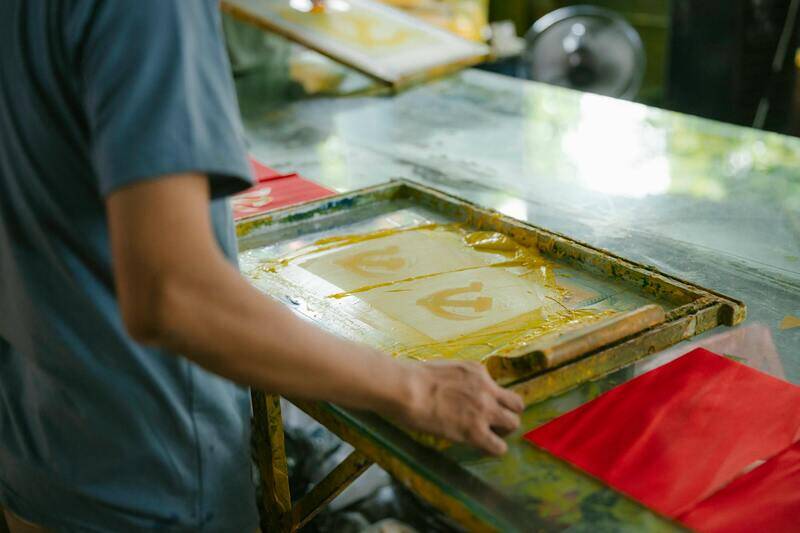
Maintaining compliance with industry standards involves regular calibration and maintenance of equipment, adherence to safety regulations, and the use of approved materials. This disciplined approach ensures the production process remains smooth, and the resulting business cards are consistent, professional, and legally compliant within the local manufacturing and trade frameworks.
Policy and Procedure for Responsible Printing
Implementing standard operating procedures (SOPs) for your printing process guarantees that each batch conforms to recognized standards. These procedures should include guidelines on material handling, equipment calibration, color management, and finishing techniques. Keeping detailed records of print runs, materials used, and maintenance activities helps sustain quality over time and provides a transparent audit trail, reinforcing your commitment to professional and responsible printing practices.
Legal and Ethical Considerations in Printing Own Business Cards
When undertaking the task of printing your own business cards, it is crucial to adhere to established standards and guidelines that govern the production and use of printed materials. This ensures that your contact information remains credible and that your cards meet industry expectations for quality and authenticity. Using authorized tools and equipment, sourcing certified materials, and following recognized procedures all contribute to producing business cards that reflect professionalism and integrity.
Utilizing Approved Equipment and Supplies
Selective use of certified printers, high-quality inks, and approved substrates plays a significant role in maintaining the consistency and durability of business cards. Employing reputable printing machinery designed for professional output ensures color fidelity, sharpness, and resilience against wear and tear. Likewise, sourcing materials from trusted suppliers guarantees the cards’ compliance with industry standards and compatibility with your chosen printing technology.

Implementing Proper Production Guidelines
Developing and following comprehensive standard operating procedures (SOPs) can streamline the printing process and uphold quality consistency. These procedures should encompass proper handling of materials, calibration of printing devices, and inspection protocols for finished products. Keeping detailed records of each batch, including the type of materials used and machine settings, provides transparency and accountability, supporting ongoing improvements and compliance.
Adhering to Local Regulations and Standards
Understanding and complying with local manufacturing, trade, and intellectual property regulations are essential in legitimate business card production. This encompasses respecting trademarks and copyrights for designs, avoiding counterfeit or misleading information, and ensuring your printing practices align with environmental and safety standards established by authorities. Engaging in continuous education about these regulations helps maintain a responsible and reputable business operation.
Ensuring Ethical and Responsible Printing Practices
Responsible printing extends beyond legal compliance to include sustainability and ethical sourcing. Opt for environmentally friendly inks, recyclable substrates, and energy-efficient equipment whenever possible. Additionally, selecting verifiable suppliers and engaging in transparent procurement practices reinforce ethical standards, building trust with your clients and partners.
Conclusion
Through legitimate channels and verified methods, producing your own business cards can be accomplished effectively while maintaining high standards of quality and professionalism. Proper planning, adherence to industry guidance, and commitment to ethical practices ensure that your printed materials accurately reflect your brand and uphold your business reputation in the marketplace.
