Understanding Large Image Printing
Large image printing refers to the process of reproducing high-quality visual content on expansive surfaces, typically exceeding standard print dimensions. This specialized form of printing is crucial in various sectors such as advertising, interior design, event promotion, and artistic display. The ability to produce oversized images without sacrificing clarity or color accuracy makes large image printing an invaluable tool for visual communication and impactful design presentation.
Within the printing industry, large image printing plays a significant role by enabling the creation of banners, wall murals, backdrops, and signage that demand both size and precision. As digital technology advances, the methods and materials used in large format printing continue to evolve, offering more options for businesses and artists seeking durable and visually striking results.
The significance of large image printing extends beyond mere scale; it encompasses the importance of maintaining image integrity at larger sizes. High-resolution digital files and sophisticated printing techniques ensure that the final product retains sharpness, vibrant colors, and detail despite its dimensions. This blend of technology and skill allows for the production of large images that are both captivating and effective in conveying messages or enhancing environments.
Applications of Large Image Printing
- Advertising and Promotional Banners
- Interior and Exterior Wall Murals
- Event Backdrops and Stage Designs
- Retail Displays and Signage
- Art Installations and Exhibitions
- Vehicle Wraps and Custom Brand Packaging
Understanding the nuances of large image printing is essential for professionals aiming to produce high-quality visual assets that meet specific project requirements. From selecting suitable materials to mastering the technical aspects of printing, it is a vital component in delivering impactful visual communications that stand out across various industries.
Types of Large Image Printing Techniques
When it comes to large image printing, selecting the appropriate printing technique is crucial to achieving desired quality, durability, and visual impact. Among the most widely used methods are inkjet printing, dye sublimation, and solvent printing, each suited to specific applications and material types.
- Inkjet Printing: This versatile method employs tiny nozzles to spray liquid inks directly onto various substrates. It is favored for its high resolution and ability to produce detailed, vibrant images. Inkjet printing is particularly suitable for indoor applications like wall murals and art reproductions because of its precision and color accuracy.
- Dye Sublimation: This technique involves turning dye-based inks into gas under heat, which then permeates polyester fabrics or specially coated materials. Dye sublimation delivers excellent color vibrancy and long-lasting results, making it ideal for fabric banners, event backdrops, and apparel decoration. The process's ability to produce seamless, high-quality images with a soft finish is highly valued in textile and fabric printing.
- Solvent and Eco-Solvent Printing: Using solvent-based inks, this method excels in outdoor applications due to its durability against weather elements. It provides robust, waterproof, and UV-resistant images, suitable for signage, vehicle wraps, and exterior murals. Eco-solvent variants offer environmentally friendlier options with reduced VOC emissions while maintaining exceptional print quality.
Choosing the Right Materials for Large Image Printing
Material selection plays a pivotal role in the success of large-scale printing projects. The ideal substrate depends on the application environment, desired longevity, and visual requirements. Common materials include vinyl, fabric, canvas, paper, and specialized plastics, each offering unique benefits.
- Vinyl: Known for its durability and weather resistance, vinyl is a popular choice for outdoor signage and permanent advertisements. It can be printed using solvent or UV inks for maximum longevity.
- Fabric: Often used in dye sublimation, fabric materials provide a lightweight, flexible option suitable for event backdrops, banners, and soft signage. They offer vibrant colors and a soft finish that enhances visual appeal.
- Canvas and Fine Art Papers: These materials are preferred for art reproductions, gallery displays, and interior murals. They emphasize detail and color fidelity, often requiring high-resolution printing techniques like inkjet.
- Rigid Plastics and Metals: Used for indoor signage, directional signs, and displays, these materials offer a sturdy substrate that maintains shape and provides excellent surface for detailed images.
Understanding Large Image Printing
Large image printing encompasses a range of sophisticated techniques designed to produce sizable visual displays with exceptional clarity and vibrant colors. This process involves carefully selecting the appropriate printing method and materials to ensure that the final output aligns with the intended purpose, durability requirements, and visual specifications. High-resolution digital printing technology has revolutionized this field, enabling the production of detailed murals, banners, backdrops, and signage across various industries, from advertising and retail to interior design and art exhibitions.
In large image printing, achieving consistency in color, clarity, and durability is critical. It involves meticulous management of print resolution, color calibration, and substrate compatibility. The growing emphasis on environmentally sustainable practices has also influenced the methods and materials used, leading to the adoption of eco-friendly inks and recyclable substrates. The process demands not only technical precision but also adherence to quality standards, ensuring that large-format prints meet professional expectations for brightness, sharpness, and longevity.
Types of Large Image Printing Techniques
Different large image printing techniques are tailored to specific applications and material compatibilities. Selecting the right method is essential for optimizing both the visual impact and the lifespan of the print. Key techniques include:
- Giclée Printing: Known for producing highly detailed images with rich color fidelity, giclée printing utilizes high-quality inkjet technology suitable for art reproductions and gallery displays.
- Solvent and Eco-solvent Printing: Ideal for outdoor signage, these methods employ solvent-based inks that provide excellent weather resistance and durability for large banners, billboards, and vehicle wraps.
- UV Printing: Utilizing ultraviolet light to cure the inks instantly, UV printing yields sharp, vibrant images on rigid substrates like plastics, metals, and glass, making it suitable for custom signage and decorative panels.
- Dye Sublimation: Primarily used on fabric materials, this technique produces vivid, long-lasting images with soft finishes, perfect for fabric banners, soft signage, and textile art.
Each of these methods has specific advantages and is chosen based on project requirements, substrate compatibility, and environmental considerations. For instance, solvent and UV printing are preferred for outdoor applications due to their weather-resistant qualities, whereas giclée printing is favored for artistic display where detail and color accuracy are critical.
Materials and Surface Preparation
Using the appropriate substrates is fundamental to achieving high-quality results in large image printing. The selection process involves assessing factors such as durability, appearance, and the environment where the print will be displayed. Common materials include:
- Vinyl: Highly durable and weather-resistant, suitable for outdoor signage and vehicle wraps.
- Fabric: Used in dye sublimation and soft signage, offering vibrant colors and flexibility for banners and backdrops.
- Canvas and Fine Art Paper: Preferred for reproductions and gallery displays where detail and color fidelity are paramount.
- Rigid Plastics and Metals: Employed for indoor signage, directional signs, and decorative displays with high surface stability.
Proper surface preparation ensures adhesion, color accuracy, and durability. Cleaning the substrate to remove dust, oils, and residues helps achieve optimal results. Additionally, applying primers or specific coatings may be necessary depending on the substrate and printing method used.
Understanding Large Image Printing
Large image printing is a specialized process that involves creating expansive visual displays for various commercial, artistic, and functional purposes. It demands meticulous attention to detail, a keen understanding of material science, and mastery of advanced printing techniques to ensure the final product meets high standards of quality and durability. The ability to produce vibrant, high-resolution images at large scales is essential for impactful signage, marketing displays, gallery reproductions, and custom artwork. As demand for large format printing continues to grow across Singapore and around the world, it is crucial to understand the official methods available that guarantee reliable, consistent results optimized for the intended application and environment.

Types of Large Image Printing Techniques
Several reputable printing methods are commonly employed for large scale images, each with distinct advantages that suit different project requirements. These techniques are executed by state-of-the-art equipment designed explicitly for producing detailed, crisp, and color-accurate images at substantial sizes.
Solvent and Eco-Solvent Printing
Solvent printing uses specialized inks that are absorbed into the substrate, delivering excellent weather resistance and longevity. These are ideal for outdoor applications, including billboards, vehicle wraps, and outdoor signage, where exposure to the elements is significant. Eco-solvent variants reduce volatile organic compounds, making them environmentally friendlier while maintaining durable results.
UV Printing
UV printing employs ultraviolet light to instantly cure inks on contact with substrates, providing highly detailed images with vibrant color reproduction. This method is perfect for rigid surfaces such as plastics, acrylics, glass, and coated metals, allowing for seamless printing on non-porous materials often used in decorative and display applications. The UV process also offers excellent adhesion and scratch resistance, ensuring long-lasting displays.
Giclée and Dye Sublimation Printing
Giclée printing is a precise inkjet process that produces fine art reproductions with exceptional detail and color accuracy. When combined with dye sublimation, it enables the transfer of vibrant dyes onto fabrics such as polyester or coated surfaces. These methods are highly favored for gallery-quality reproductions, soft signage, and elements requiring meticulous color fidelity and high resolution.
Latex Printing
Latex printing is a solvent-free, versatile option that offers durability and flexibility. It produces soft, stretchable prints suitable for banners, vehicle graphics, and indoor displays. Latex inks are fast-drying and environmentally friendly, making this method popular for a variety of large format projects that demand high-quality output with eco-conscious considerations.
Choosing the Right Materials for Large Image Printing
Selecting the appropriate substrate is integral to achieving optimal results in large image printing. The choice hinges on the intended display environment, aesthetic preferences, and the durability requirements of the final piece.
- Vinyl Films: These are extensively used for outdoor signage, vehicle advertising, and window displays due to their weather-resistant properties.
- Fabric and Textiles: Ideal for soft signage, banners, and backdrops, offering vibrant color reproduction and flexibility.
- Canvas and Fine Art Papers: Preferred for art reproductions and gallery displays, emphasizing fine detail and color fidelity.
- Rigid Plastics and Metals: Suitable for indoor signage, decorative panels, and architectural features that require a stable, high-surface-quality medium.
Proper surface preparation, such as cleaning and applying primers, enhances adhesion and prolongs the lifespan of the print. Factors like environmental exposure, appearance, and substrate surface texture are all considered when selecting materials for specific projects.

Understanding Large Image Printing
Large image printing encompasses a range of professional techniques that enable the creation of expansive, high-quality visuals suitable for a variety of display environments. It involves the meticulous selection of printing methods, materials, and finishing techniques to ensure that the final product meets specific aesthetic, durability, and functional criteria. Given the evolving landscape of visual communication, mastering large image printing is essential for businesses and artists aiming to convey impactful messages or showcase artwork in a large format. It requires a detailed understanding of the different printing technologies, substrate options, and the factors influencing image quality at scale.
Types of Large Image Printing Techniques
The primary methods used in large image printing are tailored to different application needs and material compatibilities. These include:
- UV Printing: Utilized for rigid surfaces such as signage panels and display boards, UV printing employs ultraviolet light to cure inks instantly on various substrates. It offers high durability, vibrant colors, and fine detail reproduction.
- Solvent and Eco-Solvent Printing: Suitable for outdoor applications, these techniques produce weather-resistant prints on vinyl and film. They ensure longevity even when exposed to sunlight, moisture, and other environmental elements.
- Latex Printing: Known for flexibility and eco-friendliness, latex printing is popular for banners, vehicle graphics, and indoor indoor decors. It produces vibrant images with a soft finish and is resistant to cracking and peeling.
- Piezoelectric Inkjet Printing: This method is frequently used for fine art reproductions and photographic displays. It offers high resolution and color fidelity, making it ideal for detailed large-format prints.
The choice of technique hinges on factors like substrate compatibility, intended usage, and environmental conditions. Each approach offers distinct advantages in terms of print durability, color vibrancy, and production speed.
Choosing the Right Materials for Large Image Printing
The substrate selection in large image printing significantly influences the visual outcome and lifespan of the print. It's critical to evaluate the physical environment, aesthetic goals, and desired durability when selecting materials. Proper choice of substrate not only enhances image fidelity but also prolongs the effective lifespan of the display.
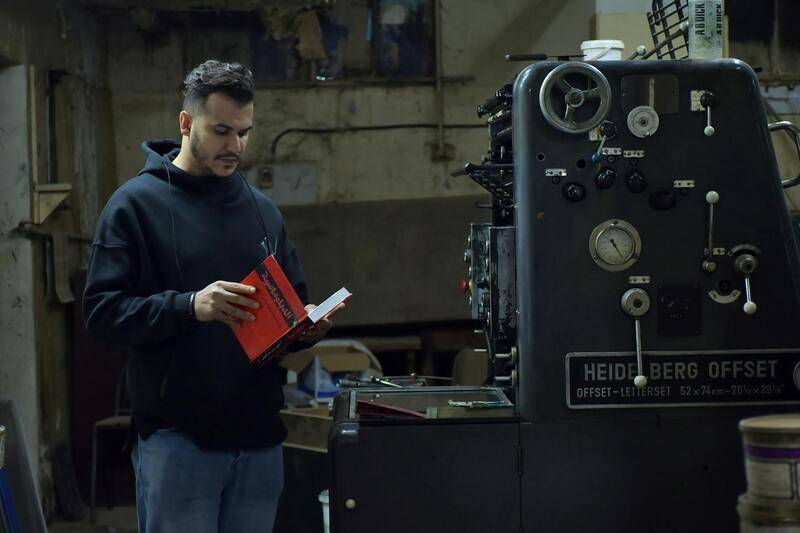
Common substrates for large image printing include:
- Vinyl Films: Widely used for outdoor signage and vehicle wraps, vinyl offers excellent weather resistance and flexibility.
- Fabric and Textiles: Ideal for banners and soft signage, these materials provide vibrant color reproduction and flexibility, suitable for interior and event display uses.
- Canvas and Fine Art Papers: Used primarily for art reproductions and exhibitions, emphasizing image clarity and color accuracy.
- Rigid Plastics and Metals: Employed for architectural panels and decorative displays, these substrates provide a stable, high-quality surface for indoor signage.
Preparation of the surface, including cleaning and priming, is vital to achieving optimal adhesion and longevity. Environmental exposure, aesthetic intent, and substrate texture are carefully considered during material selection, ensuring that the final print aligns with the project's functional needs.
Finishing and Mounting Methods
Once the printing process reaches completion, attention to finishing and mounting techniques plays a crucial role in safeguarding the display's quality and enhancing its visual appeal. These methods not only provide aesthetic refinement but also increase the durability of large images, enabling them to withstand various environmental conditions and handling over time.
Mounting Techniques for Large Images
- Direct Mounting: Involves affixing the print directly onto a surface, typically for rigid substrates like foam boards, acrylics, or metal panels. This method offers a sleek, frameless appearance, ideal for modern interior designs.
- Framed Mounting: Encloses the print within a frame to add structural support and aesthetic customization. Frames can be made from wood, aluminum, or other materials, and may incorporate mats or borders for enhanced presentation.
- Tension Mounting: Suitable for fabric or canvas prints, this technique stretches the material over a frame, ensuring smoothness without wrinkles. Tension mounting is frequently used for gallery displays and artistic exhibitions.
Lamination and Protective Coatings
Lamination serves as a vital protective layer that guards against scratches, UV damage, water exposure, and environmental pollutants. Options include gloss, matte, or satin finishes, each imparting different visual effects and tactile qualities to the print. For outdoor applications, UV laminates help in maintaining color vibrancy and preventing fading over time.
Additional Finishing Details
- Edge Trimming: Ensures clean, polished borders, especially when mounting on rigid bases or frames.
- Grommets and Hardware: Facilitates easy hanging and securing of large-format prints, with options for reinforcement in high-traffic or outdoor environments.
- Sealing and Weatherproofing: Important for outdoor signage, these processes involve applying weather-resistant coatings to prolong the lifespan of the display.
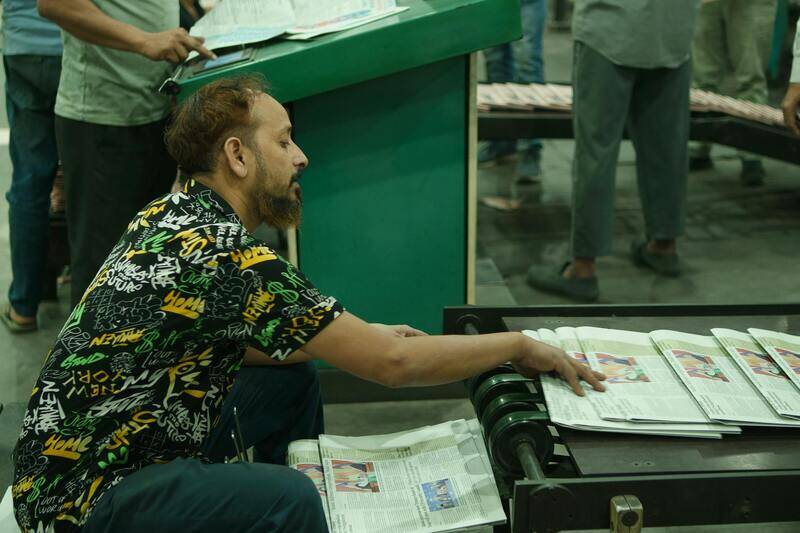
Considerations for Optimal Presentation
Proper mounting and finishing not only protect the print but also influence how viewers engage with the visual content. Factors such as ambient lighting, viewing distance, and environmental conditions must be evaluated to select the most suitable methods. For instance, high-gloss finishes may enhance color vibrancy but can cause glare, whereas matte finishes reduce reflections and improve readability in brightly lit settings.
Investing in professional finishing services ensures that the large image maintains its visual integrity over time, minimizing the risk of damage while maximizing impact at exhibition spaces, retail environments, or outdoor displays.
Understanding Large Image Printing
Large image printing is a specialized process that transforms digital visuals into expansive, high-quality physical displays. This form of printing is essential for creating impactful visual content in public spaces, commercial environments, and artistic exhibitions. It involves meticulous attention to resolution, material selection, and printing methodologies to ensure clarity and durability at substantial sizes. Mastery of these elements guarantees that the final product commands attention while maintaining image fidelity over time. Professionals in this field leverage advanced techniques to produce prints that meet exacting standards, whether for indoor murals, outdoor signage, or installation art.
Types of Large Image Printing Techniques
Several foundational methods underpin large image printing, each suited to different project requirements and desired results:
- Inkjet Large Format Printing: The most common technique, utilizing piezoelectric or thermal inkjet printers capable of producing precise, vibrant images on a variety of substrates. This method is ideal for high-resolution outputs with fine detail, making it suitable for art reproductions, photographs, and promotional banners.
- Solvent and Eco-Solvent Printing: Uses solvent-based inks that penetrate surfaces for increased weather resistance. This technique is particularly beneficial for outdoor banners and signage that need long-lasting color vibrancy despite exposure to environmental elements.
- Latex Printing: Employs water-based latex inks that provide excellent color gamut and flexibility. It is favored for environmental considerations and produces prints that are resilient and suitable for multiple applications, including vehicle wraps and wall coverings.
- UV Printing: A process where ultraviolet light cures the ink instantly upon contact with the substrate, resulting in durable, scratch-resistant images. UV printing excels in producing vibrant images on unconventional surfaces like glass, metal, and acrylic.

Choosing the Right Materials for Large Image Printing
The selection of materials plays a crucial role in the performance and appearance of large prints. The choice depends on the intended environment, desired durability, and visual impact:
- Vinyl Banners: Popular for outdoor advertising, vinyl provides weather resistance, flexibility, and ease of installation. Available in matte or gloss finishes to enhance visibility and color vibrancy.
- Canvas: When a textured, artistic appearance is desired, canvas is often used. Treated for outdoor use, canvas adds a touch of sophistication to wall murals and fine art reproductions.
- PVC and Dibond Panels: Rigid substrates suitable for mounted displays, signs, and retail fixtures. These materials are durable, lightweight, and provide a smooth surface for detailed imagery.
- Acrylic and Polycarbonate: Used for high-end displays, these transparent or semi-transparent materials deliver sleek, modern aesthetics with excellent clarity.

Design and Resolution Considerations
Optimizing design and resolution is essential to produce impactful large images:
- Resolution: Aim for a minimum of 150 DPI at the final viewing distance. For very large prints viewed from afar, lower DPI may suffice; however, for close-up viewing, maintaining high pixel density ensures sharp detail.
- File Format and Size: Use vector-based files for logos and text, ensuring scalability without quality loss. Raster images should be high-resolution, ideally at least 300 DPI at the intended print size.
- Color Management: Employ color profiles to match digital designs with printed outputs accurately. Consistent color management guarantees that the final print reflects the original intent, especially for branded materials.
- Composition: Consider the viewing environment, including lighting, as it influences color perception and visibility. Adequate margins and balanced layout improve overall visual effectiveness.
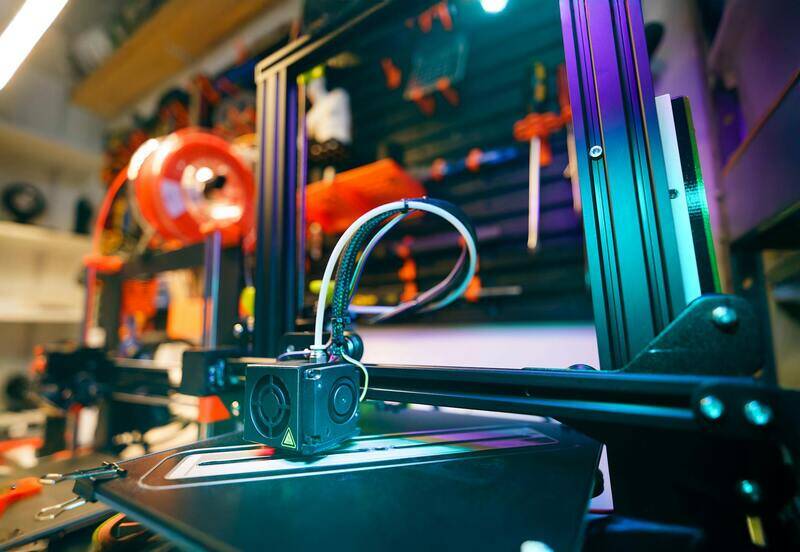
Ensuring the Authenticity and Quality of Large Image Printing
When engaging in large image printing, sourcing from reputable providers and certified materials is fundamental to achieving durability and vividness in the final output. Reputable printing services possess the necessary expertise and state-of-the-art machinery to deliver consistent, high-quality results that meet professional standards. They adhere strictly to industry best practices, ensuring that every print maintains fidelity to the original design, with precise color matching and sharp detail reproduction.
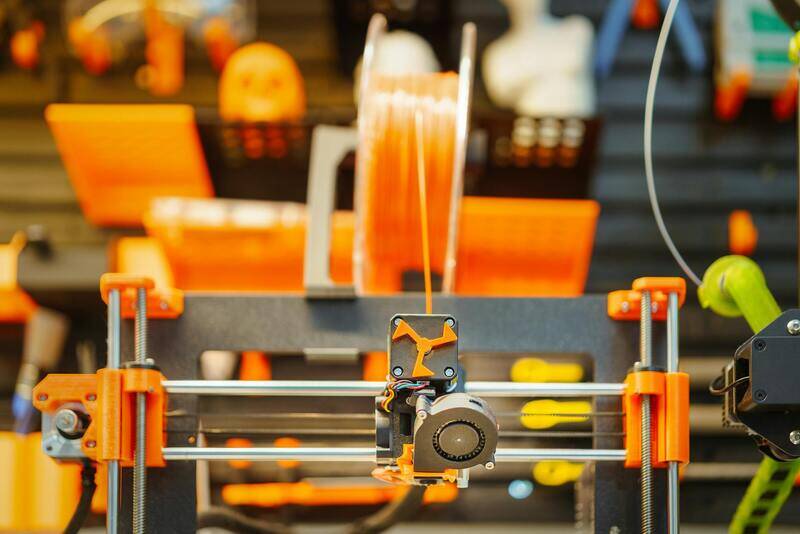
Legitimate large image printing providers employ advanced inkjet or laser printing technologies. These systems are capable of producing expansive images with fine detail and color depth, which are critical for both aesthetic appeal and long-term preservation. The use of environmentally compliant inks and materials further enhances the quality and lifespan of prints, ensuring that they resist fading and environmental wear over time.
Verifying Material Authenticity and Equipment Standards
- Material Certification: Confirm that the printing materials, such as canvas, vinyl, or fabric, are sourced from trusted manufacturers and carry proper certifications. This guarantees the absence of harmful substances and ensures the material is suitable for large-format printing applications.
- Equipment Calibration: Reputable printers undergo regular calibration and maintenance routines. Such practices guarantee color consistency, precise alignment, and optimal print quality throughout the production process.
- Technological Compliance: The printing machinery should meet industry standards for large-format output, including the ability to handle high-resolution files and produce consistent results across extensive prints.
Authentic Printing Processes and Techniques
Premium large image printing involves genuine, proven techniques such as UV printing, latex printing, or solvent-based printing, each suitable for specific applications and materials. These methods have been developed to provide durable, weather-resistant results suitable for indoor and outdoor displays. Their use of high-quality inks and inks delivery systems are responsible for the richness of colors, clarity, and longevity of large-format prints.
Importance of Proper Finishing and Mounting
Finally, to preserve the integrity of the large image and enhance its visual impact, proper finishing and mounting techniques are essential. Frame assembly, lamination, and weatherproofing are processes that ensure the print's durability, especially for outdoor or high-traffic environments. Certified mounting hardware and adhesives are employed to prevent warping or damage, maintaining the aesthetic appeal over time.