
Factors Influencing Poster Printing Costs
When planning to create a poster, understanding the various elements that affect printing costs is crucial for budgeting effectively. Several factors come into play, including the size of the poster, the choice of material, the complexity of the design, and additional service charges. Each of these elements can significantly influence the final price, allowing businesses and individuals to tailor their projects according to their financial plans without compromising quality.

Factors Influencing Poster Printing Costs
Understanding these key elements helps in making informed decisions and optimizing costs while ensuring the poster meets the desired standards. The following sections delve into each factor more comprehensively.
Size of the Poster
The dimensions of your poster are one of the primary determinants of its printing price. Larger posters require more material and larger printing equipment, which increases production costs. Common sizes such as A2, A1, and A0 have different price brackets, with larger formats naturally costing more. Additionally, the print area impacts the amount of ink used and the time taken for printing, further influencing the overall expense.
Material Choices
Material selection is another significant cost factor. Standard poster papers are generally the most affordable options. However, for enhanced durability or specific aesthetic effects, premium materials such as glossy, matte, or waterproof substrates are chosen. These higher-quality materials often come with increased costs, impacting the final price per poster.
Design Complexity
The complexity of the poster’s design influences printing costs, particularly when detailed graphics, multiple colors, or custom finishes are involved. More complex artworks may require additional time for setup and color calibration, which can translate to higher service charges. Simplistic designs with limited colors typically cost less to produce.
Additional Charges and Service Fees
Other factors that can add to the cost include expedited printing services, custom finishes like lamination or mounting, and special request adjustments. These services enhance the end product but also contribute to overall expenses. It is essential to specify these requirements upfront to accurately estimate the total printing cost.
Common Sizes and Their Price Ranges
Typical poster sizes vary from small formats suitable for indoor displays to large exhibition posters. Prices are generally structured according to size, with smaller prints starting at lower costs and larger formats requiring more investment. For example, an A2 poster may fall within a modest price range, whereas an A0-sized poster might involve a premium fee due to the increased material and complexity involved.
Material Options and Their Effect on Pricing
Material selection is flexible, allowing for tailored options based on budget and purpose. Standard poster paper provides a cost-effective solution, but options like foam boards, canvas, or weather-resistant materials come at a premium. These choices not only influence the price but also the durability and appearance of the finished product.
Design Complexity and Its Impact on Cost
Design intricacy directly correlates with printing expenses. Simple, single-color designs are economical, while multi-color, high-resolution graphics and special effects increase costs. Incorporating features such as gold foil or textured finishes further elevates the price, often justified by the enhanced visual appeal and uniqueness of the poster.
Additional Charges and Service Fees
Beyond basic printing, additional services such as cutting, mounting, lamination, or custom framing attract extra fees. Expedited turnaround services also incur higher charges. It’s beneficial to communicate these requirements beforehand to avoid surprises and make well-informed decisions based on your budget constraints.
Comparing Digital and Offset Printing Prices
Digital printing is typically more cost-effective for small to medium runs due to lower setup costs and faster turnaround times. Offset printing, while more expensive initially, becomes economical for large quantities as unit costs decrease significantly with volume. Selecting the appropriate printing method depends on the scale of your project and timeline considerations.
Tips for Getting the Best Value for Poster Printing
- Compare quotes from different providers to find the best rate without sacrificing quality.
- Optimize design complexity to reduce printing expenses.
- Choose standard sizes when possible to avoid premium charges.
- Discuss your material preferences with printing professionals for cost-effective options.
- Plan your project well in advance to avoid expedited service fees.
Estimating Your Poster Printing Budget
To accurately forecast costs, consider the size, material, design complexity, and additional services needed. Obtain detailed quotes from reputable printing companies, ensuring all aspects are covered. This planning ensures your project stays within budget and meets the required standards for quality and appearance.
Common Sizes and Their Price Ranges
Singapore offers a variety of standard poster sizes, each with its own pricing structure based on dimensions and material requirements. Understanding these sizes helps in budget planning and selecting the most suitable option for your needs. Popular sizes typically include A2 (420mm x 594mm), A1 (594mm x 841mm), and A0 (841mm x 1189mm). The price for printing these sizes generally ranges from SGD 20 to SGD 150 per poster, depending on the material, finishing options, and order volume.
For example, an A2 poster printed on standard matte paper might cost around SGD 20-30 for a single piece, but the same size with premium gloss lamination and custom mounting could push the price closer to SGD 60. Larger sizes like A1 or A0 naturally incur higher costs due to increased paper consumption and printing complexity. Bulk orders typically enjoy discounted rates, making larger quantities more economical per unit.

Material Options and Their Effect on Pricing
The choice of material significantly influences the overall printing cost. Standard materials such as poster paper and matte finishes are the most budget-friendly options, suitable for indoor advertising or personal projects. Upgrading to glossy or satin finishes enhances visual appeal but also increases costs. Heavyweight, waterproof, or weatherproof materials are more durable and often used for outdoor signage, but these come with a premium price tag.
For instance, foam boards, which are lightweight and sturdy, are ideal for mounted displays and typically cost SGD 40-80 per piece depending on size. Canvas printing, favored for artistic displays, can range from SGD 80 to SGD 200 based on size and framing options. When selecting a material, consider the environment where the poster will be displayed to ensure it maintains visual integrity over time without inflating your budget unnecessarily.
Design Complexity and Its Impact on Cost
The intricacy of your poster design can alter printing expenses. Simpler designs with fewer colors and minimal elements generally reduce printing time and cost. Conversely, highly detailed images, gradients, or special finishing effects like spot UV or embossed features tend to increase production complexity, leading to higher fees.
It’s advisable to work with graphic designers or professional print shops to optimize artwork for cost efficiency. Simplifying color schemes or reducing the number of layers can help lower printing costs while maintaining visual impact. Additionally, sticking to standard sizes and formats can further minimize additional charges related to custom cutting or finishing.
Additional Charges and Service Fees
Beyond the base printing costs, various supplementary services contribute to the final bill. Cutting, mounting, lamination, and framing are common add-ons that enhance the presentation but also add to the overall expense. Rush or expedited services, often necessary for tight deadlines, tend to be more costly than standard turnaround times.
Some companies levy setup fees for complex projects or specialty finishes. It's essential to clarify these charges beforehand to avoid surprises. Bulk orders might attract discounts or waived fees, so negotiating terms can be beneficial, especially for large-scale campaigns or events.
Comparing Digital and Offset Printing Prices
Digital printing is generally more affordable for small to medium-sized projects because it requires less setup and offers quicker turnaround times. This method is ideal for posters with variable data or small batches. Offset printing, however, involves higher initial costs due to plate creation but provides greater cost advantages at higher volumes, with unit prices decreasing as quantity increases.
For budget-conscious projects with limited quantities, digital printing provides high-quality results with flexible options. When printing large batches, offset remains cost-effective, although it involves longer lead times. Analyzing your project’s scope and timeline helps determine the most economical method without compromising quality.
Tips for Getting the Best Value for Poster Printing
- Request detailed quotes from multiple vendors to compare prices and services offered.
- Opt for standard sizes and materials compatible with your design to avoid premium charges.
- Simplify artwork complexity by limiting colors and effects to reduce printing expenses.
- Choose bulk printing when possible to benefit from volume discounts.
- Plan your project ahead of time to avoid rush fees associated with expedited services.
- Discuss material choices with printers to explore cost-effective options aligned with your display environment.
Estimating Your Poster Printing Budget
Accurate budgeting starts with defining the key parameters of your project: size, quantity, material preference, and required finishing touches. Gather detailed quotes from reputable printing service providers, ensuring that all potential charges, including setup and additional services, are considered. By comparing these estimates, you can pinpoint a realistic budget range tailored to your project scope.
Taking the time to plan and communicate your specifications clearly helps in avoiding unnecessary expenses and ensures that the final product aligns with your expectations for quality and appearance. Establishing a comprehensive budget also facilitates decisions on design simplification, material selection, and order volume to maximize value without compromising effectiveness.
Material Options and Their Effect on Pricing
Choosing the right material for your poster is a crucial factor that directly impacts the overall printing cost. The selection depends on the intended use, display environment, and budget constraints. Standard paper options, such as glossy or matte poster paper, tend to be the most economical choices and are suitable for indoor displays, presentations, or temporary promotional events. These materials offer high-quality prints with vibrant color reproduction but are limited in durability when exposed to moisture or harsh conditions.
For outdoor or long-term displays, vinyl and waterproof materials are recommended. Vinyl posters provide enhanced durability, weather resistance, and the ability to withstand exposure to sunlight and moisture, making them ideal for outdoor advertising. However, they come at a higher cost compared to paper options due to the material's robustness and manufacturing process. Waterproof, laminated options further add to the expense but provide maximum protection against environmental elements, ensuring the poster remains unaffected over time.
Additionally, specialty materials like mesh fabric or textured surfaces can be selected for specific visual effects or lightweight needs. These options tend to be more expensive and are usually reserved for high-impact displays or unique design requirements. It is essential to balance material choice with the intended display context and budget considerations to optimize both cost-efficiency and visual impact.

Influence of Material Choices on Cost
- Standard Poster Paper: Affordable, vibrant, suitable for indoor use, cost-effective for bulk orders.
- Vinyl: More durable, weather-resistant, ideal for outdoor displays, incurs higher costs.
- Waterproof Laminated Materials: Best for prolonged outdoor exposure, premium pricing applies.
- Specialty Textured or Mesh Fabrics: Used for niche applications, typically at premium prices.
Cost-Effectiveness and Material Selection
Optimizing your choice involves assessing your display conditions and budget constraints. For short-term indoor advertising, standard paper options often suffice, offering excellent quality at minimal cost. Conversely, for outdoor or long-term engagements, investing in vinyl or waterproof materials ensures longevity and visual clarity.
It's also advisable to consider the disposal or repurposing of posters after their initial use. Eco-friendly or recyclable materials might carry different costs, but they add value through sustainability. To maximize your investment, discuss with printing professionals the durability requirements, environmental considerations, and budget to determine the most suitable material choice for your specific poster project.
Design Complexity and Its Impact on Cost
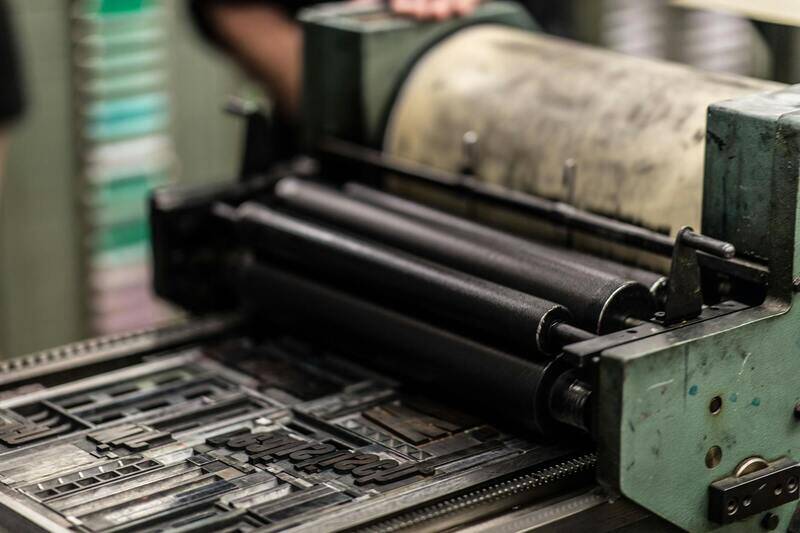
The intricacy of your poster's design significantly influences the overall printing cost. Simpler designs with minimal graphic elements and fewer colors tend to be more budget-friendly. Basic layouts, monochrome color schemes, and straightforward typography are quicker and easier to print, reducing labor and setup charges. Conversely, elaborate designs involving multiple colors, gradients, detailed illustrations, and custom typography may require specialized printing techniques such as offset or high-resolution digital printing. These processes often demand additional color separations, precise color matching, and more extensive proofs, all adding to the final expense. Special finishing options, such as lamination, matte or gloss coatings, die-cut shapes, or embedding textures, further escalate costs, especially if they involve manual craftsmanship. When planning your poster, consider balancing visual impact with production feasibility to prevent inflated costs. For projects with intricate designs, working closely with experienced graphic designers and printing specialists can help streamline the process. They can suggest design adjustments that maintain aesthetic appeal while optimizing production efficiency. Additionally, opting for modular or simplified versions of complex artwork can help control costs without sacrificing the essence of the message or branding. Ultimately, clear communication about your design details with the printing provider ensures accurate cost estimates and avoids unexpected expenses during production. By understanding how design complexity interacts with printing methods and finishing options, you can make informed choices that align with your budget constraints while achieving your visual objectives.
Material Options and Their Effect on Pricing
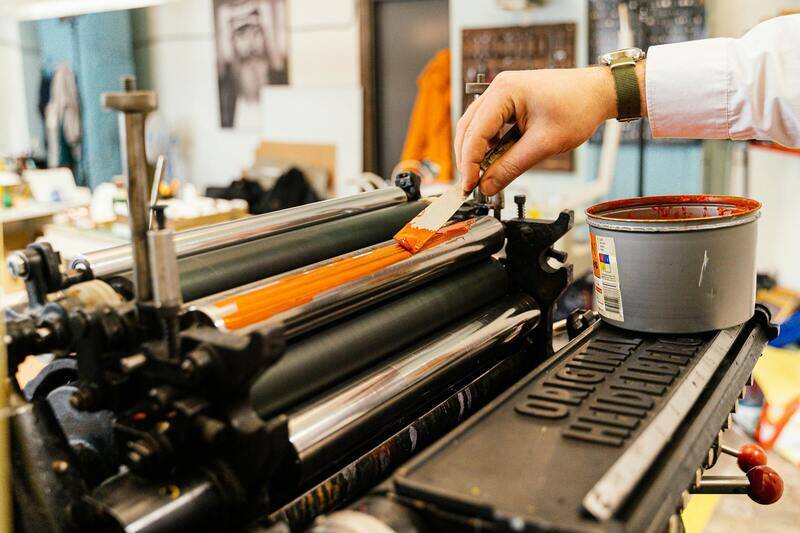
Choosing the appropriate material for your poster is a crucial factor in determining the overall cost. Standard materials such as glossy or matte poster paper are generally more affordable and widely available, making them suitable for most promotional and decorative purposes. However, for projects requiring durability and a premium feel, materials like weather-resistant vinyl, fabric-backed substrates, or foam board can significantly increase the price due to their specialized composition and manufacturing processes.
For indoor displays, lightweight paper options suffice and tend to keep costs lower. Conversely, outdoor advertisements demand sturdier materials capable of withstanding environmental elements, which may involve additional treatments or coatings that add to production expenses. These protective layers, such as UV coating or lamination, offer longevity and enhanced visual appeal but should be factored into your budget accordingly.
Designers and marketers should evaluate the impact of material choices on both visual quality and cost. For instance, textured or specialty finishes like satin, velvet, or reflective surfaces can elevate a poster’s appearance but come at a premium price. When planning your campaign, consider the longevity and display environment to select the most appropriate, budget-conscious material without compromising on impact.
Design Complexity and Its Impact on Cost
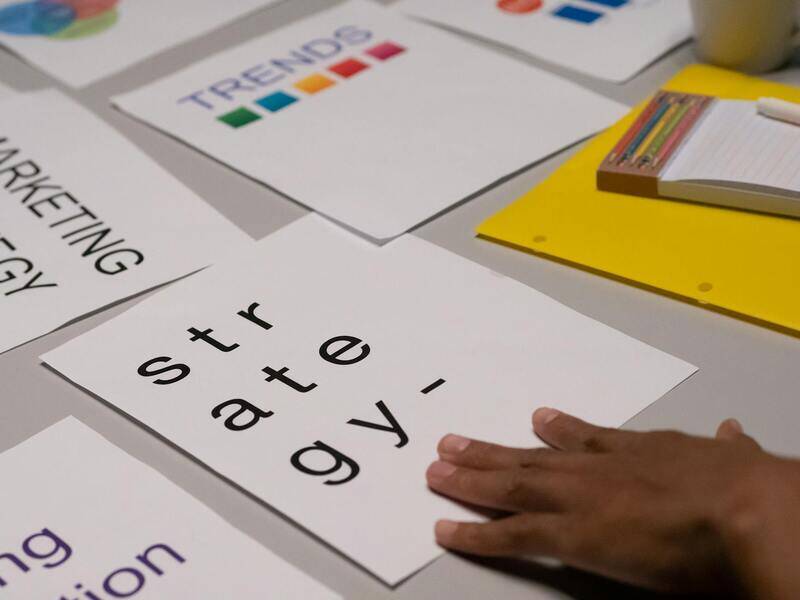
The intricacy of your poster design directly correlates with the amount of time and effort required for printing. Simple designs with limited colors, straightforward typography, and minimal graphical elements often result in faster production times and lower costs. These designs are suited for straightforward messaging or branding purposes where clarity and simplicity are prioritized.
On the other hand, elaborate designs involving complex illustrations, multiple color layers, gradients, and detailed visual elements demand advanced printing techniques such as offset or high-definition digital printing. Such processes typically involve additional steps like color separations, color matching, and proofing, which naturally increase expenses. For projects with intricate artwork, working with experienced graphic designers and printing specialists can be beneficial to optimize design elements for efficiency.
When considering design complexity, it is essential to balance visual appeal with practicality. Simplifying certain aspects, such as reducing the number of colors or simplifying background elements, can help manage costs without sacrificing overall aesthetic quality. Communicating clearly with your printing provider about your design details allows for accurate cost estimation and helps avoid unexpected charges during production.
Factors Influencing Poster Printing Costs
Understanding the elements that impact the price of poster printing enables better budget planning and ensures the final product meets expectations without overspending. Several key factors come into play, including material selection, design complexity, size specifications, and additional service charges. Recognizing these variables helps in making informed decisions tailored to your project needs and budget constraints.
Material Options and Their Effect on Pricing
The choice of printing material significantly affects the overall cost of your poster. Standard options like glossy or matte paper are generally more affordable and suitable for most indoor displays. Premium materials such as specialty textured papers, PVC vinyl, or waterproof substrates tend to carry higher price tags but offer enhanced durability and visual appeal. For outdoor advertising or long-term displays, investing in weather-resistant materials justifies the additional expense due to their extended lifespan and resistance to environmental factors.
Design Complexity and Its Impact on Cost
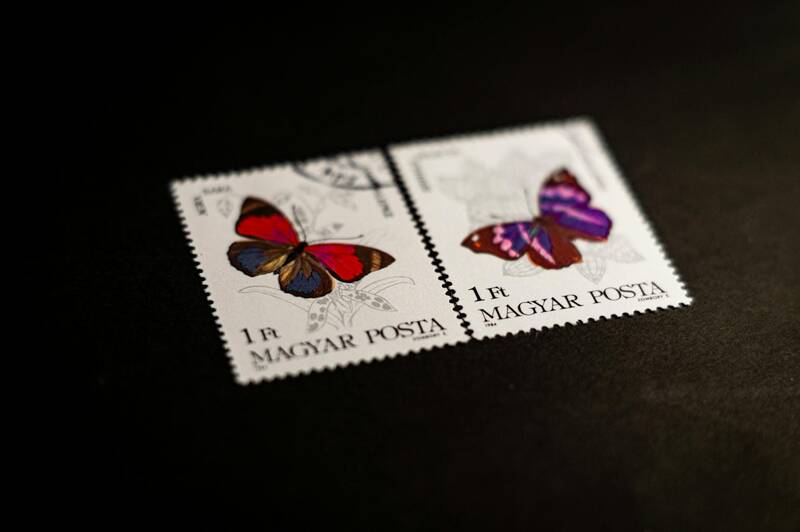
The intricacy of your poster design directly influences printing expenses. Simple designs that involve minimal colors, straightforward typography, and basic graphics are typically quicker and less expensive to produce. Conversely, complex visuals featuring detailed illustrations, multiple shades, gradients, and layered images require advanced printing techniques such as offset or high-resolution digital methods. These complex processes entail additional steps like color separations, proofing, and fine-tuning, which contribute to increased costs. To optimize expenses, working closely with designers and printers to streamline design elements—such as reducing color count or simplifying backgrounds—can lead to significant savings without compromising overall visual quality.
Additional Charges and Service Fees
Beyond the basic printing costs, several supplementary charges may apply. Design revisions, rush order fees, and custom finishing options like lamination or folding often add to the final bill. Standard services such as trimming, mounting, or framing are also billed separately. It's advisable to clarify these potential charges early in the planning process to prevent unexpected expenses. Opting for bundled packages that include finishing and delivery services can sometimes offer cost savings compared to individual service charges, especially for larger projects.
Factors Influencing Poster Printing Costs
Understanding the various elements that affect poster printing prices is essential for making informed decisions and optimizing your budget. Several key factors come into play, including size, material selection, design complexity, and additional service requirements. Each of these components contributes to the overall cost, and being aware of their impact allows for better planning and negotiation with printing service providers.
Size and Dimensions
The size of the poster significantly influences the printing price. Larger posters require more materials and often involve more extensive printing processes, leading to higher costs. Common sizes such as A2, A1, and A0 are often priced based on their area, with larger formats naturally costing more. For instance, an A0 poster, being four times the size of A2, will typically cost proportionally more, though rates can vary depending on the printer’s pricing structure.
Paper and Material Choices
The choice of material directly impacts pricing and durability. Standard paper options like gloss or matte finishes are usually more affordable, whereas specialty materials such as vinyl, canvas, or fabric can increase costs but offer longer-lasting and more weather-resistant posters. Heavier or thicker substrates also tend to be pricier, especially when choosing for outdoor or high-traffic environments where durability is paramount.
Design Complexity and Its Impact on Cost
The intricacy of your poster design plays a critical role in cost determination. Simple layouts with minimal colors, basic fonts, and straightforward graphics can be produced efficiently, resulting in lower expenses. Conversely, highly detailed visuals, multiple color layers, gradients, and special effects demand advanced printing techniques like offset printing or high-resolution digital presses. These methods involve more setup time and finer adjustments, which translate to increased costs. Planning your design to balance visual appeal with economical production methods can help manage expenses effectively.
Additional Charges and Service Fees
Beyond the standard printing fee, several supplementary charges may be applicable. These include design revisions, rush orders, and custom finishing options such as lamination, mounting, or framing. For projects requiring precise trimming or special cutting patterns, additional service fees may apply. To avoid unexpected costs, it’s wise to discuss all potential charges beforehand. Many printers offer bundled packages that include multiple services, which can sometimes provide more economical solutions for larger or more complex projects.
Comparing Digital and Offset Printing Prices
Digital printing tends to be more cost-effective for small to medium runs and offers quick turnaround times, making it suitable for flyer-sized posters or short-term events. Its per-unit cost decreases with smaller quantities, and customization options are readily available. Offset printing, on the other hand, is more economical for large-volume orders due to its faster processing and lower per-unit costs at higher print quantities. It also delivers high-quality results with consistent color accuracy, which is essential for large batch productions. To choose the best method, consider the volume, timeline, and quality requirements of your poster printing project.
Factors Influencing Poster Printing Costs
Understanding the elements that contribute to the overall cost of poster printing enables businesses and individuals to make informed decisions that align with their budget and project goals. The primary factors include the size of the poster, choice of material, complexity of the design, and additional finishing options. Larger posters naturally require more ink, paper, and time, leading to higher costs. Material quality, such as premium vinyl or fabric, often commands a premium price but offers better durability and appearance. Complex graphics, detailed images, or extensive color schemes may increase printing time and ink consumption, affecting the total expenditure. Furthermore, special effects like matte or gloss finishes, lamination, and mounting services can add to the expenses, especially when multiple finishing procedures are combined.

Common Sizes and Their Price Ranges
Size is a crucial determinant in poster printing costs, with standard dimensions offering the most competitive rates. Typical poster sizes include A2, A1, and A0, each with its respective pricing brackets. For example, an A2 poster (420mm x 594mm) usually falls within a lower price range suited for indoor advertising or event promotion. Moving to A1 (594mm x 841mm), costs increase proportionally, reflecting larger material and ink requirements. The largest common size, A0 (841mm x 1189mm), might incur higher setup and printing fees due to its extensive surface area. When selecting sizes, consider intended display locations and viewing distances, balancing visual impact with budget constraints.
Material Options and Their Effect on Pricing
Material selection plays a significant role in the overall expense of poster printing. Standard options include glossy, matte, and satin papers, each offering distinct finishes and durability profiles. Glossy papers tend to enhance color vibrancy but may cost more due to their specialized coatings. Matte finishes provide a muted, elegant appearance and are often preferred for indoor displays or environments where glare reduction is necessary, though their pricing may be comparable to gloss options. For outdoor or long-term use, more robust materials like weatherproof vinyl or fabric banners are advisable, albeit at a higher cost. These materials are designed to withstand environmental stressors, making them ideal for outdoor advertising, but the added durability translates to increased production costs.
Design Complexity and Its Impact on Cost
The intricacy of your poster design can significantly affect the printing costs. Simple designs with minimal color use and straightforward layouts tend to be less expensive due to reduced processing time. Conversely, posters featuring detailed illustrations, gradient effects, or numerous color layers may require more sophisticated printing techniques and longer setup times, thereby raising the price. High-resolution images and custom typography might also necessitate professional design services, which contribute to overall expenses. When designing your poster, aim for a balance between visual appeal and feasibility to keep costs manageable without sacrificing quality.
Additional Charges and Service Fees
Beyond the base printing fee, additional charges may be incurred for specific services or upgrades. These include expedited production for rush orders, which ensures faster delivery but often at a premium cost. Custom finishing options such as lamination, mounting, framing, or edge cutting introduce extra fees depending on the complexity and materials used. For projects requiring precise trimming or specialized cut patterns, additional service charges are applicable. To prevent surprises, it’s advisable to discuss all service fees upfront with your printing provider. Many companies offer bundled packages that include multiple services, which could offer cost savings for larger or more detailed projects.
Comparing Digital and Offset Printing Prices
Choosing between digital and offset printing methods depends largely on your project volume and timeline. Digital printing is typically more economical for small to medium orders and provides quick turnaround times. Its per-unit cost decreases as the quantity increases, making it suitable for short-term campaigns or limited editions. Offset printing, however, becomes more cost-effective for larger runs due to its faster processing speeds and lower per-unit costs at scale. It also provides superior color fidelity and consistency across batches, making it the preferred choice for high-volume, high-quality poster prints. When planning your budget, consider the volume, quality requirements, and deadlines to determine the most suitable printing method.
Tips for Getting the Best Value for Poster Printing
Achieving optimal value involves strategic planning and understanding available options. First, select the most appropriate size and material that align with your budget and display environment. Opt for minimal but impactful design elements that avoid unnecessary complexity. Request detailed quotes from multiple printing providers and inquire about any bundled packages or promotional discounts. Evaluate the turnaround times to balance urgency with costs, and consider bulk printing discounts if applicable. Additionally, reviewing past customer feedback and portfolios helps ensure quality standards are met, reducing the need for reprints. Combining these practices ensures your poster project remains within budget without compromising on visual quality and durability.
