
How to Order Posters through SingaporePrinting.org: A Comprehensive Guide (Part 1 of 8)
Introduction to Poster Ordering
Ordering posters is a strategic process that combines creativity with precision to ensure your visual message reaches your target audience effectively. Whether for advertising campaigns, academic projects, events, or personal expressions, selecting the right poster type and supplier plays a pivotal role. SingaporePrinting.org provides a streamlined and professional platform for placing poster orders that cater to diverse needs, ensuring high-quality results delivered with efficiency.
To navigate the poster ordering process successfully, understanding the various available options and the steps involved can significantly enhance your experience. This guide will walk you through each phase, starting with an overview of the different types of posters you can choose from, the design considerations, material options, pricing, and logistical arrangements, all tailored to meet your specific objectives.

Types of Posters Available
1. Standard Posters
These are the most common type of posters, typically printed on glossy or matte paper. Perfect for promotional displays, event signage, or academic posters, they come in a variety of sizes, including A2, A3, and A1, allowing flexibility based on the intended use.
2. Vinyl Posters
Made from durable vinyl material, these posters are suitable for outdoor use where weather resistance is necessary. They offer excellent longevity and are often used for outdoor advertising or temporary outdoor events.
3. Foam Board Posters
Printed on rigid foam boards, these posters are ideal for displays, exhibitions, and indoor presentations. They are lightweight yet sturdy, making handling and mounting straightforward.
4. Canvas Prints
For artistic and high-end displays, canvas posters provide a textured surface that mimics traditional art canvases. They are often used for decorative purposes or photographic reproductions.
5. Banner Posters
Large-format posters typically used as banners, printed on fabric or vinyl, suitable for banner stands, trade shows, and promotional events.
Materials and Formats Suitable for Various Purposes
When selecting a poster style, consider the environment and purpose. Indoor posters require materials that favor vivid color reproduction and fine detail, such as gloss or matte paper. Outdoor posters necessitate weather-resistant substrates like vinyl or waterproof materials, ensuring durability against elements. The format should align with the message’s visibility requirements and space constraints, ranging from compact A3 sizes to large-format banners that command attention from afar.

Understanding these options empowers you to make informed decisions tailored to your specific needs, maximizing the effectiveness of your poster campaign or project. The subsequent parts of this guide will detail the steps involved in placing an order, design considerations, and other essential aspects to facilitate a seamless ordering experience through SingaporePrinting.org.
Variety of Poster Types to Suit Different Needs
When exploring options for order posters, understanding the diverse categories available can significantly enhance your final choice. Each type of poster is designed to meet specific display requirements, aesthetic preferences, and environmental conditions.

Standard Poster Prints
This is the most common type, often printed on high-quality paper like glossy, matte, or satin finishes. These posters are ideal for indoor environments such as retail stores, offices, or exhibitions. They offer vibrant color reproduction and sharp detail, making them suitable for promotional campaigns, event announcements, or decorative displays.
Lightweight Posters
Designed for easy handling and quick installation, lightweight posters are typically printed on thinner paper or flexible materials. They are perfect for temporary promotions, trade shows, or event backdrops, where portability and ease of setup are priorities.
Canvas Prints
For a more artistic and textured appearance, canvas posters offer a high-end look that mimics traditional paintings. Canvas prints are durable and add a sophisticated touch to galleries, luxury brand displays, or home decor arrangements. They are usually stretched over a frame, providing a three-dimensional aspect that enhances visual depth.
Banner Posters
Large-format banners are fabricated on durable materials such as vinyl or fabric, making them suitable for outdoor use or large-scale promotional events. These are especially visible from a distance and are commonly used at trade shows, sports events, or outdoor advertising campaigns. Weather-resistant properties ensure they withstand elements like wind and rain, maintaining their visual integrity over time.
Specialty Materials and Formats
Beyond the standard options, there are specialty materials designed for specific purposes. Metallic or transparent films can add a striking visual effect, while waterproof or UV-resistant substrates extend the lifespan of outdoor posters. Formats vary from traditional portrait or landscape orientations to custom sizes tailored to your unique message and space constraints.
Choosing the Appropriate Material for Your Poster
Selecting the proper material depends on the intended environment and longevity requirements. For indoor displays, gloss or matte papers provide excellent color vibrancy and sharp details. Outdoor posters demand weatherproof materials, such as vinyl or waterproof substrates, to ensure durability. The size and format should align with both visibility needs and physical space constraints, whether opting for compact A3 posters or large-scale banners that command attention from afar.

Understanding these options equips you with the knowledge to select a poster that not only conveys your message effectively but also withstands environmental challenges, ensuring your campaign or display remains impactful over time.
Steps to Place an Order for Posters
Once you've selected the appropriate design and material for your poster, the next step involves the ordering process, which is streamlined and straightforward when working with a reputable printing provider like singaporeprinting.org. Understanding the official procedures helps ensure your poster order is completed accurately and efficiently, minimizing delays and issues.
Preparing Your Artwork Files
To begin, compile your artwork in the required formats, typically high-resolution PDF, TIFF, or JPEG files. These formats preserve image quality and detail, crucial for producing sharp, vibrant posters. Ensure your design adheres to the specified dimensions, resolution (usually 300 DPI), and bleed guidelines provided by your printing service to prevent any cropping or unwanted margins.
Specifying Your Order Details
During the ordering process, you'll need to specify several key details:
- Size and Format: Choose the exact dimensions for your poster, whether standard sizes like A3, A2, or custom dimensions tailored to your space.
- Material Selection: Select the material that fits your environment and durability needs, such as gloss paper for indoor displays or weatherproof vinyl for outdoor use.
- Quantity: Determine how many copies of the poster you require.
- Finishing Options: Decide if you want lamination, mounting, or other finishing touches to enhance durability and appearance.
Consultation and Verification
Many professional printing services offer consultation to help optimize your design for print quality and visual impact. Verify your order details before submission, ensuring the size, material type, and artwork specifications are accurate to prevent errors. It's advisable to request a proof or sample image for approval, especially for large or high-stakes projects.
Placing the Order
Orders can typically be placed through multiple official channels such as online forms on the printing website, email correspondence, or direct phone calls. Providing clear instructions and all required files and specifications ensures a seamless process. Once the order is confirmed, the printing service will generate a detailed invoice and estimated completion date.
Payment and Confirmation
Complete the payment using authorized methods such as credit card, bank transfer, or through approved online payment platforms. After payment confirmation, your order moves into the production phase, and you will receive a confirmation receipt along with any relevant tracking details.
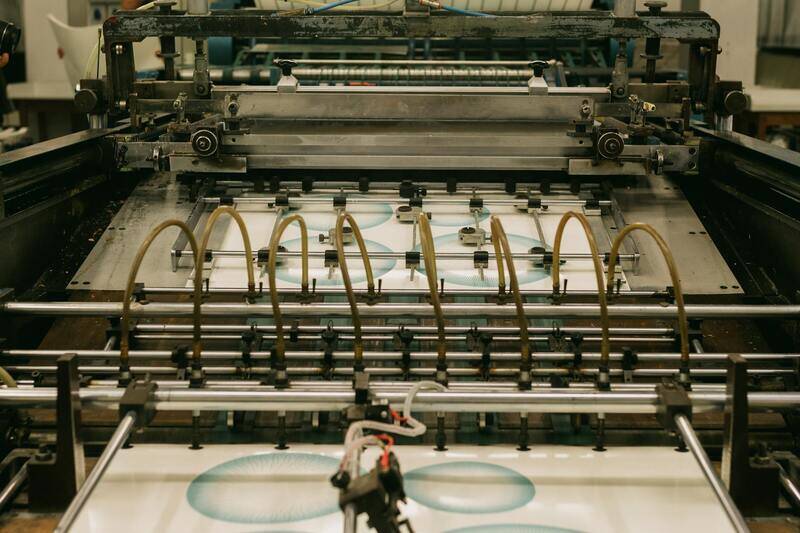
Adhering to these official procedures not only ensures your posters meet quality standards but also allows for clear communication with the printing provider, resulting in a product that aligns with your expectations and campaign goals. Make sure to keep records of all correspondence and confirmation documents for reference throughout the process.
Paper and Material Options
When ordering posters through a reputable printing service, understanding the variety of paper and material options is crucial to achieving the desired visual appeal, durability, and suitability for different environments. The selection process should be guided by the poster’s intended purpose, display location, and longevity requirements.
- Glossy Paper: Popular for vibrant, eye-catching visuals, glossy paper enhances color richness and sharpness. It is ideal for indoor displays where a professional, polished look is desired, but it may be susceptible to glare and fingerprints.
- Matte Finish: Offering a subdued, non-reflective surface, matte paper reduces glare and is preferred for posters that require readability under bright lighting conditions. It also minimizes fingerprints and smudges, making it suitable for frequent handling.
- Uncoated Paper: With a natural texture and soft finish, uncoated paper lends a classic look to posters. It is often used for artistic or vintage-inspired designs, providing excellent print quality and a tactile feel.
- Weather-Resistant Materials: For outdoor posters, options such as PVC, vinyl, or laminated surfaces provide enhanced durability and resistance against the elements like rain, wind, and UV exposure. These materials maintain visual integrity over extended periods.
- Specialty Substrates: Some campaigns may benefit from textured, fabric, or canvas-based materials for unique aesthetic effects. These are heavier and more specialized, often used for high-end displays or art reproductions.
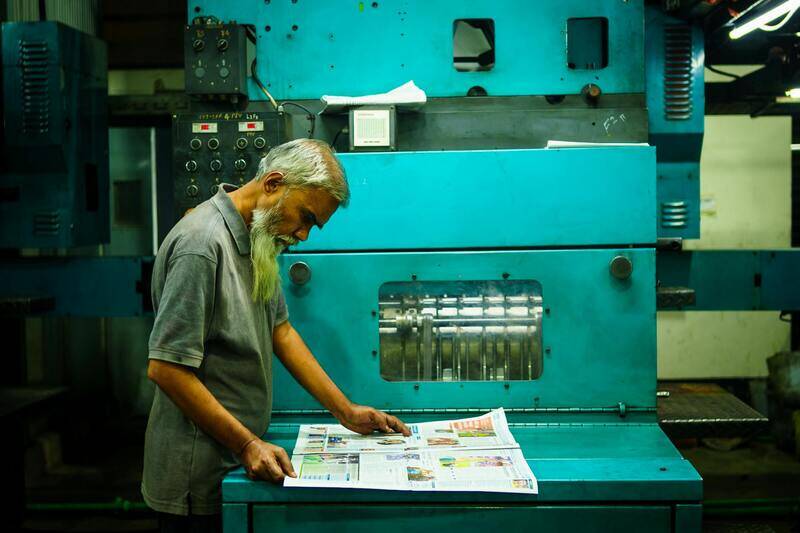
Choosing the correct material not only enhances the visual impact but also ensures the poster withstands the environment in which it will be displayed. Consulting with the printing provider about the specific needs of your project helps in selecting the appropriate substrate for optimal results.
Design Considerations for Posters
When preparing to order posters, meticulous attention to design elements significantly influences the final impact. An effective poster should communicate its message clearly and attractively, which involves thoughtful consideration of layout, color schemes, typography, and imagery.
Layout is fundamental; it guides the viewer’s eye through the content seamlessly. Using a hierarchy of information — with headlines, subheadings, and body text — ensures that key messages stand out. Balancing text and visuals prevents clutter, making the poster easy to read from a distance. Strategic placement of images and graphics can reinforce the message and add visual interest.
Color choices must align with the intended mood or branding. Vibrant colors can draw attention and evoke excitement, whereas subdued palettes may convey professionalism or elegance. Contrasts should be used effectively to enhance readability and highlight critical information.
Typography also plays a crucial role. Selecting appropriate fonts that are legible, even from afar, ensures that your message can be quickly grasped. Combining different font sizes and styles can create emphasis, but overusing varied fonts may cause visual confusion.

Additionally, incorporating branding elements such as logos or slogans helps in associating the poster with your organization or campaign. Consistency in style and theme across multiple posters strengthens recognition and reinforces messaging.
Understanding the Material Impact on Design
The choice of material not only affects durability but also influences how colors and images appear. For example, glossy finishes can enhance vibrancy but might reflect light, whereas matte surfaces reduce glare and improve readability under bright conditions. When designing, it's essential to consider these factors to ensure the visual quality remains high after printing.
High-resolution images and graphics are necessary for professional results. Blurry or pixelated visuals diminish the poster's aesthetics and effectiveness. Ensuring that all assets are optimized for print resolution (typically 300 dpi) helps maintain clarity and detail.
Incorporating white space into the design prevents clutter and directs focus to main elements. This approach creates a clean, professional appearance and makes the poster easier to navigate visually.
Careful planning and thoughtful design decisions lead to posters that not only meet visual standards but also fulfill their communicative purpose effectively, ensuring your message resonates with your target audience.
Ensuring Accurate and Complete Orders for Posters
Achieving a seamless ordering process for posters begins with meticulous attention to detail. Customers must verify all specifications before submitting their order to prevent discrepancies that could impact the final product. This involves checking the poster size, quantity, design files, and material preferences are correctly specified. To ensure accuracy, it is crucial to review your poster design thoroughly. Confirm that the resolution meets the recommended 300 dpi for crisp, clear images and text. Double-check that the color modes are appropriate, usually CMYK for print, to guarantee colors appear as intended in the final print. Particularly when submitting custom artwork, adhering to the printer’s file requirements helps avoid delays. This might include using specific file formats such as PDF, TIFF, or high-resolution JPEGs. To facilitate smooth processing, clearly label all files with your order identification and ensure that all design elements are within the printable area. Additionally, providing precise instructions during the order process can help address special requests, such as fold lines, mounting options, or finishing details. Clear communication minimizes errors and ensures the finished posters meet your expectations. Before finalizing the order, review all details carefully, including delivery addresses and contact information. Confirming these details reduces mistakes and ensures smooth logistics. Many printing services also offer proofing options, allowing you to see a digital or physical preview of your poster before the full run begins. Utilizing these proofs can catch any issues early and save time and expense from reprints. To further safeguard your order, keep copies of your order confirmation and correspondence with the printing provider. This documentation can serve as a reference if any discrepancies arise later. By following these thorough ordering practices, you can confidently secure high-quality posters that effectively communicate your message and meet your expectations.

Implementing these detailed steps helps streamline the ordering process, reduces the likelihood of errors, and results in professionally finished posters that effectively convey your message to the intended audience.
Types of Posters Available
When considering how to order posters through a recognized printing service, it's essential to understand the variety of poster formats and types that are typically offered. Standard poster sizes usually include popular dimensions such as A2, A1, A0, 24x36 inches, and 36x48 inches. Many providers also accommodate custom sizes, allowing for tailored dimensions to suit specific needs. Besides typical paper posters, some printing services offer specialty options like vinyl posters, which are highly durable and weather-resistant, ideal for outdoor advertising or long-term displays.
Additionally, there are various finishes available to enhance the visual appeal and durability of your posters. Matte finishes reduce glare, making posters suitable for environments with high ambient light, while gloss finishes give vibrant color output and a polished appearance. Canvas posters are another premium option, providing a textured, artistic look suitable for exhibitions or upscale interior displays. These diverse options ensure that your poster communicates your message effectively while aligning with your aesthetic and functional requirements.
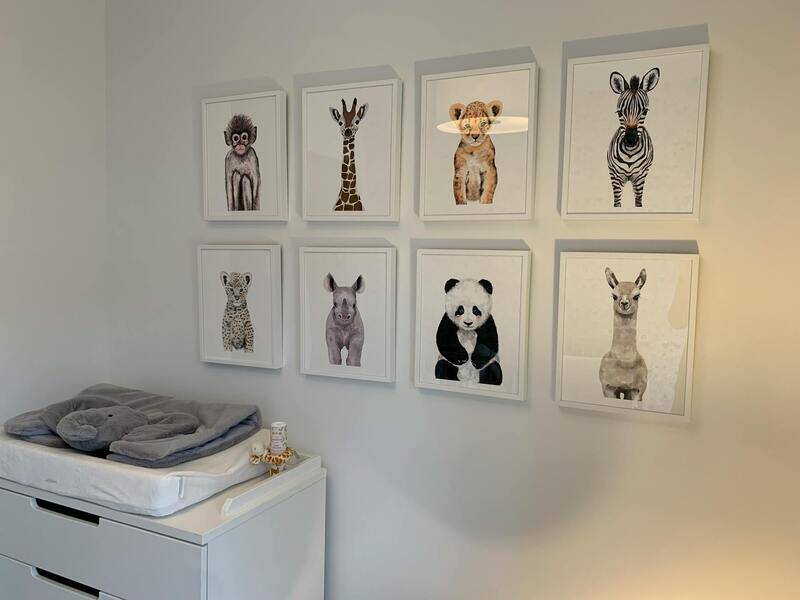
Steps to Place an Order for Posters
Ordering posters through a reputable printing service involves several straightforward steps designed to ensure clarity and precision. Begin by selecting your desired size and type, keeping in mind the display environment and durability requirements. Once you have settled on these details, proceed to upload your artwork via the service's online platform or submit it through email, depending on the provider’s process.
Ensure that your design files meet the specified resolution and file format requirements to guarantee high-quality printing results. Often, this involves submitting files in PDF, TIFF, or high-resolution JPEG formats. Accurately label your files with your order number and description to facilitate easy identification and processing.
- Choose your poster specifications, including size, type, and finish.
- Prepare your artwork according to the platform’s guidelines, paying attention to resolution and color profiles.
- Upload your files securely through the provider’s online portal or send via email.
- Review the order details meticulously, verifying all specifications and personal information.
- Confirm your order and await confirmation or a proof from the provider.
Many printing companies offer a proofing service where a digital preview of your poster is provided before the full batch is printed. This step is vital for catching errors and confirming design accuracy prior to production.
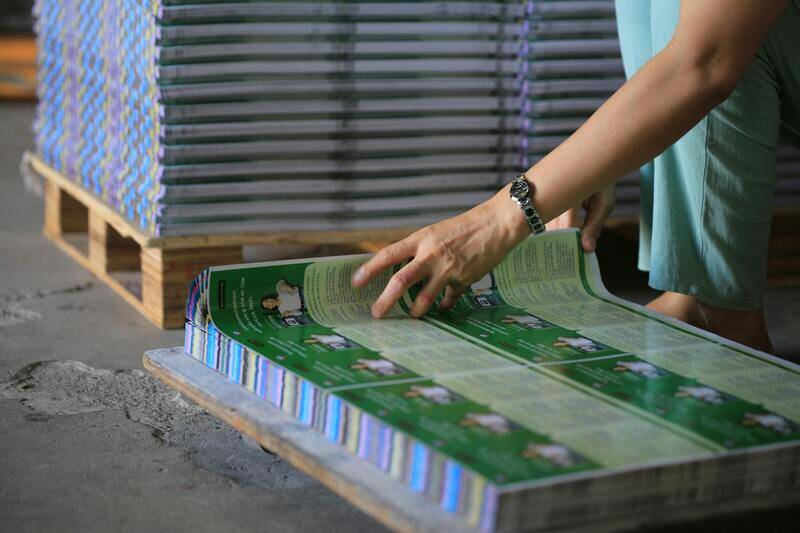
Design Considerations for Posters
Effective poster design is crucial in communicating your message swiftly and clearly. When preparing your artwork, focus on high contrast, bold imagery, and concise textual content specifically tailored for quick readability from a distance. Use large fonts and limit the amount of text to essential information only, such as dates, locations, or calls to action.
Color choices should align with your brand or message theme, providing visual harmony and drawing attention to key elements. Incorporate whitespace strategically to avoid clutter and enhance the overall visual flow. Prior to submitting your design, ensure all images are high-resolution (at least 300 dpi) to prevent pixelation upon printing.
It’s advisable to consult with the printing service about bleed areas, safe zones, and resolution standards to ensure your design translates perfectly onto the final poster without unwanted cut-offs or distortions.
Paper and Material Options
Choosing the right material is fundamental for achieving the desired visual impact and durability of your posters. Standard poster paper typically comes in gloss or matte finishes, each suited for different environments and lighting conditions. Glossy paper enhances color vibrancy and sharpness, ideal for exhibitions or indoor promotions, while matte paper reduces glare and is better suited for detailed viewing and reading in well-lit spaces.
For outdoor or high-traffic locations, vinyl posters provide increased resistance to moisture, sunlight, and tearing, ensuring your message remains intact over time. Additionally, fabric or canvas materials can lend a sophisticated, artistic touch, suitable for indoor galleries or styled displays.
Discussing these options with your chosen printing provider can help you select the most appropriate material based on your specific project needs, budget, and preferred lifespan.
Pricing and Timeframes for Poster Orders
Pricing for poster orders generally depends on size, material choice, volume, and additional finishing options. Larger sizes and specialty materials tend to incur higher costs, with bulk orders often receiving discounted rates. It’s advisable to request a detailed quotation from the printer, ensuring transparency in pricing and avoiding unforeseen expenses.
Standard production times vary with the complexity of the order, typically ranging from 24 hours for simple, small-scale prints to several days for large-volume or customized projects. Rush services are frequently available at an additional charge, providing expedited turnaround when necessary.
To optimize your budget and scheduling, communicate your required delivery date early in the process. Confirm the estimated production timeframe and buffer for potential delays, especially for large or intricate orders, to ensure your posters arrive on time.
Delivery and Pickup Arrangements
When finalizing your poster order, consider your preferred method of receiving the finished products. Many printing services offer courier delivery options, which can be scheduled in advance to ensure prompt receipt at your designated address. Alternatively, for local projects or urgent needs, physical pickup from the print shop may be arranged, often with flexible timings.
Ensure that delivery addresses are accurate and complete to prevent any shipment issues. If opting for courier services, verify tracking options and delivery windows to stay informed about your order status.
Receiving posters in person allows for immediate inspection of print quality and condition. It's advisable to review the posters upon receipt to confirm they meet your specifications, and communicate promptly with the provider if any discrepancies are identified.
Types of Posters Available
When ordering posters through singaporeprinting.org, clients can choose from a diverse range of formats and finishes to suit various purposes, whether for promotional events, artistic displays, or informational purposes. Common types include standard posters, which are ideal for general advertising and messaging, and large-format posters designed to command attention in public spaces. Additionally, there are matte, gloss, and satin finishes, each providing different visual effects and durability levels. Special options such as weatherproof or waterproof posters are suitable for outdoor environments, ensuring longevity despite exposure to the elements. Specialty posters may include textured surfaces or wrinkle-free materials, crafted to enhance visual appeal and tactile experience.
Steps to Place an Order for Posters
- Determine Your Requirements: Clearly define the purpose, size, quantity, and preferred materials for your poster project. Gathering this information will facilitate effective communication with your printing provider.
- Consult the Printing Service: Reach out to singaporeprinting.org via their official contact channels or website inquiry form to discuss your specifications, request samples, and clarify available options.
- Design Submission: Prepare your poster artwork in the required format, adhering to the specified dimensions and resolution standards. Many providers offer design services if needed.
- Review and Approve Proofs: The printing company will typically send a digital proof for your review. Check all details, including colors, text, and images, before giving the go-ahead for production.
- Confirm Order Details and Payment: Finalize your order by confirming quantities, materials, finishes, and delivery options. Proceed with payment through the secure methods provided by the service.
- Production and Delivery: Once the order is confirmed, it enters production, with estimated timeframes communicated upfront. Track your order if tracking options are available and coordinate delivery or pickup according to your convenience.
Design Considerations for Posters
To maximize visual impact, consider the following design principles:
- Use high-resolution images to prevent pixelation.
- Select bold, readable fonts that stand out, especially for distance viewing.
- Employ contrasting colors to enhance visibility and emphasis.
- Avoid clutter by limiting the amount of text and ensuring adequate white space.
- Include a clear call-to-action or key message prominently displayed.
Paper and Material Options
Singaporeprinting.org offers a variety of materials tailored for different environments and durability requirements. Typical choices include:
- Glossy Paper: Enhances colors with a shiny finish, ideal for vibrant displays indoors.
- Matte Paper: Reduces glare and fingerprints, suitable for detailed informational posters.
- Synthetic Materials: Waterproof and tear-resistant, perfect for outdoor signage.
- Textured Surfaces: Adds tactile appeal, often used for artistic or high-end displays.
Pricing and Timeframes for Poster Orders
Pricing varies based on size, material, quantity, and complexity. Smaller, standard posters often benefit from volume discounts. The general turnaround time ranges from 24 hours for simple, small-scale orders to several days for larger or customized projects. Rush services are typically available, allowing expedited processing at an additional cost. It is recommended to communicate your desired delivery date early in the process, providing enough lead time to accommodate production and potential unforeseen delays.
Delivery and Pickup Arrangements
Order fulfillment can be managed through courier delivery or direct pickup from the printing facility. Many services offer scheduled courier options to ensure prompt delivery to your specified address. When opting for pickup, confirm shop hours and location details to streamline the process. Accurate address information and tracking options are crucial for smooth logistics. Inspect items upon receipt or pickup to verify quality, color fidelity, and adherence to specifications. Address any discrepancies promptly to resolve issues without affecting your project timeline.
