Overview of Color Print Images
Color print images are a vital component within the realm of visual communication, encompassing a wide array of printed materials that showcase vibrant, accurate, and consistent hues. These images are utilized in various sectors, including advertising, marketing, packaging, art reproduction, and corporate branding, where the impact of colors can dictate the effectiveness of a message or visual presentation. High-quality color printing ensures that the intended tone, mood, and brand identity are conveyed precisely, engaging audiences effectively and reinforcing visual recognition.
The core aspect of color print images lies in their ability to reproduce a broad spectrum of hues with clarity and sharpness. This fidelity to the original design or photograph is essential for applications requiring precise color matching, such as product packaging and promotional materials. In addition, color print images serve an aesthetic function, enhancing the visual appeal and professionalism of printed works. Whether it’s a detailed photograph, a vibrant advertisement, or a detailed infographic, the quality of color reproduction can significantly influence consumer perception and response.
Across various industries, the importance of superior color print images cannot be overstated. In retail, they help showcase product details vividly; in art reproduction, they maintain the integrity of original artworks; in corporate settings, they provide consistent branding and professional presentation. As technological advancements continue to evolve, the demand for high-fidelity, consistent, and cost-effective color printing solutions has increased, pushing the industry forward and expanding the possibilities for creative and commercial expression.

Understanding the nuances and capabilities of color print images is crucial for businesses and professionals aiming to elevate their printed materials. From selecting appropriate printing methods to ensuring precise color management, leveraging the right strategies guarantees that the final printed image meets expectations and achieves desired outcomes.
Types of Color Printing Technologies
When aiming to produce vibrant and precise color print images, selecting the appropriate printing technology is fundamental. Each printing method offers unique advantages suited to different project requirements, volume scales, and quality standards. Understanding these technologies allows professionals to choose solutions that optimize color fidelity, durability, and cost-efficiency.
- Inkjet Printing: This method is renowned for its ability to render high-resolution images with peak color accuracy. The process involves propelling tiny droplets of liquid ink directly onto substrates, making it ideal for producing detailed photographic prints, art reproductions, and short-run commercial jobs. Modern inkjet printers offer wide color gamuts, supporting vivid and nuanced color reproduction, especially when paired with high-quality inks and paper.
- Laser Printing: Predominantly used for producing consistent high-volume outputs, laser printing employs toner powders fused onto paper using heat. While traditionally associated with text documents, advanced color laser printers have made it feasible for producing professional color images with sharp detail. They are well-suited for business documents, marketing materials, and other applications requiring rapid turnaround times.
- Digital Printing: Combining elements of inkjet and laser technologies, digital printing offers flexibility for custom, on-demand color print images. This method is highly adaptable, supporting complex color variations, variable data printing, and rapid setup changes. It is preferred for projects needing fewer prints but with high color precision, such as personalized marketing materials or limited edition art reproductions.
- Offset Printing: While traditionally associated with monochrome printing, modern offset presses incorporate four-color process capabilities to produce high-quality color images. Offset printing is optimal for large-volume projects requiring consistent color reproduction and complex color matching. It excels in print campaigns, magazine editions, and packaging that demand color consistency and high durability over time.

Color Management and Calibration
Achieving accurate and consistent color print images relies heavily on effective color management and calibration practices. These measures ensure that the colors seen on screens translate faithfully onto printed materials, maintaining brand integrity and visual fidelity. Color management involves the use of specialized software and hardware, such as color profiles, monitor calibrators, and printer calibration tools, which work together to standardize color reproduction across devices.
Calibration processes should be executed regularly to account for changes in printer performance, ink properties, and substrate characteristics. This includes adjusting color profiles, performing test prints, and analyzing color deviations. Incorporating color management workflows and standards, such as ICC profiles, provides a structured approach to control color quality from digital files to finished prints. This ensures that each image maintains its intended vibrancy, contrast, and detail regardless of the printing session or equipment used.

Design Considerations for Color Print Images
Creating effective color print images begins with meticulous design practices that optimize the final output quality. Designers should be mindful of color palettes, image resolution, and file formats to ensure fidelity and clarity in print. It is essential to work within the color gamut of the chosen printing process to prevent unexpected color shifts or dullness after printing.
Key considerations include:
- Using high-resolution images (at least 300 dpi) to maintain detail and sharpness.
- Employing CMYK color mode during design to simulate how colors will appear after printing.
- Choosing color schemes that account for printing limitations, avoiding overly saturated or vulnerable hues that might not reproduce well.
- Implementing bleed and margins to ensure images extend beyond the cut line, preventing unwanted white borders.
- Conducting test prints to preview color accuracy and make necessary adjustments before production runs.
Materials and Substrates for Color Printing
The quality and type of materials used significantly influence the appearance and durability of color print images. Selecting appropriate substrates, such as different types of paper, cardstock, vinyl, or fabric, ensures that the printed image adheres well and maintains its vibrancy over time. Each material offers specific properties related to absorption, texture, gloss, and weight, which impact color rendering and overall aesthetic.
- Glossy Paper: Enhances color vibrancy and contrast, ideal for photographs and promotional posters.
- Matte Paper: Reduces glare, providing a softer look suitable for fine art prints and professional reports.
- Vinyl or Plastic Materials: Offer durability and weather resistance, suitable for outdoor signage and banners.
- Textured Surfaces: Add tactile interest but may affect color clarity and detail resolution.

Color Management and Calibration
Achieving consistent and true-to-life color reproduction in print images requires meticulous management of the color workflow. Color profiles, such as ICC profiles, serve as standardized references that describe how colors should appear on specific devices and substrates. Embedding these profiles into design files ensures that each stage— from digital creation to printing— maintains color fidelity. Utilizing professional calibration tools for monitors, printers, and output devices is essential for aligning their color outputs with industry standards.
Regular calibration routines help prevent deviations in color rendering, particularly when multiple devices are involved in production processes. For instance, calibrating a professional-grade printer involves adjusting ink density, color balance, and grey balance to match standardized reference images. Similarly, monitors should be calibrated under consistent lighting conditions to reflect how colors will appear in the final product.
Many printing facilities employ spectrophotometers and color management software to streamline calibration, ensuring reproducibility and accuracy. Proper management of color profiles and calibration not only guarantees visual consistency but also minimizes waste and reprints caused by color inaccuracies. This rigorous approach to color accuracy is crucial in high-quality color print images, especially for branding, art reproduction, and photographic printing where color precision is paramount.

Design Considerations for Color Print Images
The design phase significantly impacts the final appearance of printed images. Designers should work within the color gamut limitations of chosen printing technologies, understanding that certain hues may not be fully reproducible. Employing CMYK color mode during the design process allows previewing potential color shifts and helps select appropriate color schemes that translate well from digital to print.
High-resolution images, typically at least 300 dpi, are essential to preserve detail and prevent pixelation. It’s also important to implement bleed and safe margins to avoid unintended borders during trimming. Designers should consider the visual hierarchy, ensuring that key elements are centrally placed and not compromised by the cut lines.
Color schemes should be carefully curated, particularly for branding materials, ensuring color consistency across different print runs. Soft proofing—comparing digital proofs with printed samples—enables adjustments before full-scale production. This process reduces errors and ensures the final images meet the desired aesthetic and quality standards. When creating eye-catching color print images, advanced understanding of how colors behave on different substrates enhances the overall impact and longevity of the print.

Color Management and Calibration
Achieving consistent and vibrant color print images requires meticulous color management and calibration processes. These practices ensure that digital designs translate accurately onto physical substrates, maintaining brand consistency and visual appeal. Color management begins with establishing a standardized workflow that incorporates calibration of monitors, proofing devices, and printing equipment. When monitors are properly calibrated, they display colors that closely match the printed output, enabling designers to make precise adjustments early in the process.
Calibration tools such as spectrophotometers and colorimeters are crucial in creating standardized color profiles—ICC profiles—that guide printers in reproducing colors correctly. These profiles serve as reference points, ensuring consistent color output across different printers, substrates, and print runs.
Print calibration extends to the actual imaging devices, where printers are regularly calibrated using test targets and color patches. These patches are compared against the expected color values, allowing adjustments to be made to ink densities, ink sequencing, and other printer settings. This detailed calibration process minimizes color deviations, delivering print images that faithfully represent the intended design.

Another critical aspect of color management is the utilization of soft proofing techniques. Soft proofing involves simulating how colors will appear when printed by viewing the digital file on calibrated monitors with specific color profiles. This process allows preemptive adjustments, reducing the chances of discrepancies between the digital and printed versions.
Furthermore, maintaining consistency in color when producing multiple copies involves implementing standardized color workflows and educating staff on proper printing procedures. Quality control checks, including spot checks of printed samples against digital proofs, help catch any anomalies early, preventing costly errors and material waste.
Finally, understanding how different substrates affect color reproduction is vital. Some materials absorb inks differently, which can alter the vibrancy or hue of printed images. Consequently, selecting appropriate substrates and adjusting ink settings accordingly are essential steps in producing high-fidelity color print images.
Optimizing Color Print Image Quality through Advanced Techniques
In producing high-quality color print images, employing advanced printing techniques and meticulous control over process parameters is essential. These measures ensure that the final output is not only visually appealing but also consistent across multiple print runs, maintaining the integrity of the original digital design.
One fundamental strategy involves the use of high-fidelity color management workflows. This includes employing calibrated devices such as monitors and printers that adhere to strict color profiles. Calibration ensures that colors captured digitally are accurately translated into physical prints, minimizing discrepancies that can compromise the visual impact of the image.
Furthermore, when multiple images or batches are produced, workflow standardization becomes critical. Implementing color protocols across the production process ensures that every print maintains the same vibrancy and hue. Staff training on these standardized procedures enhances consistency, reducing variation caused by differences in ink application or paper handling.
Advanced profiling techniques also play a vital role. Creating and utilizing specific ICC profiles tailored for particular printers, inks, and substrates enables precise color reproduction. These profiles are developed through comprehensive characterization processes that analyze how the entire color management system responds under various printing conditions.
In addition, soft proofing technology enhances the ability to visualize and adjust colors digitally before physical printing. This predictive approach allows for the correction of potential color shifts during the printing process, saving time and materials while elevating output quality.
Material choice also influences color fidelity. The creation of color print images requires careful selection of substrates that support vibrant ink adhesion without color distortion. Glossy, matte, or textured finishes each interact differently with inks; understanding these properties enables printers to optimize settings and achieve the desired visual effects.
Finally, regular maintenance of printing equipment is necessary to sustain accuracy. This involves routine cleaning, nozzle checks, and ink replenishment, which collectively prevent issues such as color streaks, uneven toning, and registration problems that could compromise color uniformity and detail.
Materials and Substrates for Color Printing
Choosing the appropriate materials and substrates is a crucial step in producing high-quality color print images. The substrate not only supports the ink and toner during the printing process but also significantly influences the final appearance, durability, and vibrancy of the printed image. Different applications require different material properties, such as gloss, texture, thickness, and absorption capacity.
For vivid and sharp color reproduction, glossy photographic papers are often preferred. Their smooth surface allows for maximum ink adhesion and minimal diffusion, resulting in vibrant color visuals with fine details. Matte papers, on the other hand, produce a softer, non-reflective finish suitable for artistic prints, posters, or documents where glare reduction is desired. Textured or specialty papers, including linen or canvas-like surfaces, add a tactile dimension to the print and are popular for fine art reproductions or gallery displays.
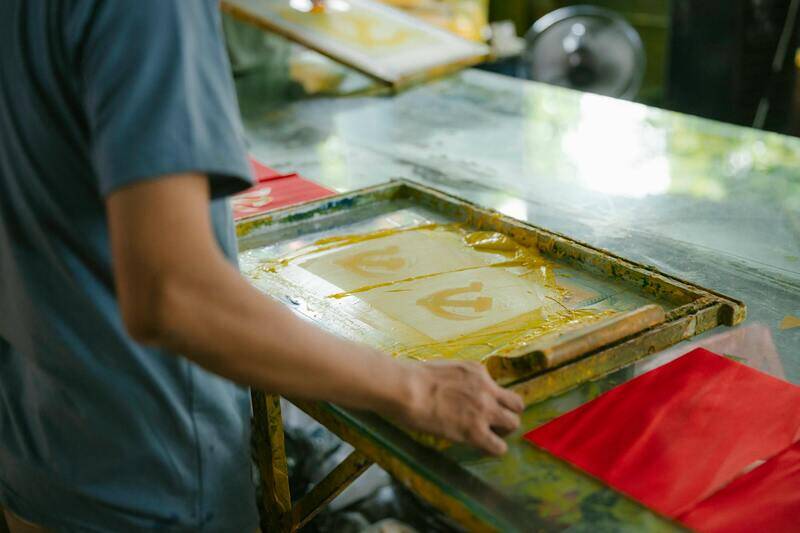
Beyond paper types, other substrates such as vinyl, fabric, and transparent films expand the scope of color printing applications. Vinyl is often used for signage and banners due to its durability and weather resistance, while fabric printing is widely utilized in textile manufacturing for custom apparel, home decor, and promotional items. Transparent films, especially when backlit, provide striking visual effects and are ideal for window displays and illuminated signage.
Material selection should align with the intended display environment and longevity requirements. For instance, outdoor signage demands substrates with high resistance to UV exposure and moisture, whereas interior displays may prioritize color vibrancy and surface texture. It is also important to consider the compatibility of substrates with the chosen printing technology to ensure ink adhesion, color fidelity, and overall durability of the print.
In addition, the surface properties of substrates impact ink behavior significantly. Porous materials tend to absorb inks quickly, which can affect color richness and sharpness. Conversely, non-porous surfaces require specialized inks or coatings to prevent smudging and ensure vibrant color output. Proper surface preparation, such as cleaning and applying primers or coatings, can optimize ink adhesion and color accuracy.
To maintain consistent color quality, selecting high-grade materials and substrates from reputable suppliers is advised. Reliable vendors provide detailed specifications, recommended printing settings, and maintenance instructions to help achieve optimal results for color print images. Consistent material quality, combined with precise calibration of printing systems, ensures that color reproduction remains uniform across batches and applications.
Understanding the Methods for Producing Color Print Images
Creating vibrant and accurate color print images relies on using proper production methods that maximize color fidelity and stability. Offensively, digital printing technologies such as inkjet and laser printing are primarily employed for producing high-quality color images. Inkjet printing, favored for its precision and richness, disperses tiny ink droplets directly onto substrates, enabling detailed and vivid color reproductions. Conversely, laser printing, which uses electrostatic processes, offers faster turnaround times and is ideal for high-volume production, though with slightly different color characteristics. Both methods require careful calibration and maintenance to ensure consistency across print runs.
Techniques for Achieving Consistent and High-Quality Color Prints
- Color Profile Utilization: Implementing ICC profiles tailored for specific printers, inks, and substrates helps maintain color consistency from design to output. These profiles calibrate the device's color output, ensuring that the printed image matches the intended colors accurately.
- Regular Calibration of Equipment: Routine calibration of printers and monitors prevents color drift, especially crucial when reproducing colors with high precision. Calibration involves adjusting color profiles and device settings regularly to maintain alignment.
- Use of High-Quality Inks and Materials: Selecting inks and substrates from reputable suppliers ensures vibrant colors and durability. High-grade inks with stable color properties reduce fading over time and maintain visual appeal.
- Environmental Control: Maintaining consistent temperature and humidity conditions during printing minimizes color variability caused by environmental factors. Proper storage of materials also contributes to consistent results.
Advanced Printing Techniques and Their Impact on Color Fidelity
Emerging digital printing techniques, such as hybrid printing systems that combine different technologies, enable enhanced color accuracy and special effects. For instance, gamut extension techniques incorporate additional colorants or special inks to reproduce a broader spectrum of colors, particularly in Pantone-matched designs. Additionally, multi-layer printing processes fuse different inks or finishes to evoke textures or gloss effects, further enriching the visual impact of color print images.
Advanced Techniques for Enhancing Color Print Image Quality
Achieving superior color fidelity in printed images involves a meticulous approach to various aspects of the printing process. Utilizing advanced techniques ensures that the printed output closely matches the original design, providing vibrant, accurate, and durable results that meet professional standards. In this context, organizations and individuals committed to high-quality color print images focus on leveraging cutting-edge methods, materials, and processes.
Color Profiling and Color Matching Strategies
One of the fundamental methods for attaining precise color reproduction is the implementation of comprehensive color profiling. This involves creating standardized profiles for each device—printers, monitors, and scanners—that are used throughout the production chain. By employing software tools for color management, users can adjust settings and workflows to coordinate color output seamlessly, reducing discrepancies and ensuring consistent visual results across different media and print runs.
Utilization of High-Resolution and Multi-Pass Printing Techniques
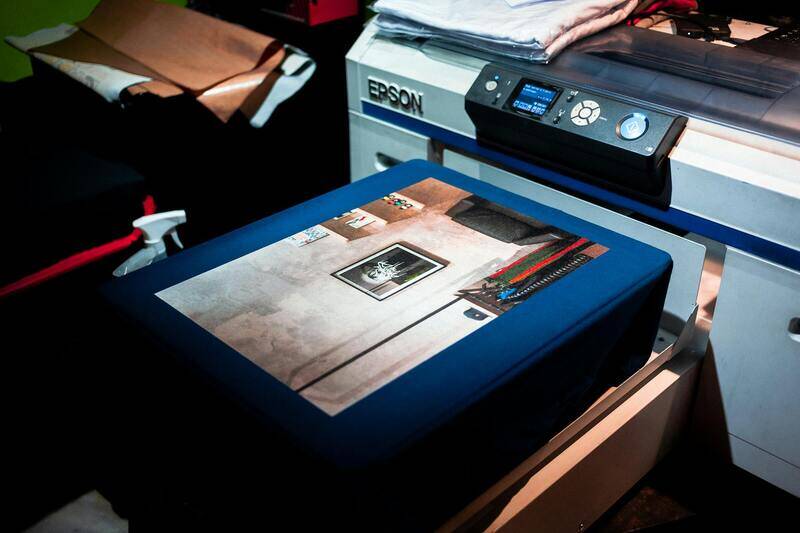
High-resolution printing—often at 1200 dpi or higher—is critical for capturing minute details and subtle color gradations. Multi-pass printing technology enhances color depth and sharpness by applying multiple layers of ink with precision control, resulting in images with greater clarity, smoother transitions, and reduced banding. These techniques are particularly valuable for producing high-fidelity photographic prints, detailed graphic art, and complex color gradients.
Implementation of Specialty Inks and Layers
Employing specialty inks such as metallic, fluorescent, or opaque inks provides expanded color and finish options, adding depth and vibrancy to print images. Layering multiple inks with different opacities allows for sophisticated effects like textures, gloss variations, and special visual effects that elevate the overall impact of the printed piece. Advanced printers equipped with multiple ink channels facilitate complex multi-layer printing processes, ensuring precise color accuracy and creative versatility.
Precision in Color Calibration and Maintenance
Consistent calibration of printing devices is paramount. Regularly updating color profiles, cleaning print heads, and performing routine maintenance mitigate issues such as color inconsistencies, banding, or ink misalignment. Employing spectrophotometers and calibration tools ensures that devices adhere to strict color standards, maintaining synchronization between digital designs and printed output. This disciplined maintenance regime is essential for high-volume production environments where uniformity over time is crucial.
Environmental Controls for Optimal Printing Conditions
Controlled environments significantly impact the fidelity of color print images. Maintaining stable temperature and humidity levels prevents ink spreading, drying issues, and color shifts. Proper storage of inks and substrates in climate-controlled conditions preserves their quality, reducing the likelihood of color variability or defects in the final product. Implementing environmental controls, especially in high-precision printing operations, contributes to achieving consistent results with every print run.
Investment in Quality Materials and Substrates
The choice of substrates—such as glossy, matte, or textured papers—and inks influences color vibrancy, durability, and overall aesthetic. High-quality, pigment-based inks tend to offer better color retention and water resistance, ensuring longevity. Selecting the appropriate materials aligned with the intended application—whether for indoor displays or outdoor signage—supports the production of print images with rich, accurate colors that withstand environmental factors over time.
Post-Printing Quality Assurance
Finally, thorough quality checks post-printing help identify issues such as color shifts, inconsistencies, or defects. Using high-resolution viewing systems and digital color measurement tools, operators can verify that the printed images meet specified standards. When discrepancies are detected, adjustments in the workflow—such as re-calibrating devices or tweaking color profiles—can be made promptly to maintain the high standards expected in professional color printing.