Overview of Colour Printing
Colour printing is a fundamental process within the printing industry that enables the reproduction of images and text in a broad spectrum of colours. This technique involves the use of various colour inks or toners to produce vibrant, detailed, and accurate visual representations across a wide array of media. Historically, colour printing has evolved from simple two-tone presses to sophisticated digital and offset methods, significantly enhancing the capacity for high-quality, multi-colour output. The significance of colour printing lies in its ability to convey messages more effectively, attract attention, and improve the aesthetic appeal of printed materials, which is vital in marketing, branding, and informational dissemination in today’s competitive landscape.

The advent of colour printing revolutionised the industry by enabling precise colour reproduction and consistency. From brochures and photographs to packaging and promotional materials, colour printing plays a crucial role in creating visually impactful content. As technology advances, methods such as digital printing, offset printing, and flexography have expanded the possibilities, allowing for faster turnaround times and cost-effective options for both small businesses and large-scale operations. In Singapore, where the demand for high-quality printed materials is on the rise, colour printing remains a vital service that supports diverse sectors including advertising, retail, education, and more.
Understanding the significance of colour printing entails recognising its impact on visual communication and the ways it enhances the effectiveness of printed messages. Consistent and accurate colour reproduction not only boosts brand recognition but also ensures that designs meet specific standards across various mediums. As digital and traditional printing techniques continue to converge, the industry persists in developing innovative solutions to meet the growing demand for high-quality, colourful output in multiple sectors within Singapore and beyond.
Understanding the Spectrum of Colour Printing Technologies
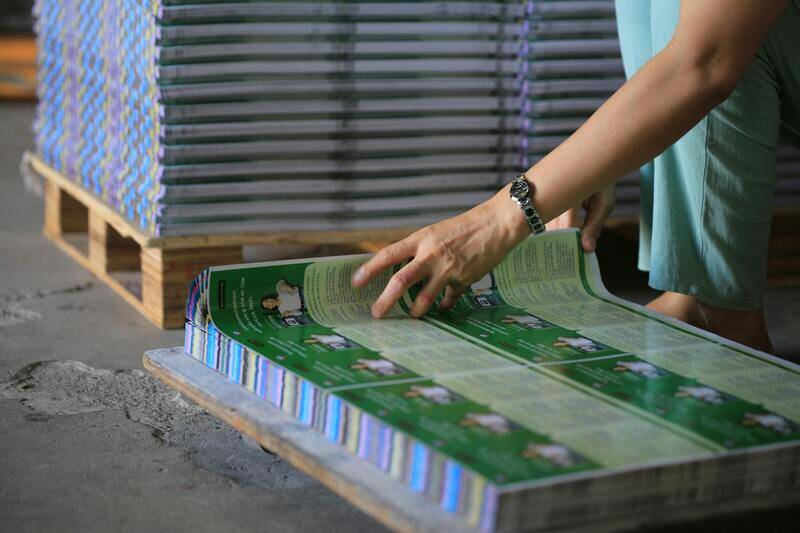
Choosing the right colour printing method depends on various factors such as the project size, budget, desired quality, and turnaround time. Each technique offers distinct advantages tailored to specific needs. For instance, offset printing remains a popular choice for large-volume jobs due to its cost efficiency at scale and exceptional colour accuracy. Its ability to produce consistent, high-quality images makes it ideal for printing brochures, magazines, and packaging materials where vibrant, precise colours are essential.

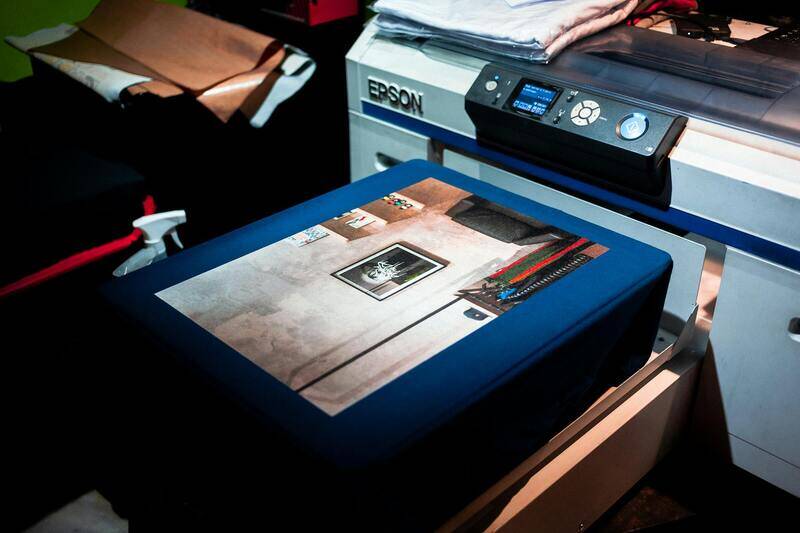
Conversely, digital colour printing provides a flexible, quick-turnaround solution suitable for short runs and on-demand printing. It eliminates the need for plates, reducing setup time and costs, making it particularly advantageous for customised printing and promotional items requiring rapid deployment. This method is increasingly adopted for personalised stationery, labels, and event materials.
Flexographic printing, often used in packaging, leverages flexible relief plates and is highly effective for high-volume printing of labels, wrappers, and flexible packaging. Its ability to print on various substrates—including plastic, foil, and paper—enhances its versatility, catering to the expanding packaging industry within Singapore.
Integration of Advanced Colour Management Techniques
Implementing precise colour management processes ensures that printed materials consistently reflect the original design intent, regardless of the printing technique employed. Calibration of colour profiles between digital designs and printers minimizes discrepancies, resulting in vibrant, true-to-colour images.
In Singapore's competitive market, factories and print houses often use specialised colour matching software that enables detailed pre-press checks. These tools facilitate the reproduction of complex colour schemes and facilitate seamless communication between designers and printers. Ensuring uniform colour output across various batches and formats is vital for brand integrity, especially for marketing campaigns and product packaging.
Materials and Substrates Compatible with Colour Printing
The choice of substrate significantly influences the final output in colour printing. Common materials include various types of paper—glossy, matte, coated, and uncoated—as well as synthetic options such as plastics and textiles. Each material interacts differently with inks, affecting vibrancy, durability, and finish.
High-quality coated papers are frequently used in brochure printing, offering enhanced colour brightness and sharpness. For outdoor signage or durable labels, weather-resistant synthetic substrates are preferred, requiring inks that adhere well and endure environmental stresses.
Design Strategies to Maximise Colour Impact
Creating effective colour prints involves not just selecting a vibrant palette but also understanding how colours interact and influence perception. Designers should adhere to colour harmony principles, balancing bold contrasts for attention with subtle tones for readability.
Utilising spot colours or specific colour profiles can produce consistent branding elements across different print runs. Additionally, accounting for colour gamut limitations of the chosen printing method ensures that the final product accurately reflects the intended design, preventing undesirable shifts or dullness.
Practical Applications in Singapore’s Market
Colour printing is instrumental across various sectors within Singapore. Retail businesses leverage high-quality printed packaging and promotional materials to attract customers and communicate brand stories. Educational institutions use vibrant posters and handouts to engage learners effectively. The advertising industry depends heavily on eye-catching billboards and vehicle wraps that utilise advanced colour printing techniques to stand out amidst a bustling urban landscape.
Furthermore, local startups and multinational corporations alike invest in customised marketing collateral that highlights their distinctive visual identities. The capability to produce short runs of innovative, colourful designs efficiently supports an evolving market that values both creativity and practicality.
Overview of Colour Printing
Colour printing is an essential component of modern visual communication, allowing businesses and individuals to produce vibrant, attention-grabbing materials that convey messages effectively. This process involves transferring coloured inks or dyes onto various substrates, such as paper, fabric, or plastics, to create visually appealing images, text, or branding elements. In Singapore, where the competitive landscape pushes for innovative marketing strategies, the ability to print in multiple colours with precision is vital for standing out in retail displays, corporate branding, educational resources, and advertising campaigns.

Advancements in printing technologies have expanded the scope of colour printing, offering a diverse range of options that cater to various needs—from high-volume commercial printing to bespoke artistic projects. The proper understanding and application of these techniques enable companies to deliver impactful visual content that resonates with target audiences, fostering brand recognition and loyalty in Singapore’s dynamic market.
Types of Colour Printing Techniques
Offset Colour Printing
Offset printing remains a dominant method for producing large quantities of vibrant prints with consistent quality. It involves transferring ink from a plate to a rubber blanket and then onto the printing substrate. This process supports a broad spectrum of colours and intricate details, making it ideal for flyers, brochures, magazines, and packaging that demand high fidelity in colour reproduction.
Digital Colour Printing
Digital colour printing offers a flexible alternative for short runs, on-demand printing, and personalised materials. Using digital files directly from a computer, this method eliminates the need for plates, reducing setup times and costs. Its precise colour matching capabilities deliver sharp images and accurate colour fidelity, which is especially useful for customized marketing materials, labels, and promotional items in Singapore’s fast-paced business environment.
Screen Printing
Screen printing utilises stencils and mesh screens to apply layers of ink onto substrates. It is particularly effective for printing on textiles, plastics, and other uneven surfaces. The vibrancy of colours achievable with screen printing, combined with its durability, makes it the preferred choice for apparel, signage, and promotional merchandise that require bold, lasting visuals.
Flexographic Printing
This continuous roll-to-roll process is suitable for high-volume packaging and labels. Flexography employs flexible plates made of rubber or photopolymer, enabling rapid production of colourful packaging materials such as cartons, wraps, and bags. Its ability to print on diverse materials with consistent results contributes significantly to Singapore’s packaging industry growth.
Each printing method has unique advantages and is selected based on project requirements, volume, substrate type, and colour fidelity needs. Combining these techniques often allows for innovative, multi-layered designs that elevate visual impact across multiple platforms and formats.
Ensuring Accurate Colour Reproduction through Professional Colour Management and Calibration
Achieving consistent and vibrant colour output in professional colour printing relies heavily on effective colour management and calibration procedures. These processes ensure that the colours displayed on digital screens, prepared in design software, match the final printed product with high fidelity. Implementing proper calibration protocols across devices involved in the production workflow minimizes discrepancies and maintains colour integrity from start to finish.
All imaging devices, such as monitors, scanners, and printers, should be regularly calibrated using industry-standard tools. Calibration involves adjusting hardware settings to align output with recognised colour standards, such as those set by the International Organization for Standardization (ISO) or the International Colour Consortium (ICC). For example, monitor calibration ensures designers view colours that are true-to-life, facilitating accurate colour choices during the creative process.
Moreover, colour profiles, especially ICC profiles, play a fundamental role in colour management. These profiles encode how colours are interpreted by devices, providing a common language for colour translation across different media. Embedding the correct profiles into design files and printing workflows guarantees that colours stay consistent regardless of the output medium or device used.
In a professional colour printing environment, a colour-managed workflow typically involves:
- Calibration of display monitors to ensure accurate digital previews.
- Utilization of colour profiles aligned with the specific printing process and substrate.
- Regular calibration and profiling of printers to maintain colour consistency throughout production runs.
- Simulating colours through soft-proofing techniques to preview how colours will appear in the final print.

Additionally, environmental factors such as ambient light conditions in the workspace can influence perceived colours during pre-press and printing stages. Maintaining controlled lighting conditions and adhering to standard viewing booths mitigates visual misjudgments, facilitating precise colour evaluation and adjustments.
Investing in advanced calibration tools and training staff on colour management best practices significantly elevates the quality standards of colour printing outputs. This approach not only enhances visual appeal but also ensures brand consistency, resulting in satisfied clients and a competitive edge in Singapore's dynamic market landscape.
Materials Used in Colour Printing
Choosing the right materials is essential for achieving vibrant and durable colour prints. The selection of substrates can significantly influence the final output, affecting colour richness, longevity, and overall appearance.
Common materials used in colour printing encompass a broad range of options tailored to different applications:
- Paper and Cardstock: These are the most traditional and widely used materials in colour printing. Various finishes such as matte, gloss, and satin can enhance colour vibrancy and texture. High-quality coated papers provide better ink adhesion, resulting in sharper images and more accurate colour reproduction.
- Vinyl and Adhesive Films: Ideal for banners, signage, and outdoor displays, these materials withstand environmental elements and maintain colour integrity over time. They often feature a glossy or matte surface to suit specific visual effects.
- Textiles: Fabric substrates like cotton, polyester, and blends are popular for custom apparel, banners, and promotional items. Special printing inks are utilized to ensure vividness and durability, especially for items exposed to frequent washing or outdoor conditions.
- Plastic and Polycarbonate Sheets: Used in manufacturing packaging, point-of-sale displays, and decorative panels, these materials support high-resolution colour printing with excellent resistance to impact and weather factors.
- Metal Sheets and Coated Surfaces: Often employed in architectural and decorative applications, these substrates offer a modern aesthetic with the ability to produce intense, metallic colours through specialised printing techniques.
Ensuring compatibility between printing inks and chosen materials is crucial for optimal adhesion and colour fidelity. Advances in ink formulations, such as UV-curable and solvent-based inks, broaden the applicability of colour printing across diverse substrates while maintaining the vibrancy and durability of the colours.

Material quality control and pre-treatment processes — such as cleaning, priming, or applying a coating — can further enhance the print quality, ensuring that colours remain consistent and sharp throughout the production cycle. Proper material selection and preparation are integral to delivering high-impact, vivid colour prints suitable for commercial, artistic, and industrial uses in Singapore’s competitive market landscape.
Benefits and Limitations of Colour Printing
Colour printing offers numerous advantages that significantly enhance the visual appeal and communicative effectiveness of various materials. One primary benefit is its ability to produce vibrant, detailed images that capture attention and convey complex information with clarity. High-resolution colour printing makes it possible to reproduce photographs with rich tones and subtle gradations, which is essential for advertising campaigns, marketing collateral, and artistic reproductions.
Additionally, colour printing provides versatility in application, accommodating a wide array of materials such as paper, fabric, plastics, and metal substrates. This flexibility extends to different printing methods, whether digital, offset, or flexographic, allowing businesses to choose the most suitable process for their specific needs. The precision and consistency achievable through advanced colour management ensure that branding and messaging remain uniform across multiple print runs, thereby strengthening brand recognition and professional appearance.
Moreover, the durability of colour-printed materials has improved markedly with advances in ink formulations and coating technologies. This means that colour prints can withstand exposure to environmental factors like sunlight, moisture, and handling without significant degradation. For industries that require outdoor signage, vehicle wraps, or promotional items, this durability is a vital aspect of their investment in high-quality colour printing.

However, colour printing does encounter certain limitations. The initial setup costs, especially for high-quality digital or offset presses, can be substantial. Colour calibration and management require precise control and expertise to prevent issues such as colour mismatches, inconsistent tones, or bleeding, which might compromise the overall quality of the print. Achieving true colour fidelity demands specialized skills and professional-grade equipment, which may elevate production expenses.
Another consideration is the environmental impact associated with some printing methods. Certain inks and solvents used in colour printing can pose ecological concerns, prompting the industry to adopt more sustainable practices, such as eco-friendly inks and recycling-friendly substrates. Furthermore, colour printing processes typically involve longer production times compared to monochrome printing, which can affect turnaround times for urgent projects.
Understanding these benefits and limitations is essential for making informed decisions when selecting colour printing services. By leveraging advancements in technology and maintaining rigorous quality control, businesses can maximize the advantages of vibrant, precise, and durable colour outputs while managing associated challenges effectively.
Legal Procedures for Ensuring Authenticity in Colour Printing
To guarantee the integrity and authenticity of colour printed materials, companies and individuals must adhere to established procedures that affirm the legitimacy of their print outputs. This involves employing verifiable methods to maintain consistent quality and to prevent unauthorized reproduction or forgery. Many professional colour printing services incorporate comprehensive verification steps into their workflow, ensuring that each project aligns with client specifications and industry standards.
One crucial step in confirming the legitimacy of colour prints is the implementation of standardized color management protocols. This includes use of professional calibration tools and color profiles that are compliant with industry benchmarks. Regular calibration of printing devices ensures that colors are reproduced accurately across various media, reducing discrepancies that could potentially lead to doubts about authenticity. Additionally, detailed documentation of the printing process—such as serial numbers, batch details, and process logs—serves as a traceable record confirming the legitimacy of the output.
For sensitive projects, such as official documents, certificates, or branded materials, security features are often integrated. These features can include watermarks, microtext, holograms, or special inks that are difficult to replicate without access to advanced technology. Employing such elements not only enhances the security of the printed items but also provides clear markers of authenticity that are recognized industry-wide.

It is also essential for businesses to verify their printing partners’ credentials. Selecting reputable providers who adhere to high standards of quality control and possess certifications from recognized industry bodies can afford further assurance of legitimacy. These providers often participate in accreditation programs that promote transparency, consistency, and quality improvement within their operations.
Furthermore, the digital transition has introduced blockchain technology as a means of verifying print authenticity. While still emerging, these systems allow for secure, transparent verification of printing provenance and ownership, making tampering significantly harder. Implementing such advanced verification measures is vital in sectors where the authenticity of printed materials is paramount, such as legal documents, government records, and high-value commercial branding assets.
By combining rigorous color management practices, integrated security features, adherence to industry standards, and technological innovations, stakeholders can establish a robust framework that confirms the legitimacy and authenticity of colour printed materials. These steps foster trust among clients, safeguard brand integrity, and ensure compliance with regulatory expectations—all fundamental aspects of professional colour printing operations.
Ensuring Print Authenticity through Industry Best Practices
Authentic and high-quality colour printing hinges on rigorous adherence to established methods and standards. Modern industry practices emphasize transparency, precision, and the use of official channels to verify the legitimacy of the printing process and materials. For organizations and individuals seeking to maintain accountability and ensure the integrity of their printed outputs, engaging with reputable printing providers who follow proven procedures is essential.
Official Verification Methods for Colour Printing
One fundamental method involves obtaining certifications from recognized industry certifying bodies. These certifications serve as formal approval, highlighting that the printing provider adheres to strict quality control, environmental protocols, and security standards. Visual inspection and consistency checks across multiple print runs further help verify the uniformity and fidelity of colours, ensuring the output matches original designs and expectations.
Additionally, documentation plays a crucial role in maintaining transparency. Legitimacy can be confirmed through detailed records, including production logs, material sources, and compliance reports, which collectively substantiate the authenticity of the printed materials. For high-value or sensitive outputs, digital tracking systems integrated into the manufacturing process can record each stage, creating an auditable trail that guarantees traceability and accountability.

Role of Industry Standards and Accreditation
Adherence to internationally recognized standards, such as ISO certifications for colour management and quality assurance, acts as an official benchmark for reliable colour printing. Accreditation from such standards indicates that a printing provider practices consistent colour calibration, material handling, and security measures. These standards not only improve output quality but also enhance trust between clients and service providers.
- ISO 12647 series for process control in colour printing
- ISO 9001 for quality management systems
- ISO 16759 for eco-friendly printing practices
Clients should request proof of such certifications as part of their vetting process to confirm that the provider operates within recognized parameters, aligned with industry best practices.
Utilizing Technological Tools for Enhanced Verification
Technological advances have introduced sophisticated tools for verifying print authenticity, such as secure digital certificates, watermarks, and QR codes embedded within printed materials. These features are created using official software and embedded during the production process, enabling quick and reliable validation by scanning devices or online platforms.
Blockchain technology, though increasingly adopted in specialized sectors, provides an immutable record of print provenance, ownership, and production details. This technology enhances transparency, making unauthorized reproductions or tampering significantly more difficult and fostering higher levels of trust for high-stakes print applications.
Engaging Reputable Printing Partners
Working with established and reputable printing companies ensures access to official methods and verified practices. A competent provider will be transparent about their procedures and willing to provide relevant documentation and certification. It is wise to verify their industry affiliations, client reviews, and adherence to quality assurance programs before initiating any printing project. With these measures, clients can better safeguard the authenticity and integrity of their printed materials.