
Overview of Color Printing
Color printing plays a pivotal role in transforming plain visuals into vibrant, eye-catching displays that communicate messages effectively. This printing technique enables the reproduction of a broad spectrum of colors, delivering images and text with clarity, depth, and realism. The ability to accurately replicate images with multiple hues makes color printing an essential component across various industries, including advertising, packaging, publishing, and corporate branding.
In the realm of printing, the significance of color printing extends beyond aesthetics; it influences consumer perception, brand recognition, and the overall impact of marketing campaigns. The quality of color reproduction directly affects the perceived professionalism and attractiveness of printed materials. Bright, consistent, and true-to-life colors ensure that visual content resonates with audiences and conveys the intended message effectively.
Common applications of color printing include corporate brochures, product labels, posters, marketing flyers, and packaging materials. These printed items rely heavily on precise color rendering to attract attention and communicate brand identity. Moreover, industries such as fashion, interior design, and photography also depend on high-quality color printing to showcase their work with impressive fidelity.

Fundamentally, color printing combines specialized techniques, substrates, and inks to produce consistently vibrant image reproduction. Its importance in the printing sector stems from its ability to elevate visual storytelling and ensure printed materials stand out in competitive markets. Proper understanding and application of color printing processes can significantly improve the impact and effectiveness of printed outputs, making it a cornerstone of modern visual communication.
Color Management and Accurate Reproduction
Achieving precise color reproduction is fundamental to maintaining brand consistency and visual integrity across all printed materials. Effective color management ensures that colors appear uniform regardless of the printing device, substrate, or viewing conditions. This process involves standardized workflows, calibration of printers, and utilization of color profiles that translate digital images accurately onto physical substrates.
Implementing a comprehensive color management system begins with profiling both digital files and printing hardware. This alignment allows for predictable color output, minimizing discrepancies that could compromise the final appearance. Regular calibration of monitors and printers, along with the use of standardized color spaces such as sRGB or Adobe RGB, helps in maintaining consistency from digital design to printed product.
Beyond calibration, the application of color profiles—specifically ICC profiles—facilitates precise color matching. These profiles act as communication tools between digital files and printing devices, ensuring that intended colors are faithfully reproduced. For industries where exact color matching is critical, such as packaging or branding, employing advanced color management techniques guarantees that the visual message remains consistent and impactful.

Various software solutions are available that assist in managing colors effectively, allowing designers and printers to preview and adjust colors pre-press. This proactive approach to color management reduces wastage and reprints, leading to cost efficiency and faster turnaround times. Moreover, consistent color reproduction reinforces brand identity, builds consumer trust, and elevates the perceived quality of printed materials.
Investing in high-quality color management tools and training staff in color theory and calibration procedures is crucial for businesses committed to delivering premium printed products. Such diligence ensures that all visual elements—logos, images, and backgrounds—maintain their vibrancy and accuracy, regardless of the complexity of the print job or the substrates involved.
Substrate and Ink Choices for Color Printing
Choosing the right substrates and inks is fundamental to achieving optimal color print quality. Substrates, such as paper, cardstock, fabric, plastic, or metal, each have unique properties that affect ink absorption, color vibrancy, and overall finish. Selecting an appropriate substrate involves understanding the end-use of the printed material—whether it’s for promotional banners, business cards, packaging, or textiles. For instance, glossy, coated papers tend to enhance color brightness and sharpness, making vibrant hues pop, whereas matte surfaces offer a subdued and elegant look suited for high-end stationery.

Ink selection is equally critical in the colour printing process. Different inks—such as solvent, aqueous, UV, or latex—offer varying properties concerning durability, drying time, and adhesion to substrates. Solvent inks, for example, provide excellent weather resistance and are suitable for outdoor signage, while UV inks cure instantly, allowing for high-speed production on a variety of non-porous surfaces. Latex inks are notable for their flexibility and eco-friendliness, making them ideal for textiles and promotional items.
Understanding the interaction between ink and substrate enables printers to produce consistent color results and long-lasting prints. For intricate designs with precise color matching, specialized inks formulated for specific substrates can provide enhanced pigmentation and gloss levels. Moreover, advances in ink formulations now prioritize environmental sustainability by reducing volatile organic compounds (VOCs) and sourcing eco-friendly materials, which aligns with the growing demand for environmentally conscious printing options.

Optimizing Color Accuracy with Substrate and Ink Combinations
To achieve precise colour reproduction, it’s essential to consider how substrate and ink choices work cohesively within the printing process. This involves selecting compatible materials that can hold vibrant colours without sacrificing clarity or durability. Testing different combinations before full-scale production helps identify the setup that delivers the best visual fidelity, especially for complex branding elements or detailed imagery.
Proper preparation also involves calibration of printing equipment to account for the specific materials used. Adjustments in ink density, curing times, and press settings contribute to consistent results across multiple runs. For print projects requiring extremely accurate colour fidelity, employing color profiles tailored to each substrate-ink pairing is vital to maintain uniformity.
Substrate and Ink Choices for Color Printing
The foundation of vibrant, durable color printing lies in the careful selection of substrates and inks. The choice of substrate significantly influences color vibrancy, adhesion, and longevity of the print. Common substrates include various types of paper, vinyl, fabric, and specialty materials such as metallic foils or transparent films. Each substrate has unique properties that can affect how colors appear once printed. For example, glossy papers tend to enhance brightness and contrast, making colors pop, whereas matte finishes provide a subdued effect suitable for certain design aesthetics.
Similarly, ink selection plays a crucial role in achieving accurate color reproduction and durability. Inks are formulated for specific substrates to ensure optimal adhesion and color retention over time. Pigment-based inks generally provide superior color depth and fade resistance, making them favorable for long-term displays or outdoor applications. Dye-based inks, on the other hand, excel in delivering vibrant hues but may require additional protective coatings for outdoor exposure.
To maximize print quality, practitioners often employ a combination of compatible inks and substrates paired with precise calibration protocols. Testing different material combinations allows for the identification of optimal setups that produce consistent results. For instance, specialized inks formulated for polyester fabrics can yield vivid, wash-fast images, ideal for promotional apparel or banners. Similarly, high-opacity inks designed for transparent substrates can create striking visual effects for window displays or packaging elements.

Advances in ink technology have also introduced eco-friendly options that do not compromise on color quality. Water-based and solvent-free inks are increasingly available, reducing environmental impact while maintaining high vibrancy and adhesion qualities. Ensuring that inks are compatible with digital or traditional printing presses involves considering factors like ink viscosity, drying time, and resistance to external elements such as moisture or UV exposure.
Ultimately, the interplay between substrate and ink choice determines the success of color printing projects. Proper selection, thorough testing, and adherence to calibrated printing protocols allow for consistent, high-quality results tailored to specific needs—whether for branding, packaging, or large-format displays.
Advanced Techniques and Color Accuracy in Printing
Achieving high-fidelity color reproduction relies heavily on meticulous calibration of equipment and comprehensive color management protocols. Precision in color output begins with the use of standardized color profiles, which serve as a reference to ensure consistency across different devices such as monitors, printers, and proofing systems. Professionals often utilize color management software that integrates these profiles, enabling seamless translation of digital files to physical outputs with minimal deviation.
Moreover, the implementation of color control patches during the production process plays an essential role. These patches act as benchmarks; by comparing the printed patches against approved color standards, technicians can identify and correct discrepancies early in the workflow. This iterative calibration process is vital in complex projects where exact color matching is critical, such as in brand identity assets or detailed product packaging.
The environmental conditions within the printing workspace also influence color accuracy. Consistency in ambient lighting, temperature, and humidity levels prevents fluctuations that could compromise color fidelity. Using controlled environments and professional lighting, such as D65 daylight simulators, ensures that colors are evaluated under optimal conditions, facilitating precise adjustments.
For digital printing methods, the utilization of advanced color profiling and calibration tools significantly enhances reliability. These tools enable real-time adjustments, minimizing color shifts during production runs. When combined with high-quality inks and substrates, they contribute to producing vibrant, consistent prints that meet exact specifications.
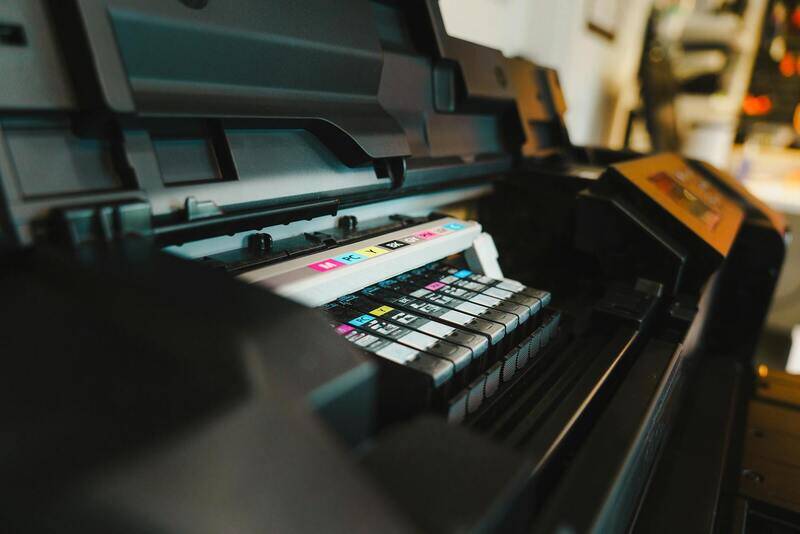
Cost Factors and Efficiency in Color Printing
When evaluating color printing options, understanding the various cost factors involved is essential for effective budgeting and project planning. The primary elements influencing costs include the volume of prints, the choice of printing technology, and the complexity of colors involved in the design.
Higher print volumes often benefit from economies of scale, reducing the per-unit cost and making large runs more cost-effective. Conversely, smaller quantities tend to incur higher costs, which may necessitate choosing digital printing for its quicker turnaround and lower setup expenses. Additionally, the complexity of the color palette impacts costs; designs requiring a wide spectrum of vibrant shades typically need advanced color management and higher-quality inks, which can increase expenses.
Optimizing efficiency involves selecting the right printing technology suited to the project scope. For instance, digital printing offers rapid production times and minimal setup costs, ideal for short runs demanding quick turnaround. Offset printing, while requiring more initial setup, becomes more economical for large-scale projects due to its high speed and lower incremental costs per print.

Another aspect to consider is ink usage and substrate selection. Using high-yield inks and optimizing layout arrangements can reduce wastage. Employing precise color profiling and calibration also minimizes reprints caused by color inconsistencies, saving both time and resources.
Automation and workflow integration further enhance productivity in color printing. Modern printers equipped with automated color correction and job setup features shorten turnaround times and reduce human error. Such innovations not only improve efficiency but also ensure a higher degree of color accuracy, aligning with client expectations and brand standards.
Technological Innovations Contributing to Cost Efficiency
- Variable Data Printing: Allows customization and personalized printing without significant additional costs, particularly beneficial for marketing campaigns.
- High-Speed Digital Printers: Enable large runs with quick setup and operation, decreasing production times and labor costs.
- Advanced Color Management Software: Ensures consistent color output across multiple jobs, reducing rework and material waste.
By strategically integrating these technological advancements and optimizing workflow processes, businesses can achieve high-quality color output while maintaining cost efficiency. Proper planning and an understanding of the specific requirements of each project are vital to making informed decisions that align with financial goals and quality standards.
Advanced Techniques for Achieving Color Accuracy
Precision in color reproduction is critical for businesses that rely on high-fidelity visuals to communicate their brand message or showcase their products. Achieving consistent and vibrant color output involves implementing advanced techniques within the printing process. One method is the meticulous calibration of printers using specialized color management software, which adjusts device settings to ensure that the colors produced match the intended design specifications. Periodic calibration helps maintain this consistency over time, accommodating fluctuations caused by toner or ink variations, environmental factors, or hardware changes.
Another essential approach is the utilization of standardized color profiles, such as ICC (International Color Consortium) profiles. These profiles serve as a reference for translating digital color data into physically printed colors, ensuring that hues are reproduced accurately across different devices and media. Incorporating these profiles into the workflow allows for precise control over color output, reducing discrepancies that could compromise brand integrity or visual appeal.
Color proofing is a vital step in the process, allowing clients and designers to preview the final output before committing to full-scale printing. Digital proofs that replicate the printing conditions closely can help identify potential color mismatches early, enabling adjustments to be made proactively. This process not only enhances color fidelity but also minimizes waste and reprints, ultimately saving time and resources.

Implementing profile-based color management, combined with regular calibration and proofing, fosters a dependable environment for color accuracy. This alignment between digital files and printed output enhances the professionalism of printed materials, whether for marketing collateral, packaging, or fine art reproduction, ensuring that each piece meets client expectations and maintains brand consistency.
Color Consistency Across Multiple Prints and Batches
Maintaining color consistency across several print runs involves rigorous adherence to standardized procedures. Consistent color output is achieved by maintaining uniform environmental conditions, such as temperature and humidity, which can influence ink drying and substrate behavior. Regular maintenance of print equipment is equally important, including cleaning of print heads and replacement of consumables when necessary.
Utilizing batch-specific color profiles allows for the calibration of printers to a specific run, ensuring that variations between editions are minimized. When printing large quantities, pre-press checks and quality assurance measures should be routinely performed to verify color accuracy at different stages, catching discrepancies before they escalate into costly reprints. These practices form the backbone of reliable color production, supporting brand integrity and client satisfaction across all projects.

Benefits of Color Printing Certification and Quality Standards
Adopting recognized quality standards and certifications, such as ISO 12647, reinforces the credibility of color printing services. These standards define precise parameters for color consistency, ink properties, and production workflows, providing a framework for achieving high-quality results. Certification demonstrates a commitment to excellence and can serve as a reassurance to clients seeking reliable and professional printing solutions.
Moreover, adhering to industry protocols enhances operational efficiency by establishing clear guidelines for color management and quality control. This structured approach minimizes errors, reduces waste, and ensures that printed materials meet specified color accuracy benchmarks. As a result, businesses can consistently deliver superior quality outputs, strengthening their reputation and fostering long-term customer relationships.

Implementing a Robust Color Management System
A comprehensive color management system (CMS) integrates hardware, software, and procedural standards to streamline color workflows from digital design to print production. A proper CMS encompasses device profiling, color gamut mapping, and calibration routines that work together to ensure that every color specified on a digital file is faithfully reproduced on the final output.
In practice, this involves creating, maintaining, and applying accurate ICC profiles for all devices involved in the process, including monitors, scanners, and printers. Automated workflows that incorporate real-time color checks and adjustments facilitate rapid correction of any deviations. Furthermore, staff training on proper color management procedures helps prevent human errors and promotes consistent practices across the production team.
Investing in high-quality color management tools and establishing strict internal protocols significantly increases the predictability and repeatability of printing results. This reliability is especially crucial for branding and marketing materials, where color consistency reinforces brand identity and appeals directly to consumer perception.

High-Quality Color Matching and Standardization in Printing
Achieving precise color matching and consistency across various print jobs and substrates is fundamental to professional colour printing. This process involves rigorous standardization procedures that utilize advanced colour measurement tools, such as spectrophotometers, to quantify colour variations accurately. These devices measure the spectral reflectance of printed colours, enabling technicians to compare output against predefined colour standards with high precision.
Implementing a comprehensive colour standardization protocol ensures that colour reproduction remains consistent regardless of the batch, substrate type, or printing environment. This includes adhering to industry-wide colour standards like ISO 12647, which defines acceptable tolerances for colour reproduction in commercial print workflows. By aligning production processes with these standards, printing businesses can maintain a high level of colour fidelity, reinforce brand consistency, and meet client expectations reliably.
In addition to hardware tools, colour management software plays a pivotal role in standardizing colour output. These software solutions enable automation of calibration processes, colour profiling, and colour matching across devices, reducing human error and increasing productivity. Regular calibration routines, performed at scheduled intervals, ensure all printers and monitors operate within the specified colour tolerances.
Training staff extensively on colour measurement and calibration techniques is equally critical. Well-trained personnel equipped with knowledge of colour science and measurement principles can identify and correct deviations swiftly, maintaining high standards throughout the production process.
Advanced Colour Verification and Quality Control Methods
Modern colour printing relies heavily on rigorous quality control to guarantee the accuracy of colour reproduction. This involves implementing advanced verification methods such as inline spectrophotometric scanning of printed sheets, which provides immediate feedback on colour accuracy before proceeding to subsequent print jobs. Automated systems integrated into the printing pipeline allow for continuous monitoring and adjustment during production, minimizing waste and rework.
Furthermore, sample proofs are generated and compared against digital reference files using specialised colour comparison software. These proofs serve as benchmarks, validating that the final print aligns with specified colour standards. Any discrepancies identified during this stage prompt corrective actions, ensuring that final production maintains stringent quality levels.
Material and Ink Considerations for Accurate Colour Output
The choice of substrates and inks significantly influences the quality and accuracy of colour printing. Different materials interact uniquely with inks; for example, coated papers offer vibrant colour reproduction due to their smooth surface, while uncoated or textured papers tend to absorb more ink, potentially dulling colours.
High-quality, compatible inks are essential for achieving vibrant and consistent colours. Pigment-based inks generally provide better stability, resistance, and colour richness compared to dye-based inks, making them suitable for applications requiring durability and colour fidelity.
It is also crucial to select substrates that are compatible with the chosen inks and colour management protocols. Specialised substrates such as metallic, transparent, or textured papers can be used strategically to create visual effects, but they necessitate adjustments in colour profiles and calibration routines to ensure accurate reproduction.
Techniques for Ensuring Colour Accuracy in Different Applications
Depending on the application, different techniques may be employed to optimize colour accuracy. For example, in for branding purposes, colour consistency is achieved through controlled printing conditions and meticulous calibration. For photo-realistic printing, such as in art reproduction or high-end commercial prints, precise colour matching involves additional steps like colourimetric proofing and calibration of input images.
Specialised colour techniques like spot colours, process colours, and metallic inks can be integrated into the workflow to meet specific project requirements without compromising overall colour quality. Implementing these techniques requires comprehensive planning and precise colour profiling, often supported by sophisticated software tools that simulate the final output during pre-press stages.
